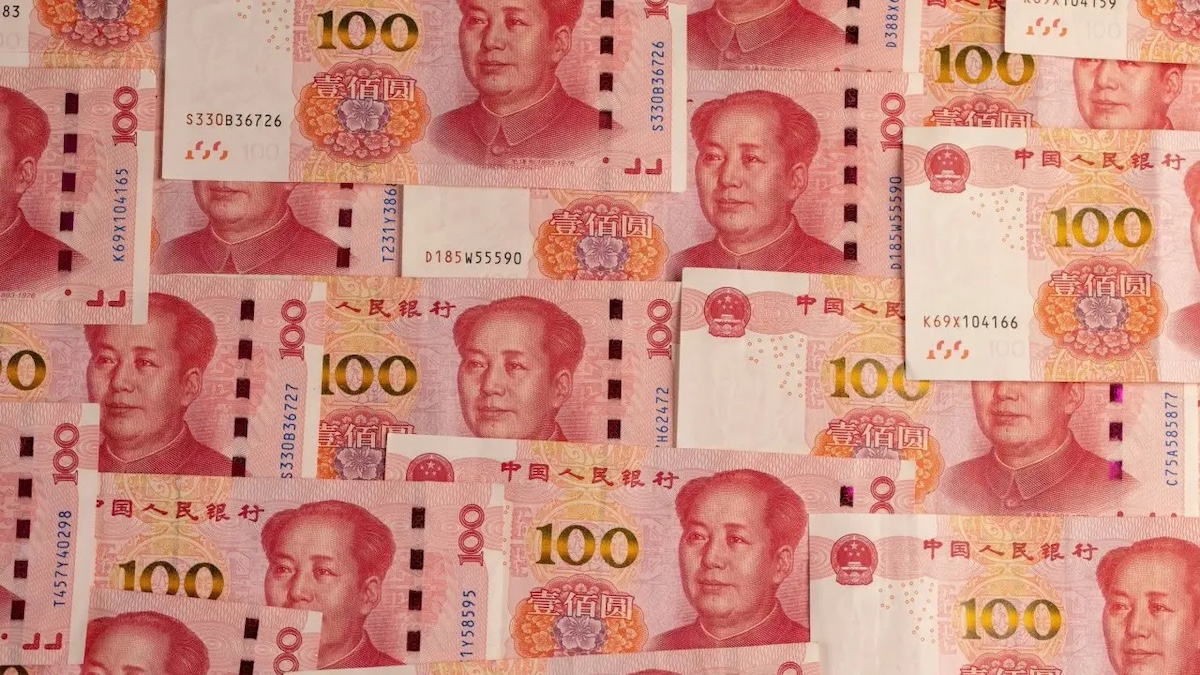
As a high-profile meeting between U.S. President Donald Trump and Chinese President Xi Jinping approaches this Thursday, the People’s Bank of China (PBOC) has unexpectedly shifted the geopolitical and economic dynamic by driving the yuan to its strongest level in nearly two years, complicating potential trade criticism from the White House.
When global currency markets opened this week, the Chinese renminbi hit its highest valuation against the U.S. dollar since July 2022. This upward momentum did not emerge by accident: the PBOC, China’s central banking authority, has deliberately guided the yuan higher in the days leading up to the much-anticipated leadership faceoff, a move widely interpreted as a pre-emptive response to longstanding U.S. accusations that China manipulates its currency to gain unfair trade advantages.
At the center of this policy push is PBOC Governor Pan Gongsheng, who oversaw an eighth consecutive daily increase in the yuan’s official midpoint fixing this week. This unbroken streak of upward adjustments has not been seen since 2023, marking one of the most consistent strengthening efforts from Chinese central bank authorities in recent years. Market analysts note that the timing of this move is no coincidence, as a stronger yuan deflates one of the Trump administration’s key longstanding arguments in bilateral trade tensions: that Beijing deliberately undervalues its currency to boost Chinese export competitiveness.
The development sets the stage for a shifted conversation when the two leaders meet, turning a potential point of criticism into a display of Chinese monetary policy confidence ahead of what many global observers have framed as a make-or-break discussion for bilateral trade and geopolitical relations.