博客

  • US oil giant Chevron confirms it will expand operations in Venezuela

    US oil giant Chevron confirms it will expand operations in Venezuela

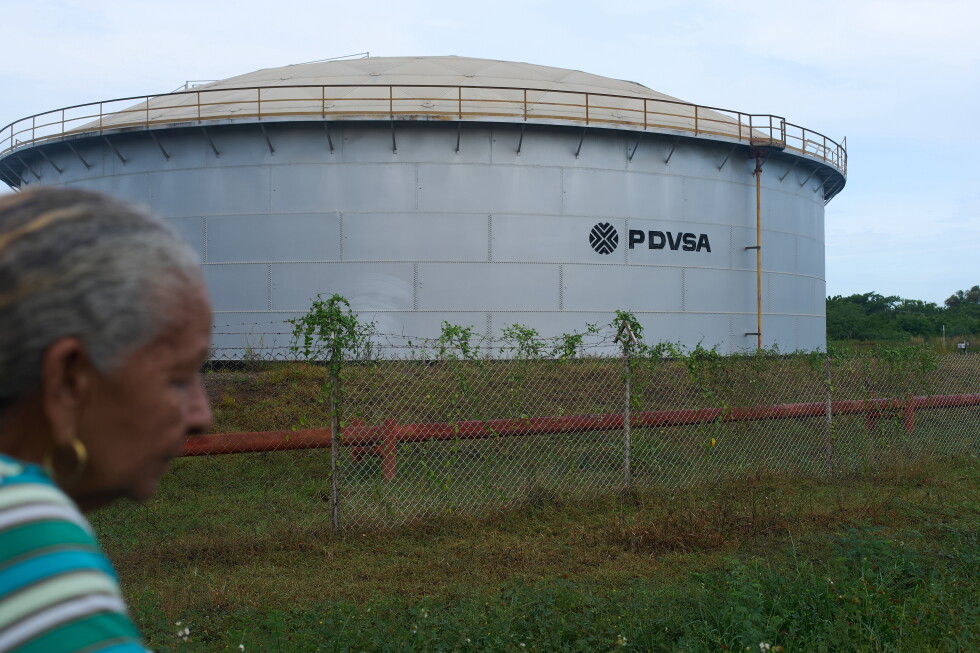
    NEW YORK — U.S. energy giant Chevron has officially announced a major expansion of its operations in Venezuela, moving forward just days after former U.S. President Donald Trump unveiled a high-stakes framework agreement to develop the Latin American nation’s massive untapped oil reserves that grants the U.S. Pentagon a share of project profits.

    In a public statement released Wednesday, Chevron confirmed it has been allocated additional exploration and production acreage in the Orinoco Belt, a heavy crude-rich region where the company has maintained active operations for decades. Under the new joint venture agreement with Venezuelan partners, the firm plans to inject more than $7 billion in capital investment over the next five years. Once the expansion is fully completed by 2026, the company’s daily production in the country will more than double, reaching approximately 600,000 barrels of crude per day.

    “Chevron’s footprint in Venezuela stretches back more than a century, and our expanded commitment here underscores our confidence in the country’s extraordinary resource potential and its ability to compete for long-term capital in our global portfolio,” said Chevron CEO Mike Wirth in the prepared remarks. “With revised commercial terms and access to new acreage, we are building out a position that will deliver attractive low-cost oil growth, bolster global energy security, and generate unique long-term shareholder value.”

    Per the 2025 Annual Statistical Bulletin from the Organization of the Petroleum Exporting Countries (OPEC), Venezuela holds the world’s largest volume of proven crude oil reserves, totaling more than 303 billion barrels. Saudi Arabia, the global crude export leader, ranks a distant second with 267 billion barrels of proven reserves.

    The official confirmation came one day after an unnamed U.S. official, speaking on background under White House ground rules for a press briefing, previewed the announcement and disclosed that Chevron executives and U.S. Energy Secretary Chris Wright planned to travel to Caracas on Wednesday to formally unveil the new investment package. As the second-largest oil company in the United States, Chevron is the only major U.S. energy firm that maintains a large-scale operational presence in Venezuela, with a history stretching back to 1923. The company currently operates three joint ventures in the country: Petroindependencia and Petropiar, which run extra-heavy crude projects in the Orinoco Oil Belt, and Petroboscan, based in Venezuela’s western Zulia State.

    The expansion move aligns with the Trump administration’s broader energy strategy, which the White House formalized on Monday when it announced a partnership with North American Blue Energy Partners as part of the push to unlock Venezuela’s oil potential. Trump has prioritized reestablishing deep U.S. commercial ties to Venezuela’s oil sector since the capture of former Venezuelan President Nicolás Maduro, with his framing the move as a path to reduce U.S. reliance on crude imports from the Middle East. He has actively courted other major U.S. oil firms to enter the market, claiming Monday that “We have Exxon going in, we have Chevron going in. We have our big oil companies going in.”

    The remark came despite Trump’s own comment in January that he was inclined to block ExxonMobil from entering Venezuela, after Exxon CEO Darren Woods publicly labeled the country “uninvestable.” A spokesperson for ExxonMobil clarified Tuesday that the company’s position on Venezuela has not changed, contradicting Trump’s claim that the firm was preparing to enter the market.

    The sweeping new U.S.-Venezuela energy agreement has faced significant skepticism from industry analysts and legal experts. Many analysts note that Venezuela’s oil production infrastructure has fallen into severe disrepair after decades of underinvestment and mismanagement, and it will take many years to restore output to meaningful levels. Legal experts have also raised questions about whether acting Venezuelan President Delcy Rodríguez holds the legal authority to grant 100-year exploitation rights for 17 oil fields holding 65 billion barrels of reserves, and whether future administrations in either Caracas or Washington could move to overturn the agreement entirely.
  • While helping African farmers, China’s not funding food processing

    While helping African farmers, China’s not funding food processing

    Over the past two and a half decades, Chinese institutional lending for African agriculture has grown steadily, but a new academic study reveals critical gaps in how this funding is allocated that hinder long-term agricultural modernization across the continent. Authored by Adrino Mazenda, a senior researcher and associate professor of economic management sciences at the University of Pretoria, the study breaks down the distribution, priorities, and limitations of China’s agricultural development finance in Africa.

    Between 2000 and 2024, the research documents 41 distinct Chinese-funded agricultural loans across Africa, totaling an estimated $2.26 billion. Geographically, Southern African nations including Angola, Zambia, Zimbabwe, and Mozambique have received the largest share of these loans, followed by East African countries (Ethiopia, Kenya, and Tanzania), West African markets (Nigeria and Ghana), and Egypt in North Africa.

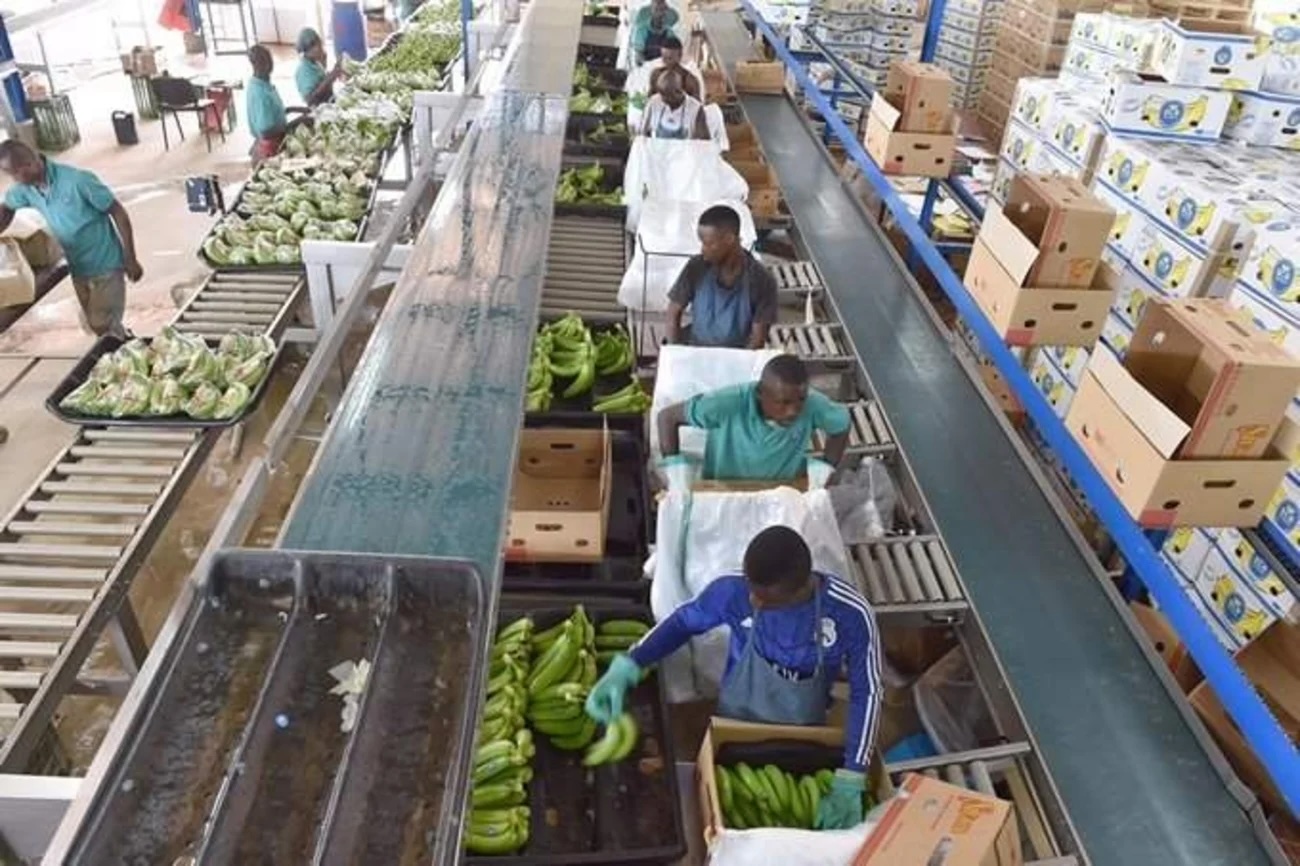
    When it comes to project priorities, Chinese agricultural funding is heavily concentrated in core production-facing activities. Nearly 36% of total lending goes toward large-scale farm schemes, while fisheries projects account for 29%. Additional major allocations support irrigation systems, agricultural mechanization, and rural infrastructure. By contrast, investment in post-harvest and value-adding infrastructure remains minimal: cold-chain and general storage facilities make up just 3% of total lending, and agro-processing plants receive less than 2% of all committed funds.

    Structurally, the study notes that most large Chinese agricultural loans are channeled through government-affiliated agencies and non-sovereign entities, rather than directly to African national governments. It also emphasizes that agricultural funding makes up only a small fraction of China’s overall development finance portfolio for Africa, where transport, energy, and general infrastructure have consistently received far larger financial commitments.

    The research identifies two key shortcomings in the current lending model. First, the lack of investment in post-harvest processing, storage, connected transport networks, and market systems leaves African agricultural sectors unable to build fully robust, value-adding industries. Even as core production capacity expands, the absence of these critical links prevents smallholder farmers from accessing local and global supply chains, limiting the economic impact of increased output. Second, Chinese lending decisions are driven primarily by the practical viability of individual projects and the credentials of loan applicants, rather than alignment with a broader strategic vision for continent-wide or national agricultural transformation. This approach follows a broader pattern among Chinese lenders, which prioritize deliverable stand-alone projects over systemic sector development.

    This gap comes at a critical moment for African agriculture. Many African nations lack the domestic capital needed to fund the full scope of infrastructure and systems required to modernize their agricultural sectors, making international development finance a critical resource. For agriculture to deliver sustained economic growth and improved food security across the continent, transformation requires more than just increased crop production: it demands integrated investment in market access, agricultural research, extension services, and institutions that connect small producers to regional and global buyers. While China’s current funding has successfully expanded production capacity, it falls short of supporting this full systemic transformation, per the study’s findings.

    Mazenda outlines clear actionable solutions to improve the long-term impact of Chinese agricultural lending. First, he argues that the long-term value of Chinese finance will depend not just on the total volume of investment, but on whether future lending prioritizes integrated value chain development that connects production, processing, storage, and markets. Investing solely in isolated production infrastructure is unlikely to deliver the transformative changes needed to build a more productive and competitive African agricultural sector.

    Second, African national governments have a key role to play in reshaping financing partnerships. They can negotiate for funding packages that align with national long-term agricultural development strategies, rather than accepting disconnected stand-alone projects. Targeted increased investment in storage facilities, agro-processing plants, cold-chain networks, integrated transport, agricultural research, extension services, and market development will strengthen value chains and amplify the long-term benefits of external finance. Governments should also improve interdepartmental coordination between agriculture, finance, and planning agencies to ensure external lending aligns with national priorities, and increase transparency around borrowing and project implementation to boost public accountability.

    Finally, international development partners including Chinese lenders can adjust their financing models to integrate production with post-harvest infrastructure and market access, allowing investment to generate broader, more inclusive economic benefits across African economies. As climate change, rapid population growth, and persistent food insecurity put growing pressure on African food systems, the question of whether development finance is structured to deliver long-term systemic value, rather than short-term project outcomes, has grown increasingly urgent. Building productive, competitive, and resilient agricultural systems will require intentional, integrated investment that addresses the gaps exposed by this new research.

  • Russian attacks wound 8 Ukrainian civilians as Moscow and Kyiv threaten to raise the stakes

    Russian attacks wound 8 Ukrainian civilians as Moscow and Kyiv threaten to raise the stakes

    The ongoing Russia-Ukraine conflict has entered its fifth year following Moscow’s full-scale 2022 invasion, and the air dimension of the war has reached new levels of intensity amid a largely deadlocked ground front in eastern and southern Ukraine. A new wave of overnight and early Wednesday Russian aerial attacks targeted residential and civilian infrastructure across Ukraine’s Kyiv and Odesa regions, leaving at least eight civilians wounded, local Ukrainian officials confirmed.

    According to Ukraine’s Air Force, the two regions bore the overwhelming majority of the latest assault. The service detailed that Russia launched a total of 174 attack drones, two ballistic missiles, and two air-launched cruise missiles in the barrage. Roughly half of the drones deployed were hard-to-intercept jet-powered models that Moscow has increasingly relied on in recent months of the conflict.

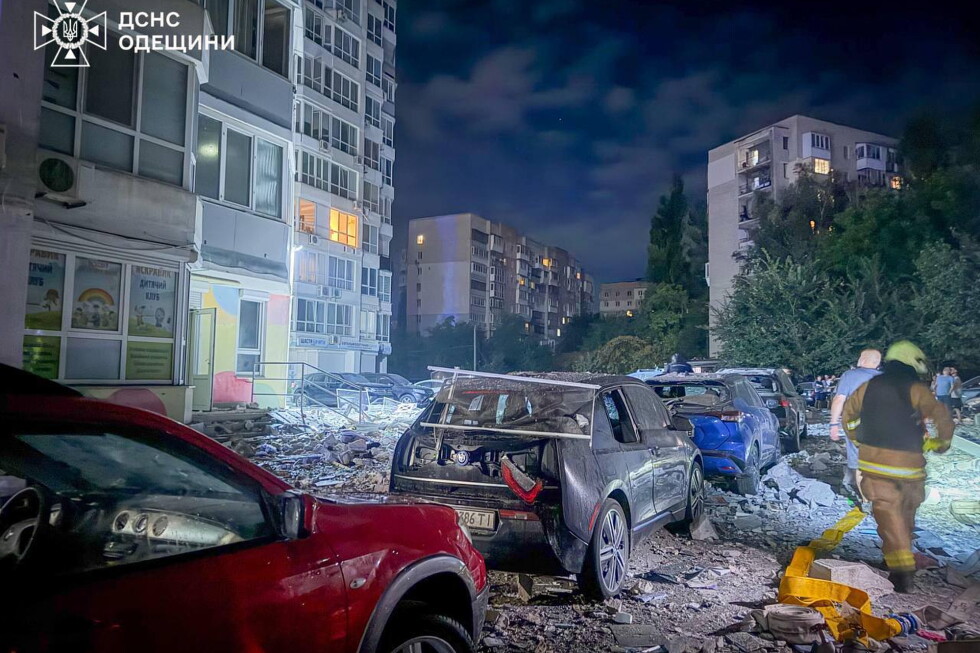
    In southern Ukraine’s Odesa region, the strike inflicted severe damage on a 24-story apartment building, where multiple floors were destroyed, and damaged additional commercial office spaces, two educational institutions, and knocked out power across parts of the city, halting electric public transit services. Eight civilians, including one child, were wounded in the Odesa attacks, regional military administration head Serhii Lysak confirmed. In the Kyiv region, two civilians suffered shrapnel wounds in morning strikes, which marked the seventh consecutive day of attacks on the Ukrainian capital. While this latest assault was lighter in scale than previous barrages, it sparked a fire at a commercial warehouse, damaged an educational facility and a local medical clinic, aligning with what Ukrainian officials describe as a deliberate Russian strategy to disrupt daily civilian life and erode public morale.

    The spike in aerial violence came amid a sharp exchange of verbal threats between Russian President Vladimir Putin and Ukrainian President Volodymyr Zelenskyy on Tuesday evening. Zelenskyy issued a public warning to international commercial airlines, stating that long-range Ukrainian drone operations inside Russia mean Russian airspace is no longer safe for civilian flights, claiming that “Russian airspace will effectively be closing.” He added that sustained military pressure on Russian territory is intended to force Moscow to enter good-faith peace negotiations.

    Putin, speaking to reporters on the sidelines of the Shanghai Cooperation Organization summit held in Bishkek, Kyrgyzstan, responded by labeling Zelenskyy’s actions “state terrorism” and reiterated that Russia will not enter negotiations with what he called a terrorist regime. The Russian leader also addressed recent reports that Ukraine has used British-manufactured drones to strike targets inside Russian territory. When asked whether Russia would retaliate by targeting British military facilities if London continues to supply lethal weaponry to Kyiv, Putin declined to rule out the option, telling reporters with a faint smile that the question concerned “a military secret.”

    In parallel with the strikes on Ukraine, Russia reported widespread Ukrainian drone attacks across its own territory overnight Wednesday. Russia’s Defense Ministry claimed its air defense systems destroyed 130 Ukrainian drones over 11 Russian regions, the annexed Crimean Peninsula, and the Black Sea. Acting governor of Russia’s border region Belgorod Alexander Shuvayev confirmed that two people were killed and 16 wounded in the Ukrainian drone strikes, noting that the region was targeted 140 times over a 24-hour period. Ukraine has increasingly deployed domestically produced long-range drones to strike Russian oil infrastructure, aiming to undercut Moscow’s war-time economy, as well as Russian commercial warehouses, in an effort to bring the tangible costs of the conflict to the Russian general public.

    Diplomatic efforts led by the United States to broker a path toward peace have so far failed to produce a breakthrough, and the conflict continues to draw in global powers. China and North Korea have openly provided military support to Russia in recent months, with Iran having supplied lethal drone technology to Moscow in earlier phases of the war. Meanwhile, European officials are currently weighing coordinated responses to what they describe as an expanding campaign of Russian sabotage and disruption across the continent intended to weaken public and political support for Ukraine. On Tuesday, German authorities formally blamed Russian intelligence for an attempted explosive drone attack on Leipzig/Halle Airport last month.

    Independent military analysts based in the West note that while the air war has intensified, ground operations remain largely stalled. The Washington-based Institute for the Study of War reported late Tuesday that Russian advances in August 2024 amounted to only a small fraction of the territorial gains Moscow secured in the same month a year prior. The think tank concluded that Russia’s spring-summer 2024 ground offensive has failed to break through Ukraine’s integrated frontline defenses, writing that “Russian gains remain slow and limited” as the conflict drags on.

  • Thousands still missing as Nepal-Tibet flood relief and recovery intensifies

    Thousands still missing as Nepal-Tibet flood relief and recovery intensifies

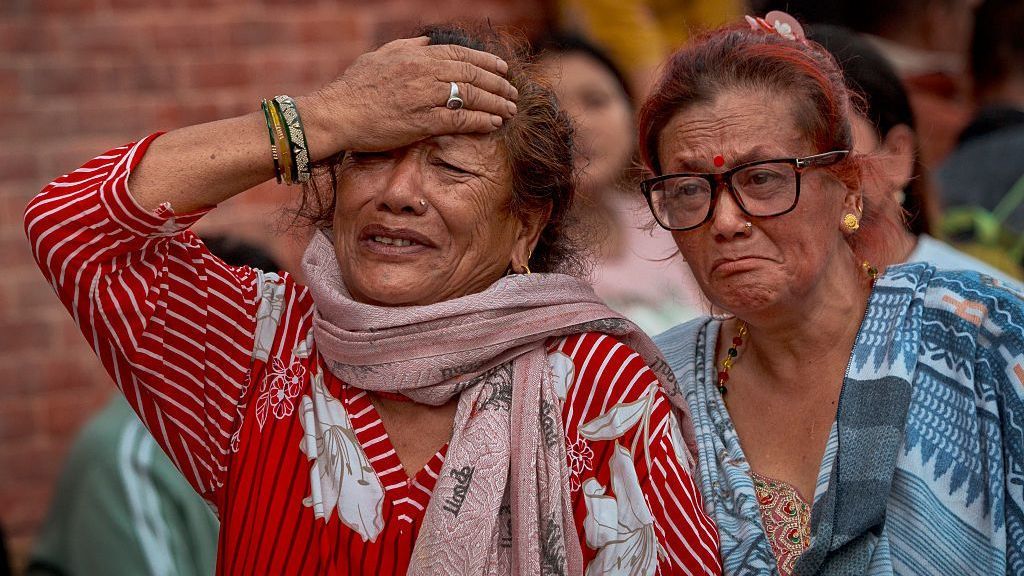
    It has been seven days since a catastrophic glacial-collapse-triggered flash flood tore through the cross-border Himalayan valley along the Nepal-Tibet boundary, leaving a trail of widespread destruction and a massive number of unaccounted-for people as rescue teams race against time to locate any remaining survivors before shifting fully to recovery operations.

    Official death tolls released by relevant authorities paint a grim picture of the disaster’s impact. Nepal’s national disaster management agency confirms that at least 1,114 people have lost their lives across Nepali territory, with close to 4,000 more still listed as missing. On the Tibetan side of the border, Chinese state media reports 16 confirmed fatalities and more than 500 people unaccounted for, with no survivors reported to date even as search work continues.

    Access to the full scope of damage in Tibet remains limited, as the Chinese government maintains strict travel restrictions for foreign journalists in the region, meaning all public information about the disaster there comes exclusively through official state media outlets. While Beijing has confirmed the devastation along the border, few detailed updates on victim identities or the full impact on local rural communities have been released to the global public. In a positive development for cross-border search efforts, however, Chinese state media reports that round-the-clock work using heavy equipment has succeeded in clearing debris and reopening the key Gyirong border crossing route, a step expected to speed up search operations moving forward.

    In Nepal, one of the most urgent ongoing search priorities focuses on hundreds of workers believed to be trapped inside the tunnels of local hydroelectric power stations, which were inundated when the floodwaters swept through the valley. To date, roughly 12,000 people have been pulled from affected areas and brought to safety, but thousands more remain missing – including hundreds of foreign nationals from countries including India, the United Kingdom, Australia, the United States, and Malaysia, among others. As the first week since the disaster passes, aid officials and communities are increasingly bracing for the confirmed death toll to rise significantly in coming days.

    International and cross-border support has been deployed to assist in the response, with technical and operational experts from both China and India on site helping to construct temporary bridges that will allow rescue teams to reach cut-off remote communities. Drones are also being deployed to conduct aerial scans of hard-to-reach terrain in search of any signs of life from missing people.

    The United Nations’ Office for the Coordination of Humanitarian Affairs confirmed this week that the disaster response has now entered a new phase, with national and local authorities ramping up both relief distribution and recovery work. The biggest ongoing challenge facing responders remains access to affected areas: more than 40 bridges along critical transport routes were destroyed by the surging floodwaters, leaving the most isolated communities dependent on army helicopter flights to receive even basic food and supplies. Many villages still face critical shortages of fuel and electricity a week after the flood hit.

    The human displacement crisis stemming from the disaster is also growing in Nepal. Authorities report that nearly 3,500 people have been left homeless by the flood, with most currently housed in 27 emergency displacement sites across the hard-hit Nuwakot and Rasuwa districts. The majority of these sites are repurposed school buildings, which has disrupted access to education for thousands of local children.

    For displaced survivors and affected communities, the United Nations outlines core immediate priorities: access to life-saving humanitarian aid, recovery of remains to allow for proper burials, systematic tracing of missing relatives, reunification of children separated from their families during the flood, and access to specialized psychosocial support to help communities process the trauma of the disaster.

    Aid officials warn of growing secondary health risks in the wake of the flood, particularly as the disaster unfolded in the middle of Nepal’s annual monsoon season. Overcrowded emergency shelters, contaminated drinking water supplies, and damaged local health facilities have combined to create a heightened risk of infectious disease outbreaks among displaced populations.

    Nepali Prime Minister Balendra Shah has reaffirmed the national government’s commitment to prioritizing survivor protection, emergency medical care, and mental health support for those affected by the disaster. In a coordinated response to the crisis, the government of Nepal and the United Nations have jointly launched a four-month emergency humanitarian flash appeal to raise funding for ongoing relief and recovery efforts across the country’s affected districts.

  • German authorities probe suspected sabotage after 2 power substation disruptions

    German authorities probe suspected sabotage after 2 power substation disruptions

    BERLIN — German law enforcement and security agencies are launching a full investigation into two separate disruptive incidents at critical power distribution sites across eastern and western Germany, with officials confirming that deliberate sabotage is the leading working hypothesis.

    The first incident came to light early Tuesday morning, when explosive devices were discovered at a high-voltage substation adjacent to the Jänschwalde coal-fired power plant in Brandenburg, a state in Germany’s northeast. Authorities confirmed that while no widespread blackout was triggered across the regional grid, a small number of the hidden devices did ignite, causing damaging short circuits that disrupted substation operations.

    Half a day later, a second incident unfolded hundreds of kilometers to the west, at the Bergheim power substation near Cologne, North Rhine-Westphalia. A sudden short circuit knocked multiple high-voltage power lines out of service Tuesday evening, and local investigators have ruled out accidental technical failure as the cause. Police in Essen, which is overseeing the Bergheim case, told Germany’s national press agency DPA that early evidence points to a deliberate, criminal act, echoing the sabotage suspicions in the Brandenburg case. No widespread power outage occurred after this incident either, but utility operator RWE — which runs several coal-fired power stations that rely on the Bergheim substation to distribute electricity — confirmed that five generating units with a total combined capacity of 4,200 megawatts had to be taken offline as a safety precaution. The company expects all units to resume full operations by the end of this weekend.

    These two targeted attacks come as Germany already maintains an elevated national security alert, following a recent accusation from the German federal government that Russian intelligence was behind an attempted drone attack loaded with explosives at Leipzig/Halle Airport on August 4. This is also not the first time critical German power infrastructure has been targeted by sabotage: in January of this year, suspected left-wing extremist extremists set fire to high-voltage transmission lines near a power plant in southwestern Berlin, causing major grid disruptions.

    Brandenburg’s Interior Minister Jan Redmann has warned that foreign involvement cannot be ruled out as a possible motive behind Tuesday’s coordinated attacks. Speaking to local German media, Redmann told DPA, “This is a hybrid threat that we are facing right now, so we cannot rule out the possibility that foreign state actors are behind these actions. All possibilities are on the table for who the perpetrators may be.”

    As of Wednesday morning, no group or state has claimed responsibility for either attack, and investigations are still ongoing to identify those responsible and assess any broader threats to Germany’s critical national infrastructure.

  • Tugboat sinks off South Korea’s southern coast, leaving 1 dead and 6 missing

    Tugboat sinks off South Korea’s southern coast, leaving 1 dead and 6 missing

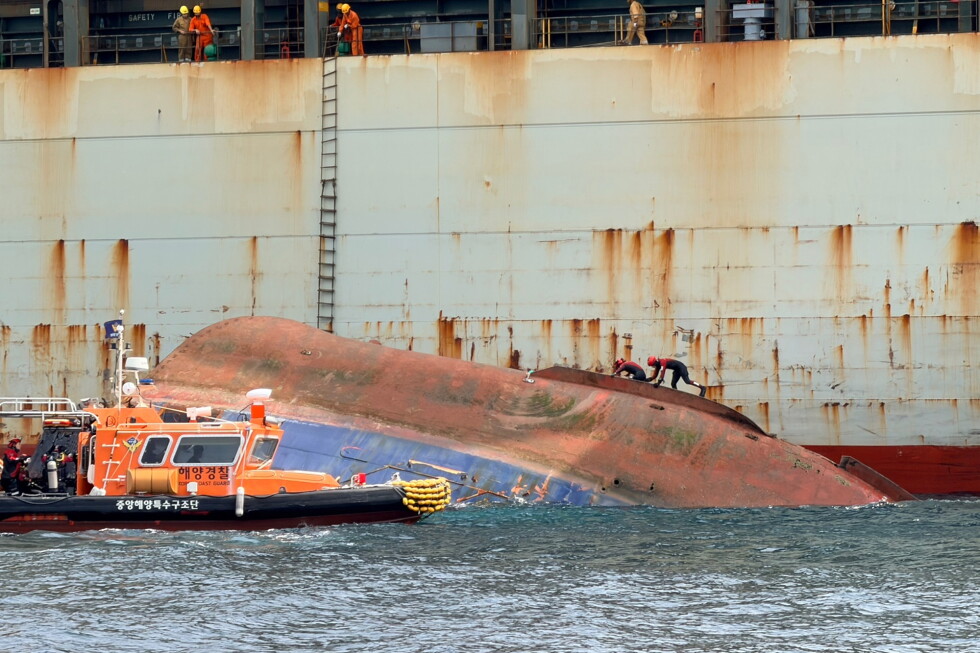
    A maritime disaster unfolded off the southeastern shore of South Korea on Wednesday, when a 286-ton tugboat overturned and ultimately sank, claiming one life and leaving six crew members unaccounted for, according to official statements from the South Korean Coast Guard.

    The ill-fated vessel set out on Wednesday morning on a routine mission to tow a cargo merchant ship, with a total of eight crew members on board. Its voyage through the waters near Busan, one of South Korea’s busiest port cities, ended in sudden catastrophe when it flipped unexpectedly.

    In the immediate aftermath of the overturn, one Indonesian crew member was pulled from the water by the nearby merchant vessel the tugboat had been heading to assist, and emerged physically unharmed. Rescuers from the coast guard later recovered a second crew member, a South Korean national, who was found unresponsive. The sailor was airlifted to a mainland hospital for urgent treatment, but medical teams were unable to revive him and he was pronounced dead shortly after arrival.

    As search efforts entered their first full day, the South Korean Coast Guard and national Navy have deployed a large-scale search and rescue contingent, including dozens of surface vessels, fixed-wing surveillance aircraft, and diving teams to comb the area where the tugboat sank for the six missing crew. South Korean President Lee Jae Myung has issued explicit orders to relevant response agencies, directing them to mobilize every available resource to speed up search operations and leave no stone unturned in efforts to locate the missing.

    Official records confirm the tugboat slipped beneath the surface around 3:30 p.m. local time, which is 0630 GMT, roughly two hours after the first distress report of the capsizing was received. At this early stage of the investigation, maritime officials have not yet confirmed what triggered the capsizing, and a full probe into the incident is already underway to determine root causes and rule out any safety negligence.

  • UK aid worker says he was mistaken for survivor in Nepal

    UK aid worker says he was mistaken for survivor in Nepal

    In the wake of catastrophic flash floods that swept through Nepal and neighboring Tibet last week, leaving a devastating trail of death and displacement, a British aid volunteer has found himself at the center of an unexpected administrative mix-up that saw him incorrectly identified as a rescued survivor.

    Alastair Chambers, a 45-year-old aid worker hailing from Gloucester, had traveled to Nepal just days after the disaster struck to deliver critical humanitarian support to hard-hit, cut-off communities. His mission brought him to remote settlements near the Trishuli River, where he worked alongside local volunteers to distribute life-saving essentials including sleeping bags, food, and water purification equipment to residents stranded by collapsed bridges and damaged infrastructure.

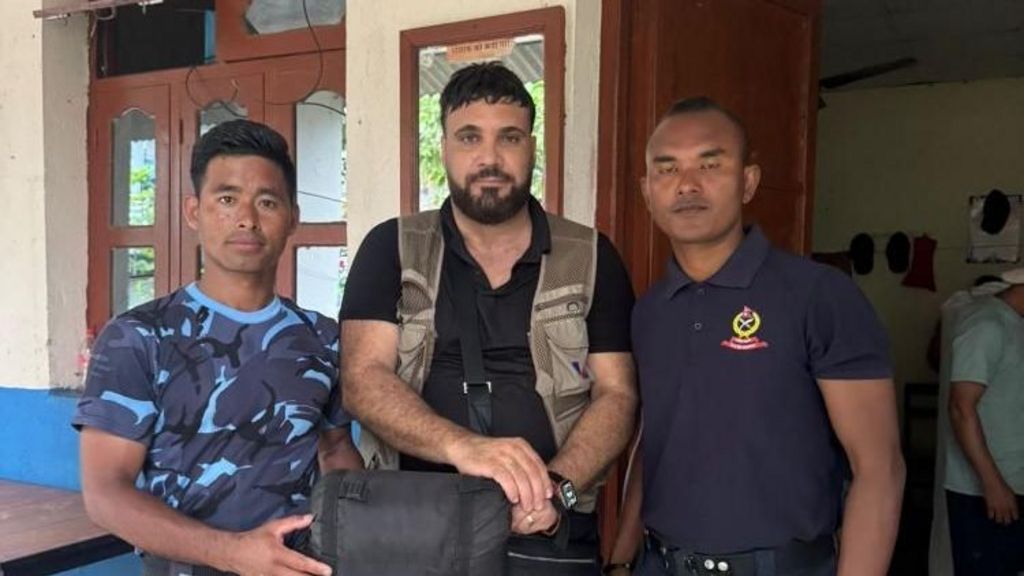
    After completing an aid distribution mission to the affected region, Chambers flew back to Nepal’s capital Kathmandu aboard a humanitarian relief helicopter and landed at a local army barracks. When a police officer approached to collect his personal information in line with post-disaster check-in protocols, Chambers complied with the request—unaware that officials would incorrectly categorize him as a survivor pulled from the flood zone.

    The mix-up quickly gained official traction, when Nepali authorities announced on Tuesday that 119 people, including one British national, had been rescued via air operations. In the hours that followed, Chambers was flooded with inquiries from nearly 15 journalists reaching out to check on his condition after his supposed rescue, forcing him to clarify the error repeatedly.

    “It’s been a bit of a weird one, really,” Chambers told the Press Association in an interview. “I got dropped off at the army barracks, and when I got dropped off one of the police officers came up to me and asked for my details. Then they presumed that I’d been rescued… I had to say: ‘Well sorry, I haven’t been rescued.’”

    The flash flood disaster has already claimed more than 1,000 lives across Nepal and Tibet, with more than 3,900 people still unaccounted for as of this week. In the UK, the Foreign Office has updated its count of missing British nationals in Nepal, raising the figure from 33 to 36, Under-Secretary of State Lord Wood of Anfield confirmed to the House of Lords this week. The Foreign Office declined to comment further when contacted for this report.

    Chambers, a former local councillor, described the brutal conditions on the ground in affected areas, where landslides and fallen trees block most overland routes. What would normally be a 90-minute road journey from Kathmandu to the flood zone now takes between eight and nine hours to complete by air and ground transport. During his deployment, Chambers and his aid team even had to scramble up a nearby mountainside after a secondary flood scare, though the incoming water surge was smaller than the initial devastating flood. Once the water receded, the team returned to continue their work, which includes locating the remains of flood victims alongside delivering aid.

    “It’s quite dangerous, and we’ve got a lot of landslides, trees across the roads in front of us,” he said. “It’s been quite challenging, but it’s been very rewarding as well.”

    Looking ahead, Chambers plans to return to the UK in the coming days to launch a fundraising campaign for the destroyed villages he has been supporting. Once he has collected enough donations and supplies, he intends to return to Nepal to deliver additional essential goods and install solar-powered lighting systems for communities that have lost access to electricity.

    Separately, UK official diplomatic engagement with Nepal on flood recovery is ramping up this week. Baroness Winterton, Minister for the Indo-Pacific, will travel to Kathmandu for talks Wednesday through Thursday, where she will meet with Nepali government representatives, United Nations officials, UK embassy staff, and members of the UK’s rapid deployment team that is supporting families of affected British nationals. Back in London, Foreign Office minister Stephen Doughty will meet with members of the British-Nepali community on Wednesday to discuss what support is available for those impacted by the disaster.

  • PSG reject Man City offers for midfielder Echegini

    PSG reject Man City offers for midfielder Echegini

    As the women’s club football transfer window enters its final 48 hours, top English side Manchester City has hit a major wall in its chase of Nigerian international midfielder Jennifer Echegini, with multiple bids for the 25-year-old turned down outright by French champions Paris Saint-Germain.

    Regarded as a foundational member of PSG’s senior squad, Echegini remains deeply valued by the French club, multiple insider sources confirm. With 12 months still left to run on her existing contract, PSG has made it clear that selling the in-form playmaker is not on the table, even as interest from the Women’s Super League side persists.

    Echegini’s connection to English football runs deep: the midfielder spent the majority of her youth development through English academy systems before launching her senior professional career. After a single season with Italian powerhouse Juventus, she made the move to PSG two years ago, and has since cemented her place as a key contributor to the club’s midfield. On the international stage, Echegini is a national hero for Nigeria: last year, she netted the decisive match-winning goal in the Women’s Africa Cup of Nations final against host Morocco, helping the Super Falcons claim an unprecedented 10th continental title, a record that extends their standing as the most dominant team in African women’s football.

    For Manchester City, the timeline for completing a deal is razor-thin. The English transfer window closes this Thursday, just days before the new Women’s Super League campaign kicks off this weekend. The club’s push for new midfield reinforcement comes at a critical time: earlier this week, City confirmed that versatile midfielder and forward Vivianne Miedema will miss the opening stretch of the season after picking up a knee injury, leaving a gap in the club’s attacking and midfield options that Echegini was targeted to fill.

    This is not the only outgoing transfer movement at PSG this window. Earlier this week, BBC Sport confirmed that Arsenal has reached a full agreement to sign French international defender Elisa de Almeida from the Parisian club, with sources in France pegging the transfer fee at roughly £550,000. De Aldeida is set to complete her move to London before the Thursday deadline, but remained available for selection for PSG’s key Women’s Champions League third qualifying round tie against Eintracht Frankfurt, held Wednesday evening, before departing for her new club.

    Fans can access additional interviews and exclusive women’s football coverage through the BBC Women’s Football Weekly podcast feed.

  • Bus crash on Egypt’s Red Sea coast kills 16

    Bus crash on Egypt’s Red Sea coast kills 16

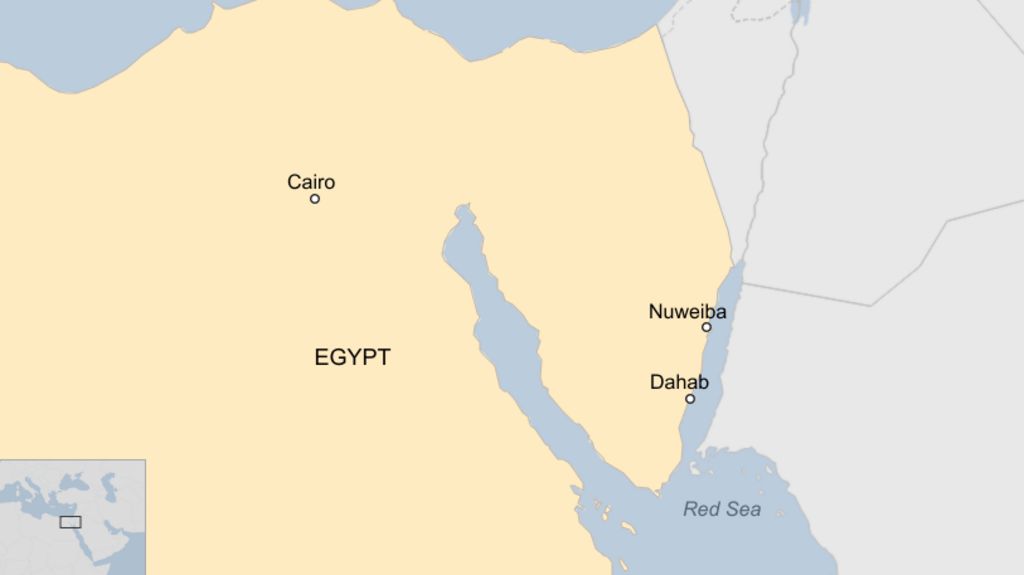
    A devastating bus collision in Egypt’s eastern South Sinai governorate has left at least 16 people dead and 28 others injured, according to an official statement from the country’s Ministry of Health. The crash unfolded on Wednesday morning along the key highway connecting the popular Red Sea coastal towns of Dahab and Nuweiba, a stretch of road that sees heavy tourist traffic year-round.

    Local Egyptian and Jordanian media reports have confirmed that Jordanian citizens are among the fatalities, though full details on the nationalities of all victims have not yet been released by Egyptian authorities. In response to the incident, emergency services dispatched around 20 ambulances to the remote crash site, where first responders administered urgent on-site care before airlifting and transporting injured survivors to local hospitals for further treatment.

    As of Wednesday afternoon, investigators have not yet determined the root cause of the collision, with official inquiries still ongoing. The South Sinai Red Sea coast is one of Egypt’s most popular tourist draws, welcoming millions of international visitors annually who come for its coral reefs, coastal landscapes, and diving sites.

    This latest crash highlights a persistent and deadly road safety crisis that has plagued Egypt for years. Official government data shows that the country recorded nearly 6,000 traffic-related fatalities in 2025 alone. Traffic safety experts and local officials frequently attribute the high rate of deadly incidents to two key contributing factors: widespread reckless driving behavior and chronic underinvestment in road maintenance across much of the national highway network.

    This tragedy comes just one month after another major deadly collision in the country: a crash between two heavy goods lorries in Egypt’s north-eastern Ismailia governorate that killed 18 people and left another 30 with injuries, underscoring how widespread the issue of dangerous road conditions has become.

  • Congo’s Ebola outbreak shows no signs of slowing as deaths top 3,000

    Congo’s Ebola outbreak shows no signs of slowing as deaths top 3,000

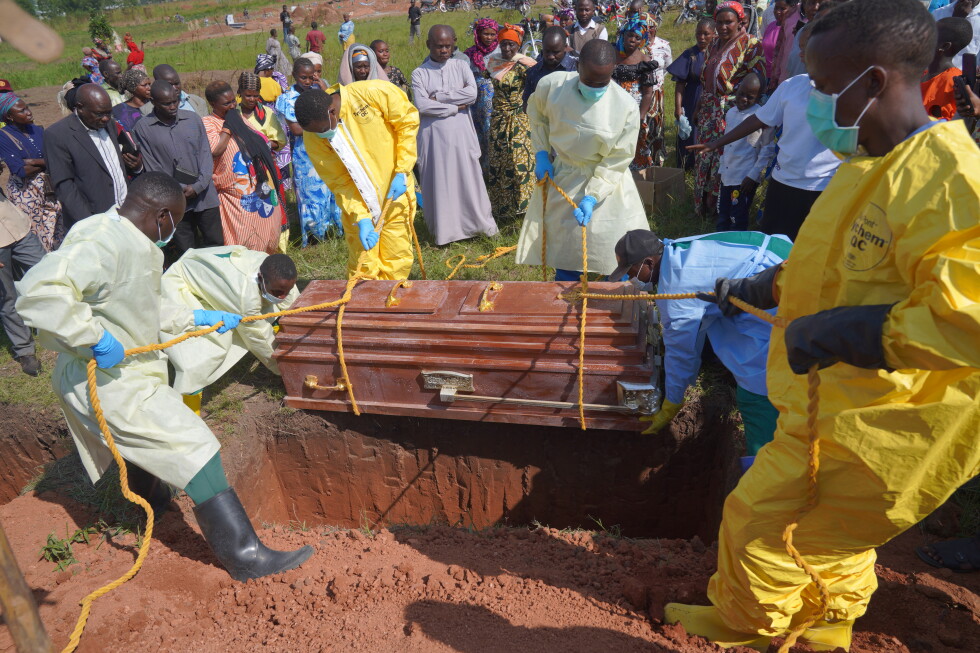
    BUNIA, Democratic Republic of Congo – A rapidly expanding Ebola outbreak in eastern Congo has outpaced international and local containment efforts, crossing a grim milestone this week with more than 3,000 fatalities recorded across over 6,100 confirmed cases, new government data released Wednesday confirms.

    According to figures from Congo’s Ministry of Health, the outbreak has reached 6,186 confirmed infections since the World Health Organization declared it a global public health emergency in mid-May, with 3,007 confirmed deaths to date. Health officials confirm this is now the fastest-growing Ebola outbreak in recorded history, with transmission accelerating far more quickly than contact tracing and public health teams can respond.

    The crisis has upended daily life for communities across affected regions, forcing many residents to flee high-transmission zones to seek safety. Jean-Claude Angwanzia, a Bunia resident who relocated from Mambassa in the Ituri province epicenter, described widespread insecurity and a lack of visible public health support. “I had to flee the area because of the danger looming over us,” he said, noting infected bodies were often mishandled and health workers were rarely seen in the hardest-hit communities.

    Local economic and daily activity has slowed dramatically as fear of transmission spreads. Papy Baraka, a public transportation driver based in Bunia, told reporters he has been forced to reduce the number of passengers he carries per trip to lower exposure risk. “The disease puts everyone at risk, and daily life has slowed to a crawl. We are afraid,” he said.

    In recent weeks, the virus has expanded its reach at an alarming rate: just last week, two additional health zones in North Kivu province reported their first cases, pushing the total number of affected jurisdictions to 60 across six Congo provinces. The fatality rate in North Kivu is significantly higher than in other impacted regions.

    A new assessment released Tuesday by the U.S. Centers for Disease Control and Prevention (CDC) echoed on-the-ground accounts of failing containment, concluding current response efforts “remained below established response targets.” The report warned that the virus’s spread across dozens of health zones signals “uncontrolled expansion of the outbreak.” CDC data shows only 15% to 20% of new confirmed cases stem from known transmission chains, meaning the vast majority of new infections are occurring through unknown, untraced contacts.

    Multiple interconnected factors have fueled the outbreak’s unrelenting spread. The eastern Congo region where the virus is concentrated has long grappled with ongoing armed conflict, which disrupts access to impacted communities. Health care workers responding to the crisis have also faced repeated targeted attacks, and have staged multiple strikes over delayed pay and inadequate working conditions. A highly mobile population of artisanal miners moving across regional borders, combined with long-underfunded and underdeveloped local health infrastructure, has further hampered response efforts. Even the recent reopening of schools in the outbreak’s epicenter has sparked widespread concern about rapid transmission among crowded student populations.

    The World Health Organization warns the outbreak is on track to surpass the deadliest Ebola event in history: the 2014-2016 West African regional outbreak that killed more than 11,000 people across three countries. The Africa CDC added that official case counts are likely a significant undercount, estimating the actual number of infections could be three times higher than reported due to weak surveillance and contact tracing systems. Even at the current confirmed count, this is already the deadliest Ebola outbreak in Congo’s history.

    Unlike previous Ebola outbreaks that have been effectively contained with existing vaccines, the current outbreak is caused by the rare Bundibugyo Ebola virus, for which no fully approved vaccine or targeted treatment currently exists. A small number of vaccine candidates are in late-stage development, however, and last week the Congolese government launched distribution of the Ervebo vaccine – which successfully controlled previous Ebola outbreaks – to front-line health workers in Kisangani, the capital of northeastern Tshopo province. WHO officials note Ervebo may provide at least partial protection against the current variant.