博客

  • Guinea-Bissau referendum approves new constitution that expands president’s powers

    Guinea-Bissau referendum approves new constitution that expands president’s powers

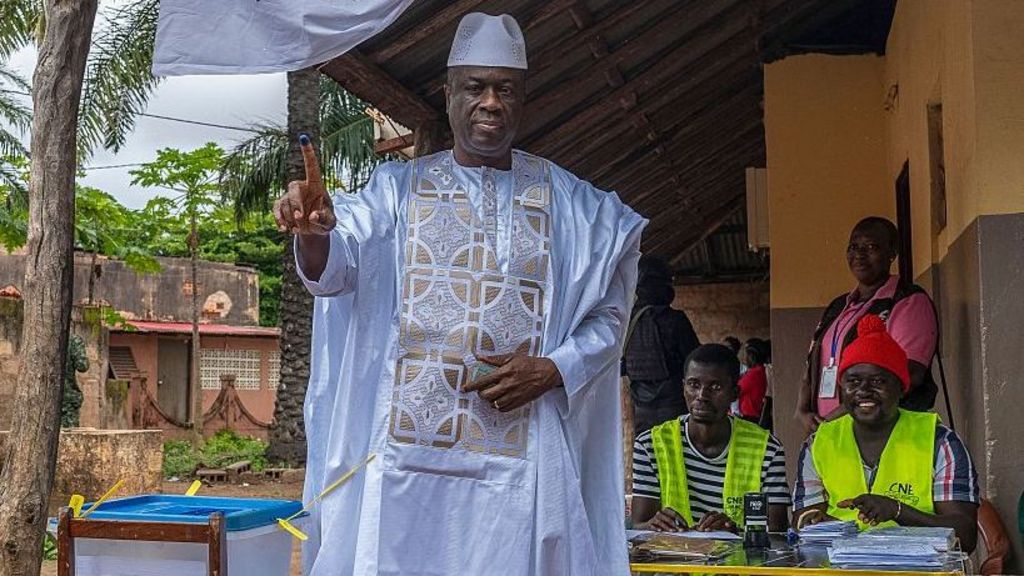
    In a recent constitutional referendum held by Guinea-Bissau’s transitional military government, voters have backed a set of sweeping institutional reforms that will significantly expand executive presidential power, just months ahead of planned general elections that are supposed to return the West African nation to civilian rule. The vote comes on the heels of a November 2025 military coup, launched after a disputed presidential election left both incumbent Umaro Sissoco Embaló and opposition challenger Fernando Dias claiming victory, adding Guinea-Bissau to the growing list of central and western African nations that have seen military takeovers in recent years.

    Provisional data released by the country’s national electoral commission shows that 70% of cast ballots supported the constitutional changes, with 30% opposing them, and overall voter turnout reaching almost 60%. The reforms fundamentally reshape Guinea-Bissau’s existing semi-presidential system, shifting the balance of power firmly away from the office of the prime minister and toward the presidency. Under the previous framework, the national parliament appointed a prime minister drawn from the parliamentary majority, who then went on to form a cabinet – an arrangement the ruling military junta argues fueled chronic political gridlock and instability that has plagued the country for decades.

    The new provisions grant the president unilateral authority to appoint and remove prime ministers and full cabinet members, create or eliminate government ministries, and dissolve the national legislature during what is defined as a severe political crisis. Notably, the reforms retain the existing five-year presidential term limit and cap any individual at two terms, allaying some fears that the current transitional leadership was seeking to extend its hold on power indefinitely. Additional changes include cutting the total number of parliamentary seats from 102 to 65, reducing the number of national electoral constituencies from 29 to 12, and implementing new candidate eligibility rules, including a requirement that all presidential candidates have resided continuously in Guinea-Bissau for five years immediately preceding an election.

    Transitional military leaders, led by interim President General Horta N’Tam, have defended the reforms as a necessary fix for the country’s long history of political infighting between the executive and legislative branches. Guinea-Bissau has weathered at least nine successful and attempted coups since it gained independence from Portugal in 1974, and the United Nations has formally labeled the nation a “narco-state” due to its long, undefended coastline dotted with unpopulated islands that has made it a key transit hub for international drug trafficking networks. Junta leaders argue that concentrated executive authority will cut down on the persistent power struggles that have prevented sustained progress and economic development in one of the world’s poorest countries.

    However, the referendum has faced steep opposition from the country’s main opposition bloc, the African Party for the Independence of Guinea and Cape Verde (PAIGC), which organized a full boycott of the vote. Party leaders argue that the process lacked basic political and institutional safeguards to protect democratic norms, and warn that concentrating so much power in the presidency poses a severe threat to the country’s planned transition back to civilian democratic rule. PAIGC leader Domingos Simões Pereira has gone further, accusing the junta of deliberately undermining democratic institutions and fundamental political freedoms through the referendum. Some local activists have also challenged the official turnout figures, claiming to the BBC that as many as 90% of registered voters stayed away from the polls, casting the process as nothing more than a pre-planned formality to legitimize the military’s new power structure.

    All eyes now turn to the December 2026 presidential and parliamentary elections, which the junta has promised will mark the end of the transitional period and the handover of power to an elected civilian government. The upcoming vote will serve as a critical test of the military leadership’s commitment to restoring civilian rule, as well as an early indicator of how the newly expanded presidential powers will reshape Guinea-Bissau’s already fragile political landscape going forward.
  • Why do US troops have history with this Thai city?

    Why do US troops have history with this Thai city?

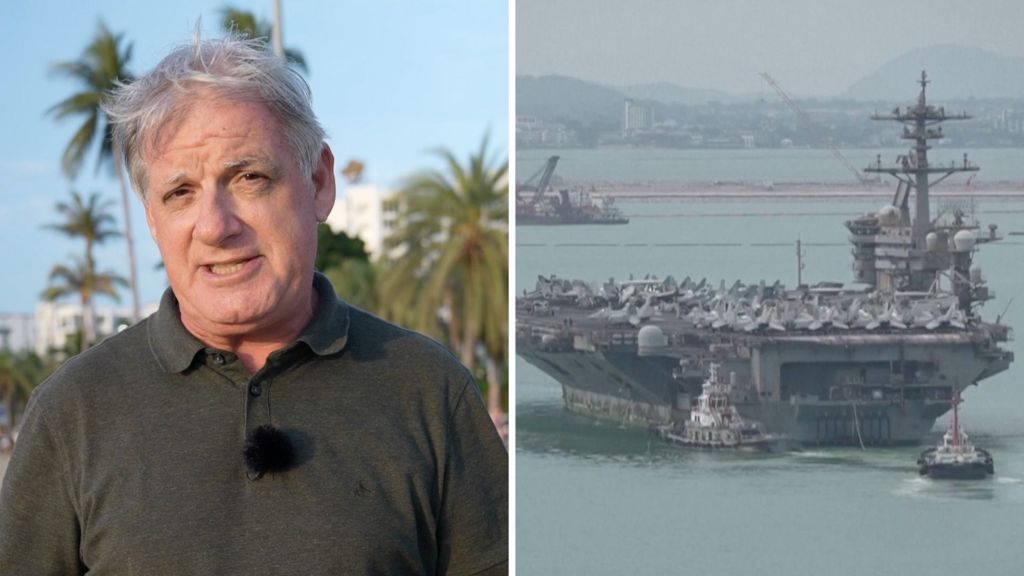
    Nestled along Thailand’s eastern Gulf coast, the sun-drenched resort city of Pattaya is globally known today for its bustling, often raucous nightlife and booming tourism industry. But few first-time visitors recognize that the city’s modern identity was fundamentally shaped by the presence of U.S. military personnel decades ago, a historical link that continues to echo through the city’s social and economic landscape today. In a recent retrospective analysis, BBC Southeast Asia correspondent Jonathan Head has traced the deep roots of this unexpected connection between American troops and the Thai coastal community.

    The story of this relationship dates back to the Vietnam War era, when conflict raged across Indochina and thousands of U.S. service members were granted rest and relaxation (R&R) leave away from frontline combat zones. With its tropical climate, affordable amenities, and proximity to Vietnam, Pattaya emerged as one of the most popular destinations for these troops looking to decompress after months of combat duty. Between the 1960s and early 1970s, tens of thousands of American GIs passed through the city’s quiet fishing villages and small local businesses, transforming the sleepy coastal settlement almost overnight.

    Before the arrival of U.S. troops, Pattaya was little more than a remote fishing outpost with a small local population. The sudden influx of American service members created immediate demand for accommodation, food, entertainment, and other services. Local entrepreneurs quickly pivoted from fishing and small-scale agriculture to catering to the needs and wants of visiting troops, laying the foundation for the massive tourism industry that drives Pattaya’s economy today.

    Head notes that the legacy of this era is complicated. On one hand, it created the economic spark that turned a little-known coastal spot into one of Thailand’s top tourist destinations, a status it retains more than half a century later. On the other hand, the concentration of troops seeking entertainment also shaped the city’s reputation for adult-oriented nightlife that still defines its public image for many travelers today. As modern Pattaya works to rebrand itself as a family-friendly destination and diversify its tourism offerings, the historical echoes of the U.S. troop era remain visible everywhere, from the bars along Walking Street to the enduring cross-cultural connections forged decades ago.

  • EU’s Kallas calls alleged Russian drone plot ‘state sponsored terrorism’ as Europe mulls a response

    EU’s Kallas calls alleged Russian drone plot ‘state sponsored terrorism’ as Europe mulls a response

    BRUSSELS — Top European Union foreign policy official Kaja Kallas has labeled the foiled August drone attack on a major German airport, which German authorities have blamed on Moscow, as a clear act of state-sponsored terrorism, triggering urgent discussions among EU member states about a coordinated, tougher response to Russian aggressive actions on European soil.

    The incident, which unfolded at Leipzig/Halle Airport on August 4, involved an explosive-laden drone positioned near a Ukrainian cargo plane. German security teams successfully defused the device before it could detonate, with senior German officials noting immediately that the attack represented an unprecedented escalation of dangerous activity targeting European infrastructure. On Tuesday, the German government formally attributed the attempted attack to Russian actors, announcing a suite of retaliatory measures that includes the permanent closure of a Russian consulate on German territory.

    Speaking to reporters ahead of chairing a meeting of EU defense ministers in Ireland this Wednesday, Kallas emphasized that the incident bears all the defining characteristics of state-backed terrorist activity. “It is clear that it has all the hallmarks of state sponsored terrorism. The question is: what do we do about this,” Kallas told journalists, opening the door for debate over whether new punitive steps are needed beyond the EU’s existing sanctions regime.

    Western officials have long accused the Kremlin of orchestrating a broad campaign of sabotage and disruptive operations across European Union member states, with the explicit goal of weakening continental public and political support for Ukraine amid Russia’s full-scale invasion and destabilizing European institutional and social order.

    To date, the EU has rolled out nearly 24 separate packages of economic and political sanctions against Russia over its invasion of Ukraine, placing roughly 3,000 individuals and legal entities under restrictive measures. The sanctions list includes Russian President Vladimir Putin, pro-Kremlin oligarchs, dozens of Russian legislative officials, major Russian banks and financial institutions, hundreds of vessels linked to the shadow fleet that illegally transports Russian oil to evade export restrictions, and a wide range of companies tied to Russia’s military, energy and drone production sectors. The bulk of these measures consist of travel bans for individuals and asset freezes for both people and entities, and the sanctions list also includes actors from third countries that Moscow has relied on to support its war effort, including Belarus, Iran, North Korea and China.

    Kallas confirmed Wednesday that the bloc is already preparing to add even more names to its sanctions registry, with 1,600 additional entries related to Russia’s military industrial complex already in the approval pipeline — a number that could grow further in response to the alleged airport attack.

    However, despite growing calls for a forceful response, EU member states remain deeply cautious about taking steps that could draw the bloc into open, direct conflict with Russia, a nuclear-armed power. Analysts note that while the alleged attack has created momentum for a stronger collective response, the bloc is still weighing whether new measures require coordination with NATO, and how far to go to avoid escalating tensions beyond what European capitals are comfortable with.

  • 10 feared dead after Turkish cargo ship sinks off Istanbul’s coast, officials say

    10 feared dead after Turkish cargo ship sinks off Istanbul’s coast, officials say

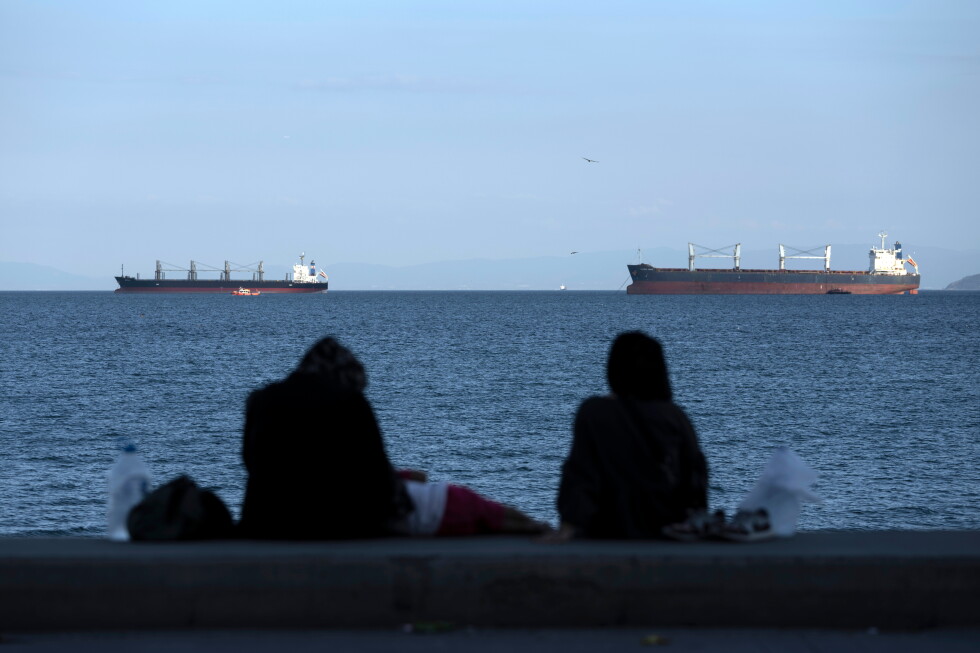
    In a maritime disaster that unfolded off the coast of Turkey’s largest city Istanbul early Wednesday, a Turkish cargo vessel carrying 10 Turkish crew members sank just 11 minutes after colliding with a Turkish-flagged oil and chemical tanker, Turkish maritime authorities have confirmed. The crash occurred in the busy Marmara Sea, roughly 32 kilometers south of Silivri, a western Istanbul suburb, at approximately 3:00 a.m. local time.

    Officials from Turkey’s General Directorate of Maritime Affairs confirmed that rescue teams have already located the sunken cargo ship’s lifeboat and scattered floating debris from the vessel, identified as the *Tugberk Imamoglu*, but no trace of the 10 crew members — including the ship’s captain — has been found to date. “We can say that the sinking occurred rapidly in 11 minutes. No one has been found alive,” Turkish Transport Minister Abdulkadir Uraloglu told reporters, confirming all crew members hold Turkish nationality.

    An emergency distress signal was successfully transmitted from the *Tugberk Imamoglu* immediately after the collision, but the first search and rescue assets only reached the remote crash site more than an hour later, at 4:10 a.m. Currently, a large-scale search operation is ongoing across the crash zone, mobilizing two military and rescue helicopters alongside 12 dedicated search and rescue vessels.

    Authorities confirmed the sinking after repeated attempts to contact the *Tugberk Imamoglu* via marine radio went unanswered, and all calls to the personal mobile phones of the on-board personnel also failed to connect.

    According to global shipping tracking site Marine Traffic, the 90-meter cargo ship was transporting a cargo of rolled steel, en route from Iskenderun, Turkey’s major Mediterranean port, to Eregli on the Black Sea coast. The vessel it collided with, the 91-meter tanker *Alsu*, was sailing from Kocaeli, a province just east of Istanbul, to Aliaga on Turkey’s Aegean coast when the incident occurred. All previous reports confirm the *Alsu* did not sink following the collision, though no updated information on damage to the tanker or its crew has been released.

    This search operation is being conducted concurrently with another ongoing maritime search mission led by Turkish naval units: since Sunday, teams have been searching for survivors of the passenger ferry *Filo Jet*, which sank off the coast of Cyprus, leaving 8 people dead and 20 others still unaccounted for.

    The Marmara Sea, positioned between the Bosphorus and Dardanelles straits, forms a critical section of the Turkish Straits — one of the world’s busiest and most strategically important shipping corridors. Each year, hundreds of thousands of commercial and cargo vessels transit the waterway, connecting the Mediterranean and Black Seas for global trade. The busy traffic has raised repeated concerns over maritime safety in the region in recent years.

  • War has shifted how power works in Iran

    War has shifted how power works in Iran

    On August 19, the United States announced what it framed as an economic “D-Day” for Iran: a new round of sweeping financial restrictions tightened around Iranian ports, designed to deliver decisive pressure that would force Tehran to bend to Washington’s demands. But inside Iran, the move was interpreted through a very different lens: it served as definitive proof that the U.S. continues to prioritize coercive pressure over any lasting negotiated settlement that it would actually uphold.

    Across Iran’s deeply fragmented political landscape, where consensus on almost any major issue is rare, this reading of Washington’s latest move was strikingly uniform. Economic advisors working to stabilize Iran’s economy under President Masoud Pezeshkian viewed the new sanctions as a clear breach of prior implicit agreements by the U.S. For commanders of the Islamic Revolutionary Guard Corps (IRGC) led by Major General Ahmad Vahidi, the escalation vindicated their long-standing warnings that Washington cannot be trusted to keep its word.

    This latest action has eroded whatever fragile faith remained in Iran that the U.S. is genuinely willing to strike a viable deal, and that collapsing trust is now reshaping every red line Tehran is willing to accept in any future talks. It is critical to recognize that Iran’s political leadership is currently debating existential questions about the core survival strategy of the Islamic Republic, a debate that no longer fits the outdated framing of reformists versus principlists, or moderates against hardliners. Instead, the real contest pits two loyal, competing camps against one another: one that argues the regime can best survive by converting its wartime leverage into tangible economic and diplomatic gains, and another that insists long-term survival depends on maintaining permanent confrontation with the West. This shared loyalty to the state, paired with deeply divergent views on survival, makes the internal debate far more intractable than conventional framing suggests.

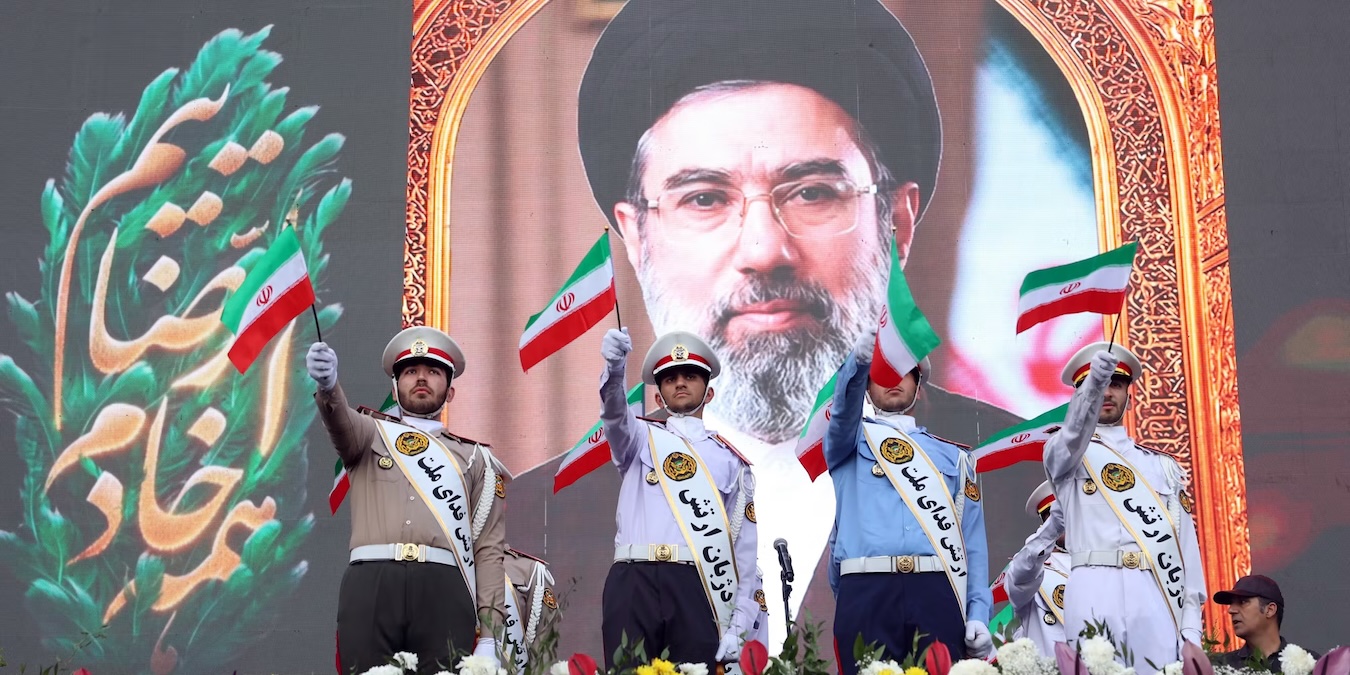
    Compounding this complexity is the decentralized structure of modern Iranian power, which today functions best as a network state rather than the rigid vertical hierarchy associated with former Supreme Leader Ali Khamenei. While Khamenei’s son Mojtaba Khamenei occupies the formal top position and shapes outcomes primarily through key appointments – having installed founding IRGC member Mohsen Rezaee as his representative on the Supreme National Security Council, and rebuilding the Supreme Leader’s office (the Bayt, long the true center of Iranian power) around loyalists such as chief of staff Mahdi Khamoushi – he rules as a balance-keeper rather than an ultimate decider. He intentionally avoids allowing any single power center to dominate the system, leaving authority spread across multiple nodes of the security and political establishment. Rezaee coordinates national strategy from the security council, Vahidi controls the regime’s military muscle ranging from ballistic missile forces to naval operations in the Strait of Hormuz, Parliamentary Speaker Mohammad Bagher Ghalibaf mediates between legislative bodies and security institutions, Pezeshkian’s civilian administration manages the struggling economy, and Foreign Minister Abbas Araghhi handles diplomatic outreach abroad. No single leader holds consolidated control over all these domains.

    Even this decentralized balance is shifting, however. Sustained confrontation with Washington has pulled power toward centralization even in a system built to spread it. The longer the standoff with the U.S. drags on, the more the IRGC has evolved from simply the most powerful single node in the network into the de facto effective decision-maker for the state. While the IRGC still lacks the capacity to singlehandedly run the economy, manage diplomacy, and maintain clerical legitimacy – forcing it to govern through a cross-factional coalition rather than seizing direct control – prolonged conflict steadily erodes that arrangement. Over time, nearly all major policy decisions become tied to the confrontation, shifting more authority to the security establishment.

    Iran’s current approach to a potential negotiated exit from the crisis is defined by a spectrum of factional positions, rather than a binary hardline-moderate split. At one end of the spectrum are the economic stabilizers surrounding Pezeshkian and Araghchi, who argue that the current prolonged stalemate is unsustainable and prioritize securing sanctions relief, unfreezing blocked Iranian assets, and ending the port blockade. Next are the pragmatic sovereigntists led by Ghalibaf and Rezaei, long-time regime insiders who agree that diplomacy is the only viable exit from the crisis, but reject any deal that would force Iran to give up its strategic autonomy. This camp will only enter negotiations from a position of strength, and insists that Iran’s ballistic missile program and its regional network of allied proxies remain completely off the negotiating table.

    Further along the spectrum are the security-first coercionists centered on Vahidi and the IRGC leadership, who view diplomacy as a tactical tool that must always remain subordinate to military leverage. At the far end of the spectrum are the ideological rejectionists of the Paydari Front and Saeed Jalili’s political network, who see any agreement with Washington as outright surrender. This faction functions primarily as a spoiler, able to drastically raise the political cost for any other faction that pursues a deal.

    Contrary to common external misperceptions, this internal disagreement is not a sign of Iranian state dysfunction. It is a deliberate debate over existential questions of statecraft, and what is most notable is not the depth of division between factions, but the broad consensus that has emerged on core fundamentals. Without any formal public announcement, most factions across the spectrum have agreed that some form of negotiation is the only viable path out of the current crisis. The economic stabilizers want a deal to rescue Iran’s collapsing economy; the pragmatic sovereigntists want a deal to lock in the strategic gains Iran has made through years of regional confrontation; even the IRGC has signaled it wants its own channel for talks, as confirmed by recent reports that the Trump administration has relayed messages directly to IRGC leadership via Iraqi Kurdistan.

    The debate is therefore no longer over whether to negotiate at all. Instead, it centers on the terms and conditions Iran will demand, and how the regime can strengthen its position before committing to any irreversible agreement.

    For Washington, the key takeaway is clear: every new round of sanctions escalation – every new economic “D-Day” – plays directly into the hands of the ideological rejectionists, who argue that permanent confrontation with the U.S. and Israel is unavoidable. At the same time, it weakens the very factions that have worked against steep odds to push the Iranian system toward the negotiating table.

    By opening direct talks with the IRGC, former President (and current U.S. presidential candidate) Donald Trump has recognized that there is a unique opportunity to extract the U.S. from a self-created diplomatic quagmire. But for that opportunity to succeed, he must not allow personal political or diplomatic ego to undermine the painstaking work of mediators working to build a path to talks.

  • German train station closed after blast and discovery of a suspicious object

    German train station closed after blast and discovery of a suspicious object

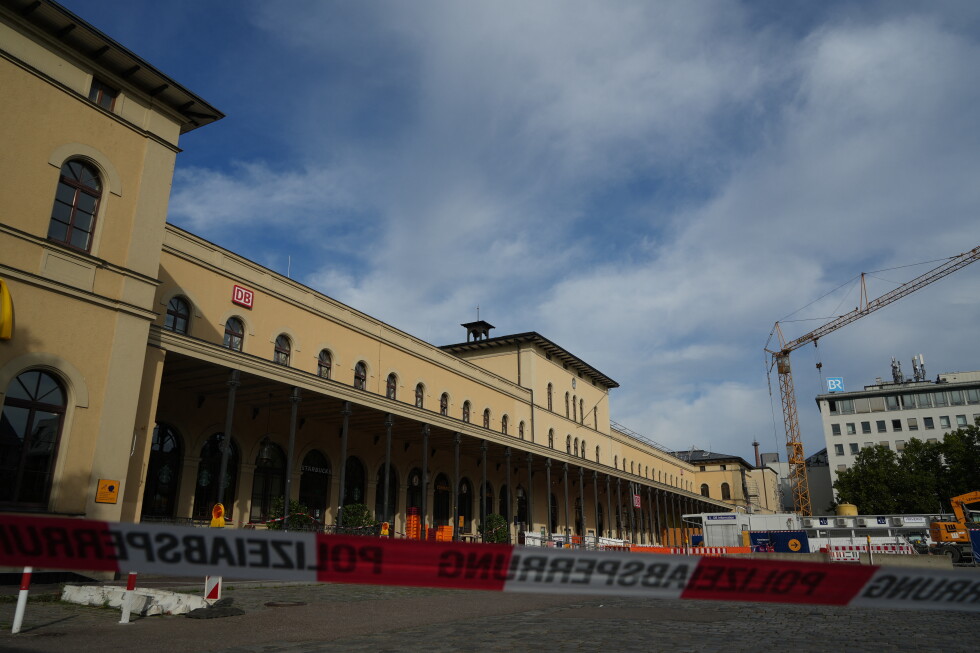
    On Wednesday morning, authorities ordered a full shutdown of the central train station in Augsburg, a mid-sized city in Germany’s southern state of Bavaria, following an unexpected explosion and the discovery of a second potentially hazardous package nearby. The sudden incident brought all rail services through the major transit hub to an immediate standstill, leaving passengers stranded and disrupting regional travel plans.

    Local law enforcement officials confirmed that the first, still-unidentified explosive device detonated inside a pedestrian passageway connected to the station building. While the explosion did not cause severe physical harm, several people suffered minor injuries linked to the loud concussive blast, and multiple window panes across the surrounding area were shattered by the force of the detonation.

    In response to the incident, specialist explosive ordnance disposal experts from the Bavarian State Criminal Police Office were deployed to the scene to conduct a thorough forensic examination and assess the two items. Beyond the suspension of rail services, road traffic and local public transit routes within a close perimeter of the station were also diverted and halted, as a safety precaution, police confirmed in an official update posted to the social media platform X.

    As of Wednesday morning’s initial reports, no additional details have been released regarding the origin and nature of the exploded device, nor the second unexploded suspicious package that prompted the extended security response. Augsburg, which has a total population of roughly 308,000, sits approximately 78 kilometers (48 miles) to the northwest of Munich, Bavaria’s state capital.

  • Trump warns Iran of ‘biggest attack of them all’

    Trump warns Iran of ‘biggest attack of them all’

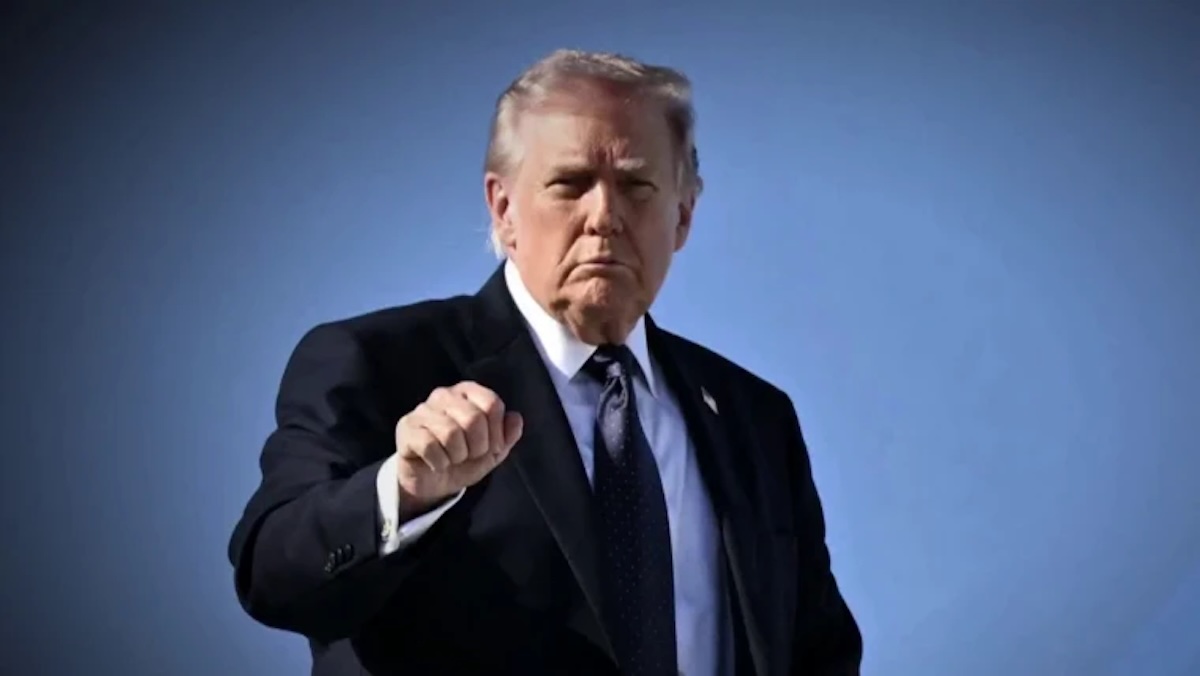
    On a Tuesday marked by escalating Middle Eastern tensions, former President Donald Trump delivered a stark, unprecedented threat to Iran just hours after the United States military restarted offensive bombing operations targeting positions linked to the Islamic Revolutionary Guard Corps (IRGC) within Iranian territory.

    In a public post shared to his Truth Social platform, Trump preemptively warned the Iranian government against any retaliatory action for the U.S. airstrikes. “If the failed Nation of Iran retaliates for this very justified attack, they will be hit again at a much harder and higher level,” the post read. Trump went on to amplify the threat, adding, “it will not be the biggest attack of them all, that is waiting in the wings and, when it is over, there will be very little left of the Islamic Republic of Iran!”

    Contrary to Trump’s attempt at intimidation, Iran did not back down from responding. The Associated Press confirmed on the same Tuesday that Iran launched a coordinated counter-strike of missiles and drones against U.S. assets immediately following the American bombing campaign.

    The escalatory exchange comes one day after a Oval Office press interaction, when a reporter asked Trump whether he would entertain the use of nuclear weapons against Iran. At that time, Trump appeared to explicitly rule out such a drastic step, calling the question itself foolish. “There’s no reason for it,” Trump told reporters. “What a stupid question that is, actually. Here they are, they’re totally defeated militarily, so now I defeat them and now I should use a nuclear weapon on top of them?”

    This is not the first time Trump has issued extreme threats against the Iranian government. Back in April, Trump issued an similarly drastic ultimatum, warning that “a whole civilization will die tonight, never to be brought back again” unless Iran unconditionally surrendered to U.S. demands. In a notable reversal, Trump backed away from that threat within hours, agreeing to a temporary ceasefire deal that has since expired.

    Despite Trump’s past pattern of walking back aggressive rhetoric, one risk analyst is warning that the latest threats should not be dismissed out of hand. Brett Erickson, managing partner at Obsidian Risk Advisors, noted in his own Tuesday social media post that the current situation carries new risks. “Throughout this entire war, I have been incredibly skeptical of any claims that President Trump is so much as DISCUSSING the use of nuclear weapons,” Erickson wrote. “This reads to me clear as day that they are on the table now.”

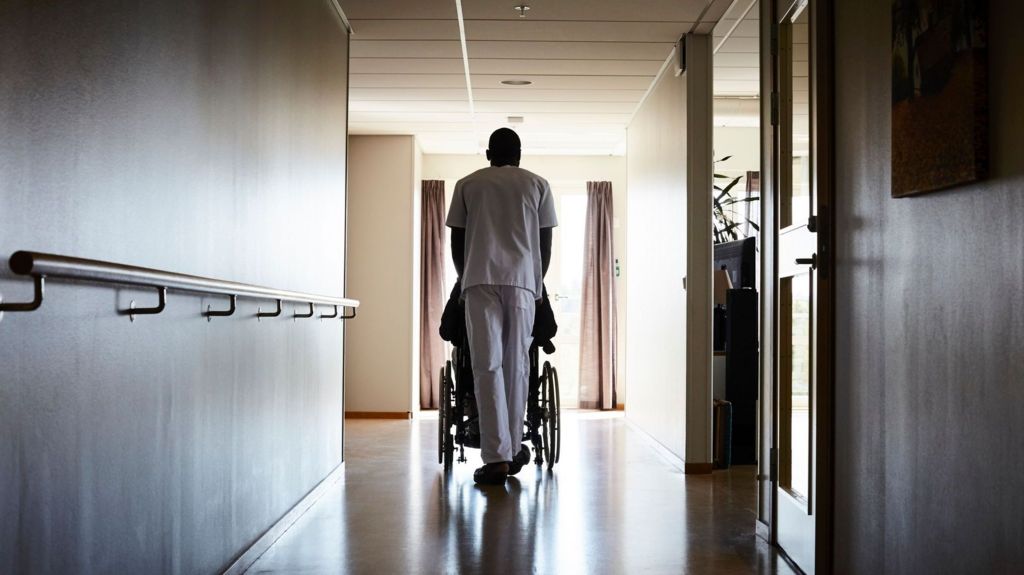
  • South Korea jails disabled care home head for sexually assaulting residents

    South Korea jails disabled care home head for sexually assaulting residents

    A high-profile sexual abuse case at a South Korean disabled care home has sent shockwaves across the country, resulting in a 15-year prison sentence for the facility’s former director and triggering urgent nationwide reviews of residential care services for people with disabilities. The convicted individual, identified only by his surname Kim, was found guilty of sexually assaulting three residents of the Saekdongwon care facility, located in Incheon City, approximately 30 kilometers west of the national capital Seoul. The investigation into Kim’s actions was only launched after one of his victims, a woman living with a severe intellectual disability, stepped forward to report the abuse in February of last year. In the wake of Kim’s conviction, a deeper investigation commissioned by local Ganghwa County authorities uncovered disturbing new findings: as many as 20 current and former female residents of the facility may have been targeted for sexual abuse over the course of Kim’s tenure. The revelation has sparked intense public outrage and widespread questioning across South Korea, particularly given the country strengthened legal protections for people with disabilities against sexual violence back in 2011. Many members of the public and advocacy groups have raised critical questions about systemic failures that allowed Kim’s harmful actions to remain hidden from authorities for years. In response to the scandal, local regulators have taken swift administrative action: Ganghwa County has ordered Saekdongwon to permanently cease operations, while Incheon City officials have revoked the operating license of the non-profit foundation that ran the facility. To protect the well-being of the facility’s current residents, the closure has been delayed until all residents can be safely relocated to appropriate alternative care arrangements and supported transition to independent living, where applicable. The affected foundation has pushed back against the regulatory action, however, filing an administrative lawsuit to challenge the revocation of its operating license. Following the outbreak of the scandal, the South Korean national government launched an urgent inspection of all 1,507 residential disabled care facilities operating across the country. Preliminary results from that sweeping review uncovered 33 separate suspected cases of abuse across the nation’s care system, pointing to broader systemic issues that require policy intervention. South Korean Prime Minister Kim Min-seok has called the abuse at Saekdongwon an unprecedented moral failure, describing the incident as “a grave matter that calls into question the very reason for the state’s existence”, underscoring the severity with which national authorities view the scandal.

  • Some missing tourists make contact as Nepal flood death toll tops 1,100

    Some missing tourists make contact as Nepal flood death toll tops 1,100

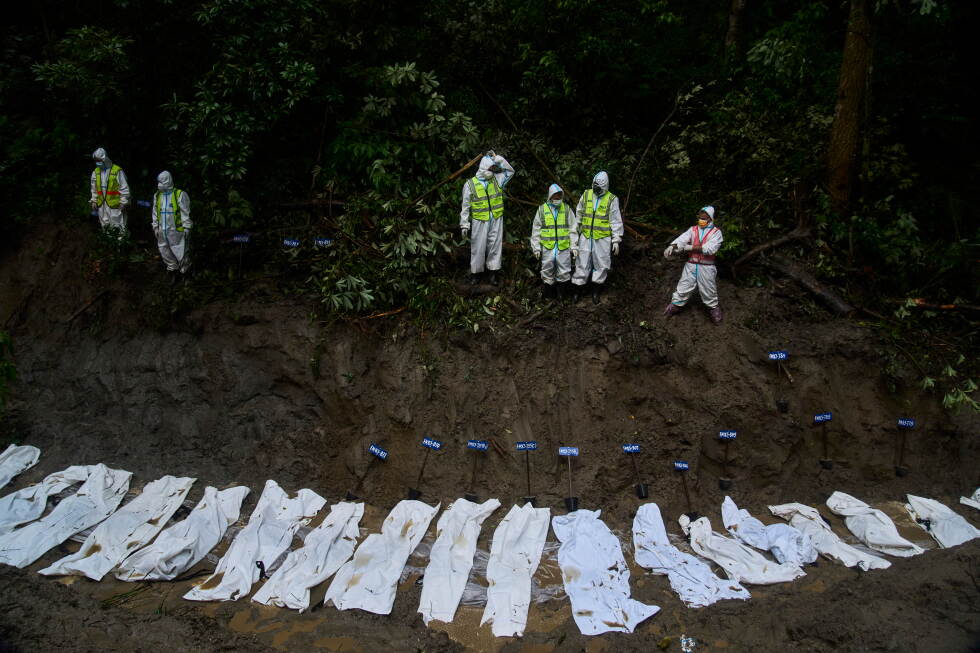
    It has been seven full days since a catastrophic glacial outburst flood tore through cross-border regions of Nepal and southern Tibet, leaving a devastating trail of destruction that has claimed at least 1,118 lives and left thousands more unaccounted for. As rescue teams continue to navigate debris-choked terrain to reach cut-off disaster zones, officials confirmed Wednesday that several previously missing foreign tourists have reconnected with authorities, offering a sliver of good news amid widespread tragedy.

    The disaster unfolded on August 26, when a glacial collapse in the Himalayan mountain range sent a massive surge of ice, rock, and glacial meltwater roaring into downstream river valleys. The powerful flood surge coursed through river systems spanning Tibet Autonomous Region in China and Nepal, triggering rapid, extreme river rises that swept away entire settlements, roads, bridges, and critical infrastructure, leaving mud and boulders in their wake. As of Sunday, Chinese authorities had recorded 16 fatalities and 546 people missing from the disaster on their side of the border, while Nepali officials have confirmed 1,118 deaths and more than 3,900 people still unaccounted for across Nepali territory.

    According to Nepal’s Ministry of Foreign Affairs, 324 foreign nationals have been evacuated and rescued from affected areas so far. But roughly 590 people from 39 different countries remain missing, one week on from the flood disaster.

    Australian Prime Minister Anthony Albanese, who was attending a regional leaders’ summit in Palau on Wednesday, confirmed that five additional Australian citizens had been confirmed safe overnight, bringing the number of missing Australians down from 43 to 38. “Amidst all of this tragedy, we are seeing some positive news. Today, another five Australians have been confirmed safe,” Albanese told reporters. “We hope, of course, for positive news further, and we’re doing everything we can to work with [Nepali] authorities,” he added.

    Sunil Sharma, spokesperson for the Nepal Tourism Board, noted that at least five other foreign tourists previously listed as missing have also made contact with local authorities via email or phone in recent days.

    On the Chinese side of the Nepal-China border, rescue teams have made critical progress clearing access to the disaster site at Gyirong Port, which was completely washed away when the flood surge hit. China’s state broadcaster CCTV reported Wednesday that crews have finished constructing a makeshift access road to the crossing, allowing heavy search and rescue machinery to move into the area. The original road leading to the border crossing was destroyed and buried under a layer of flood-borne water, mud, and rock debris, cutting off the site for days after the disaster.

    As search efforts continue, hundreds of displaced survivors have fled the flood zone to find temporary shelter in Nepal’s capital city of Kathmandu. Roughly 400 people, most hailing from Timure, a town located approximately 110 kilometers west of the capital, are currently being housed at the Yellow Gumba monastery. There, survivors grieve for lost family members and destroyed homes, supporting one another as they wait for long-term relief. The shelter operation is organized by local residents and family members of survivors, with food and emergency supplies donated by individual givers and local charitable organizations.

    Among the survivors sheltering at the monastery is 21-year-old Riya Tamang, who fled her home with her 10-month-old child as floodwaters approached her community. Tamang, who lost both of her grandparents to the flood, shared that her husband, who works as a cook in Gyirong town on the Chinese side of the border, survived the disaster. The couple now stays connected through daily video calls as they navigate the aftermath of the disaster together. “I was the last one to leave the house. It was so difficult to escape,” Tamang said.

    This report included contributions from Associated Press journalists Rod McGuirk in Melbourne, Australia and Huizhong Wu in Bangkok, Thailand.

  • German companies under pressure to adapt as China challenges them at their own game

    German companies under pressure to adapt as China challenges them at their own game

    For decades, Germany’s economic identity has been built on a reliable growth model: manufacturing and exporting high-value, complex industrial goods — from passenger cars and locomotives to factory equipment, aircraft and construction machinery — that power global commerce. Today, that foundational model is facing unprecedented pressure from a new, formidable competitor: China, whose finished manufactured goods now match or near German quality levels while hitting the market at far lower price points.

    This shift, widely dubbed the “China shock” by economic analysts, has emerged as a core driver of the chronic stagnation that has gripped Europe’s largest economy since the COVID-19 pandemic. The prolonged slowdown has dragged down approval ratings for Chancellor Friedrich Merz’s governing coalition, just days ahead of a pivotal regional election in Germany’s eastern state of Saxony-Anhalt, where the far-right Alternative for Germany (AfD) stands its best chance ever to claim its first state governorship.

    Not long ago, German industrial giants reaped substantial profits from sales into China’s vast growing market. But the tide has turned dramatically. Beijing’s industrial policy strategically targets and supports domestic manufacturing in exactly the sectors where German firms have long dominated. With domestic demand stuck in a prolonged slump in China, surplus Chinese goods are flooding foreign markets, including the European Union.

    Germany’s economy has now gone years without meaningful expansion: it contracted in both 2023 and 2024, posting just 0.2% overall growth over the last year. While the country’s 4% unemployment rate remains lower than the European Union average, the public mood has soured sharply amid a wave of high-profile layoffs at iconic domestic manufacturers that have defined Germany’s industrial legacy for decades. Automotive giant Volkswagen is cutting 50,000 positions, with local media reporting more cuts are planned; BMW is offering 8,000 voluntary buyouts by the end of next year; and leading auto tech supplier Bosch is eliminating 13,000 roles by 2030. Post-pandemic inflation has also outpaced wage growth for years, with real wages only just returning to 2019 levels in 2024.

    Volkswagen CFO Arno Antlitz summed up the pressure facing manufacturers, noting costs must be cut “in an environment where the Chinese total market is down by 20%, and Chinese competitors are increasing exports and thereby competitive pressure in Europe.”

    Among the world’s major advanced economies, Germany has borne the brunt of this shift. Unlike the U.S., which uses tariffs to block many categories of Chinese goods, most notably automobiles, Germany’s economy is heavily geared toward exports of the very manufactured goods China now prioritizes for growth. Peer major European economies including France, Italy and the U.K. have far smaller manufacturing export sectors, leaving them less exposed.

    Today, Germany imports more from China than it exports in every sector where German firms once claimed global leadership: passenger and commercial vehicles, rail rolling stock, aircraft, industrial machinery, and medical devices. “China has already eaten much of German industry’s lunch and is preparing to start on dinner,” economists Brad Setser and Sander Tordoir wrote in a recent analysis.

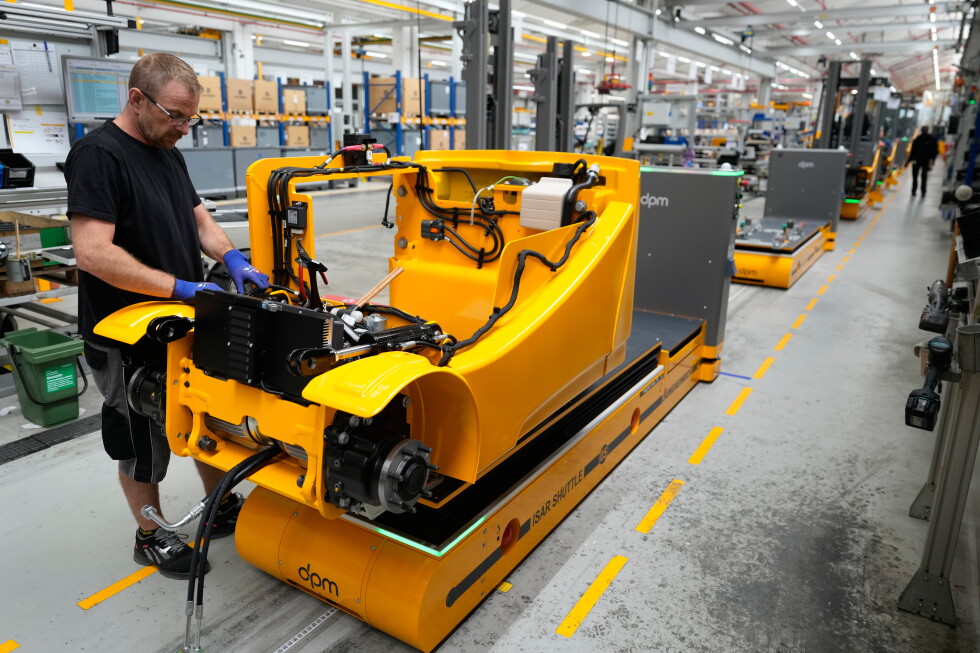
    Some German firms have chosen the pragmatic approach: if you can’t beat Chinese competitors, partner with them. Moosburg-based Jungheinrich AG, one of the world’s top three manufacturers of forklifts and warehouse logistics vehicles, has launched a joint venture with Chinese manufacturer EP Equipment to produce a new line of entry-level forklifts branded AntOn, designed to match Chinese rivals on price. The partnership combines EP’s large-scale, low-cost Chinese production with Jungheinrich’s global distribution network and trusted brand reputation.

    The AntOn lineup forgoes some premium features found in Jungheinrich’s exclusively German-made high-end models — it uses basic lever controls instead of modern joysticks, lacks built-in storage for personal electronics and wallets, and comes with an uncushioned seat — but meets core performance needs for customers that do not operate equipment 24/7, and retails for half the price of comparable premium machinery. To differentiate the new line, AntOn units are painted a distinctive bright purple, standing out from Jungheinrich’s signature yellow premium equipment.

    “The challenge is, there comes a massive wave with Chinese products and Chinese offerings into Europe, but also into the international markets. And the key question is, how do you react?” said Nadine Despineaux, Jungheinrich’s Chief Sales Officer, during an interview at the company’s Moosburg facility near Munich. Despineaux frames the growing demand for affordable mid-tech industrial equipment as an untapped opportunity, noting “AntOn is a good combination of German engineering, market access and customer proximity, which we bring to the table, and highly efficient production sites, which we use in China.”

    Volkswagen has taken a different approach, adopting an “in China, for China” strategy that includes opening a dedicated vehicle development center in Hefei to design models tailored specifically to Chinese consumer preferences.

    German policymakers, for their part, are keen to avoid repeating the collapse of the country’s domestic solar industry. Germany was an early pioneer of solar panel manufacturing and adoption in the early 2000s, but lower-cost Chinese imports drove most domestic producers into bankruptcy, and today nearly all solar panels used in Germany are imported from China.

    Critics point out that Chinese industrial policy provides targeted advantages to key domestic sectors, including low-cost access to credit, cheap raw materials, subsidized land, and local content requirements in some cases. Chinese manufacturing labor also costs far less than European labor, and many economists argue China maintains its currency at an artificially low exchange rate to keep export prices competitive.

    But China’s export strength is not solely a product of government support. Domestic Chinese companies face cutthroat price competition amid the country’s own ongoing domestic slowdown, forcing constant efficiency gains and rapid adoption of new manufacturing technology to stay afloat.

    Beijing rejects criticism from Western trading partners over its trade practices. A recent white paper from China’s Ministry of Commerce, titled “China’s Position on the So-Called Excess Capacity Issue,” argues that framing China’s industrial growth as a “China shock” falsely misrepresents the country’s development as a threat to Western economies.

    The German federal government has attempted to jumpstart growth with a €500 billion ($579 billion) infrastructure fund targeting upgrades to roads, bridges and rail networks. A July economic proposal also includes income tax cuts for middle- and low-income households, alongside broad measures to cut bureaucratic red tape for businesses.

    Yet leading analysts argue the solution to Germany’s China challenge may not rest with Berlin or German industry alone, but with EU trade policy overseen by the European Commission in Brussels. The Commission has already imposed targeted tariffs on specific Chinese imports, including electric vehicles and construction aerial work platforms. Setser, a senior fellow at the Council on Foreign Relations, says trade data confirms the China shock is the single dominant driver of Germany’s current economic malaise, and calls for a more assertive EU trade approach.

    “We do think that Europe needs a tougher trade policy, that it needs to insulate its market from some of the spillovers from China’s own industrial policies,” Setser said. “There has to be a bit more symmetry … that the rest of the world will not remain open to a China that itself is not open to new imports.”