Over the past two and a half decades, Chinese institutional lending for African agriculture has grown steadily, but a new academic study reveals critical gaps in how this funding is allocated that hinder long-term agricultural modernization across the continent. Authored by Adrino Mazenda, a senior researcher and associate professor of economic management sciences at the University of Pretoria, the study breaks down the distribution, priorities, and limitations of China’s agricultural development finance in Africa.
Between 2000 and 2024, the research documents 41 distinct Chinese-funded agricultural loans across Africa, totaling an estimated $2.26 billion. Geographically, Southern African nations including Angola, Zambia, Zimbabwe, and Mozambique have received the largest share of these loans, followed by East African countries (Ethiopia, Kenya, and Tanzania), West African markets (Nigeria and Ghana), and Egypt in North Africa.
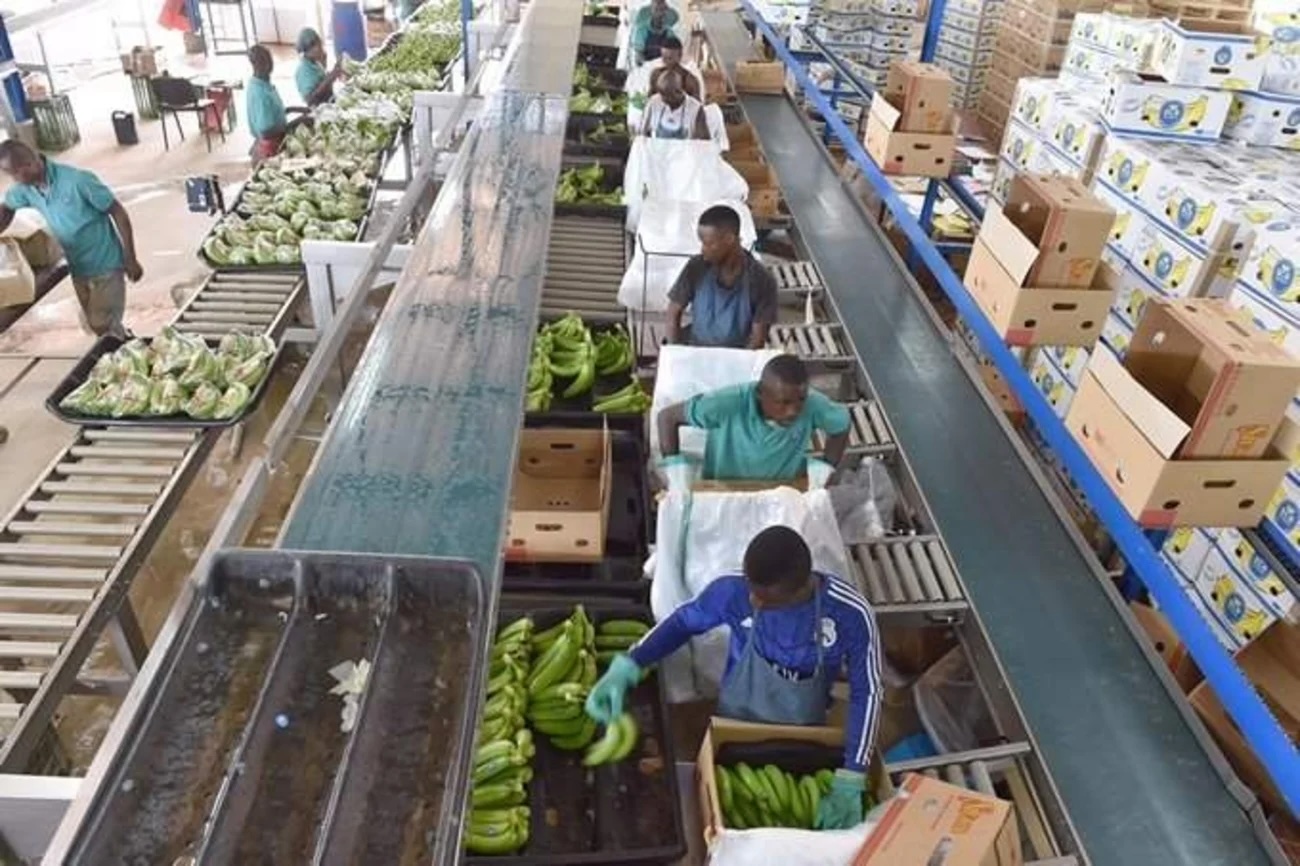
When it comes to project priorities, Chinese agricultural funding is heavily concentrated in core production-facing activities. Nearly 36% of total lending goes toward large-scale farm schemes, while fisheries projects account for 29%. Additional major allocations support irrigation systems, agricultural mechanization, and rural infrastructure. By contrast, investment in post-harvest and value-adding infrastructure remains minimal: cold-chain and general storage facilities make up just 3% of total lending, and agro-processing plants receive less than 2% of all committed funds.
Structurally, the study notes that most large Chinese agricultural loans are channeled through government-affiliated agencies and non-sovereign entities, rather than directly to African national governments. It also emphasizes that agricultural funding makes up only a small fraction of China’s overall development finance portfolio for Africa, where transport, energy, and general infrastructure have consistently received far larger financial commitments.
The research identifies two key shortcomings in the current lending model. First, the lack of investment in post-harvest processing, storage, connected transport networks, and market systems leaves African agricultural sectors unable to build fully robust, value-adding industries. Even as core production capacity expands, the absence of these critical links prevents smallholder farmers from accessing local and global supply chains, limiting the economic impact of increased output. Second, Chinese lending decisions are driven primarily by the practical viability of individual projects and the credentials of loan applicants, rather than alignment with a broader strategic vision for continent-wide or national agricultural transformation. This approach follows a broader pattern among Chinese lenders, which prioritize deliverable stand-alone projects over systemic sector development.
This gap comes at a critical moment for African agriculture. Many African nations lack the domestic capital needed to fund the full scope of infrastructure and systems required to modernize their agricultural sectors, making international development finance a critical resource. For agriculture to deliver sustained economic growth and improved food security across the continent, transformation requires more than just increased crop production: it demands integrated investment in market access, agricultural research, extension services, and institutions that connect small producers to regional and global buyers. While China’s current funding has successfully expanded production capacity, it falls short of supporting this full systemic transformation, per the study’s findings.
Mazenda outlines clear actionable solutions to improve the long-term impact of Chinese agricultural lending. First, he argues that the long-term value of Chinese finance will depend not just on the total volume of investment, but on whether future lending prioritizes integrated value chain development that connects production, processing, storage, and markets. Investing solely in isolated production infrastructure is unlikely to deliver the transformative changes needed to build a more productive and competitive African agricultural sector.
Second, African national governments have a key role to play in reshaping financing partnerships. They can negotiate for funding packages that align with national long-term agricultural development strategies, rather than accepting disconnected stand-alone projects. Targeted increased investment in storage facilities, agro-processing plants, cold-chain networks, integrated transport, agricultural research, extension services, and market development will strengthen value chains and amplify the long-term benefits of external finance. Governments should also improve interdepartmental coordination between agriculture, finance, and planning agencies to ensure external lending aligns with national priorities, and increase transparency around borrowing and project implementation to boost public accountability.
Finally, international development partners including Chinese lenders can adjust their financing models to integrate production with post-harvest infrastructure and market access, allowing investment to generate broader, more inclusive economic benefits across African economies. As climate change, rapid population growth, and persistent food insecurity put growing pressure on African food systems, the question of whether development finance is structured to deliver long-term systemic value, rather than short-term project outcomes, has grown increasingly urgent. Building productive, competitive, and resilient agricultural systems will require intentional, integrated investment that addresses the gaps exposed by this new research.