Uganda has reached a critical milestone in its fight against the ongoing regional Ebola outbreak, with the country’s last confirmed active patient discharged from treatment facilities. No confirmed active infections remain across the nation, officials confirmed, triggering a 42-day mandatory waiting period that will end with an official declaration of Ebola-free status if no new cases are documented.
The outbreak in Uganda traces back to early May, when health authorities confirmed the first case of the Bundibugyo Ebola strain in a patient who crossed into the country from the neighboring Democratic Republic of Congo (DRC) to seek medical care. The DRC has been the epicenter of the current regional outbreak. Over the course of the response, Uganda recorded a total of 20 confirmed cases, the vast majority of which were travelers crossing from the DRC, with just two fatalities reported.
In contrast, the Ebola outbreak in the DRC has grown far more severe: official government data from the central African nation shows more than 2,000 confirmed infections and 796 deaths to date. Experts warn the actual caseload is likely far higher, with a World Health Organization official noting earlier this week that the true number of infections could be four times the official recorded figure. The virus is also believed to have circulated undetected in DRC communities for months before the outbreak was formally declared just two months ago, leaving authorities playing catch-up in their response.
Speaking after the discharge of Uganda’s final patient, Health Minister Dr. Chris Baryomunsi called the milestone a momentous occasion. “It demonstrates that with early detection, prompt treatment and a strong health system, Ebola can be defeated,” he said. Despite the positive development, Uganda’s Ministry of Health has urged the public to maintain caution and remain vigilant against a potential resurgence of the virus. In a public statement posted to X, the ministry advised, “If you develop symptoms such as fever, vomiting, diarrhoea or unexplained bleeding, seek immediate medical care.”
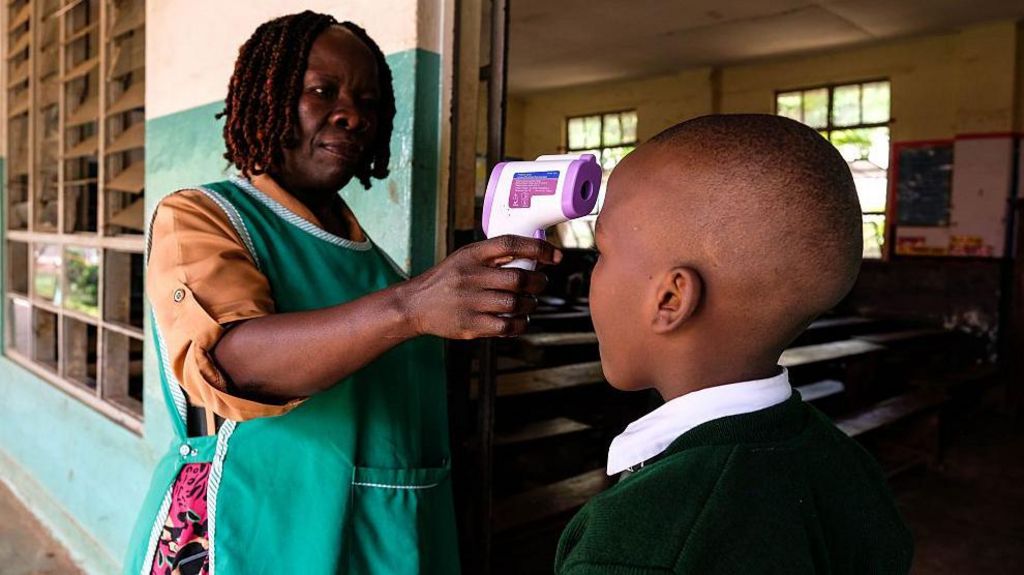
Uganda has built up robust response protocols over the past two decades, having weathered multiple Ebola outbreaks during that period. Current measures include immediate isolation of suspected cases, comprehensive contact tracing to stop chains of transmission, and widespread public outreach to educate communities on symptom recognition and prevention. From the earliest days of the current outbreak, Uganda activated tightened entry screening and other public health protocols to limit the spread of the virus from the DRC, a strategy that public health experts say has contributed to its successful containment so far.
As Uganda celebrates its progress, the DRC continues to struggle to bring the outbreak under control. The escalating crisis has prompted new travel restrictions from the United States, which recently announced that all U.S. citizens returning home after visiting the DRC must complete a 21-day quarantine in a third country before being allowed entry into the U.S. Previously, travelers from the DRC were able to enter the U.S. through designated airports after passing through routine health screening.
This new policy has drawn concern from international aid groups. Franklin Graham, CEO of an organization that operates multiple Ebola treatment centers in the region, told Reuters the restriction could discourage U.S. medical workers from volunteering to respond to the outbreak in affected areas, worsening the already strained public health response.
Ebola is a viral illness that targets the body’s immune system and organs. The virus is naturally hosted by wild animals, most commonly fruit bats, and zoonotic spillovers to humans typically occur when people handle infected animal carcasses. Once established in human populations, the virus spreads exclusively through direct contact with infected bodily fluids such as blood.