Negotiations over the Power of Siberia 2, a flagship cross-border natural gas pipeline designed to connect Russia’s vast Arctic gas reserves to China, have reached an impasse, driven by a yawning gap in price expectations that has led Beijing to formally request Moscow stop pushing for a quick deal. While neither government has officially pulled out of the project, no timeline for a final agreement or the start of construction has materialized, exposing the shifting bargaining dynamics between the two global energy powers.
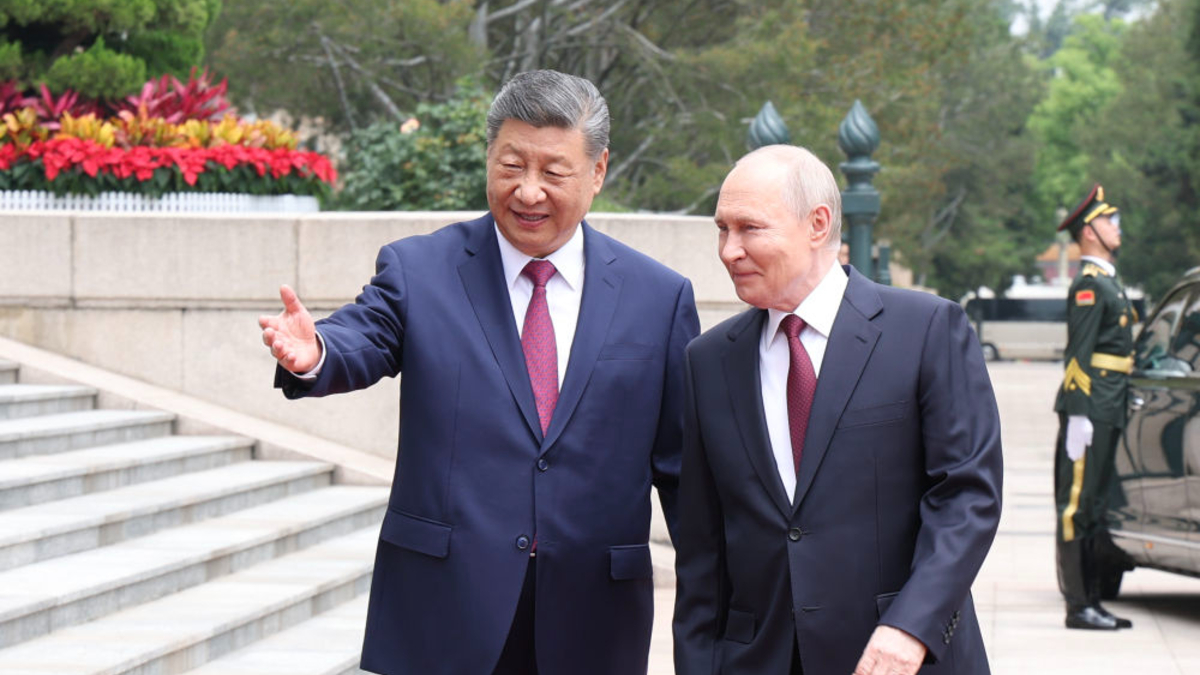
First proposed years ago, the pipeline won conditional approval from both governments in September last year. The project plans to transport up to 50 billion cubic meters of natural gas annually from Russia’s Yamal Peninsula fields, routing through Mongolia before reaching Chinese consumer markets. According to reporting from The Wall Street Journal, Chinese officials made clear months before Russian President Vladimir Putin’s May visit to Beijing that a deal was unachievable on the terms Moscow had put forward, and asked Russian negotiators to avoid raising the topic during the high-profile summit. The Kremlin has acknowledged that informal discussions are still ongoing at the corporate level, but no substantive progress has been reported.
The core of the dispute centers on staggering differences in the proposed gas price. China has opened negotiations with an offer of $50 per thousand cubic meters, matching the heavily subsidized domestic rate Russian consumers pay within Russia — a price far below standard commercial export terms. For its part, Russia is demanding roughly $250 per thousand cubic meters, a figure aligned with current global market benchmarks for pipeline gas.
Publicly available trade data puts this gap in context. China already imports Russian natural gas via the operational Power of Siberia 1 pipeline at a rate between $240 and $280 per thousand cubic meters, while it purchases pipeline gas from Central Asian suppliers at approximately $200 per thousand cubic meters. Before the 2022 Russian invasion of Ukraine, Moscow sold pipeline gas to European buyers and Turkey at rates between $275 and $340 per thousand cubic meters.
China’s opening bid has drawn attention for its stark mismatch with Beijing’s public rhetoric of a “no-limits” strategic partnership with Moscow. Chinese policy commentators argue that the hardline negotiating position reflects mounting external pressure on Russia across multiple fronts, which has shifted the balance of power firmly in China’s favor. Ukraine has ramped up long-range drone attacks on Russian energy infrastructure, while the European Union has passed legislation to phase out all imports of Russian liquefied natural gas by 2026 and implement a full ban on Russian pipeline gas starting in October 2027. At the same time, China has restored large-scale purchases of American LNG, adding another reliable supplier to its energy portfolio. Last week, the first U.S. LNG cargo in 12 months arrived at a Chinese import terminal, following a resumption of purchases after a mid-May meeting between Chinese President Xi Jinping and U.S. President Donald Trump.
“In 2025, China paid an average of roughly $258 per thousand cubic meters for Russian pipeline gas, already far below the rates Europe once paid,” wrote Hebei-based commentator Riyue Xhige. “Beijing’s new demand pushes for a far steeper discount. Even Belarus, Moscow’s closest ally, has never received terms this close to Russia’s domestic regulated price.” The columnist added that the gap goes far beyond routine commercial haggling, noting “This reflects a fundamental shift in who holds the power at the negotiating table.”
Where Russia once operated in a seller’s market when supplying Europe, where buyers had little alternative to Russian gas, that dynamic has completely reversed, commentators note. Today, China holds all the cards as a buyer with a diverse array of energy supply options to draw from.
China’s diversified energy portfolio is the foundation of its strong negotiating position, analysts point out. Domestic natural gas production hit 262 billion cubic meters in 2025, a 6.2% year-on-year increase that marked the ninth consecutive year of output growth exceeding 10 billion cubic meters. Four existing cross-border pipelines from Central Asian nations — Turkmenistan, Uzbekistan, Kazakhstan and Tajikistan — already have a combined annual capacity of more than 85 billion cubic meters, with additional expansion projects in the planning stages. Offshore, LNG tankers from Qatar, Australia and Malaysia deliver consistent cargoes to Chinese import terminals, leaving Russian gas as one of many available options rather than a critical necessity.
“China wants to expand energy imports from Russia as part of a broader diversified supply strategy, but that does not mean Russian gas is irreplaceable,” Riyue Xhige explained. “This strategic composure gives Beijing unprecedented leverage at the negotiating table. No matter how Russia adjusts its position, it will have to come back to meet Chinese terms.”
Jiangsu-based commentator New Day Student summed up the dynamic: “Russia is like a cat on a hot tin roof because of the war in Ukraine, while China has no shortage of gas sources. If Russia does not want to sell, we will simply keep buying from Central Asia, Australia and Qatar.” He noted that the $50 opening bid is simply an opening negotiating anchor, not a final take-it-or-leave-it offer, but emphasized that any final deal for Power of Siberia 2 will require a lower price than the existing Power of Siberia 1 contract.
The project has faced hurdles long before the current price impasse. After Gazprom, Russia’s state-owned energy giant, approved a feasibility study in 2021, negotiations over the route created years of tension. Moscow long pushed for a route through Mongolia, arguing it would cut infrastructure construction costs compared to a direct pipeline across the Russia-China border. Beijing resisted the proposal, and its concerns deepened in August 2023 after Mongolia signed an open skies agreement with the United States and began discussing a rare-earth development partnership with Washington. Chinese leaders worried that a transit route through Mongolia could leave the pipeline vulnerable to political disruption that would threaten China’s energy security. Beijing ultimately relented and approved the Mongolia route in September last year, but only on the condition that Moscow agree to substantial price cuts for the gas supply.
Since that agreement in principle, the global energy landscape has shifted even further in China’s favor. After China resumed U.S. LNG purchases in May, the U.S. Treasury issued a 60-day sanctions exemption in June that allows Iran to sell oil and petroleum products using U.S. dollars, expanding China’s access to affordable crude imports and helping replenish strategic reserves that were strained after earlier disruptions to shipping through the Strait of Hormuz.
When Putin met Xi in Beijing in May, he found China’s pricing demands remained unchanged. Shortly after the summit, Putin traveled to Kazakhstan to explore an alternative transit route that would send Russian gas to China via Central Asia, bypassing Mongolia entirely. But commentators argue that changing the route will not resolve the core dispute.
“Switching the pipeline route will not solve anything,” said another Hebei-based political columnist. “This is fundamentally a question of price and cost. It is true that Russia needs the Chinese market, and China needs a stable energy supply. But China has plenty of options and no reason to rush. We simply hold the stronger hand.”
The commentator added that time is running out for Russia, not China, as the EU’s ban on Russian pipeline gas is set to take effect in autumn 2027. “Whether the Kazakhstan route can actually be realized depends on whether Russia is willing to show good faith on price and financing to China. If Moscow still clings to the old thinking of selling its energy at premium prices and passing all infrastructure costs onto buyers, this detour will lead nowhere either.”
Shandong-based commentator Shan Hai argued that the impasse presents an opportunity for long-term reform of Russia’s energy-dependent economy. “Since the collapse of the Soviet Union in 1991, Moscow has relied on selling energy at high prices to fund government spending, importing most manufactured goods and failing to develop a diversified domestic industrial ecosystem,” Shan wrote. He suggested that Russia could reset its economic relationship with China by agreeing to competitive gas prices for the Power of Siberia 2 project and opening its market to Chinese manufacturing investment. Shan also noted that energy cooperation between the two nations is already becoming more reciprocal: after multiple Ukrainian drone attacks damaged Russian oil refining capacity, several Russian regions have begun importing refined petroleum products from China, expanding the scope of bilateral energy ties beyond Russian raw material exports to China.