分类: world

  • From jammed broadcasts to a blocked website: BBC Russian’s 80 years of defiance

    From jammed broadcasts to a blocked website: BBC Russian’s 80 years of defiance

    For eight decades, the BBC Russian service has navigated evolving censorship barriers in its mission to deliver uncensored information to Russian audiences. What began as short-wave radio jamming during the Cold War has transformed into sophisticated digital blocking in the modern era, creating what analysts now term a ‘digital Iron Curtain’.

    The historical struggle dates to March 24, 1946, when the BBC launched its first regular Russian-language broadcasts aimed at providing Soviet citizens an alternative to state propaganda. By 1949, signal jamming became standard practice, forcing inventive listeners to develop creative workarounds. Former BBC presenter Natalia Rubinstein recalls how enthusiasts would take radios on cross-country skiing trips to escape urban jamming zones, creating surreal scenes of individuals listening to forbidden broadcasts in snowy forests.

    Cold War-era broadcasting involved intricate cat-and-mouse games. The BBC would repeat its 90-minute Russian bulletin three times weekly to ensure some content reached listeners. While cultural programming often bypassed censorship, discussions of global conflicts or socialist bloc politics faced immediate jamming. A notable victory occurred in 1982 when the service unexpectedly resumed broadcasting after midnight to report Leonid Brezhnev’s death, temporarily outmaneuvering jamming teams who had ended their shifts.

    The Glasnost era brought dramatic changes. In 1987, jamming ceased officially during Mikhail Gorbachev’s reforms, allowing unprecedented direct engagement. The 1988 live broadcast featuring UK Prime Minister Margaret Thatcher answering Soviet citizen questions generated over 800 calls from across the USSR.

    Modern challenges have intensified following Russia’s 2022 invasion of Ukraine. The BBC Russian website was blocked on March 4, 2022, accused of spreading ‘false information,’ while new laws criminalized describing the conflict as a ‘war.’ The service relocated to Riga, Latvia, as eight journalists were designated ‘foreign agents’—a designation echoing Soviet-era persecution tactics.

    Despite these obstacles, weekly audience numbers have grown to 12 million through VPN usage and alternative platforms. However, Russia’s internet watchdog systematically blocks popular VPN services, while widespread mobile outages and proposed ‘whitelist’ systems threaten to create Iranian-style information control. Messaging apps like Telegram and WhatsApp face restrictions favoring government-backed alternatives.

    BBC News Russian head Jenny Norton notes the particular significance of their mission today: ‘A new generation of Russians are now having to fight to stay connected to the world. Our team must battle internet blocking and shutdowns to maintain this vital connection,’ underscoring the continuing relevance of the service’s 80-year mission.

  • ‘The gravest crime against humanity’: What does the UN vote on slavery mean?

    ‘The gravest crime against humanity’: What does the UN vote on slavery mean?

    In a landmark decision with profound historical significance, the United Nations General Assembly has overwhelmingly endorsed a resolution characterizing the transatlantic slave trade as “the gravest crime against humanity.” The resolution, which garnered 123 votes in favor with only three nations opposed and 52 abstentions, represents a pivotal moment in international recognition of slavery’s enduring legacy.

    UN Secretary-General Antonio Guterres welcomed the adoption, emphasizing that the economic foundations of numerous Western nations were “built on stolen lives and stolen labour.” He described the institution as extending beyond forced labor to encompass “a machinery of mass exploitation and deliberate dehumanization of men, women and children” maintained through barbaric punishments including shackles, flogging, and sexual violence.

    The resolution, championed by African and Caribbean nations, carries symbolic rather than legal force but establishes crucial political momentum for ongoing reparations discussions. Almaz Teffera, a senior racism researcher at Human Rights Watch, noted that while the declaration possesses primarily symbolic value, it constitutes “a huge and significant step” that could accelerate progress on compensation debates.

    Historical context reveals the staggering scale of the transatlantic slave trade, which forcibly transported approximately 12-15 million Africans to the Americas between the 15th and 19th centuries. An estimated two million perished during the horrific Middle Passage aboard slave ships. European colonial powers including Spain, Portugal, France, and Britain systematically profited from this exploitation.

    The contemporary ramifications of centuries of enslavement remain starkly evident. In Brazil, which received nearly 4.9 million enslaved Africans primarily under Portuguese rule, official statistics indicate black citizens are twice as likely to experience poverty compared to white counterparts.

    The resolution urges member states to consider formal apologies and contributions to a reparations fund, though opposition remains substantial. The United States, Israel, and Argentina voted against the measure, with Deputy US Ambassador Dan Negrea expressing concern that creating a hierarchy of historical crimes “diminishes the suffering of countless victims.” The United Kingdom and European Union members were among those abstaining.

    Reparations advocates emphasize that financial compensation constitutes only one dimension of restorative justice. Dr. Esther Xosei, a prominent British scholar and activist, cautioned that while the UN declaration represents a “good victory,” the “real battle will be fought on the streets” where public understanding of slavery’s legacy remains inadequate.

    Historical precedent exists for reparations, notably Germany’s payment of over $80 billion to Jewish victims of the Nazi regime. However, no nation has provided compensation to descendants of enslaved Africans, despite 19th-century payments to slave owners following abolition—Britain allocated the modern equivalent of $21 billion to compensate proprietors after ending slavery in the 1830s.

    The CARICOM bloc of 15 Caribbean nations has advanced a comprehensive 10-point plan for reparatory justice, estimating that former colonial powers owe at least $33 trillion. International Court of Justice judge Patrick Robinson has proposed an even higher figure of $107 trillion from 31 nations. These astronomical sums far exceed practical implementation possibilities, with the entire US federal budget for 2025 totaling $7.1 trillion.

    Beyond financial considerations, advocates stress the importance of formal apologies, educational reforms, and historical acknowledgment. Verene Shepherd, vice-chair of the CARICOM Reparations Commission, notes that European governments have predominantly issued “statements of regret” rather than full apologies, impeding the healing process for descendants.

    As Dr. Celeste Martinez, a specialist in Spanish colonialism, summarizes: “The most important thing to understand is that nobody is trying to change the past, but to address its consequences in the present.” The UN resolution represents a critical step toward acknowledging that slavery’s legacies endure through contemporary racism and inequality, demanding comprehensive reckoning and restorative action.

  • US-Israeli strikes on Iran’s oil and gas could poison people and environment for decades

    US-Israeli strikes on Iran’s oil and gas could poison people and environment for decades

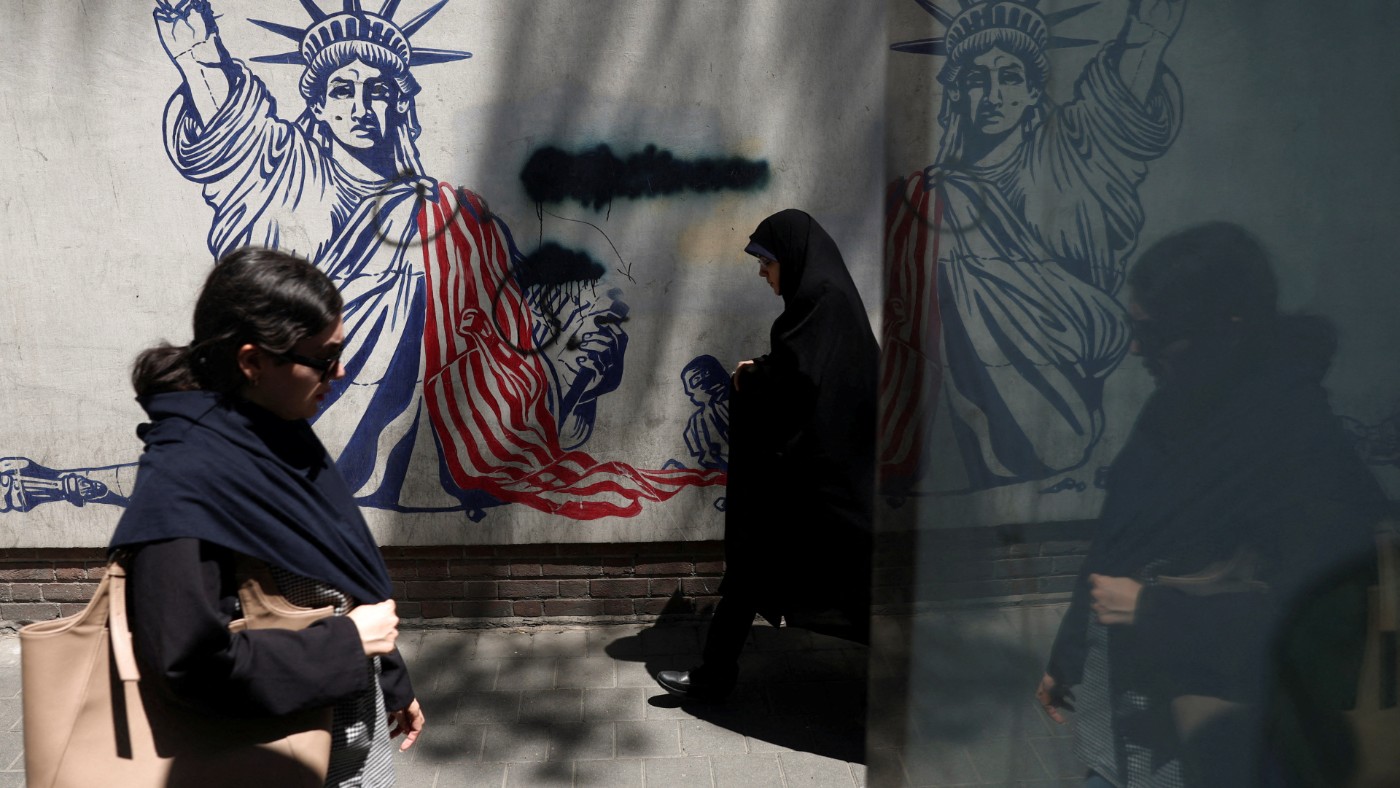
    Tehran’s skies turned toxic following a series of airstrikes on March 7th that ignited multiple oil depots and refineries, creating an environmental disaster with dire implications for public health. The attacks, claimed by Israel’s military despite US denials of involvement, resulted in petrochemical fires that raged for five days, engulfing the Iranian capital in thick, poisonous smoke that residents described as hellish visions and ‘black monsters’.

    The aftermath brought acid rain blackened with oil, coating the city’s infrastructure in a tarry residue while millions of citizens inhaled dangerous chemicals with only fabric masks for protection. According to the Conflict and Environment Observatory (CEOBS), a UK-based nonprofit monitoring war’s environmental impacts, this incident represents just one of approximately 300 environmentally risky incidents recorded since hostilities began on February 28th.

    The situation is particularly critical due to Tehran’s geographical constraints. Nestled at the base of the Alborz mountains, the city’s natural topography traps pollution, creating a toxic chamber for its nine million inhabitants. Compounding the problem, years of economic sanctions have forced Iran to rely on mazut—a highly polluting, low-grade fuel—that had already degraded air quality before the conflict.

    Environmental scientists warn that the health consequences will extend far beyond immediate respiratory issues. Professor Shukri al-Hassan, who studied leukemia cases resulting from oil flaring in Iraq’s Basra region, emphasized that microscopic particles from the fires can embed deep in lung tissue, potentially causing cancer years after exposure. ‘Those who do not die directly from the strikes may still have their lives threatened indirectly through exposure to toxic gases,’ Hassan noted.

    The parallels to previous conflicts are alarming. Cultural anthropologist Narges Bajoghli, referencing Iraq’s chemical weapons use during the 1980s Iran-Iraq war, highlighted that toxic harm to civilian populations often goes unpunished when delivered with deniability or attributed to industrial accidents. As attacks expand to target more civilian and industrial infrastructure, including metallurgical plants, the environmental toll continues to mount across the region, creating what experts fear could become permanent sacrifice zones with generational health consequences.

  • US only certain of having destroyed a third of Iran’s missiles

    US only certain of having destroyed a third of Iran’s missiles

    A confidential US intelligence assessment has revealed that American and Israeli forces have successfully destroyed only approximately one-third of Iran’s missile inventory, contradicting President Donald Trump’s public claims of near-total military success. According to five sources with knowledge of the intelligence who spoke with Reuters, the status of an additional third remains uncertain, though these missiles may have been damaged, destroyed, or buried in underground facilities during the ongoing month-long assault. Iran’s drone capabilities have similarly been reduced by about a third.

    The assessment indicates Tehran maintains substantial retaliatory capacity despite the sustained campaign. This evaluation stands in stark contrast to President Trump’s remarks during a Thursday cabinet meeting, where he asserted 99 percent destruction of Iranian missiles while discussing strategic options for the Strait of Hormuz. He justified continued action by stating that even one percent remaining capability posed an unacceptable risk to naval assets.

    US Central Command has declined to provide specific damage assessments, while Israeli military officials disclosed that Iran possessed approximately 2,500 ballistic missiles capable of reaching Israel before hostilities began. A senior Israeli official claimed 335 missile launchers (representing 70% of Iran’s launch capacity) have been neutralized.

    The campaign has come at significant logistical cost. Officials warn that US and Israeli forces are rapidly depleting their missile inventories, with The Washington Post reporting over 850 Tomahawk cruise missiles fired within four weeks—a concerning rate given annual production numbers in the hundreds. Pentagon stockpiles in the Middle East are reportedly ‘alarmingly low.’

    Despite these constraints, Axios reported Thursday that the Department of Defense is drafting plans for a ‘final blow’ involving ground troops and massive bombing campaigns. Potential strategies include invading or blockading Kharg Island (source of 90% of Iran’s oil exports), seizing strategic islands like Larak near Qeshm Island, or occupying disputed territories like Abu Musa and the Tunb islands claimed by the United Arab Emirates. Additional options under consideration involve seizing Iranian oil tankers transiting the Strait of Hormuz.

  • I escaped North Korea with my mum. Now I’m terrified she might be sent back

    I escaped North Korea with my mum. Now I’m terrified she might be sent back

    In a poignant tale of separation and sacrifice, a North Korean refugee now faces his greatest fear: the potential repatriation of his mother from China back to the oppressive regime they risked everything to escape.

    Geumseong’s journey to freedom began in 2019 when he and his mother Eunhee crossed the heavily fortified Yalu River into China. What the teenager didn’t know was that his mother had arranged her own sale as a bride to a Chinese man—a desperate measure to finance her son’s escape to South Korea through an underground network of brokers. This heartbreaking sacrifice enabled Geumseong’s 4,000-kilometer journey through China to Thailand and eventually to Seoul, where he was granted citizenship under South Korea’s constitutional protection of North Korean defectors.

    Their emotional Christmas Eve 2020 video reunion—arranged after Eunhee appeared on a refugee podcast that miraculously reached Geumseong’s friends—provided temporary comfort. But their separation took a devastating turn in January 2025 when Eunhee, attempting to join her son in South Korea, was captured near the Myanmar border and imprisoned in northeastern China.

    Geumseong now races against time, fearing his mother could join the estimated 1,000 North Koreans forcibly repatriated since October 2023—a fate that human rights groups warn often leads to torture, imprisonment, or execution. ‘I just want to ask them to please give her one more chance to live a normal life,’ Geumseong pleads, having already attempted unsuccessfully to visit his mother in prison.

    This personal tragedy unfolds against a broader backdrop of declining North Korean defections. Post-pandemic border reinforcements—including double-layered electrified fences and enhanced surveillance along the 1,420-kilometer Sino-Korean border—have reduced annual arrivals in South Korea from approximately 1,000 before 2020 to just 223 in 2025.

    The phenomenon of North Korean women being sold as brides in China reflects both gender imbalance (with 34 million more men than women) stemming from China’s former one-child policy, and the desperate circumstances driving escapees. While some marriages offer relative stability, many women live in legal limbo—monitored through biometric data collection and entirely dependent on their husbands’ whims.

    Human Rights Watch’s Lina Yoon describes their predicament as a ‘cruel paradox—never legal, never safe.’ For Geumseong, the paradox is personal: his mother’s sacrifice granted him freedom, but now threatens her very existence. His desperate appeal echoes beyond his personal tragedy, highlighting the ongoing humanitarian crisis at the intersection of geopolitics, human rights, and individual courage.

  • Kenya eyes China partnership for Nairobi-Thika overpass to ease congestion

    Kenya eyes China partnership for Nairobi-Thika overpass to ease congestion

    Kenyan officials have announced plans to collaborate with Chinese partners on a major infrastructure initiative designed to address severe traffic congestion along the critical Nairobi-Thika transport corridor. Deputy President Kithure Kindiki revealed the proposed overpass project during a recent Kenya-China business forum in Nairobi, positioning it as a strategic enhancement to the country’s transportation network.

    The envisioned 50-kilometer overpass would be constructed along the existing Thika Superhighway, a vital artery originally built with Chinese engineering expertise and financing that opened in 2012. This new infrastructure endeavor represents Kenya’s latest engagement with China’s Belt and Road Initiative, reinforcing bilateral cooperation in African infrastructure development.

    President William Ruto’s administration has targeted September 2026 for the commencement of construction activities. The elevated expressway aims to significantly improve connectivity between Nairobi and the industrial center of Thika while extending Kenya’s transportation capabilities to central, eastern, and northern regions.

    Kindiki emphasized that such infrastructure investments strengthen Kenya’s position as a regional trade and logistics hub, complementing previous Chinese-supported projects including the Standard Gauge Railway and Nairobi Expressway. The deputy president specifically highlighted the project’s potential to attract Chinese manufacturing and distribution investments seeking access to African markets through Kenya’s participation in multiple continental trade agreements.

    Through memberships in the East African Community, COMESA, and the African Continental Free Trade Area, Kenya offers foreign investors gateway access to a combined market of over 1.4 billion people with an estimated collective GDP approaching $2.83 trillion.

  • Colombia holds ceremony for 69 killed in military plane crash

    Colombia holds ceremony for 69 killed in military plane crash

    BOGOTA, Colombia — The nation of Colombia observed a solemn ceremony Friday honoring 69 members of security forces who perished in one of the country’s most devastating military aviation disasters. Photographs of the deceased were arranged before the altar of a capital city church as the nation grappled with the tremendous loss.

    Survivors of Monday’s catastrophic crash attended the memorial service, with some seated in wheelchairs assisted by medical personnel, others bearing visible injuries and bandages. The emotional gathering saw military leaders and government officials joining grieving families in remembrance.

    The tragedy unfolded when a Colombian Aerospace Force C-130 Hercules aircraft crashed shortly after departure from Puerto Leguizamo, a remote Amazonian town. The aircraft was transporting 126 security personnel to various regions for counterinsurgency operations when it went down, resulting in 57 survivors alongside the confirmed fatalities.

    Military Forces Commander General Hugo Alejandro López expressed profound sorrow, stating, ‘Our military family suffers deeply when any soldier or police officer falls in service.’ During the religious ceremony, a priest solemnly recited each victim’s name, recognizing their ultimate sacrifice for the homeland.

    Defense Minister Pedro Sánchez extended condolences to bereaved families, pledging institutional support while reflecting on the contrasting fates of those aboard: ‘For some, this would be their final earthly journey—transitioning to eternal flight. For survivors, it represented a rebirth.’

    Authorities have initiated a comprehensive investigation into the accident, having eliminated the possibility of armed attack by illegal groups. Current scrutiny focuses on aircraft maintenance, runway conditions, and crew performance. The disaster has sparked renewed national debate regarding Colombia’s aging military aircraft fleet, particularly after President Gustavo Petro questioned the operational approval of a plane manufactured in 1983 and donated by the United States in 2020. President Petro has emphasized the urgent need for modernizing Colombia’s Hercules fleet, which serves critical transport operations on unpaved runways in remote regions.

  • US and Israel ‘burning through’ Tomahawk and interceptor missiles in Iran

    US and Israel ‘burning through’ Tomahawk and interceptor missiles in Iran

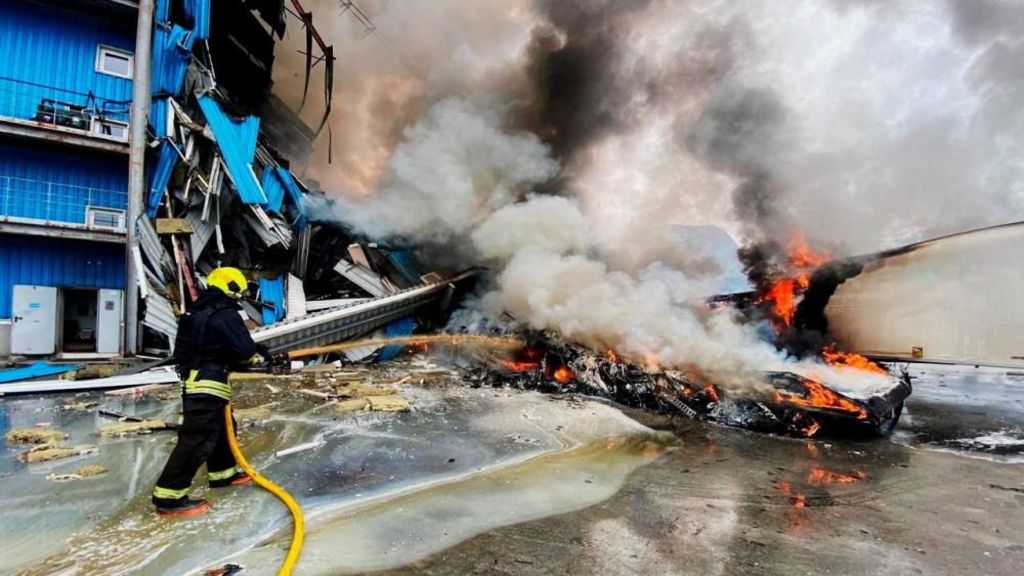
    Pentagon officials are expressing grave concerns as the United States and Israel rapidly deplete their strategic missile arsenals in the ongoing military engagement with Iran. According to confidential sources cited by the Washington Post, American forces have launched over 850 Tomahawk cruise missiles within just four weeks of combat operations.

    The Tomahawk missile system, capable of striking targets beyond 1,000 miles without risking pilot casualties, represents a cornerstone of American long-range precision warfare. However, current production capabilities fall severely short of wartime consumption rates, with annual manufacturing output numbering only in the hundreds. One defense official characterized remaining Middle East inventories as “alarmingly low.”

    British security analysis group RUSI has quantified the unprecedented scale of munitions expenditure. Their recently published assessment reveals that US-Israeli forces deployed 11,294 munitions during the conflict’s initial sixteen days alone, incurring an estimated $26 billion in operational costs. The think tank specifically warned that long-range interceptors and precision strike weapons are “nearing exhaustion,” projecting a minimum five-year timeline to replenish the expended Tomahawk missiles.

    The logistical strain has prompted Secretary of War Pete Hegseth to personally pressure defense contractors to accelerate weapons delivery schedules. This munitions crisis emerges despite extensive aerial campaigns and targeted eliminations of Iranian leadership figures, including Supreme Leader Ali Khamenei—measures that have thus far failed to achieve strategic objectives against the Islamic Republic.

    Humanitarian organization Iranian Red Crescent reports devastating casualties, with approximately 1,900 fatalities and 20,000 injuries recorded since hostilities commenced in February. Recent diplomatic developments indicate potential de-escalation efforts, with President Donald Trump announcing a temporary suspension of plans to target Iranian energy infrastructure and referencing backchannel negotiations mediated through Pakistan. Iranian authorities, however, continue to publicly deny any diplomatic engagement and have rejected Washington’s proposed 15-point peace framework.

  • Russia is sending upgraded drones used in the Ukraine war to Iran, officials say

    Russia is sending upgraded drones used in the Ukraine war to Iran, officials say

    In a significant reversal of military technology exchange, Russia has initiated shipments of advanced drone systems to Iran—marking a dramatic turnaround from Tehran’s earlier provision of unmanned aerial vehicles to Moscow following the Ukraine invasion. According to multiple U.S. and European intelligence officials speaking anonymously to The Associated Press, these transfers include upgraded variants of the Shahed drone series that Russia has substantially enhanced during battlefield operations.

    The technological improvements incorporated by Russian engineers include superior navigation systems, jet propulsion capabilities, advanced anti-jamming electronics, artificial intelligence guidance platforms, and Starlink internet connectivity. These enhancements represent a substantial evolution from the original Iranian designs that Moscow received in 2022 under a $1.7 billion technology transfer agreement.

    European intelligence assessments indicate active discussions between Russian and Iranian security officials throughout this month regarding drone transfers. While the exact scale and transportation methods remain unclear, officials suggest possible concealment within humanitarian aid convoys traversing the Azerbaijan-Iran border. Two such convoys—one comprising seven trucks carrying 150 tons of aid and another transporting 313 tons of medicine via rail—recently crossed into Iran’s northern Astara region.

    The strategic motivation behind Moscow’s decision remains ambiguous to U.S. defense officials, particularly since every drone diverted to Iran represents one less available for Ukraine combat operations. Some European analysts suggest the transfer might constitute a symbolic gesture to maintain diplomatic relations rather than a militarily significant contribution.

    This technology exchange occurs within a broader context of intensified intelligence sharing between Moscow and Tehran. The U.K. Defense Intelligence assessment confirms Russian provision of training and electronic warfare intelligence to Iran preceding recent Middle Eastern conflicts. However, the relationship has experienced strains, with Iranian officials reportedly expressing disappointment over Russia’s limited support during previous confrontations with Israel.

    The introduction of Russian-enhanced drones could pose substantial challenges to U.S. and allied defense systems in the Middle East. Jet-propelled variants travel at significantly higher speeds, complicating interception efforts and potentially requiring deployment of limited high-end anti-air weapons. Kremlin spokesman Dmitry Peskov has dismissed reports of drone transfers as “false news stories” despite mounting evidence from multiple intelligence sources.

  • Two Cuba-bound aid ships missing after leaving Mexico

    Two Cuba-bound aid ships missing after leaving Mexico

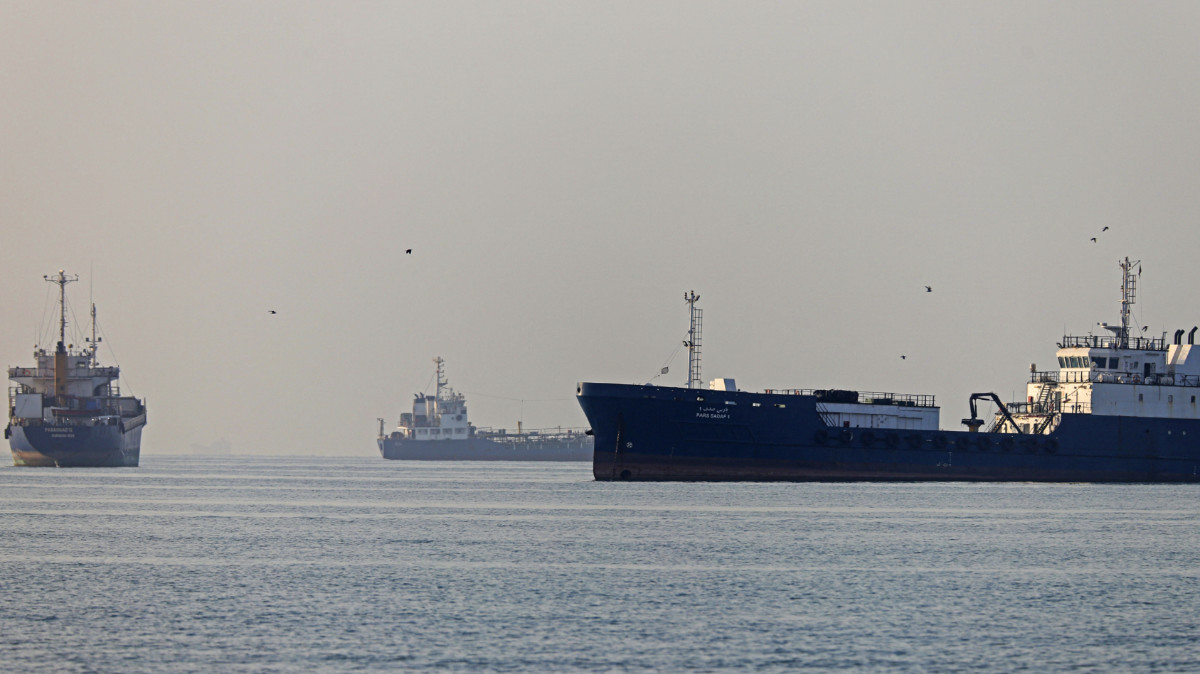
    An extensive multinational search operation is currently underway in the Caribbean Sea for two missing humanitarian vessels that departed Mexico en route to Cuba. The sailboats Friendship and Tigger Moth, carrying nine international crew members and vital supplies, vanished during their voyage from Isla Mujeres to Havana.

    Mexican naval forces have deployed search teams and military aircraft to locate the missing vessels, which were expected to arrive in Havana on March 25th or 26th but have established no communication since their departure on March 20th. The crew comprises citizens from Poland, France, Cuba, and the United States, with diplomatic channels activated between all involved nations.

    According to convoy representatives, both vessels were operated by experienced sailors and equipped with appropriate safety systems and signaling equipment. The mission was part of broader civilian efforts to deliver humanitarian assistance to Cuba amid severe shortages triggered by recent US sanctions.

    Captain Adnaan Stumo of the Friendship recorded a video message before departure stating: ‘We are taking a whole bunch of aid, [a] bunch of solidarity activists, and we’re sailing directly. We are saying that we are not standing for the continued siege and destruction of the ability of the Cuban people to live a dignified life.’

    The situation occurs against the backdrop of escalating tensions between the US and Cuba. Since January, when the US imposed an oil blockade and severed Venezuela’s oil supply to Cuba, the island nation has faced critical fuel shortages that have resulted in canceled medical procedures, nationwide blackouts, and rare public protests.

    Cuban President Miguel Díaz-Canel expressed concern via social media, affirming that Cuba is ‘doing everything possible in the search and rescue of these brothers in struggle.’ The incident highlights the complex geopolitical landscape affecting humanitarian missions to Cuba, where volunteer-led initiatives have become increasingly necessary amid ongoing diplomatic strains.