分类: world

  • Iran Guards warn civilians after Trump pushes Hormuz deadline

    Iran Guards warn civilians after Trump pushes Hormuz deadline

    The Iranian Revolutionary Guards issued a stark warning to civilians across the Middle East on Friday, urging them to avoid proximity to American military installations. This advisory emerged shortly after President Donald Trump extended the deadline for Iran to reopen the strategic Strait of Hormuz, moving it from Friday to April 6.

    Trump asserted the extension responded to Tehran’s request for additional negotiation time, stating that talks to conclude the month-long regional conflict were progressing positively. However, Iran’s military posture indicated no de-escalation, with continued reprisal operations against Israeli targets and Gulf assets.

    The Revolutionary Guards accused ‘cowardly American-Zionist forces’ of employing human shields and explicitly warned regional civilians: ‘We recommend that you urgently leave locations where American forces are stationed so that no harm comes to you.’ This statement followed Iran’s threat to target hotels accommodating U.S. military personnel throughout the region.

    Concurrently, Kuwait reported damage to its primary commercial port from a dawn drone attack. The Guards additionally declared the Strait of Hormuz ‘closed’ to vessels traveling to and from enemy ports, claiming to have turned back three container ships attempting passage.

    Global economic repercussions intensified as oil prices and stock markets showed mixed responses to Trump’s deadline extension. Japan announced temporary easing of restrictions on coal-fired power plants to address energy shortages, while Vietnam implemented temporary fuel tax waivers.

    Diplomatic efforts continued as U.S. Secretary of State Marco Rubio met with G7 counterparts in France. British Foreign Minister Yvette Cooper emphasized the necessity for swift conflict resolution, stating ‘Iran cannot be able to just hold the global economy hostage.’

    Negotiations center on a 15-point U.S. proposal delivered through Pakistani intermediaries, with Iran reportedly demanding war reparations, recognition of its sovereignty over the Strait of Hormuz, and cessation of attacks on Iranian territory and allied regional groups including Lebanon’s Hezbollah.

    UN Human Rights Chief Volker Turk urged Washington to complete its investigation into a deadly strike on an Iranian elementary school that occurred during the conflict’s initial days, calling for accountability for ‘the terrible harm done.’

    Meanwhile, Israeli forces conducted fresh strikes in Tehran, Qom, and Urmia, targeting infrastructure. The attacks occurred amid concerns voiced by Israeli opposition leader Yair Lapid regarding the military being ‘stretched to the limit and beyond’ after weeks of sustained operations.

  • Africa draws inspiration from China’s rural tourism

    Africa draws inspiration from China’s rural tourism

    African tourism experts are increasingly looking to China’s successful rural tourism development as a blueprint for economic transformation across the continent. Over the past two decades, China has systematically transformed remote villages into thriving cultural destinations through strategic heritage preservation, infrastructure investment, and community entrepreneurship programs.

    The Chinese approach, which has lifted millions out of poverty while revitalizing rural landscapes from Yunnan’s terraced rice fields to numerous other regions, presents a compelling case study for African nations. According to Emmanuel Matambo, Research Director at the Centre for Africa-China Studies at the University of Johannesburg, Africa should consider establishing direct partnerships between its rural communities and their Chinese counterparts, moving beyond the traditional urban-focused international collaborations.

    Across Africa, from Ethiopia’s highland farming communities to Kenya’s cultural villages, Ghana’s historic settlements, and South Africa’s scenic countryside retreats, vast tourism potential remains largely untapped. Experts emphasize that developing this sector could diversify African tourism beyond the established wildlife attractions, beaches, and urban conference centers.

    Critical success factors identified include investment in road infrastructure, security enhancement, and reliable power generation to make rural areas more accessible and secure for visitors. Technology integration emerges as another crucial element, with Matambo noting that if technologies penetrate Africa’s rural areas as they have in China, tourists would maintain connectivity to their daily routines.

    Itumeleng Dube, Lecturer in the Department of Public Administration and Management at the University of South Africa, advocates for more sophisticated cultural packaging that moves beyond traditional dancing and drumming displays. He suggests African countries should systematically categorize and document their cultures, heritage, and traditions, making this information accessible online before tourists arrive.

    Thato Mothopeng, National Coordinator of the South African Township and Village Tourism Association, identifies African culture as one of the continent’s most underutilized tourism assets, urging countries to strategically package cultural experiences alongside hospitality services to create compelling visitor offerings.

  • Macao environmental cooperation forum, exhibition eye global collaboration

    Macao environmental cooperation forum, exhibition eye global collaboration

    MACAU – The 2026 Macao International Environmental Cooperation Forum and Exhibition (MIECF) commenced its proceedings on Thursday at the Cotai Expo, marking a significant stride in global environmental collaboration. Under the theme “Low-Carbon, Zero Waste Cities: Embarking on a Global Collaboration,” the event is orchestrated by the Macao Special Administrative Region (SAR) government and will continue through Saturday.

    The forum serves as a multifaceted platform integrating professional conferences, technological exhibitions, thematic matching sessions, and green networking activities, culminating in a public engagement day. This initiative solidifies Macao’s strategic positioning as a regional nexus for environmental dialogue and sustainable partnership development.

    Representing the SAR’s Chief Executive, Secretary for Economy and Finance Tai Kin Ip emphasized the event’s dual purpose during the opening ceremony. “The 2026 MIECF transcends technological exhibition to create substantive opportunities for deepened cooperation and mutual achievement,” he stated. The Secretary further articulated the government’s commitment to economic diversification while collaborating with community stakeholders to transform Macao into an environmentally sustainable, livable destination for both residents and international visitors.

    This year’s exhibition spans an impressive 12,000 square meters, featuring over 350 exhibitors representing 12 countries and regions, with international participants constituting 20% of the total showcase.

    Among the innovative solutions presented, Shawn Cheng, principal strategist of the Endeavour Environmental Education Foundation Limited, demonstrated the groundbreaking “Artificial Smart Floating Wetlands” system. This technology, developed by research teams at the Chinese University of Hong Kong, utilizes hydroponic plants on floating platforms to simultaneously purify water ecosystems and enhance wildlife habitats.

    Cheng expressed ambitions to leverage the Macao platform for mainland market connections, noting: “Having successfully implemented this project in Hong Kong, we are seeking collaborative partnerships with environmental technology counterparts in Zhongshan and Zhuhai within Guangdong Province.”

  • UN humanitarians say civilian casualties mount in Iran, Lebanon

    UN humanitarians say civilian casualties mount in Iran, Lebanon

    United Nations humanitarian agencies have issued a grave assessment of escalating civilian suffering across multiple Middle Eastern conflict zones, with particularly severe conditions reported in Iran and Lebanon. According to the UN Office for the Coordination of Humanitarian Affairs (OCHA), civilian casualties continue to mount amid ongoing hostilities.

    In Iran, the humanitarian impact has spread across widespread regions, with casualties reported in at least 20 of the country’s 31 provinces. Tehran and Hormozgan provinces have experienced the most severe impact according to official data. The Iranian Ministry of Health has documented approximately 23,000 casualties resulting from recent conflicts, including particularly vulnerable groups with 1,801 children and 4,150 women among the victims. The healthcare system itself has suffered significant losses, reporting 23 fatalities and 112 injuries among medical personnel.

    Humanitarian workers face extreme danger in their response efforts. The Iranian Red Crescent Society confirmed one relief worker death and 14 injuries among their personnel. The conflict has triggered substantial population displacement as civilians seek safety, further exacerbating vulnerabilities and disrupting access to essential services, basic support systems, and livelihoods.

    The displacement crisis extends beyond national borders. UN Refugee Agency (UNHCR) data indicates more than 33,300 Iranians have returned from Türkiye since hostilities escalated on February 28, while approximately 36,000 people have returned to Afghanistan.

    Meanwhile, Lebanon faces its own devastating humanitarian emergency. The country’s Ministry of Public Health has recorded 1,094 fatalities and over 3,000 injuries. The conflict has displaced more than one million people, with displacement orders continuing to affect vulnerable populations. Healthcare infrastructure has been severely compromised, with the World Health Organization documenting 77 attacks on medical workers resulting in 53 deaths and 117 injuries. At least 50 primary healthcare centers and five hospitals have closed due to security concerns, while nine hospitals and four primary care facilities have sustained damage.

    In Gaza, already strained humanitarian conditions have deteriorated further due to heavy rainfall that has damaged shelters and belongings of displaced families. OCHA reports at least 120 families have experienced flooding, destruction, or damage to their temporary shelters since Wednesday. Relief operations face multiple obstructions including import restrictions on critical items and supply chain disruptions.

    The UN humanitarian office expressed particular concern about civilian protection, noting that a recent airstrike in Deir al Balah destroyed 15 shelters and damaged 30 others at a displacement site. OCHA emphasized that ‘residential areas should be protected; this includes avoiding placing military objects in or near them — and respecting the prohibition on indiscriminate attacks.’

  • A whale stranded at a Baltic Sea resort has swum off a sandbank. But it isn’t safe yet

    A whale stranded at a Baltic Sea resort has swum off a sandbank. But it isn’t safe yet

    BERLIN — A dramatic multi-day rescue operation has successfully freed a humpback whale stranded in shallow Baltic waters near the German resort town of Timmendorfer Strand. The massive marine mammal, measuring approximately 12-15 meters (39-49 feet), escaped through a specially dug channel overnight Thursday into Friday after intensive efforts by marine experts and rescue teams.

    The rescue operation reached its critical phase on Thursday when marine biologist Robert Marc Lehmann and his team employed excavators to dig an escape trench in front of the whale’s head. Working until after sunset, the team created a pathway that ultimately enabled the whale’s escape from the underwater sandbank where it had been trapped since Monday.

    Despite this significant achievement, experts caution that the whale’s ordeal is far from over. The young male whale now faces a treacherous journey of several hundred kilometers through German and Danish waters to reach the safety of the North Sea and ultimately the Atlantic Ocean—its natural habitat. The Baltic Sea’s unique characteristics, including minimal tidal movements that might have naturally freed the whale, present ongoing navigation challenges.

    Early Friday morning, the whale was observed making progress out of Lübeck Bay, accompanied by a coast guard vessel and several support boats. Marine researchers from the Institute of Terrestrial and Aquatic Wildlife Research are monitoring its movement, noting that the whale had been previously spotted in the port of Wismar in recent weeks, indicating a pattern of unusual migration for a species not native to the Baltic region.

    The successful intervention highlights both the dedication of marine rescue teams and the growing phenomenon of whale strandings in non-native waters, raising questions about changing marine ecosystems and navigation patterns among marine mammals.

  • War in the Middle East: latest developments

    War in the Middle East: latest developments

    The Middle East conflict has entered a perilous new phase with Iran’s military issuing a stark warning that any hotel housing US soldiers in the region would be considered a legitimate target. Armed Forces spokesman Abolfazl Shekarchi declared on state television that facilities accommodating American forces effectively become American installations from Iran’s perspective.

    Regional tensions intensified as Kuwait’s primary commercial port at Shuwaikh sustained material damage from a dawn drone attack, though authorities reported no casualties. Simultaneously, Lebanese media documented Israeli strikes hitting Beirut’s southern suburbs early Friday, with explosions reported in Hezbollah strongholds.

    Military actions expanded significantly as Iran’s Revolutionary Guards claimed responsibility for coordinated missile and drone strikes targeting sites in Israel and US military facilities across the Gulf region. The Guards specifically identified a maintenance facility for US Patriot air defense systems in Bahrain as among their targets.

    Diplomatic efforts accelerated with the UN Security Council scheduling emergency closed-door consultations on Friday following Russia’s formal request to address strikes on Iranian civilian infrastructure. The Russian delegation cited attacks on educational and healthcare facilities as particularly concerning.

    Global energy markets felt immediate repercussions as Japan announced temporary suspension of restrictions on coal-fired power plants to address energy shortages exacerbated by the conflict. The year-long measure will permit full operation of older, less efficient plants beginning April. India concurrently slashed fuel taxes by 10 rupees per liter to mitigate economic pressure on one of the world’s largest crude importers.

    Saudi Arabia reported successful interception and destruction of four drones over its eastern territory, while US Secretary of State Marco Rubio joined G7 foreign ministers in France to coordinate international response strategies. Rubio emphasized the critical importance of reopening the Strait of Hormuz for global energy security.

    In a significant diplomatic development, US President Donald Trump announced a temporary pause on previously threatened strikes against Iranian power plants, extending his deadline to April 2026 while characterizing ongoing negotiations with Tehran as progressing favorably despite media reports to the contrary.

  • From rails to world: What we discovered in Zhengzhou

    From rails to world: What we discovered in Zhengzhou

    The remarkable metamorphosis of Zhengzhou from a regional Chinese city into a globally connected economic hub forms the core of an investigative journey undertaken by China Daily. Reporter Xia Ji, accompanied by Indian colleague Ali, documented how strategic rail development fundamentally reshaped the city’s destiny and global positioning.

    Their exploration began at Zhengzhou’s sprawling high-speed railway station, where they observed the seamless movement of passengers and goods that has become the city’s lifeblood. The investigation revealed how Zhengzhou evolved from a traditional railway crossroads into a sophisticated logistics nucleus, with rail infrastructure serving as the primary catalyst for economic expansion and international connectivity.

    The team proceeded to examine the China-Europe Railway Express import market, where commodities from across Eurasia arrive daily. This strategic trade corridor has established Zhengzhou as a critical node in Belt and Road Initiative logistics networks, facilitating unprecedented cross-continental commerce between China and European markets.

    Along the Yellow River basin, the reporters discovered how transportation development harmonizes with ecological preservation and cultural heritage conservation. The investigation demonstrated how rail infrastructure boosted tourism while protecting environmentally sensitive areas adjacent to China’s historic river of civilization.

    The comprehensive analysis concludes that Zhengzhou’s model of transit-oriented development offers valuable insights for urban planning worldwide. The city’s strategic investment in rail networks has generated economic diversification, international trade opportunities, and sustainable urban growth—positioning this once provincial city as a prototype of 21st century connectivity.

  • Somali children are ‘on the edge’ as hunger spreads. UNICEF says Iran war has worsened the crisis

    Somali children are ‘on the edge’ as hunger spreads. UNICEF says Iran war has worsened the crisis

    In the dust-blown outskirts of Dollow, southern Somalia, the Ladan displacement camp embodies a silent catastrophe. Here, the absence of crying children signals profound distress—the most severely malnourished lack even the energy to weep. Thousands of households, having fled a historic drought that decimated four consecutive rain seasons, now inhabit fragile shelters of plastic and torn fabric, their agricultural livelihoods obliterated.

    This humanitarian disaster has been critically intensified by geopolitical turmoil thousands of kilometers away. Aid workers report that conflict in the Middle East has triggered severe supply chain disruptions and sent fuel costs skyrocketing, creating what UNICEF Executive Director Catherine Russell termed a ‘shock to the system’ during her Wednesday visit. With transport expenses potentially doubling on certain routes, the delivery of lifesaving supplies—including therapeutic nutrition, vaccines, and mosquito nets—faces unprecedented uncertainty.

    Compounding this crisis, over 400 health and nutrition facilities across Somalia have shuttered in the past year, primarily due to sweeping U.S. funding cuts. The Somali government now warns that nearly 6.5 million people—approximately one-third of the population—face severe hunger as drought, conflict with al-Shabab militants, and global aid reductions converge.

    At Dollow’s hospital, medical staff confront a harrowing new reality. Nutrition coordinator Liban Roble reports receiving children in ‘extremely critical condition—severely malnourished, weak, and in some cases almost skeletal’ rather than the moderate cases previously typical. Current supplies may only sustain treatment until April’s end, after which Roble warns ‘more children will deteriorate and potentially die.’

    Community leaders confirm assistance has dramatically dwindled since September 2025, leaving therapeutic food for malnourished children as one of the few remaining interventions. According to the Integrated Food Security Phase Classification, 1.84 million Somali children under five are projected to suffer acute malnutrition by 2026, representing a humanitarian crisis of staggering proportions where global and regional conflicts directly threaten survival in one of the world’s most vulnerable regions.

  • Pope Leo XIV makes a rare 1-day visit to glitzy Monaco

    Pope Leo XIV makes a rare 1-day visit to glitzy Monaco

    VATICAN CITY — Pope Leo XIV embarked on a landmark diplomatic journey to Monaco on Saturday, marking the first papal visit to the Mediterranean principality in nearly five centuries. The highly symbolic trip underscores how miniature sovereign states can exert substantial influence on worldwide affairs despite their modest size.

    Vatican spokesperson Matteo Bruni emphasized the significance of small nations in global diplomacy, noting that “in biblical tradition, it is precisely the small entities that frequently play pivotal roles.” The visit provides Pope Leo, the American-born pontiff, with his inaugural opportunity to address broader European audiences through this diplomatic channel.

    Monaco represents one of Europe’s rare constitutional Catholic monarchies where Catholicism remains the official state religion. Prince Albert recently reinforced this religious identity by rejecting legislation to legalize abortion, aligning with Catholic doctrine despite abortion being constitutionally protected in surrounding France. This decision echoes similar stands taken by European Catholic royals, including Belgium’s late King Baudouin, whom Pope Francis previously placed on the path to potential sainthood for his anti-abortion stance.

    Bruni confirmed that “defense of life” would constitute a central theme of Leo’s nine-hour visit, though clarified this would encompass broader contexts including conflict resolution and peace advocacy alongside traditional pro-life positions.

    The itinerary included private meetings with Prince Albert and Princess Charlene at the royal palace, gatherings with Monaco’s Catholic community at the cathedral, and a Mass celebration at the principality’s sports stadium.

    While Monaco is globally recognized for its luxury lifestyle, tax incentives, and Formula Grand Prix, the visit highlighted its substantive diplomatic contributions. The principality actively supports Middle Eastern Christian communities through organizations like the Aliph Foundation, which restores conflict-damaged religious sites, and maintains longstanding partnerships with French-based l’Œuvre d’Orient supporting ecclesiastical projects across 23 nations.

    Environmental cooperation emerged as another key agenda item, with Prince Albert being an established ecological advocate and Monaco hosting regular international environmental conferences. Pope Leo has continued Francis’s legacy of ecological stewardship, making climate discussions a natural component of the bilateral dialogue.

    François Mabille of the French Institute for International and Strategic Affairs observed that Monaco’s voting membership in international organizations complements the Vatican’s observer status, creating synergistic potential for small-state diplomacy on issues ranging from environmental protection to peace mediation.

    The visit, though brief, symbolized the convergence of the world’s two smallest sovereign states addressing humanity’s most pressing challenges, demonstrating how miniature nations can serve as laboratories for peace, social friendship, and responsible governance.

  • The war in Iran sparks a global fertilizer shortage and threatens food prices

    The war in Iran sparks a global fertilizer shortage and threatens food prices

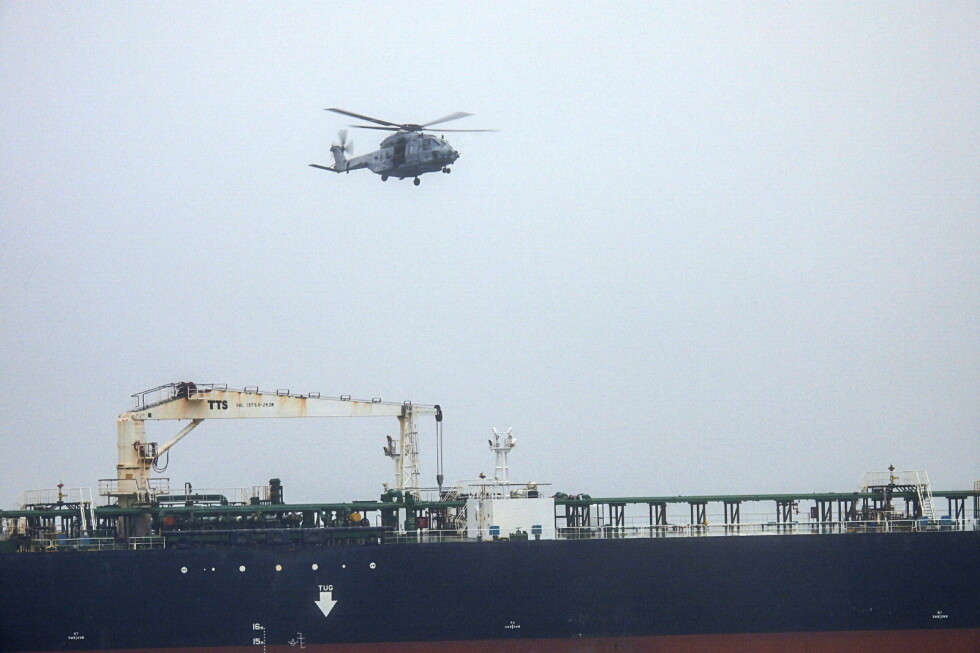
    The ongoing conflict involving Iran has triggered severe disruptions to global fertilizer supplies, creating a cascading crisis that threatens agricultural productivity and food security worldwide. Tehran’s strategic restrictions on maritime traffic through the Strait of Hormuz—a vital passageway handling approximately one-fifth of global oil shipments and nearly a third of fertilizer trade—have precipitated sharp increases in gas prices and critical shortages of agricultural nutrients.

    This supply chain crisis arrives at the most inopportune moment for farmers across hemispheres, coinciding with crucial planting seasons. Nitrogen-based fertilizers, particularly urea, face the most severe constraints due to shipping delays and skyrocketing liquefied natural gas prices. According to CRU Group analysis, approximately 30% of global urea trade has been restricted, with phosphate supplies—essential for root development—also experiencing significant pressure.

    The timing couldn’t be more disastrous, as agricultural expert Raj Patel emphasizes: “The planting season is now. The fertilizer isn’t there.” This shortage hits developing nations with particular severity. Ethiopia, which sources over 90% of its nitrogen fertilizer from the Gulf via Djibouti, faces critical shortages that could devastate harvests.

    Even developed agricultural systems are feeling the strain. In Europe and the United States, where main planting activities are underway, farmers report urgent needs for nitrogen applications to ensure proper crop development. Agricultural engineer Dirk Peters notes that immediate nitrogen application is crucial for crops “to get off to a good start, helping them establish themselves and build up reserves for harvest.”

    The economic implications are profound. While current fertilizer prices remain below peaks seen during the Ukraine conflict, lower grain prices today mean farmers face tighter margins. Many may switch to less fertilizer-intensive crops or reduce application rates, inevitably decreasing yields and potentially driving consumer food prices higher.

    Long-term solutions remain elusive. Major producers like China prioritize domestic supply, while Russian facilities operate near maximum capacity. Even after conflict resolution, analysts predict persistent challenges including heightened insurance costs and security concerns that may deter swift resumption of normal shipping through the Strait.

    This crisis highlights the fragile interdependence of global food systems. As Hanna Opsahl-Ben Ammar of Yara International observes, stable fertilizer supply chains are essential for farmers to produce the food the world relies upon. The current situation may serve as a catalyst for reevaluating agricultural practices, with experts advocating for reduced dependency on imported fertilizers through organic alternatives and agroecological approaches to build more resilient food systems.