分类: world

  • Airbus A320 recall: Why pilots could’ve lost control mid-air without upgrade

    Airbus A320 recall: Why pilots could’ve lost control mid-air without upgrade

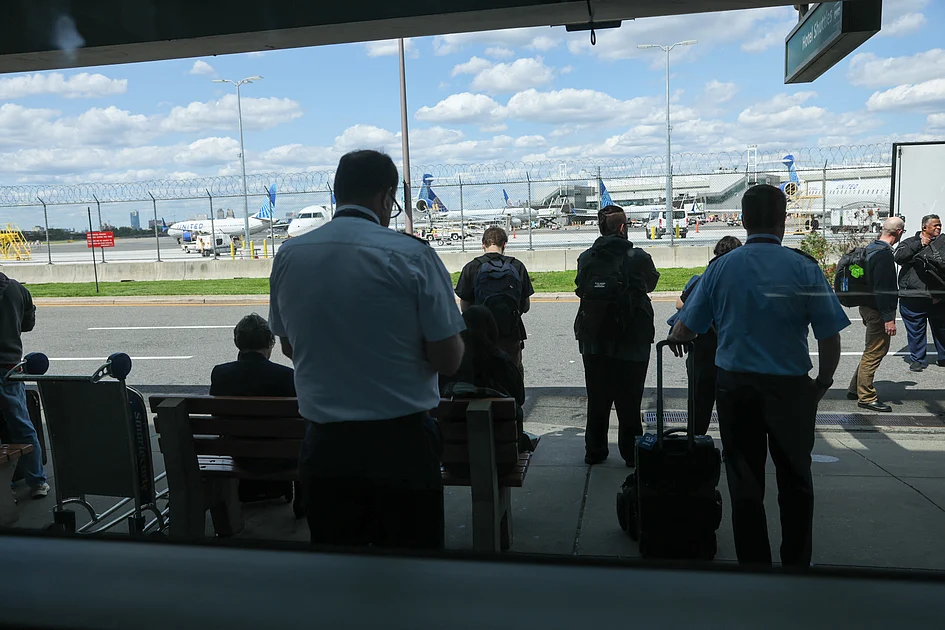
    A sweeping global aviation alert has triggered widespread flight cancellations and delays after Airbus issued an unprecedented recall affecting approximately 6,000 A320 family aircraft. The emergency directive, prompted by a potentially catastrophic software vulnerability, represents one of the largest safety actions in the manufacturer’s 55-year history.

    The urgent recall stems from an October incident involving JetBlue Flight 1230, which experienced an uncommanded altitude drop and emergency landing in Tampa, Florida. Subsequent investigation revealed that intense solar radiation could corrupt critical flight control data in certain software configurations, potentially causing unexpected elevator movements that might push aircraft to their structural limits.

    Regulatory agencies worldwide, including the European Union Aviation Safety Agency and US Federal Aviation Administration, have mandated carriers to complete software upgrades before returning affected aircraft to service. The remediation process varies significantly—while most planes require just hours for software replacement, approximately 1,000 aircraft need weeks-long hardware modifications.

    The impact has been particularly severe in Asia, where the A320 family forms the backbone of short-haul aviation. Major carriers including Wizz Air and Air India have confirmed operational disruptions, with Air Arabia stating it’s working to minimize passenger impact. Etihad Airways has already completed necessary updates across its 39 A320-family aircraft and resumed normal operations.

    According to Cirium data, 376 A320-family aircraft currently operate across the Middle East, with UAE carriers operating 106 affected planes. The recall affects more than half of Airbus’ global A320 fleet, which totals approximately 11,300 aircraft worldwide, recently surpassing Boeing’s 737 as the most-delivered commercial aircraft model.
  • Flooding in southern Asia leaves hundreds dead

    Flooding in southern Asia leaves hundreds dead

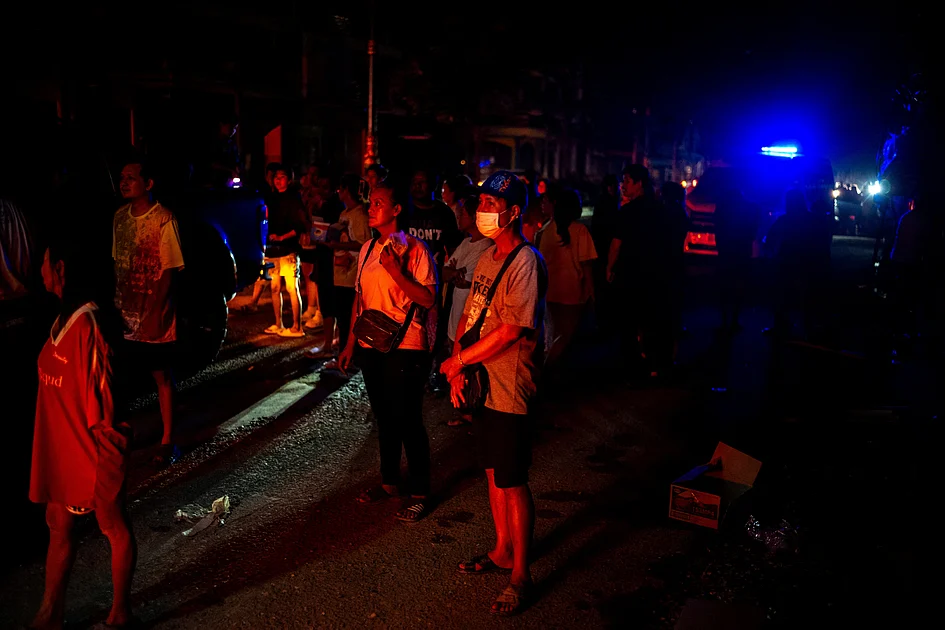
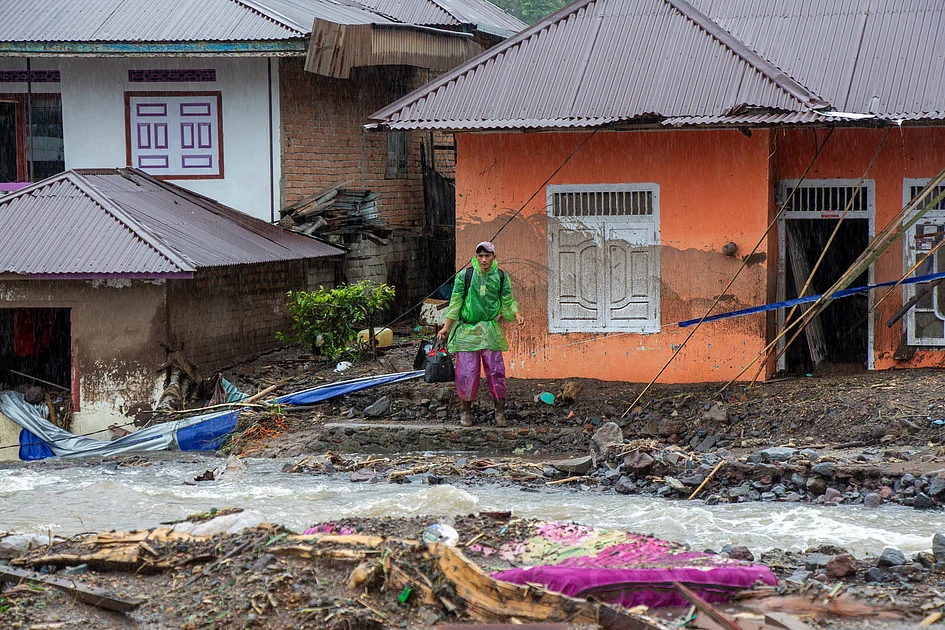
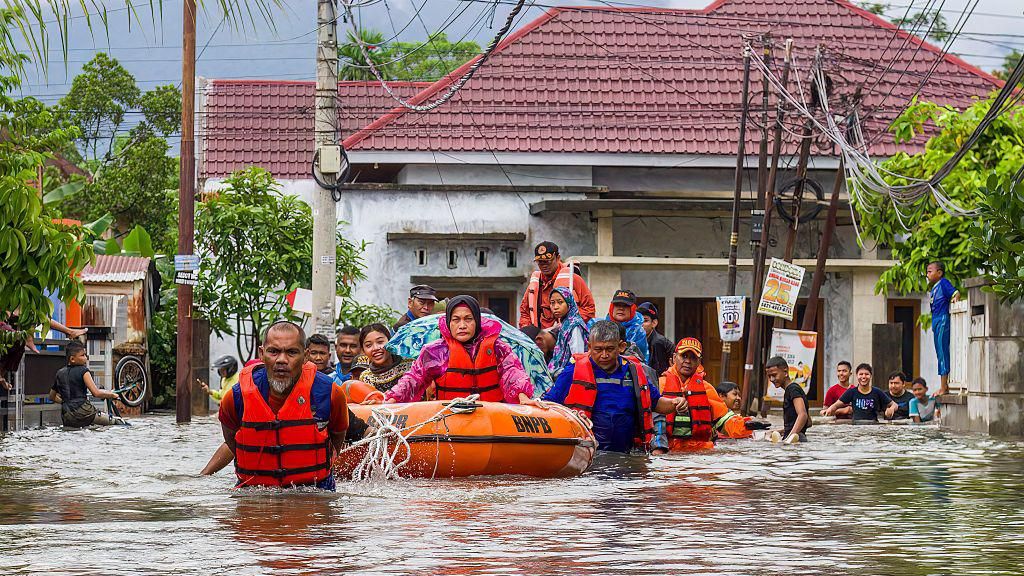
    Southeast Asia confronts one of its most devastating natural disasters in years as catastrophic flooding and landslides have claimed approximately 700 lives across Indonesia, Thailand, Malaysia, and Sri Lanka. Triggered by torrential monsoon rains intensified by rare tropical cyclones, the calamity has left hundreds missing and millions affected throughout the region.

    The crisis began Wednesday when unprecedented rainfall struck Indonesia’s Sumatra island, with the tropical cyclone Senyar generating catastrophic conditions. In Aceh Province’s Pidie Jaya Regency, resident Arini Amalia described how ‘the current was very fast, in a matter of seconds it reached the streets, entered the houses.’ She returned the following day to find her home completely submerged. Another survivor, Meri Osman, recounted being swept away by currents and clinging to a clothesline until rescue arrived.

    Indonesia reports the highest death toll with over 300 confirmed fatalities and nearly 300 individuals still missing. Rescue operations face significant challenges due to persistent adverse weather conditions, leaving thousands stranded and awaiting evacuation.

    Thailand experiences its worst flooding in a decade, particularly in southern Songkhla province where waters rose 3 meters (10 feet). The city of Hat Yai recorded 335mm of rainfall within 24 hours—the heaviest deluge in three centuries. With over 160 fatalities nationwide, the disaster has affected 3.8 million people. Emergency services have been overwhelmed, with hospitals resorting to refrigerated trucks for body storage as morgues reached capacity.

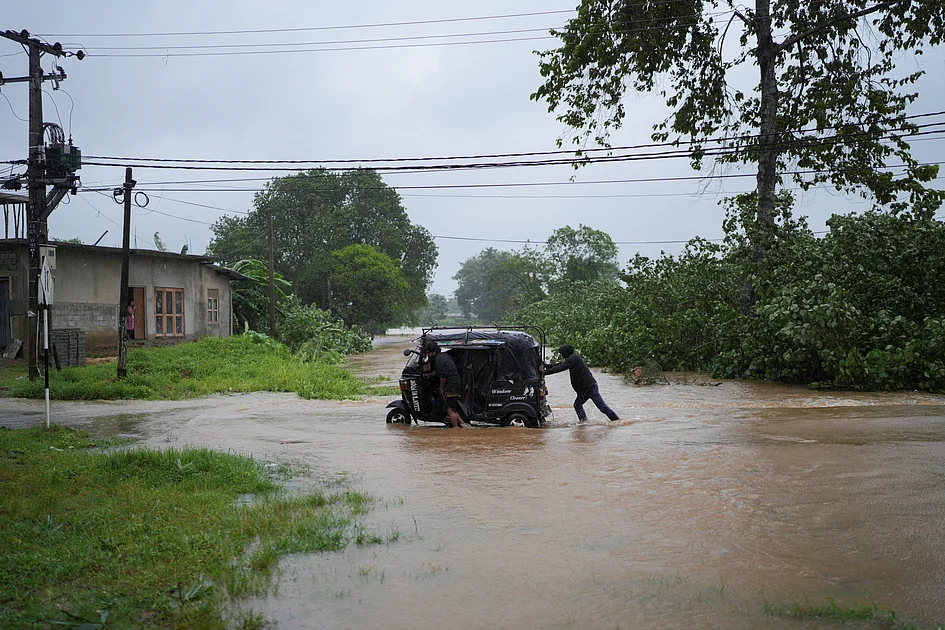
    In Sri Lanka, Cyclone Ditwah exacerbated already severe conditions, causing landslides that have killed at least 132 people with hundreds more missing. The government has declared a state of emergency as approximately one-third of the nation faces electricity and water shortages. Over 15,000 homes have been destroyed, forcing 78,000 residents into temporary shelters.

    Malaysia’s northern Perlis state has been severely impacted with two confirmed deaths and tens of thousands displaced. Meteorological experts attribute the extreme weather to an unusual interaction between Typhoon Koto in the Philippines and Cyclone Senyar in the Malacca Strait, compounded by climate change altering traditional monsoon patterns through increased rainfall intensity and duration.

  • Governments endorse greater protections for sharks amid concerns about overfishing

    Governments endorse greater protections for sharks amid concerns about overfishing

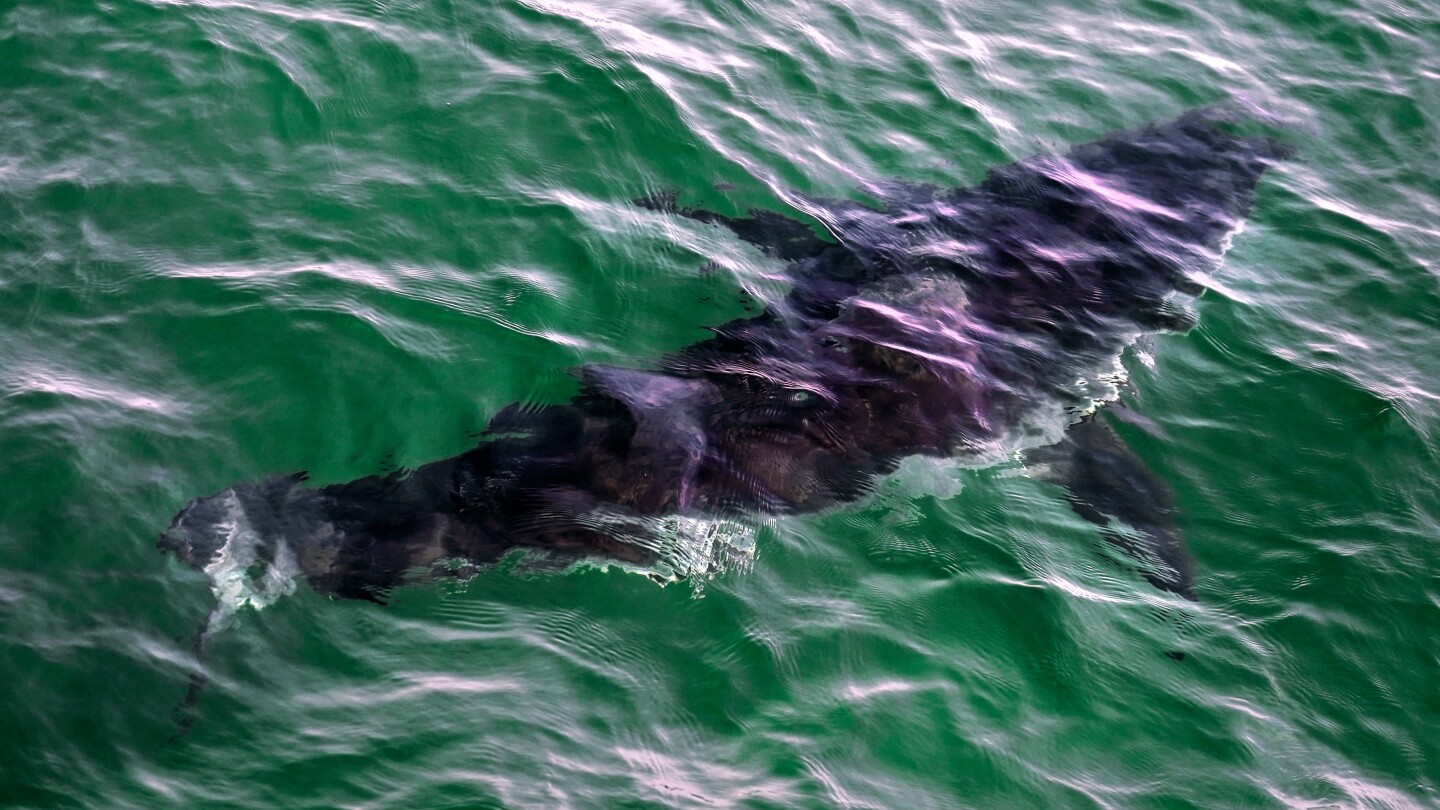
    In a historic conservation decision, international governments have enacted sweeping trade protections for more than 70 species of sharks and rays at the ongoing Convention on International Trade in Endangered Species (CITES) summit in Uzbekistan. The landmark measures, ratified on Friday, represent one of the most significant marine conservation victories in recent years.

    The newly adopted protections establish complete trade bans for several critically endangered species including oceanic whitetip sharks, manta rays, devil rays, and whale sharks. Additionally, the conference implemented strengthened regulatory frameworks for gulper sharks, smoothhound sharks, and tope sharks, mandating that any trade must demonstrate legal sourcing, sustainability, and full traceability.

    Perhaps most significantly, delegates agreed to implement zero-annual export quotas for multiple species of guitarfishes and wedgefishes, effectively halting international commercial trade for these vulnerable species.

    Conservation leaders hailed the decisions as transformative. Luke Warwick, Director of Shark and Ray Conservation at the Wildlife Conservation Society, characterized the outcome as “a landmark victory that belongs to the Parties who championed these protections.” He noted unprecedented cooperation across Latin American, African, Pacific, and Asian nations in passing every proposed shark and ray protection measure.

    The urgent need for these protections stems from severe overfishing pressures driven by global demand for shark fins, meat, oil, and gills—a billion-dollar industry that has pushed more than 37% of shark and ray species toward extinction. Annually, over 100 million sharks are killed, far outpacing their reproductive capabilities.

    Barbara Slee, Senior Program Manager at the International Fund for Animal Welfare, emphasized the significance of this policy shift: “For too long, sharks that have roamed our oceans for millions of years have been slaughtered. These new protections will help shift that balance and recognize these sharks as more than just fishery commodities.”

    This achievement continues CITES’ recent success in shark conservation, building upon protections established for over 90 shark species at the 2022 Panama conference. While the treaty has faced criticism regarding implementation challenges in developing nations, this decision demonstrates growing international consensus on marine conservation priorities.

    The conference also addressed other conservation matters, maintaining existing protections for elephants and rhinos while approving regulated trade of saiga horn from Kazakhstan—a controversial decision following the antelope’s reclassification from critically endangered to near threatened status due to successful recovery efforts.

  • Pope Leo visits Istanbul’s Blue Mosque

    Pope Leo visits Istanbul’s Blue Mosque

    In a significant demonstration of interfaith dialogue, Pope Leo XIV visited Istanbul’s iconic Sultan Ahmed Mosque, commonly known as the Blue Mosque, marking his first visit to a Muslim place of worship since assuming the papacy in May. The Pontiff demonstrated profound reverence by bowing upon entering the magnificent structure, though notably refrained from praying within the mosque—a departure from the practices of his two immediate predecessors.

    The Vatican characterized the visit as undertaken ‘in a spirit of reflection and listening, with deep respect for the place and for the faith of those who gather there in prayer.’ The carefully orchestrated tour was conducted alongside local Muslim leaders, emphasizing mutual respect and understanding.

    This symbolic gesture forms a central component of the Pope’s four-day diplomatic journey to Turkey, with subsequent travels planned to Lebanon. The visit continues the interfaith bridge-building legacy planned by his predecessor, Pope Francis, which Pope Leo XIV has embraced wholeheartedly since his election.

    Following the mosque visit, the Pope received a formal welcome at St. George’s Cathedral from Patriarch Bartholomew, spiritual leader of the Eastern Orthodox Church, further highlighting the trip’s ecumenical dimensions.

    The Blue Mosque, officially named after Ottoman Sultan Ahmed I who commissioned its construction between 1603-1617, stands as an architectural marvel adorned with thousands of brilliant blue and turquoise ceramic tiles. The monument attracts millions of annual visitors and has served as a historic venue for papal interfaith engagement, having hosted Pope Francis in 2014 and Pope Benedict XVI in 2006.

    The tradition of papal mosque visits began with Pope John Paul II’s groundbreaking 2001 visit to Damascus’ Umayyad Mosque. Pope Leo’s continuation of this tradition occurs against a backdrop of his warning against global conflict escalation, with him emphasizing that ‘the future of humanity is at stake.’

    In Lebanon, where approximately one-third of the population identifies as Christian, the Pontiff is scheduled to engage with diverse faith leaders and youth representatives. The journey will culminate in a solemn Mass at the Beirut waterfront, site of the devastating 2020 port explosion that claimed over 200 lives and injured 7,000 others, serving as both memorial and prayer for healing and reconciliation.

  • UAE National Day travel faces delays amid Airbus A320 major recall

    UAE National Day travel faces delays amid Airbus A320 major recall

    A major global aviation safety directive has cast a shadow over UAE National Day travel plans, mandating urgent inspections for approximately 6,000 Airbus A319, A320, and A321 aircraft worldwide. The European Union Aviation Safety Agency (EASA) issued an Emergency Airworthiness Directive following the discovery that intense solar radiation can corrupt critical flight control data.

    The safety alert emerged after an October 30 incident involving a JetBlue A320 en route from Cancun to Newark, where the aircraft experienced an uncommanded nose-down movement, forcing an emergency diversion to Tampa that resulted in injuries to 15 passengers. Subsequent investigation revealed solar radiation had compromised the aircraft’s Elevator Aileron Computer (ELAC) system, potentially triggering similar dangerous maneuvers when autopilot is engaged.

    EASA now requires airlines to install radiation-hardened ELAC units or revert to earlier certified software before affected aircraft can carry passengers. While empty ferry flights to maintenance facilities remain permitted, any non-compliant aircraft after the November 29 deadline (03:59 UAE time November 30) cannot operate commercial services.

    The directive coincides with both the UAE National Day long weekend and the beginning of winter school holidays, creating perfect storm conditions for travel disruption at Dubai International (DXB) and Al Maktoum International (DWC) airports. The India-UAE corridor, among DXB’s busiest routes, faces particular strain as Indian carriers must address approximately 200-250 affected aircraft from their 560-strong A320-family fleet.

    Major carriers including IndiGo, Air India, and Air India Express have acknowledged potential schedule changes while implementing around-the-clock modifications. Air India reported completing over 40% of required updates, expressing confidence in meeting EASA’s timeline while warning passengers of possible delays. Aviation authorities recommend travelers verify flight status through official channels and arrive at airports at least three hours before scheduled departures.

    Airbus and airline officials emphasize that the hardware and software modifications typically require only a few hours per aircraft, though the massive scale of the global operation presents significant logistical challenges during one of the region’s peak travel periods.

  • Thailand begins cleanup after worst flooding in decade kills 145

    Thailand begins cleanup after worst flooding in decade kills 145

    Southeast Asia confronts a devastating humanitarian crisis as unprecedented monsoon rains have triggered catastrophic flooding across the region, resulting in a confirmed death toll exceeding 300 individuals. Southern Thailand has initiated massive cleanup operations following what officials describe as the most severe deluge in a decade, which has claimed at least 145 lives in the country alone.

    The scale of the disaster overwhelmed local infrastructure, with hospital morgues in Thailand’s Songkhla province reaching capacity and necessitating the use of refrigerated trucks for body storage. Floodwaters reached astonishing heights of three meters (9.8 feet) in certain areas, stranding thousands of residents who required emergency rooftop rescues.

    Thai Prime Minister Anutin Charnvirakul personally visited evacuation shelters in the severely affected Hat Yai district, offering a public apology for the disaster occurring during his administration. “I genuinely must apologize to them for allowing this to happen during my government’s tenure,” Charnvirakul stated during a press briefing broadcast on AmarinTV. The government has announced comprehensive relief measures, including financial compensation of approximately $62,000 for households that suffered fatalities.

    The catastrophe has sparked significant public criticism regarding the official response to the emergency. Opposition lawmakers have accused the administration of fundamental errors in crisis management and situation assessment. This criticism has already resulted in the suspension of two local officials over their alleged failure in handling the disaster.

    Neighboring Indonesia reported even more severe casualties, with officials confirming at least 200 fatalities and approximately 90 individuals still missing following simultaneous flooding and landslides on Sumatra island. Malaysia recorded two additional flood-related deaths in northern Perlis state.

    Climate scientists note that this year’s monsoon season, typically occurring between June and September, has been significantly intensified by both tropical storm activity and broader climate change patterns. Warmer atmospheric conditions retain increased moisture capacity, generating more intense precipitation events, while elevated ocean temperatures have amplified the strength of storm systems moving across the region.

  • Over 200 dead in Indonesia floods: Disaster agency

    Over 200 dead in Indonesia floods: Disaster agency

    Indonesian disaster response authorities have confirmed a devastating death toll exceeding 200 individuals following severe flooding and landslides across multiple provinces. The catastrophe has inflicted the most severe impact on North Sumatra, where 116 fatalities have been officially recorded, while Aceh province reports at least 35 deaths according to the latest agency figures.

    In West Sumatra, the situation remains particularly dire. Regional Disaster Mitigation Agency spokesman Ilham Wahab provided a grave assessment late Friday, indicating that 61 casualties have been confirmed in the province with approximately 90 individuals still unaccounted for amid ongoing search operations. This represents a significant increase from earlier estimates that placed the provincial death toll at 23.

    The widespread natural disasters have triggered massive emergency response efforts across the affected regions. Rescue teams continue to battle challenging conditions to locate missing persons and provide critical assistance to survivors. The scale of destruction suggests substantial infrastructure damage alongside the tragic human cost, though comprehensive assessments of material losses remain ongoing.

    This tragedy strikes Indonesia during its rainy season, when the archipelago nation frequently experiences severe weather events. However, the current devastation appears exceptionally severe, raising questions about environmental factors and disaster preparedness measures. International attention is now turning toward relief efforts as the country mourns its significant losses and confronts the substantial recovery challenges ahead.

  • Death toll rises to 123 in Sri Lanka Cyclone Ditwah: Disaster authority

    Death toll rises to 123 in Sri Lanka Cyclone Ditwah: Disaster authority

    Two major safety crises have emerged across Asia, with Indonesia reeling from a devastating natural disaster while India takes decisive action on aviation safety.

    In Indonesia, rescue operations continue following catastrophic flooding that has resulted in more than 200 confirmed fatalities according to the country’s National Disaster Mitigation Agency. The floods, triggered by torrential rainfall that overwhelmed drainage systems, have submerged entire communities, destroyed critical infrastructure, and displaced thousands of residents. Emergency response teams are battling challenging conditions to reach isolated areas where survivors remain stranded without access to clean water, food, or medical supplies. The scale of destruction has prompted the government to declare a state of emergency in affected regions and request international assistance for recovery efforts.

    Meanwhile, India’s aviation authority has issued a sweeping directive grounding all Airbus A320 family aircraft pending immediate safety modifications. The Directorate General of Civil Aviation’s emergency order affects numerous domestic carriers operating one of the world’s most popular narrow-body aircraft. Aviation experts indicate the mandated modifications address potential issues with critical flight control systems that could compromise aircraft safety during certain operational conditions. Airlines must complete comprehensive inspections and implement all necessary technical upgrades before these aircraft can return to service, potentially causing significant disruption to India’s air travel network. The regulatory action demonstrates India’s increasingly stringent approach to aviation safety following recent incidents involving aircraft systems.

  • India regulator tells airlines not to fly Airbus A320 family pending modifications

    India regulator tells airlines not to fly Airbus A320 family pending modifications

    Twin crises in Asia’s aviation and natural disaster sectors have emerged with devastating impact. In Indonesia, catastrophic flooding has resulted in a staggering death toll exceeding 200 individuals, according to the country’s national disaster management agency. The floods, triggered by torrential rainfall and inadequate drainage infrastructure, have submerged entire communities across multiple regions, creating one of the most severe weather-related disasters in recent Indonesian history.

    Concurrently, India’s aviation regulator has issued a sweeping directive mandating the immediate grounding of all Airbus A320 family aircraft until critical safety modifications are completed. The unprecedented order affects numerous domestic and international carriers operating within Indian airspace, potentially disrupting travel for thousands of passengers. The directive specifically requires comprehensive inspections and upgrades to certain cockpit systems that regulators identified as potential safety concerns following recent incident reports.

    Both events highlight systemic challenges facing rapidly developing nations: Indonesia’s struggle with climate resilience and infrastructure preparedness, and India’s proactive approach to aviation safety oversight. The Indonesian government has deployed military personnel and emergency response teams to affected regions while appealing for international humanitarian assistance. Meanwhile, Airbus representatives have reportedly engaged with Indian authorities to expedite the modification process and minimize operational disruptions.

  • ‘No more delays’: Victims’ families hail keeping ex-Philippine president Duterte detained

    ‘No more delays’: Victims’ families hail keeping ex-Philippine president Duterte detained

    Two distinct major incidents in Southeast Asia have drawn international attention to regional disaster response and aviation safety protocols. In Indonesia, national disaster management authorities have confirmed a devastating human toll, with fatalities from severe flooding surpassing 200 individuals. The catastrophic event, triggered by torrential monsoon rains, led to widespread inundation, destructive landslides, and the displacement of thousands of residents, overwhelming local emergency services and infrastructure.

    Concurrently, in a significant move for aviation safety, India’s national air regulator has issued a directive mandating the immediate grounding of all Airbus A320neo family aircraft operated by airlines within its jurisdiction. This decisive action is pending crucial modifications to the aircraft’s Pratt & Whitney PW1100G engines, a model previously scrutinized for technical issues that could potentially lead to in-flight engine failures. The directive underscores a proactive approach to risk mitigation, prioritizing passenger safety above operational disruptions. Airlines are compelled to comply with the order, halting flights until the requisite engineering updates and inspections are thoroughly completed and certified.