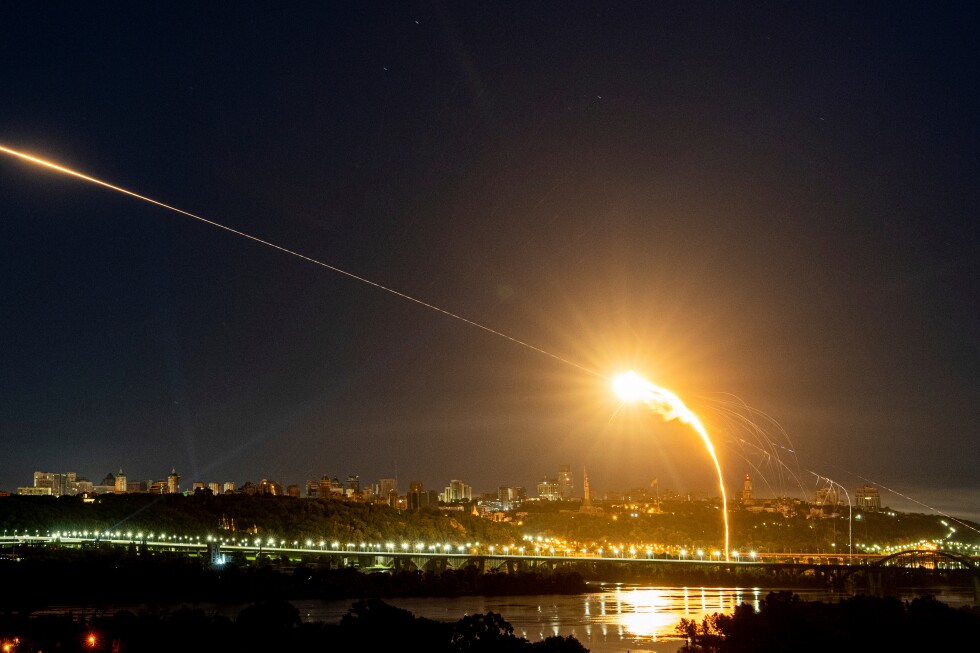
In a significant reversal of military technology exchange, Russia has initiated shipments of advanced drone systems to Iran—marking a dramatic turnaround from Tehran’s earlier provision of unmanned aerial vehicles to Moscow following the Ukraine invasion. According to multiple U.S. and European intelligence officials speaking anonymously to The Associated Press, these transfers include upgraded variants of the Shahed drone series that Russia has substantially enhanced during battlefield operations.
The technological improvements incorporated by Russian engineers include superior navigation systems, jet propulsion capabilities, advanced anti-jamming electronics, artificial intelligence guidance platforms, and Starlink internet connectivity. These enhancements represent a substantial evolution from the original Iranian designs that Moscow received in 2022 under a $1.7 billion technology transfer agreement.
European intelligence assessments indicate active discussions between Russian and Iranian security officials throughout this month regarding drone transfers. While the exact scale and transportation methods remain unclear, officials suggest possible concealment within humanitarian aid convoys traversing the Azerbaijan-Iran border. Two such convoys—one comprising seven trucks carrying 150 tons of aid and another transporting 313 tons of medicine via rail—recently crossed into Iran’s northern Astara region.
The strategic motivation behind Moscow’s decision remains ambiguous to U.S. defense officials, particularly since every drone diverted to Iran represents one less available for Ukraine combat operations. Some European analysts suggest the transfer might constitute a symbolic gesture to maintain diplomatic relations rather than a militarily significant contribution.
This technology exchange occurs within a broader context of intensified intelligence sharing between Moscow and Tehran. The U.K. Defense Intelligence assessment confirms Russian provision of training and electronic warfare intelligence to Iran preceding recent Middle Eastern conflicts. However, the relationship has experienced strains, with Iranian officials reportedly expressing disappointment over Russia’s limited support during previous confrontations with Israel.
The introduction of Russian-enhanced drones could pose substantial challenges to U.S. and allied defense systems in the Middle East. Jet-propelled variants travel at significantly higher speeds, complicating interception efforts and potentially requiring deployment of limited high-end anti-air weapons. Kremlin spokesman Dmitry Peskov has dismissed reports of drone transfers as “false news stories” despite mounting evidence from multiple intelligence sources.