分类: world

  • Russia is sending upgraded drones used in the Ukraine war to Iran, officials say

    Russia is sending upgraded drones used in the Ukraine war to Iran, officials say

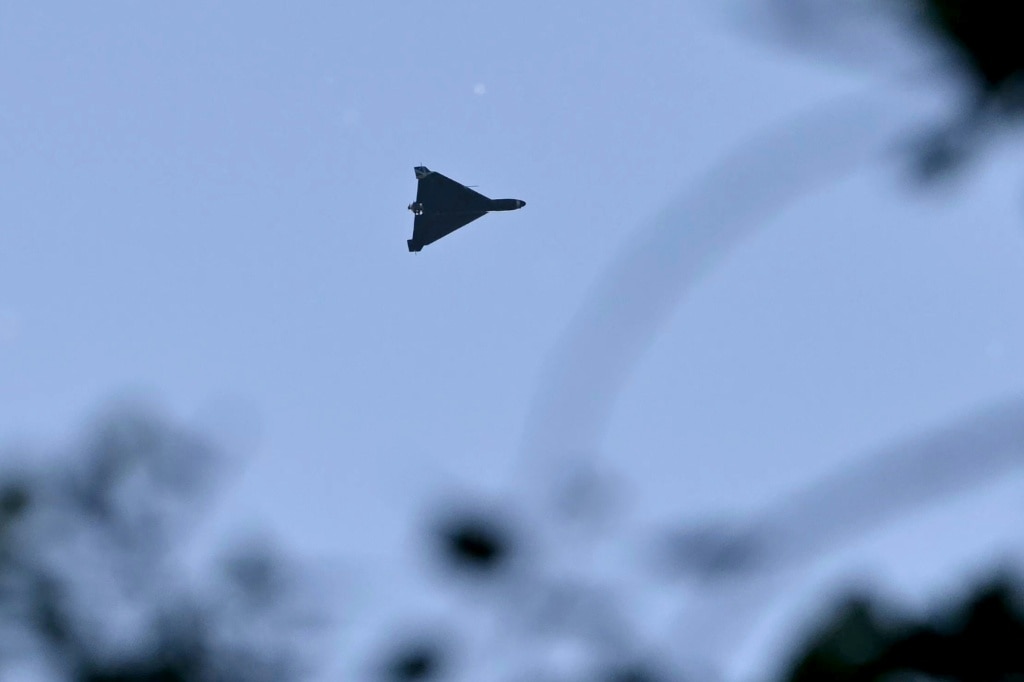
    In a significant reversal of military technology exchange, Russia has initiated shipments of advanced drone systems to Iran—marking a dramatic turnaround from Tehran’s earlier provision of unmanned aerial vehicles to Moscow following the Ukraine invasion. According to multiple U.S. and European intelligence officials speaking anonymously to The Associated Press, these transfers include upgraded variants of the Shahed drone series that Russia has substantially enhanced during battlefield operations.

    The technological improvements incorporated by Russian engineers include superior navigation systems, jet propulsion capabilities, advanced anti-jamming electronics, artificial intelligence guidance platforms, and Starlink internet connectivity. These enhancements represent a substantial evolution from the original Iranian designs that Moscow received in 2022 under a $1.7 billion technology transfer agreement.

    European intelligence assessments indicate active discussions between Russian and Iranian security officials throughout this month regarding drone transfers. While the exact scale and transportation methods remain unclear, officials suggest possible concealment within humanitarian aid convoys traversing the Azerbaijan-Iran border. Two such convoys—one comprising seven trucks carrying 150 tons of aid and another transporting 313 tons of medicine via rail—recently crossed into Iran’s northern Astara region.

    The strategic motivation behind Moscow’s decision remains ambiguous to U.S. defense officials, particularly since every drone diverted to Iran represents one less available for Ukraine combat operations. Some European analysts suggest the transfer might constitute a symbolic gesture to maintain diplomatic relations rather than a militarily significant contribution.

    This technology exchange occurs within a broader context of intensified intelligence sharing between Moscow and Tehran. The U.K. Defense Intelligence assessment confirms Russian provision of training and electronic warfare intelligence to Iran preceding recent Middle Eastern conflicts. However, the relationship has experienced strains, with Iranian officials reportedly expressing disappointment over Russia’s limited support during previous confrontations with Israel.

    The introduction of Russian-enhanced drones could pose substantial challenges to U.S. and allied defense systems in the Middle East. Jet-propelled variants travel at significantly higher speeds, complicating interception efforts and potentially requiring deployment of limited high-end anti-air weapons. Kremlin spokesman Dmitry Peskov has dismissed reports of drone transfers as “false news stories” despite mounting evidence from multiple intelligence sources.

  • Two Cuba-bound aid ships missing after leaving Mexico

    Two Cuba-bound aid ships missing after leaving Mexico

    An extensive multinational search operation is currently underway in the Caribbean Sea for two missing humanitarian vessels that departed Mexico en route to Cuba. The sailboats Friendship and Tigger Moth, carrying nine international crew members and vital supplies, vanished during their voyage from Isla Mujeres to Havana.

    Mexican naval forces have deployed search teams and military aircraft to locate the missing vessels, which were expected to arrive in Havana on March 25th or 26th but have established no communication since their departure on March 20th. The crew comprises citizens from Poland, France, Cuba, and the United States, with diplomatic channels activated between all involved nations.

    According to convoy representatives, both vessels were operated by experienced sailors and equipped with appropriate safety systems and signaling equipment. The mission was part of broader civilian efforts to deliver humanitarian assistance to Cuba amid severe shortages triggered by recent US sanctions.

    Captain Adnaan Stumo of the Friendship recorded a video message before departure stating: ‘We are taking a whole bunch of aid, [a] bunch of solidarity activists, and we’re sailing directly. We are saying that we are not standing for the continued siege and destruction of the ability of the Cuban people to live a dignified life.’

    The situation occurs against the backdrop of escalating tensions between the US and Cuba. Since January, when the US imposed an oil blockade and severed Venezuela’s oil supply to Cuba, the island nation has faced critical fuel shortages that have resulted in canceled medical procedures, nationwide blackouts, and rare public protests.

    Cuban President Miguel Díaz-Canel expressed concern via social media, affirming that Cuba is ‘doing everything possible in the search and rescue of these brothers in struggle.’ The incident highlights the complex geopolitical landscape affecting humanitarian missions to Cuba, where volunteer-led initiatives have become increasingly necessary amid ongoing diplomatic strains.

  • Ban Ki-moon calls for stronger China-ROK climate cooperation

    Ban Ki-moon calls for stronger China-ROK climate cooperation

    Former UN Secretary-General Ban Ki-moon has emphasized the critical importance of strengthened climate cooperation between China and South Korea, particularly in the wake of the United States’ withdrawal from the Paris Agreement. Speaking at the China-ROK Roundtable on Climate Change Cooperation during the Boao Forum for Asia, Ban highlighted the unique position of both nations as economic powerhouses in Northeast Asia and their pivotal role in the global transition toward sustainable development.

    Ban stressed that climate change represents the defining challenge of our era, noting that “no nation, however powerful, resourceful or advanced, can address it alone.” He emphasized the borderless nature of atmospheric issues, stating that “the atmosphere does not recognize national borders” and therefore “our solutions must also transcend borders.”

    The former UN chief expressed particular disappointment at the United States’ second withdrawal from the Paris Agreement under the Trump administration, recalling how Chinese-American collaboration had been instrumental in establishing the landmark accord. “This is a historic issue which we must not forget,” Ban remarked, adding that while he expects the US to eventually return to the agreement, valuable time is being lost in the interim.

    Ban praised existing Sino-Korean cooperation through investments in renewable energy, green technologies, and climate innovation. He identified carbon markets, green finance, and technological exchange as essential areas for continued collaboration. Such partnerships, he noted, not only build understanding and share best practices but also send a powerful signal that regional cooperation can effectively address global challenges.

    Warning that “the window for meaningful climate action is narrowing rapidly,” Ban concluded that the choices made today will determine the future left for coming generations. His address underscored the urgent need for bilateral cooperation that could have ripple effects across the region and beyond.

  • Lebanon at risk of ‘humanitarian catastrophe’: UN

    Lebanon at risk of ‘humanitarian catastrophe’: UN

    The United Nations has issued a grave warning that Lebanon stands on the brink of a full-scale humanitarian catastrophe as the Middle East conflict enters its fourth week. UN agencies report that over one million residents—representing approximately 20% of the population—have been forcibly displaced from their homes since hostilities escalated on March 2.

    Karolina Lindholm Billing, UNHCR’s representative in Lebanon, described the situation as ‘extremely worrying’ during a virtual briefing from Beirut to journalists in Geneva. ‘We are witnessing a rapidly deepening humanitarian crisis on the ground,’ she stated, emphasizing that ‘the risk of a humanitarian catastrophe is real.’

    The displacement crisis has overwhelmed Lebanon’s infrastructure, with more than 136,000 displaced individuals crammed into 660 collective shelters, primarily school facilities operating far beyond their intended capacity. Conditions in these shelters remain dire, with limited access to sanitation facilities and elderly residents struggling to sleep on classroom floors.

    Complicating relief efforts, Israel’s destruction of critical bridges in southern Lebanon has isolated over 150,000 people and severely restricted humanitarian access to the most affected regions. UN Women reports that pregnant women are giving birth in temporary shelters with inadequate medical care, while women throughout the displacement camps describe constant fear, sleeplessness, and exhaustion as they comfort frightened children.

    The crisis has particularly affected children, with UNICEF reporting that more than 370,000 Lebanese children have been displaced with ‘no safe place’ to go. Marcoluigi Corsi, UNICEF’s Lebanon representative, characterized the situation as ‘a sudden, chaotic mass displacement tearing families apart and hollowing out entire communities,’ noting that the mental and emotional toll on children is ‘devastating.’

    UNHCR has appealed for over $60 million to scale up its response operations, warning that needs are escalating faster than available resources. The crisis compounds Lebanon’s existing multidimensional challenges, placing immense strain on families and already strained public services.

    Despite the organized relief efforts—including the World Health Organization’s first humanitarian convoy reaching Lebanon via Syria and the Lebanese Red Cross distributing essential supplies—humanitarian workers face extreme dangers. The International Federation of Red Cross and Red Crescent Societies reported that one Lebanese Red Cross volunteer has been killed and several others wounded during ambulance missions conducted between March 2-23.

    The overwhelming sentiment among the displaced population, according to UN officials, is a simple but powerful desire: ‘They simply want to go home.’

  • Will the energy crisis hit global economy harder than Covid?

    Will the energy crisis hit global economy harder than Covid?

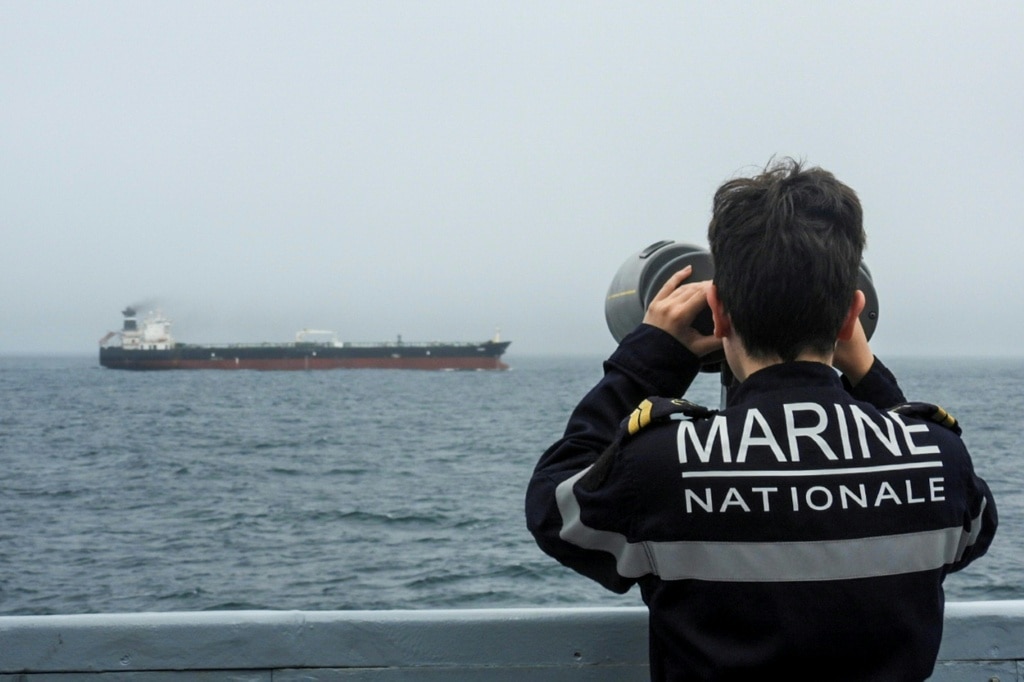
    The strategic Strait of Hormuz remains effectively shut to oil tankers despite ongoing negotiations between the US and Iran, creating a massive supply disruption that has removed approximately 11 million barrels per day from global markets. This represents over 10% of worldwide oil supply, triggering economic repercussions that analysts compare to the unprecedented demand collapse experienced during COVID-19 lockdowns.

    While a 10% supply reduction might appear manageable theoretically, oil markets operate with such precision that even minor imbalances create substantial economic turbulence. The current supply shock mirrors the pandemic’s 8 million barrel per day demand drop in severity, though originating from the opposite side of the equation. The outcome manifests similarly: constrained travel, elevated transportation costs, diminished economic activity, and intensified pressure on household finances.

    The inherent inflexibility of both oil supply and demand exacerbates the situation. Essential transportation needs persist regardless of price fluctuations, requiring significant price increases to forcibly reduce consumption. Emergency petroleum reserves maintained by IEA members—mandated to hold 90 days of consumption—currently cushion the initial impact in developed economies. However, these stockpiles offer merely temporary relief rather than lasting solutions.

    Developing nations face particularly severe vulnerability due to limited commercial reserves. Countries across Asia, Africa, and South America experience immediate consequences through surging food prices, inflation spikes, and economic instability. The shortage hierarchy begins with middle distillates—diesel and jet fuel—which power critical infrastructure including trucks, ships, and agricultural machinery. Gulf producers typically export substantial volumes of these refined products.

    The crisis extends beyond transportation fuels into broader economic dimensions. Petroleum serves as fundamental feedstock for plastics, fertilizers, chemicals, and synthetic materials, meaning supply disruptions reverberate through food production, packaging, electronics, and clothing manufacturing.

    A dangerous protectionist trend emerges as some nations implement export restrictions on petroleum products, ironically intensifying global shortages. Historical precedent exists for such measures, including the US crude export ban from 1975-2015. Should Washington reinstate export controls, European markets would experience particularly severe supply constraints.

    If the Strait remains closed long-term, export losses could approach 20 million barrels daily, potentially creating economic disruption rivaling or exceeding pandemic-era conditions. While markets currently rely on strategic reserves and diplomatic hopes, the global economy faces potentially unprecedented energy shock consequences without swift resolution.

  • A boat packed with migrants that capsized off Djibouti left at least 9 dead and 45 missing

    A boat packed with migrants that capsized off Djibouti left at least 9 dead and 45 missing

    GENEVA — A vessel transporting migrants met with disaster off the coast of Djibouti earlier this week, resulting in significant loss of life, according to the United Nations migration agency. The International Organization for Migration (IOM) confirmed Friday that the overloaded boat capsized during its journey toward Yemen, claiming at least nine lives with approximately 45 individuals remaining unaccounted for.

    This maritime catastrophe represents another tragic episode in the ongoing humanitarian crisis along the migration corridor connecting the Horn of Africa to the Arabian Peninsula. Over recent years, this treacherous passage has claimed thousands of lives among African migrants attempting to escape conflict zones and economic hardship in pursuit of better opportunities in affluent Gulf Arab nations.

    The ill-fated vessel departed from Obock, a Djibouti port town, carrying over 300 passengers. It encountered difficulties while navigating the challenging waters of the Bab el-Mandeb Strait—a strategically significant maritime passage located on the opposite side of the Arabian Peninsula from the Strait of Hormuz—before sinking on Tuesday.

    Search and rescue operations continue despite adverse conditions, as confirmed by Tanja Pacifico, IOM’s chief of mission in Djibouti. ‘Marine conditions remain extremely hazardous with rough seas and strong winds hampering recovery efforts,’ Pacifico stated during a video briefing from Geneva. ‘This migration route has consistently proven to be among the world’s most deadly passages.’

    Survivor accounts indicate the vessel was carrying far beyond its safe capacity, contributing to the disaster. This incident marks the first recorded shipwreck in the region this year, following a devastating previous year that saw over 900 migrant fatalities or disappearances—the highest annual death toll documented in the strait’s history.

    The Bab el-Mandeb Strait continues to attract tens of thousands of migrants annually who risk the dangerous crossing driven by complex factors including regional instability, economic pressures, and the promise of improved livelihood opportunities.

  • Tehran accuses US of ‘calculated’ assault on school

    Tehran accuses US of ‘calculated’ assault on school

    At an urgent session of the United Nations Human Rights Council, Iran’s Foreign Minister Abbas Araghchi delivered a scathing condemnation of a February 28th airstrike that devastated an elementary school in Minab. He characterized the attack, which occurred on the opening day of broader Middle East hostilities, as a ‘calculated, phased assault’ by the United States that resulted in the deaths of ‘more than 175 students and teachers.’

    The session, convened at the request of Iran, China, and Cuba, served as a platform for Araghchi to formally accuse the US of ‘a war crime and a crime against humanity,’ demanding unequivocal condemnation and accountability. The emotional weight of the debate was amplified by Mohaddeseh Falahat, a mother who lost two children in the bombing, who pleaded with diplomats via video link not to let the tragedy be forgotten.

    The US military’s preliminary investigation, as reported by The New York Times, pointed to a catastrophic targeting error. A Tomahawk cruise missile, intended for an adjacent Iranian military base, struck the school instead due to the use of outdated coordinates, as the school building was formerly part of the base complex. This explanation was met with deep skepticism from Iranian officials. Araghchi argued that given the US military’s access to advanced precision technology, the incident ‘cannot be believed to be anything other than deliberate and intentional.’

    UN Human Rights Chief Volker Turk described the bombing as evoking ‘visceral horror’ and emphasized the necessity for a prompt, impartial, and transparent investigation, calling for the US to swiftly conclude its probe and publicize the findings. The debate also saw widespread condemnation from numerous nations, including China and Cuba, who criticized the US and Israel for initiating broader conflict without Security Council authorization. Simultaneously, Turk and several member states raised concerns over Iran’s reported domestic crackdown on rights amidst the ongoing conflict, noting that war does not absolve Tehran of its human rights obligations.

  • War in the Middle East: latest developments

    War in the Middle East: latest developments

    The Middle East conflict has entered a perilous new phase with Iran issuing explicit warnings targeting US military personnel and regional shipping, while diplomatic channels show signs of activation. The Iranian Revolutionary Guards declared that hotels housing American soldiers throughout the region are now considered legitimate military targets, with armed forces spokesman Abolfazl Shekarchi stating on state television that ‘when all American forces go into a hotel, from our perspective that hotel becomes American.’

    Simultaneously, Iran has enforced a naval blockade in the strategic Strait of Hormuz, with Revolutionary Guards turning back three vessels attempting transit and declaring the waterway closed to ships traveling to or from ports linked to ‘Zionist-American enemies.’ This maritime escalation coincides with reports of direct US-Iran negotiations being prepared, with German Foreign Minister Johann Wadephul revealing that talks are ‘expected to take place in Pakistan very soon.’

    The conflict’s regional impact continues to expand with Kuwait’s main commercial port at Shuwaikh sustaining damage from a dawn drone attack, though authorities reported no casualties. Saudi Arabia’s defense ministry confirmed intercepting and destroying four drones over the kingdom’s eastern region, while Ukraine and Saudi Arabia signed a significant air defense agreement during President Zelensky’s visit, aimed at countering Iranian drone capabilities.

    Cultural casualties mount as well, with Tehran city council’s cultural heritage committee head Ahmad Alavi reporting that US and Israeli strikes have damaged at least 120 museums and historical sites across Iran since the conflict began. The UN Security Council prepared for closed-door consultations requested by Russia to discuss attacks on Iranian civilian infrastructure, including educational and healthcare facilities.

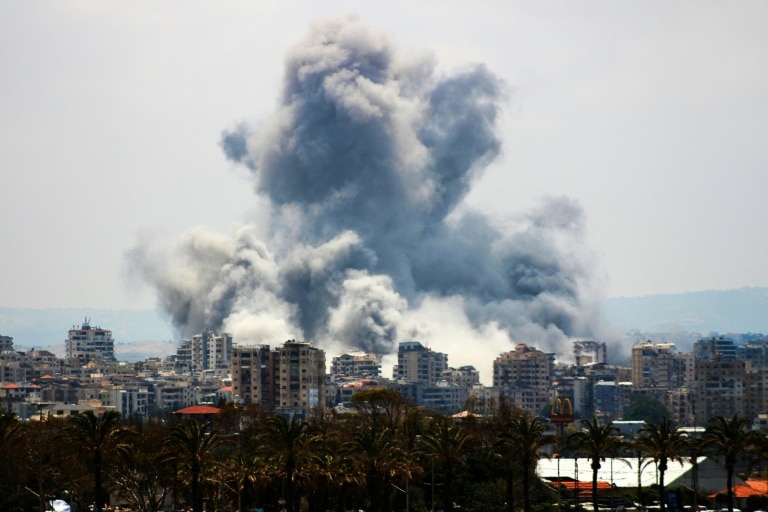
    Meanwhile, G7 allies pressed US Secretary of State Marco Rubio for clarity on American strategy toward Iran during talks outside Paris, with UK Foreign Minister Yvette Cooper urging a ‘swift resolution to this conflict that restores regional stability.’ The conflict’s expansion continued as Lebanese media reported Israeli strikes hitting Beirut’s southern suburbs early Friday, with AFP correspondents documenting multiple explosions in the Hezbollah stronghold.

  • ‘I’ll never be the same’: Iranians recount one month of war

    ‘I’ll never be the same’: Iranians recount one month of war

    Iranian citizens are revealing the profound transformations in their daily lives following one month of sustained military engagement with Israel and the United States. Despite government restrictions on communication and extensive internet blackouts, numerous Iranians have managed to share their experiences with international media through covert channels.

    The economic landscape has deteriorated dramatically since hostilities began. Previously struggling under international sanctions, Iran now faces hyperinflation and widespread industrial paralysis. Golnar, a 29-year-old Tehran resident, reported complete loss of income from her online business. “Even with multiple family members working and no rent expenses, we cannot consider dining out or leisure activities,” she explained. “We’re barely covering essential living costs.”

    Tourism-dependent regions have suffered particularly severe impacts. Sadeq, a 42-year-old from Qeshm island, described how normally bustling Nowruz holiday celebrations yielded few visitors. “Our hotels and cafes operate at half-capacity,” he noted. “Many residents extend stays indefinitely awaiting conflict resolution, while fuel shortages create hours-long queues.”

    Beyond economic hardship, Iranians describe adapting to extraordinary circumstances. Shayan, a 40-year-old Tehrani, acknowledged maintained infrastructure: “Basic amenities remain available—gasoline, water, electricity. Cafes operate and social gatherings continue, but pervasive helplessness dominates our psyche.” Another resident from Iran’s Kurdish region reported normalization of violence: “Explosions and missiles become routine aspects of daily life. Our primary concern now targets potential attacks on oil infrastructure.”

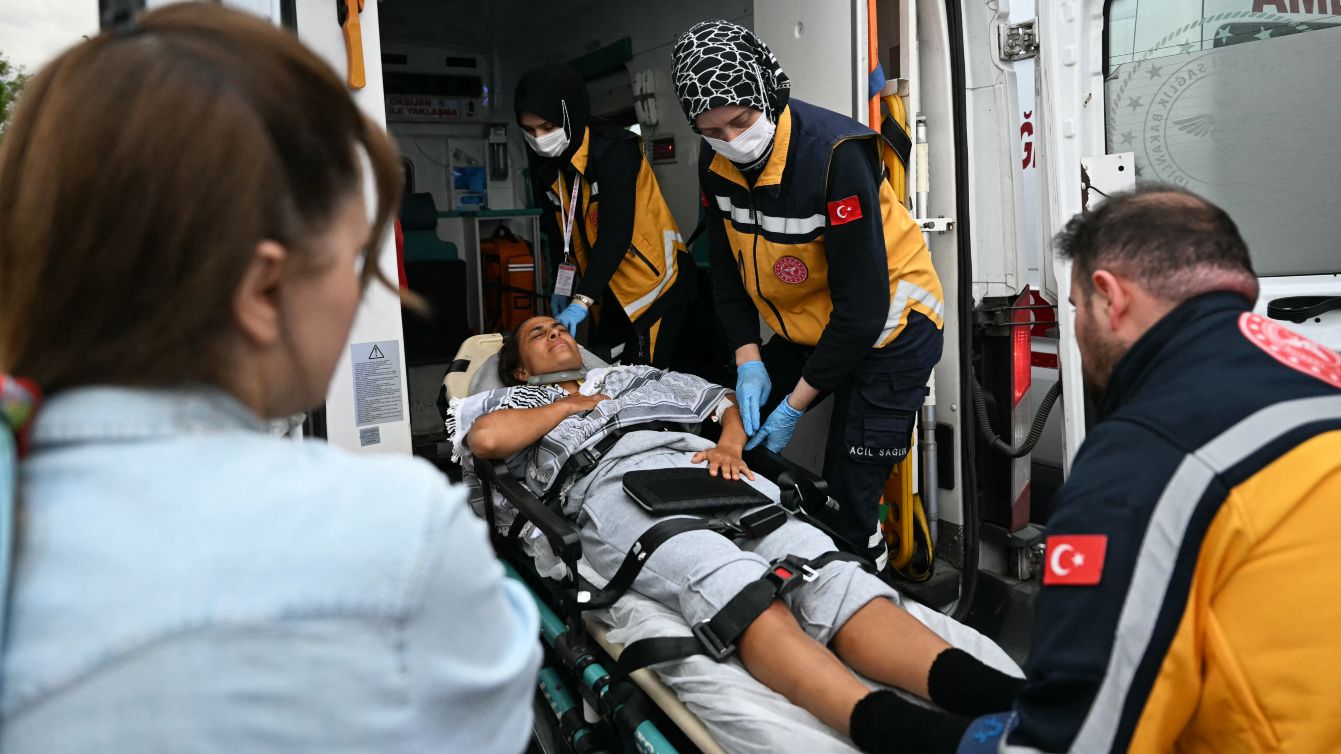
    The conflict has accelerated existing emigration trends. Katayoon, a yoga instructor who recently fled to Turkey, cited compounded reasons for departure: “While airstrike blast waves physically threw me from bed, my decision stemmed from decade-long fears—from mandatory hijab enforcement to prohibited cross-gender teaching.” She emphasized economic desperation: “People lack food money. Life becomes impossible.”

    Psychological impacts appear profound and permanent. Ensieh, a 46-year-old Tehran dentist, confessed: “I lose more hope daily. Caught between three mad powers, war terrifies. I’ll never regain my former self—conflict has torn away irreplaceable parts of me.”

    Concurrently, Iranian authorities have intensified domestic surveillance and suppression. Citizens report heightened street security with frequent checkpoints involving vehicle searches and electronic device inspections. Kaveh, a 38-year-old artist, described armed forces patrolling nightly while “honking and carrying flags.” Opposition gatherings express concern about potential US-clerical regime agreements, fearing intensified persecution should diplomatic resolutions emerge.

  • Landslides triggered by heavy rainfall kill at least 20 people in Tanzania

    Landslides triggered by heavy rainfall kill at least 20 people in Tanzania

    DAR ES SALAAM, Tanzania — Catastrophic landslides triggered by torrential rainfall have claimed at least 20 lives in southern Tanzania’s Mbeya region, authorities confirmed Wednesday. The tragedy adds to a growing humanitarian crisis across East Africa where seasonal flooding has already killed dozens more in neighboring countries.

    According to Rungwe district administrator Jaffar Haniu, the devastating landslides struck early Wednesday, destroying multiple homes and infrastructure. Among the confirmed fatalities was a toddler aged just one and a half years. Meteorological officials warn that additional rainfall is expected in coming days, prompting urgent evacuation orders for residents in high-risk zones.

    The Tanzanian disaster forms part of a broader regional emergency affecting multiple East African nations. In Kenya, seasonal flooding has resulted in at least 88 fatalities across 21 counties, with several rivers overflowing their banks since the onset of heavy rains earlier this month. The crisis has overwhelmed local emergency services, necessitating military deployment to assist rescue operations.

    Earlier in March, southern Ethiopia experienced similar devastation when landslides killed approximately 80 people. The Climate Prediction and Applications Centre of the Intergovernmental Authority on Development (IGAD) had previously warned of elevated flood risks, predicting a 45% probability of above-average rainfall during the March-May season across the region from Uganda to Djibouti.

    The escalating death toll and widespread destruction have raised serious concerns about disaster preparedness and the vulnerability of communities residing in flood-prone areas throughout East Africa. Emergency response teams continue to work against time as meteorological conditions remain unstable.