分类: world

  • Why US hasn’t dared try to take the Hormuz Strait

    Why US hasn’t dared try to take the Hormuz Strait

    The strategic Strait of Hormuz has become a critical flashpoint in the ongoing military confrontation between the United States, Israel, and Iran that commenced in late February. Iran’s retaliatory measures have targeted commercial vessels transiting this vital maritime corridor, effectively disrupting global energy shipments and triggering a worldwide fuel crisis despite some ships managing limited passage.

    US President Donald Trump has issued a firm ultimatum demanding Iran fully reopen the crucial waterway to oil and gas transportation while simultaneously rallying NATO allies for collaborative efforts. Naval expert Jennifer Parker, a veteran with 20 years of service in the Royal Australian Navy, provides critical insight into the complex military requirements for restoring safe commercial navigation and explains Washington’s strategic hesitation.

    The geographical dynamics significantly complicate defensive operations. Iran maintains dominant control over the northern Persian Gulf, the Strait of Hormuz, and the Gulf of Oman, enabling them to employ cost-effective weaponry like drones against maritime targets. Establishing secure shipping conditions necessitates a two-phase campaign: first, eliminating Iran’s offensive capabilities through either diplomatic coercion or targeted destruction of coastal infrastructure including radar installations, command centers, and weapons storage facilities; second, implementing comprehensive reassurance measures involving continuous aerial surveillance and naval protection.

    The United States possesses advanced air power and intelligence capabilities to neutralize most fixed targets, but the proliferation of easily concealed drone technology presents particular challenges. Subsequent security operations would require sophisticated coordination of airborne early warning systems, maritime patrol aircraft, combat air patrols, and warship escorts.

    Four primary factors deter immediate military intervention to secure the strait: diversion of essential assets from primary war objectives, the necessity of securing both maritime and coastal territories potentially requiring risky ground operations, the substantial naval resources required for effective escort missions, and the risk-benefit analysis of exposing warships and their crews to Iran’s asymmetric threats before reducing coastal dangers.

    The potential mining of the strait introduces additional complications. While physical evidence remains unconfirmed, the psychological threat alone effectively deters commercial shipping. Mine clearance operations could span weeks or months, though experts question Iran’s incentive to extensively mine waters crucial for their own oil exports from Kharg Island.

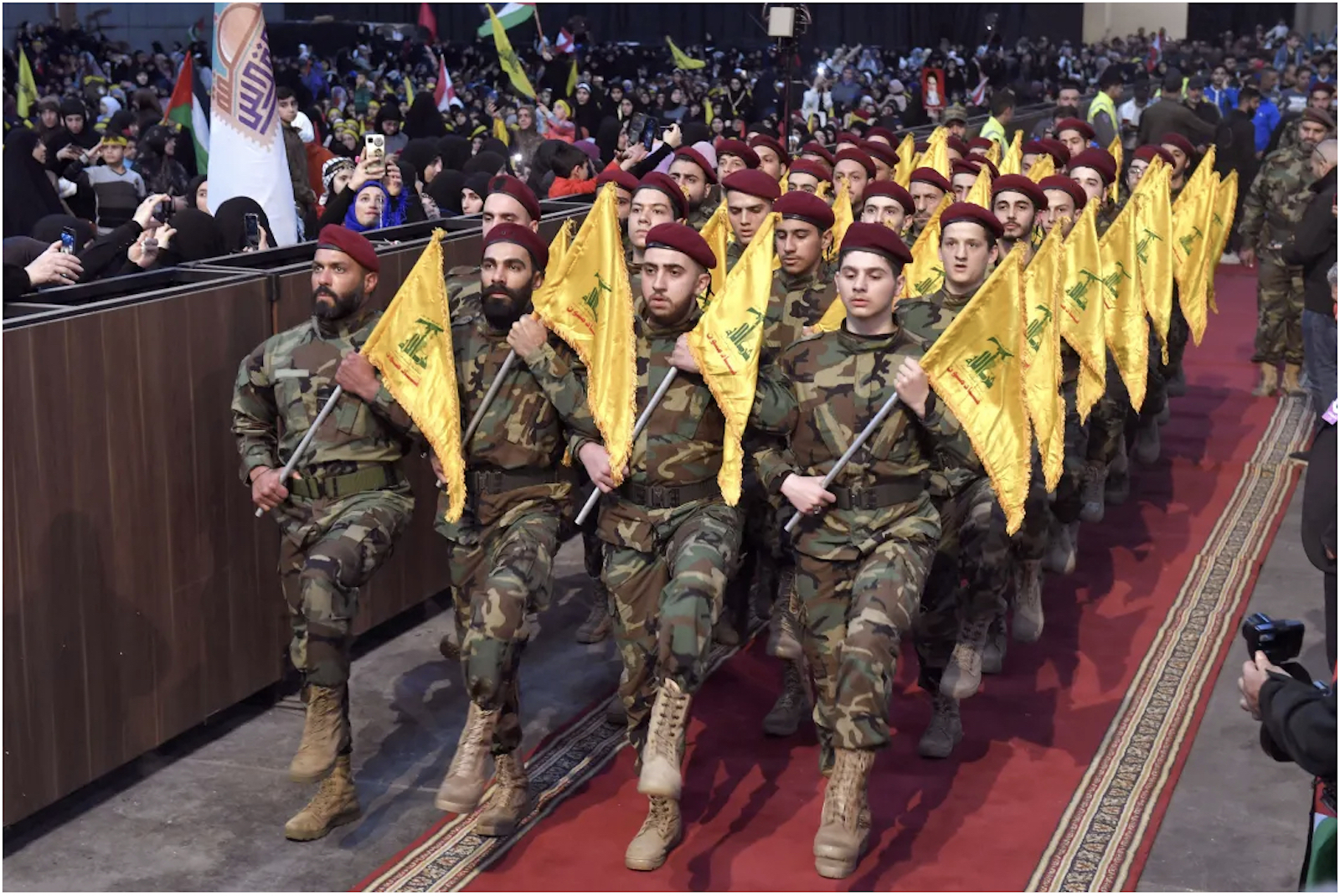
    Currently, US military priorities focus on four key objectives: destroying Iran’s ballistic missile capabilities, eliminating nuclear infrastructure, neutralizing naval forces (largely accomplished), and dismantling proxy networks including Hezbollah. Redirecting resources to secure the strait could compromise these strategic goals, explaining Washington’s cautious approach despite the significant economic implications of the ongoing maritime disruption.

  • War in the Middle East: latest developments

    War in the Middle East: latest developments

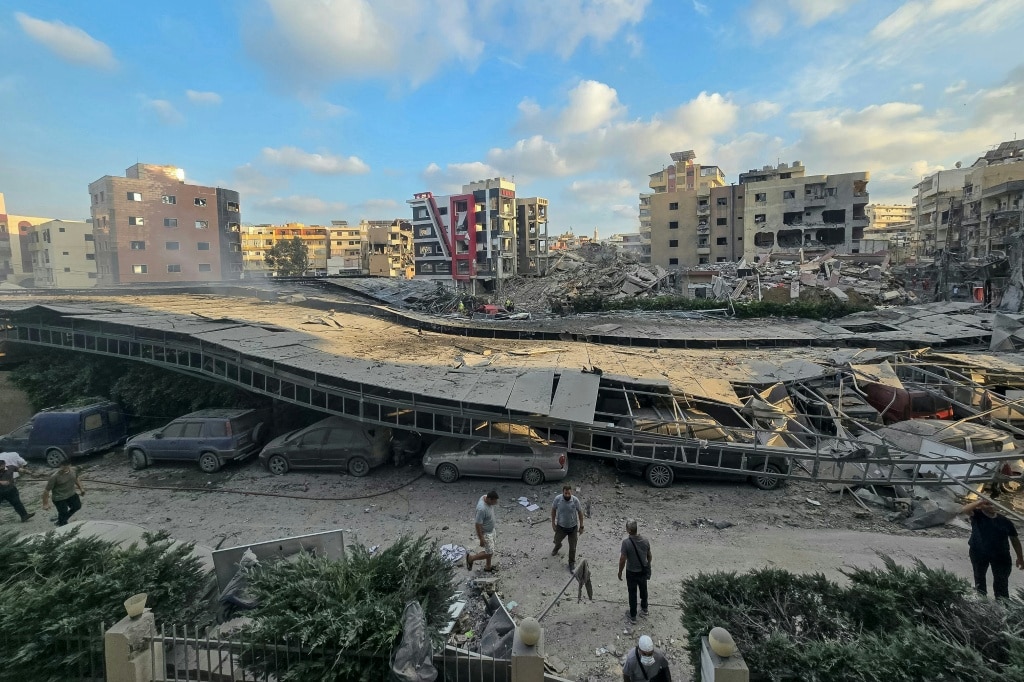
    The Middle East is witnessing a significant escalation of conflict, marked by a series of military engagements and diplomatic maneuvers across the region. A focal point of the violence is southern Lebanon, where an Israeli airstrike resulted in the deaths of three journalists. Lebanese President Joseph Aoun has condemned the strike as a ‘blatant crime,’ while the Israeli military defended its actions by claiming one of the journalists was a ‘terrorist’ within Hezbollah’s intelligence unit. This incident underscores the perilous conditions for media personnel in conflict zones.

    Simultaneously, a dangerous tit-for-tat aerial campaign is underway between Iran and Israel. AFP journalists in Jerusalem reported explosions from incoming missiles, which the Israeli military attributed to launches from Iran. This attack followed Israel’s own wave of strikes on targets within the Iranian capital, Tehran. Iranian state media claimed these strikes hit residential areas, resulting in over a dozen casualties, though these figures remain unverified.

    The conflict’s ripple effects are disrupting global trade and regional stability. In Oman, a drone attack on the port of Salalah injured a worker and damaged infrastructure, prompting Danish shipping giant Maersk to suspend operations for 48 hours. Iran claimed responsibility, stating it targeted a US logistics vessel. Similarly, Kuwait’s international airport suffered heavy damage to its radar system from a separate drone attack, though no casualties were reported.

    Amid the hostilities, diplomatic efforts are seeking to de-escalate tensions. Iran’s President Masoud Pezeshkian praised Pakistan’s mediation efforts, as Islamabad prepares to host a crucial meeting of foreign ministers from Saudi Arabia, Egypt, and Turkey. In a significant bilateral development, Qatar and Ukraine signed a defense agreement focused on technological cooperation and countering threats from missiles and drones, a move that aligns with Kyiv’s interests amid Iran’s aerial campaigns.

    Further diplomatic activity involves Indonesia, which is negotiating with Iran to secure safe passage for its tankers through the critical Strait of Hormuz, with Tehran responding favorably. Conversely, Kyiv has vehemently denied an Iranian claim of destroying a Ukrainian anti-drone system depot in the UAE, labeling it a disinformation campaign. In Bahrain, the government denied allegations of a religiously-motivated crackdown after rights groups reported widespread arrests predominantly targeting the Shia community.

  • First submarine named after Massachusetts joins the Navy fleet

    First submarine named after Massachusetts joins the Navy fleet

    BOSTON — The U.S. Navy formally welcomed the USS Massachusetts into active service during a commissioning ceremony on Saturday, marking a historic milestone as the first submarine to bear the name of the Bay State. This advanced Virginia-class fast attack vessel, capable of operating at depths exceeding 800 feet (240 meters), represents the 25th collaborative production between General Dynamics Electric Boat and Newport News Shipbuilding.

    Commanding Officer Mike Siedsma, a seasoned Navy veteran with 21 years of submarine service across four vessel classes, expressed profound admiration for the achievement. ‘Witnessing the construction process, training our team, and bringing this submarine into Boston Harbor for the first time is truly extraordinary,’ Siedsma remarked. Historical records indicate no submarine has visited Boston Harbor since the late 1980s or early 1990s.

    The submarine’s commissioning occurs against a backdrop of heightened geopolitical tensions. While Siedsma declined to disclose the vessel’s initial deployment location, his comments followed recent naval engagements where a U.S. submarine sank an Iranian warship off Sri Lanka’s coast. ‘The geopolitical situation is very interesting,’ Siedsma noted. ‘Our mission demonstrates the formidable power projection capabilities of the United States Navy.’

    Notably, the USS Massachusetts breaks new ground in naval inclusion with 39 women among its 147 crew members—representing approximately 25% of the complement. This integration follows the 2008 reversal of the submarine service’s gender restrictions. Sheryl Sandberg, former Meta COO and the vessel’s sponsor, emphasized the symbolic significance: ‘These sailors inspire every little girl to believe she can achieve anything.’

    The $2.8 billion submarine, weighing 8,000 tons and armed with 24 Tomahawk cruise missiles, becomes the fifth U.S. Navy vessel named after Massachusetts. Historical predecessors include an 1845 steamer and the World War II-era South Dakota-class battleship USS Massachusetts (BB-59).

    The vessel features unique tributes to its namesake state, including a wardroom mug rack crafted from Massachusetts county wood, donated by the television program ‘This Old House.’ Sandberg reflected on the broader historical context, noting how the commissioning echoes Massachusetts’ foundational role in American independence and ongoing freedom struggles.

  • Yemen’s Houthi enter war with missile targeting Israel

    Yemen’s Houthi enter war with missile targeting Israel

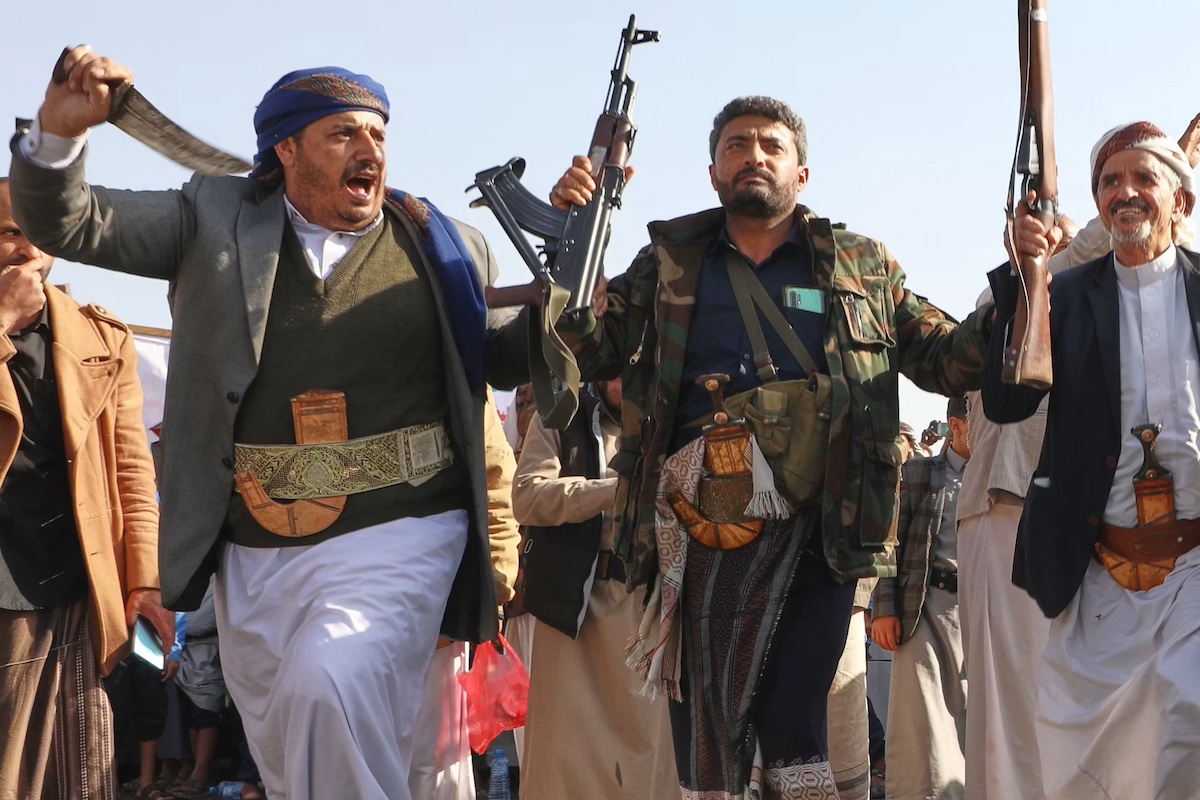
    Yemen’s Houthi rebels dramatically escalated regional tensions on Saturday by launching a ballistic missile toward Israeli territory, formally entering a conflict that has now entered its second month with growing global economic consequences. The Iranian-backed group’s intervention marks a significant expansion of hostilities beyond direct Iran-Israel confrontations, raising immediate concerns about Red Sea shipping security.

    The missile launch, confirmed by both Houthi leadership and Israeli defense authorities, represents the group’s first direct military action in the current conflict after previously limiting operations to maritime attacks during the Gaza war. Israeli defense systems successfully intercepted the projectile, with no reported casualties or damage.

    Meanwhile, regional economic disruptions intensified as Saudi Arabia diverted substantial oil exports to the Red Sea port of Yanbu, circumventing Iran’s closure of the Strait of Hormuz to hostile nations. This strategic shift has contributed to rising global energy prices, exacerbating worldwide economic pressures.

    The conflict has generated widespread collateral damage across the region. Iranian military forces targeted a US logistics vessel near Oman’s Port of Salalah, while drone attacks wounded foreign workers in Oman. Aviation infrastructure suffered damage in Kuwait and Erbil, and industrial zones in the United Arab Emirates sustained strikes that injured five personnel.

    Iran’s domestic industry felt the conflict’s impact as well, with the Khuzestan Steel Company halting production following US-Israeli airstrikes. The Revolutionary Guards issued retaliatory warnings targeting regional industrial sites, military bases, and hotels housing American troops.

    Diplomatic efforts continued amid the violence, with US special envoy Steve Witkoff expressing optimism about potential US-Iran negotiations and a 15-point peace plan. Pakistan prepared to host foreign ministers from Saudi Arabia, Turkey, and Egypt for crisis talks, while Germany’s foreign minister anticipated imminent direct US-Iran meetings. Thailand joined other nations in securing safe passage for oil tankers through the Strait of Hormuz via agreement with Iranian authorities.

  • Extreme heat to test India’s power supply

    Extreme heat to test India’s power supply

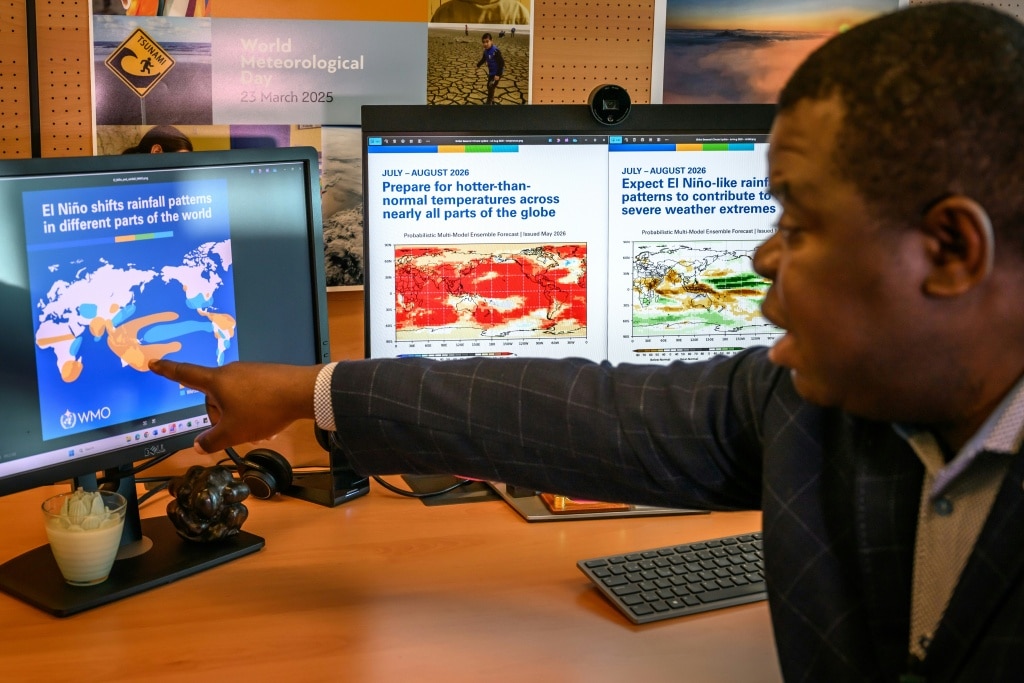
    India’s critical infrastructure systems brace for unprecedented strain as meteorological forecasts predict an exceptionally severe heatwave season in 2026. New analytical research indicates that soaring temperatures will simultaneously test the nation’s electricity grid and urban water networks, exposing systemic vulnerabilities in essential services.

    The India Meteorological Department has issued warnings indicating numerous regions will experience above-average hot days throughout the upcoming summer. This climatic pattern follows 2024’s record-breaking temperatures that pushed electricity demand to approximately 250 gigawatts in May, triggering nationwide power disruptions. Although 2025 witnessed a marginal decrease to 240 gigawatts during early June, current projections suggest 2026 demand is already surpassing expectations due to unseasonably early warmth after the planet’s fifth-warmest February documented in modern records.

    According to the Council on Energy, Environment and Water (CEEW), intensifying thermal conditions are dramatically accelerating electricity consumption for cooling purposes, which currently constitutes roughly 20% of India’s peak load according to International Energy Agency metrics. Senior program lead Disha Agrawal projects summer demand could reach 260 gigawatts—equivalent to exceeding the total generation capacity of multiple mid-sized nations combined.

    India’s installed capacity of 500 gigawatts, with nearly half derived from non-fossil sources including solar, wind, hydroelectric, and nuclear installations, faces operational challenges. While renewable infrastructure has expanded significantly, intermittent generation patterns render coal plants—which contribute approximately 75% of actual electricity output—indispensable for baseline supply. Natural gas facilities, though constituting merely 2% of overall generation, provide critical 8-gigawatt support during demand surges.

    Geopolitical instability compounds these challenges, prompting government directives for coal plants to maximize output and postpone maintenance schedules. Renewable resources are prioritized for daytime demand fulfillment, yet researchers identify fundamental obstacles including variable clean energy production, insufficient battery storage solutions, and aging grid infrastructure.

    Agrawal emphasizes that “scaling clean energy rapidly remains imperative for reliably and affordably satisfying India’s escalating power requirements.” Current trajectories suggest India might require 600 gigawatts of non-fossil capacity by 2030 if electricity consumption continues outpacing projections.

    Parallel strains emerge in water management systems, particularly in urban centers with constrained freshwater resources. Central Pollution Control Board data reveals only 28% of generated wastewater undergoes treatment, leaving most municipalities without functional water reuse mechanisms for industrial, agricultural, or non-potable applications. Delhi authorities have implemented expanded water tanker fleets, enhanced monitoring protocols, and emergency hydration centers as provisional countermeasures.

    Climate transformation is fundamentally altering thermal profiles across the subcontinent. A recent study indicates over 50% of India’s districts—inhabited by 76% of the population—demonstrate high vulnerability to extreme heat. Experts note that most urban administrations continue relying on temporary measures like cooling shelters, public water kiosks, and health advisories rather than implementing the long-term infrastructural adaptations necessary for enduring temperature escalation.

  • Pope Leo XIV visits Monaco to urge its people to use their faith and wealth for good

    Pope Leo XIV visits Monaco to urge its people to use their faith and wealth for good

    MONACO — In a landmark visit marking the first papal journey to the Mediterranean principality since 1538, Pope Leo XIV arrived in Monaco on Saturday with a powerful message about the moral responsibilities that accompany faith and privilege. The pontiff’s meticulously planned nine-hour itinerary commenced with an official welcome at the Monaco heliport, where Prince Albert II and Princess Charlene greeted him amidst ceremonial cannon fire and under brilliant Mediterranean skies.

    The papal helicopter, operated by the Italian military, touched down just minutes behind schedule—a detail the Pope humorously acknowledged upon arrival. The strategic visit emphasized how smaller states like Monaco and the Holy See can exert substantial influence on global affairs, particularly in promoting traditional Catholic values regarding the sanctity of human life during times of international conflict.

    Monaco, among the few European nations with Catholicism as its official state religion, recently reaffirmed its religious commitments when Prince Albert rejected legislation to legalize abortion. This decision, while largely symbolic given Monaco’s geographical encirclement by abortion-legal France, aligns with other European Catholic royals who have maintained doctrinal positions on an increasingly secular continent. The Prince’s stance echoes the historic 1990 abdication of Belgium’s King Baudouin, who temporarily stepped down rather than approve abortion legislation—an act that recently placed him on the path to potential sainthood.

    The Pope’s agenda included private meetings with the princely family at the royal palace, where female members of the court awaited in traditional black attire with lace head coverings. Additional events featured an engagement with Monaco’s Catholic community at the cathedral and a public Mass held at the principality’s sports stadium.

    Despite its modest size of 2.2 square kilometers and population of 38,000—only 20% of whom are actual citizens—Monaco maintains outsized global recognition as a tax-friendly haven for the wealthy, home to megayachts, the Formula 1 Grand Prix, and a glamorous royal lineage that includes American actress Grace Kelly’s descendants. Prince Albert, her son, demonstrated his multilingual fluency by greeting the Pope in impeccable, unaccented English.

    The visit underscored the unique intersection of faith, wealth, and global influence that characterizes this distinctive Mediterranean microstate.

  • China-ROK climate ties seen as vital globally

    China-ROK climate ties seen as vital globally

    At the Boao Forum for Asia, former United Nations Secretary-General Ban Ki-moon declared climate collaboration between China and South Korea to be of paramount global importance, particularly following the United States’ withdrawal from the Paris Agreement. Speaking during the China-ROK Roundtable on Climate Change Cooperation, Ban framed the two Northeast Asian economic powerhouses as indispensable leaders in the worldwide shift toward sustainable development.

    Ban emphasized the borderless nature of the climate crisis, stating, “The atmosphere does not recognize national borders… Our solutions, therefore, must also transcend borders.” He expressed profound disappointment at the U.S. abandoning the Paris treaty for the second time under the Trump administration, noting that while nations might eventually return to the agreement, climate change continues its relentless advance.

    The former diplomat highlighted existing promising leadership through joint investments in renewable energy, green technologies, and carbon markets. Such bilateral dialogue, he argued, builds understanding, shares best practices, and inspires new partnerships while signaling that regional cooperation can effectively address global challenges.

    China’s special climate envoy Liu Zhenmin provided context, revealing that Asia accounts for approximately 57% of global electricity consumption, demonstrating the region’s substantial economic dynamism. Both China and South Korea possess world-leading advantages in renewables, batteries, and nuclear energy, positioning them as key players in global climate governance.

    Amid growing geopolitical tensions and resurgent unilateralism, Liu urged both nations to uphold multilateralism, reject destabilizing interference, and strengthen solidarity. Professor Li Zheng of Tsinghua University’s Institute of Climate Change and Sustainable Development detailed complementary strengths: China’s prowess in large-scale wind/solar development and new power systems, combined with South Korea’s excellence in nuclear power, high-end manufacturing, and international standardization.

    Li proposed establishing joint research platforms in energy storage, hydrogen, carbon capture utilization and storage (CCUS), and smart grids, leveraging artificial intelligence advancements. He further advocated for third-party market cooperation that integrates China’s green manufacturing capabilities with South Korea’s technical standards expertise.

  • Israel launches strikes as diplomacy shatters

    Israel launches strikes as diplomacy shatters

    The Middle East conflict escalated dramatically as Israel executed extensive airstrikes against Iranian targets, striking both military installations and civilian areas. The offensive, described by observers as unprecedented in scale, targeted ballistic missile production facilities and air defense systems across multiple Iranian regions including Tehran, Qom, and Urmia.

    Simultaneously, diplomatic efforts between Iran and the United States reached a critical impasse. President Donald Trump extended his deadline for Iran to reopen the Strait of Hormuz until April 6, 2026, threatening the destruction of Iranian energy plants if compliance isn’t met. Tehran had previously rejected a US peace proposal as “one-sided and unfair.”

    Iran responded with continued drone and missile attacks against Israeli positions and US military facilities in the Gulf region. The Islamic Revolutionary Guard Corps announced it had turned back three ships attempting to transit the Strait of Hormuz, declaring shipping to allies of “Israeli-American enemies” prohibited.

    The conflict’s economic repercussions intensified as oil prices surged to $107 per barrel—a 45% increase since hostilities began on February 28. Asian markets retreated following Wall Street’s worst single-day performance since the conflict’s inception. Finnish President Alexander Stubb warned the confrontation could trigger a “self-inflicted global recession” with potentially more severe consequences than the COVID-19 pandemic.

    Military preparations accelerated as the US deployed approximately 2,500 Marines and 1,000 paratroopers from the 82nd Airborne Division to the region. Reports indicated the Pentagon is considering sending up to 10,000 additional ground troops. Iran claimed readiness to deploy over one million fighters to create “a historic hell for Americans” should a ground invasion occur.

    International concern mounted as IAEA Director General Rafael Grossi expressed “deep concern” over military strikes near Iran’s Bushehr Nuclear Power Plant, warning of potential radiological consequences. The UN Security Council scheduled emergency consultations to address strikes on Iranian civilian infrastructure.

  • Africa is hurting again from a global crisis it had no part in starting

    Africa is hurting again from a global crisis it had no part in starting

    LAGOS, Nigeria — The distant conflict in the Middle East is delivering severe economic blows across Africa, with millions facing unprecedented hardship despite their continent’s geographical remove from the battlefield. The crisis, triggered by joint U.S.-Israeli strikes on Iran that began February 28, has effectively closed the Strait of Hormuz—a critical maritime corridor—sending fuel prices soaring and exacerbating existing struggles in some of the world’s most vulnerable economies.

    For Adegbola Isaac, a Lagos taxi driver, the impact is brutally tangible. During two separate visits to gas stations last weekend, he witnessed prices surge to 1,350 naira ($0.99) per liter—a nearly 35% increase since the conflict’s onset. This spike has virtually eliminated his daily earnings. “It is hitting hard,” Isaac told The Associated Press, echoing the sentiments of countless Africans.

    This latest crisis represents the third major global shock to batter Africa in recent years, following the COVID-19 pandemic and the Ukraine war. As the world’s fastest-growing continent—with a population rivaling China and India—Africa finds itself repeatedly at the painful receiving end of international disruptions, particularly regarding essential resources like fuel and fertilizer.

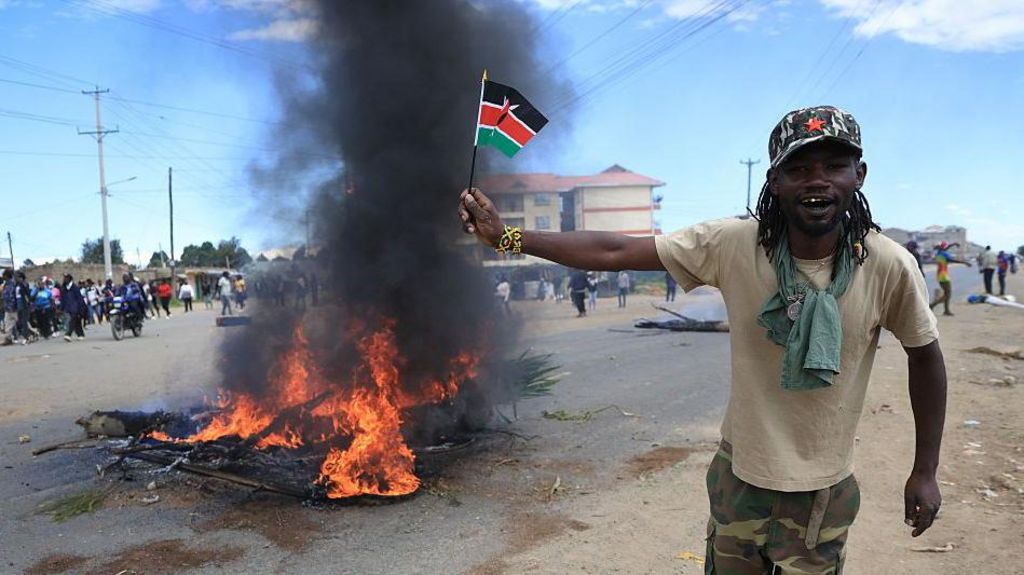
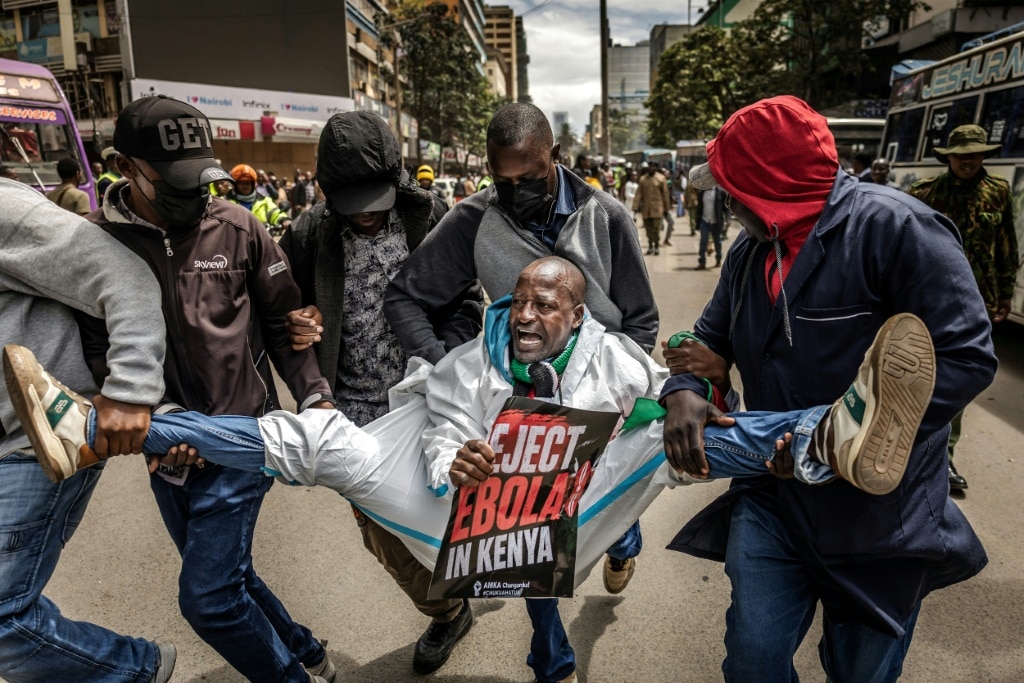
    The dependency on imported refined oil products makes African nations exceptionally vulnerable. All of Kenya’s fuel originates from the Middle East, primarily the United Arab Emirates, with approximately 20% of the country’s fuel outlets already affected. Uganda’s fuel reserves were initially projected to last merely weeks, while South Africa, which sources significant quantities from Saudi Arabia, has seen diesel-dependent industries engage in panic-buying despite government assurances about strategic reserves.

    Even Nigeria, Africa’s largest oil producer, suffers from insufficient local refinery capacity and must import refined products from Europe. This structural weakness amplifies the continent’s exposure to global market fluctuations.

    The ripple effects extend beyond transportation. Zimbabwe’s health workers have protested demanding wage increases as living costs skyrocket. In response, the government plans to increase fuel blending with ethanol from 5% to 20%—a measure that risks vehicle damage and increased pollution. Informal traders like Washington Nyakarize in Harare report avoiding peak travel hours due to prohibitive fares, consequently losing business opportunities.

    According to a 2025 UN Trade and Development (UNCTAD) report describing Africa as “the epicenter of overlapping global crises,” fertilizer access across the continent—including conflict-ravaged nations like Sudan and Somalia—faces imminent threat. Kenya’s flower industry reports weekly losses reaching $1.4 million since the war began, attributed to declining demand and shipping disruptions.

    Governments are scrambling for alternatives. Bloomberg reports several countries—including South Africa, Kenya, and Ghana—have approached Nigeria’s massive Dangote Refinery for fuel agreements. The facility recently completed sales of 12 shipments of refined petroleum products to Ivory Coast, Cameroon, Tanzania, Ghana, and Togo—marking its first large-scale distribution since reaching full capacity earlier this year.

    However, energy experts caution that the Dangote Refinery could struggle to meet growing continental demand if expansion plans slow or crude oil supplies face disruption. “As long as there is a steady supply of crude oil, the refinery has the capacity to meet some of the needs,” noted Olufola Wusu, a Lagos-based oil and gas expert involved in reviewing Nigeria’s national gas policy.

    The United Nations is pursuing diplomatic efforts to resume safe fertilizer transit through the Strait of Hormuz, hoping to build confidence for broader conflict resolution. Yet experts warn that prolonged hostilities could push Africa into uncharted territory. “If the conflict persists for another month or two, honestly, we’re going to be in unknown terrain that no one can really predict,” said Zainab Usman, a senior research scholar at New York’s Center on Global Energy Policy.

  • ‘Shooting gallery’: How a US invasion of Iranian islands might unfold

    ‘Shooting gallery’: How a US invasion of Iranian islands might unfold

    A potential US military operation to capture Iranian islands in the Gulf would confront American forces with a hazardous combat environment characterized by vulnerable supply lines and ambiguous strategic objectives, according to former US military officials and analysts interviewed by Middle East Eye.

    The operational blueprint would commence with electronic warfare campaigns to disrupt Iranian radar and communications, followed by intensive aerial bombardment to dismantle coastal defenses. Seth Krummrich, former chief of staff for US special operations in the Middle East, emphasized the necessity of preliminary isolation efforts before any ground assault.

    Primary targets under consideration include Kharg Island, responsible for 90% of Iran’s oil exports; Abu Musa and its associated islands, subject to territorial disputes with the UAE; and Qeshm Island, the largest and most fortified location containing tunnel networks for drones and missiles.

    Military strategists note significant operational challenges distinct from historical Pacific island campaigns. Daniel Davis, former US Army lieutenant colonel, asserts that Iran’s control over the Strait of Hormuz would necessitate airborne insertion rather than amphibious landing due to the vulnerability of naval vessels. Potential transportation would involve V-22 Osprey aircraft, Chinook, and Black Hawk helicopters deploying troops from bases in Gulf partner nations.

    The invasion force would comprise approximately 2,500 Marines from expeditionary units and 3,000 paratroopers from the 82nd Airborne Division. However, analysts highlight the critical dependency on basing rights from Gulf states including Saudi Arabia, UAE, and Kuwait—cooperation that remains politically complex.

    Military experts draw concerning parallels to Britain’s 1982 Falklands campaign while noting more severe contemporary challenges. The geographical compression of the Gulf region and advancements in drone warfare create particularly adverse conditions. Kalev Sepp of the US Naval Postgraduate School noted that technological and geographical factors make such an operation more difficult than historical precedents.

    Upon establishment of beachheads, US forces would face Iran’s decentralized ‘mosaic defense’ structure implemented by the Islamic Revolutionary Guard Corps. This guerrilla warfare approach, featuring 31 provincial commands with autonomous strike capabilities, would prevent conventional engagement and necessitate sustained defensive support from already stretched air and naval assets.

    Logistical complications present another critical vulnerability. The requirement of approximately nine support personnel for every combat soldier—excluding maritime control and air cover—creates massive supply chain vulnerabilities under the umbrella of Iranian missile and drone capabilities. US bases throughout the Gulf have demonstrated vulnerability to Iranian strikes, with reporting indicating significant damage to regional facilities.

    Experts suggest Iran could escalate through proxy forces like the Houthis targeting strategic waterways including the Bab al-Mandeb Strait, potentially triggering global energy price spikes. Additionally, seizure of economically critical islands like Kharg could prompt Iranian counter-escalation against regional energy infrastructure despite damaging their own economic interests.

    Analysts conclude that most Iranian islands offer minimal strategic advantage unavailable through existing US bases in the region, questioning the fundamental operational rationale while highlighting extreme risks to personnel and regional stability.