分类: world

  • Ten killed in Russian attack on Kyiv as Ukraine targets Wildberries

    Ten killed in Russian attack on Kyiv as Ukraine targets Wildberries

    The ongoing full-scale conflict between Russia and Ukraine has entered a new phase of intensified cross-border targeting, with a wave of coordinated strikes over a 24-hour period leaving dozens dead on both sides and triggering an unprecedented security response from a NATO member state.

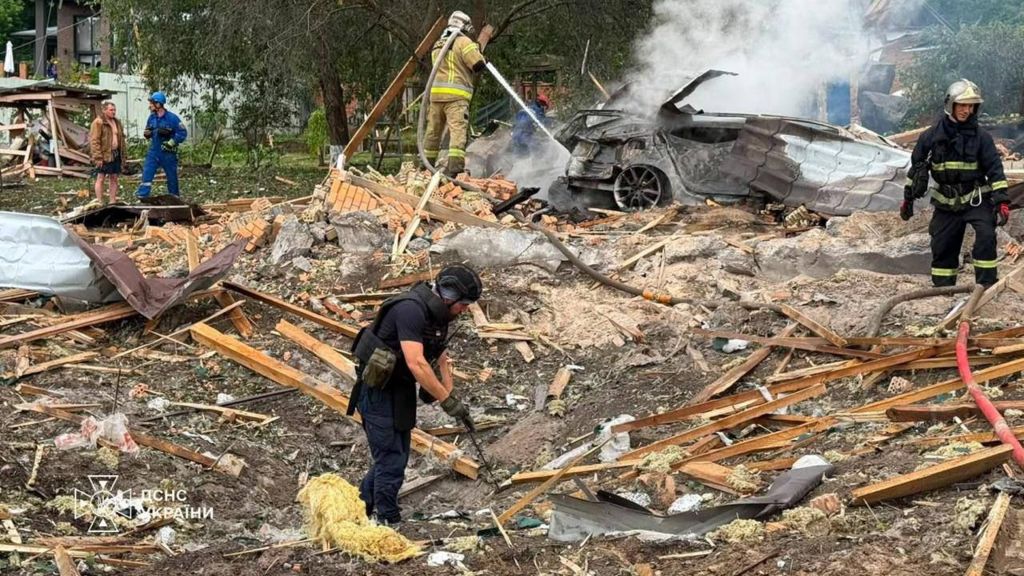
    Russia launched a series of overnight and daytime attacks across Ukraine on Friday, killing at least 16 civilians and military personnel. The deadliest single incident was a ballistic missile strike on an outdoor training ground just outside Kyiv, where a public exhibition of Ukrainian defense industry technologies was being held. According to Ukrainian Air Force spokesman Yuri Ihnat, Russia fired three ballistic missiles at the site, and only one was successfully intercepted by Ukrainian air defense systems.

    Initial official updates from Kyiv put the death toll from this strike at 10, with approximately 100 people injured. Emergency response teams have been working around the clock to clear rubble and search for survivors. Among the intended targets of the strike were two high-profile Ukrainian figures connected to the national military: Serhiy Beskrestnov, a Defense Ministry advisor widely known by the alias “Flash”, and Lyuba Shypovych, who leads development of military technologies for Ukraine’s armed forces. Both confirmed their safety via social media shortly after the attack.

    This strike marks at least the third time that a public defense industry exhibition has been targeted by Russian strikes since the full-scale invasion began in February 2022. The incident has sparked significant domestic controversy in Ukraine, as public reports indicate the event was openly advertised and widely publicized despite ongoing conflict risks. Ukrainian President Volodymyr Zelensky has ordered a full official investigation into the incident, while the country’s prosecutor general has launched a probe to determine who authorized the public event and what safety protocols were in place to protect attendees.

    A separate Russian strike on the eastern Ukrainian city of Sloviansk killed five additional people overnight, bringing the total Russian-caused death toll across Ukraine to 16 in the 24-hour period.

    In reciprocal cross-border attacks, Ukraine launched strikes deep into Russian territory that left six dead and 26 injured near Kirov, a city located more than 600 miles behind Russia’s frontline combat positions. Zelensky confirmed that the Kirov strike targeted a key military production facility that supplies critical components for Russian aircraft and missile systems used to attack Ukrainian territory.

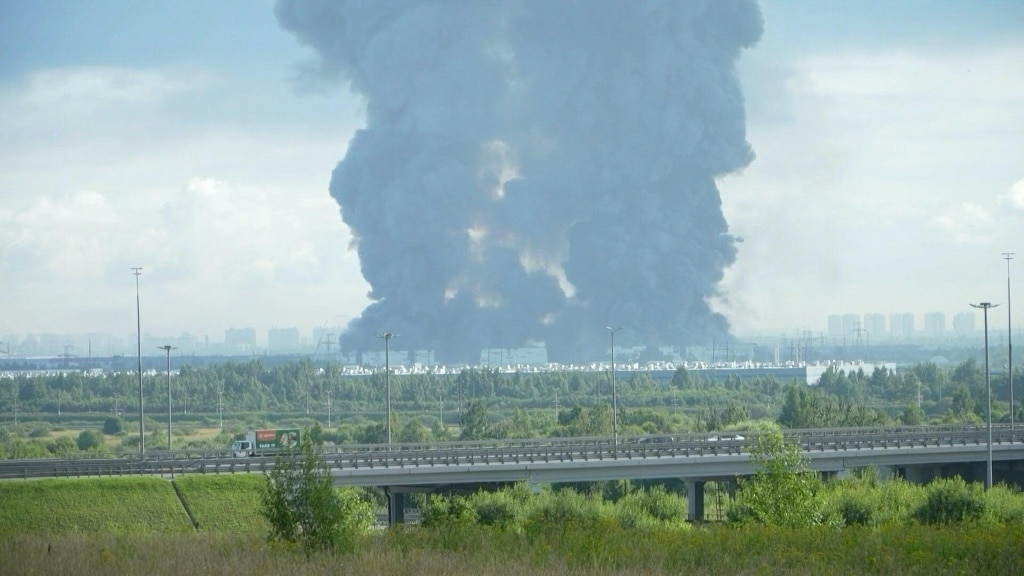
    Ukrainian forces also carried out the third strike in six days against warehouses operated by Wildberries, Russia’s largest domestic online retailer. The latest attack hit a distribution center near Saint Petersburg, triggering massive fires that spread across the facility. In the first wave of Wildberries strikes over the previous weekend, two warehouses were hit: one in Elektrostal, east of Moscow, and another in Kotovsk, roughly 250 miles from the Ukrainian border. Eight nightshift workers were killed in those initial attacks, dozens more were injured, and an estimated $1 billion worth of stored goods were destroyed. The repeated strikes have hit the bottom lines of thousands of small and medium-sized Russian businesses that rely on Wildberries for e-commerce distribution.

    Ukrainian officials have confirmed a shift in their long-range strike strategy: after months of targeting Russian energy infrastructure including oil depots and refineries, Kyiv is now prioritizing attacks on Russian logistics hubs that support military procurement and frontline supply lines. Publicly available screenshots of Wildberries’ website taken hours after the latest strike show the retailer continues to list body armor and other military-related equipment for sale to Russian buyers.

    Beyond the territory of Russia and Ukraine, the conflict spilled over into NATO member state Romania on Friday. Romanian President Nicusor Dan confirmed that a Romanian Air Force F-16 fighter jet intercepted and shot down a Russian drone that had breached the country’s sovereign airspace. Romanian authorities had earlier issued public security alerts across multiple eastern and southeastern counties ahead of the interception, marking one of the most direct military encounters between NATO and Russian forces since the full-scale invasion began.

  • At least 17 killed in Russian and Ukrainian long-range strikes

    At least 17 killed in Russian and Ukrainian long-range strikes

    Escalating cross-border attacks between Russia and Ukraine have left at least 17 people dead across both countries, marking a sharp intensification of violence as diplomatic efforts to end the four-and-a-half-year conflict remain completely deadlocked. The tit-for-tat long-range strikes on Friday targeted locations ranging from the outskirts of Ukraine’s capital Kyiv to industrial sites hundreds of miles east of Moscow, pushing civilian casualty rates to their highest levels since the early months of Russia’s 2022 full-scale invasion, United Nations data shows.

    On the Ukrainian side, Ukrainian President Volodymyr Zelensky confirmed that a Russian missile strike on a suburb just outside Kyiv killed six people, with dozens more injured and rescue operations still ongoing as of Friday evening. Separately, five additional civilians were killed in Russian aerial bombing operations on Sloviansk, a strategic frontline city in eastern Ukraine’s Donetsk Oblast. Vadym Filashkin, the local Ukrainian governor, reported that Russian forces dropped two heavy aerial bombs directly on populated areas of the city. Sloviansk, which had a pre-war population of roughly 105,000, holds major symbolic weight as a site of early Ukrainian resistance against pro-Russian separatists in 2014, and has remained a key Russian military target throughout the current full-scale invasion. This daytime strike on Kyiv marked a rare escalation in Russian attacks on the capital, which has faced repeated waves of deadly ballistic missile assaults from Russian forces in recent weeks.

    In a coordinated retaliatory strike the same day, Ukraine launched a large-scale wave of long-range drone and missile attacks targeting sites deep inside Russian territory. The deadliest of these attacks hit an industrial factory in Kirov, a Russian city located more than 1,000 kilometers (620 miles) from the active front line. Kirov Governor Alexander Sokolov confirmed that six people were killed instantly in the strike, with another 26 people injured. Zelensky framed the attack as a deliberate strike on a critical Russian military supply hub, noting that the facility produces components for Russian aircraft and missile systems used to attack Ukrainian population centers. While Ukraine has launched occasional strikes on Russian infrastructure as far east as the Urals and Siberia, fatalities among people located deep inside Russia have remained rare prior to the recent escalation of attacks.

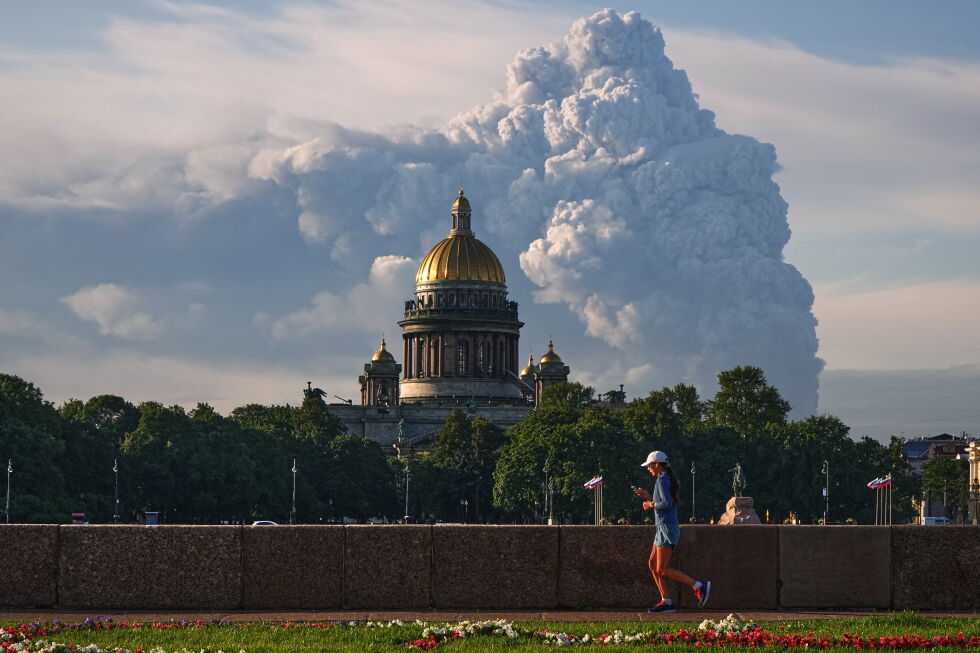
    Ukrainian forces also targeted a second high-profile site on Friday: warehouses operated by Wildberries, Russia’s largest online retail platform often described as the country’s equivalent to Amazon, in the outskirts of Saint Petersburg, Vladimir Putin’s hometown. This marked the third time Ukraine has targeted Wildberries facilities in the past week. Thick plumes of smoke from the attack were visible across the historic city center. Zelensky has publicly accused Wildberries of storing drone components and providing logistical support to the Russian military, and he hailed Friday’s wave of attacks as “successful.” Ukrainian officials have repeatedly stated that these retaliatory strikes deep inside Russia are intended to disrupt Moscow’s war production capacity and force the Kremlin to enter good-faith negotiations to end the conflict. The targeting of major Russian cities marks a dramatic shift from the start of the war in 2022, when the Kremlin launched its offensive confident of a quick victory and promised Russian civilians that the conflict would not impact daily life at home.

    Public reaction to the strikes among Russian civilians in Saint Petersburg was divided, reflecting the uneven flow of information under Russia’s strict wartime censorship laws, which ban all criticism of the country’s military campaign. Anna, a 50-year-old teacher in the city, said the attacks only stoked anti-Ukrainian sentiment among ordinary Russians. “This Ukrainian tactic is not leading to peace,” she said. “Even in my entourage, people are getting angrier and say that if that’s their way, then we should continue the offensive.” Other residents expressed fear over the escalating violence. “I am frightened, everything is getting worse,” said Svetlana, a 30-year-old cashier in Saint Petersburg, who blamed Ukraine for the attack while adding that she wanted an end to the fighting.

    The latest wave of violence comes amid a stark upward trend in civilian harm across the conflict zone. The United Nations reported this week that overall civilian casualties rose 37 percent in the first half of 2025, reaching almost double the number recorded in all of 2024. UN data confirms that this summer has seen more civilian deaths than any period since the first three months of Russia’s full-scale invasion. Diplomatic efforts to break the deadlock have gone nowhere, as Russia continues to occupy large swathes of eastern and southern Ukraine and refuses to abandon its maximalist goal of seizing the entire Donbas region.

  • Police ‘intercept car with bomb on way to attack in NI’

    Police ‘intercept car with bomb on way to attack in NI’

    In a major counter-terrorism operation along the Irish border, Ireland’s national police force, Gardaí, has intercepted a vehicle carrying a fully assembled explosive device that authorities believe was en route to an attack in Northern Ireland. The interception unfolded shortly after 3 p.m. local time on Wednesday, when officers pulled the car over along the N2 highway in the vicinity of Carrickmacross, County Monaghan, a region that sits just kilometers from the border between the Republic of Ireland and Northern Ireland.

    Following the stop, two suspects were taken into police custody. The vehicle’s driver, a woman in her 20s, was arrested immediately during the Wednesday afternoon operation, while a second suspect, a man in his 40s, was apprehended later in connection with the plot. Law enforcement officials confirmed the operation was explicitly targeted at curbing dissident republican activity, a long-running source of regional security tensions in the border area.

    Irish national public broadcaster RTÉ cited official sources confirming the explosive discovered in the vehicle was fully completed and primed for an imminent attack. After the vehicle was stopped, Gardaí called in the Irish Defence Forces’ Explosive Ordnance Disposal (EOD) team to conduct a full examination of the device and the vehicle. In an official public statement released Wednesday, Gardaí declined to share details of the EOD team’s findings, noting that the outcome of the examination is being withheld for operational security purposes. The incident comes amid ongoing security cooperation between Irish and Northern Irish law enforcement to disrupt planned attacks by dissident groups that oppose the 1998 Good Friday Agreement that ended decades of conflict in the region.

  • Iranians find community in art, culture and memes as missiles fly

    Iranians find community in art, culture and memes as missiles fly

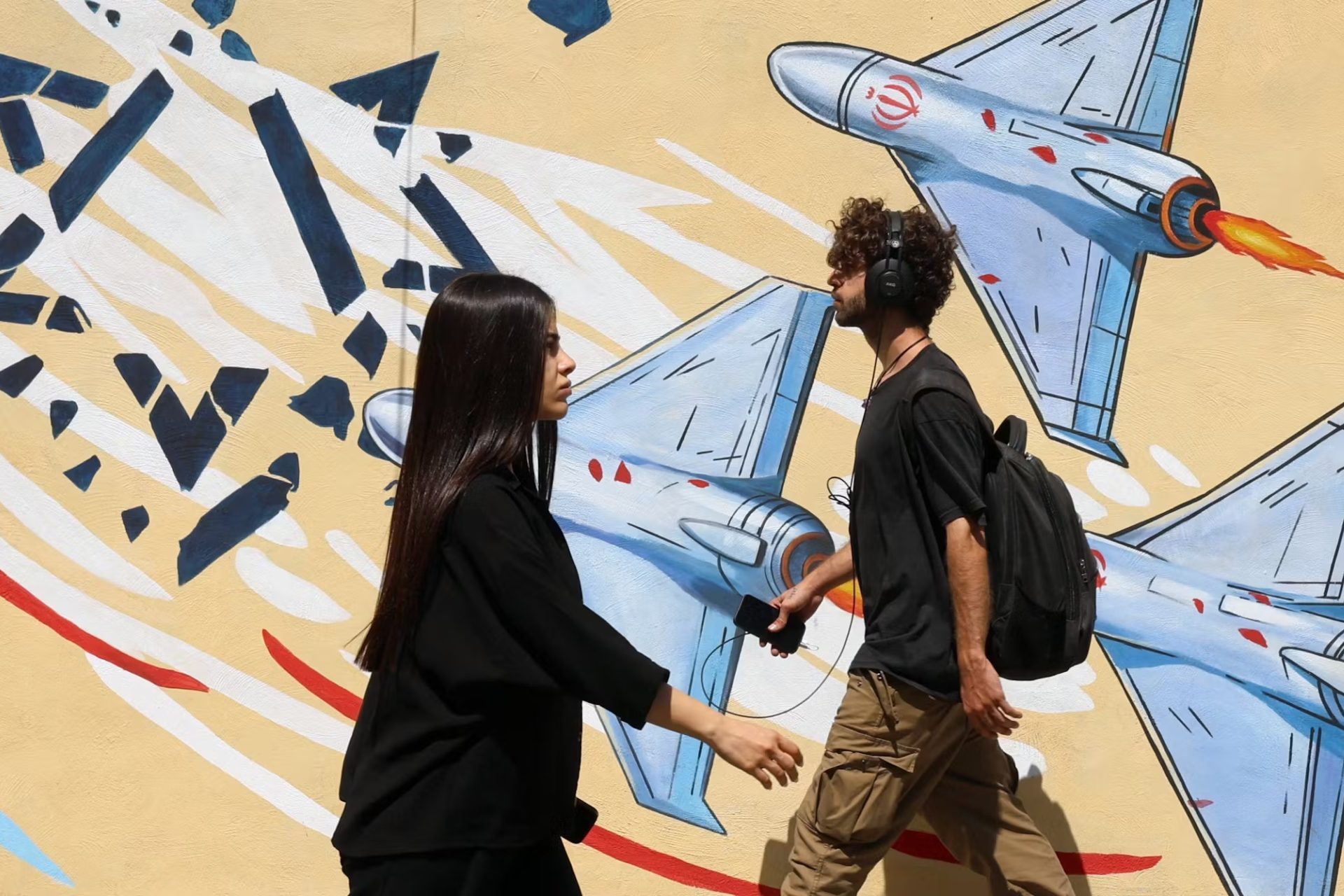
    Most global media coverage of the ongoing tensions between Iran, Israel and the United States centers narrowly on military maneuvers, official political statements and high-stakes international diplomatic negotiations. But a quieter, more powerful grassroots movement has been unfolding across Iran’s public spaces and digital platforms, as ordinary citizens and artists push back against the uncertainty and fear of war through intentional collective presence.

    History shows that communities facing crisis consistently turn to public gathering as a source of strength: Ukrainian protesters assembled in city squares following Russia’s 2014 invasion, New Yorkers came together across the city after the September 11 attacks, and Londoners gathered in underground stations during the Nazi German Blitz of World War II. In moments when every part of daily life feels unstable and out of control, visible public presence becomes an act of reclamation: it allows civilians to reclaim agency over their own lives and communities. For Iranians navigating the current conflict, this movement has formed across three interconnected, mutually reinforcing spheres: physical public presence, cultural and artistic expression, and digital grassroots storytelling.

    ## Physical Presence: Defying Fear Through Visibility

    Iranians have maintained a steady, noticeable public presence in city streets, neighborhood parks and central public squares since regional tensions escalated. What began as spontaneous gatherings in the immediate aftermath of heightened threats has slowly evolved into a quiet, sustained ritual of community cohesion.

    The meaning of these gatherings extends far beyond simple displays of personal courage. During open conflict, empty streets are universally recognized as symbols of fear, societal collapse and government instability. By contrast, consistent public presence sends a clear message of continuity: by refusing to retreat behind closed doors, Iranian citizens are symbolically rejecting the idea that war has completely overtaken their lives and identities.

    For most participants, these gatherings are not inherently an act of political alignment with any faction or leader. Instead, they are a defense of the lives, connections and shared histories that bind communities together. Years of personal labor, generations of family history and collective cultural memory all face existential risk from escalating conflict; showing up in public is a quiet act of protecting the things that matter most.

    A notable early example came in April, after former U.S. President Donald Trump threatened to attack Iran’s critical civilian infrastructure. Renowned Iranian musician Ali Ghamsari responded by traveling to the Damavand power plant and performing his work directly outside the facility. Images of his performance spread rapidly across social media, becoming a touchstone for conversations about civic solidarity amid crisis. More recently, in July, the strength of mass collective public presence was on full display during funeral ceremonies for Iran’s Supreme Leader Ayatollah Ali Khamenei, when tens of thousands of mourners gathered in Tehran to grieve together in a massive show of shared community.

    ## Cultural and Artistic Presence: Building Social Cohesion Through Creativity

    Iranian artists, musicians and cultural figures have stepped into a central role in shaping the public’s collective response to ongoing conflict. Their work does more than entertain: it fosters a deep sense of belonging and encourages people to stay connected to public life, acting as a form of informal social infrastructure that ties individual people to their broader communities.

    Across genres, creative expression has become a way for Iranians to collectively process the fear, grief and uncertainty that come with the threat of war, while also exploring themes of national resilience and shared identity. Music, poetry, religious chanting and visual art all serve this purpose.

    One prominent example is the song *Hasbi Allah*, created by Iranian singer-songwriter Mohsen Chavoshi with lyrics by poet Mehdi Abassi. The work draws on centuries of Iranian poetic, musical and spiritual tradition, reflecting on the devastating human cost of war, mourning those who have been harmed, and centering expressions of deep attachment to the Iranian homeland.

    Similarly, traditional Shia Islamic mourning chants known as maddahi have become a core part of many public wartime gatherings. Long tied to collective remembrance and mourning in Shia religious practice, these chants have been reimagined for the conflict context, blending traditional religious symbolism with declarations of love for country and willingness to stand together as a community. Many chants also draw on Iran’s long cultural and historical mythology: one viral video references Arash-e Kamangir, the legendary Persian folk hero who famously sacrificed his own life to fire an arrow that defined Iran’s national borders. These creative works weave together religious devotion, centuries of shared historical memory, and modern national identity to build a sense of collective purpose.

    ## Digital Presence: Grassroots Storytelling for a Global Audience

    One of the most distinctive shifts in how Iranians are communicating about this conflict is the rise of AI-generated videos, memes and parody as tools for grassroots wartime storytelling. Unlike the heavily ideological, martyr-focused narratives that defined official Iranian propaganda in past eras of conflict, much of this new content uses the familiar language of contemporary global internet culture.

    A series of AI-generated Lego animations have gone viral in recent months, with some amassing hundreds of millions of views across platforms. These videos retell recent military events, while weaving in references to Iranian history and mythology and sharp, playful humor that most often parodies former U.S. President Donald Trump and Israeli Prime Minister Benjamin Netanyahu. Many of the videos are overlaid with English-language popular music and lyrics, indicating that creators intend for them to reach audiences far beyond Iran’s borders. Remarkably, almost all of the creators behind these viral works remain anonymous.

    Younger Iranians in particular have embraced irony, meme culture and pop culture references to express their feelings about the conflict. One popular viral video blends overt patriotic themes with playful, self-aware visuals and humor, built around a rap lyric that repeats: “from us remain spirits that live on because they love the homeland.”

    These examples mark a clear, significant shift in how wartime narratives are created in Iran. Iranian citizens are no longer passive recipients of official government messaging about the conflict; they are active, independent creators building their own narratives about what the war means for their lives and their country. The most human, compelling stories of this conflict are not coming from battlefields or diplomatic negotiating tables – they are coming from ordinary people who refuse to sit by helplessly as crisis unfolds around them.

  • A Russian ballistic strike kills 6 after Ukraine’s Zelenskyy hosts US company making Patriots

    A Russian ballistic strike kills 6 after Ukraine’s Zelenskyy hosts US company making Patriots

    Escalating cross-border attacks have sent new shockwaves through the ongoing Russia-Ukraine war, just days after high-stakes diplomatic and industrial talks opened a potential new path for Ukraine to bolster its air defense capabilities. On Friday afternoon, a Russian ballistic missile strike targeted a location in Ukraine’s Kyiv Oblast, leaving at least six civilians and defense sector personnel dead and dozens more injured, Ukrainian President Volodymyr Zelenskyy confirmed. The strike came only 24 hours after Zelenskyy held face-to-face talks in Kyiv with senior leaders from U.S. defense giant Raytheon, the manufacturer of the Patriot air defense systems that Kyiv has long prioritized to counter Russia’s relentless ballistic missile campaign.

  • China coast guard uses water cannons on 2 Philippine vessels as top diplomats meet in Manila

    China coast guard uses water cannons on 2 Philippine vessels as top diplomats meet in Manila

    MANILA, Philippines — A fresh maritime confrontation has escalated tensions in the South China Sea, just as top global diplomats gathered in the Philippine capital for high-stakes regional security negotiations. On Friday, the third such standoff in a single week, China’s coast guard deployed water cannons against two Philippine government fisheries vessels near Scarborough Shoal, marking the second consecutive day of clashes in that contested stretch of water.

    The South China Sea has been a flashpoint for competing territorial claims for decades. China asserts sovereign rights over nearly the entire waterway, one of the world’s busiest and most economically critical global trade routes. This broad claim was formally rejected by a 2016 international arbitration ruling issued under the 1982 U.N. Convention on the Law of the Sea, though Beijing has refused to recognize the verdict.

    According to Philippine coast guard officials, the incident unfolded when a Chinese coast guard vessel closed to within just 7 meters (23 feet) of a Philippine fisheries vessel in a maneuver Philippine authorities described as “reckless.” The close approach created a severe collision risk, the agency said, adding it strongly condemns the “dangerous and unprofessional actions of the China coast guard.” The Philippines maintains Scarborough Shoal is an integral part of its national territory, with its surrounding waters falling under the country’s territorial sea and exclusive economic zone.

    In its own official statement, the Chinese coast guard offered a conflicting account. It said multiple Philippine vessels, including three coast guard craft, had entered what it considers Chinese territorial waters on Friday. The agency confirmed it issued verbal warnings, deployed interception maneuvers, and used water cannons to expel the Philippine ships. It issued a stark warning to Manila: “We sternly warn the Philippines to immediately cease its infringing and provocative actions or bear all consequences that may arise.”

    Friday’s clash follows two other confrontations earlier in the week, including a violent encounter at Second Thomas Shoal on Monday that left two Philippine sailors injured. The Philippines says Chinese coast guard personnel struck the sailors with wooden poles, while China counters that Philippine sailors first attacked Chinese personnel with oars and long sticks.

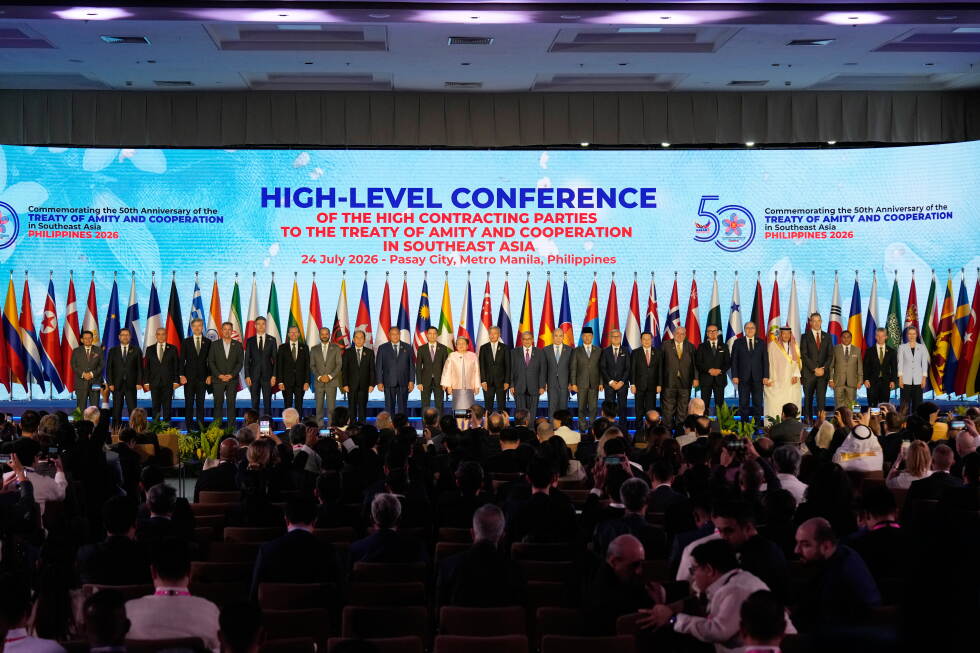
    The escalating series of incidents has placed South China Sea tensions at the top of the agenda for the annual Association of Southeast Asian Nations (ASEAN) foreign minister meetings, which have been hosted in Manila this week. Top diplomats from the 11-nation bloc and their global counterparts have held three days of closed-door talks focused heavily on the decades-long territorial dispute.

    On Tuesday, ASEAN foreign ministers released a joint statement addressing the tensions, noting that “concerns were expressed by some ministers on the land reclamations, activities, serious incidents in the area, including actions that put the safety of all persons at risk, and damage to the marine environment.” The bloc confirmed it has seen “significant progress” in ongoing negotiations with China on a formal code of conduct designed to prevent large-scale armed conflict in the region, with a stated goal of concluding the negotiations before the end of 2025.

    On the sidelines of the ASEAN talks, U.S. Secretary of State Marco Rubio and Chinese Foreign Minister Wang Yi held a bilateral meeting Wednesday to discuss Monday’s Second Thomas Shoal clash, with both sides describing the incident as “escalatory.”

    The week of diplomatic meetings in Manila concluded Friday with a commemoration of ASEAN’s 1976 Treaty of Amity and Cooperation, a landmark nonaggression pact for the region. In her remarks at the event, Philippine Foreign Secretary Theresa Lazaro emphasized the need to protect peace amid growing global uncertainty. “Peace is a daily choice,” Lazaro said. “It requires continuous labor, deliberate restraint, inclusive dialogue and an unyielding adherence to the rule of law.”

    Contributions to this report were provided by Associated Press video journalist Joeal Calupitan in Manila and writer Ken Moritsugu in Beijing.

  • Families still search for bodies a month after Venezuela earthquakes

    Families still search for bodies a month after Venezuela earthquakes

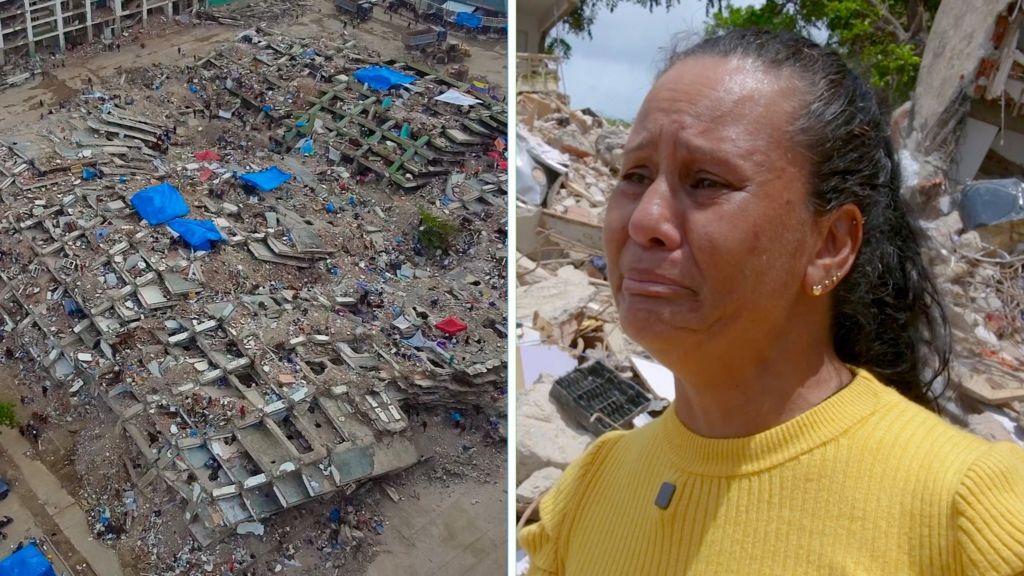
    Four weeks after catastrophic earthquakes ripped through communities across Venezuela, heartbroken families are still combing through rubble and collapsed structures in a desperate bid to recover the remains of their missing loved ones, as official death tolls continue to climb and grim projections place the number of unaccounted-for people far higher.

    Venezuelan government officials have confirmed that the confirmed death toll from the series of powerful quakes has now crossed the 5,300 mark, a devastating milestone that underscores the extreme destruction the seismic events left in their wake. Even more alarming, independent and preliminary estimates from on-the-ground response teams suggest that as many as 50,000 people remain unaccounted for, leaving thousands of households stuck in agonizing limbo with no closure about the fates of their family members.

    The weeks following the earthquakes have stretched into a grueling waiting game for many relatives, who have grown frustrated with the pace of recovery and search operations. Many have taken on the dangerous work of searching through unstable debris themselves, unwilling to wait for overstretched official rescue teams to reach their neighborhoods. As the one-month mark passes, the tragedy continues to unfold across the country, with communities grappling with both the human cost of the disaster and the long work of rebuilding that lies ahead.

  • One month after earthquakes, Venezuelans still search for loved ones and answers

    One month after earthquakes, Venezuelans still search for loved ones and answers

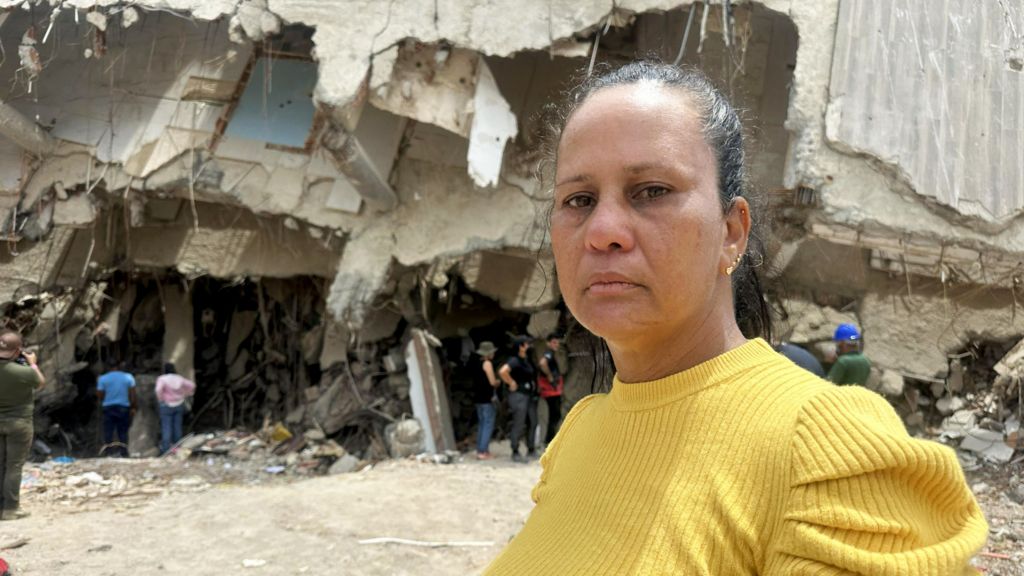
    Thirty days have passed since powerful twin earthquakes tore through Venezuela’s northern coastline, and for countless grieving families, the agonizing search for the remains of missing loved ones continues, unfolding against a backdrop of unprocessed grief, mounting anger at official authorities, and deep uncertainty over the long road to recovery.

    For 49-year-old fisherman Victor Calderón, the tragedy struck while he was 18 days out at sea. When word arrived via radio that his family’s apartment building had collapsed, he rushed back to shore only to learn that 26 members of his extended family—ranging in age from a 2-year-old toddler to elders in their late 70s, including his sisters, stepfather, and nine cousins—were gone. “It’s a terrible, terrible thing,” he says, his voice tight with unwept emotion. “I haven’t cried for them yet, not until I find the last ones who are missing.” Today, Calderón and his two surviving family members live in a cramped tent on a local golf course, in what was Caraballeda’s OPPE 26 public housing complex, widely recognized as the epicenter of the disaster.

    Calderón’s story is far from unique. Official government data, updated daily, puts the confirmed death toll at more than 5,300, with over 16,500 people injured. While authorities have not released an official count of those still unaccounted for, independent estimates place the number of missing in the tens of thousands. As daylight faded at the OPPE 26 site recently, recovery teams pulled three more bodies from the twisted rebar and crumbled concrete, including that of an 11-year-old girl. As her small body was carefully wrapped in black sheeting, rescue workers paused their work to offer a silent prayer, while the father’s guttural howls of grief cut through the rumble of nearby earthmoving equipment. “This is soul-destroying,” said Magin Hernández, a member of a volunteer search team, wiping quiet tears. “For the rescuers, the families, the friends; just soul destroying.”

    Weeks after the disaster, nearly all of the international rescue teams that deployed to assist have departed, leaving families to sift through unstable rubble on their own. This abandonment has fueled widespread, palpable resentment toward the national government, with survivors questioning how 10 out of 12 residential buildings at the OPPE 26 complex completely collapsed. Many are demanding answers about whether flawed construction designs, cost-cutting shortcuts, or substandard building materials contributed to the disaster, and whether official negligence played a role.

    During a press tour of the affected area, Public Works Minister Juan José Ramírez pushed back against these claims, insisting the buildings were structurally sound. He argued that no country could have withstood the force of two nearly simultaneous earthquakes, moving in opposing directions, that leveled both public and private structures alike. “The earthquake didn’t discriminate between the two,” he said.

    A short distance away in the coastal town of Catia La Mar, Laura Barrios continues to dig through the remains of a collapsed private apartment building, searching for the body of her brother-in-law, still trapped in the building’s underground parking garage. It was in that same garage that security guard Hernán Gil was pulled alive eight days after the quakes, a rare miracle that briefly lifted the nation’s collective mood. But the international teams that assisted in that dramatic rescue have long since left, and even the heavy machinery assigned to clear unstable debris has been reassigned to another site—just one day after Barrios’ family recovered the bodies of her sister-in-law and the couple’s two young children, 10 and 3, found huddled together in their bedroom. “The other day was the Day of the Child in Venezuela,” Barrios said through sobs. “But we have no children to celebrate. Ours are gone.” Furious over the slow, inadequate government response, she says the removal of the heavy equipment she still desperately needs has drained her will to keep fighting. “What more can we say that this rubble doesn’t already tell us?” she asked, gesturing to the scattered remains of lives destroyed in just 39 seconds of shaking: lost children’s toys, unused cutlery, broken crockery, abandoned T-shirts, entire lifetimes erased.

    Amid the grief and anger, small acts of human solidarity persist. At meal queues run by US-based humanitarian group World Central Kitchen, survivors still share quiet jokes and warm hugs, holding onto their characteristic resilience in the face of unthinkable loss. But for most, the end of each day brings a return to flimsy nylon tents pitched along curbsides, their temporary homes for the foreseeable future. The acting government led by Delcy Rodríguez—who took office in January following the removal of former leader Nicolás Maduro by US forces—recently donated 200 temporary homes to displaced families, but aid groups estimate total need is more than 100 times that number.

    The scale of reconstruction is staggering: the World Bank estimates the twin quakes caused $19.6 billion in damage, a cost Venezuela is ill-equipped to cover. With US authorities currently controlling the country’s oil industry, its primary source of national revenue, the timeline and scope of long-term recovery remain deeply unclear. Thousands of families still wait for closure, their stories of loss adding up to a national trauma that has left an indelible scar on a country already grappling with political and economic upheaval.

  • Saudi and UAE showcase public display of unity after months of strained relations

    Saudi and UAE showcase public display of unity after months of strained relations

    After months of escalating public disputes that exposed deep rifts between the two Gulf monarchies, senior media officials from Saudi Arabia and the United Arab Emirates released synchronized social media statements Tuesday affirming the long-standing fraternal bonds between their nations and their shared commitment to unity under wise leadership.

    The coordinated posts, published on platform X at exactly 7:00 pm Riyadh time, came from Saudi Minister of Media Salman al-Dosary and Abdulla bin Mohamed Alhamed, chairman of the UAE National Media Authority.

    In his statement, Dosary framed the bilateral relationship as a connection rooted in shared history and common heritage that binds the two peoples together, rather than merely a formal diplomatic agreement between governments. He added that social media platforms bear a responsibility to push back against any actors that seek to spread false narratives about the state of Saudi-UAE relations, emphasizing that all public content about the ties between the two countries must prioritize factual accuracy.

    For his part, Alhamed stressed that Saudi Arabia and the UAE share a single collective destiny, and that the two states operate through close coordination and a unified strategic vision to build a future of shared prosperity for both their peoples and the broader Gulf region. Both statements reiterated that all media coverage from the two countries should center exclusively on these positive, unifying aspects of the bilateral relationship.

    The public display of unity comes after more than six months of growing tensions that spilled into public view, driven by divergent national interests on multiple critical regional and economic issues. Disagreements between Riyadh and Abu Dhabi have simmered for years, but recent disagreements have become impossible to conceal, most notably over oil policy, the future of the Yemeni conflict, and the appropriate response to the Israel-Iran conflict that has shaken regional security.

    The first high-profile public escalation came in December, when a Saudi air strike hit a shipment of UAE military supplies bound for the Southern Transitional Council, a Yemeni separatist faction that Abu Dhabi openly backs. Following that incident, tensions boiled over into the public sphere, with influential social media accounts, political pundits and state-aligned news outlets from both nations engaging in weeks of heated public feuds. By March, the UAE moved to restrict access, blocking the official X account of Saudi-owned major news network Al-Arabiya.

    The rift widened further during the regional conflict sparked by Iran’s strikes on Israel, a confrontation that put Gulf states at direct risk of escalation. The UAE adopted a sharply hawkish stance, reportedly carrying out dozens of unacknowledged air strikes against Iranian targets – exposing a far deeper and earlier involvement in the conflict than the international community had previously recognized. Saudi Arabia, by contrast, opted for a more hedged, pragmatic approach: it condemned Iran’s attacks on fellow Gulf states and agreed to open the King Fahd Air Base in Taif to U.S. forces, while also working quietly through diplomatic channels in Islamabad to push for negotiated de-escalation with Tehran.

    In May, the UAE announced its departure from OPEC, the Riyadh-led intergovernmental oil production cartel that has coordinated global oil supply for decades. Shortly after withdrawing, Abu Dhabi moved to sharply ramp up its own crude oil production, a move that put it in direct competition with Saudi Arabia’s production cut policies aimed at supporting global oil prices.

    By July, independent regional outlet Middle East Eye described the two neighboring powers as being “embroiled in an economic war of attrition”, with international business leaders reportedly drafting contingency plans to prepare for a potential further breakdown in bilateral relations that could disrupt cross-border trade and investment. In recent weeks, reports have emerged confirming that Saudi financial authorities have delayed or blocked a growing number of money transfers to UAE-based accounts, stoking fears that the political rift was already starting to damage commercial ties between the two economic hubs.

    Multiple sources told the Financial Times that payments from Saudi banks to Dubai-based accounts held by UAE companies and foreign individuals have been repeatedly returned or put on hold since May, often without any formal explanation from Saudi regulators. One Western executive at a Dubai-based healthcare firm told the outlet that Saudi banks had blocked and returned multiple payments from a long-standing Saudi client starting in mid-May. In response to queries, Saudi Arabia’s central bank denied implementing any “direct restrictions on specific countries” in its oversight of cross-border payments.

    The push for renewed unity comes as the region faces growing shared security threats. In recent days, Gulf Cooperation Council Secretary General Jasem Mohamed Albudaiwi joined senior diplomats from both Saudi Arabia and the UAE to call for coordinated regional action in response to rising Iranian-linked attacks and Houthi threats to impose a full maritime blockade on Saudi shipping lanes.

    On Monday, the Saudi-led military coalition operating in Yemen announced it would respond to Houthi threats against commercial shipping with “decisive force”, after the Yemeni rebel group formally declared a naval blockade on Saudi ports. Just this Thursday, the UAE officially condemned a recent Houthi attack targeting the Saudi-flagged cargo vessel Encelad as it transited the Red Sea, calling on the international community to enforce existing UN Security Council resolutions – including Resolution 2216 on Yemen and Resolution 2722, which protects freedom of navigation in the Red Sea.

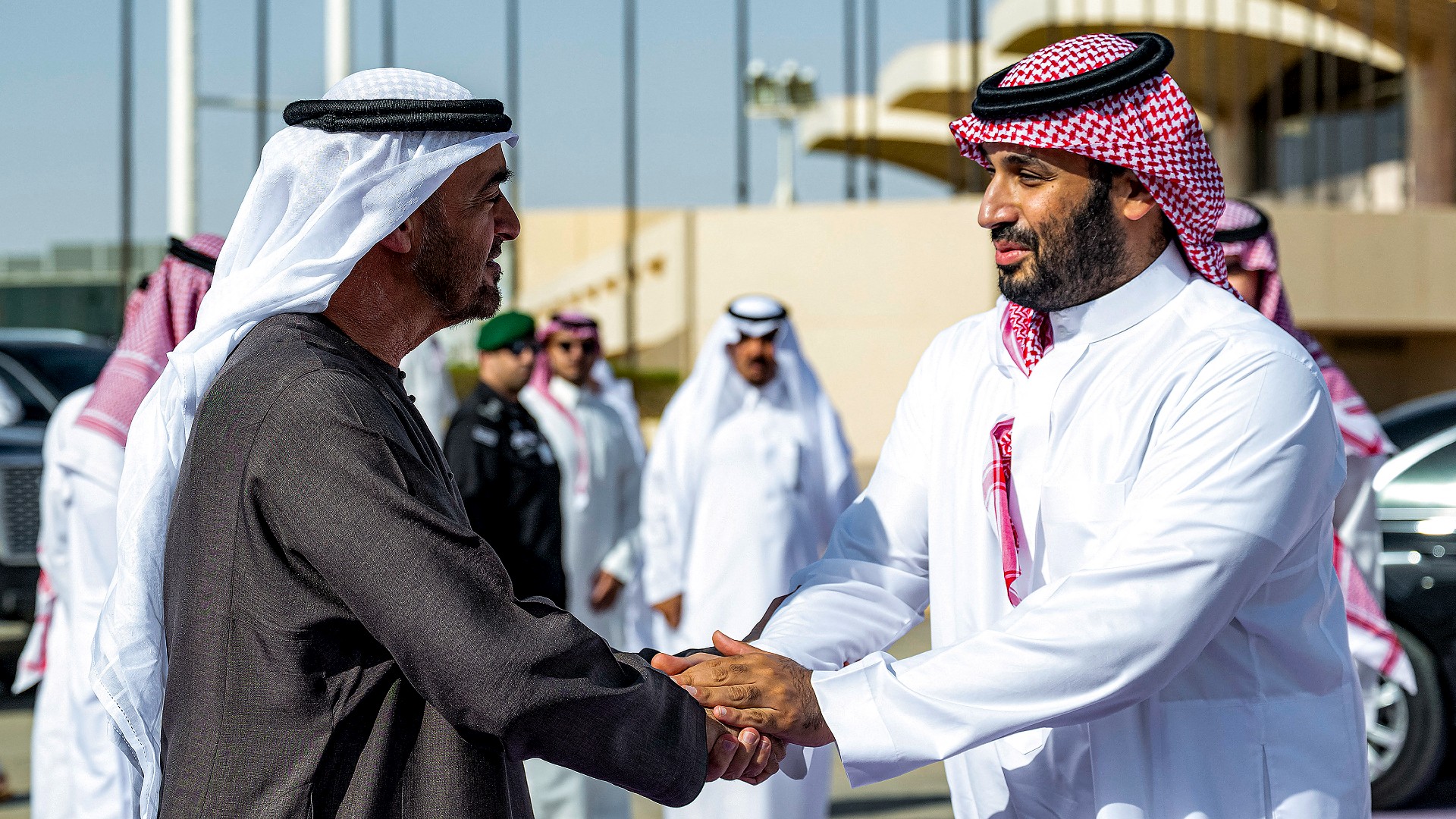
    The synchronized media statements Tuesday were preceded by a public signal of rapprochement just an hour earlier, when Turki Alalshikh, advisor to the Saudi Royal Court and head of Saudi Arabia’s General Entertainment Authority, posted a previously unshared photograph on X. The image shows Saudi Defence Minister Khalid bin Salman and UAE Vice President Sheikh Mansour bin Zayed al-Nahyan standing with their arms around one another, both smiling. Alalshikh captioned the post: “Saudi Arabia and the UAE: a story of brotherly relations and a deeply rooted partnership.”

    Anwar Gargash, diplomatic advisor to the UAE president, reposted the image with an proverbial caption nodding to the value of unity: “The spears refuse, when gathered, to be broken… and when they part, they break one by one.”

  • From prison fears to fireworks, Chinese pastor recounts sudden release after Trump’s intervention

    From prison fears to fireworks, Chinese pastor recounts sudden release after Trump’s intervention

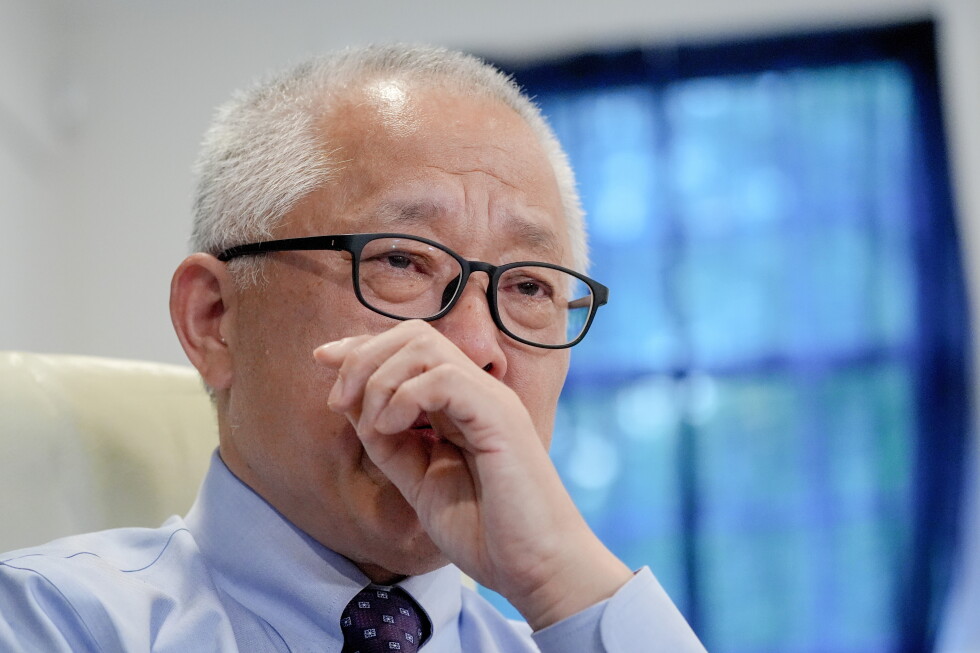
    In a stunning, rapid reversal of fortune that spanned just 24 hours and 15 time zones, prominent Chinese underground Christian pastor Ezra Jin Mingri went from fearing a 15-year prison term in a southern Chinese detention center to reuniting with his family in Los Angeles, where he celebrated the U.S. Independence Day weekend marking the nation’s 250th anniversary.

    The 57-year-old religious leader, who founded one of China’s largest and most influential unregistered Christian congregations, Zion Church, had spent 266 days in custody after being detained alongside other church leaders in a October 2025 government crackdown. Before his sudden release, Jin told the Associated Press he had wondered if he would ever live to see freedom again, convinced he would spend at least a decade behind bars.

    Jin’s release comes as a rare exception amid growing Chinese resistance to foreign policy pressure. The pastor credits direct intervention from former U.S. President Donald Trump, who raised his case during a May 2025 meeting with Chinese President Xi Jinping, for securing his freedom. “It’s so dramatic. It’s unimaginable,” Jin said from outside Washington D.C. “It’s a miracle.”

    The sequence of events that led to his departure from China began on the morning of July 3, when Jin was unexpectedly summoned to collect his few belongings — including his personal Bible — and issued new clothing and a pair of Nike shoes. Guards told him he was being transferred from the Beihai detention center, and Jin initially speculated he would be placed under house arrest, or even moved to an undisclosed closed location. He never entertained the possibility of full release, he says, because China rarely concedes to foreign pressure on domestic political and religious issues, and hundreds of other religious leaders and activists remain in custody.

    That speculation shifted when a police van bypassed his former neighborhood and carried him directly to a high-speed rail station, where he was escorted to a private car occupied only by himself and uniformed officers, who recorded the journey. After traveling 470 miles to the southern major metropolis of Guangzhou, he was taken directly to the city’s international airport. There, in a VIP terminal room, authorities convened an temporary court proceeding where prosecutors dropped all pending charges against Jin, including counts of illegal business activity and fraud linked to operating an unregistered house of worship. After announcing that all criminal procedures would be terminated, authorities returned Jin’s passport to him, clearing the way for his departure. A U.S. diplomat had waited on-site for hours ahead of his release, Jin said.

    Jin could not sleep during the 13-hour trans-Pacific flight to Los Angeles, too excited by the unexpected turn of events to rest. Upon landing, U.S. officials welcomed him and issued a one-year visa with no processing fees. He was finally reunited with his family, who had resettled in the U.S. years earlier after Jin sent them abroad ahead of an expected crackdown. For the first time, he was able to hold his three young grandchildren, the youngest of whom was just one month old. His daughter, Grace Jin Drexel, who had spent months lobbying for her father’s release, said she barely recognized him at first: he had lost significant weight and aged visibly during his 266 days in detention.

    Zion Church, which Jin founded in 2007, grew to become one of China’s most prominent independent Christian congregations, operating outside the government’s official state-sanctioned religious system that requires all places of worship to accept Communist Party oversight. In 2018, Beijing authorities shut down the church’s main public sanctuary after the congregation refused to comply with a mandate to install government surveillance cameras on site. Jin chose to send his family abroad to the U.S. while he remained in China, continuing to lead the congregation in small, scattered home groups that gained a large online following throughout the COVID-19 pandemic. He was finally detained in the October 2025 crackdown on unregistered religious groups.

    Jin emphasized that Chinese authorities did not force him to sign a forced confession or subject him to a public show trial before dropping all charges. He said he has no knowledge of any behind-the-scenes deal or detainee swap arranged for his release, but credits Trump’s brand of “unique diplomacy” for producing tangible results. When Trump left Beijing after his May meeting, he confirmed to reporters that he had raised Jin’s case directly with Xi, who responded that he would “strongly consider” the request. Trump has previously vowed to “save our Great Christian population” across the globe.

    When contacted for comment on Jin’s release, China’s Foreign Ministry reaffirmed that the country regulates religious affairs in accordance with domestic law, and said it “firmly opposes interfering in China’s internal affairs with so-called religious issues.”

    Now free and resettled in the U.S., Jin says he will not stop advocating until other detained Chinese Christians are also released. His current priorities include securing the freedom of eight other detained Zion Church leaders, as well as Wang Yi, the pastor of the Early Rain Covenant Church who is currently serving a nine-year prison sentence. Earlier this week, he met with U.S. House Speaker Mike Johnson alongside family members of three other detained Chinese Christians to push for continued U.S. advocacy.

    “I am free in this country, so warmly welcomed, so I am making a special call not to forget that many more are still detained,” Jin told the AP, his voice breaking with emotion. “I hope we will continue to strive for them to be free.”

    Speaker Johnson noted that Jin’s release has earned broad bipartisan support in the U.S. Congress, saying “This is something we all agree on. It’s about religious freedom around the world.”

    Beyond advocating for other detained believers, Jin says his greatest lifelong wish is for the Chinese government to formally legalize and recognize independent Christian churches. “Probably the most important wish in my lifetime is that Chinese churches can be recognized by their own government,” he said.

    Associated Press writers Ken Moritsugu in Beijing, Lisa Mascaro in Washington and Josh Funk in Omaha, Nebraska contributed reporting to this article.