分类: politics

  • Jesse Jackson: Veteran civil rights leader who helped reshape America

    Jesse Jackson: Veteran civil rights leader who helped reshape America

    Reverend Jesse Jackson, the iconic civil rights leader who transformed American political landscapes, emerged as the pioneering African-American figure to bridge activism with mainstream presidential politics. Born Jesse Louis Burns in 1941 South Carolina to a teenage mother, Jackson’s upbringing in segregation-era America shaped his lifelong commitment to racial justice. As a protégé of Martin Luther King Jr., he witnessed King’s assassination in 1968—a pivotal moment that propelled him into national leadership.

    Jackson’s political revolution began with Operation Breadbasket, evolving into Operation PUSH (People United to Serve Humanity), where he championed economic justice and affirmative action. His groundbreaking 1984 and 1988 presidential campaigns shattered racial barriers, introducing the transformative concept of a “Rainbow Coalition”—a multicultural alliance advocating for progressive policies including universal healthcare and workers’ rights. Though unsuccessful in securing the nomination, Jackson demonstrated unprecedented electoral viability for Black candidates, ultimately garnering nearly 7 million votes in 1988.

    His legacy faced complexities through later years, including personal scandals and health challenges following his 2017 Parkinson’s diagnosis. Yet Jackson’s enduring impact manifested visibly when he wept at Barack Obama’s 2008 victory—a direct testament to his trailblazing work. In 2024, despite physical limitations, he appeared at the Democratic convention celebrating Kamala Harris’s nomination, receiving tributes from leaders acknowledging his foundational role in creating opportunities for diverse political leadership.

    Jackson’s philosophy transcended pure racial discourse, emphasizing class solidarity and intersectional justice that continues influencing progressive movements today. His oratorical brilliance, encapsulated in the enduring mantra “keep hope alive,” inspired generations of activists and politicians who followed his path toward a more inclusive democracy.

  • Russian and Ukrainian officials are in Geneva for US-brokered talks after almost 4 years of war

    Russian and Ukrainian officials are in Geneva for US-brokered talks after almost 4 years of war

    GENEVA — Diplomatic delegations from Moscow and Kyiv convened in Geneva on Tuesday for a new round of U.S.-mediated peace negotiations, occurring just one week before the somber fourth anniversary of Russia’s full-scale invasion of Ukraine. Both Ukrainian President Volodymyr Zelenskyy and Russian state media confirmed their respective delegations’ arrival for the two-day talks, which were scheduled to commence later that day.

    According to sources familiar with the discussions who spoke anonymously due to their sensitive nature, the negotiations were expected to involve particularly challenging conversations regarding the future status of Russian-occupied Ukrainian territories. U.S. President Donald Trump’s special envoy Steve Witkoff and senior advisor Jared Kushner were positioned to mediate between the parties as Russian officials maintained their insistence on Ukraine ceding control of the eastern Donbas region.

    The agenda included detailed military discussions focusing on ceasefire monitoring mechanisms and implementation requirements, building upon previous dialogue in Abu Dhabi that explored potential demilitarized zone arrangements and military communication protocols.

    Despite American diplomatic efforts aiming for a June settlement deadline, expectations for any substantive breakthrough remained decidedly low, with neither side demonstrating willingness to compromise on fundamental territorial disputes. The negotiations unfolded against a backdrop of continued violence as Ukraine’s outmanned military forces engaged in attrition warfare along the 1,250-kilometer front line while Ukrainian civilians endured relentless aerial assaults that damaged critical infrastructure and residential areas.

    The central issues under discussion included the future status of approximately 20% of Ukrainian territory currently under Russian occupation or contention, alongside Kyiv’s demands for postwar security guarantees with U.S. backing to deter future Russian aggression.

    President Trump characterized the Geneva meeting as “big talks” while making ambiguous comments suggesting Ukraine should accelerate its negotiation pace. Meanwhile, Ukraine remained committed to the diplomatic process despite Moscow’s continued military actions, including an overnight assault employing nearly 400 long-range drones and 29 missiles across 12 Ukrainian regions that left nine casualties, including children, and disrupted essential services in Odesa.

    Zelenskyy emphasized that Russia’s ongoing attacks complicated negotiation efforts, stating on social media that “the more this evil comes from Russia, the harder it will be for everyone to reach any agreements with them.” The Ukrainian leader noted his government had accepted “all realistic proposals from the United States,” including an unconditional long-term ceasefire framework.

    High-level military representatives including Gen. Alexus Grynkewich, commander of U.S. and NATO forces in Europe, and U.S. Army Secretary Dan Driscoll participated in the talks, meeting with their Russian and Ukrainian counterparts. The Geneva discussions coincided with separate U.S. indirect talks with Iran occurring in the same city, highlighting Switzerland’s ongoing role as a neutral diplomatic venue.

    Previous rounds in Abu Dhabi were characterized by participants as productive, with delegation members expressing optimism that peace could be achievable “if everyone just agrees to it.” Following those talks, the U.S. had reestablished direct military communication channels with Russia, with Gen. Grynkewich expressing hope for initiating high-level dialogue with Russian Chief of the General Staff Valery Gerasimov.

  • Belgium summons U.S. ambassador over tweet accusing kingdom of antisemitism

    Belgium summons U.S. ambassador over tweet accusing kingdom of antisemitism

    BRUSSELS — In an unusual diplomatic confrontation between longstanding allies, Belgium has formally summoned the United States ambassador following his public accusations of antisemitic prosecution against Belgian authorities. The diplomatic escalation emerged from comments made by Ambassador Bill White regarding an ongoing investigation into religious practices in Antwerp.

    Foreign Minister Maxime Prévot issued a stern rebuke on social media platform X, characterizing the ambassador’s statements as “dangerous disinformation” that potentially undermines genuine efforts to combat hatred. Prévot emphasized that diplomatic representatives accredited to Belgium bear responsibility to respect national institutions, elected officials, and the independence of the judicial system.

    The controversy centers on an investigation by Belgian authorities examining whether three individuals in Antwerp performed ritual circumcisions without certified medical qualifications. Ambassador White denounced the probe as “unacceptable harassment of the Jewish community” and announced his intention to visit the accused men while inviting Belgium’s health minister to accompany him.

    Prévot clarified that Belgian law expressly permits ritual circumcision when conducted by qualified physicians under stringent health and safety protocols. The foreign minister declined to comment on the ongoing investigation while reaffirming Belgium’s commitment to religious freedom within established legal frameworks.

    The ambassador further demanded legal provisions specifically allowing Jewish mohels—religious officiants trained in circumcision—to perform their duties in Belgium, noting that without ritual circumcision, Jewish individuals cannot fully participate in key religious ceremonies including bar mitzvahs, weddings, and burial in Jewish cemeteries.

    This diplomatic incident highlights the delicate balance between religious traditions, legal standards, and international diplomatic norms among allied nations.

  • US plans to deploy more missile launchers to the Philippines despite China’s alarm

    US plans to deploy more missile launchers to the Philippines despite China’s alarm

    In a significant strategic move, the United States has announced plans to increase deployments of sophisticated missile systems and unmanned platforms to the Philippines. This decision emerges from annual security dialogues held in Manila, where both nations jointly condemned China’s escalating activities in the South China Sea, describing them as “illegal, coercive, aggressive, and deceptive.”

    The planned enhancements form part of a broader defense collaboration outlined in a joint statement, which includes expanded joint military exercises and ongoing support for the modernization of the Philippine armed forces. While specific details of the new missile deployments were not fully disclosed, Philippine Ambassador to Washington Jose Manuel Romualdez confirmed that discussions involved potentially “upgraded” types of U.S. missile launchers that the Philippines might acquire in the future.

    Beijing has repeatedly voiced strong opposition to the presence of U.S. military assets in the region, particularly the Typhon mid-range missile system deployed to Luzon in 2024 and an anti-ship missile launcher installed last year. China characterizes these deployments as direct threats to regional stability aimed at containing its rise, and has formally requested their removal—a demand Philippine President Ferdinand Marcos Jr. has firmly rejected.

    Ambassador Romualdez emphasized that the U.S. weapons deployments serve purely defensive and deterrent purposes, stating that Chinese aggression only strengthens Manila’s resolve to maintain such capabilities. The Typhon system, capable of firing Standard Missile-6 and Tomahawk Land Attack Missiles with ranges exceeding 1,000 miles, places critical Chinese assets within striking distance from Philippine territory.

    The security partnership between the longtime allies reinforces their commitment to preserving freedom of navigation, unimpeded lawful commerce, and other lawful uses of the sea for all nations in the strategically vital waterway, where territorial disputes involve multiple claimant states including Vietnam, Malaysia, Brunei, and Taiwan.

  • Majority of Canadians concerned over US threat to sovereignty: survey

    Majority of Canadians concerned over US threat to sovereignty: survey

    A comprehensive national survey conducted by Nanos Research has uncovered significant Canadian apprehension regarding potential threats to national sovereignty emanating from the United States. The study, reported by CTV News, indicates that nearly two-thirds of Canadians express substantive concerns about American influence over their nation’s autonomous decision-making capabilities.

    The research data demonstrates that 64% of surveyed Canadians maintain active concerns about US impacts on Canadian sovereignty, while only 19% explicitly denied such concerns. A notable 17% of respondents adopted a neutral stance on the matter, reflecting the complex nature of Canada-US relations.

    Demographic analysis reveals distinctive patterns in sovereignty concerns across population segments. Senior citizens aged 55 and above demonstrate the most pronounced levels of apprehension, suggesting generational differences in perceptions of American influence. The survey further identified a significant gender disparity, with 69.3% of female respondents expressing concerns compared to 57.9% of male participants.

    This comprehensive study illuminates the evolving dynamics within the Canada-United States relationship, traditionally characterized as one of the world’s most stable bilateral partnerships. The findings suggest underlying tensions in how Canadians perceive their nation’s independence within the North American geopolitical framework, potentially influencing future diplomatic engagements and policy decisions between the two neighboring nations.

  • What do Iran, US seek from upcoming new round of talks?

    What do Iran, US seek from upcoming new round of talks?

    Geneva has become the focal point for renewed diplomatic efforts as an Iranian delegation, headed by Foreign Minister Seyed Abbas Araghchi, arrives for a second round of indirect nuclear negotiations with the United States. Scheduled for Tuesday, these critical discussions are being facilitated by Omani mediators, continuing the dialogue initiated in Muscat on February 6th.

    The American contingent is led by President Donald Trump’s special envoy Steve Witkoff alongside senior advisor Jared Kushner. This meeting occurs against a backdrop of escalating military posturing and fundamental disagreements that have plagued US-Iranian relations since the collapse of the 2015 nuclear accord.

    The core positions of both nations remain substantially divergent. Washington maintains that any viable agreement must encompass a complete prohibition on uranium enrichment, disposal of existing enriched material, constraints on long-range missile development, and cessation of support for regional proxy forces. These demands have found vocal support from Israeli Prime Minister Benjamin Netanyahu, who has expressed skepticism about potential diplomatic breakthroughs.

    Tehran, while expressing willingness to reach a “fair and equitable” arrangement that would provide sanctions relief, has firmly established two non-negotiable boundaries: preservation of its right to peaceful nuclear energy and maintenance of its defensive missile capabilities. Iranian President Masoud Pezeshkian has repeatedly emphasized that Iran does not pursue nuclear weapons and is prepared to undergo verification processes, while simultaneously rejecting what he characterizes as excessive demands and aggression.

    The current impasse originates from the disintegration of the Joint Comprehensive Plan of Action (JCPOA), which began when the Trump administration unilaterally withdrew from the agreement in 2018 and reinstated comprehensive sanctions. Iran responded by incrementally reducing its compliance, eventually enriching uranium to 60% purity—far exceeding the JCPOA’s 3.67% limit—while maintaining the peaceful nature of its nuclear program.

    The diplomatic landscape further deteriorated following Israel’s surprise strikes on Iranian facilities in June 2025 and subsequent military engagements, during which American forces targeted Iranian nuclear installations. The International Atomic Energy Agency had previously documented Iran’s possession of 440.9 kg of uranium enriched to 60%, a stockpile deemed unacceptable by American and Israeli authorities.

    Military tensions have intensified considerably in recent weeks, with the United States deploying the USS Abraham Lincoln carrier strike group to waters near Iran and President Trump confirming the dispatch of the USS Gerald R. Ford, the world’s largest aircraft carrier, to the region. Anonymous American officials have revealed preparations for potential military operations against Iran, while reports indicate Trump’s commitment to support Israeli strikes on Iranian missile facilities should negotiations fail.

    Iran has responded with unequivocal warnings of forceful retaliation against any aggression, specifically highlighting the vulnerability of American military bases throughout the Middle East. The Islamic Revolution Guard Corps commenced live-fire exercises in the strategically vital Strait of Hormuz, demonstrating combat readiness and the capability to leverage Iran’s geopolitical position to protect its national interests.

  • Will Israel and Trump force the ICC to drop the Netanyahu arrest warrant?

    Will Israel and Trump force the ICC to drop the Netanyahu arrest warrant?

    The International Criminal Court (ICC) confronts an unprecedented institutional crisis following its 2024 issuance of arrest warrants for Israeli Prime Minister Benjamin Netanyahu and Defense Minister Yoav Gallant. This judicial action triggered a coordinated campaign of financial sanctions and visa restrictions from both Israel and the United States, targeting the court’s leadership and personnel in what experts describe as an existential threat to international justice mechanisms.

    According to ICC specialist Professor Kevin Jon Heller of the University of Copenhagen’s Centre for Military Studies, the current sanctions represent the most severe challenge in the court’s history. Since February 2025, the Trump administration has imposed sanctions against Chief Prosecutor Karim Khan, his deputies, nine judges, the UN’s Palestine rapporteur, and three Palestinian NGOs connected to the investigation.

    The legal pathway to these warrants spanned 15 years of complex jurisdictional battles, beginning with Palestine’s 2015 accession to the Rome Statute. Heller detailed how successive prosecutors navigated political pressures and legal hurdles, with current prosecutor Khan inheriting an investigation with zero dedicated staff or budget in 2021. Despite these constraints, Khan prioritized the Palestine investigation years before the October 7 attacks, reallocating resources from other cases to advance the inquiry.

    The investigation employed groundbreaking methodologies including artificial intelligence analysis of open-source evidence, satellite imagery, encrypted witness submissions, and incriminating statements from suspects themselves. An unprecedented external expert panel provided independent validation of evidence, strengthening the warrant applications that ultimately received unanimous judicial approval for approximately 95% of requested charges.

    Israel has mounted three legal challenges attempting to invalidate the warrants, including jurisdictional arguments and claims of prosecutor bias. Heller characterizes these as legally weak, particularly the attempt to disqualify Khan, noting the prosecutor had already voluntarily stepped aside months earlier pending unrelated misconduct investigations.

    The current crisis echoes historical tensions between the US and ICC, which Heller attributes to American unwillingness to subject its citizens to international jurisdiction. While the US supported court actions against adversaries like Sudan’s Omar al-Bashir and Russia’s Vladimir Putin, investigations involving American allies or potential US personnel triggers aggressive opposition.

    The prospect of institutional sanctions against the court itself represents a “doomsday scenario” that could cripple basic operations including electricity, water, and internet services. Heller suggests the ICC’s survival would depend on member states providing extraordinary support, though he maintains that domestic courts using universal jurisdiction represent the future of international criminal justice rather than the politically constrained international system.

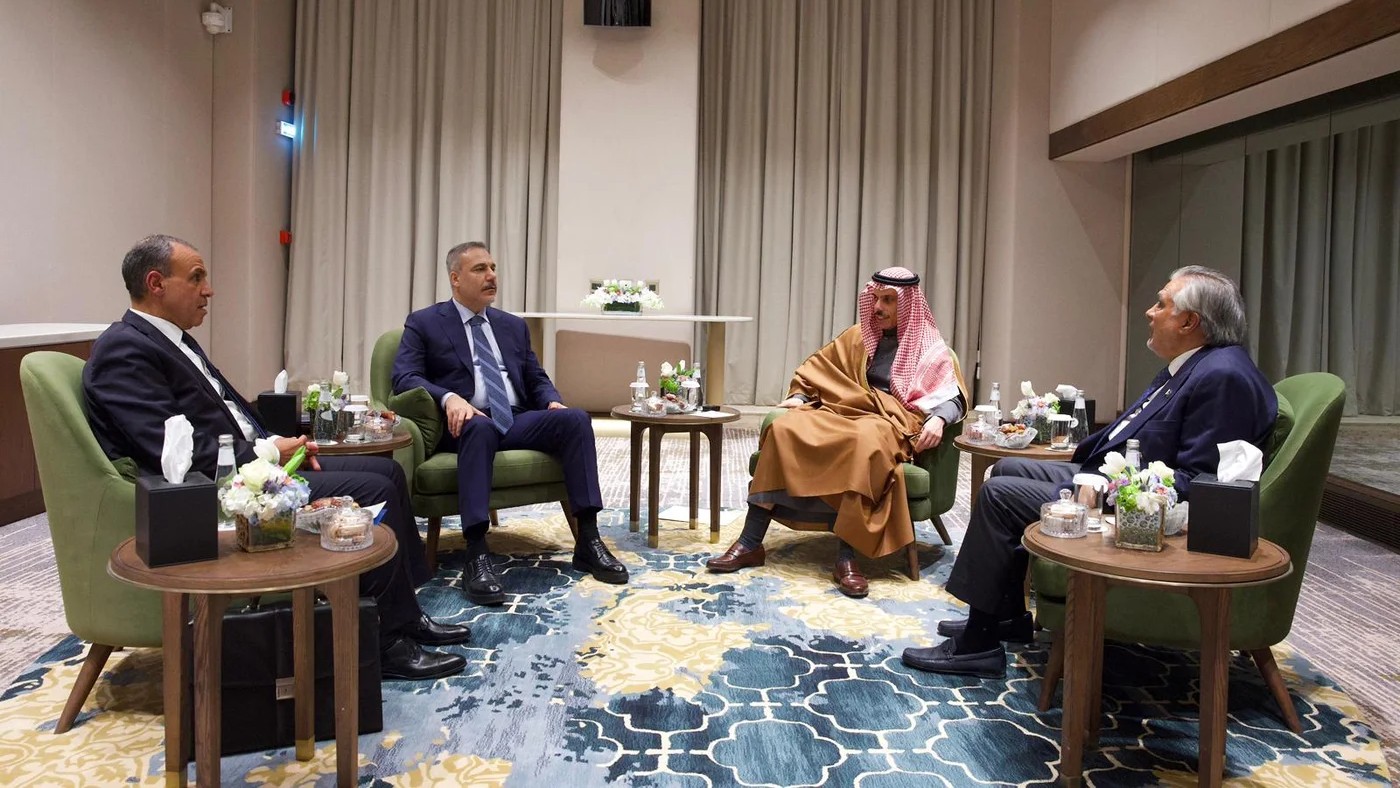
  • Saudi Arabia-Turkey Kaan jet talks irk a Trump administration bent on arms export dominance

    Saudi Arabia-Turkey Kaan jet talks irk a Trump administration bent on arms export dominance

    Saudi Arabia’s strategic pivot towards diversifying its defense procurement partners is generating significant friction within the Trump administration, according to current and former U.S. officials. The kingdom’s exploration of weapons agreements with nations including Turkey and Pakistan threatens to diminish America’s dominant share in the lucrative Saudi arms market, challenging Washington’s traditional monopoly.

    The relationship appeared strengthened during Crown Prince Mohammed bin Salman’s November visit to the White House, where President Trump proudly announced Saudi Arabia’s commitment to purchase advanced F-35 fighter jets alongside a major strategic defense agreement. However, recent developments have revealed underlying tensions as U.S. officials seek clarification regarding Riyadh’s parallel negotiations with other regional powers.

    Following diplomatic pressure from Washington, Saudi authorities provided assurances they would not proceed with acquiring Pakistan’s JF-17 fighter aircraft, despite earlier considerations to convert substantial loans to Islamabad into weapons procurement. Notably absent were similar guarantees regarding potential Saudi participation in Turkey’s next-generation Kaan fighter program, creating ongoing concern among American defense officials.

    Defense analysts question the strategic rationale behind Saudi interest in the Turkish warplane, given the kingdom’s existing inventory of superior F-15s, Eurofighter Typhoons, and the anticipated F-35 acquisition. The administration’s perspective, however, focuses less on military capability and more on economic implications—viewing Saudi diversification as funds that could otherwise be directed toward additional American defense purchases.

    The emerging conflict illustrates how Trump’s transaction-based diplomacy, rooted in zero-sum economic principles, encounters challenges in an increasingly multipolar Middle East. Saudi officials maintain their interest in the TAI Kaan project reflects a desire for expanded options rather than replacement of American partnerships, though U.S. officials perceive these moves as potential indicators of diminishing influence.

    Complicating matters further is Israel’s traditional veto power over advanced U.S. weapons sales to Arab nations through its Qualitative Military Edge (QME) protection. Despite Trump’s public承诺 to provide Saudi Arabia with aircraft comparable to Israel’s F-35s, Netanyahu subsequently claimed Secretary of State Marco Rubio guaranteed Saudi would receive inferior versions.

    Beyond bargaining tactics, Saudi Arabia’s engagement with Turkey reflects broader geopolitical realignments. Riyadh’s Vision 2030 initiative mandates that 50% of defense spending target locally produced items, an area where Turkish offers of co-production and technology transfer outpace American willingness. Simultaneously, Saudi Arabia is cultivating relationships with Pakistan, Turkey, Qatar, and Egypt while distancing itself from the UAE-Israel axis, potentially using arms purchases to strengthen this emerging bloc.

    Experts suggest the F-35 deal remains vulnerable to Israeli opposition in Washington, reminiscent of the failed Emirati acquisition. While Saudi Arabia would likely accept even a downgraded version of the advanced fighter, the current negotiations with alternative suppliers provide crucial leverage and insurance against potential disappointment in the U.S. procurement process.

  • FBI won’t co-operate on Alex Pretti investigation, state officials say

    FBI won’t co-operate on Alex Pretti investigation, state officials say

    Minnesota law enforcement officials have publicly denounced the Federal Bureau of Investigation for refusing to cooperate with the state’s probe into the deadly shooting of intensive care nurse Alex Pretti. The 37-year-old medical professional was fatally shot by federal agents during an immigration enforcement protest in Minneapolis on January 24.

    The state’s Bureau of Criminal Apprehension (BCA) reported that the FBI has declined to share any evidence or information from its parallel investigation into the incident. BCA Superintendent Drew Evans characterized the federal agency’s stance as “concerning and unprecedented” in its lack of transparency.

    Minnesota authorities have formally proposed a joint investigation to ensure comprehensive oversight, emphasizing their commitment to “thorough, independent and transparent investigations” despite facing significant obstacles due to the FBI’s withholding of crucial evidence. The victim’s family has echoed this request through their legal representatives, stating that “justice and accountability requires a thorough and impartial investigation to establish the facts.”

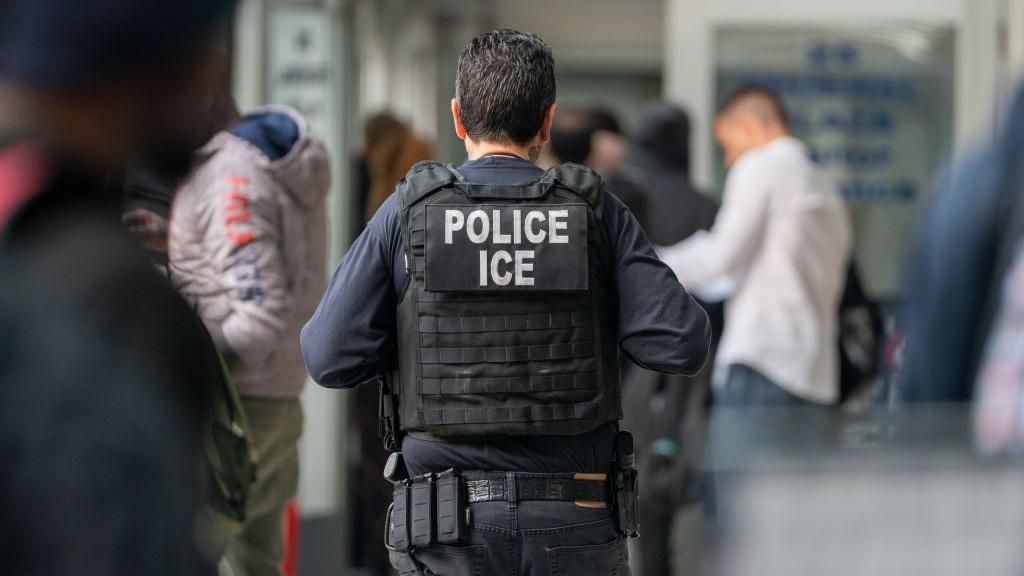
    This confrontation emerges against the backdrop of Operation Metro Surge, an immigration crackdown initiated by the Trump administration that has sparked widespread demonstrations across Minnesota. The operation resulted in over 4,000 arrests of undocumented immigrants, including individuals convicted of serious sexual offenses, according to White House border advisor Tom Homan.

    The political dimension has intensified with Minnesota’s Democratic Governor Tim Walz condemning the federal operation for inflicting “deep damage, generational trauma… and many unanswered questions” upon the state. Meanwhile, the Department of Justice has launched a separate civil rights investigation into Pretti’s death.

    The BCA is concurrently investigating two additional shooting incidents involving federal immigration agents—the fatal shooting of Renee Good on January 7 and the injury of a Venezuelan national following a vehicle pursuit one week later. The agency notes that cooperation regarding these cases remains equally uncertain.

  • US Senator Mark Kelly tells BBC he will ‘seriously consider’ White House run

    US Senator Mark Kelly tells BBC he will ‘seriously consider’ White House run

    Arizona Democratic Senator Mark Kelly has revealed he is seriously contemplating a presidential campaign in 2028 while simultaneously engaged in a legal confrontation with the Trump administration. The conflict stems from a November video in which Kelly and five other lawmakers with military or intelligence backgrounds urged military personnel to refuse illegal orders.

    The retired Navy captain and former astronaut confirmed receiving frequent death threats following President Trump’s accusation of ‘seditious behavior.’ Kelly told BBC Newsnight that he and his wife, former Congresswoman Gabrielle Giffords, now require 24-hour security protection due to these threats.

    Kelly emphasized his unique qualifications for higher office, noting: ‘I’m one of the very few engineers in the Senate—the only person with a graduate degree in engineering. I’ve got combat experience, which is kind of rare, and spent 25 years in the military.’ Despite these credentials, he acknowledged that a presidential run represents ‘a serious decision’ he hasn’t yet finalized.

    The controversial video emerged during heightened scrutiny of American military strikes against alleged narco-trafficking vessels off South America. The Pentagon attempted to demote Kelly’s military rank in response, while a grand jury declined to pursue seditious conspiracy charges.

    Kelly anticipates continued legal pressure from the Trump administration, vowing: ‘This is not going to end by me going away. I’m going to continue to fight this thing even if it goes all the way to the Supreme Court.’

    Critics have condemned the government’s actions against the six lawmakers as an attack on free speech and another example of targeting perceived political enemies. The situation carries particular sensitivity for Kelly’s family, as his wife survived an assassination attempt in 2011 when she was shot while serving in Congress.

    Regarding Trump’s rhetoric, Kelly stated: ‘Donald Trump is so reckless about what he says. There are folks out there that react to what he said, and people listen to him.’

    Potential Democratic contenders for 2028 include Kamala Harris, who lost to Trump in 2024, and California Governor Gavin Newsom. Despite constitutional limitations, Trump hasn’t ruled out seeking a third term while also endorsing Vice President JD Vance and Secretary of State Marco Rubio as ‘unstoppable’ potential successors.