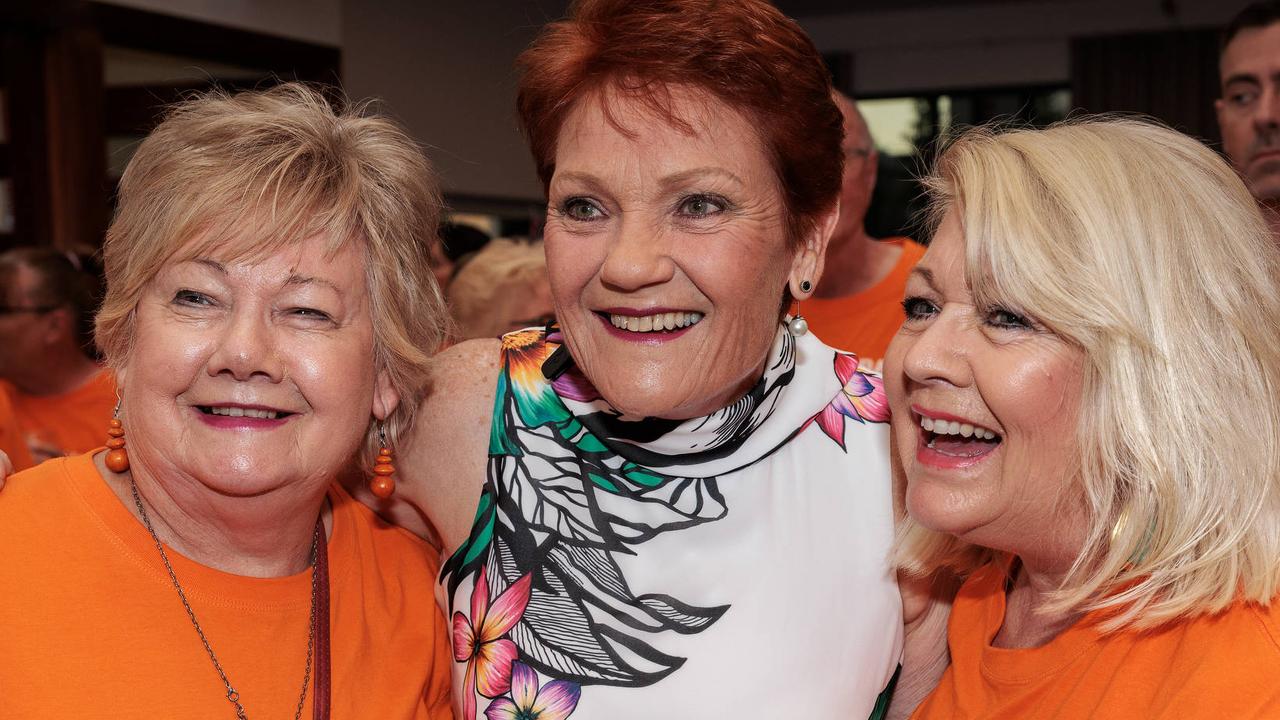
Australia’s political establishment confronts an unprecedented fragmentation as Pauline Hanson’s One Nation party achieves a seismic electoral breakthrough in South Australia. The populist movement captured a substantial 21% of first-preference lower house votes, fundamentally altering traditional political dynamics and signaling voter disillusionment with mainstream parties.
Flinders University political analyst Associate Professor Rob Manwaring characterizes this development as Australia’s entry into a ‘new political reality’ previously witnessed in European nations like Sweden, Germany and France over the past decade. Despite Labor’s technical victory with approximately 40% primary vote and the Liberal Party securing eight seats, the electoral landscape demonstrates increasing fluidity with a significant bloc of voters actively rejecting major party alternatives.
The right-wing faction faces particular challenges according to Dr. Manwaring, who notes that internal division potentially benefits Labor by preventing consolidation of opposition forces. This dynamic manifests acutely in Sussan Ley’s former constituency of Farrer, where One Nation confronts both established parties and independent candidates while navigating complex preference flows.
One Nation MP Barnaby Joyce acknowledged organizational hurdles, including candidate vetting challenges after one South Australian candidate reportedly faced assault charges in the United Kingdom. Joyce simultaneously dismissed leadership tensions with Senator Hanson while advocating for strategic voter prioritization of One Nation in upcoming Victorian and federal elections.
Federal Employment Minister Amanda Rishworth emphasized the Liberal Party’s particular need to differentiate itself from populist alternatives, citing visible fraternization between Liberal Senator Alex Antic and former conservative politician Cory Bernardi during the campaign.
South Australian Premier Peter Malinauskas, securing a second term despite voter fragmentation, observed that One Nation’s appeal extended beyond traditional conservative bases to include disaffected Labor supporters. He criticized the party’s campaign as rhetoric-heavy but policy-deficient, emphasizing mainstream parties’ dual responsibility to maintain cultural relevance while advancing substantive economic agendas focused on prosperity and opportunity distribution.