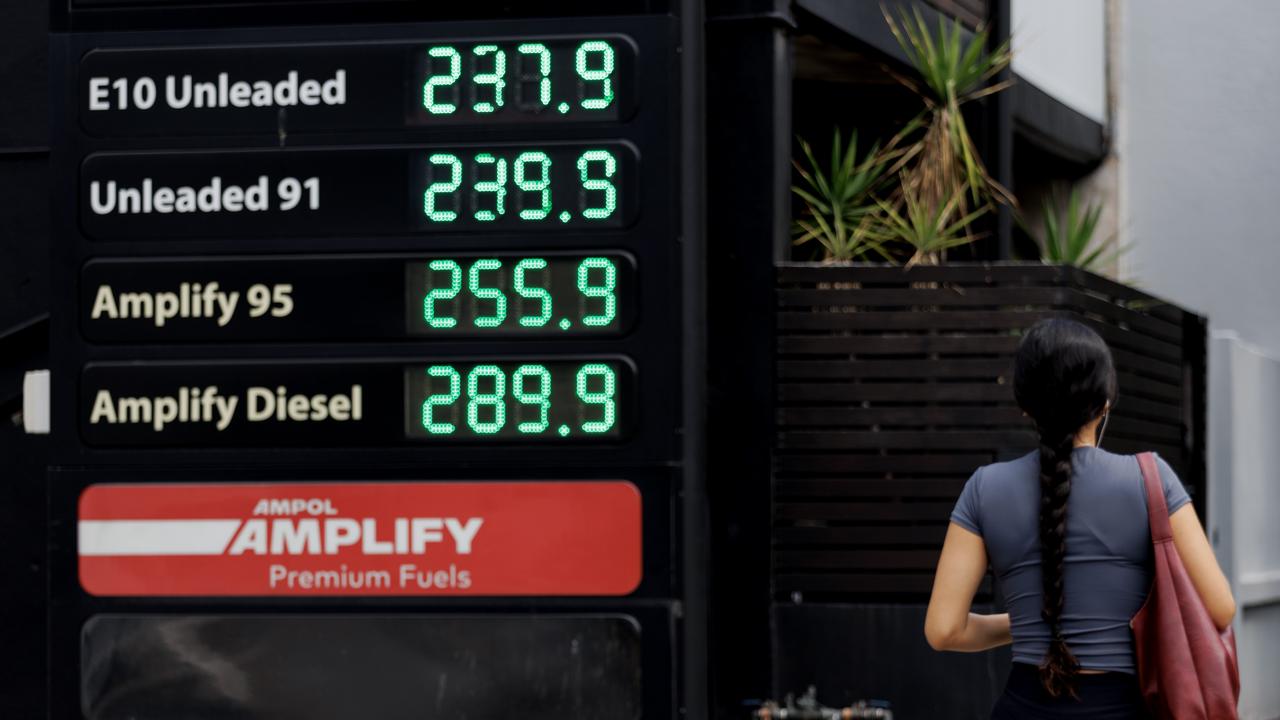
Despite soaring fuel prices and sporadic station shortages across Australia, Energy Minister Chris Bowen has confirmed the Albanese government is “not contemplating” the activation of emergency fuel powers. The declaration comes as the nation’s strategic reserves show stabilization, with current supplies indicating 38 days of petrol and approximately 30 days of diesel and jet fuel availability.
Minister Bowen, speaking on ABC Insiders, attributed recent supply challenges primarily to consumer panic buying rather than systemic failure. “Both our refineries are working absolutely full pelt,” Bowen stated, noting that fuel levels remain consistent with pre-crisis measurements despite market volatility.
The government’s multi-pronged response has included controlled releases from strategic reserves, temporary adjustments to sulfur content standards, and the recent appointment of a fuel supply task force coordinator. While Bowen previously warned of potential shipment uncertainties from mid-April, he now reports only six cancelled shipments out of an average monthly total of 81, with alternatives being secured for affected deliveries.
Australia’s fuel supply chain faces broader challenges as traditional Asian refiners in Malaysia, South Korea and Singapore reduce output. This has prompted diversification efforts including potential imports from the United States and India, though the latter raises concerns about indirectly supporting Russian oil exports through blended products.
Bowen explicitly ruled out invoking the Liquid Fuel Emergency Act 1984—never used despite previous Gulf Wars and COVID—emphasizing its designation for extreme circumstances affecting defense and health sectors. Any implementation would require consultation with the National Oil Emergency Committee and approval from the Governor-General.
With 74 of 80 expected fuel shipments scheduled for April and May, the government maintains that rationing measures remain distant possibilities under state jurisdiction, currently deemed unnecessary despite ongoing price pressures at the pump.