分类: politics

  • Iran-US talks restart as Khamenei warns Islamic Republic will not be destroyed

    Iran-US talks restart as Khamenei warns Islamic Republic will not be destroyed

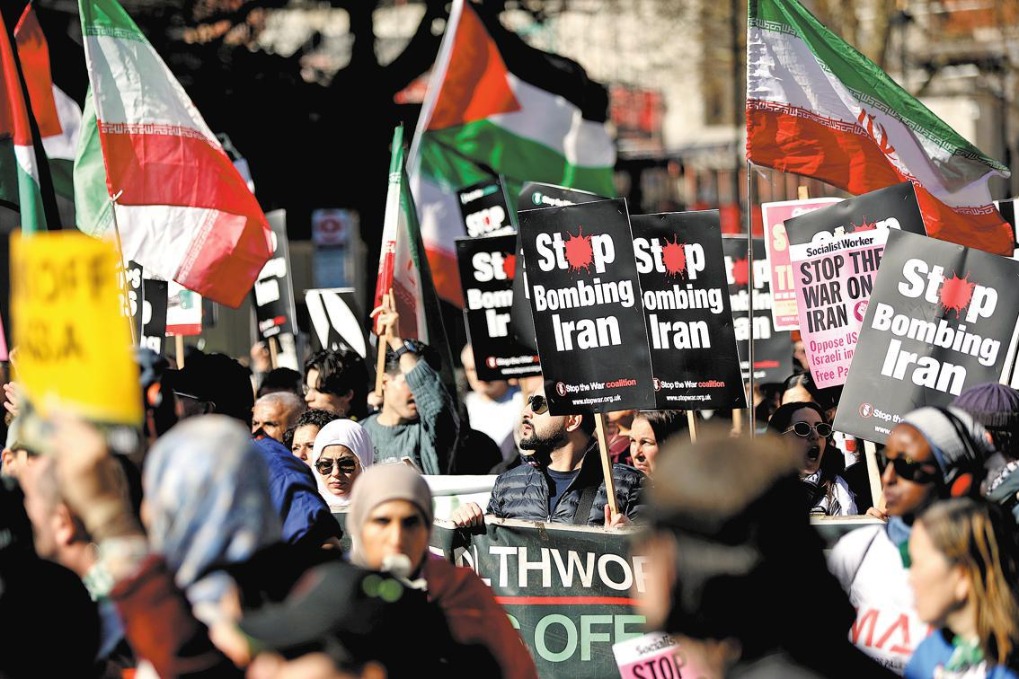
    Discreet diplomatic negotiations between Iranian and United States delegations have initiated near Geneva, facilitated by Omani mediation, in a critical effort to salvage the faltering nuclear accord and avert potential military confrontation. The high-stakes dialogue unfolds against a backdrop of intensified military maneuvers and resolute rhetoric from both capitals.

    Concurrent with the talks, Supreme Leader Ayatollah Ali Khamenei issued a stark rebuke to U.S. President Donald Trump, declaring the Islamic Republic’s resilience against external threats. “In one of his recent speeches, the U.S. president said that for 47 years America has not succeeded in destroying the Islamic Republic… I tell you: you will not succeed either,” Khamenei stated publicly.

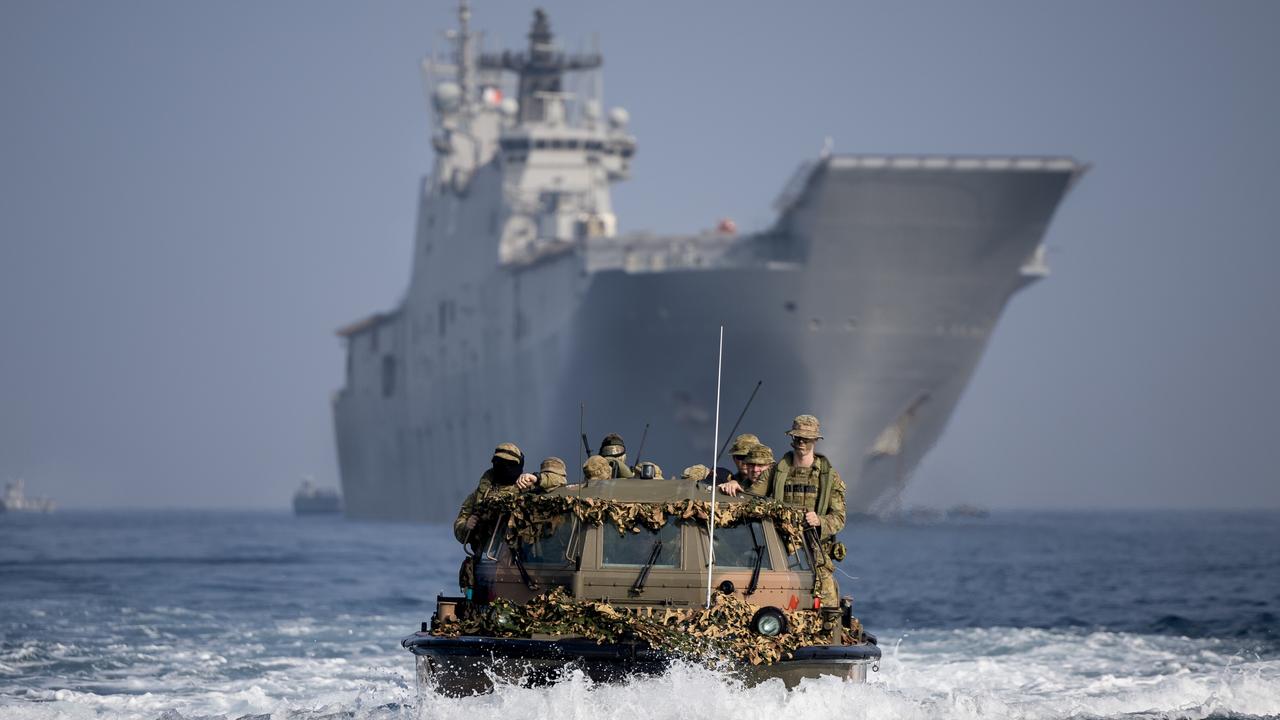
    The diplomatic engagement was shadowed by significant U.S. military deployments to the region, including the recent dispatch of the USS Gerald R. Ford aircraft carrier—the world’s largest—which brings substantial additional firepower and thousands of troops to the Middle East. This follows a pattern of previous carrier deployments preceding U.S. actions against Iran.

    Iran demonstrated its own military capabilities through exercises conducted by the Islamic Revolutionary Guard Corps (IRGC) in the strategic Strait of Hormuz, featuring ship deployments, helicopter operations, and tests of drones and missiles.

    The latest escalation follows a meeting between President Trump and Israeli Prime Minister Benjamin Netanyahu, where according to a senior administration official who spoke to the Daily Mail, Netanyahu urged a hardened stance against Iran, warning that “Iran plays games. You don’t want to get played.”

    Despite the tensions, both sides have maintained communication channels, with Iranian Foreign Minister Abbas Araghchi traveling to Switzerland to meet with Omani counterpart Badr bin Hamad al-Busaidi. Araghchi emphasized Iran’s position on X (formerly Twitter), stating he brought “real ideas to achieve a fair and equitable deal” while ruling out “submission before threats.”

    Tehran continues to assert its right to civilian nuclear development under the Nuclear Non-Proliferation Treaty (NPT) while denying weapons ambitions, even as Israel—a nuclear power itself—accuses Iran of seeking nuclear capabilities.

  • Tarique Rahman sworn in as Bangladesh’s PM after landslide election victory

    Tarique Rahman sworn in as Bangladesh’s PM after landslide election victory

    In a ceremony symbolizing profound political transformation, Tarique Rahman was formally inaugurated as Bangladesh’s Prime Minister on Tuesday following his Bangladesh Nationalist Party’s (BNP) overwhelming electoral triumph. The 60-year-old political scion, whose lineage traces back to former Prime Minister Khaleda Zia and the assassinated President Ziaur Rahman, assumes leadership amid pressing national challenges that demand immediate attention.

    The unprecedented open-air inauguration at the South Plaza of Jatiya Sangsad Bhaban—departing from traditional venues—witnessed President Mohammed Shahabuddin administering oaths to Rahman and his cabinet ministers. The ceremony gathered distinguished attendees including senior political figures, diplomatic corps, military officials, and international representatives from neighboring powers China, India, and Pakistan.

    This political restoration marks the BNP’s return to governance after nearly two decades in opposition, securing a commanding two-thirds parliamentary majority. The election also witnessed the remarkable resurgence of Jamaat-e-Islami, which captured 68 legislative seats following the revocation of its 2013 prohibition after Prime Minister Sheikh Hasina’s administration was toppled during the 2024 Gen Z-led uprising.

    The previous government, led by Hasina’s Awami League, faced electoral disqualification after the Election Commission revoked its registration. An interim administration headed by Nobel laureate Muhammad Yunus successfully steered the nation through the complex transitional period preceding these historic elections.

    Rahman’s ascension represents the culmination of an extraordinary political journey that included 17 years of self-imposed exile in London before his return last year. Despite facing persistent criticism from political adversaries regarding corruption allegations—which he consistently denies—Rahman’s homecoming galvanized party loyalists and fundamentally reshaped the BNP’s electoral strategy.

    In his initial post-victory address, the new Prime Minister emphasized national reconciliation, declaring: ‘Peace, law and order must be maintained at any cost.’ He explicitly cautioned supporters against retaliatory actions, asserting that his administration ‘will not tolerate any kind of chaos’ as Bangladesh embarks on this new political chapter.

  • Imran Khan’s sons still waiting for visas to visit ‘ailing’ father in Pakistan

    Imran Khan’s sons still waiting for visas to visit ‘ailing’ father in Pakistan

    The sons of imprisoned former Pakistani Prime Minister Imran Khan remain stranded in London, awaiting visa approvals to visit their ailing father who has suffered significant vision loss while in custody. Sulaiman Khan, 29, and Kasim Khan, 26—both British citizens from Khan’s marriage to Jemima Goldsmith—have been separated from their father since November 2022, following an assassination attempt on the former cricket star turned politician.

    The brothers submitted visa applications last month but have received no response from Pakistani authorities, leading Sulaiman to speculate that ‘the establishment is worried that if we go and see him, it would create more noise, and just more attention to his situation.’

    Medical concerns for the 73-year-old opposition leader have escalated dramatically following reports that he has lost 85% of vision in his right eye. Khan’s legal representative, Salman Safdar, appointed as amicus curiae by the Supreme Court, documented in a formal report that the former premier experienced ‘rapid and substantial vision loss over three months’ despite repeated complaints, with ‘no action taken by the jail authorities.’

    The government maintains that Khan’s eyesight has shown significant improvement under their care, but the family rejects these claims due to the exclusion of Khan’s personal physicians and family representatives during medical examinations. Aleema Khan, the former prime minister’s sister, stated to Al Jazeera that the government’s refusal to allow independent medical oversight was ‘extremely concerning and unacceptable.’

    Kasim Khan emphasized the broader implications, expressing concerns about ‘the government abiding by correct human rights processes and also the rule of law and just ensuring that he’s allowed a proper, fair trial.’ The situation has drawn international attention to Pakistan’s judicial processes and treatment of political prisoners, with Khan’s Pakistan Tehreek-e-Insaf (PTI) party continuing to challenge his incarceration on corruption charges since May 2023.

  • Family of Zambia’s ex-President Lungu dismiss poisoning allegation – lawyers

    Family of Zambia’s ex-President Lungu dismiss poisoning allegation – lawyers

    The protracted legal dispute surrounding the burial of former Zambian President Edgar Lungu has entered a new phase as his family formally denies allegations of poisoning while challenging South African police investigations. Lungu, who passed away in June 2025 at age 68 in a Pretoria clinic, remains in a South African morgue eight months later as competing claims over his final resting place continue unresolved.

    In a significant development, Johannesburg-based Mashele Attorneys, representing the Lungu family, has confirmed compliance with five subpoenas related to criminal investigations while simultaneously dismissing the poisoning claims as “unfounded and unsupported by credible evidence.” The legal team has raised serious concerns about additional police attempts to secure custody of the body, citing existing High Court orders that designate Two Mountains Funeral Services as the legitimate custodian pending resolution of legal proceedings.

    The conflict stems from fundamentally different visions for Lungu’s burial. The Zambian government, which secured a favorable court ruling in August 2025, insists on repatriating the former leader’s remains for a state funeral with full honors. Conversely, Lungu’s family maintains that the former president explicitly did not want his successor, President Hakainde Hichilema, to attend his funeral—a preference rooted in their long-standing political rivalry—and thus prefers a private burial in South Africa.

    South African police have maintained extraordinary discretion regarding the case, with spokesperson Brigadier Athlenda Mathe characterizing it as “a very sensitive matter that cannot be discussed at this stage.” The morgue currently housing Lungu’s remains has implemented around-the-clock security surveillance, underscoring the heightened sensitivity surrounding the former president’s body.

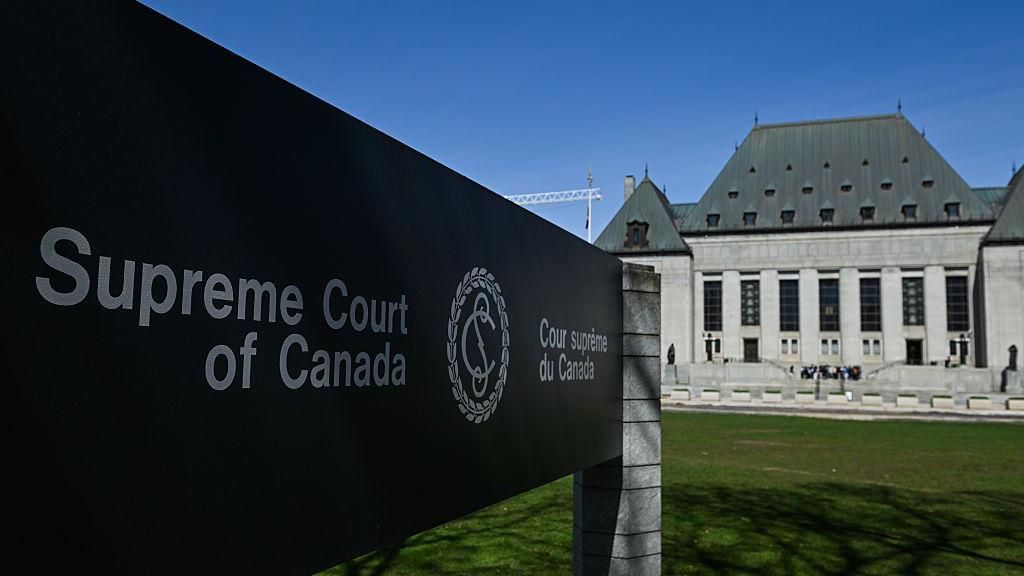
    Mrs. Lungu, who has remained in South Africa since her husband’s death, recently escalated the legal battle by filing an appeal with the Supreme Court of Appeal in Bloemfontein to overturn the previous ruling mandating repatriation to Zambia. This move ensures the complex international legal and diplomatic situation will continue indefinitely, highlighting the unusual circumstances surrounding a former head of state’s prolonged inability to be laid to rest.

  • 2nd round of indirect Iran-US nuclear talks begins in Geneva: media

    2nd round of indirect Iran-US nuclear talks begins in Geneva: media

    GENEVA — The second round of indirect nuclear negotiations between Iran and the United States commenced in Geneva on Tuesday, with Omani mediators facilitating discussions between the two longstanding adversaries, according to Saudi media reports.

    The American delegation is represented by US Presidential Special Envoy Steve Witkoff and Jared Kushner, former President Donald Trump’s son-in-law, signaling continued high-level engagement from Washington. Leading the Iranian contingent is Foreign Minister Seyed Abbas Araghchi, who heads what Iranian state media describes as a “diplomatic and specialized” delegation.

    In a recent BBC interview, Iran’s Deputy Foreign Minister Majid Takht-Ravanchi indicated Tehran’s potential flexibility regarding its stockpile of 60 percent-enriched uranium. However, he categorically rejected any possibility of completely eliminating uranium enrichment on Iranian soil, establishing a clear boundary in the negotiation parameters.

    These talks build upon the initial round held in Muscat, Oman on February 6, which both parties characterized as a “good start” despite failing to produce any substantial breakthroughs. The continued diplomatic engagement suggests both nations maintain interest in exploring potential pathways toward addressing longstanding nuclear concerns, though significant obstacles remain.

    The Geneva meetings represent ongoing efforts to revive diplomatic channels between Iran and the United States, with Oman continuing its role as intermediary in one of the most complex geopolitical relationships in the Middle East.

  • Attorney-General’s alleged role in illegal adoptions rocks Guatemala

    Attorney-General’s alleged role in illegal adoptions rocks Guatemala

    United Nations human rights experts have issued a formal call for investigation into Guatemala’s Attorney General Consuelo Porras regarding her alleged involvement in illegal international adoptions of indigenous children during the nation’s civil war period. The independent experts, appointed by the UN to advise on human rights matters, specifically reference Porras’s seven-month tenure in 1982 as director of Hogar Temporal Elisa Martínez children’s home, where she simultaneously served as legal guardian for the minors.

    The allegations center on at least 80 indigenous children who were reportedly sent abroad for adoption through illicit means during Guatemala’s 36-year internal conflict (1960-1996). The experts characterize these adoptions as occurring ‘following their capture and enforced disappearance’ and detail how such illegal adoptions typically involved fraudulent declarations of adoptability, document falsification, coercion of biological parents, and improper financial gain for intermediaries.

    Porras has vehemently denied all accusations, labeling them ‘baseless, factually unfounded and completely malicious’ while suggesting political motivations behind the timing of these allegations. Her office released a statement through AFP news agency rejecting the claims entirely.

    The UN experts expressed particular concern that no thorough, independent investigation has examined the alleged involvement of state authorities in these processes. This development emerges during a sensitive political moment for Porras, who recently failed to secure enough support from Guatemala’s Bar Association for a seat on the Constitutional Court and is simultaneously seeking an unprecedented third term as attorney general.

    Porras’s leadership has previously drawn international criticism, including US sanctions imposed in 2022 over alleged corruption claims, which she continues to deny. Her office faced additional condemnation in 2024 for allegedly attempting to prevent anti-corruption candidate Bernardo Arévalo from assuming the presidency after his electoral victory.

  • Peru’s Congress to debate a motion to remove interim President Jerí, 4 months into his term

    Peru’s Congress to debate a motion to remove interim President Jerí, 4 months into his term

    LIMA, Peru — Peru’s political landscape faces another critical test as Congress prepares to vote Tuesday on whether to remove interim President José Jerí from office. The motion comes amid ongoing corruption investigations concerning undisclosed meetings between Jerí and Chinese business executives.

    Should legislators achieve the required majority, Jerí would become the seventh Peruvian president ousted within the past decade, ending his four-month tenure and triggering another leadership transition just two months before scheduled national elections. The congressional body would then appoint a new interim leader to govern until the July 28 transfer of power to the elected president.

    The 39-year-old interim leader remains defiant despite the allegations. “I’m not dead yet,” Jerí declared during a weekend television interview on Panamericana, vowing to continue serving Peru until his “last day” in the presidential palace.

    The corruption allegations center on a leaked report detailing a clandestine December meeting with two Chinese executives. One attendee currently holds active government contracts, while the other faces investigation for alleged involvement in illegal logging operations. Jerí maintains the meeting focused on organizing a Peruvian-Chinese cultural celebration, but opponents allege corrupt motives.

    This political crisis unfolds against a backdrop of remarkable economic stability despite Peru’s chronic political instability. The Andean nation maintains one of Latin America’s lowest external debt-to-GDP ratios at 32% for 2024 and continues to attract foreign investment in mining and infrastructure sectors.

    Jerí originally assumed office in October after his predecessor was removed by Congress over corruption allegations and concerns about rising violent crime. Ironically, he now faces removal by the same legislative body that previously supported his appointment.

  • Ocalan announces first phase of PKK dissolution is complete

    Ocalan announces first phase of PKK dissolution is complete

    In a significant development for Middle Eastern geopolitics, Abdullah Ocalan, the incarcerated founder of the Kurdistan Workers’ Party (PKK), has confirmed the completion of the initial phase of his organization’s dissolution. The message was conveyed by Mithat Sancar, a parliamentarian from Turkey’s pro-Kurdish DEM Party, following a three-hour meeting with Ocalan at his Imrali Island prison.

    Sancar reported Ocalan’s declaration that ‘the first phase has concluded with the dissolution of the organisation and the termination of armed struggle,’ marking a potential watershed moment in the four-decade conflict that has claimed tens of thousands of lives. The PKK leader now emphasizes transitioning to a second phase focused on ‘integration aspects’ – what he terms ‘democratic integration.’

    This transformation follows Ocalan’s historic February 2023 appeal for the PKK and its regional affiliates – including branches in Syria, Iran, and Iraq under the Group of Communities in Kurdistan (KCK) – to disarm and disband. The PKK formally committed to this directive in March by announcing a ceasefire.

    The dissolution process faced complications regarding the status of the Syrian Democratic Forces (SDF), led by the PKK’s Syrian affiliate, the People’s Protection Units (YPG). Escalating clashes between Syrian government forces and the SDF earlier this year threatened to derail the entire process until diplomatic interventions prevailed.

    Sancar credited multiple actors for facilitating negotiations, including Iraqi Kurdish leaders Masoud Barzani, Nechirvan Barzani, and Bafel Talabani, while emphasizing Ocalan’s behind-the-scenes role as crucial. US-backed negotiations culminated in a January 30 integration agreement and ceasefire, transferring control of northeastern Syria to Damascus and outlining phased integration of SDF forces into the Syrian army.

    Ocalan maintains that integration must transcend mere merger, requiring ‘recognition of existence and rights [of Kurds], democracy, and protection of those gains.’ He has simultaneously demanded improved living and communication conditions at Imrali to contribute effectively to the second phase.

    The developments coincide with unexpected support from Devlet Bahceli, chairman of the nationalist MHP party and architect of the PKK deal, who recently advocated for Ocalan to receive the ‘right to hope’ – a Turkish legal principle allowing life-sentenced prisoners possibility of release. Bahceli also called for reinstating removed Kurdish mayors and releasing Kurdish political leader Selahattin Demirtas.

  • France releases suspected Russian ‘shadow fleet’ tanker after fine paid

    France releases suspected Russian ‘shadow fleet’ tanker after fine paid

    French authorities have released the oil tanker Grinch after its ownership paid a substantial financial penalty, concluding a three-week detention near Marseille. The vessel, sailing under a Comoros flag but originating from Murmansk in northern Russia, was intercepted by French naval forces in the Mediterranean in January as part of intensified efforts to combat Russia’s sanctions evasion network.

    French Foreign Minister Jean-Noël Barrot confirmed the tanker’s release on Tuesday, emphasizing that circumventing European sanctions now carries significant consequences. ‘Russia will no longer be able to finance its war with impunity through a ghost fleet off our coasts,’ Barrot stated in a social media post, referencing Moscow’s ongoing conflict in Ukraine.

    The Marseille judicial court administered the penalty through a guilty plea procedure, though the precise fine amount remains undisclosed. Officials described it as ‘several million euros’ in value. The tanker had been immobilized at Fos-sur-Mer port during the legal proceedings, incurring additional operational costs for its operators.

    This incident highlights the expanding challenge of shadow fleets—clandestine networks of aging tankers with obscure ownership structures deliberately designed to bypass Western sanctions on Russian, Iranian, and Venezuelan oil exports. Monitoring groups estimate this covert fleet has grown to approximately 1,468 vessels, nearly triple its size since Russia’s 2022 invasion of Ukraine.

    The French action aligns with recent multinational efforts to enforce energy sanctions. In January, British armed forces supported a U.S. operation to seize another Russian-flagged tanker in the Atlantic for similar violations, though Moscow continues to denounce such interventions as unlawful acts against properly registered vessels.

  • Sri Lankan lawmakers scrap their pensions, delivering on a campaign promise

    Sri Lankan lawmakers scrap their pensions, delivering on a campaign promise

    COLOMBO, Sri Lanka — In a sweeping legislative action addressing public anger over economic mismanagement, Sri Lanka’s parliament voted decisively on Tuesday to eliminate pension benefits for lawmakers. The bill passed with overwhelming support, receiving 154 votes in favor with only two oppositions in the 225-member assembly.

    The move fulfills a central campaign pledge by President Anura Kumara Dissanayake’s Marxist-leaning government, elected in 2024 amid widespread resentment toward political elites blamed for the nation’s devastating 2022 economic collapse. The new legislation terminates payments to all current recipients and those who would have qualified under the previous system, which provided pensions after just five years of parliamentary service.

    This represents the administration’s second major austerity measure targeting political privileges, following September’s abolition of perks for former presidents that included state-funded housing, allowances, pensions, transportation, and dedicated offices with staff for ex-leaders and their widows.

    Justice Minister Harshana Nanayakkara, who presented the bill, emphasized that lawmakers had “no moral right” to receive pensions while the nation struggles to recover from its worst economic crisis. The country declared bankruptcy in April 2022 with over $83 billion in debt, prompting a $2.9 billion International Monetary Fund bailout package in 2023.

    Sri Lanka’s economic devastation—characterized by severe shortages of food, medicine, fuel, and electricity—sparked mass protests that ultimately forced former President Gotabaya Rajapaksa from office. The crisis stemmed from economic mismanagement compounded by COVID-19 pandemic impacts and 2019 terrorism attacks that crippled the vital tourism industry.

    The government recently announced completion of debt restructuring agreements with bilateral, multilateral, and private creditors, seeking $17 billion in debt service relief as the nation continues its recovery journey.