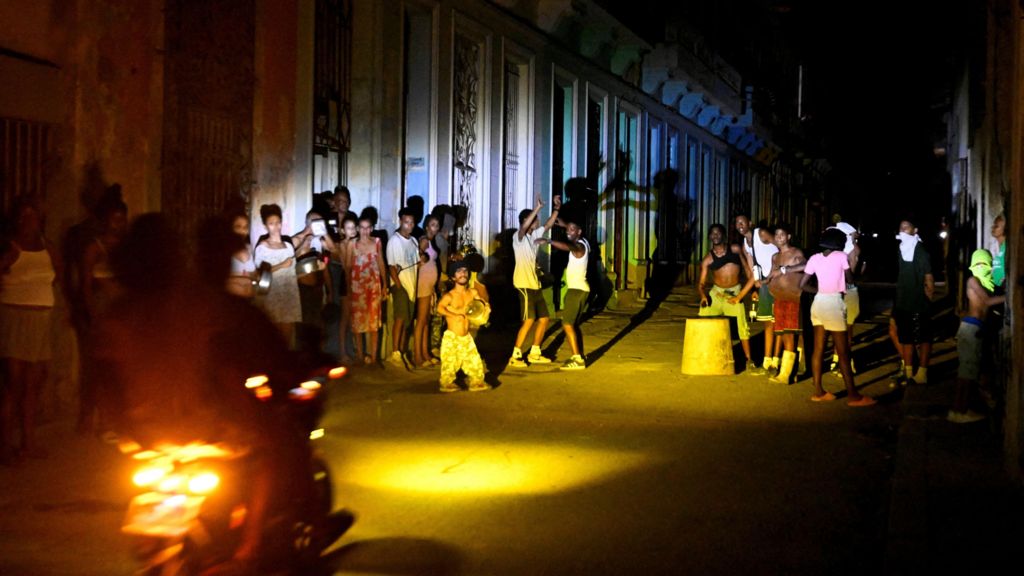
Cuba is grappling with a severe nationwide power outage that has left over 10 million residents and businesses without electricity, marking the second total collapse of the national grid within a single week. The Caribbean nation’s energy ministry confirmed a “total disconnection of the National Electrical System” through an official social media statement, adding that restoration protocols had been immediately initiated.
The state grid operator UNE has begun gradual power restoration, prioritizing essential facilities including hospitals and water distribution systems. This crisis represents the third major blackout this month, exacerbating existing challenges caused by an aging electrical infrastructure and chronic fuel shortages. The current energy emergency is directly linked to a U.S. fuel blockade that has severely restricted Cuba’s access to foreign oil imports necessary for power generation.
In response to the deteriorating conditions, rare public demonstrations have emerged across the island. Residents of central Havana engaged in pot-banging protests on Monday, while in the town of Morón, protesters attacked and set fire to the local Communist Party headquarters. Such unauthorized gatherings carry significant legal risks in Cuba, where dissent is typically met with severe penalties.
International socialist organizations have mobilized support efforts, with the “Nuestra America” aid convoy departing from Mexico carrying solar panels, basic food supplies, and medical provisions. Rough sea conditions temporarily delayed the flotilla’s arrival in Havana, though it was expected to reach port Monday.
The crisis has intensified geopolitical tensions between Havana and Washington. Former U.S. President Donald Trump has repeatedly suggested potential intervention in Cuban affairs, including remarks about a “friendly takeover” of the island nation. Trump has reportedly conditioned the lifting of the fuel embargo on the removal of Cuban President Miguel Díaz-Canel, a key regional ally of Venezuela.
President Díaz-Canel has responded by announcing a “preparation plan to raise our people’s readiness for defense” against potential U.S. military aggression. Despite these tensions, both governments have engaged in preliminary bilateral discussions aimed at resolving the crisis, though progress remains unclear. Cuban officials have firmly stated that their political system and leadership are “not subject to negotiation with the United States.”