分类: politics

  • How Ghislaine Maxwell brought Bill Clinton into Epstein’s orbit

    How Ghislaine Maxwell brought Bill Clinton into Epstein’s orbit

    Previously undisclosed photographs and email correspondence from Department of Justice files have unveiled fresh insights into the extensive relationship between former President Bill Clinton and convicted sex trafficker Jeffrey Epstein. The evidence, released ahead of Friday’s congressional hearing, depicts a complex web of social and philanthropic connections facilitated by Epstein’s accomplice Ghislaine Maxwell.\n\nVisual evidence shows Clinton engaging in nocturnal swimming with Maxwell, sharing backstage moments at Hong Kong concerts with Epstein, and relaxing in obscured-face hot tub scenarios. While these images don’t implicate Clinton in criminal activity, they illustrate the social proximity between the former president and the disgraced financier during the early 2000s.\n\nThe documentation reveals how Maxwell served as the crucial intermediary between Clinton’s philanthropic ambitions and Epstein’s network of influence. Email exchanges between Maxwell and Clinton’s chief aide Doug Band from 2002-2004 display unusually familiar correspondence filled with flirtatious language and sexual innuendo. Band referred to Maxwell as his \”social matchmaker\” and \”lover,\” while she complimented his physical and social capabilities.\n\nFlight records indicate Clinton utilized Epstein’s private aircraft on at least 24 occasions between 2002-2003, traveling to Africa, Europe, Asia, and Russia. Clinton’s representatives maintain these trips exclusively supported Clinton Foundation initiatives, with the former president stating Epstein’s plane accommodated his staff and Secret Service detail for philanthropic missions.\n\nIn a 2025 deposition, Maxwell claimed direct responsibility for connecting the two men, stating: \”Epstein had visited the White House, but they had not met. They met because of me.\” She further acknowledged specifically requesting Epstein provide air transportation for Clinton’s charitable endeavors.\n\nThe released materials arrive as Clinton prepares to face rigorous questioning from a Republican-led congressional committee. His spokesperson Angel Ureña reiterated that \”President Clinton knew nothing about Epstein’s crimes and has nothing to hide,\\” emphasizing that all association ceased years before Epstein’s 2006 indictment.\n\nIn his 2024 memoir, Clinton expressed profound regret about the association, writing: \”The bottom line is, even though it allowed me to visit the work of my foundation, traveling on Epstein’s plane was not worth the years of questioning afterward. I wish I had never met him.\”

  • Iranian, US delegations present ‘practical proposals’ in nuclear talks: Iran’s foreign ministry spokesman

    Iranian, US delegations present ‘practical proposals’ in nuclear talks: Iran’s foreign ministry spokesman

    In a significant development in the protracted nuclear negotiations, Iranian and American delegations have presented substantial and practical proposals addressing both nuclear limitations and sanctions relief. The talks, conducted indirectly through Omani mediation in Geneva, marked a potential turning point in the longstanding diplomatic stalemate.

    According to Iranian Foreign Ministry spokesman Esmaeil Baghaei, both delegations tabled “very important and practical proposals” during Thursday’s intensive negotiations. The discussions remained exclusively focused on nuclear matters, with Baghaei emphasizing this singular priority following a three-hour session that prompted both sides to briefly adjourn for internal consultations.

    The Omani Foreign Ministry, facilitating the dialogue, reported an “unprecedented openness to new and creative ideas and solutions” from both negotiating parties. This assessment suggests a potentially more flexible approach than in previous rounds of discussions.

    Adding significant weight to the proceedings, Ali Shamkhani, Secretary of Iran’s Supreme National Security Council and senior advisor to Supreme Leader Ali Khamenei, declared that an immediate agreement could be reached if the primary concern remains preventing Iranian nuclear weapons development. Shamkhani noted this position aligns with both Iran’s defense doctrine and a religious decree issued by Khamenei.

    The negotiations, led by Iran’s Deputy Foreign Minister Abbas Araghchi and US Special Envoy Steve Witkoff, occur against a backdrop of heightened regional tensions and US military buildup. Araghchi’s preliminary meeting with Omani counterpart Sayyid Badr bin Hamad Albusaidi on Wednesday evening helped establish Iran’s positions on both nuclear limitations and sanctions relief ahead of the main discussions.

    The talks represent the third round of indirect negotiations between the longstanding adversaries, with previous discussions having yielded limited progress. Both delegations were scheduled to reconvene between 17:30 and 18:00 Geneva time to continue deliberations.

  • Iran’s talks with US to resume at 17:30-18:00 Geneva time, says foreign ministry spokesman

    Iran’s talks with US to resume at 17:30-18:00 Geneva time, says foreign ministry spokesman

    Diplomatic channels between Iran and the United States are reactivating as both nations prepare to resume critical negotiations in Geneva. According to an official statement from Iran’s Foreign Ministry spokesman, the talks are scheduled to commence between 17:30 and 18:00 local time on February 26, 2026.

    The Iranian negotiating delegation has already departed for the discussion venue in Switzerland, signaling Tehran’s commitment to the diplomatic process. This meeting represents a significant development in the complex relationship between the two nations, which has been characterized by extended periods of tension interspersed with brief diplomatic engagements.

    The timing of these talks coincides with broader geopolitical shifts in the Middle East and comes amid international scrutiny of Iran’s nuclear program. The Geneva setting provides a neutral ground for both parties to address longstanding disputes and potentially find common ground on security concerns and economic sanctions.

    While the specific agenda items remain undisclosed, observers anticipate discussions will center on nuclear non-proliferation, regional security frameworks, and the potential easing of economic restrictions that have significantly impacted Iran’s economy. The outcome of these talks could have far-reaching implications for Middle Eastern stability and global non-proliferation efforts.

    The resumption of dialogue follows a period of strained relations and represents a cautious step toward diplomatic reconciliation. Both nations approach the negotiating table with distinct priorities and constraints, creating a complex dynamic that will test diplomatic skills on both sides.

  • ‘Trump logic:’ How Trump went from declaring victory over Iran to the cusp of a new war

    ‘Trump logic:’ How Trump went from declaring victory over Iran to the cusp of a new war

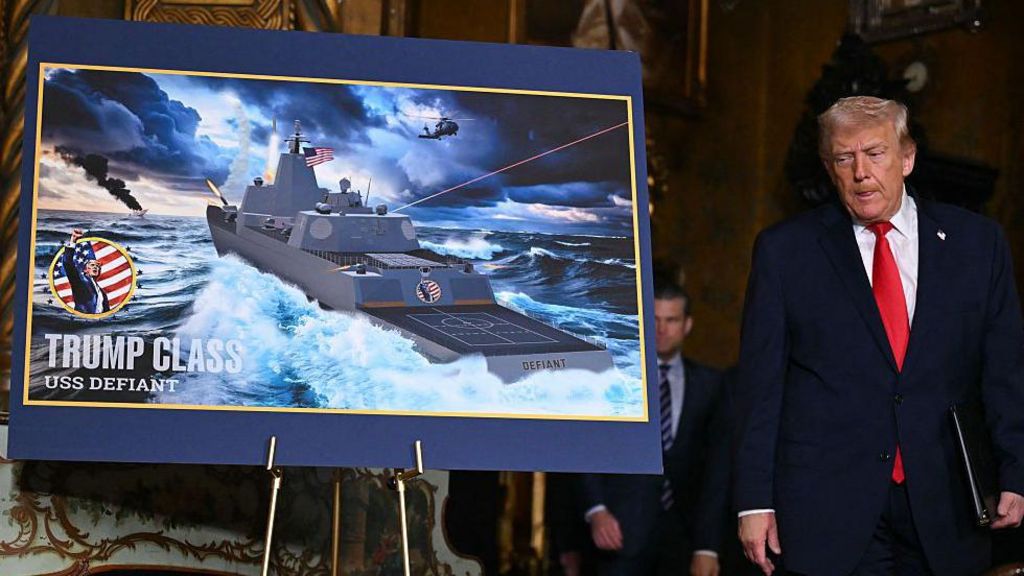
    President Donald Trump’s State of the Union declaration that the U.S. “obliterated” Iran’s nuclear program stands in stark contrast to his administration’s current warnings about Tehran’s rapid nuclear reconstitution, exposing a fundamental contradiction in White House rhetoric. This paradoxical positioning emerges as the administration appears to be constructing new justifications for potential military action against Iran.

    Senior administration officials, including Trump’s envoy Steve Witkoff, now assert Iran could be “a week away from having industrial grade bomb making material” – a claim experts find irreconcilable with earlier assertions of complete destruction. The discrepancy highlights what analysts describe as an increasingly concerning pattern of escalation.

    The June 2025 joint U.S.-Israeli operation, dubbed “Midnight Hammer,” targeted three Iranian nuclear facilities at Fordow, Natanz, and Isfahan. While Trump initially celebrated the operation as concluding the Iranian nuclear threat, his own Pentagon assessed the strikes merely set back Iran’s program by up to two years. Current intelligence suggests no evidence of renewed uranium enrichment activities.

    Recent weeks have witnessed a strategic pivot in administration rhetoric, with officials now emphasizing Iran’s ballistic missile capabilities as potential justification for conflict. Trump specifically referenced developing missiles that could threaten Europe and eventually reach U.S. territory, despite Defense Intelligence Agency assessments indicating Iran remains years away from viable intercontinental capabilities.

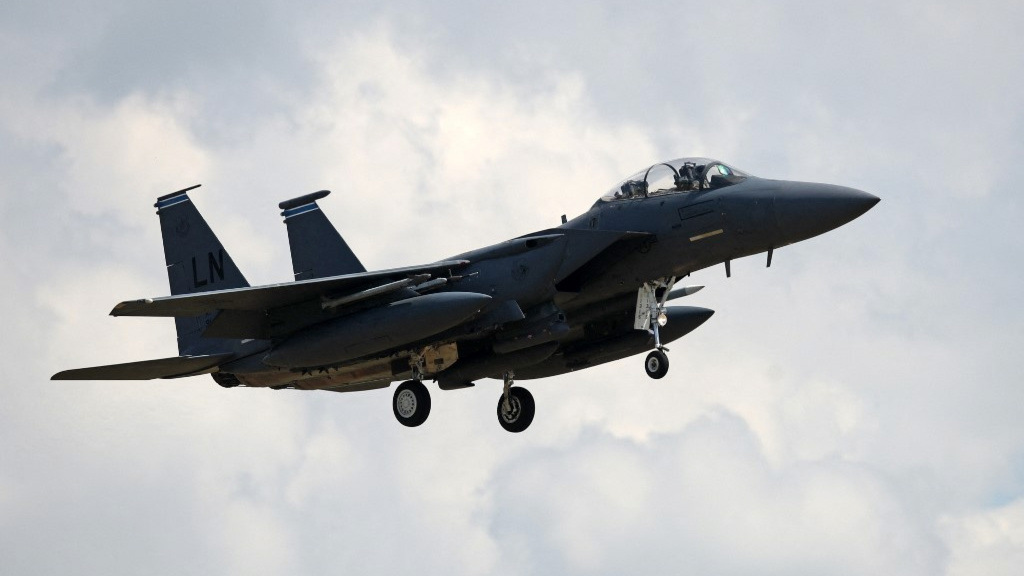
    The military context reveals substantial U.S. force deployment to the region, including two aircraft carrier strike groups and advanced fighter squadrons – the largest concentration of American military assets in the Middle East since the 2003 Iraq invasion. This buildup began during Iranian domestic protests in January, with Trump encouraging demonstrators to “take over government institutions.

    Political analysts point to significant Israeli influence, particularly following Prime Minister Benjamin Netanyahu’s December White House visit. The Israeli government, having successfully degraded Iran’s air defenses in previous operations, now reportedly seeks U.S. action against Iran’s missile programs, which proved effective during recent conflicts.

    Domestically, the administration faces limited public appetite for conflict, with University of Maryland polling showing only 21% of Americans support war with Iran. Even among Republican voters, support barely reaches 40%. Despite this, experts suggest Trump’s personal commitment to avoiding perceived weakness, particularly comparisons to President Obama’s Syria policy, may drive escalation.

    The administration’s negotiation posture, led by Witkoff and Jared Kushner, appears premised on Iranian capitulation rather than mutual compromise. This approach, combined with the regime change discussions reportedly occurring within administration circles, creates a dangerous environment where miscalculation could trigger conflict, potentially fulfilling the objectives of interventionist factions in Washington and Jerusalem.

  • Canadian Prime Minister Mark Carney visits India to restore relations and diversify away from US

    Canadian Prime Minister Mark Carney visits India to restore relations and diversify away from US

    Canadian Prime Minister Mark Carney has embarked on a strategic mission to India this week, signaling a significant shift in Canada’s foreign policy approach aimed at reducing economic dependence on the United States. The visit marks Carney’s first official trip to the world’s fourth-largest economy since taking office, representing a deliberate effort to repair bilateral relations following a serious diplomatic crisis.

    The diplomatic rupture occurred in September 2023 when former Prime Minister Justin Trudeau publicly alleged Indian government involvement in the killing of Sikh separatist leader Hareep Singh Nijjar near Vancouver. New Delhi vehemently denied the accusations and counter-alleged that Canada was harboring extremists, creating what Professor Daniel Béland of McGill University described as “a spectacular deterioration of Canada-India relations.”

    Nijjar, a prominent advocate for the banned Khalistan movement seeking an independent Sikh homeland, was considered a human rights activist by Sikh organizations. The allegations extended beyond Canada, with U.S. prosecutors also accusing Indian officials of directing a failed assassination plot against another Sikh separatist leader in New York.

    Current Public Safety Minister Gary Anandasangaree acknowledges that significant work remains to prevent Indian government agents from coercing or intimidating individuals within Canada. Sikh community representatives have expressed deep disappointment with Carney’s approach, viewing it as capitulation to Indian interests despite ongoing concerns about activist harassment.

    The diplomatic reset occurs against the backdrop of escalating trade tensions with the United States. President Donald Trump’s recent threat to impose 100% tariffs on Canadian goods over proposed China trade deals has accelerated Ottawa’s urgency to diversify trade relationships. Carney has explicitly set a goal to double Canada’s non-U.S. exports within the next decade.

    Professor Robert Bothwell of the University of Toronto notes that Carney’s ‘Davos doctrine’—condemning economic coercion by great powers against smaller nations—finds practical application in this outreach to India. Both countries share mutual interest in stabilizing trade relationships amid what Bothwell characterizes as Trump’s “whimsical, capricious and aggressive use of tariffs as a weapon.”

    Despite the historical tensions, economic pragmatism appears to be driving reconciliation. India ranked as Canada’s seventh-largest trading partner in 2024, with both nations having moved to advance a trade deal last year after years of mistrust. Political analyst Nelson Wiseman observes that attitudes between the two nations have taken “a 180-degree turn” under Carney’s business-oriented leadership, contrasting sharply with his predecessor’s approach.

  • Israeli army chief ‘silent’ on potentially devastating cost of new war with Iran

    Israeli army chief ‘silent’ on potentially devastating cost of new war with Iran

    Israel’s top military commander has expressed grave concerns in private deliberations about the catastrophic implications of escalating hostilities with Iran, even as official channels maintain public silence on the matter. Chief of Staff General Zamir, who assumed leadership of Israel’s Defense Forces in March 2025, has reportedly cautioned senior officials about the severe national security risks that would emerge from such a confrontation, according to revelations by Ynet on Thursday.

    The military establishment faces significant political pressure from Prime Minister Netanyahu’s administration to refrain from public discussion of potential consequences and strategic risks associated with military action against Iran. This suppression of military assessment occurs amid heightened regional tensions and widespread public anxiety about possible conflict escalation.

    Military strategists within Israeli defense circles anticipate that any U.S.-Israeli coordinated action against Iran could trigger a prolonged war of attrition, potentially lasting several months. This scenario would involve sustained missile attacks targeting Israeli territory not only from Iran but also through proxy forces in Lebanon, Yemen, and Iraq. The economic impact on Israel’s economy would be substantial, with defense analysts predicting severe strain on national resources.

    Despite Israel’s military preparedness following the June 2025 exchange with Iran, current planning does not account for a joint American-Israeli offensive operation. The Israeli military remains focused on rebuilding its operational capabilities and strengthening defensive positions.

    Diplomatic efforts continue simultaneously, with U.S. envoys Steve Witkoff and Jared Kushner engaging Iranian Foreign Minister Abbas Araghchi in Geneva negotiations. These talks occur against a backdrop of anticipated American military action and dangerously elevated tensions affecting the Israeli population.

    Prime Minister Netanyahu delivered characteristically stern warnings to Iran during a Knesset address, stating Israel would respond with unimaginable force to any aggression. However, the Israeli public remembers the recent conflict’s devastation—30 fatalities, 3,200 injuries, and approximately $3 billion in damages from Iranian missile strikes in June.

    The psychological and physical scars remain fresh for many citizens. In Bat Yam, near Tel Aviv, hundreds of residents still cannot return to their homes eight months after the previous conflict. Smadar Ronen, a Tel Aviv lawyer evacuated during the June strikes, describes suffering from PTSD and sleeping difficulties while criticizing the government’s inadequate support for affected civilians. Her experience mirrors that of over 15,000 evacuated residents who continue struggling with the war’s aftermath.

    Current military movements, including frequent U.S. aircraft arrivals and naval deployments in the Mediterranean, further intensify public apprehension without accompanying official reassurance, creating an atmosphere of heightened anxiety throughout Israeli society.

  • Iranian press review: Seven protesters face imminent execution

    Iranian press review: Seven protesters face imminent execution

    Iranian authorities have officially confirmed the issuance of death sentences to at least seven individuals detained during recent anti-government demonstrations, marking the first domestic acknowledgment of such judicial decisions. The Norway-based Iran Human Rights organization had previously documented numerous death penalty cases among protesters, but Tehran’s confirmation signals an escalation in the government’s response to dissent.

    Legal representatives for three condemned prisoners—19-year-old Mohammad Amin Biglari, 31-year-old Yaser Rajaeifar, and 40-year-old Shahab Zohdi—revealed their clients received death rulings on February 7th. Defense attorney Hassan Agakhani disclosed that neither he nor co-counsel Maryam Sadrnia have been permitted access to case files or trial proceedings, creating severe procedural irregularities in the judicial process. Four additional defendants—Abolfazl Salehi Siavashani, Amir Hossein Hatami, Shahin Vahediparast, and Ali Fahim—face identical sentences in connection with the same case.

    The government’s delayed announcement of these sentences contrasts with previous protest responses, where executions were rapidly carried out to intimidate dissenters. This unusual postponement follows former U.S. President Donald Trump’s warning of potential military retaliation should executions proceed.

    Contradicting official statements regarding detained minors, educational activists report at least 50 students remain imprisoned despite government claims of universal releases. Mohammad Habibi, spokesperson for the Council of Teachers’ Unions, disputed Education Minister Alireza Kazemi’s assertion that all student protesters had been freed, noting families’ reluctance to publicize detentions over fears of complicating release negotiations. Authorities have attempted to justify ongoing youth detentions by claiming those held aren’t formally enrolled students—an argument legal experts reject as violating compulsory education age protections.

    Simultaneously, Iran’s electoral landscape shows further contraction of political participation. The finalized candidate list for upcoming urban and rural council elections reveals systematic exclusion of reformists and conservative critics. The Etemad daily newspaper characterized the widespread disqualifications as evidence of “structural contraction in local politics” rather than mere factional competition. Reformist figure Ismail Gerami-Moghaddam, himself barred from candidacy, condemned the purges as demonstrating governing bodies’ refusal to adapt despite mounting international pressure and domestic unrest.

    In a separate development, Iranian authorities attributed a mass text message received by approximately 50,000 citizens—purportedly from U.S. President Trump threatening imminent action—to foreign hacking of the national messaging system. This incident mirrors similar cybersecurity breaches following last year’s military confrontation with Israel.

  • Netanyahu accused of inventing Knesset award for Modi

    Netanyahu accused of inventing Knesset award for Modi

    Israeli parliamentary authorities faced intense scrutiny this week after bestowing Prime Minister Narendra Modi with a previously non-existent honor during his official visit. The newly created ‘Knesset Medal’ was presented to Modi by Knesset Speaker Amir Ohana amid claims from opposition members that the award had been hastily established without proper regulatory approval.

    According to reports from Ynet, opposition politicians revealed that the medal had no precedent in Knesset regulations, lacked committee or presidential approval, and had been essentially ‘invented’ specifically for Modi’s visit. The award’s official webpage initially remained non-functional following the ceremony, while its Wikipedia entry appeared to have been created mere hours after the presentation.

    MK Dov Khenin of the opposition criticized the move as symptomatic of broader institutional decline under Prime Minister Benjamin Netanyahu’s government. ‘What we see in recent times in the Knesset is the total departure from basic rules and traditions,’ Khenin told Middle East Eye, describing the legislature’s transformation into a tool for government policy rather than an independent institution.

    The medal presentation occurred alongside a diplomatic boycott by numerous opposition members protesting Speaker Ohana’s exclusion of Supreme Court President Isaac Amit from the event. Despite the controversy, Ohana praised Modi for creating ‘a strategic alliance between Israel and India’ and demonstrating ‘courageous, consistent and sincere friendship’ with Israel.

    Modi accepted the honor with gratitude, characterizing it as recognition of strengthened bilateral ties rather than personal achievement. During his address, the Indian leader condemned Hamas’s October 7 attacks as ‘barbaric terror’ while affirming India’s firm support for Israel.

    The visit produced substantial agreements between the nations, including memoranda of understanding covering artificial intelligence, cybersecurity, agriculture, and education. Defense cooperation agreements potentially worth $10 billion were also discussed, signaling deepening strategic partnership.

    Domestically, Modi faced criticism from some quarters for allegedly enabling Israel’s military operations in Gaza, where Palestinian casualties have exceeded 72,000. Despite maintaining official support for a two-state solution, India has provided consistent diplomatic and material support to Israel since October 2023.

  • Jeremy Corbyn to be Your Party leader after beating Zarah Sultana in leadership vote

    Jeremy Corbyn to be Your Party leader after beating Zarah Sultana in leadership vote

    In a decisive internal election, former Labour leader Jeremy Corbyn has secured a commanding victory for his faction within the nascent Your Party, winning control of its Central Executive Committee (CEC). The results, announced Thursday, revealed Corbyn’s ‘The Many’ slate captured 14 of 24 seats, decisively defeating the rival faction led by MP Zarah Sultana, which secured seven positions. Sultana herself was elected to the committee despite her slate’s overall defeat.

    The election, which saw a 61% turnout among the party’s 40,985 verified members, represents a critical juncture for the left-wing movement. It concludes months of internal strife over the party’s leadership structure and political direction. While the party’s founding conference in November had voted in favor of Sultana’s preferred model of collective leadership over Corbyn’s single-leader proposal, this subsequent committee election has handed organizational control to Corbyn’s allies.

    Corbyn’s victorious slate includes MPs Shockat Adam and Ayoub Khan, fellow members of the parliamentary Independent Alliance. In a statement following the win, Corbyn expressed delight, framing it as an endorsement for a “mass, socialist party” ready to challenge both Keir Starmer’s Labour and Nigel Farage’s Reform UK. He pledged to build a “positive and inclusive party where all members feel empowered” and to unite the movement around a vision for a “more caring, equal and peaceful society.”

    The contest was widely interpreted as a battle for the party’s soul. Corbyn’s faction advocates a broad-church approach aimed at maximizing appeal and engaging previously disenfranchised voters. In contrast, Sultana’s camp emphasizes an uncompromising adherence to leftist principles, a member-led structure, and the empowerment of existing grassroots movements.

    Your Party emerged in the political aftermath of the 2024 general election, galvanized by outrage over the war in Gaza and perceptions of British complicity, which also fueled the unprecedented election of five independent MPs. The party quickly garnered hundreds of thousands of sign-ups and initially polled above 10%. However, its rapid growth has been accompanied by intense factional disputes.

    Tensions escalated from the outset, with sources close to Corbyn criticizing Sultana and her husband for acting unilaterally in a “rash and controlling” manner. Conversely, Sultana’s allies expressed concern over the influence of longtime Corbyn aides, such as his former chief of staff Karie Murphy. Internal conflicts also erupted publicly over issues like trans rights, leading to the departure of MPs Adnan Hussain and Iqbal Mohamed ahead of the November conference. Despite the internal divisions, Sultana has since moderated her stance on ideological purity, acknowledging the need to reflect a broad base of society to win elections, while still maintaining that a progressive position on trans rights is essential for a socialist party.

    With the committee election concluded, Corbyn emerges with a firm mandate to shape the party’s future, though Sultana’s significant presence on the CEC ensures continued debate over its trajectory.

  • Mandelson referred to EU anti-fraud agency over Epstein emails

    Mandelson referred to EU anti-fraud agency over Epstein emails

    The European Commission has formally requested the European Anti-Fraud Office (OLAF) to initiate an investigation into former EU Trade Commissioner Lord Mandelson following the disclosure of communications with convicted sex offender Jeffrey Epstein. This development emerges amidst ongoing legal scrutiny concerning the British peer’s alleged misconduct during his tenure in both European and UK governmental positions.

    Commission spokespersons confirmed the referral occurred on February 18th, prompted by recently published documents in the United States that revealed extensive correspondence between Lord Mandelson and Epstein. These communications suggest the former trade envoy may have provided Epstein with confidential government information during Mandelson’s term as UK Business Secretary in 2010, including advance notice of a €500 billion emergency bailout package designed to stabilize the struggling euro currency.

    The investigation intensifies following Lord Mandelson’s arrest by UK authorities on Monday under suspicion of misconduct in public office. Although released on bail in the early hours of Tuesday, the peer was required to surrender his passport amid concerns about potential flight risk—a possibility reportedly raised by Commons Speaker Sir Lindsay Hoyle with the Metropolitan Police.

    While Lord Mandelson has maintained public silence regarding the allegations, sources indicate he denies any criminal wrongdoing or financial motivation. His legal representatives have strongly criticized the arrest decision, dismissing suggestions he planned to leave the UK as having “absolutely no truth.”

    This episode marks the latest development in the ongoing scrutiny of Lord Mandelson’s association with Epstein, which previously led to his dismissal as UK ambassador to the United States. Prime Minister Sir Keir Starmer subsequently apologized to Epstein’s victims, acknowledging that Mandelson had misrepresented the extent of his relationship with the financier during official vetting procedures. Epstein died in 2019 while awaiting trial on sex trafficking charges.

    The European Commission emphasized that all members are subject to strict codes of conduct, stating: “We are assessing whether there is any breach of the respective obligations. Given the circumstances and the significant amount of documents made available publicly, we asked OLAF to look into the matter.”