分类: politics

  • American flag raised at US Embassy in Venezuela for the 1st time since 2019

    American flag raised at US Embassy in Venezuela for the 1st time since 2019

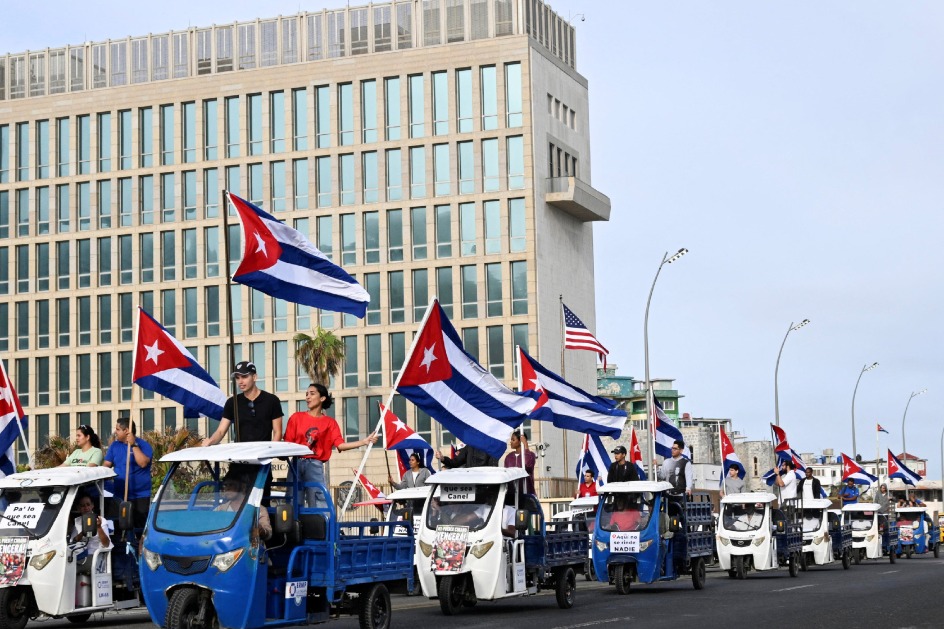
    CARACAS, Venezuela — In a significant diplomatic development, the United States officially reopened its embassy in Caracas on Saturday, marking the first time the American flag has flown over the compound since 2019. The ceremony signals a notable warming in bilateral relations following the dramatic capture of former President Nicolás Maduro by U.S. forces in January.

    The embassy reopening follows multiple supportive statements from U.S. President Donald Trump toward acting President Delcy Rodríguez, Maduro’s successor, who has actively pursued continued dialogue with the American administration. U.S. Embassy officials emphasized the historical significance of the moment, noting the flag raising occurred “exactly seven years after it was taken down” in a social media statement.

    The event attracted immediate attention from local residents, many expressing optimism about the development. “It’s a good thing, really, what a joy,” said Caracas resident Luz Verónica López. “Other countries must come back too because that’s what we need; progress, to move forward with good relations with the rest of the world, as it should be.”

    Another witness, Alessandro Di Benedetto, described the positive atmosphere among those observing the ceremony: “I found several people here surprised and happy because today they raised the U.S. flag at the embassy. This is positive; this is another step.”

    Despite this diplomatic progress, substantial segments of Venezuelan society and political leadership maintain strong criticism of Trump’s administration. Concerns persist regarding the forceful removal and subsequent imprisonment of Maduro and his wife in New York, alongside growing American influence in Venezuela’s crucial oil industry.

  • Kennedy Center head steps down after tumultuous year

    Kennedy Center head steps down after tumultuous year

    In a significant leadership shakeup at one of America’s premier cultural institutions, Richard Grenell has resigned from his position as head of the recently renamed Donald J Trump and John F Kennedy Memorial Center for the Performing Arts. The former U.S. ambassador to Germany, known for his close affiliation with President Donald Trump, departs after a year marked by substantial organizational changes, artist withdrawals, and declining attendance figures.

    President Trump announced the transition via his Truth Social platform, revealing that Matt Floca, the center’s current vice-president of facilities operations, would assume leadership responsibilities. Floca, who joined the institution in January 2024 during the Biden administration, brings extensive experience in facilities and construction management to the role.

    The leadership change occurs as the iconic performing arts venue prepares for an extensive two-year renovation project commencing in July. President Trump has secured over $250 million in funding for the reconstruction, frequently criticizing the center’s physical condition while promising to create “the finest facility of its kind anywhere in the World.”

    The administration’s relationship with the cultural institution has been complex since Trump’s return to the White House. Shortly beginning his second term, the president installed himself as chairman of the center after replacing several board members with political allies. This reconstituted board subsequently approved the institution’s controversial renaming in December, despite legal questions regarding the necessity of congressional approval for such changes.

    Under Grenell’s tenure, the center experienced significant programming shifts, with Trump criticizing previous offerings as excessively “woke.” This stance led to performance cancellations by prominent artists including the cast of Hamilton, composer Stephen Schwartz of Wicked fame, and Doug Varone and the Dancers.

    Once confirmed by the center’s board of directors, Floca will oversee the massive renovation project while managing the institution’s ongoing operational challenges during this transitional period.

  • Pulpit to Pentagon: the evangelicals who see Iran war as God’s plan

    Pulpit to Pentagon: the evangelicals who see Iran war as God’s plan

    Amid escalating military tensions between the United States, Israel, and Iran, a distinctive theological framework is increasingly influencing American political and military perspectives. Prominent Christian leaders are interpreting the conflict through an apocalyptic lens, with figures like John Hagee of Christians United for Israel describing the warfare as divinely ordained fulfillment of biblical prophecy. ‘Prophetically, we’re right on cue,’ Hagee declared in a recent sermon, while artist-activist Sean Feucht referenced ‘end-time open doors’ in Iran following potential regime change.

    This worldview finds its roots in 19th-century Protestantism when American preachers adopted more literal biblical interpretations. The theological movement known as dispensationalism—which divides human history into distinct ages governed by divine plan—has evolved into modern Christian Zionism. This ideology maintains strong support for Israel based on Genesis’ covenant narrative, believing current events signal the approaching ‘end times’ preceded by a period of tribulation centered in Israel.

    The 1967 Six-Day War marked a critical turning point, with Israel’s territorial victories reinforcing evangelical beliefs about divine intervention. The capture of Jerusalem particularly fueled expectations of temple rebuilding and end-times scenarios, popularized through cultural phenomena like the ‘Left Behind’ series that sold over 80 million copies.

    Recently, this ideology has penetrated government structures with concerning implications. The Military Religious Freedom Foundation reports over 200 complaints regarding military commanders presenting the Iran conflict as part of divine plan to personnel. The 2025 appointment of former Arkansas Governor Mike Huckabee—a prominent Christian Zionist who led Holy Land tours—as ambassador to Israel further signals this theological framework’s growing political influence. Huckabee has publicly emphasized the Genesis 12 paradigm: ‘Those who bless Israel will be blessed, those who curse Israel will be cursed.’

    This alignment represents a significant evolution from earlier decades when Jewish organizations hesitated to partner with conversion-focused Christians. Post-9/11 anti-Islam sentiment and increasing international criticism of Israel’s Palestinian policies gradually fostered this unlikely alliance, now manifesting in highest levels of American governance and military strategy.

  • Opposition leader Bobi Wine says he left Uganda after going into hiding after disputed election

    Opposition leader Bobi Wine says he left Uganda after going into hiding after disputed election

    KAMPALA, Uganda — In a dramatic development within Uganda’s political landscape, opposition leader Bobi Wine has confirmed his departure from the country to evade what he describes as a military-led manhunt following the disputed presidential election held on January 15.

    The prominent opposition figure, legally named Kyagulanyi Ssentamu, emerged from weeks of concealment through a video message posted on social media platform X this Saturday. Appearing with visible stubble, Wine announced his successful exit from Uganda while maintaining secrecy regarding his current whereabouts.

    This flight from his homeland comes amid escalating tensions with Uganda’s military establishment, particularly with General Muhoozi Kainerugaba, the nation’s army chief and son of long-serving President Yoweri Museveni. General Kainerugaba has repeatedly utilized social media to issue threatening statements against Wine, labeling him a ‘terrorist’ and ‘baboon’ while suggesting he faces unspecified criminal charges.

    The official election results declared President Museveni victorious with 71.6% of the vote, outcomes that Wine and his supporters vehemently reject as fraudulent. Wine’s campaign had been marked by extraordinary security measures, including appearances in helmet and flak jacket at rallies where government security forces maintained a conspicuous presence.

    In his video address, Wine expressed gratitude to his supporters: ‘Fellow Ugandans and friends of Uganda all over the world, by the time you see this video I will have left the country for some critical engagements outside Uganda. I thank all of you fellow Ugandans who have concealed and protected me for all this time when the regime was looking for me.’

    The 81-year-old Museveni is scheduled to be sworn in for his seventh term in May, potentially extending his leadership toward five decades. While supporters credit his administration with maintaining relative stability that has made Uganda a refuge for hundreds of thousands fleeing regional violence, opposition figures increasingly condemn what they perceive as escalating authoritarianism.

  • Trump says US military actions in Iran will last ‘as long as necessary’

    Trump says US military actions in Iran will last ‘as long as necessary’

    President Donald Trump declared on Friday that American military operations in Iran would continue indefinitely, offering no specific timeline for resolution while asserting that campaign objectives were being met ahead of expectations.

    During a press briefing at the White House, Trump faced repeated questioning from journalists seeking clarity on the duration of ongoing combat operations. “I can’t tell you that,” the President responded when pressed for a definitive timeframe. Emphasizing the unpredictable nature of military engagements, he added, “I won’t give you a time, but we are way ahead of schedule.”

    The statement comes amid growing international concern over escalating tensions in the Persian Gulf region. Military analysts note that the administration’s refusal to establish a clear endpoint marks a significant departure from previous conflict management approaches, where timelines and exit strategies were more explicitly defined.

    This development occurs against the backdrop of complex geopolitical dynamics, including recent sanctions debates at the United Nations Security Council and increasing domestic scrutiny over the human and financial costs of prolonged military engagement. The President’s remarks suggest a commitment to maintaining operational flexibility while acknowledging the inherent uncertainties of modern warfare.

  • Hezbollah’s ‘existential’ war against Israel could be its last

    Hezbollah’s ‘existential’ war against Israel could be its last

    Lebanon’s Hezbollah movement finds itself locked in what its leadership describes as an existential confrontation with Israel—a conflict that analysts warn could potentially dismantle the Iranian-backed organization permanently. The escalation follows Hezbollah’s retaliatory strikes against Israel, initiated in response to the assassination of Iranian Supreme Leader Ayatollah Ali Khamenei in joint U.S.-Israeli operations.

    The current hostilities mark a dramatic deterioration of the fragile 2024 ceasefire that had previously contained cross-border tensions. Israel has intensified its military campaign with sustained airstrikes, ground incursions into Lebanese territory, and mass evacuation orders affecting hundreds of thousands of civilians along the border region.

    Hezbollah Deputy Secretary-General Naim Qassem characterized the struggle as fundamental to the organization’s survival, declaring, “This is an existential battle… we will not permit the enemy to achieve its objective of eliminating our presence.” An anonymous source within the group indicated Hezbollah had committed its full resources to the conflict, framing the outcome as binary: either the group’s destruction or Israel’s complete withdrawal from Lebanese territory.

    The timing of Hezbollah’s escalation appears strategically linked to broader regional dynamics. According to internal sources, the organization had prepared for renewed conflict for months, awaiting a shift in the geopolitical landscape that materialized with expanded U.S.-Israeli operations against Iran.

    Despite absorbing significant losses during the previous conflict—including approximately 500 casualties and substantial damage to its military infrastructure—Hezbollah has reconstituted its forces. Military expert Hassan Jouni observes that both sides perceive the current confrontation as decisive: “For Israel, this is the final battle against Hezbollah,” noting uniquely favorable conditions including supportive U.S. administration policies and Iran’s diminished regional influence.

    The Lebanese government faces mounting domestic criticism over Hezbollah’s unilateral actions. President Joseph Aoun has accused the group of prioritizing “Iranian regime’s calculations” over national interests, while Beirut has formally prohibited Hezbollah’s military activities—a directive the organization has effectively ignored.

    As diplomatic efforts stall, with Israel rejecting negotiation proposals and demanding Hezbollah’s disarmament, analysts like academic Ali Mourad suggest the group is fighting simultaneously on two fronts: for its survival in Lebanon and as an instrument of Iranian regional strategy. Mourad concludes pessimistically: “Hezbollah is finished as a regional power and as a strategic weapon for Iran… this war will not end in victory for the group.”

  • China releases full text of government work report

    China releases full text of government work report

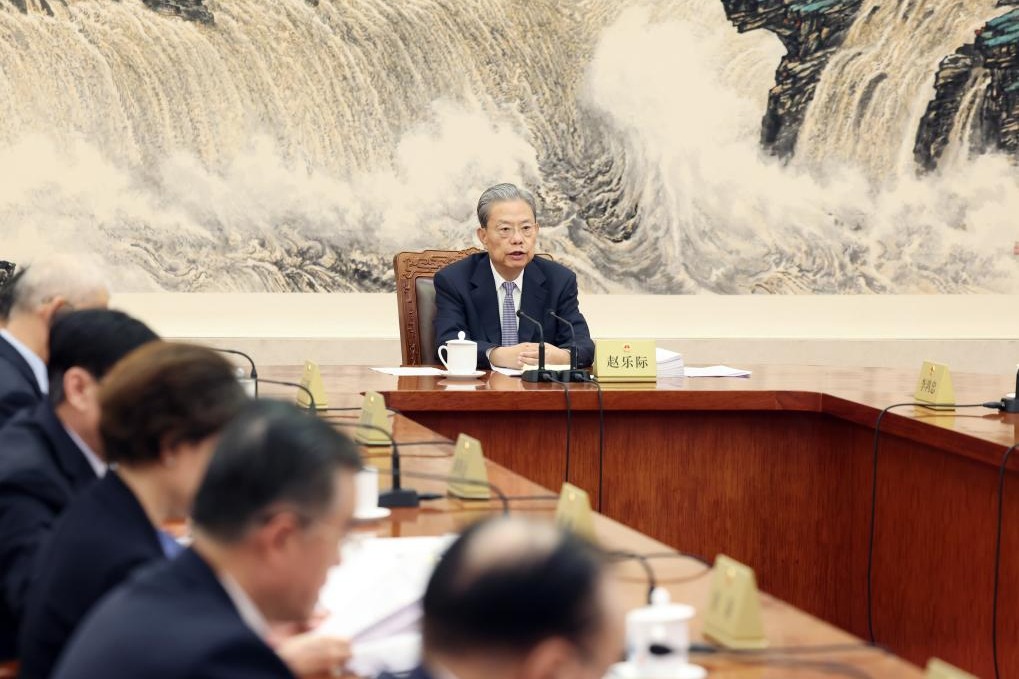
    The Chinese government has formally released the complete text of its highly anticipated Government Work Report through the official Xinhua News Agency. This comprehensive document, which received official approval during the concluding session of the 14th National People’s Congress on March 12, outlines the nation’s strategic direction for the coming year and beyond.

    Premier Li Qiang presented the report that encompasses four critical sections: a thorough evaluation of China’s accomplishments throughout 2025; primary objectives and significant missions for the 15th Five-Year Plan period; fundamental requirements and policy directions for socioeconomic advancement in 2026; and key undertakings scheduled for implementation this year.

    The report establishes precise economic targets for 2026, projecting GDP expansion within the range of 4.5% to 5%, with aspirations to surpass these benchmarks where feasible. Additional economic indicators include maintaining urban unemployment at approximately 5.5%, generating over 12 million new urban employment opportunities, and containing consumer price inflation around 2%.

    Further provisions address environmental sustainability, with commitments to reduce carbon dioxide emissions per GDP unit by roughly 3.8% and maintain grain production at approximately 700 million metric tons. The document also emphasizes balanced economic development through ensuring personal income growth maintains parity with overall economic expansion and preserving equilibrium in international payments.

  • Security Council divided over sanctions

    Security Council divided over sanctions

    Deep divisions within the United Nations Security Council surfaced during a contentious session on Thursday regarding Iran’s nuclear program and the reinstatement of sanctions mechanisms. The meeting, convened under the United States’ March presidency, exposed significant geopolitical rifts concerning Middle East tensions and diplomatic approaches to Tehran.

    China’s Permanent Representative to the UN, Ambassador Fu Cong, delivered a stern critique of the proceedings during a mandated meeting of the 1737 Sanctions Committee. He expressed grave concerns that the American decision to convene the meeting would exacerbate regional conflicts and undermine prospects for political resolution of the Iranian nuclear issue.

    Ambassador Fu emphasized that holding the meeting amid renewed Middle East hostilities and an increasingly complex nuclear landscape would only intensify confrontations among parties. The diplomatic clash centered on the legal status of the sanctions committee established in 2006 to monitor restrictions on Iran’s nuclear activities, which was suspended following the 2015 Joint Comprehensive Plan of Action (JCPOA).

    The current controversy stems from August actions by France, Germany, and the United Kingdom (the E3) triggering the JCPOA’s ‘snapback’ mechanism to restore UN sanctions after the US withdrawal from the agreement in 2018. While Western nations maintain Iran seeks nuclear weapons capabilities, Tehran consistently denies these allegations.

    China and Russia opposed the US move to resume the committee’s reporting, with Ambassador Fu asserting that Resolution 2231 expired in October last year, terminating the Security Council’s formal consideration of Iran’s nuclear dossier. He supported Russian Ambassador Vasily Nebenzya’s procedural motion and declined to comment on the committee’s work, citing its obsolete status.

    The Chinese diplomat called for immediate cessation of US and Israeli military operations against Iranian facilities under International Atomic Energy Agency safeguards, warning against further regional escalation. He attributed the current crisis to Washington’s unilateral abandonment of the nuclear accord and subsequent military actions during negotiations with Iran, which he characterized as violations of international law and UN Charter principles.

    Ambassador Fu urged European nations to contribute constructively to de-escalation efforts rather than exacerbating tensions, emphasizing that the Security Council must not serve as an instrument for individual countries’ sanctions agendas or political objectives.

  • US warned of China rare earth curbs if Section 301 tariffs expand

    US warned of China rare earth curbs if Section 301 tariffs expand

    Tensions between the United States and China have escalated significantly following Washington’s initiation of new Section 301 trade investigations, prompting Chinese commentators to warn of potential retaliatory measures including restrictions on rare-earth exports and suspension of soybean purchases.

    The United States Trade Representative announced simultaneous investigations into 16 nations’ trade practices and 60 economies regarding forced labor imports, specifically mentioning Xinjiang cotton among concerning products. This move has been characterized by Chinese observers as “trouble-making” ahead of the anticipated summit between President Xi Jinping and former President Donald Trump scheduled for late March or early April.

    Officially, China’s Commerce Ministry spokesperson stated that Beijing has fulfilled its obligations under the Phase One Agreement signed in January 2020, including commitments on intellectual property protection and market access reforms. The spokesperson accused the US of violating the agreement’s spirit through export controls, investment restrictions, and continuous escalation of trade measures since early 2020.

    The diplomatic exchange occurs amid preparations for the upcoming leadership summit, with US Treasury Secretary Scott Bessent and Chinese Vice Premier He Lifeng scheduled to meet in Paris from March 14-17 to establish groundwork for the high-stakes discussion.

    Chinese commentators highlighted Beijing’s potential leverage points, noting that the US military’s Middle East operations have increased demand for critical minerals where China maintains dominant market position. Industry experts estimate US defense contractors may only possess months—not years—of rare-earth stockpiles, with production lines for advanced weaponry including F-35 stealth fighters dependent on Chinese-supplied components.

    The Section 301 investigations target China alongside the EU, Singapore, Switzerland, and 12 other economies, focusing on sectors where China maintains substantial trade surpluses including electronics, machinery, automobiles, steel, and batteries. The USTR cited evidence suggesting China’s industrial capacity is rising, accounting for 54% of global excess steel capacity in Q3 2025.

    Separate forced labor investigations encompass 60 economies, building upon previous additions to the List of Goods Produced by Child Labor or Forced Labor that currently includes 34 downstream goods connected to forced labor allegations.

    China’s Foreign Ministry dismissed forced labor claims as “disinformation” and condemned unilateral tariff measures, while warning that Beijing would “take all necessary measures to firmly safeguard its lawful rights and interests” if the US proceeds with tariffs or restrictive measures.

  • ‘Asleep at the wheel’: Blast on fuel crisis as Aus reserves revealed

    ‘Asleep at the wheel’: Blast on fuel crisis as Aus reserves revealed

    The Australian energy sector is confronting a severe fuel supply crisis that has disproportionately impacted regional and rural communities, sparking intense political confrontation. Energy Minister Chris Bowen finds himself at the center of a storm of criticism from opposition figures who accuse his administration of inadequate response measures.

    During a Sydney press conference, Minister Bowen characterized the situation as ‘unacceptable,’ particularly highlighting the severe challenges facing agricultural operations. He revealed current national fuel reserves stand at 1.6 billion liters of petrol (37-day supply), 2.7 billion liters of diesel (30-day supply), and 800 million liters of jet fuel (29-day supply). The minister attributed the crisis to unprecedented demand surges, reporting 100% increased consumption across all Australian terminals.

    In a significant policy move, the government authorized the release of portions from its strategic diesel reserves following careful deliberation. Minister Bowen offered reassurances regarding national fuel security, emphatically stating that no refineries would cease operations under the current administration.

    The political opposition launched scathing critiques, with energy spokesman Dan Tehan accusing the minister of complacency and delayed action. Tehan asserted that Bowen relied excessively on state-level information gathering rather than proactive federal intervention. The opposition demands immediate prioritization of distribution to affected regions and comprehensive price stabilization measures.

    Global market disruptions stemming from Middle Eastern conflicts have exacerbated domestic challenges, driving petrol prices toward unprecedented $3 per liter thresholds. South Australia’s Royal Automobile Association documented record diesel prices reaching $2.46 per liter, with some retailers charging $2.49.

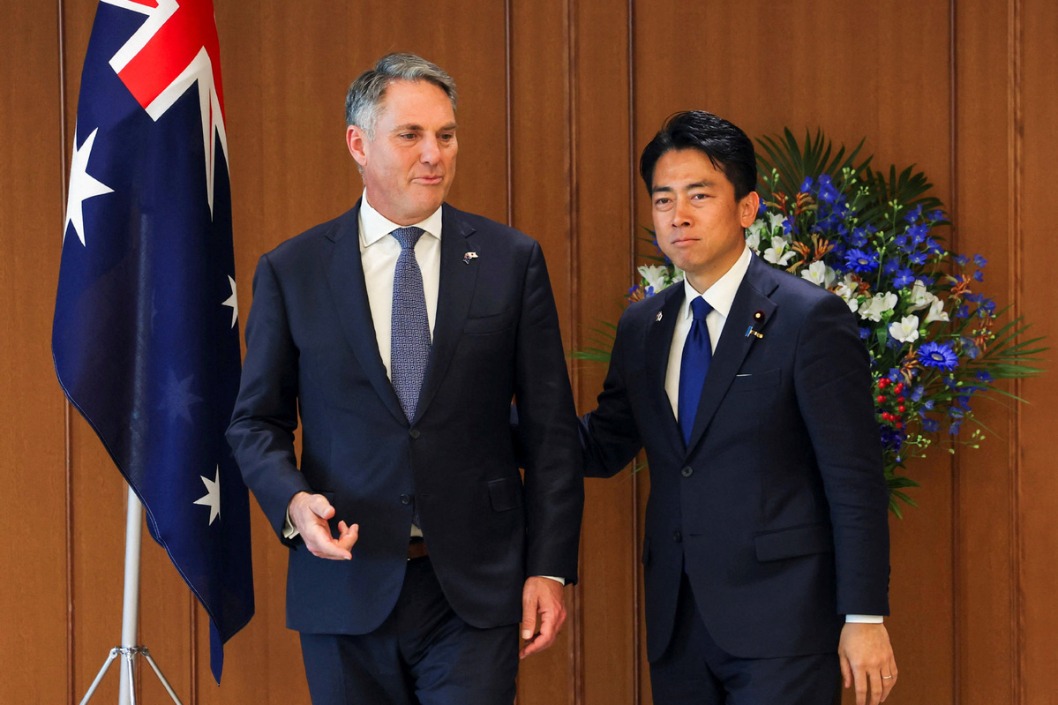
    In response to mounting pressure, the federal government announced temporary relaxation of fuel standards to facilitate importation of an additional 100 million liters. Industry representatives simultaneously urge consumers to avoid panic buying, emphasizing that systemic supply remains adequate despite isolated shortages.