WASHINGTON – The Federal Bureau of Investigation has launched an inquiry into former National Counterterrorism Center director Joe Kent, who recently stepped down from his position in protest against military engagement with Iran, according to multiple US media sources. The investigation reportedly commenced prior to Kent’s abrupt resignation on Tuesday. NewsNation and Semafor correspondent Shelby Talcott both cited anonymous sources confirming the FBI is examining allegations that Kent improperly disclosed classified intelligence materials. The development emerges amid escalating tensions within the Trump administration regarding its Middle Eastern military strategy. In his resignation statement published on social media platform X, Kent asserted that Iran presented no immediate threat to American national security interests. He attributed the conflict initiation to substantial pressure from Israeli officials and their influential lobbying networks within the United States. Kent further alleged that high-ranking Israeli representatives collaborated with segments of American media to disseminate misinformation campaigns that ultimately undermined President Trump’s America First agenda while fostering pro-war sentiment. Political analysts interpret Kent’s departure as indicative of mounting internal pressure on the administration, with criticism emerging from Democratic legislators, business executives, and surprisingly, certain factions of Trump’s core support base. While recent polling indicates sustained backing for military action among substantial portions of MAGA supporters, prominent figures including former strategist Steve Bannon have publicly expressed opposition to the Iranian conflict.
分类: politics
-

Former counter-terrorism head investigated by FBI over alleged leaks
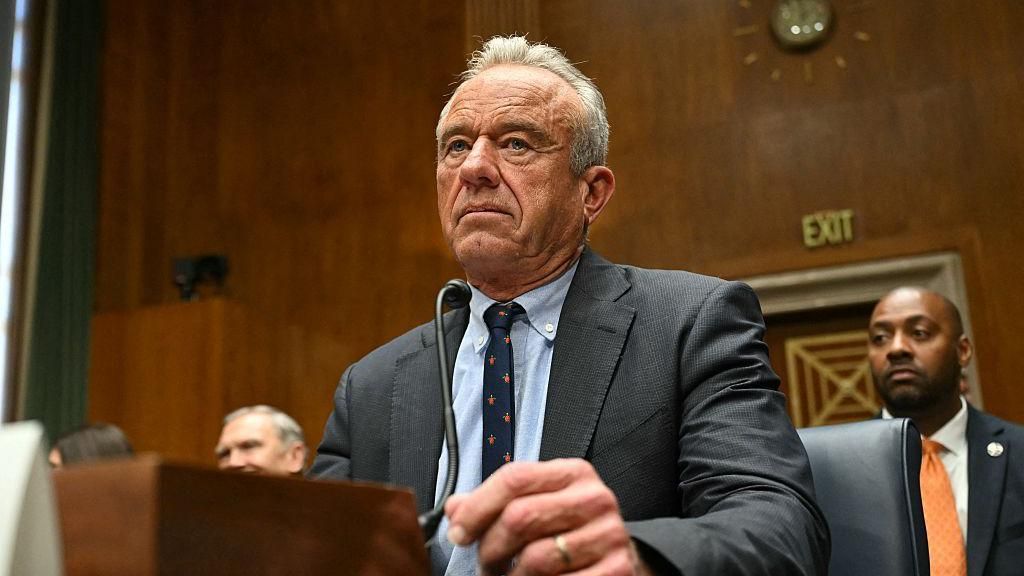
The Federal Bureau of Investigation has launched a criminal probe into former National Counterterrorism Center director Joe Kent regarding alleged unauthorized disclosures of classified intelligence, according to multiple sources familiar with the matter. The investigation predates Kent’s sudden resignation earlier this week, which followed his public opposition to the Trump administration’s military engagement with Iran.
Kent, a decorated military veteran and longtime Trump loyalist, submitted his resignation on Tuesday with a sharply worded letter addressed directly to the president. In the document, he asserted that Iran presented ‘no imminent threat’ to American interests and characterized the decision to initiate hostilities as being driven primarily by ‘pressure from Israel and its powerful American lobby.’ These remarks prompted immediate condemnation from the Anti-Defamation League, which identified them as recycling ‘old-age antisemitic tropes.’
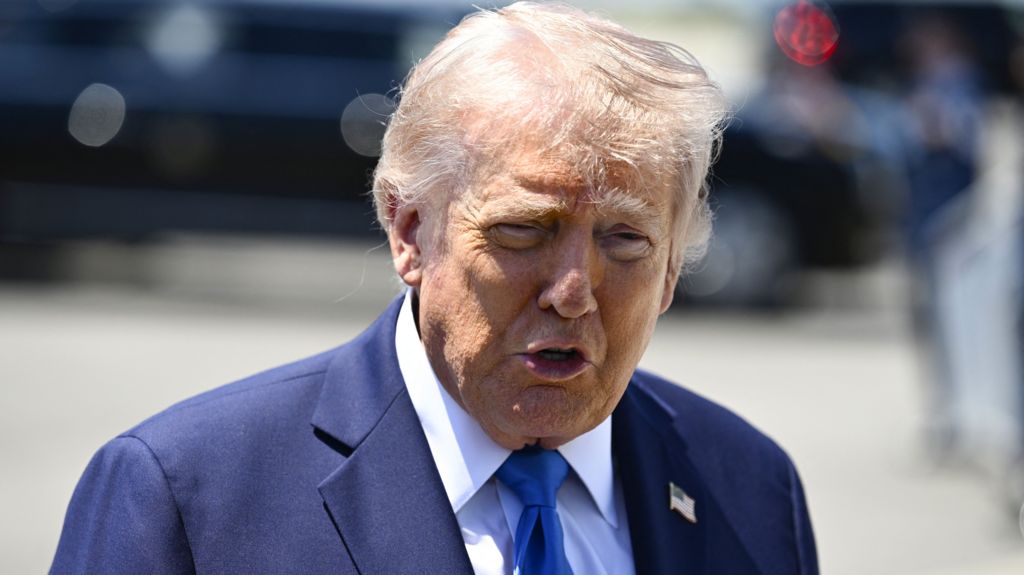
The White House swiftly dismissed Kent’s assessment, maintaining that President Trump possessed ‘compelling evidence’ of an impending Iranian attack. In subsequent comments, the president described Kent as a ‘nice guy’ but expressed relief about his departure, noting he had always considered him ‘very weak on security.’
Taylor Budowich, former deputy White House chief of staff, amplified these criticisms, alleging that Kent had been ‘often at the center of national security leaks’ and consistently worked to ‘subvert the chain of command and undermine the President of the United States.’
In media appearances following his resignation, including an interview with conservative commentator Tucker Carlson, Kent elaborated on his objections. He claimed there was ‘no intelligence’ indicating Iran planned a ‘sneak attack’ on the U.S. and disputed that Tehran was nearing nuclear weapons capability. He further alleged that key decision-makers surrounding the president had restricted access to Trump in the period leading up to the conflict, preventing a ‘robust debate’ on the matter.
Despite the brewing investigation and public friction, Kent stated that his personal relationship with Trump remained intact, characterizing their final conversation as ‘great’ and suggesting they ‘departed personally on good terms.’ Kent, who twice failed to secure a congressional seat, was initially nominated by Trump and confirmed to lead the National Counterterrorism Center in July 2025.
-

Cyprus leader calls for frank discussion on ‘colonial’ UK bases
Cyprus President Nikos Christodoulides has characterized Britain’s two military installations on the island as lingering “colonial consequences” and called for forthcoming diplomatic discussions regarding their status and future. In statements made to the BBC during his arrival at an EU leadership summit in Brussels, Christodoulides emphasized the necessity for “an open and frank discussion with the British government” once Middle East tensions subside.
The UK maintains sovereignty over the Akrotiri and Dhekelia bases under the 1960 treaty that established Cypriot independence. These installations recently gained strategic significance when RAF Akrotiri came under drone attack earlier this month, believed to have been launched by Iranian-backed Hezbollah forces from Lebanon. While two drones were intercepted, a third struck the base causing minimal damage. The incident has sparked local protests arguing that the British presence makes Cyprus a target for regional conflicts.
Despite the bases not being utilized for US operations against Iran, the UK has authorized American forces to conduct “specific defensive operations” from these locations. The installations cover 98 square miles of Cypriot territory and provide employment for over 10,000 Cypriot citizens, creating complex socioeconomic ties alongside the political dimensions.
Any potential negotiations would involve multilayered diplomatic considerations, as the original agreements involved the UK, Greece, Turkey, and representatives from both Greek and Turkish Cypriot communities. When pressed on whether he sought complete removal of the bases, Christodoulides declined to negotiate publicly while maintaining “a clear approach with regard to the future of the British bases.”
In response to these developments, the UK Ministry of Defense highlighted Defense Secretary John Healey’s recent parliamentary comments noting that Cyprus’s National Guard leader stated military cooperation “has never been closer.” The UK has enhanced its military presence following the drone attack, with HMS Dragon recently entering the Mediterranean to bolster defenses. NATO allies including France, Greece, Germany, and Spain have also deployed naval assets to the region in a show of collective security support.
-

Congo and Rwanda agree on steps to de-escalate tensions in eastern Congo
In a significant diplomatic development, Congolese and Rwandan officials have reached a landmark agreement during US-mediated talks to de-escalate mounting tensions in eastern Congo’s conflict-ridden territories. The high-level meetings, conducted Tuesday and Wednesday in the United States, produced a joint commitment to implement coordinated measures addressing the protracted violence that has plagued the mineral-rich region.
The tripartite statement issued by the Congolese, Rwandan, and U.S. governments outlines concrete steps toward stabilization, including scheduled force disengagement and the lifting of Rwandan defensive measures within specified Congolese territories. Both nations pledged to respect each other’s sovereignty and territorial integrity—a crucial development given Rwanda’s alleged backing of the M23 rebel group, which launched an unprecedented offensive into eastern Congo early last year.
This diplomatic breakthrough comes as peace efforts led by the United States and partners including Qatar had reached an impasse despite ongoing violence. The eastern Congo region has endured decades of instability, with government forces combating over 100 armed groups. The M23 rebellion, recognized as the most potent militant force, has been accused of receiving substantial support from Rwandan authorities—a claim Rwanda denies while justifying its involvement as necessary defense against Hutu rebels responsible for the 1994 genocide.
President Donald Trump has emerged as a pivotal facilitator in these peace negotiations, building upon previous agreements between the two African nations. The talks also yielded commitments from Congo to intensify efforts against the Democratic Forces for the Liberation of Rwanda (FDLR), an armed group formed predominantly by Hutus who fled to Congo following the genocide. This mutual recognition of security concerns represents a critical step toward sustainable conflict resolution in the region, which holds vital mineral resources essential for global technology production.
-

Japan PM to hold ‘difficult’ talks with Trump as Iran conflict looms large
Japanese Prime Minister Sanae Takaichi embarked on a diplomatically delicate mission to Washington, characterizing her upcoming summit with U.S. President Donald Trump as potentially “very difficult” amidst escalating tensions in the Strait of Hormuz. The three-day visit, originally scheduled to strengthen trade relations and reinforce bilateral alliances ahead of Trump’s postponed China trip, has been fundamentally reshaped by recent geopolitical developments.
Takaichi articulated her strategic approach before Japan’s parliament, vowing to “maximize national interest” during negotiations. This commitment faces immediate testing as Trump recently retracted his controversial demand for allied military assistance in securing the vital oil transit corridor, despite initially emphasizing Japan’s substantial energy dependence on Middle Eastern shipments. Nearly 95% of Japan’s oil imports traverse the strategically critical strait.
The Prime Minister’s challenges are compounded by constitutional constraints—Japan’s post-war pacifist constitution strictly limits military deployment to self-defense scenarios. This legal framework, combined with overwhelming public opposition (82% according to Asahi Shimbun polling), creates significant political barriers to any proposed military cooperation.
Beyond immediate security concerns, the agenda encompasses multiple complex issues: China’s regional influence remains Tokyo’s “biggest strategic challenge” according to Council on Foreign Relations expert Sheila Smith, particularly following Takaichi’s controversial November remarks regarding potential self-defense force activation in Taiwan scenarios. Additionally, the leaders will discuss Japan’s prospective $25 billion participation in the U.S. Golden Dome missile defense initiative.
Trade negotiations present both opportunity and risk. While Takaichi prepares to announce approximately $100 billion in new U.S. investment projects following February’s tariff reductions on Japanese auto imports, the timing coincides with Washington’s newly initiated unfair trade practice investigations that could potentially trigger retaliatory tariffs.
Political analyst Koichi Nakano of Sophia University notes the meeting’s outcome hinges significantly on Trump’s unpredictable temperament, describing the president’s approach to alliances as “transactional.” Takaichi must navigate these uncertainties while preserving previously secured trade advantages and addressing Japan’s domestic economic pressures, including rising inflation and weak consumer spending.
-

China’s Hubei province arrests 7, shuts websites in fentanyl crackdown
Chinese authorities in Hubei province have launched a significant offensive against fentanyl precursor trafficking, resulting in seven arrests and the shutdown of over 200 websites according to state media reports. This development emerges against the backdrop of strained U.S.-China relations, where fentanyl has become a central issue in ongoing trade negotiations.
The specialized task force, established in December following directives from China’s Ministry of Public Security, has investigated 22 cases through February. Beyond the arrests, a dozen individuals have faced coercive measures including summons and detentions, with four companies receiving penalties for their involvement in the illicit trade.
Notably, international cooperation played a role in these operations, with U.S. Drug Enforcement Agency intelligence assisting Wuhan police in uncovering a company allegedly selling precursor chemicals and stimulants. The operation led to an arrest in early December through cross-provincial coordination with Shandong authorities.
This crackdown follows the October agreement between Washington and Beijing, where China committed to curbing precursor exports in exchange for reduced tariffs on fentanyl-related imports from China. The diplomatic arrangement saw tariffs drop from 20% to 10% as part of a broader trade negotiation framework.
The timing of these announcements coincides with postponed diplomatic engagements between the two nations. President Trump had recently delayed a planned visit to China, though administration officials indicated efforts to reschedule the meeting for late April. The fentanyl issue remains deeply intertwined with broader trade tensions that have seen both nations implement reciprocal tariffs throughout the past year.
-

Belarus leader hosts US envoy for talks, latest step in his effort to improve ties with Washington
In a significant diplomatic development, Belarusian President Alexander Lukashenko convened with U.S. Special Envoy John Coale in Minsk on Thursday, marking a continued effort to normalize relations with Western nations. The high-level discussion centered on multiple critical issues, including the potential reopening of the U.S. Embassy in Minsk—which ceased operations in 2022—and the release of individuals classified as political prisoners.
This engagement represents the second such dialogue between Lukashenko’s administration and U.S. officials since December, when Washington responded to previous negotiations by easing certain sanctions and facilitating the release of 123 detainees to Ukraine and Lithuania. The Belarusian leader, who has maintained authoritarian control over the nation of 9.5 million people for over three decades, faces ongoing isolation from Western countries due to systematic human rights violations and his government’s complicity in Russia’s invasion of Ukraine.
The current diplomatic overture occurs against a backdrop of sustained international pressure. Lukashenko’s regime has been repeatedly sanctioned for its brutal suppression of dissent following the contested 2020 presidential election, which triggered mass protests and widespread allegations of electoral fraud. In the subsequent crackdown, tens of thousands were detained and subjected to police violence, forcing prominent opposition figures into exile or imprisonment.
Recent months have witnessed a strategic shift from Minsk, with the controlled release of several high-profile prisoners including Nobel Peace Prize laureate Ales Bialiatski and dissident leaders Siarhei Tsikhanouski, Viktar Babaryka, and Maria Kolesnikova. These actions coincide with Donald Trump’s return to the White House, culminating in a August 2025 phone conversation between the two leaders where Trump reportedly suggested a potential face-to-face meeting.
According to Coale’s post-meeting statements, discussions included the possibility of Lukashenko visiting the United States—a development that would represent a substantial diplomatic achievement for the isolated leader. However, exiled opposition leader Sviatlana Tsikhanouskaya cautioned that while prisoner releases are welcome, they must be accompanied by genuine systemic reforms. She noted that over 1,100 political prisoners remain detained in Belarus according to Viasna, the country’s leading human rights organization, and emphasized that Lukashenko frequently arrests new critics even as he releases others.
-

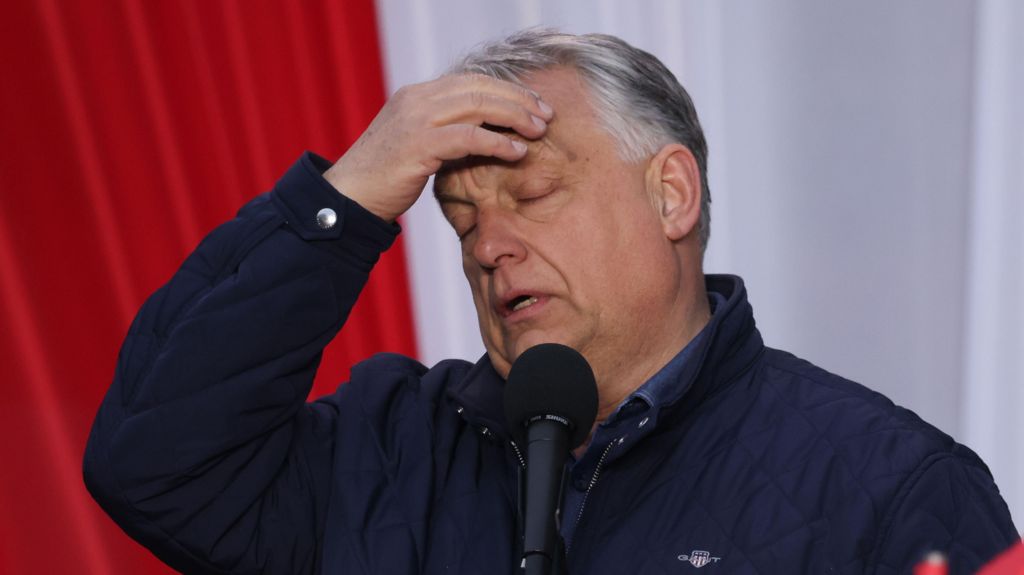
EU leaders blast Viktor Orbán over a Ukraine loan veto, accusing him of playing election games
BRUSSELS — European Union leaders launched unprecedented criticism against Hungarian Prime Minister Viktor Orbán during Thursday’s summit, accusing him of weaponizing vital Ukrainian assistance for domestic political gains. The confrontation exposes deepening fractures within the bloc as Hungary obstructs a previously approved €90 billion ($103 billion) support package for Ukraine’s military and economy.
Finnish Prime Minister Petteri Orpo expressed the collective frustration: “He’s exploiting Ukraine as an electoral weapon, which is unacceptable. We reached an agreement, and this constitutes a betrayal of that consensus.”
The emergency funding, deemed essential by EU officials for Ukraine’s survival, requires disbursement by early May. This timeline necessitates immediate procedural progress within the coming weeks—a prospect now jeopardized by Hungarian obstruction.
Prime Minister Orbán, who maintains close ties with Russian President Vladimir Putin and faces declining poll numbers ahead of April elections, has intensified anti-Ukrainian rhetoric throughout his campaign. He portrays Ukrainian President Volodymyr Zelenskyy as an existential threat to Hungary while positioning himself as the sole guardian of Hungarian security.
Belgian Prime Minister Bart De Wever challenged Orbán’s narrative: “If this is electoral theater, it cannot override our collective decisions. It’s indefensible to approve agreements then refuse implementation.”
The deadlock originates from January’s disruption of Russian oil shipments via the Druzhba pipeline through Ukraine. While Ukrainian authorities attribute the damage to Russian attacks, Orbán accuses Zelenskyy of deliberately withholding energy supplies to Hungary.
European Commission President Ursula von der Leyen and European Council President António Costa attempted to break the impasse by offering EU-funded pipeline repairs. Technical teams currently await security clearance in Kyiv for site inspection.
Orbán remains unmoved, declaring: “This transcends politics—it’s existential for Hungary. Secure oil access is non-negotiable for our nation’s survival.”
The crisis highlights structural vulnerabilities in EU governance mechanisms requiring full unanimity among member states, enabling a nation representing just 2% of the bloc’s population to block critical multinational decisions.
-

2 men appear in court accused of ‘hostile’ surveillance of UK’s Jewish community for Iran
Two Iranian nationals have appeared before Westminster Magistrates’ Court in London facing allegations of conducting hostile surveillance operations against British Jewish targets on behalf of Iranian intelligence services.
Nematollah Shahsavani, a 40-year-old Iranian-British dual national, and Alireza Farasati, a 22-year-old Iranian citizen residing in London, are formally charged with engaging in activities likely to assist a foreign intelligence service between July 9 and August 15 of the previous year. Both defendants were arrested on March 6 as part of a broader national security investigation.
Prosecutor Louise Attrill presented evidence indicating the defendants targeted multiple significant locations within London’s Jewish community, including the Israeli Embassy, a Jewish community center, an educational institution, and Britain’s oldest synagogue. The surveillance operation allegedly sought to gather intelligence on individuals and establishments connected to the Israeli and Jewish communities in the United Kingdom.
During the preliminary hearing, neither defendant entered a formal plea. However, Farasati’s legal representation indicated their client would contest the charges. Chief Magistrate Paul Goldspring ordered both men remanded in custody pending their next appearance at London’s Central Criminal Court scheduled for April 17.
The investigation has revealed broader implications for UK-Iran relations, with two additional British-Iranian nationals arrested in connection with the same probe subsequently released without charge. This case emerges against a backdrop of heightened security concerns, as MI5 Director General Ken McCallum disclosed in October that British authorities had disrupted more than twenty potentially lethal Iran-backed plots within the preceding twelve-month period.
-

Iranian president condemns attacks on Iran’s energy infrastructure
Iranian President Masoud Pezeshkian has issued a stern condemnation of what he characterized as coordinated U.S. and Israeli assaults on Iran’s critical energy infrastructure. The presidential denunciation came through an official statement on social media platform X, responding directly to aerial strikes targeting facilities within Iran’s massive South Pars gas field in the southern region of the country.
President Pezeshkian warned that such aggressive military actions risk escalating regional tensions to dangerous levels, potentially triggering “uncontrollable consequences” that could extend beyond the Middle East to engulf global stability. The Iranian leader’s statement emphasized that targeted attacks on national energy assets represent a severe provocation that could fundamentally alter the regional security landscape.
Echoing the presidential sentiment, Iranian Parliament Speaker Mohammad Bagher Ghalibaf separately declared that a “new level of confrontation” had been initiated, invoking the principle of reciprocal retaliation. Ghalibaf’s social media post characterized the attacks as acts of “suicide for them (the enemies),” suggesting Tehran possesses both the capability and determination to respond in kind.
According to Iranian state media reports, the assaults specifically targeted natural gas facilities connected to the offshore South Pars field, one of the world’s largest natural gas deposits shared between Iran and Qatar. Israeli media outlets, citing anonymous official sources, attributed the strikes to the Israeli Air Force.
This development follows the February 28 joint U.S.-Israeli operations that struck Tehran and multiple Iranian cities, resulting in the death of Supreme Leader Ali Khamenei along with senior military personnel and civilians. Those previous attacks prompted Iran to launch extensive missile and drone counterstrikes against Israeli territory and American military installations across the Middle East, signaling a dangerous escalation in long-standing regional tensions.