分类: politics

  • China weathering Iran war with minimal damage

    China weathering Iran war with minimal damage

    The ongoing military confrontation between the United States and Iran has generated complex geopolitical ramifications for China, presenting both challenges and opportunities for Beijing’s global strategy. While some analysts suggest China stands to benefit from the conflict, a comprehensive assessment indicates the situation represents a net negative for Chinese interests, albeit marginally.

    China’s relationship with Iran has historically been pragmatic rather than ideologically driven. Despite signing a $400 billion investment agreement in 2021, China’s actual economic exposure remains limited. As University of Pennsylvania analyst Aaron Glasserman notes, “Iran needs China, but China does not need Iran.” Beijing maintains significantly stronger economic ties with other Gulf states, particularly Saudi Arabia, with which China conducts ten times more trade volume.

    Energy security considerations present a mixed picture. Iran supplied approximately 13% of China’s oil imports at discounted prices, providing substantial savings. The potential closure of the Strait of Hormuz—through which half of China’s imported oil and 30% of its natural gas passes—remains manageable due to China’s strategic petroleum reserve, estimated to cover 100-120 days of normal consumption. Beijing is simultaneously negotiating safe passage for China-bound vessels and exploring alternative transportation routes.

    The conflict has diminished China’s diplomatic achievements, particularly its much-publicized mediation between Saudi Arabia and Iran in 2023. Gulf Arab states, including Saudi Arabia, are reportedly encouraging continued US military action against Iran, undermining China’s regional influence.

    Conversely, Chinese officials have capitalized on global anti-war sentiment to reinforce strategic messaging contrasting US militarism with China’s peaceful leadership. State media portrays America as an irresponsible global actor while positioning China as advocating negotiation and sovereignty protection.

    Militarily, US demonstration of force projection capability has impressed even Chinese observers, with international relations scholar Shi Yinhong acknowledging evolved American warfare methods. China’s reluctance to substantially assist Iran—including denying anti-ship missile transfers—highlights the relationship’s limitations.

    The diversion of US military resources to the Middle East creates potential advantages for China. The redeployment of THAAD and Patriot systems from South Korea to the Gulf, along with depletion of precision munition stocks, temporarily reduces American capability in the Asia-Pacific region. However, this unlikely precipitates Chinese military action against Taiwan or South China Sea claimants due to Beijing’s risk aversion, ongoing military purges, and economic considerations.

    The postponement of the Trump-Xi summit delays potential US-China economic agreements but doesn’t constitute a critical setback. China’s economic growth continues at approximately 4.8%, and export diversification has reduced dependence on American markets. The tariff truce remains in effect until November 2026, with extension possibilities.

    The ultimate impact on China will depend on conflict duration, potential escalation, and lasting regional changes. While demonstrating continued US military vulnerability to Middle Eastern entanglements, the situation also reveals American conventional superiority that gives Beijing pause regarding direct confrontation.

  • Anutin elected as new Thai PM

    Anutin elected as new Thai PM

    Bangkok witnessed a significant political development on Thursday as Anutin Charnvirakul, leader of the Bhumjaithai Party, secured a decisive parliamentary victory to continue as Thailand’s prime minister. The parliamentary session saw Anutin capture 293 votes in the 500-member House of Representatives, comfortably exceeding the required majority threshold and defeating his rival Natthaphong Ruengpanyawut of the People’s Party.

    The election outcome confirms Anutin’s continued leadership after initially assuming office in September last year following the Constitutional Court’s dismissal of former premier Paetongtarn Shinawatra over ethics violations. The 59-year-old political veteran, who previously served as deputy prime minister in multiple administrations, now awaits formal appointment by Thai King Maha Vajiralongkorn to officially assume the premiership.

    This political transition follows Anutin’s strategic move in December to dissolve the House of Representatives, paving the way for fresh general elections. The February 8th polls resulted in Bhumjaithai Party securing 191 seats, establishing itself as the dominant political force ahead of the People’s Party (120 seats) and Pheu Thai (74 seats). The Bhumjaithai Party is now positioned to form a coalition government with Pheu Thai and nine smaller parties, creating a broad-based administration to guide Thailand’s political future.

  • UK reveals aid priorities after major cuts to budget

    UK reveals aid priorities after major cuts to budget

    Foreign Secretary Yvette Cooper has unveiled a significant reallocation of Britain’s diminished overseas aid budget, prioritizing regions experiencing severe humanitarian crises and armed conflicts. Addressing Parliament, Cooper confirmed that Ukraine, Palestine, Lebanon, and Sudan would receive fully protected funding through the next fiscal year. Conversely, direct grants to nations including Mozambique and Pakistan face substantial reductions as part of a broader strategic pivot.

    The policy shift follows the government’s controversial decision to redirect approximately £6 billion from international development toward defense spending by 2027. Cooper emphasized that while bilateral aid would be curtailed, support for established global partnerships such as the vaccine alliance Gavi would continue uninterrupted. Key priorities include stabilizing fragile states, combating gender-based violence, and addressing climate change impacts.

    Cooper articulated a new philosophy of ‘partnership not paternalism,’ positioning the UK as ‘an investor rather than merely a donor.’ This approach aims to help recipient nations attract sustainable finance instead of perpetuating aid dependency. Countries like Yemen, Somalia, and Afghanistan will maintain humanitarian priority status but will see direct grants reduced in favor of multilateral program support.

    The announcement sparked immediate criticism from development organizations and opposition lawmakers. Bond, a network of UK international development organizations, warned of severe cuts particularly affecting Middle Eastern and African nations. Labour MP Sarah Champion, chair of the international development committee, cautioned that reducing development funding could have ‘massive consequences,’ including increased migration pressures as people seek sanctuary from deteriorating conditions.

    Liberal Democrat international spokesperson Monica Harding condemned the approach as ‘strategically illiterate,’ warning that geopolitical rivals like Russia and China might fill the vacuum created by UK withdrawal. Aid organizations expressed alarm over specific program cuts, including the discontinuation of direct polio eradication funding, though Cooper noted polio would continue to be covered under Gavi’s umbrella funding.

    The aid reduction continues a trend begun by the previous Conservative government, which lowered spending from 0.7% to 0.5% of gross national income in 2021. Despite campaign promises to restore the higher benchmark, Labour has further reduced the target to 0.3% by 2027, estimated at approximately £9.2 billion. Current statistics reveal that 20% of the UK’s aid budget (£2.8 billion in 2024) supports asylum seekers within the UK during their first year of residence.

  • Are US and Israel aligned on Iran war? Deciphering Trump’s post after gas field attacks

    Are US and Israel aligned on Iran war? Deciphering Trump’s post after gas field attacks

    A recent military escalation between Israel and Iran has triggered significant geopolitical repercussions and exposed potential fissures in the U.S.-Israel alliance. Following Israeli airstrikes on Iran’s South Pars gas field—the world’s largest natural gas reservoir—and subsequent Iranian retaliation against Qatari energy infrastructure, global energy markets experienced immediate price volatility.

    President Donald Trump utilized his Truth Social platform to issue a characteristically forceful statement regarding the conflict. Notably, he asserted that the United States had no prior knowledge of Israel’s offensive operation—a claim directly contradicted by multiple Israeli media outlets. Centrist publication Yedioth Ahronoth reported the attack was “coordinated in advance with the United States,” while right-wing Israel Hayom indicated Trump had discussed the impending strike with Persian Gulf leaders.

    Trump’s rhetorical approach raised diplomatic eyebrows as he described Israel’s actions as having “violently lashed out”—terminology typically reserved for Iranian retaliation patterns rather than calculated military operations by a strategic ally. This linguistic choice suggested potential disapproval of Israel’s decision-making process.

    The president’s social media communication contained a singular all-caps declaration: “NO MORE ATTACKS WILL BE MADE BY ISRAEL pertaining to this extremely important and valuable South Pars Field.” This directive, coupled with his unusual emphasis on requiring Israeli consent for future U.S. actions, implied a possible recalibration of the bilateral military relationship.

    Despite these indicators, Israeli officials maintain strong alignment with Washington. Alex Gandler, spokesman for Israel’s London embassy, emphasized complete synchronization regarding objectives toward Iran’s nuclear program and Islamic Revolutionary Guard Corps. However, strategic differences appear emerging in operational priorities: while U.S. forces focus on degrading Iran’s missile capabilities and naval assets, Israel has concentrated on leadership targeting and disrupting internal security apparatuses.

    The conflict’s domestic political implications are equally significant. With American public support for the war dipping below 50% and energy prices climbing due to continued hostilities, the administration faces mounting pressure. Meanwhile, Prime Minister Netanyahu potentially benefits from heightened conflict rhetoric despite possible strain on the U.S.-Israel partnership.

    Trump’s assertion that Iran mistakenly believed Qatar was complicit in the initial attack—while not absolving Tehran of responsibility—introduces a nuanced interpretation of retaliatory motives. This analysis, combined with threats of “unprecedented” counterstrikes against Iranian infrastructure, presents a complex portrait of an administration navigating unexpected conflict dynamics while attempting to maintain strategic coherence.

  • Spain’s king welcomes Mexico’s World Cup invite after ‘abuse’ comments

    Spain’s king welcomes Mexico’s World Cup invite after ‘abuse’ comments

    In a significant diplomatic gesture, Mexican President Claudia Sheinbaum has extended a formal invitation to King Felipe VI of Spain to attend the upcoming FIFA World Cup, signaling a potential reconciliation between the two nations after years of strained relations over colonial-era controversies.

    The invitation, dated February 24th and confirmed by the Spanish royal palace, comes as both countries seek to move beyond historical tensions that peaked during the administration of Sheinbaum’s predecessor. The Mexican president framed the sporting event—co-hosted by Mexico, the United States, and Canada—as “a timely opportunity to evoke the depth and unique character of the ties between Mexico and Spain.”

    This diplomatic overture follows the Spanish monarch’s unprecedented acknowledgment during a museum visit in Madrid that there had been “a lot of abuse” during Spain’s conquest of what would become Mexico. King Felipe notably stated that certain historical events, when judged by contemporary values, “cannot make us feel proud”—marking the first time a Spanish monarch has publicly recognized colonial-era abuses.

    President Sheinbaum, who had previously declined to invite the king to her 2024 inauguration in protest of Spain’s silence on colonial atrocities, cautiously welcomed the monarch’s comments as “a gesture of reconciliation,” though acknowledging it wasn’t “everything we would have wanted.”

    The royal palace has confirmed receiving the World Cup invitation and expressed appreciation for the gesture, though it remains unclear whether King Felipe will attend the tournament scheduled for June 11-July 19, 2026. The monarch, known as an avid football enthusiast and Atlético de Madrid supporter, recently attended the UEFA Euro final between Spain and England alongside the Prince of Wales.

    Meanwhile, Mexican authorities have intensified security measures ahead of the global event, launching a crackdown on violent drug cartels following the February killing of Jalisco New Generation cartel leader Nemesio Oseguera Cervantes, which triggered widespread violence. Despite security concerns particularly in host city Guadalajara—the epicenter of recent cartel violence—both Sheinbaum and FIFA president Gianni Infantino have assured visiting fans of adequate protection, with Mexico planning to deploy thousands of security personnel during the tournament.

    This diplomatic development represents a potential turning point in bilateral relations, with Spain demonstrating increased willingness to address historical grievances through Foreign Minister José Manuel Albares’ recent acknowledgment of “pain and injustice” in the countries’ shared history.

  • Starmer meets Nigerian president as record steel deal agreed

    Starmer meets Nigerian president as record steel deal agreed

    In a landmark diplomatic engagement, British Prime Minister Sir Keir Starmer welcomed Nigerian President Bola Ahmed Tinubu to Downing Street, cementing a new era of bilateral cooperation. The centerpiece of this historic state visit—the first by a West African leader in 37 years—is a comprehensive £746 million agreement to redevelop Nigeria’s critical port infrastructure.

    The deal includes a record-breaking £70 million contract for British Steel to supply 120,000 tonnes of steel for the refurbishment of Lagos Port Complex and TinCan Island Port Complex. This represents the largest export contract ever secured by British Steel with support from UK Export Finance (UKEF). The financing arrangement requires that at least 20% of supplier contracts be awarded to UK firms, directing approximately £236 million to British businesses.

    The diplomatic festivities included a spectacular state banquet at Windsor Castle hosted by King Charles III, who praised the enduring strength of UK-Nigeria relations. President Tinubu’s visit carried additional historical significance as the first by a Muslim leader during Ramadan in nearly a century. Windsor Castle accommodated religious observances by providing dedicated prayer spaces and adjusting traditional events to respect fasting practices.

    Beyond economic matters, the leaders addressed pressing security concerns following recent suicide bombings in Nigeria’s Borno state that killed 23 people and injured 108. Both parties signed a Memorandum of Understanding to explore future trade and investment opportunities while committing to collaborate on counterterrorism efforts and climate change challenges.

    Trade Secretary Peter Kyle emphasized that the agreement would reinforce British Steel’s global expertise while supporting jobs in Scunthorpe. Nigerian Minister of Marine and Blue Economy Adegboyega Oyetola stated the development would solidify Nigeria’s position as a leading maritime hub in West and Central Africa.

    The visit included ceremonial activities such as wreath-laying at Westminster Abbey’s Grave of the Unknown Warrior and First Lady Oluremi Tinubu’s engagement with religious leaders at Lambeth Palace.

  • Macao SAR chief executive highlights 5-year plan as top task

    Macao SAR chief executive highlights 5-year plan as top task

    MACAU – Chief Executive Sam Hou-fai of the Macao Special Administrative Region has identified the formulation and implementation of Macao’s Third Five-Year Plan for Economic and Social Development as the administration’s paramount objective for the year. The declaration came during a high-level meeting convened Wednesday at the government headquarters to advance the strategic planning process.

    Executive Sam emphasized that the development blueprint must achieve strategic alignment with China’s national 15th Five-Year Plan while maintaining responsiveness to Macao’s unique regional circumstances and requirements. He called for enhanced interdepartmental coordination and collaborative efforts across policy sources to ensure successful implementation.

    According to official statements, the planning initiative has progressed steadily with active participation from all involved governmental bodies. The drafting committee is currently preparing preliminary documentation, including consultation materials, while conducting comprehensive research and soliciting feedback from diverse community stakeholders to inform the plan’s development.

    The current-term administration considers this five-year planning exercise its signature governance project, representing a critical framework for guiding Macao’s economic and social development trajectory through the coming half-decade.

  • FBI reportedly investigating former US official who resigned over Iran war

    FBI reportedly investigating former US official who resigned over Iran war

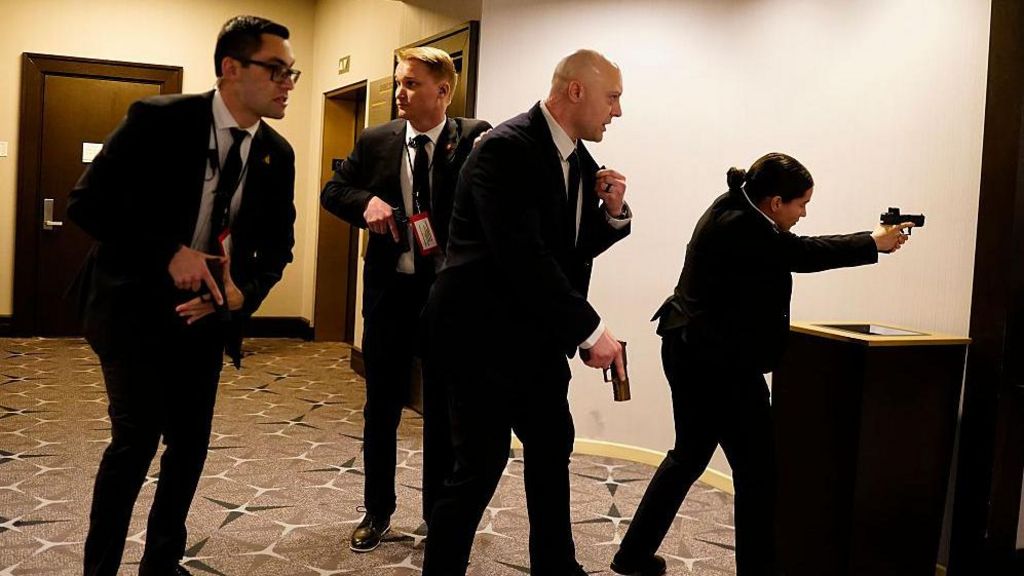
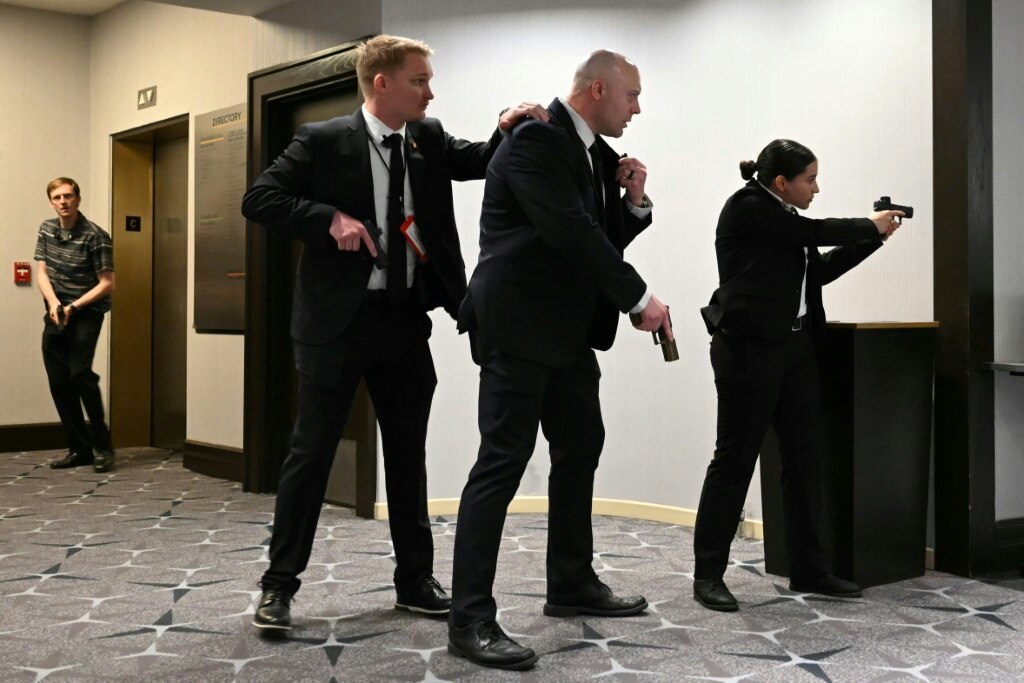
    WASHINGTON – The Federal Bureau of Investigation has launched an inquiry into former National Counterterrorism Center director Joe Kent, who recently stepped down from his position in protest against military engagement with Iran, according to multiple US media sources. The investigation reportedly commenced prior to Kent’s abrupt resignation on Tuesday. NewsNation and Semafor correspondent Shelby Talcott both cited anonymous sources confirming the FBI is examining allegations that Kent improperly disclosed classified intelligence materials. The development emerges amid escalating tensions within the Trump administration regarding its Middle Eastern military strategy. In his resignation statement published on social media platform X, Kent asserted that Iran presented no immediate threat to American national security interests. He attributed the conflict initiation to substantial pressure from Israeli officials and their influential lobbying networks within the United States. Kent further alleged that high-ranking Israeli representatives collaborated with segments of American media to disseminate misinformation campaigns that ultimately undermined President Trump’s America First agenda while fostering pro-war sentiment. Political analysts interpret Kent’s departure as indicative of mounting internal pressure on the administration, with criticism emerging from Democratic legislators, business executives, and surprisingly, certain factions of Trump’s core support base. While recent polling indicates sustained backing for military action among substantial portions of MAGA supporters, prominent figures including former strategist Steve Bannon have publicly expressed opposition to the Iranian conflict.

  • Former counter-terrorism head investigated by FBI over alleged leaks

    Former counter-terrorism head investigated by FBI over alleged leaks

    The Federal Bureau of Investigation has launched a criminal probe into former National Counterterrorism Center director Joe Kent regarding alleged unauthorized disclosures of classified intelligence, according to multiple sources familiar with the matter. The investigation predates Kent’s sudden resignation earlier this week, which followed his public opposition to the Trump administration’s military engagement with Iran.

    Kent, a decorated military veteran and longtime Trump loyalist, submitted his resignation on Tuesday with a sharply worded letter addressed directly to the president. In the document, he asserted that Iran presented ‘no imminent threat’ to American interests and characterized the decision to initiate hostilities as being driven primarily by ‘pressure from Israel and its powerful American lobby.’ These remarks prompted immediate condemnation from the Anti-Defamation League, which identified them as recycling ‘old-age antisemitic tropes.’

    The White House swiftly dismissed Kent’s assessment, maintaining that President Trump possessed ‘compelling evidence’ of an impending Iranian attack. In subsequent comments, the president described Kent as a ‘nice guy’ but expressed relief about his departure, noting he had always considered him ‘very weak on security.’

    Taylor Budowich, former deputy White House chief of staff, amplified these criticisms, alleging that Kent had been ‘often at the center of national security leaks’ and consistently worked to ‘subvert the chain of command and undermine the President of the United States.’

    In media appearances following his resignation, including an interview with conservative commentator Tucker Carlson, Kent elaborated on his objections. He claimed there was ‘no intelligence’ indicating Iran planned a ‘sneak attack’ on the U.S. and disputed that Tehran was nearing nuclear weapons capability. He further alleged that key decision-makers surrounding the president had restricted access to Trump in the period leading up to the conflict, preventing a ‘robust debate’ on the matter.

    Despite the brewing investigation and public friction, Kent stated that his personal relationship with Trump remained intact, characterizing their final conversation as ‘great’ and suggesting they ‘departed personally on good terms.’ Kent, who twice failed to secure a congressional seat, was initially nominated by Trump and confirmed to lead the National Counterterrorism Center in July 2025.

  • Cyprus leader calls for frank discussion on ‘colonial’ UK bases

    Cyprus leader calls for frank discussion on ‘colonial’ UK bases

    Cyprus President Nikos Christodoulides has characterized Britain’s two military installations on the island as lingering “colonial consequences” and called for forthcoming diplomatic discussions regarding their status and future. In statements made to the BBC during his arrival at an EU leadership summit in Brussels, Christodoulides emphasized the necessity for “an open and frank discussion with the British government” once Middle East tensions subside.

    The UK maintains sovereignty over the Akrotiri and Dhekelia bases under the 1960 treaty that established Cypriot independence. These installations recently gained strategic significance when RAF Akrotiri came under drone attack earlier this month, believed to have been launched by Iranian-backed Hezbollah forces from Lebanon. While two drones were intercepted, a third struck the base causing minimal damage. The incident has sparked local protests arguing that the British presence makes Cyprus a target for regional conflicts.

    Despite the bases not being utilized for US operations against Iran, the UK has authorized American forces to conduct “specific defensive operations” from these locations. The installations cover 98 square miles of Cypriot territory and provide employment for over 10,000 Cypriot citizens, creating complex socioeconomic ties alongside the political dimensions.

    Any potential negotiations would involve multilayered diplomatic considerations, as the original agreements involved the UK, Greece, Turkey, and representatives from both Greek and Turkish Cypriot communities. When pressed on whether he sought complete removal of the bases, Christodoulides declined to negotiate publicly while maintaining “a clear approach with regard to the future of the British bases.”

    In response to these developments, the UK Ministry of Defense highlighted Defense Secretary John Healey’s recent parliamentary comments noting that Cyprus’s National Guard leader stated military cooperation “has never been closer.” The UK has enhanced its military presence following the drone attack, with HMS Dragon recently entering the Mediterranean to bolster defenses. NATO allies including France, Greece, Germany, and Spain have also deployed naval assets to the region in a show of collective security support.