分类: politics

  • Pentagon preparing for US ground assault in Iran, says report

    Pentagon preparing for US ground assault in Iran, says report

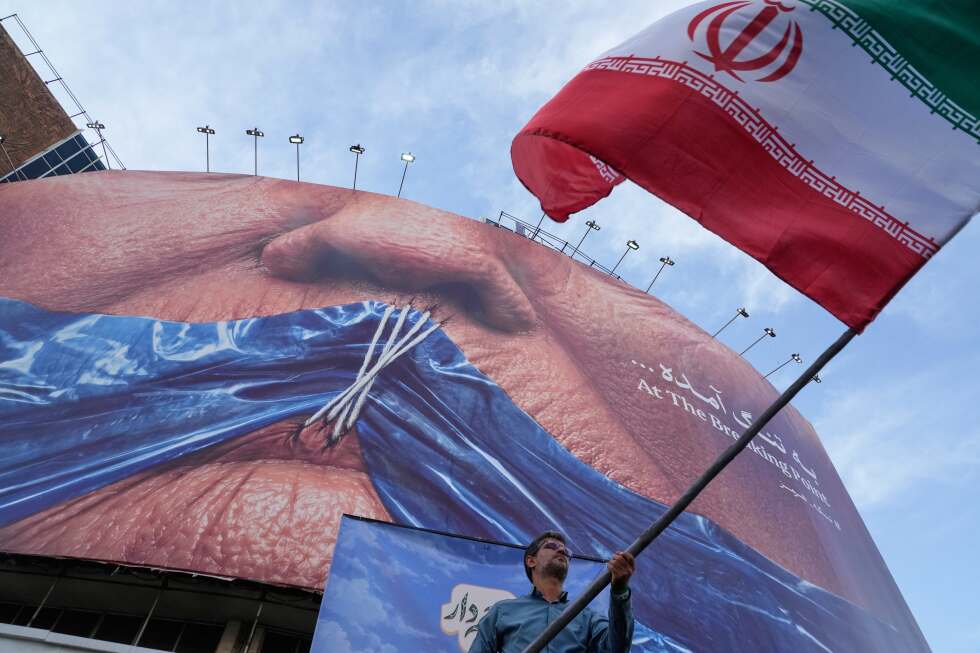
    The Pentagon is actively developing strategic options for potential ground assaults on Iranian territory, according to a Washington Post report citing senior U.S. officials. This planning coincides with the deployment of thousands of American troops and marines to the Middle East, signaling heightened military preparations. The contemplated operations would not constitute a full-scale invasion but would likely involve targeted raids combining conventional infantry with elite special operations forces.

    While planning remains underway, no definitive decision has been made by President Donald Trump regarding these offensive options. White House Press Secretary Karoline Leavitt clarified that such military contingency planning represents standard procedure for the Pentagon to provide the commander-in-chief with comprehensive strategic alternatives. The administration has specifically evaluated potential operations against Kharg Island, Iran’s critical oil export facility in the Gulf, alongside coastal areas near the strategically vital Strait of Hormuz.

    Military experts acknowledge significant risks to U.S. personnel from Iranian drones, missile systems, improvised explosives, and ground fire. The planning appears extensive and premeditated rather than hastily conceived, with one former defense official noting “We’ve looked at this. It’s been war-gamed. This is not last-minute planning.”

    The administration maintains a dual-track approach, with Secretary of State Marco Rubio asserting that objectives could potentially be achieved without ground troops, while simultaneously the Pentagon prepares for possible large-scale operations. Recent weeks have seen the deployment of the 31st Marine Expeditionary Unit, comprising approximately 2,200 personnel, to the region.

    American public opinion strongly opposes military escalation, with an Associated Press-NORC poll indicating 62% opposition to ground troop deployment, while only 12% support such action. The human cost has already been substantial, with 13 U.S. military fatalities and 300 wounded personnel since hostilities intensified, including casualties from drone strikes in Kuwait and Iraq.

  • Canada’s New Democratic Party elects Avi Lewis as its leader

    Canada’s New Democratic Party elects Avi Lewis as its leader

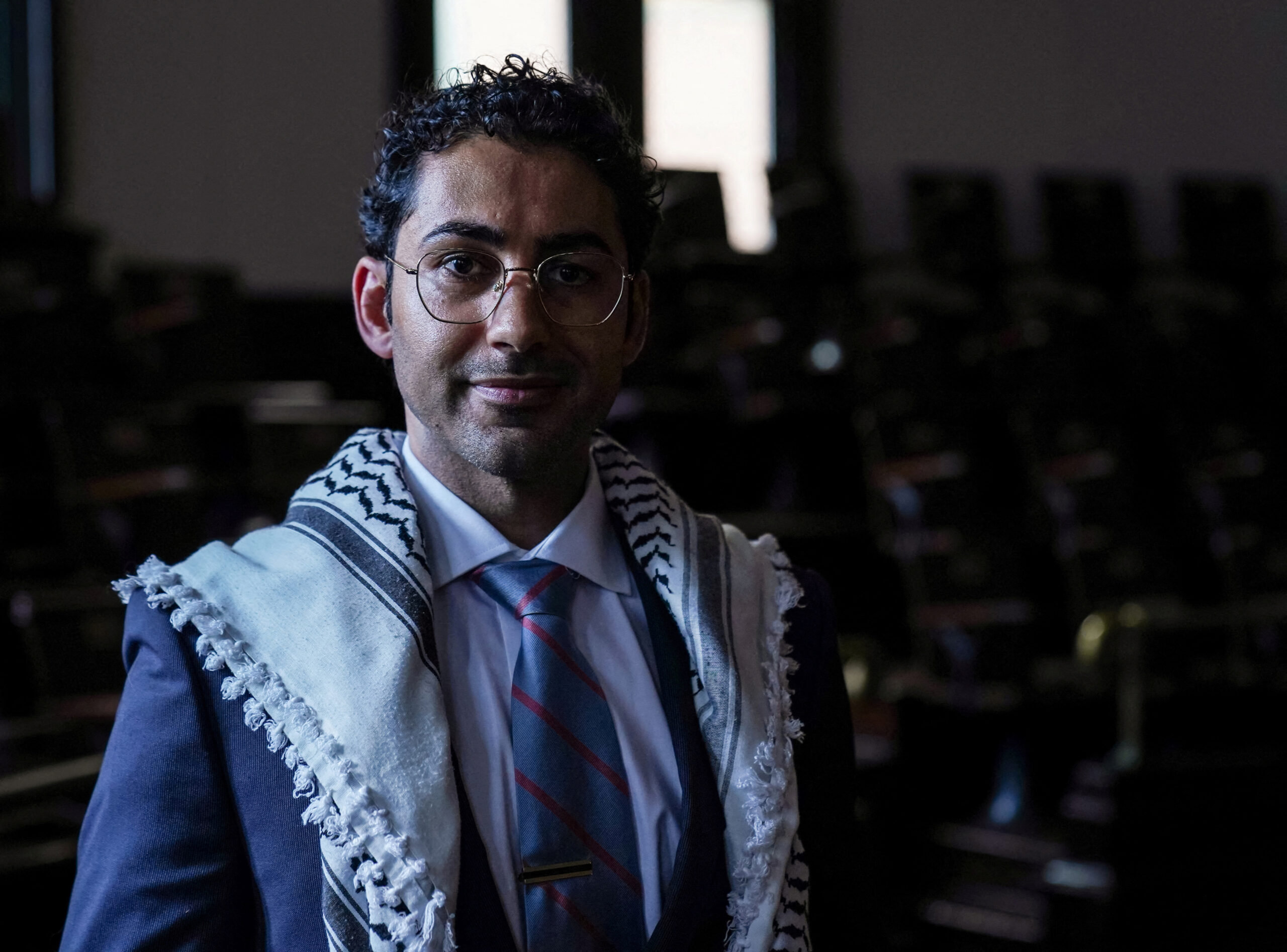
    In a decisive leadership contest, veteran journalist and activist Avi Lewis has been elected to lead Canada’s New Democratic Party (NDP), securing 56% of the vote. His victory comes as the left-leaning party confronts its most challenging period in recent history, holding just six seats in the House of Commons following devastating losses in the 2025 federal election.

    Lewis triumphed over Member of Parliament Heather McPherson and three other candidates with a campaign centered on radical economic transformation. His platform prioritizes worker protections in the AI era, halting all new oil and gas infrastructure, and establishing state-owned, non-profit grocery stores to combat soaring living costs.

    Addressing supporters in Winnipeg, the 58-year-old leader delivered a fiery victory speech condemning Canada’s ‘rigged economy’ that benefits the wealthy while leaving working families behind. ‘Canada, mark your calendar: the NDP comeback starts now,’ declared Lewis, promising to build ‘a government that works for the many, not the money.’

    The leadership transition follows the resignation of Jagmeet Singh, who stepped down after the NDP’s catastrophic election performance that saw the party lose 17 seats—10 to Conservatives and 7 to Liberals. Current polling places national support at just 12%, with a quarter of former voters considering the party ‘irrelevant’ according to recent Angus Reid data.

    Despite federal struggles, the party maintains strong provincial presence, governing British Columbia and Manitoba where Premier Wab Kinew enjoys 61% approval ratings. Lewis himself faces governing challenges as an unelected leader, having lost parliamentary bids in Vancouver during both 2021 and 2025 elections. Party rules permit his leadership without a seat, though he cannot participate directly in House debates until securing election.

    Lewis brings considerable name recognition and fundraising prowess—amassing C$1.2 million during his campaign—along with deep party roots. His grandfather David Lewis was among the NDP’s founding members and 1970s leader, while father Stephen Lewis led Ontario’s NDP. The new leader’s professional background includes journalism roles at CBC and Al Jazeera English, alongside activist credentials co-authoring The Leap Manifesto with wife Naomi Klein, the renowned author and social activist.

    His policy agenda combines wealth taxation, affordable housing initiatives, and climate action with controversial energy positions that already face internal criticism. Former Alberta NDP minister Shannon Phillips warned Lewis’s anti-pipeline stance could alienate voters in oil-rich provinces, highlighting the balancing act required for national relevance.

    The leadership victory coincides with fresh challenges including the recent defection of Nunavut MP Lori Idlout to Prime Minister Mark Carney’s Liberals, despite her initial endorsement of Lewis’s leadership bid.

  • Chinese capital circling Trump’s school voucher gold rush

    Chinese capital circling Trump’s school voucher gold rush

    In a controversial move that sent shockwaves through educational circles, Florida Governor Ron DeSantis abruptly expelled four private schools from the state’s voucher program in September 2023. The state’s justification cited “direct ties to the Chinese Communist Party” as an “imminent threat” to student safety, though no specific evidence was provided.

    The targeted institutions were operated by Spring Education Group, one of America’s largest private school networks with over 200 campuses across 19 states. The company’s connection to Hong Kong-based Primavera Capital Group—through parent company Primavera Holdings Limited—triggered the political firestorm. Spring Education maintains prestigious brands including Stratford School and BASIS Independent Schools, all of which deny any political affiliations.

    This incident ignited a broader conservative campaign against Chinese influence in American education. Arkansas Senator Tom Cotton escalated concerns in February 2024 by warning the Defense Department about Tutor.com, another Primavera-owned company providing services to military families. Cotton alleged the arrangement could expose sensitive data to Chinese authorities.

    Right-wing media and advocacy groups amplified these concerns throughout 2024-2025, with the New York Post claiming Chinese “infiltration” of classrooms and Texas Scorecard warning about Primavera’s operations in their state. Despite these allegations, Spring Education Group continues receiving public funds in multiple states, including North Carolina where two schools collected over $150,000 in voucher money during 2024-2025.

    The controversy deepened with revelations about Primavera founder Fred Hu’s background. Documents show Hu served multiple terms in China’s political advisory body, the CPPCC, while also maintaining his role as a Goldman Sachs veteran and IMF advisor. Primavera’s investments in surveillance technology companies—including SenseTime (blacklisted by the U.S. for monitoring Uyghurs) and Palantir—further fueled concerns.

    Paradoxically, many conservative states are embracing a new federal voucher program created by the Trump administration that could potentially channel more public funds to these same companies. The Educational Choice for Children Act (ECCA), set to launch in 2027, offers tax credits for donations to scholarship organizations with minimal oversight.

    Education advocates warn this creates a regulatory end-run that could benefit private equity firms like Primavera while undermining public education. Jessica Levin of the Education Law Center notes the program aims to “expand vouchers nationwide, including into states that have repeatedly rejected voucher programs.”

    The complex situation illustrates the tension between school choice expansion and national security concerns, with billions in public education funding hanging in the balance.

  • Confidence high among Taiwan people on mainland under new 5-year plan

    Confidence high among Taiwan people on mainland under new 5-year plan

    The unveiling of China’s 15th Five-Year Plan (2026-2030) has generated substantial optimism among Taiwanese citizens residing and working on the mainland, who view the development blueprint as a catalyst for enhanced cross-Strait integration. Approved during the fourth session of the 14th National People’s Congress earlier this month, the comprehensive roadmap outlines specific measures to deepen economic cooperation and social exchanges across the Taiwan Strait.

    According to Wu Chia-ying, Vice-President of the Association of Taiwan Investment Enterprises on the Mainland, the plan establishes a clearer framework for integrated development, demonstrating Beijing’s commitment to peaceful cross-Strait relations. ‘The blueprint contains concrete measures, including establishing demonstrative zones for integrated development, which reflect the mainland’s resolve to promote peaceful development,’ Wu noted.

    The plan’s emphasis on equal treatment for Taiwanese residents has particularly resonated with the community. Edward Lee, CEO of Johnson Health Tech Co Ltd China, anticipates that policy improvements will ‘foster closer industrial cooperation and build a common market across the Strait.’ The commitment to ensuring Taiwanese receive equal treatment in education, healthcare, and other public services has alleviated concerns for long-term development, according to multiple sources.

    Hung Chi-en, an environmental protection professional based in Jiangsu province since 2015, reported that equal access to financial and human resources has strengthened his perception of cross-Strait familial bonds. ‘We will see more integrated development during the 15th Five-Year Plan period, with better conditions for Taiwanese to study, work and live on the mainland,’ he added.

    Entrepreneurs have identified specific opportunities in the plan’s focus on high-quality development and technological innovation. Lee Cheng-hung, Chairman of the Association of Taiwan Investment Enterprises, noted that Taiwanese businesses are increasingly pursuing ‘innovation dividends rather than merely cost advantages.’ The plan’s alignment with industrial upgrading through digital transformation and emerging sectors presents promising market spaces, according to Li Ming-hui of LIHPAO Life Science, who anticipates benefits from the accelerated ‘Healthy China’ initiative.

    Official commentary from Chen Binhua, spokesperson for the Taiwan Affairs Office, emphasized that the plan represents a significant opportunity period for Taiwanese enterprises and individuals. The implementation is expected to ‘open broader space and more diverse paths for cross-Strait integrated development,’ with Taiwanese participants increasingly viewing themselves as both beneficiaries and active contributors to national rejuvenation efforts.

  • Mongolia’s ruling party picks a new prime minister candidate after leader’s resignation

    Mongolia’s ruling party picks a new prime minister candidate after leader’s resignation

    ULAANBAATAR, Mongolia — Mongolia’s political landscape witnessed a significant shift as the ruling Mongolian People’s Party (MPP) selected Uchral Nyam-Osor as its new prime ministerial candidate on Sunday. This development follows the resignation of former Prime Minister Zandanshatar Gombojav after merely nine months in office.

    Uchral Nyam-Osor, who currently serves as Parliament Speaker and party chairman, emerged as a consensus choice during the MPP’s internal deliberations. His nomination, reported by the state news agency Montsame, represents a strategic compromise between competing factions within the party. First joining the MPP in 2009, Uchral brings considerable political experience to the role.

    The political crisis unfolded after corruption allegations surfaced against one of Zandanshatar’s senior ministers. Simultaneously, the opposition Democratic Party initiated a parliamentary boycott earlier this month, protesting what they described as excessive power concentration within the ruling party.

    This political instability exacerbates existing public distrust in Mongolia’s democratic institutions. Since transitioning from a one-party Communist system in 1990, the nation of 3.4 million people has maintained electoral continuity but continues to grapple with systemic corruption and elite-oriented governance structures.

    International investors remain cautious about Mongolia’s political volatility and the abbreviated tenures of successive governments. The country’s economy, heavily reliant on mining exports to neighboring China, faces additional challenges due to regulatory unpredictability and persistent corruption concerns that have hampered foreign investment and economic development.

  • Outspoken MP Moira Deeming dumped from Liberal ticket

    Outspoken MP Moira Deeming dumped from Liberal ticket

    Controversial Victorian MP Moira Deeming has suffered a significant political setback after losing Liberal preselection for the upcoming state election, casting serious doubts about her continued affiliation with the party. The outspoken conservative figure was defeated by businessman Dinesh Gourisetty in the battle for placement on the Liberals’ Western Metropolitan ballot for the November electoral contest.

    The preselection loss has ignited widespread speculation that Deeming might consider defecting to alternative political movements, with One Nation and various minor parties emerging as potential destinations for the displaced parliamentarian.

    Deeming first captured national attention in 2023 when she participated in an anti-trans rights demonstration that was subsequently infiltrated by neo-Nazi elements. While she publicly condemned the extremist groups on social media platforms, her involvement prompted then-Opposition Leader John Pesutto to initiate expulsion proceedings against her.

    The political drama escalated when Deeming was formally removed from the parliamentary Liberal Party after threatening legal action against Pesutto. However, in a dramatic reversal of fortunes, Deeming emerged victorious in a December 2024 defamation case against her former leader.

    Federal Court Justice David O’Callaghan ruled that Pesutto had defamed Deeming through multiple channels including radio interviews, press conferences, and official party documents. The court found that Pesutto’s communications wrongfully suggested Deeming knowingly associated with or sympathized with neo-Nazis and white supremacist ideologies.

    The judicial outcome resulted in a $300,000 damages award to Deeming and a subsequent order for Pesutto to cover her legal costs amounting to $2,308,873. This legal victory stands in stark contrast to her current political predicament, creating a complex narrative of judicial vindication amid electoral rejection.

  • Cuba slams US for ‘lying’ over fuel blockade

    Cuba slams US for ‘lying’ over fuel blockade

    HAVANA – Cuban Foreign Minister Bruno Rodríguez has launched a vehement condemnation against the United States, accusing it of engaging in systematic deception regarding its enforcement of a comprehensive fuel blockade against the Caribbean nation. The diplomatic offensive unfolded on social media platform X this past Saturday.

    Rodríguez presented what he characterized as incontrovertible evidence contradicting Washington’s official statements, specifically referencing a January 29 executive order alongside subsequent regulatory measures. According to the top diplomat, these documents explicitly establish what he termed a ‘brutal blockade’ designed to prevent fuel from reaching Cuban territory.

    The minister detailed the mechanisms of this economic pressure campaign, highlighting Washington’s alleged threats of sanctions against third-party nations and international corporations that attempt to supply petroleum products to Cuba. Rodríguez further cited what he described as hostile maneuvers specifically targeting vessels attempting to transport oil to Cuban ports.

    This policy, Rodríguez asserted, represents a calculated strategy to undermine Cuba’s economic foundations by deliberately restricting development opportunities, eliminating revenue streams, and creating artificial barriers to essential markets and technologies.

    The current allegations emerge against the backdrop of a severe multidimensional crisis gripping the island nation. Decades of comprehensive US economic sanctions have precipitated what international observers describe as one of Cuba’s most challenging economic and energy crises in recent history. United Nations assessments indicate the escalating fuel shortage is rapidly evolving into a full-scale humanitarian emergency, with widespread implications for basic services and quality of life.

  • Nationwide ‘No Kings’ demonstrations take place across US

    Nationwide ‘No Kings’ demonstrations take place across US

    A widespread wave of coordinated demonstrations under the banner of ‘No Kings’ swept across the United States on Saturday, marking one of the most extensive grassroots mobilizations in recent political history. The movement, which expanded beyond major metropolitan centers to include suburban and rural communities, saw participation across all fifty states with over 3,100 organized events.

    The protests, which also garnered international support with simultaneous events reported across several European nations including Italy, France, Germany, and Spain, represented a coalition of advocacy groups addressing diverse domestic and international concerns. Organizers from the No Kings Coalition reported unprecedented participation from traditionally less politically active demographics, with nearly two-thirds of registered attendees hailing from suburban or rural areas.

    Aerial footage from Philadelphia captured substantial crowds marching through city streets, while California hosted more than 300 individual events spanning from Los Angeles to Sacramento. The demonstrations maintained a consistent emphasis on nonviolent action, with organizers providing comprehensive safety and de-escalation training to participants.

    The movement emerged against a backdrop of mounting economic pressures, including rising fuel prices and living costs, combined with concerns about international conflicts and domestic policies. Civil rights leader Rev. Al Sharpton characterized the events as transcending traditional political divisions, stating at a news conference: ‘We may not all agree on some issues, but we all agree that if we do not protect the right to vote and protect democracy, it doesn’t matter where we disagree.’

    The White House responded dismissively to the demonstrations, with spokesperson Abigail Jackson describing them as ‘Trump Derangement Therapy Sessions’ primarily of interest to media personnel. However, organizers pointed to the geographic diversity and scale of participation as evidence of sustained public engagement with democratic processes.

    Notable gatherings included an anticipated attendance of 100,000 participants at Minnesota’s state capitol in St. Paul, building on previous protests related to federal immigration enforcement operations in the region. The coalition behind the movement includes major organizations such as Indivisible, MoveOn, the American Federation of Teachers, the American Civil Liberties Union, and the Service Employees International Union.

  • Qatar elder statesman warns Israel’s war on Iran risks spiralling out of control

    Qatar elder statesman warns Israel’s war on Iran risks spiralling out of control

    A prominent Qatari royal and former prime minister has issued a grave warning about the escalating military confrontation between the US-Israel alliance and Iran, stating the coming days will be critical for regional stability. Sheikh Hamad bin Jassim Al Thani, commonly known as HBJ, expressed deep concerns through his official social media channel about the potential for prolonged conflict with devastating economic consequences.

    The veteran statesman, who previously served as both Qatar’s prime minister and foreign minister, characterized the Gulf situation as ‘a war in every sense of the word.’ He highlighted the increasing complexity of the conflict following the involvement of Ansar Allah (Houthi) forces, noting they represent just one element in a multifaceted confrontation.

    HBJ specifically warned about the dangerous possibility of a ‘suffocating blockade’ resulting from the closure of the Strait of Hormuz, which would trigger severe economic repercussions globally. He pointed to recent attacks on Qatar’s Ras Laffan LNG facility, which suffered extensive damage from missile strikes, knocking out 17% of the country’s liquefied natural gas export capacity. The damage resulted in an estimated $20 billion in annual lost revenue and will require three to five years for complete repairs.

    The Qatari leader questioned who ultimately benefits from this regional collapse, acknowledging that while the United States isn’t the primary beneficiary, uncertainty remains about whether decision-making authority rests in Washington or Jerusalem. He emphasized the urgent need for tangible diplomatic outcomes to prevent further escalation, noting Qatar’s active but discreet mediation efforts alongside Pakistan’s emerging role as an unlikely intermediary between Washington and Tehran.

    HBJ concluded with a sobering assessment that continued conflict would primarily benefit only a handful of states while the majority of regional players would endure significant economic losses, bringing his previously warned-about ‘prolonged war of attrition’ closer to reality.

  • ‘Down with the king’: Death of Bahraini in custody sparks angry dissent

    ‘Down with the king’: Death of Bahraini in custody sparks angry dissent

    Bahrain is confronting significant public anger following the controversial death of Mohamed al-Mosawi, a 32-year-old man who died in state custody under circumstances suggesting torture. The incident has ignited rare public protests and drawn sharp criticism from human rights organizations.

    Al-Mosawi was detained with six companions at a security checkpoint on March 19th while returning from a suhoor meal during Ramadan. According to the Bahrain Institute for Rights and Democracy (Bird), the detainees experienced enforced disappearance, with families remaining unaware of their whereabouts until authorities notified them to collect al-Mosawi’s body from the Bahrain Defence Force Hospital.

    Visual evidence obtained by Middle East Eye reveals extensive bruising and physical markings across the deceased’s face and body, consistent with allegations of torture before death. The Interior Ministry has denied these claims, labeling circulated images as ‘inaccurate and misleading,’ while simultaneously announcing an investigation into the matter. Officials stated al-Mosawi faced espionage charges for allegedly providing intelligence to Iran’s Islamic Revolutionary Guard Corps.

    Notably, al-Mosawi had previously endured over a decade as a political prisoner in Jau Prison before receiving a royal pardon in April 2024 alongside approximately 1,500 other detainees. His death certificate lists the cause as ‘cardiopulmonary arrest’ and ‘acute coronary syndrome’ – medical explanations contradicted by acquaintances who described him as young, healthy, and energetic.

    The case occurs against a backdrop of intensified regional conflict and domestic crackdowns. Since the onset of the Israel-Hamas war, Bahraini authorities have arrested at least 220 individuals, primarily targeting Shia communities who constitute Bahrain’s demographic majority. The ruling Al Khalifa family represents the Sunni minority.

    Al-Mosawi’s funeral in Muharraq drew hundreds of participants who chanted anti-government slogans – a rare occurrence given severe restrictions on dissent. Attendees reported widespread fear within Shia communities, particularly regarding arbitrary detention and enforced disappearances.

    International observers note that Bahrain’s strategic importance, hosting the U.S. Navy’s Fifth Fleet with approximately 9,000 personnel, has historically influenced Western nations’ responses to human rights concerns. The recent events have renewed scrutiny on the government’s treatment of dissent and the ongoing tensions between Bahrain’s ruling establishment and its Shia population.