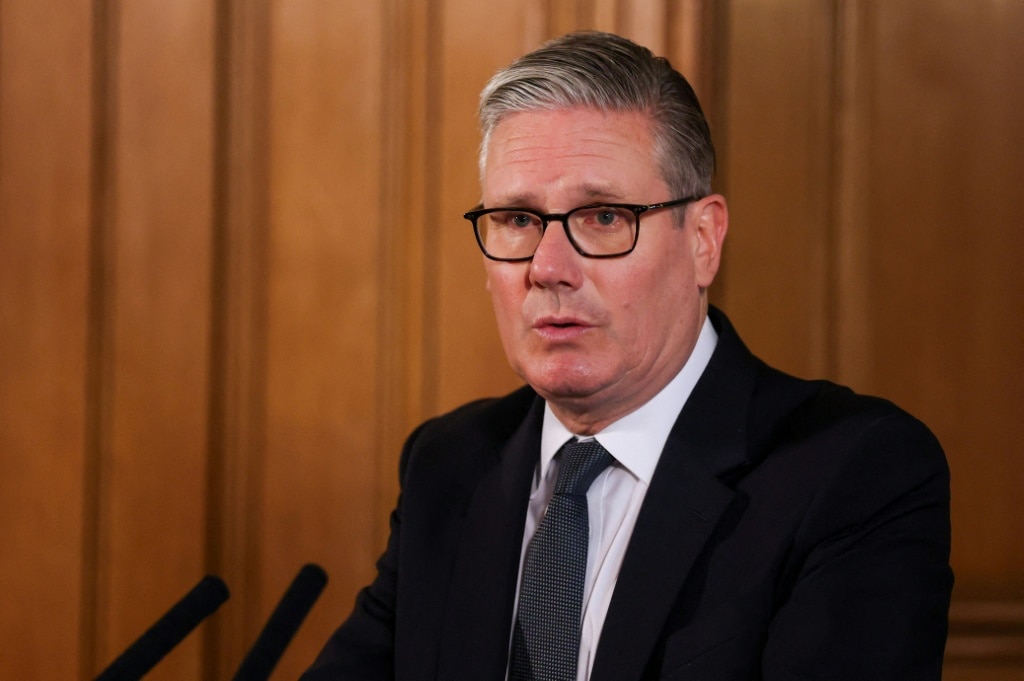
Polling stations opened across England, Scotland and Wales at 7 a.m. GMT on Thursday for what is poised to be the most high-stakes electoral test for Prime Minister Keir Starmer’s Labour government since the party’s landslide 2024 general election victory that ended 14 years of Conservative rule.
Nearly two years into Starmer’s premiership, pre-election opinion polls point to a grim outcome for the ruling party, with losses large enough to reignite long-simmering tensions over his leadership and amplify growing calls for his resignation or an official leadership challenge. Widespread public disillusionment with the traditional major parties has created a power vacuum that two populist factions — Nigel Farage’s right-wing anti-immigration Reform UK and the left-wing Green Party led by self-described eco-populist Zack Polanski — are projected to fill as their main beneficiaries.
Around 5,000 of the UK’s 16,000 local council seats in England are up for grabs in this vote, while voters in Scotland and Wales are also choosing new members for their respective devolved legislatures. Polls will close at 10 p.m. Thursday, with partial results expected overnight and the full bulk of vote counts set to be released Friday.
Starmer campaigned on a platform of transformative national change after 14 years of Conservative governance marked by austerity measures, Brexit-driven political chaos, and the 2022 economic crash under former Prime Minister Liz Truss. But critics argue his tenure has been defined by a string of unforced policy missteps and controversies, most notably a high-profile scandal tied to his former close ally Peter Mandelson, the ex-UK envoy to the U.S. who was fired over his ties to late convicted sex offender Jeffrey Epstein.
Most damaging for Starmer’s approval ratings has been the government’s failure to deliver on its core campaign promise of jumpstarting sustained economic growth. British households continue to grapple with a prolonged cost-of-living crisis driven by soaring energy prices and stagnant wages, leaving many voters frustrated that the change they voted for has yet to materialize. As University College London associate politics professor Melanie Garson put it: “The change hasn’t been delivered, or change that has been delivered has been negative.”
Garson noted that this election marks an unprecedented turning point for UK politics, noting “for the first time, significant pressure on the main political parties across every single council.” She described the vote as “a huge barometer for how the country is feeling about this political establishment.”
Ahead of voting, Starmer framed the election as a binary choice between national unity and division, “progress versus the politics of anger.” Labour has also sought to stem losses by highlighting problematic comments from opposition candidates, unearthing racist remarks from some Reform contenders and antisemitic statements from several Green candidates.
Pre-election projections paint a dire picture for Labour across all regions. Polling suggests the party will lose control of the devolved Welsh government for the first time since the Welsh parliament was established 27 years ago, with a recent More in Common poll placing Reform neck-and-neck with pro-independence Plaid Cymru in Labour’s traditional Welsh heartlands.
In Scotland, the Scottish National Party (SNP) is projected to extend its 19-year hold on the Edinburgh devolved parliament, with YouGov data forecasting that Reform could even push Labour into third place in the region. In London, the Greens are on track to seize seats from Labour by courting disaffected left-wing voters with a pro-Gaza policy platform.
Leading pollster Robert Hayward projects that Labour could lose as many as 1,850 of the roughly 2,550 local council seats it is currently defending. Hayward predicts Reform will gain 1,550 seats from both Labour and the Conservatives, mostly in majority white working-class communities that have long been traditional strongholds for the major parties. The Conservatives, who have been out of national power since 2024, are also bracing for heavy losses of their own traditional heartland seats.
Conservative leader Kemi Badenoch framed the shift as a definitive end to the UK’s traditional two-party system, telling PA Media: “The two-party era has moved into a multi-party era. But the fact is none of these new parties or Labour have a plan for the country.”
Farage, for his part, expressed confidence in Reform’s prospects Thursday: “The message is clear: if you want real change, you’d better vote for it, and we go into tomorrow feeling pretty optimistic about our prospects.”
Following the expected poor results, UK media is rife with speculation that senior Labour figures could move to oust Starmer. Names frequently cited as potential challengers include former deputy prime minister Angela Rayner and current Health Secretary Wes Streeting. However, neither contender commands universal support within the parliamentary Labour party, and a leadership challenge requires the backing of at least 20 percent of Labour MPs to move forward. Some backbench lawmakers are also reportedly planning to demand that Starmer announce a timeline for stepping down, despite his repeated public commitments to leading the party into the next general election scheduled for 2029.