Western Australia’s state Labor government has delivered its eighth consecutive annual budget surplus, marking the third surplus under Premier Roger Cook and Treasurer Rita Saffioti, alongside a suite of new spending measures designed to address soaring household costs, expand housing supply, and upgrade public health infrastructure. Bolstered by an expected $9.3 billion in goods and services tax (GST) revenue set to flow into state coffers in the coming fiscal year, the 2024-25 budget posts a $3.5 billion surplus, with state debt projected to hit $34.5 billion by the end of June 2024 — $4 billion lower than earlier forecasts, earning the state the title of Australia’s lowest-cost jurisdiction for public debt.
State officials credit the private sector for driving Western Australia’s standout economic performance, noting that private activity accounts for 86% of the state’s domestic economic growth, which has expanded by 27% over the past five years. Cook emphasized that the budget is built on two core priorities: sustaining the state’s position as Australia’s strongest economy and delivering tangible support for households in key areas including jobs, healthcare, housing, and cost-of-living relief.
“This is a responsible budget designed to keep Western Australia strong,” Cook said in remarks following the budget announcement. “We are delivering on our commitments to keep Western Australia the strongest economy in the nation and the best place to live, work and raise a family.”
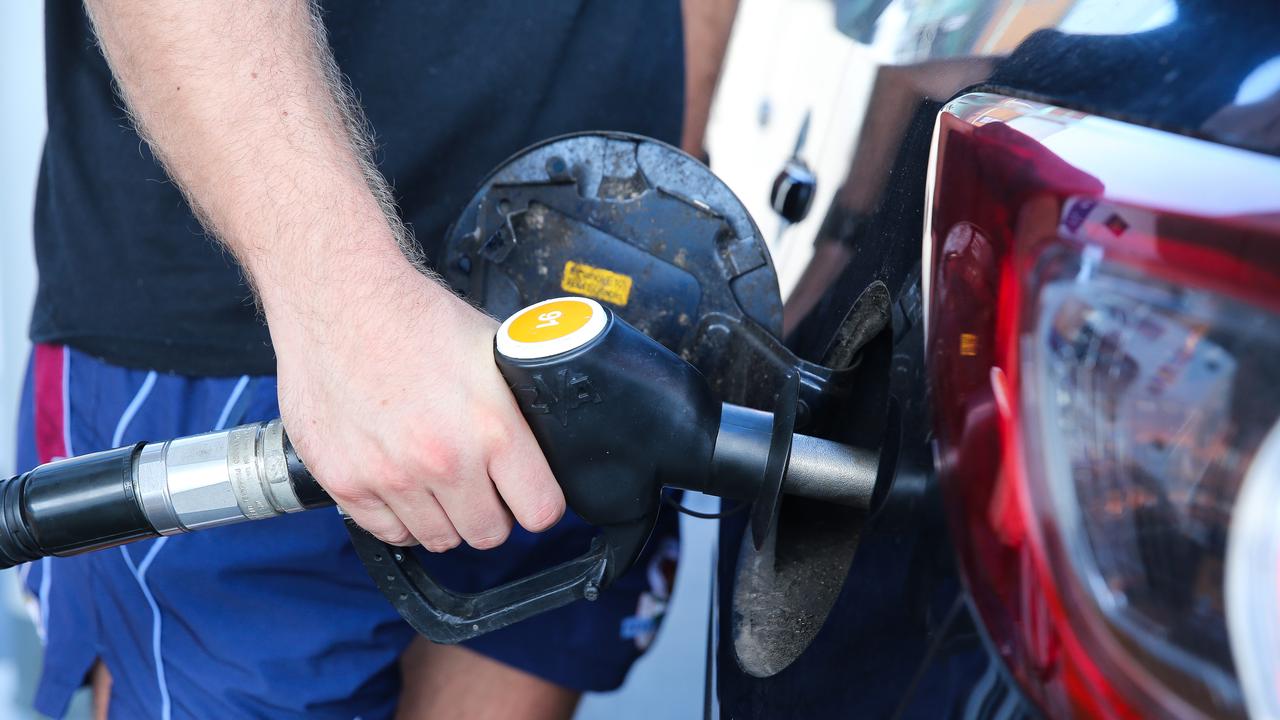
The centerpiece of the budget is a $1 billion cost-of-living support package, though the targeted structure of the aid means many households will not qualify for direct financial relief. Unlike in previous years following the COVID-19 pandemic, the state will not offer broad state-funded energy rebates for households this year, and motorists will face a 2.5% increase in driver license and vehicle registration fees, with no fee freeze in place. Instead, the largest share of relief is directed to drivers, with a one-time $100 fuel credit available to all licensed driver holders, part of a $198 million package to offset rising petrol prices.
Additional support is targeted at families with school-aged children, with $90 million allocated for student assistance payments. Eligible families will receive $150 per child enrolled in kindergarten or primary school, and $250 per high school student. A further $70 million funds expanded free public transport initiatives: students will receive free travel to and from school, all passengers will access free rides on Sundays, and senior citizens will pay no fares for off-peak and weekend travel. State officials estimate that a two-child family can receive more than $2000 in combined assistance from the full suite of cost-of-living measures.
Housing affordability and supply, one of the most pressing issues facing Western Australian households, received a $4.7 billion total investment to unlock new land and deliver thousands of new dwellings across Perth and regional areas. More than $1 billion of that funding will go toward developing core infrastructure including roads, water networks and power connections for new residential areas. A joint federal-state $2 billion commitment will build 34,000 new homes, 11,000 of which will be allocated to first home buyers in areas close to metro train stations, new greenfield residential developments and regional hubs.
Frontline workers in seven major regional centers — Bunbury, Kalgoorlie, Karratha, Port Hedland, Broome, Geraldton and Albany — will benefit from a $692 million regional housing program that will deliver 500 new dwellings over four years, alongside additional funding for local infrastructure, job creation, healthcare and essential services. The state also expanded tax concessions for first home buyers: the stamp duty exemption threshold has been raised from $500,000 to $600,000 for completed homes, and from $400,000 to $450,000 for vacant land, with partial concessions available for homes valued up to $800,000. The property cap for the $10,000 First Home Owner Grant has also been increased from $750,000 to $800,000. While fewer than 320 homes under $600,000 and just 52 vacant lots under $450,000 are currently listed for sale in Perth, the government projects the changes will support roughly 25,000 first home buyers over time. An additional $1.5 billion will boost social and affordable housing, delivering thousands of new affordable rental units and public housing dwellings, including 1,426 new social dwellings delivered through the federal Housing Australia Future Fund partnership.
Public health also received a historic $9 billion investment over the next four years, with funding allocated for new hospital construction, hundreds of additional hospital beds, and expanded capacity across the public health system. A key project is a new state-of-the-art cancer center in Perth, modeled on integrated treatment-research facilities already operating in Sydney and Melbourne that combine clinical care, cutting-edge research and clinical trials. The state’s Building Hospitals Fund will receive an extra $500 million, bringing total investment in hospital infrastructure to $2 billion by 2026-27 and $5.5 billion over the four-year funding period.
To rebalance state spending and redirect funds to frontline services, the government will cut 1,500 back-office public sector roles, a move Treasurer Saffioti framed as a necessary adjustment to shifting policy priorities. “We considered all factors and tried to get the balance right,” Saffioti said. “You can always do more, and there are people who want more, but we’ve done our best to support families.”
The budget has drawn sharp criticism from the state opposition, led by Opposition Leader Basil Zempilas, who argued the $100 fuel credit is a superficial distraction that fails to address the core crises facing Western Australian households. “The people of Western Australia are hurting, and nothing that we’ve seen in today’s budget has changed that,” Zempilas said. “To the people of Western Australia in the middle of this cost of living and housing crisis, the $100 fuel smoke screen will do nothing to help the people camped in their cars or on the side of road. It will do nothing to alleviate the stress and pressure that comes on families.”
Zempilas added that the small one-time fuel credit pales in comparison to recent increases in water, electricity and vehicle registration costs, and argued the government has failed to address the root causes of household financial stress. “This is a government that has forgotten the here and now, and for all of those people in our community, for all of those people hurting, what changes today? And the answer is very, very little,” he said. “This is not a budget that addresses the absolute fundamental concerns of West Australians who are hurting and buckling under the pressures of our housing crisis and this cost of living and household stress crisis.”