Fresh violence has rattled the eastern Indian state of West Bengal just days after the Bharatiya Janata Party (BJP), led by Prime Minister Narendra Modi, secured a historic, first-ever election victory ending 15 years of Trinamool Congress (TMC) rule, with the fatal shooting of a top BJP leader’s aide amplifying already soaring political tensions.
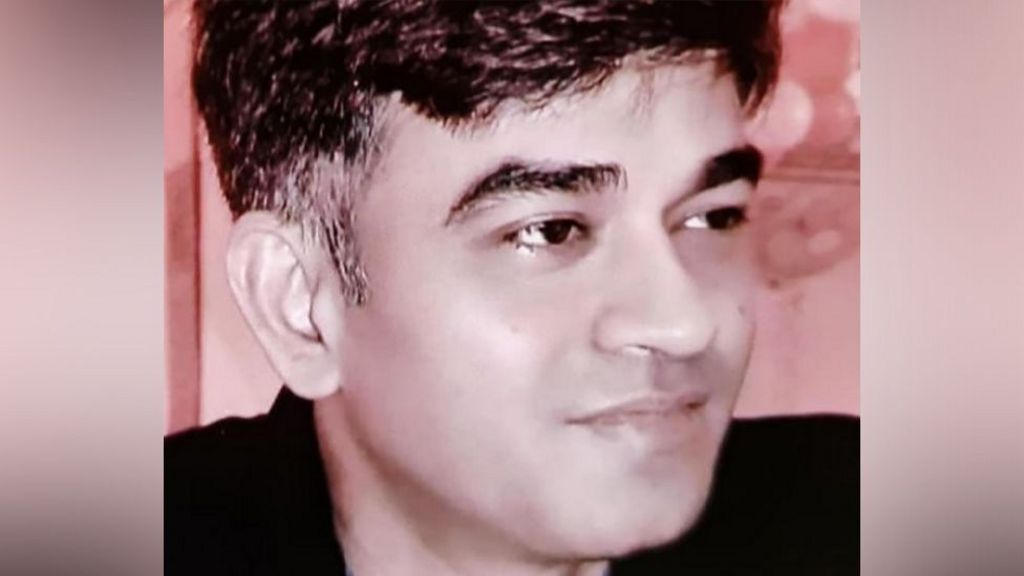
Chandranath Rath, personal assistant to Suvendu Adhikari — the former TMC leader turned BJP heavyweight widely tipped to become West Bengal’s next chief minister — was gunned down Wednesday night while traveling home by car. Law enforcement agencies have launched a full homicide investigation, though no arrests have been announced as of the latest updates. West Bengal Police Chief Siddh Nath Gupta confirmed that investigators have recovered the getaway vehicle used by the attackers, as well as live ammunition and spent bullet casings from the crime scene. The vehicle’s license plate was found to be falsified, complicating initial tracking efforts. Eyewitness accounts have pointed to a shooter operating from a motorcycle, but police have not yet confirmed details of the attacker count or any potential suspects.
Rath’s killing is the third confirmed fatality recorded in the state since election results were officially announced on Monday, marking an escalation of unrest that has followed the historic poll outcome. Even before the shooting, police had already taken more than 400 people into custody in connection with widespread reports of post-poll violence and voter intimidation across the state.
Political violence in the wake of state elections is not a new phenomenon in West Bengal, where violent clashes between workers of rival political parties have become a recurring pattern. This cycle of violence is rooted in the state’s long-entrenched “party society” system, a concept first coined by political scientist Dwaipayan Bhattacharyya to describe how political affiliation became embedded in every aspect of daily life and livelihood during decades of Communist rule. Zaad Mahmood, a political science professor at Kolkata’s Presidency University, explained to the BBC that in recent decades, political identity has replaced caste and religion as the primary axis of conflict in many rural areas. For local residents, survival is often tied directly to loyalty to the ruling party, meaning a shift in political power feels like an existential threat to many. While the total number of fatalities in this election cycle is lower than in previous polls, Mahmood noted that violence extends far beyond reported deaths, creating a pervasive climate of fear that persists before, during and after voting.
Tensions have been building in West Bengal for weeks, with the election held against the backdrop of a controversial voter roll update that left millions of eligible voters removed from electoral registers. Outgoing TMC chief Mamata Banerjee, who was defeated by Adhikari in her own long-held stronghold constituency of Bhabanipur, has alleged the exercise deliberately targeted non-BJP voters to clear a path for the BJP’s landslide win, which delivered the party 207 of the state assembly’s 294 seats. Both the BJP and India’s national Election Commission have repeatedly denied these allegations.
Both major political parties have condemned Rath’s murder and traded blame over the ongoing wave of post-poll violence. Adhikari called the killing “heartwrenching” and labeled it a premeditated “cold-blooded murder.” The TMC issued a formal statement rejecting political violence as incompatible with democratic governance, demanding an immediate, court-monitored investigation to hold the perpetrators accountable. Both parties claim their workers have been targeted: the BJP says two of its members have been killed, while the TMC puts its death toll at three. Police have only confirmed Rath’s BJP affiliation, with no verification of other victims’ party ties.
BJP leaders have seized on the violence to criticize the outgoing TMC government, arguing that law and order collapsed during Banerjee’s 15-year tenure. Sukanta Majumdar, a junior federal minister from the BJP, told reporters that once the new BJP government is sworn in this Saturday, the party will work to restore public safety, though he acknowledged stabilizing the state will take time. Adhikari is still widely expected to be named chief minister when the new administration takes office this weekend, though the BJP has not officially confirmed his appointment.
In addition to fatal clashes, widespread reports of arson, vandalism and intimidation have emerged from districts across the state, including Kolkata, Murshidabad, Birbhum and Howrah. The TMC has alleged that BJP workers have targeted TMC party offices, vandalizing properties and setting some ablaze — claims the BJP has repeatedly denied. The TMC also accused BJP supporters of using a bulldozer to demolish meat shops in a popular Kolkata market, an incident that takes on heightened political weight given that food choice was a core campaign issue in the election. The TMC framed the incident as part of a deliberate pattern of intimidation that sets a dangerous precedent for law and order under a BJP government. State BJP chief Samik Bhattacharya rejected the claims, saying the party does not endorse any form of violence, and a senior police officer noted that a victory rally was held in the market but no “untoward incident” occurred.
The national Election Commission has already directed state police and district administrations to step up law and order monitoring across West Bengal, with orders to take immediate action against any acts of violence or vandalism. Rath’s assassination has amplified fears among observers and residents alike that post-poll unrest will grow in scale in the coming days, as the state transitions to its first ever BJP-led government.