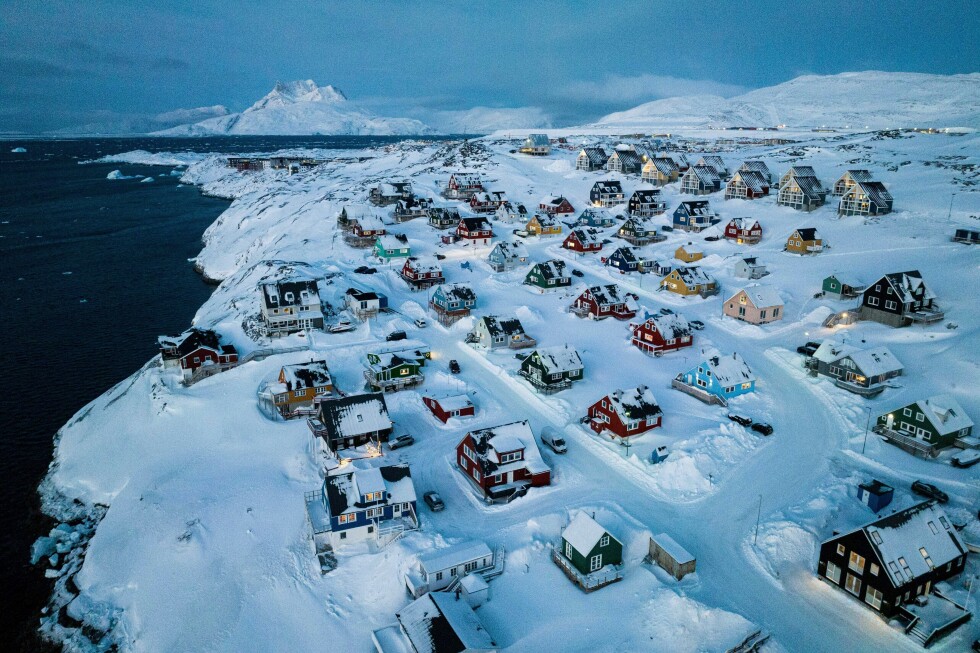
NUUK, Greenland – In a recent high-level diplomatic encounter held in Greenland’s capital, the Arctic territory’s top leader has drawn a clear line in the sand on sovereignty, even as he described a cordial, constructive meeting with a special representative from former U.S. President Donald Trump. Greenlandic Prime Minister Jens-Frederik Nielsen told reporters Monday that his courtesy meeting with U.S. envoy Jeff Landry, the sitting governor of Louisiana, unfolded in a respectful, positive atmosphere – but left no ambiguity about Greenland’s long-held position on self-governance.
分类: politics
-
Prince William’s Duchy of Cornwall to sell 20% of property portfolio to fund housing, green projects
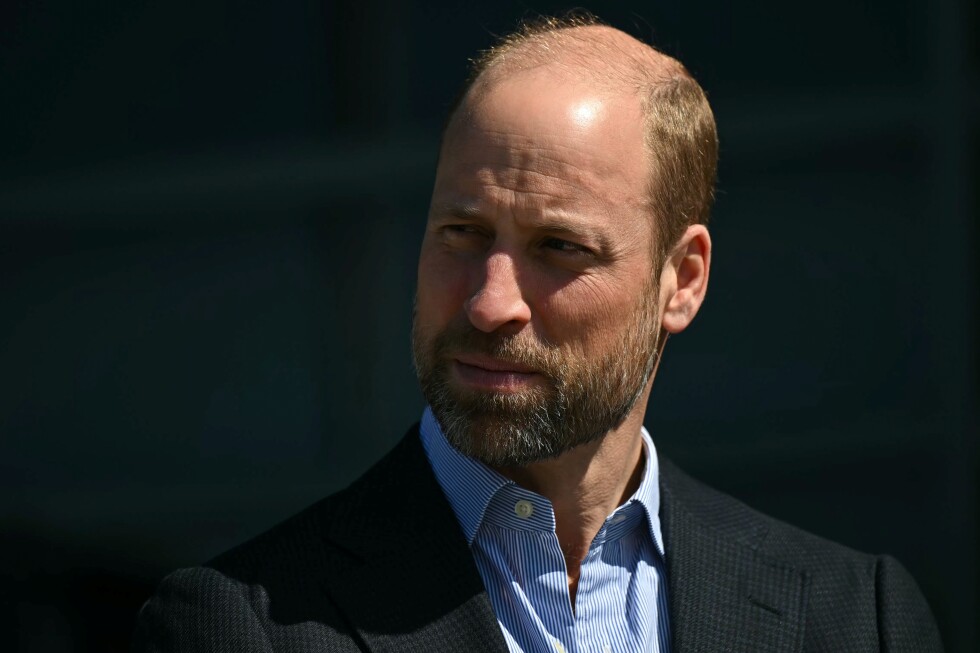
LONDON – In a strategic shift that aligns with growing public demands for greater accountability from Britain’s royal household, Prince William’s Duchy of Cornwall has announced plans to divest roughly 20% of its £1 billion ($1.3 billion) property portfolio over the next 10 years. The proceeds from the land sales will be redirected toward large-scale initiatives including the construction of thousands of new homes, expanded renewable energy generation, and targeted wildlife restoration projects across the region.
The 14th-century estate, established specifically to generate independent income for the holder of the title Prince of Wales, currently holds more than 52,000 hectares of land spread across 19 English counties. Duchy Chief Executive Will Bax shared the details of the long-term plan in an interview with The Times of London, published Monday, confirming the move builds on a broader strategic direction first outlined in the duchy’s most recent annual report: consolidating its scattered, far-flung landholdings and refocusing investments on projects that deliver environmental and social public benefit.
Bax emphasized that Prince William has guided a fundamental reorientation of the duchy’s core mission. “William has decided that the duchy shouldn’t just exist to own land,” Bax told the outlet. “It should first and foremost exist to have a positive impact on the world.”Under the new plan, the duchy will center its future holdings around five concentrated “heartland” regions: the Isles of Scilly, Cornwall, Dartmoor, the Bath area (all in southwest England), and London’s Kennington district. Bax confirmed that the sales are projected to free up roughly £500 million for targeted investment in the new priority projects: affordable and market housing development, expanded clean energy infrastructure, and ecological restoration work.
The Duchy of Cornwall’s annual profits fund the public and private activities of the current Prince of Wales, his wife Princess Catherine, and their three children. In the 2024-2025 financial year ending March 31, the duchy reported a net profit of £22.9 million. While the sitting Prince of Wales receives the estate’s operating profits, strict governance rules prevent him from selling duchy assets for personal gain. A independent board of directors oversees all duchy activities, tasked with preserving the estate’s value for future holders of the title, and all large property transactions require formal approval from the UK government to protect the long-term integrity of the assets.
This strategic overhaul comes at a time when the British monarchy as an institution, and the Duchy of Cornwall in particular, faces mounting public and political pressure to increase transparency around its finances and demonstrate clear public value for the privileges it holds under UK law.
-
Israel to build military ‘museum’ on ruins of Unrwa HQ in Jerusalem
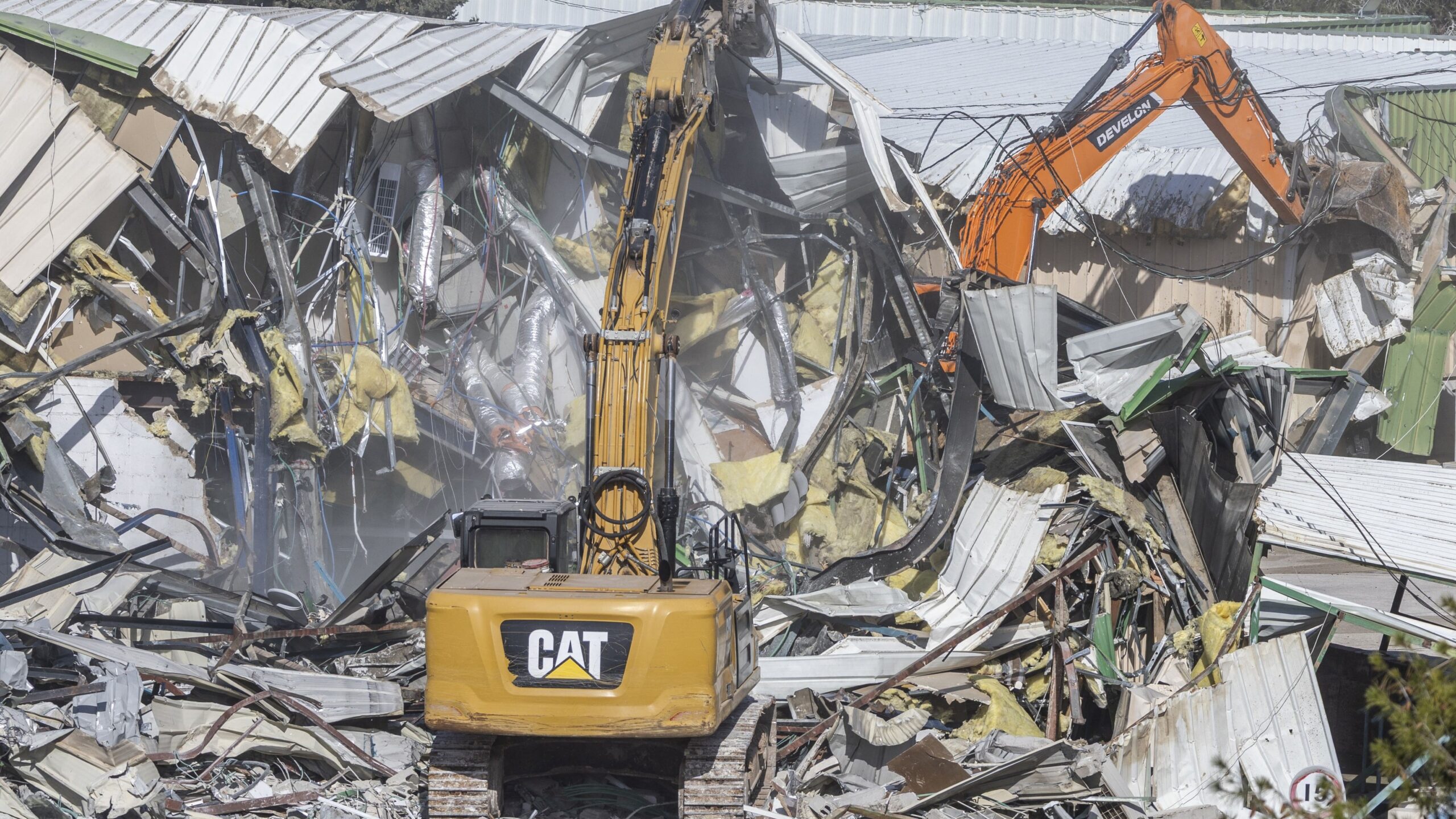
In a decision timed to coincide with Jerusalem Day, the Israeli national holiday marking its 1967 seizure of East Jerusalem, Israeli authorities have greenlit construction of a new government military complex on the plot that once held the headquarters of the United Nations Relief and Works Agency for Palestine Refugees (UNRWA) in Jerusalem.
Under the approved plan, nearly 8.9 acres (36 dunams) of the cleared land will be repurposed to host three key Israeli defense installations: a national military museum, a centralized military recruitment center, and an official office for Israel’s defense minister.
Israeli Defense Minister Israel Katz publicly confirmed the decision in a May 17, 2025 post to X, framing the move as a deliberate assertion of Israeli sovereignty over occupied East Jerusalem. “We outlawed this terror-supporting UN organisation and took the land, and now on its ruins we are building and strengthening Jerusalem – the eternal capital of the Jewish people,” Katz wrote. The project was advanced under the current government led by Prime Minister Benjamin Netanyahu, per the Hebrew-language statement Katz shared alongside his announcement.
This development is the latest escalation in a years-long Israeli campaign to eliminate UNRWA’s presence in East Jerusalem. Israeli bulldozers already demolished the UNRWA compound in the Sheikh Jarrah neighborhood of East Jerusalem back in late January 2025, after months of increasing pressure on the agency.
Israel’s long-standing hostility toward UNRWA stems in large part from the agency’s core mandate: it maintains the official refugee status of hundreds of thousands of Palestinians displaced from their homes during the 1948 Nakba, along with their descendants, a status the Israeli government rejects outright. Tensions escalated further in early 2024, when Israeli officials leveled allegations that 12 UNRWA staff had participated in the October 7, 2023 attacks led by Hamas, claiming the workers helped distribute ammunition and abduct civilian hostages. A independent UN review of the accusations, published in April 2024, found no credible evidence of wrongdoing by any UNRWA employees. The report also noted that Israeli officials failed to provide requested identifying information or evidence to support their claims, and had not raised any specific, concrete concerns about UNRWA staff with the agency since 2011. This pattern of unsubstantiated accusations linking UNRWA to terrorist activity has been repeated by Israeli officials for years, with no verifiable evidence ever made public to back the claims.
The plan to relocate the military recruitment center from its current location in Jerusalem’s Romema neighborhood to the former UNRWA site is also directly tied to ongoing domestic political friction within Israel. For years, Israel’s ultra-Orthodox community has held widespread protests against mandatory military conscription, creating persistent tension at the existing Romema induction facility that officials now seek to avoid by moving the center.
Human rights organizations and international policy experts have repeatedly warned that eliminating UNRWA’s operations would leave millions of vulnerable Palestinian refugees across the occupied territories without critical support. UNRWA currently serves as the primary humanitarian lifeline for an estimated 5.9 million Palestinian refugees across the West Bank, East Jerusalem, Gaza, and neighboring neighboring Lebanon, Jordan, and Syria. The agency provides core essential services including primary and secondary education, food assistance, primary medical care, and emergency fuel distributions during crises. Humanitarian groups warn that a full collapse of UNRWA would eliminate the main source of support for millions of Palestinians, triggering a widespread humanitarian catastrophe.
The Jerusalem Governorate, the administrative body governing the occupied Palestinian territory of East Jerusalem, condemned the new military complex plan as a “serious escalation and a blatant violation of international law.” The office added that the project violates both the Fourth Geneva Convention, which governs protections for populations under military occupation, and the 1946 UN Convention on Privileges and Immunities, which protects UN property and operations from unilateral seizure by member states. The governorate’s statement characterized the decision as part of an accelerating colonial campaign to impose new Judaizing demographic and territorial realities on occupied East Jerusalem, noting that the project advances Israel’s narrative of exclusive sovereignty over the city while effectively erasing documented Palestinian historical presence and claims to the land.
International law has long held that Israel’s decades-long occupation of Palestinian territory captured in the 1967 war is unlawful, due to its permanent nature and the Israeli government’s de facto policy of annexing occupied Palestinian land, including East Jerusalem.
-
Pope and co-founder of Anthropic to launch pontiff’s AI encyclical on May 25
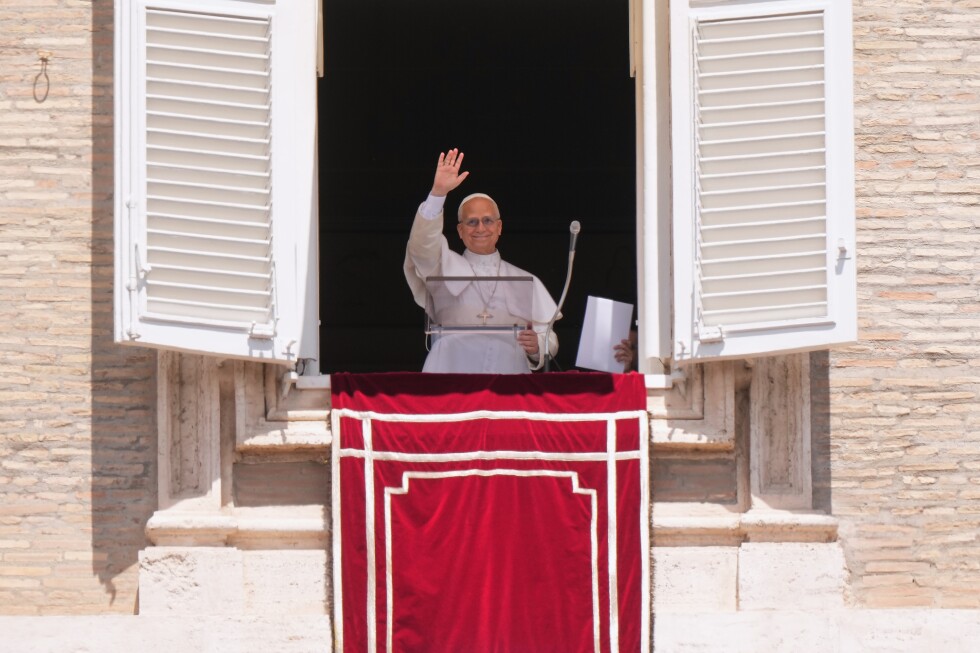
VATICAN CITY — The Vatican announced Monday that Pope Leo XIV will join Christopher Olah, co-founder of leading artificial intelligence firm Anthropic, for the official launch of the pontiff’s first-ever encyclical on May 25. The high-profile document, titled *Magnifica Humanitas* (Magnificent Humanity), centers on protecting and upholding human dignity amid the rapid global expansion of artificial intelligence.
Olah’s invitation to participate in the launch carries major geopolitical and policy significance, already signaling that the U.S.-born pope’s stance on AI governance will emerge as a new point of friction with the Trump White House. Just three months prior, in February 2025, the Trump administration issued an executive order banning all U.S. federal agencies from using Anthropic’s AI tools, and imposed additional sweeping sanctions on the company. The penalties came after Anthropic refused to grant the U.S. military unlimited access to its proprietary AI technology. Anthropic has since filed a lawsuit against the administration, alleging the penalties amount to illegal retaliation for the company’s commitment to building guardrails around harmful uses of its AI systems.
Since taking office, Pope Leo XIV has identified AI ethics and governance as a core priority of his papacy, and has repeatedly voiced deep concern over the development of AI for military applications, calling for global mandatory monitoring of high-risk AI deployments.
The format of the launch itself marks a break from Vatican tradition. Historically, new papal encyclicals are unveiled in the small Vatican press room, with only a small group of select officials and invited guests on hand to address reporter questions. For *Magnifica Humanitas*, however, the Vatican has organized a high-profile formal event in its main auditorium, featuring a roster of top religious and secular speakers.
Leading the presentation will be two of the Holy See’s most senior cardinals: Cardinal Víctor Manuel Fernández, head of the Vatican’s Dicastery for the Doctrine of the Faith, and Cardinal Michael Czerny, head of the Dicastery for Promoting Integral Human Development. Joining Olah as lay speakers are two prominent theologians, Anna Rowlands and Leocadie Lushombo. Vatican Secretary of State Cardinal Pietro Parolin will deliver the closing remarks, before Pope Leo XIV gives a keynote address and offers a final blessing to attendees.
Pope Leo XIV signed the encyclical on May 15, a date chosen intentionally to mark 135 years to the day after his namesake, Pope Leo XIII, signed *Rerum Novarum* — the landmark 1891 encyclical that addressed workers’ rights, the excesses of unregulated capitalism, and the obligations of states and employers to working people amid the Industrial Revolution. That document laid the foundation for modern Catholic social teaching, and the current pope has already referenced it repeatedly in discussions of the AI revolution, arguing the technology poses the same fundamental existential questions about work, dignity and power that industrialization sparked more than a century ago.
The new encyclical is expected to frame the global debate over AI through the lens of longstanding Catholic social teaching, which already encompasses principles of labor rights, global justice, and peace. A brief look at Anthropic’s background contextualizes why this collaboration is notable: the company was founded in 2021 by Dario Amodei and a group of researchers who left OpenAI over public disagreements with then-CEO Sam Altman over AI safety priorities. From its founding, Anthropic has centered its public mission on building safety guardrails for artificial general intelligence (AGI) — the advanced AI system that can outperform humans on most economic and cognitive tasks, a goal both Anthropic and OpenAI are pursuing from their San Francisco bases. As of early 2025, the privately held Anthropic reported a valuation of $380 billion, placing it as one of the world’s most valuable AI companies alongside OpenAI and Elon Musk’s combined SpaceX-xAI venture. Its flagship chatbot Claude competes directly with OpenAI’s ChatGPT and xAI’s Grok.
The Associated Press’ religion coverage is supported through a collaboration with The Conversation US, with funding from Lilly Endowment Inc. The AP retains full editorial responsibility for this content.
-
Irish president to meet King Charles during official visit
Irish President Catherine Connolly has launched a landmark three-day official visit to the United Kingdom, with a high-profile meeting with King Charles III scheduled as the centerpiece of her itinerary. This trip marks Connolly’s first official visit to England since her inauguration last November, and her third overseas engagement since taking office, following earlier working visits to Northern Ireland and Spain.
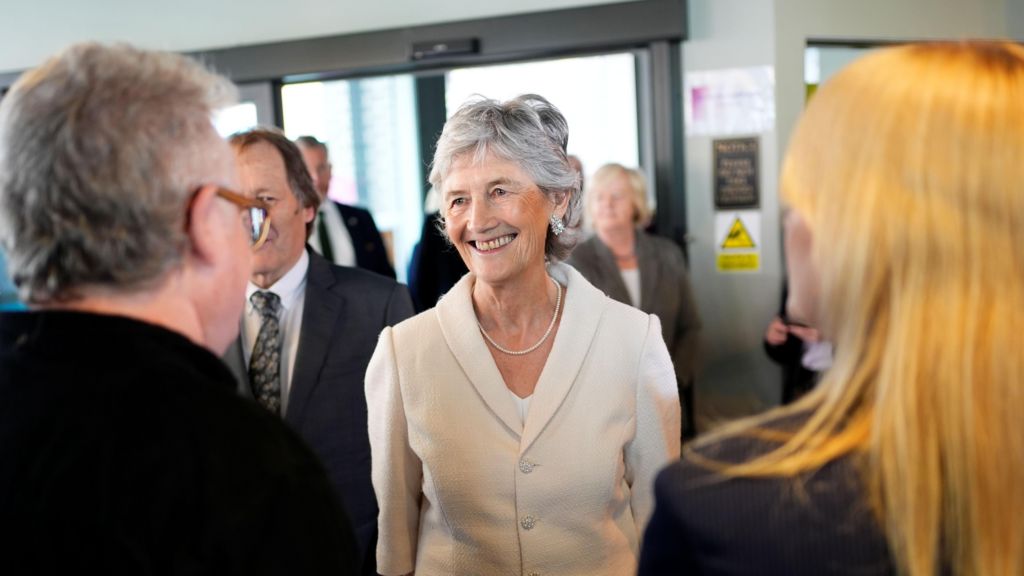
Connolly kicked off her schedule on Monday with a warm welcome at the Irish Cultural Centre in Hammersmith, West London. During her stop at the hub, which has long served as a community home for Irish people in the British capital, the president led detailed discussions on the long history of Irish migration to the UK. She interacted directly with learners attending an on-site Irish language class, and took in traditional Irish musical and dance performances put on by local community groups.
Addressing attendees at the centre, Connolly contextualized the ongoing patterns of Irish population movement across the Irish Sea. She noted that for more than two centuries, mass migration from Ireland has largely been driven by economic pressures, with generations of Irish people settling in major British cities including London, Manchester, Liverpool and Birmingham. Even today, Connolly acknowledged, economic hardship continues to push some Irish citizens to leave their home country, singling out the Republic’s ongoing housing crisis as a key contributing factor pushing people to seek opportunities abroad.
Following her visit to the Hammersmith centre, Irish Ambassador to the UK Martin Fraser hosted an official evening reception at the Irish Embassy in London in honor of President Connolly and her husband, Brian McEnery.
The president’s packed agenda continues on Tuesday, with planned stops at the world-famous Chelsea Flower Show and the London Irish Centre in Camden. On Wednesday, the final day of the visit, Connolly will travel to the northern English city of Leeds, where she will tour the University of Leeds and the city’s Irish Centre. During her time in Leeds, she will receive a briefing on the services delivered by the city’s Irish Health Centre, which supports the local Irish community, and will hold meetings with representatives from Irish community organisations across the Yorkshire region.
Since taking office, Connolly has repeatedly emphasized her administration’s commitment to strengthening ties with the global Irish diaspora, and this UK visit is framed as a key step toward delivering on that pledge. It also builds on longstanding diplomatic and cultural connections between Ireland and the United Kingdom, deepening people-to-people links between the neighboring nations.
-
Cuba accuses US of building ‘fraudulent case’ for military action
Tensions between the United States and Cuba have spiked dramatically in recent weeks, as a crippling domestic fuel crisis worsened by longstanding US trade restrictions collides with escalating US pressure on Havana’s communist government and sharp Cuban accusations of Washington plotting military aggression.
The crisis ignited after US news outlet Axios published a report on Sunday citing classified US intelligence claims that Cuba had acquired roughly 300 attack drones, and was weighing potential strikes on US targets in the region—including the US military base at Guantanamo Bay, US naval vessels operating nearby, and Key West in southern Florida. The report also repeated unconfirmed intelligence claims that Iranian military advisors are currently present in Havana, a development that echoes the growing role of Iranian drone technology in conflicts across the Middle East and Ukraine.
In an immediate and forceful response posted to social media, Cuban Foreign Minister Bruno Rodríguez rejected the claims outright, accusing the US of systematically constructing a “fraudulent case” to justify both its ongoing harsh economic war against the Cuban people and potential future military intervention. Rodríguez emphasized that Havana “neither threatens nor desires war” with the US, but confirmed that Cuba is actively preparing defensive measures in response to rising external aggression. He also criticized major US media outlets for complicity in spreading the unsubstantiated claims, calling their coverage coordinated slander aligned with US government messaging.
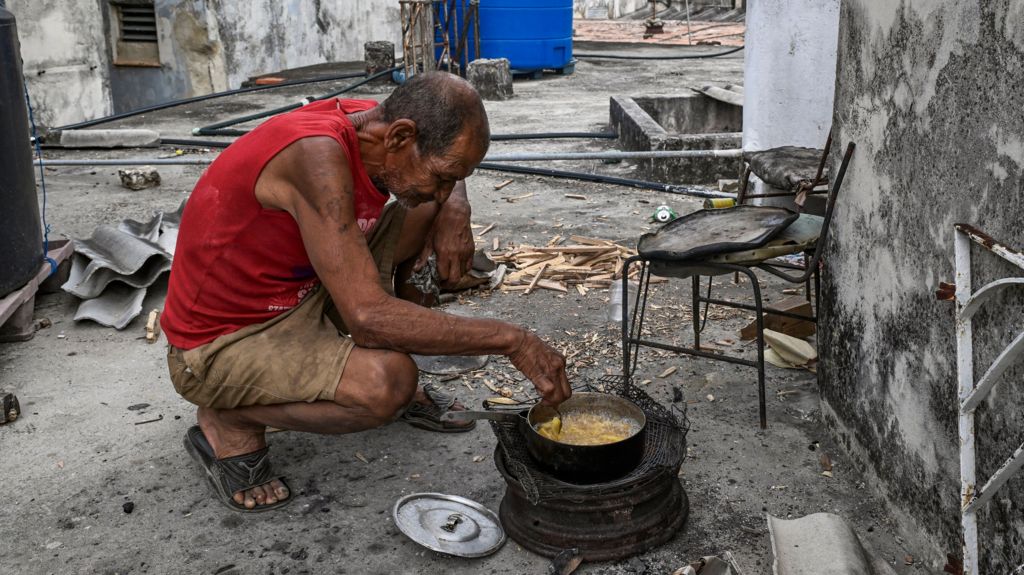
Behind the escalating diplomatic row is a deepening humanitarian crisis inside Cuba, driven largely by an effective US oil blockade that has cut off nearly all of the island’s regular energy supplies. The last permitted Russian oil shipment to Cuba was exhausted earlier this month, and the loss of steady oil deliveries from former Venezuelan ally Nicolás Maduro—whose government fell to a US-backed raid earlier this year—has left the country with acute fuel shortages. Those shortages have triggered widespread rolling blackouts across the island that have disrupted critical services, including hospital operations, water pumping stations, public transportation networks, and municipal waste collection. When combined with already severe shortages of basic food and medicine, the energy crisis has sparked rare public protests against the Cuban government, which has overseen years of gradual infrastructure decline.
For years, Cuba weathered broad Western sanctions with the support of regional allies, most notably Maduro’s Venezuelan government, which previously supplied an estimated 35,000 barrels of oil per day to the island. That support ended after US forces captured Maduro in a raid on Caracas earlier this year, where the former Venezuelan leader is now set to stand trial in New York on federal drug trafficking charges. The Trump administration framed that raid as justified by a prior federal indictment against Maduro, a playbook that Cuban officials fear will be repeated against their own leadership. US media has also reported that the US is preparing a federal indictment against former Cuban leader Raúl Castro, who took power from his brother Fidel Castro—the revolutionary leader who overthrew the US-backed Cuban government in 1959.
The current escalation aligns with the Trump administration’s increasingly aggressive posture toward Latin American left-wing governments, a marked shift from the policies of recent US predecessors. Trump has openly framed his regional policy as a revival of the 1823 Monroe Doctrine, which asserts US primacy over the Western Hemisphere, rebranding the policy the “Donroe Doctrine” and explicitly naming Cuba as the “next” target after Venezuela. Since capturing Maduro, Trump has repeatedly stated he expects to “take Cuba” in the near future.
In recent weeks, US military activity around Cuba has ramped up significantly: the *New York Times* reported Friday that surveillance flights over Cuban airspace have increased, and the US is planning a build-up of military forces in the Caribbean region. Just one day before the Axios report was published, CIA Director John Ratcliffe traveled to Havana for talks with Cuban officials, where he issued a demand that Cuba end its status as “a safe haven for adversaries in the western hemisphere.”
Cuba and the US have held quiet talks for months to resolve longstanding bilateral tensions, but those negotiations have been sidelined by the Trump administration’s escalating pressure campaign. With energy supplies exhausted and US military momentum growing, the island now faces the dual crisis of domestic humanitarian collapse and rising risk of foreign military intervention.
-
After years of tension, Hungary and Ukraine hold talks on Hungarian minority rights
Diplomatic relations between neighboring Hungary and Ukraine are poised for a potential turnaround, after the two nations’ top foreign policy officials announced Monday that high-level talks focused on securing the rights of Ukraine’s ethnic Hungarian minority will get underway as early as this week. The move marks the first concrete sign of improved relations following the April general election that ousted long-time pro-Russian Prime Minister Viktor Orbán, whose 16-year tenure left bilateral ties at a historic low.
For years, Orbán’s nationalist-populist government refused to extend military or financial aid to Ukraine following Russia’s 2022 full-scale invasion, consistently blocked critical European Union funding for Kyiv, stalled EU sanctions on Moscow, and repeatedly threatened to derail Ukraine’s accession process to the bloc. In the lead-up to the April election, Orbán’s administration ran a harsh anti-Ukraine campaign, framing the war-torn neighboring country as an existential threat to Hungary’s economic stability and national security, claiming it would drag Hungary directly into the ongoing conflict.
Orbán repeatedly justified his administration’s anti-Ukraine stances by pointing to long-running disputes over minority rights for the roughly 100,000-strong ethnic Hungarian community based in Ukraine’s western Zakarpattia region. Tensions over the issue flared in 2017, when Kyiv passed a new education law mandating Ukrainian as the exclusive language of instruction for all students beyond the fifth grade. Drafted primarily to curtail Russian influence in Ukrainian public life, the policy ultimately restricted education access in other minority languages, drawing widespread anger from Hungarian, Romanian and Bulgarian minority groups across western Ukraine.
Following the landslide electoral victory of the center-right Tisza Party and its leader Prime Minister Péter Magyar, however, observers have held out hope for a major shift in Hungary’s approach to its eastern neighbor. The new administration’s break from Orbán’s pro-Moscow stance was already on display last week, when new Hungarian Foreign Minister Anita Orbán – who is not related to the former prime minister – summoned the Russian ambassador to Budapest to condemn a massive Russian drone strike on Zakarpattia. That step would have been nearly unthinkable during Orbán’s tenure, and Ukrainian President Volodymyr Zelenskyy hailed the move as an “important message” that demonstrated a clear break from the previous government’s approach.
In a public post on X on Monday, Anita Orbán confirmed that expert-level consultations focused on resolving the long-running dispute over ethnic Hungarian minority rights will launch this week. She framed the talks as “an important foundation for the prompt and reassuring settlement of minority rights issues,” adding that she expects the dialogue to be constructive and yield tangible progress for the Hungarian community in Zakarpattia in the near term.
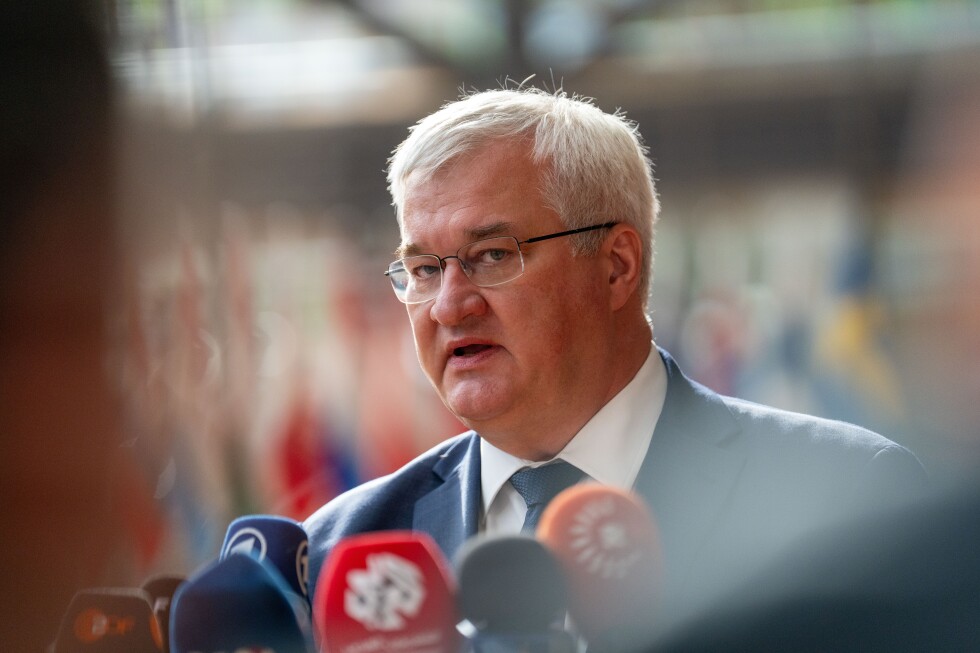
Ukrainian Foreign Minister Andrii Sybiha echoed that optimistic tone in his own X post Monday, confirming that Kyiv is ready to move forward with a new era of cooperative relations. “We are ready to open a new, mutually beneficial chapter in Ukrainian-Hungarian relations without delay, with the aim of restoring trust and good-neighborly relations between our countries,” Sybiha wrote. He added that during a recent phone call with Anita Orbán, he thanked the Hungarian foreign minister for her government’s “principled and swift reaction to the latest Russian strikes against Ukraine.”
-
From indemnity to indispensability: China’s 125-year reversal
One hundred and twenty-five years ago, in August 1900, eight foreign military powers raised their flags over occupied Beijing, marking one of the lowest points in modern Chinese history. Few in the imperial Forbidden City could have predicted that in 2026, the same capital would welcome the sitting president of the United States as an honored state guest, followed just days later by the leader of Russia — a stark reversal of power dynamics that reads like a carefully crafted historical drama.
The 1900 invasion was led by a loose Eight-Nation Alliance of Austria-Hungary, Britain, France, Germany, Italy, Japan, Russia, and the United States. Roughly 52,000 alliance troops marched into the capital, looting and damaging the Forbidden City and the Old Summer Palace, destroying irreplaceable ancient literary collections including the *Yongle Dadian* and *Siku Quanshu*, and forcing the Qing Dynasty to sign the punitive Boxer Protocol one year later. This unequal treaty imposed crippling indemnities on China, granted extraterritorial rights to foreign powers, and allowed permanent foreign troop garrisons on Chinese soil, stripping China of core sovereign control.
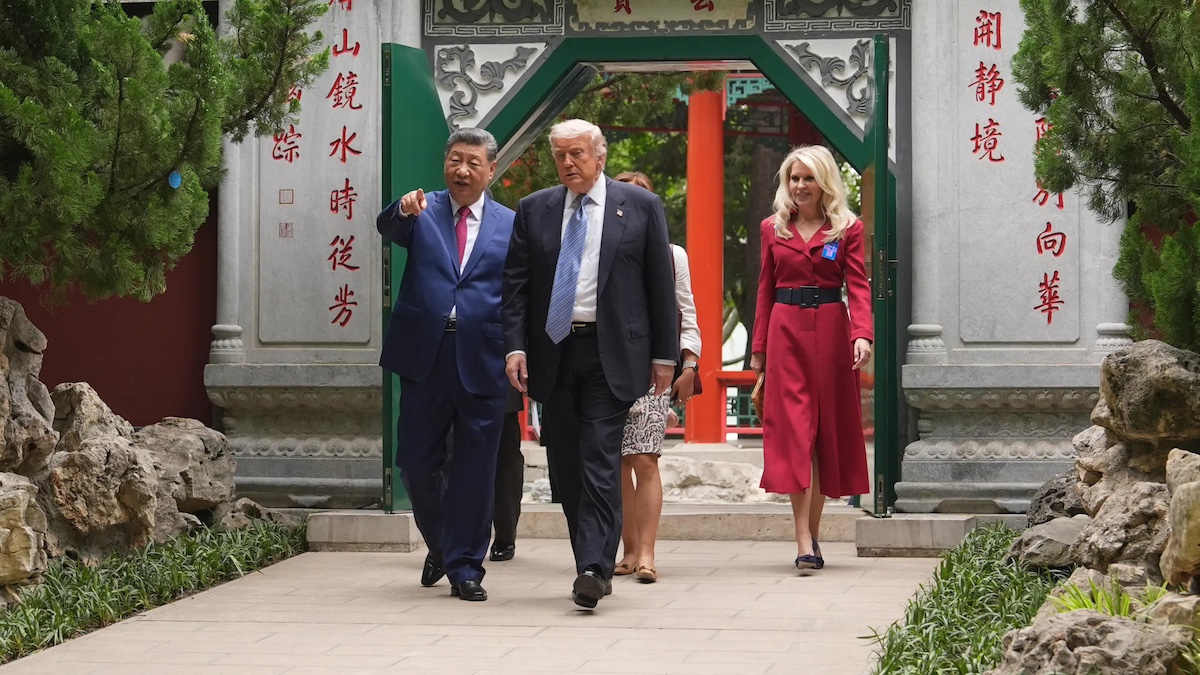
By May 2026, the geopolitical table had turned entirely. On the same Beijing soil, the same eight nations’ modern successor states watched from the sidelines as China, not foreign diplomatic missions, set the agenda for high-stakes great power diplomacy. The 2026 Trump-Xi summit stood as the complete opposite of the 1901 humiliation: it was the visiting U.S. president who offered effusive praise to Chinese leader Xi Jinping, calling him “my friend” and “tall, very tall,” while the Chinese delegation offered measured diplomatic language and made no concrete concessions on key sticking points including Taiwan, trade, fentanyl control, and artificial intelligence. In 1901, the Qing court was forced into exile in Xi’an and coerced into signing away national interests; in 2026, Air Force One departed Beijing before the U.S. president even publicly addressed the Taiwan issue.
This contrast is not a simple moral judgment, but a structural observation of shifting global power. Where Beijing once was a conquered prize for foreign armies, it now operates as a central convening power for global diplomacy, and the long-standing pattern of great powers forcing their agendas on China has been quietly inverted.
The 1900 Eight-Nation Alliance was never bound by a formal treaty or official declaration of war; it was only held together by a temporary convergence of anti-China interests. In 2026, the language of strategic friendship now sits firmly on Beijing’s side of the negotiating table. Xi has long referred to Russian President Vladimir Putin as a friend, having built a “no limits” strategic partnership with Moscow since 2022, marked by joint official statements, high-profile informal summits, and deepening bilateral coordination. Putin’s visit to Beijing immediately following Trump’s summit, which he explicitly framed as an opportunity to “share opinions on the contacts that the Chinese had with the Americans,” confirms that triangular great power diplomacy now runs through Beijing, not around it.
Yet today’s asymmetric relationships mirror the 1901 asymmetries in reverse. Russia relies on China for more than one-third of its imports and one-quarter of its total exports, while Russia accounts for only 4% of China’s total trade volume — a smaller share than Vietnam. The position of the supplicant has shifted, even as the geographic stage of Beijing remains the same.
It would be easy to frame this historical arc as a story of unbroken linear ascent for China, but the underlying data tells a more nuanced story. Arguments that China has reached its economic and demographic peak draw on hard evidence: a national fertility rate of just 1.0 in 2025, a fourth consecutive year of population decline, a growing share of young Chinese people reporting no desire to have children, and 2021 marking the highest point of China’s nominal GDP convergence with the United States. The Belt and Road Initiative has faced stalled progress in multiple partner countries, unforgiving demographic headwinds persist, and China’s global cultural soft power remains modest by standard international metrics.
The 2026 back-to-back summits in Beijing therefore capture not a permanent new global order, but a specific, possibly peak moment where China’s industrial scale, deliberate diplomatic patience, and the relative disorganization of its global competitors have converged. The Eight-Nation Alliance arrived at a historic low point for China; today’s summits are taking place at, or very near, a historic high. Both moments are snapshots of a particular time, not permanent destinies.
Three key conclusions emerge from this historical comparison. First, national sovereignty is now the default starting point for all global negotiations, rather than a prize to be won. The 1901 Boxer Protocol made Chinese sovereignty conditional on foreign approval; the 2026 Beijing summits take full Chinese sovereignty as an unchallenged given. Any future regional order in Asia will be negotiated between sovereign equal states, or it will not emerge at all — regardless of which great power is ascendant in any given decade.
Second, personality-driven diplomacy has clear limits for all parties. Trump’s bet on personal charm yielded only vague non-binding commitments around Boeing aircraft purchases and soybean exports, which Beijing declined to confirm in any detail. This lesson is not limited to U.S. partisan politics, but is a procedural reality: centralized governance systems reward structured preparation, not off-the-cuff improvisation, regardless of whether a visiting leader comes from Washington, Moscow, or Tokyo.
Third, the window for China’s current strategic advantage is narrower than triumphalist narratives suggest. If current demographic and economic growth trends hold, the broad strategic latitude China enjoys in 2026 may not still exist by 2046. This reality calls for strategic patience from all major capitals: for Beijing, the best long-term strategy is to exercise restraint while it holds advantageous cards, and for Washington, the most effective response is consistent institutional competence rather than performative political spectacle.
History reminds us that the 1900 Eight-Nation Alliance dissolved within just a year of its victory, as it never had a binding formal framework to hold it together. Coalitions assembled for a single moment rarely outlast that moment. The same caution applies to every strategic partnership, whether it is the Sino-Russian alignment, transpacific relations, or any other cooperation that looks unbreakable in the glow of a state banquet. The most reliable lesson of history, from 1901 to 2026, is that a single photo of leaders on a palace steps never tells the full story.
-
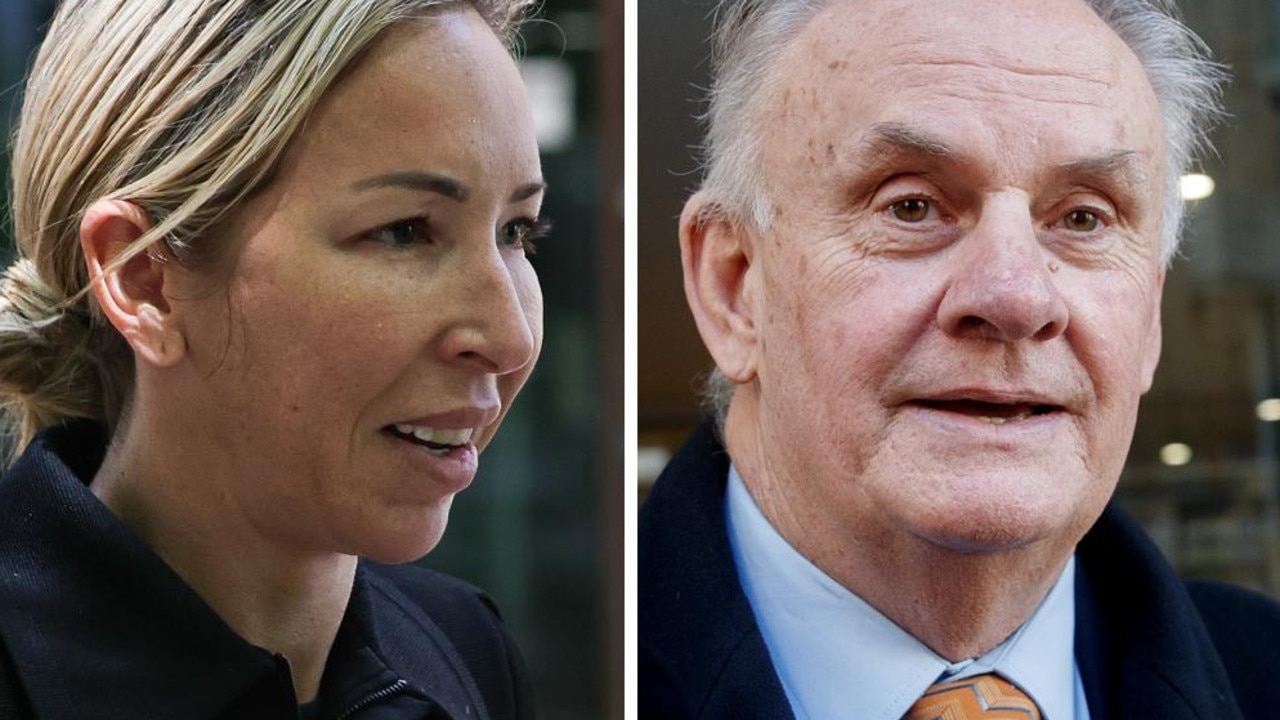
Mark Latham’s ex denies insider trading, punching former Labor leader in extraordinary reply
A high-profile political drama has unfolded in New South Wales parliament, where Nathalie Matthews, the former partner of ex-Labor and One Nation NSW leader Mark Latham, has issued a scathing full-throated denial of a series of explosive claims made against her by her ex-partner, including allegations of insider trading, a drunken drug-fueled assault, and unethical financial arrangements.
Matthews, a one-time Liberal Party local council candidate who is currently fighting separate, unrelated revenge porn criminal charges (to which she has already pleaded not guilty), laid out her rebuttal in a formally tabled citizens’ reply last week, pushing back against what she describes as false, damaging defamation that has gutted her professional standing.
According to Matthews’ submission, Latham invoked her name a staggering 44 separate times during a November 12 debate in the NSW Legislative Council, where he leveled multiple incendiary accusations. Among these claims were assertions that she had accepted a $145,000 payment and confidential insider trading tips from Richard White, the billionaire tech co-founder of logistics software firm WiseTech, that she had carried out a “zombie-like drunken and drugged attack” that ended with her punching Latham in the head following their breakup, that she had engaged in a sexual relationship with businessman Paul Byrne, and that Byrne had covered the cost of her London flight.
Matthews has rejected every single one of these claims point-by-point. “I never punched Mr Latham and I was not under the influence of any prescribed drug or illicit narcotic,” she stated in her reply. She further denied any romantic or financial connection to Byrne, refuting the claims of a paid flight entirely. On the insider trading allegations, she made clear she has never received the $145,000 payment from White, never been given confidential market information by him, and has never received any correspondence or regulatory notice from the Australian Securities and Investments Commission (ASIC) related to insider trading claims.
The former Liberal candidate emphasized that Latham’s false remarks have triggered widespread negative media coverage that has eroded public trust in her character and left her professional reputation irreparably harmed, to date.
The NSW Parliament Privileges Committee ultimately voted to release Matthews’ full rebuttal, though the move was not without opposition. Independent Member of the Legislative Council Rod Roberts issued a dissenting opinion, arguing that the submission was “frivolous and vexatious and it contains inaccuracies.”
This public back-and-forth is only the latest chapter in a long-running bitter public dispute between the two figures. Last year, Matthews applied for and received an apprehended violence order against Latham, alleging he had committed serious domestic abuse including defecating on her – all claims Latham has repeatedly and categorically denied.
-
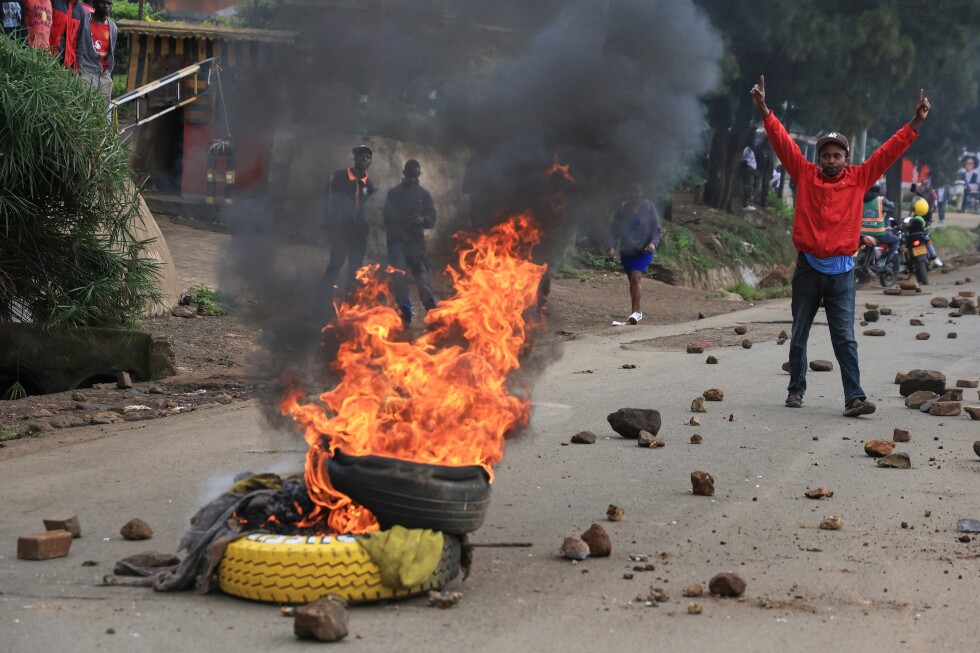
Protesters light bonfires during public transport strike in Kenya over fuel prices
On a Monday morning in Kenya’s capital Nairobi, widespread public protests erupted alongside a coordinated national public transport strike, called to oppose a historic surge in national fuel prices that has sent shockwaves through the East African economy. The industrial action brought the country’s most populous urban center to a standstill: commuters were left trapped across suburban neighborhoods, with central business districts largely empty of daily activity. Protesters set fire to tires along major arterial roads, prompting most private motorists to avoid travel entirely and keep their vehicles parked at home. In response to the unrest, the Kenya Association of Private Schools issued guidance for member institutions to prioritize student safety, leading the vast majority of schools across the affected region to shift to remote online learning for the day. The catalyst for the unrest came just four days prior, when Kenya’s energy regulators announced a new round of fuel price adjustments that pushed costs to all-time record highs. The update set diesel prices up by 23.5% and gasoline prices up by 8% nationwide, a jump far steeper than many households and businesses had anticipated. As of Monday, President William Ruto—who is currently traveling outside of Kenya—had not issued any public statement addressing the new price levels or the resulting protests. This is not the first time Kenya has faced a politically charged fuel price crisis: during an earlier price review in April, Ruto attributed a previous jump to global market volatility tied to the Iran conflict, and intervened to cut fuel taxes in order to prevent a similarly sharp increase at that time. Kenya’s leading business advocacy group, the Kenya National Chamber of Commerce and Industry, sounded the alarm over the price hike within hours of its announcement Friday. In an official statement, the chamber warned that elevated fuel costs would ripple through every sector of the national economy, driving up prices for nearly all consumer goods and public services. The organization also pushed back against claims that the surge is driven solely by global market trends, noting that between April and May, global crude oil prices rose only around 10.7% — less than half the percentage increase seen for Kenyan diesel prices over the same window. “This points to the continued role of domestic cost buildup,” the statement read, indicating that internal factors beyond global shifts are contributing to the extreme price jump. The political opposition has seized on the crisis to criticize the Ruto administration. Former Deputy President Rigathi Gachagua, who was impeached on corruption charges in October 2024 before aligning with the national opposition, has placed the blame for the sharp surge on corrupt business elites he says are inflating prices to pad their own profit margins. Gachagua pointed out a striking comparative inconsistency: neighboring landlocked nations that import all of their fuel through Kenyan ports—including Uganda—actually have lower retail fuel prices than Kenya, despite the additional cross-border transport costs those imports incur. As a regional trade hub, Kenya handles the vast majority of fuel and goods imports for multiple East African inland nations, with all cargo moving overland from the Indian Ocean port of Mombasa. As the strike and protests enter their first day, the Kenyan public is waiting for a formal response from President Ruto, with widespread anxiety over how the fuel price increase will erode already strained household budgets across the country.