分类: politics

  • Shooting triggers evacuation at White House correspondents’ dinner

    Shooting triggers evacuation at White House correspondents’ dinner

    A late-afternoon shooting incident at the annual White House Correspondents’ Association (WHCA) dinner in downtown Washington, D.C. on April 25, 2026, sparked immediate mass evacuation of high-profile attendees, prompting a rapid large-scale response from U.S. security forces. The high-profile annual gathering, which draws top administration officials, congressional leaders, national media figures, and former presidents, was interrupted abruptly when gunfire was reported near the venue, setting off emergency protocols.

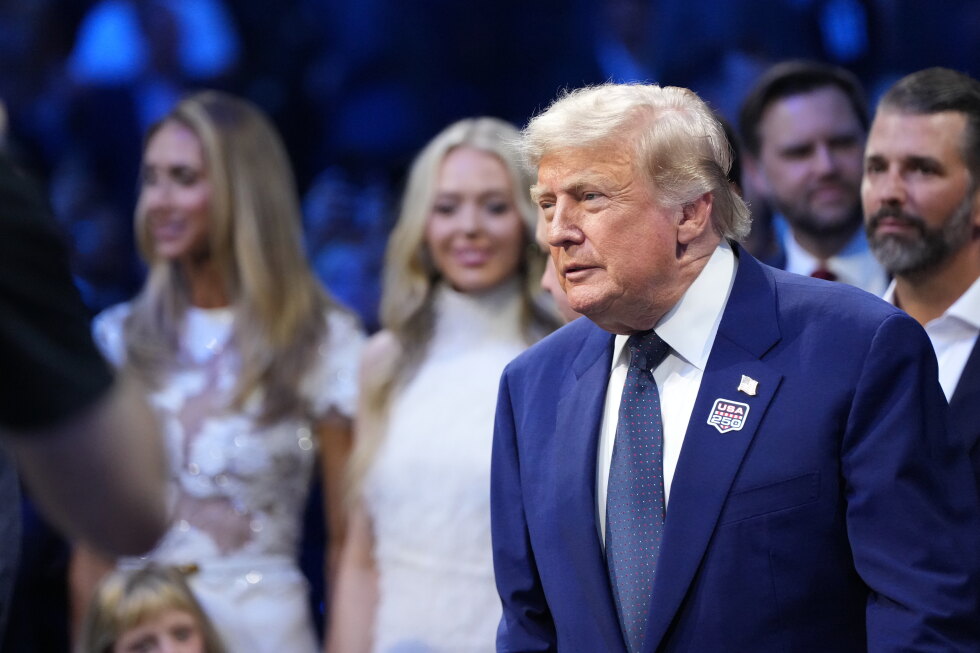
    Eyewitness and agency footage shows security teams immediately moving to extract key attendees from the event. Among those evacuated was U.S. House Speaker Mike Johnson, a Republican from Louisiana, who was quickly escorted away from the venue by Secret Service personnel. Former President Donald Trump, who was in attendance at the dinner, was also removed from the premises by security responders as a precaution. Alongside Trump, U.S. Senator JD Vance, another prominent attendee, was also moved to a secure location shortly after the incident began.

    Within an hour of the first reports of gunfire, law enforcement officials confirmed that the suspected shooter had been taken into custody. Responding units including the National Guard were deployed to the perimeter of the venue within minutes, securing the red carpet entrance and surrounding areas to prevent further risk. In an official update released shortly after the situation was contained, authorities confirmed that neither Trump nor Vance suffered any injuries during the incident or evacuation process.

    The WHCA dinner, a decades-old tradition that bridges the White House, Congress, and the national press corps, was put on indefinite hold following the security breach. Event organizers have not yet released further details about potential casualties, the motive of the suspect, or plans to resume or cancel the remainder of the event. This incident marks an unprecedented security disruption to one of Washington D.C.’s most high-profile annual political-media gatherings, prompting immediate discussions about revising security protocols for future major open political events in the nation’s capital.

  • World leaders react to Washington gala shooting

    World leaders react to Washington gala shooting

    In a shocking incident that sent ripples through global political circles, an armed suspect stormed a high-profile media gala in Washington D.C. on Saturday night, where former U.S. President Donald Trump was in attendance. The incident, which targeted an event that stands as a cornerstone of American political and press engagement, has drawn swift reaction from heads of state across the world, with widespread condemnation of political violence and collective relief that no lives were lost.

    U.S. law enforcement agencies confirmed that they have taken the lone attacker into custody. According to official statements, the suspect was heavily armed, carrying a shotgun, a handgun, and multiple bladed weapons when he advanced on the glitzy White House Correspondents’ Dinner venue. The detained individual is scheduled to make their first court appearance at a federal courthouse on Monday, where formal charges will be laid out. One law enforcement officer was injured in the incident during the response to the attack.

    In the hours following the incident, global leaders took to social media platform X to share their reactions, nearly all echoing two core sentiments: outrage at the act of violence, and relief that Trump, the first lady, and all other attendees emerged unharmed.

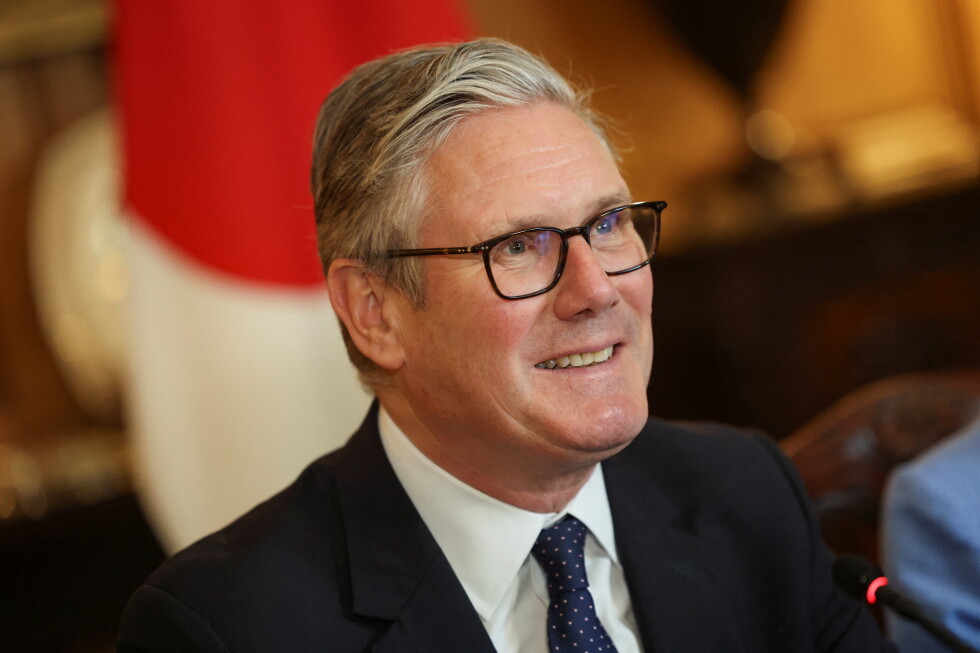
    United Kingdom Prime Minister Keir Starmer was among the first to speak out, stating he was shocked by the chaotic scenes that unfolded at the annual dinner. Starmer emphasized that any act of aggression targeting democratic institutions or press freedom demands the strongest possible condemnation from the international community.

    Israeli Prime Minister Benjamin Netanyahu framed the incident as an attempted assassination of Trump. In his post, Netanyahu noted that he and his wife Sara were stunned by the attack, adding that they felt profound relief knowing the former president and first lady were unharmed and in good condition. He extended wishes for a rapid full recovery to the injured police officer and praised the U.S. Secret Service for their immediate and effective response that prevented a far worse outcome.

    Indian Prime Minister Narendra Modi echoed the global relief, confirming that he was greatly reassured to learn Trump, the first lady, and U.S. Vice President were all uninjured. Modi extended his ongoing wishes for their safety and wellbeing, stressing that violence has no place in democratic societies and must be rejected without ambiguity.
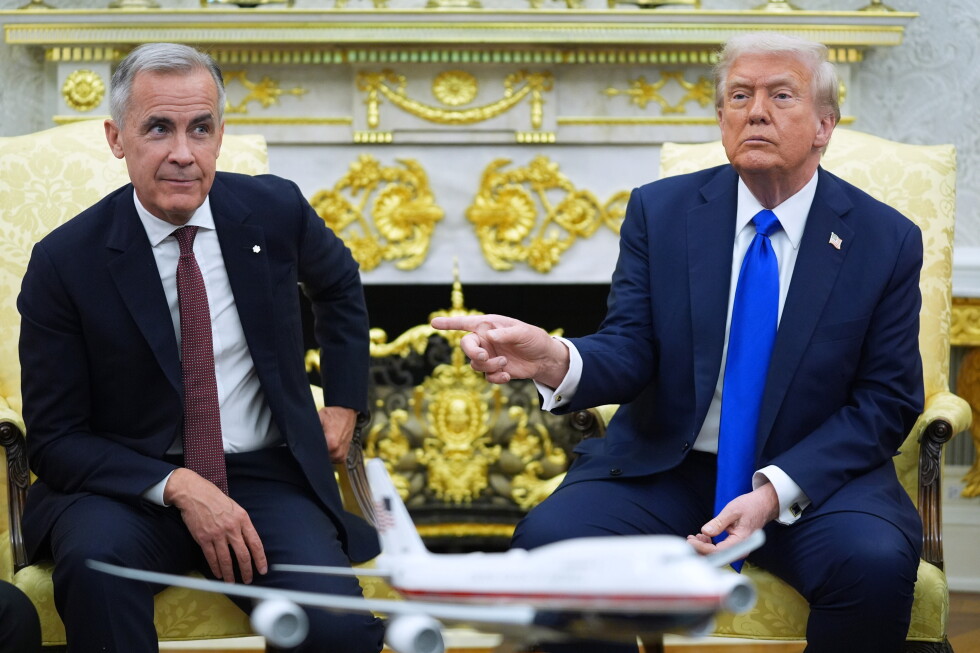
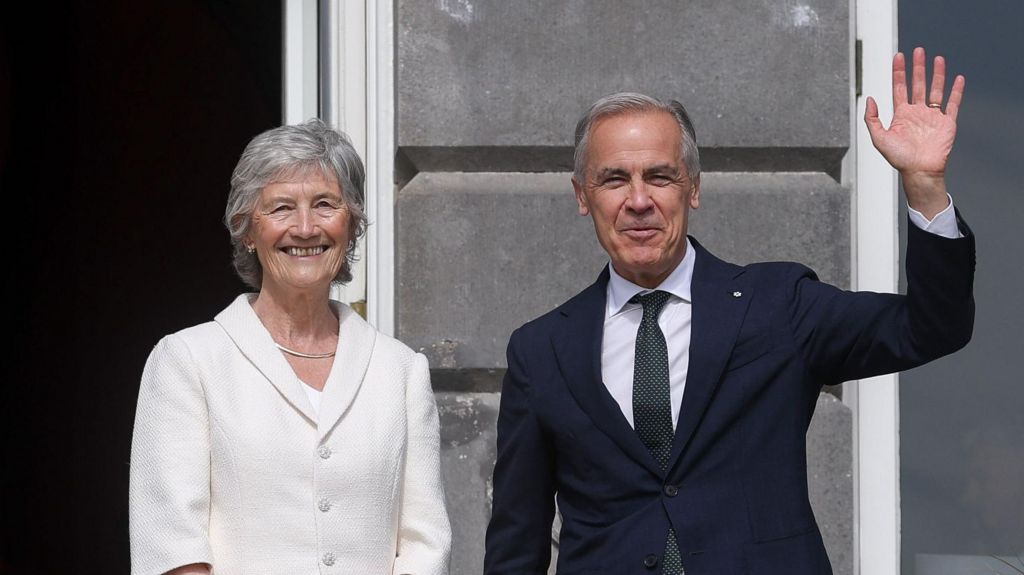
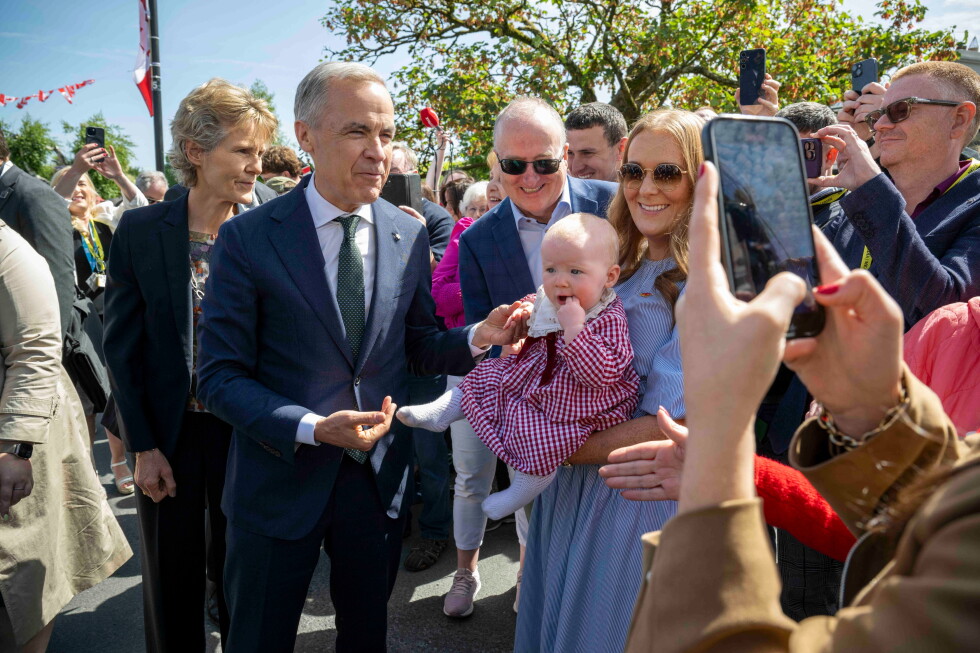
    Canadian Prime Minister Mark Carney also shared his reaction, saying he was relieved that the former president, first lady, and all event guests escaped unharmed. He noted that political violence has no place in any democratic system, and offered his solidarity to all those left shaken by the distressing event.

    Mexican President Claudia Sheinbaum stated that it was a positive outcome that Trump and his wife remained safe following the incident, extending her respect to the couple. She reinforced that violence can never be an acceptable course of action in political or public life. Similarly, Spanish Prime Minister Pedro Sanchez formally condemned the attack targeting Trump, writing that violence never resolves disagreement, and that humanity can only progress through democracy, peaceful coexistence, and dialogue. Pakistani Prime Minister Shehbaz Sharif added his voice to the global reaction, saying he was deeply shocked by the troubling shooting incident. He shared that he was relieved to confirm Trump, the first lady, and all other gala attendees were safe, offering his prayers and well wishes for the continued safety of all those involved.

  • Zelensky accuses Russia of ‘nuclear terrorism’ on Chernobyl anniversary

    Zelensky accuses Russia of ‘nuclear terrorism’ on Chernobyl anniversary

    Sunday marked the 40th anniversary of the catastrophic 1986 Chernobyl nuclear explosion – the worst civilian nuclear disaster in recorded history – and Ukraine’s commemoration was overshadowed by a fresh wave of deadly Russian drone strikes that left multiple casualties on both sides of the frontline. In this charged context, Ukrainian President Volodymyr Zelensky issued a stark condemnation of Moscow, accusing it of engaging in deliberate nuclear terrorism.

    The 1986 Chernobyl disaster permanently altered global attitudes toward nuclear power, leaving a contested and grim human toll in its wake. While a 2005 United Nations report estimated that up to 4,000 people across the three most affected regions would die from radiation-related causes, environmental advocacy group Greenpeace placed the projected death toll far higher, at nearly 100,000. Around 600,000 first responders and cleanup workers, known locally as “liquidators”, were exposed to dangerously high levels of radiation while containing the disaster after the explosion. To honor the victims of the 1986 catastrophe, members of the public gathered in the Ukrainian town of Slavutych on Sunday, lighting candles arranged in the shape of a radiation warning symbol outside a memorial for those who lost their lives.

    In a social media statement released to mark the somber anniversary, Zelensky argued that Russia’s full-scale invasion of Ukraine, launched in 2022, has once again pushed the international community to the edge of another catastrophic man-made nuclear incident. He pointed to repeated risks created by Russian military operations around the Chernobyl site, noting that Russian drones regularly fly over the decommissioned power plant, and one strike damaged the facility’s protective radiation containment shell in 2023. “The world must not allow this nuclear terrorism to continue, and the best way is to force Russia to stop its reckless attacks,” Zelensky added.

    The anniversary commemoration coincided with one of the largest sustained drone barrages Ukraine has faced in months, part of the almost nightly Russian air attacks that have continued since the invasion began. Ukrainian officials confirmed that three people were killed and at least four more injured across the country in overnight strikes Saturday into Sunday. In the northeastern border region of Sumy, two civilian men aged 48 and 72 were killed in a drone strike on the Bilopillia community, located less than five kilometers from the Russian border, according to regional military administration head Oleg Gryborov. In the central-eastern city of Dnipro, a separate drone and artillery attack left one civilian dead and four wounded, damaging dozens of residential buildings and private vehicles, regional governor Oleksandr Ganzha confirmed.

    Ukraine’s Air Force reported that Russia launched 144 drones in the overnight operation, and Ukrainian air defenses successfully intercepted and destroyed 124 of the incoming vehicles. The violence was not limited to Ukrainian-controlled territory: Mikhail Razvozhayev, the Moscow-appointed governor of Sevastopol in Russian-annexed Crimea, said a Ukrainian drone attack on the port city killed one man in his vehicle and damaged multiple residential buildings and a local dance school across several neighborhoods. Russian air defenses claimed to have shot down 43 drones in that attack. The latest wave of violence comes just one day after Ukrainian officials reported that eight civilians were killed in Dnipro during a 20-hour-long series of Russian strikes on the city Saturday.

  • Watch: JD Vance evacuated from ballroom stage after shots heard

    Watch: JD Vance evacuated from ballroom stage after shots heard

    A startling security incident unfolded Saturday night at an event tied to the annual White House Correspondents’ Dinner, forcing U.S. Vice President JD Vance to be hastily evacuated from a ballroom stage just moments after multiple gunshots were reported in the area.

    Emergency response protocols kicked into effect immediately after the sounds of gunfire reached attendees. Security personnel assigned to protect the vice president moved rapidly to surround Vance and escort him away from the public stage, prioritizing his safety amid the unfolding chaos.

    The incident sent shockwaves through the gathering, which was held in conjunction with one of Washington D.C.’s highest-profile annual media events. As of initial reports, details remain limited on the source of the gunshots, potential casualties, or whether any suspect has been taken into custody. Law enforcement agencies have launched a rapid investigation to determine the full circumstances of the incident, including whether the gunfire was linked to the event or the vice president’s attendance.

    The evacuation highlights the persistent security challenges facing top U.S. government officials, even at scheduled public events in the nation’s capital. The White House Correspondents’ Dinner itself, which draws hundreds of journalists, politicians, and celebrities each year, had additional security deployments in place ahead of the event, and organizers have not yet released an official statement on how the incident will impact remaining scheduled activities.

  • In pictures: Chaos as gunfire heard in Washington DC ballroom

    In pictures: Chaos as gunfire heard in Washington DC ballroom

    A high-profile annual gathering of Washington’s political and media elite descended into chaos Saturday night when gunfire erupted at the Washington Hilton, forcing an immediate evacuation of U.S. President Donald Trump and sending hundreds of attendees scrambling for cover under tables and chairs.

    The incident unfolded mid-event during the White House Correspondents’ Dinner, a traditional gala that brings together sitting presidents, top Cabinet officials, congressional leaders, senior White House aides, and leading journalists from across the country. Within seconds of shots being reported, Secret Service agents rushed Trump off the event stage, whisking him away to a secure location as heavily armed law enforcement officers swept the venue to secure the perimeter.

    Multiple U.S. media outlets have identified the suspected shooter as 31-year-old Cole Tomas Allen, a resident of Torrance, California. Official confirmation from law enforcement authorities indicates Allen is scheduled to be arraigned and formally faced with criminal charges during a court hearing scheduled for Monday.

    A single Secret Service agent sustained injuries during the response to the incident, and the individual was immediately transported to a local hospital to receive medical care, authorities confirmed. No other attendees were reported injured in the chaos that followed the shooting.

    Photographs from the scene captured the full scope of the sudden disruption: senior administration figures including Health Secretary Robert F. Kennedy Jr. were escorted out of the packed ballroom by security personnel, while top Trump aide Stephen Miller and his wife Katie were seen taking cover under event furniture alongside other guests. House Speaker Mike Johnson was also removed from the venue as part of the emergency security protocol.

    Shortly after the situation was secured, Trump shared an image on his Truth Social platform showing the shirtless suspect in handcuffs on the hotel floor, surrounded by Secret Service agents, saying he had personally authorized the release of the photograph to the public. Still wearing the black tuxedo he had donned for the gala, Trump appeared in the White House Press Briefing Room minutes later to address reporters and answer questions about the incident.

    Many attendees, who had arrived at the dinner in formal ball gowns and tuxedos, traveled from the locked-down hotel directly to the White House briefing room to hear the president’s update. Trump noted that the experience had been traumatic for First Lady Melania Trump, who joined him in the briefing room for the appearance, marking one of her rare public comments at a White House media event.

    After being evacuated from the Washington Hilton, dozens of guests gathered outside the venue in the hours after the shooting, many saying they were initially confused by mixed communications that suggested the event might resume after a brief security check. Law enforcement officials have not yet released further details about a potential motive for the attack, and investigations into the incident remain ongoing.

  • What we know about the Trump press gala shooting

    What we know about the Trump press gala shooting

    A high-profile annual media gathering in Washington descended into chaos Saturday night when a gunman attempted to breach security checkpoints leading to the White House Correspondents’ Association dinner, leaving one law enforcement officer injured and triggering a full evacuation of hundreds of attendees, including sitting U.S. President Donald Trump. No members of the presidential party or gala guests suffered harm in the incident, which has now launched a full federal investigation into how the attacker was able to bring multiple weapons into the venue.

    According to initial official briefings and witness accounts, the incident unfolded shortly after 8:30 p.m. local time, just after opening remarks had concluded at the dinner, held at the iconic Washington Hilton Hotel. Shots rang out near the entrance to the main ballroom, where Trump was seated alongside first lady Melania Trump, Vice President JD Vance and other senior U.S. government officials. Tactical security teams immediately moved to secure the presidential party, rushing all high-level attendees out of the ballroom to a safe location. Hundreds of formally dressed guests, many of whom had gathered for the black-tie industry tradition, took cover under banquet tables before being guided out of the event space one by one, eventually moving outside the hotel as organizers postponed the annual gathering indefinitely.

    Law enforcement officials confirmed the incident involved a single suspect, who attempted to charge through a security checkpoint positioned just outside the ballroom. Metropolitan Police Department Interim Chief Jeffery Carroll confirmed the attacker was carrying a fully loaded shotgun, a handgun, and multiple edged weapons when he rushed the checkpoint. Footage shared by Trump on his Truth Social platform shows the suspect moving aggressively toward the checkpoint before uniformed officers swarm and subdue him. Law enforcement exchanged gunfire with the suspect during the confrontation, and one uniformed Secret Service officer was struck in his ballistic vest by gunfire. The officer was transported to a local hospital for evaluation; Chief Carroll confirmed the officer is in stable condition and expected to make a full recovery. The suspect was not hit by any gunfire during the incident, but was also taken to a hospital for mental evaluation before being placed into official custody. He is scheduled to be arraigned on federal charges Monday morning.

    FBI Director Kash Patel confirmed that investigators recovered a long gun and multiple spent shell casings from the scene, and agents have already begun interviewing dozens of witnesses to map out the suspect’s movements before the attack. While authorities have not yet formally released the suspect’s public identity, multiple U.S. media outlets have identified the man as 31-year-old Cole Tomas Allen, a resident of Torrance, California. Chief Carroll added that preliminary investigation indicates Allen was registered as a guest at the Washington Hilton, the venue hosting the dinner. U.S. Attorney Jeanine Pirro confirmed that the suspect currently faces two federal charges: use of a firearm during a violent felony, and assault of a federal officer with a dangerous weapon, with additional charges expected as the probe progresses. President Trump told reporters he believes the attacker acted alone, describing the suspect as “sick” and noting that investigators have not yet determined a clear motive for the attack.

    The incident has sparked immediate questions about potential gaps in event security, particularly how the suspect was able to bring multiple weapons into the hotel property. Multiple attendees noted that while magnetometers were in place outside the dinner ballroom, no weapons screening was conducted at the main entrance to the hotel itself. Initially, Trump acknowledged that the venue was “not a particularly secure building,” but later walked back the comment, confirming that the gunman never actually breached the ballroom space, which he described as “very, very secure.” Authorities emphasized that the outermost checkpoint outside the ballroom functioned as intended to stop the attack, noting that no guests or dignitaries were harmed as a result. Investigators have said they will review all hotel security footage to trace how the weapons were brought into the building and down to the event space. In a comparison to a previous 2024 assassination attempt against him at a campaign rally in Butler, Pennsylvania, Trump praised the response of law enforcement in Washington, saying security teams performed a “much better job than Butler.”

  • Rebuilding closed refineries ‘not realistic’, says minister

    Rebuilding closed refineries ‘not realistic’, says minister

    Australia’s national approach to long-term fuel security has received a clear policy update, with Climate and Energy Minister Chris Bowen definitively ruling out efforts to restore the country’s four retired oil refineries in comments made at a Sunday press conference. Between 2013 and 2022, Australia shut down four of its once-operational domestic refineries, leaving just two facilities still in production. In recent months, calls have grown from some quarters to reconstruct the shuttered sites as a way to boost domestic energy independence and insulate the country from global fuel market volatility. But Bowen has pushed back on these proposals, emphasizing that the economic and practical barriers to restarting closed facilities are far too high to justify the investment.

    Once a refinery ceases operations, it is almost always fully dismantled rather than kept in a idle, restorable state, Bowen explained. There is no quick, low-cost path to reverse the closure process. “You can’t just rustle them back, magic them back,” Bowen told reporters. “Rebuilding it is not that easy or cheap undertaking; the time to save a refinery is when it’s existing.”

    Instead of pouring billions of dollars into reconstructing closed sites, Bowen said the Labor government is prioritizing supporting the two remaining domestic refineries to keep them operational. To that end, the government has already expanded access to financial support for these facilities, helping them remain competitive against larger, lower-cost international refining operations that dominate regional fuel markets. Bowen also made a key guarantee amid ongoing market uncertainty: under his government’s term, no additional domestic refineries will be shuttered. “No refineries closed, and none will close, under our time in office,” he stated.

    The government is currently developing both short-term and long-term strategies to strengthen national fuel security, with further policy measures expected to be announced in the upcoming national budget. Bowen added that any proposals to expand domestic crude oil extraction will receive careful, pragmatic review, with an eye toward cutting Australia’s reliance on fuel imports. In addition to supporting existing refining capacity, Bowen said Australia is building long-term energy resilience by diversifying its energy mix toward renewable sources – resources that carry far less risk of supply disruption from geopolitical conflict or international sanctions than imported fossil fuels. “We’re building energy security through diversifying our energy, including renewable energy – including the sun that can’t be interrupted in its flow to Australia and the wind that can’t be interrupted by sanctions,” he said.

    Bowen also used the press conference to announce an immediate short-term measure to boost domestic fuel supply: an additional 939 million litres of crude oil will be delivered to Australia over the next four weeks, which will be processed at the country’s two active refineries to produce finished fuel for domestic markets. Addressing calls for reconstruction again, Bowen stressed the need for realistic expectations. All four shuttered refineries were closed during previous Liberal government administrations, and Bowen argued that reviving them at massive public expense is simply not a realistic policy option for Australia today.

  • Iran diplomat leaves Islamabad, Trump cancels US delegation trip

    Iran diplomat leaves Islamabad, Trump cancels US delegation trip

    On a Saturday marked by already tense diplomatic posturing around the ongoing U.S. war on Iran, former President Donald Trump made an abrupt last-minute call to scrap a scheduled diplomatic trip by two of his top administration negotiators to Pakistan’s capital Islamabad. The sudden cancellation, justified by Trump as a response to the excursion being “too much work”, came just moments after Iranian Foreign Minister Abbas Araghchi had departed the Pakistani capital following his own diplomatic outreach.

    Araghchi, who had shared Iran’s formal position on a viable long-term framework to end the U.S.-led war with Pakistani authorities, left open a key question that has underscored months of stalled diplomacy: whether the U.S. is genuinely committed to negotiated resolution, rather than just performative diplomatic posturing. This breakdown in planned talks was far from unexpected. For days leading up to the scheduled meeting, Iranian officials had repeatedly made clear they would refuse to participate in direct negotiations with the Trump administration as long as the U.S. naval blockade on Iranian territory remained in effect.

    Despite these explicit public refusals from Iran’s top leadership, the Trump White House doubled down on its plans, pushing forward with preparations for a new round of direct talks between special envoys Jared Kushner and Steve Witkoff and Iranian representatives. This pattern of misalignment between U.S. claims and Iranian reality has become a recurring feature of the war’s diplomatic phase, according to investigative journalist Jeremy Scahill of Drop Site.

    Scahill, who published a pre-cancellation analysis of the diplomatic standoff, noted: “This has happened repeatedly: Trump claims the Iranians are begging for talks, Iran says it is false. The U.S. says Iran is lying, and then it becomes clear Iran meant what it said.” His assessment confirmed that it is the United States, not Iran, that is actively pursuing direct negotiations at this juncture. Scahill also warned that Iranian leadership remains deeply skeptical that the U.S. and Israel will uphold any ceasefire long-term, and has used the current lull in fighting to accelerate military preparations for renewed conflict. Tehran has not only prepped new retaliatory strike capabilities, including targeted actions in the strategic Strait of Hormuz, but has also upgraded its core weapons systems while the U.S. has reinforced its own regional military footprint during the ceasefire.

    Trump has pushed back against narratives of stalled diplomacy, claiming Saturday his administration “holds all the cards” and that Iranian leadership is facing internal unrest. But Sina Toossi, a senior fellow at the Center for International Policy, pushed back on that framing, arguing that Trump’s actions reveal clear desperation to secure any sort of deal ahead of upcoming political milestones. “So he invents ‘fractures’ in Tehran to explain being repeatedly stood up,” Toossi noted, adding that Iran’s negotiating position has remained entirely consistent: it demands an end to the blockade and refuses to back down from its core red lines, while Trump relies on spin to mask repeated diplomatic setbacks.

    The cancellation of the Kushner-Witkoff trip also came on the heels of a bombshell NBC News report that revealed extensive damage to U.S. military bases and equipment across the Persian Gulf from recent Iranian strikes, damage far more severe than the administration has publicly acknowledged, with repair costs projected to reach billions of dollars. Toossi called the entire Iran conflict a tactical and strategic disaster for the U.S., noting that despite aggressive efforts to control public narrative, the full scale of U.S. losses is now coming into view. “The war backfired and inflicted far more damage than its proponents want to admit,” he said.

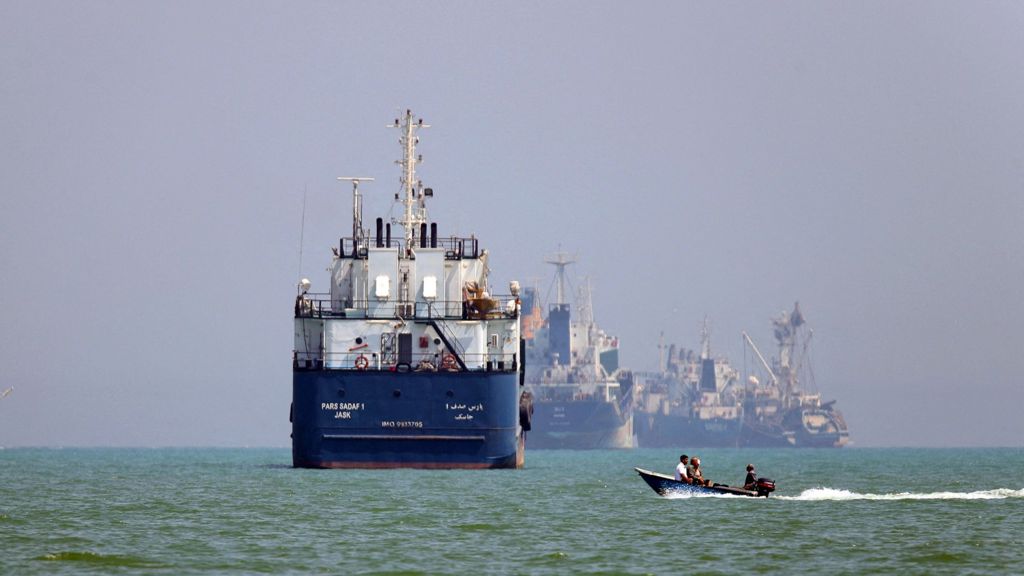
    The chaos around diplomatic efforts has been matched by escalating rhetoric and controversial actions from Pentagon leadership. On Friday, Defense Secretary Pete Hegseth used a press briefing to issue fresh threats against journalists who publish classified information from anonymous sources, doubling down on the aggressive, violent language that has become a hallmark of his public comments. Most notably, Hegseth threatened that the U.S. military would “shoot and kill” any Iranian boats found attempting to disrupt shipping through the Strait of Hormuz, which has remained closed despite a recent extension of the bilateral ceasefire.

    Hegseth equated the potential action to the U.S.’s controversial Caribbean drug boat operation, which has killed at least 180 people accused of drug trafficking and been widely condemned as a campaign of extrajudicial killing. “The War Department stands ready for what comes next, locked and loaded,” Hegseth said, adding that he has repeatedly criticized longstanding rules of engagement designed to protect civilian lives as “stupid.” “We’ll use up to and including lethal force if necessary,” he added.

    Hegseth’s efforts to control media coverage of the Pentagon have also escalated in recent days: on Thursday, the department fired the ombudsman for independent military newspaper Stars and Stripes, and Hegseth has demanded journalists adhere to a policy that prohibits any coverage not pre-approved by the department. It was in this charged environment that a new Capitol Hill presence, celebrity gossip outlet TMZ, which recently expanded into political reporting, got the chance to question Hegseth in the briefing room.

    TMZ correspondent Jacob Wasserman asked a question that cut through the usual talking points, pressing the Defense Secretary on the mental and physical impact of ordering lethal strikes across multiple regions. “I’ve heard you talk a lot about bombing people and places,” Wasserman said. “And when you give these orders to carry out this extreme level of violence, what’s going through your mind and your body? Do you have, like, an adrenaline rush? Are you scared? Do you feel like you’re on a power trip?”

    Hegseth appeared caught off guard, smirking and dismissing the question as a “very TMZ question” before denying that any pursuit of power informs his strike decisions. He refused to engage with the question’s core, instead repeating that his “only thought process is to ensure that our war fighters have everything they need to be successful, defeat and destroy the enemy”, before returning to his familiar call for “maximum violence to the enemy.”

    Wasserman’s colleague Charlie Cotton followed up with a second provocative question, referencing Hegseth’s repeated comments about renaming the Department of Defense to the Department of War (a change that would require congressional approval). Cotton asked if Hegseth would instead consider renaming the agency the Department of Peace, given that is the stated end goal of all U.S. military action. In response, just moments after calling for “maximum violence”, Hegseth claimed the U.S. military deserves the Nobel Peace Prize every year, framing it as the primary guarantor of global security and safety for people around the world.

  • Police: Correspondents’ dinner suspect charged checkpoint, had multiple weapons

    Police: Correspondents’ dinner suspect charged checkpoint, had multiple weapons

    A suspect accused of attempting to breach a security checkpoint ahead of the annual White House Correspondents’ Dinner has been formally charged, law enforcement officials have confirmed. The individual was found to be in possession of multiple firearms after the alarming incident that triggered an immediate security lockdown in the area.

    Surveillance footage, later publicly released by former U.S. President Donald Trump, captures the moment the suspect sprinted past stationary metal detectors as responding security agents quickly drew their weapons in response to the breach. The incident unfolded just hours before hundreds of high-profile journalists, political leaders, and media personalities were set to gather for the traditional dinner, an event that has long served as a centerpiece of Washington D.C.’s media and political calendar.

    Local law enforcement agencies have not yet released additional details about the suspect’s identity, motive, or background, but confirmed that ongoing investigations are underway to determine whether the incident was connected to any broader plot. Security officials have reiterated that the situation was quickly contained, and no injuries were reported during the confrontation or subsequent apprehension of the suspect. The breach has sparked renewed conversations about the adequacy of security protocols for major political events in the nation’s capital, amid ongoing concerns over violence targeting political gatherings.

  • What it was like in the room as shots rang out at correspondents’ dinner

    What it was like in the room as shots rang out at correspondents’ dinner

    It was a routine Saturday night at the Washington Hilton’s ballroom for the annual White House Correspondents’ Dinner, until the moment veteran reporter Gary O’Donoghue set down his knife and fork. A low, booming rumble rolling from the direction of the main entrance caught his attention — a sound that would instantly trigger familiar dread for a journalist who has covered multiple mass shooting incidents and assassination attempts.

    As a blind reporter, O’Donoghue relies heavily on audio cues to parse his surroundings, and the noise immediately struck him as the distinct thud of semi-automatic gunfire. Moments later, he heard glass shatter across the room, before feeling the head of his colleague Daniel brush past him as the man dove for cover under the table. Without hesitation, O’Donoghue followed, dropping to his knees beneath the tablecloth as fear raced through his mind.

    This was not the first time O’Donoghue had found himself in the middle of an assassination attempt against a sitting U.S. president. Just 21 months earlier, he was on the ground in Butler, Pennsylvania, when a shooter opened fire on then-candidate Donald Trump, coming inches away from taking the former president’s life. As panic erupted across the ballroom that night in D.C., with hundreds of attendees screaming and scrambling for safety, this experience left O’Donoghue bracing for the worst.

    Unlike the chaotic aftermath of the Butler attempt, the ballroom quickly settled into a terrified hush, with thousands of attendees dropping under tables within seconds of the first shots. For five to ten long minutes, those hiding waited in breathless silence, uncertain whether the gunman had breached the ballroom and was preparing to open fire on the crowd of 2,500 political leaders, journalists, and public figures gathered for the event.

    Multiple witnesses confirmed that Secret Service agents immediately moved to evacuate former president and current 2026 officeholder Donald Trump, First Lady Melania Trump, and Vice President JD Vance from the stage moments after the incident. Other agents, clad in full tactical gear including helmets and bulletproof vests, took positions across the room with weapons drawn, scanning the crowd for any additional potential threats.

    O’Donoghue shared small, human details that put the chaos in perspective: just minutes before the shooting, he had run into Health Secretary RFK Jr. in a small anteroom off the ballroom, where the secretary told him he was simply hungry and ready for the dinner to begin. Kennedy was seated just a few tables behind O’Donoghue when the shots rang out. Roughly 30 meters closer to the main entrance, FBI Director Kash Patel also took cover on the floor alongside other attendees, shielding his girlfriend from potential harm as a Secret Service agent rushed across the ballroom to secure his position.

    In the aftermath of the incident, O’Donoghue says one question weighed more heavily on his mind than any other: How could a potential shooter get this close to the president, for the second time in less than two years? In the hours leading up to the dinner, all roads surrounding the Washington Hilton had been fully closed and secured by local law enforcement, but venue security itself felt surprisingly lax. O’Donoghue recalls that the ticket checker at the entrance only glanced at his credential from a distance of roughly six feet, with no closer inspection. When he went through screening to enter the ballroom, an agent waved a wand over his person but did not investigate the device that triggered the alarm from items in his inner jacket pocket, nor did they ask him to empty his pockets for a closer search.

    In the end, O’Donoghue notes, the security detail matched that of a typical White House Correspondents’ Dinner where no sitting president is in attendance — a fatal oversight that left thousands of people vulnerable. For the duration of the post-incident lockdown, attendees struggled to get cellular service to report on the incident or gather updates on what had unfolded outside the ballroom. Even as O’Donoghue tried to push thoughts of worst-case scenarios out of his mind, he couldn’t shake the emotional weight of the moment. As a reporter covering U.S. politics, he wondered, how many more close calls must the country endure before a catastrophic tragedy occurs that ends the pattern of near-misses that have become a grim new normal for political events.