分类: politics

  • Donald Trump evacuated from Washington dinner as ‘shooter’ arrested

    Donald Trump evacuated from Washington dinner as ‘shooter’ arrested

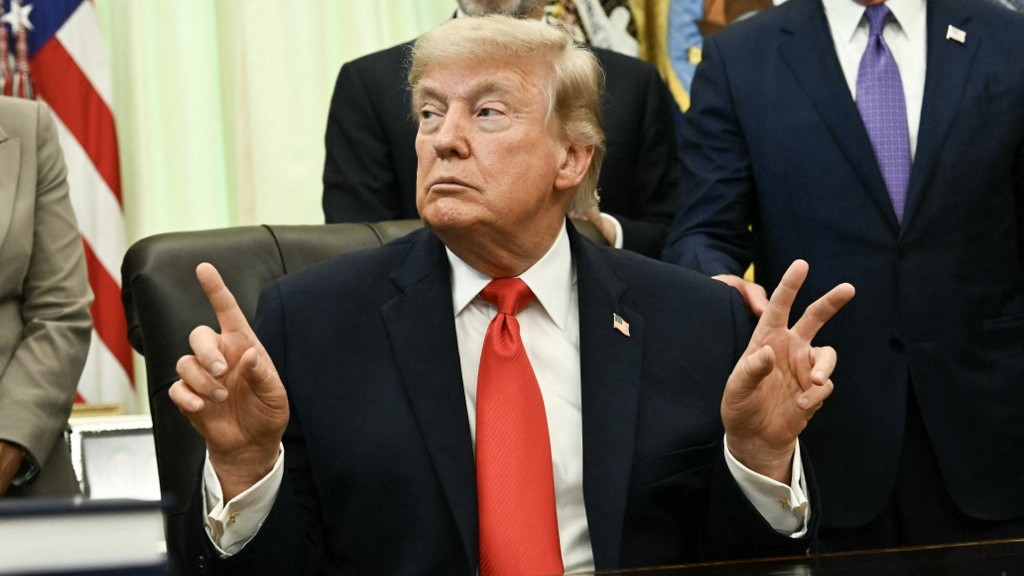
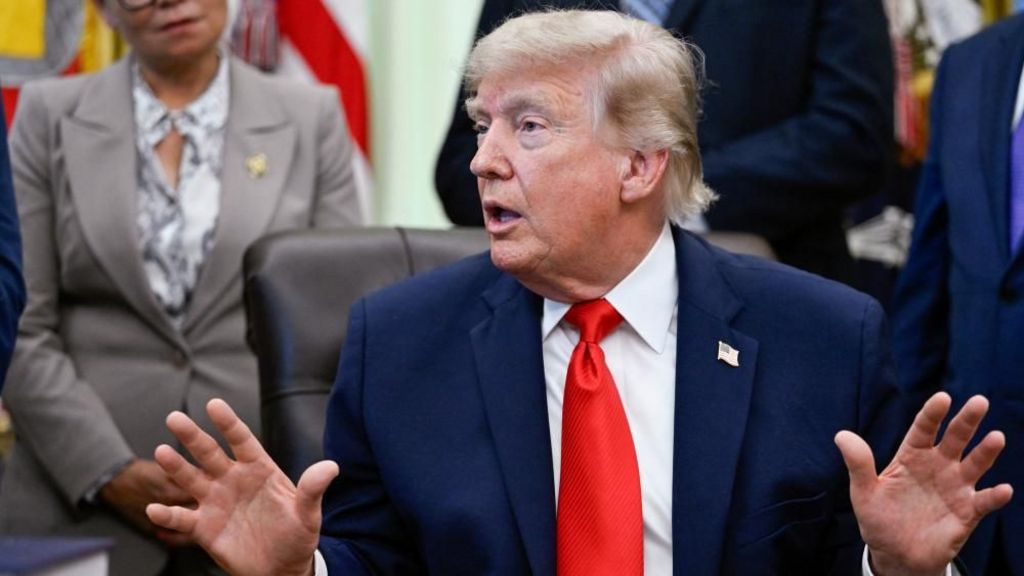
    On Saturday evening local time, a violent security breach disrupted the annual White House Correspondents’ Dinner at Washington D.C.’s Hilton Hotel, where former President and current U.S. President Donald Trump was among 2,500 high-profile attendees. Newly released surveillance footage and first-person accounts have now shed light on the chaotic sequence of events that unfolded shortly after 8:30 p.m.

    The alleged attacker, identified by authorities as 31-year-old Cole Thomas Allen, a California-based professional with backgrounds in mechanical engineering, computer science, game development, and K-12 education, forced his way through a lobby security checkpoint armed with a shotgun, a handgun, and multiple bladed weapons. According to D.C. Police Chief Jeffery W. Carroll, Allen was a registered guest of the hotel and was acting entirely alone, with no prior criminal record or known ties to extremist groups. Law enforcement officials confirmed Allen opened fire at close range on a U.S. Secret Service officer stationed at the checkpoint; the officer survived thanks to his bulletproof vest, and Trump told reporters Sunday he had spoken directly to the officer, who is in stable condition and recovering well.

    Surveillance footage released in the hours after the incident captures Allen moving rapidly through the screening area, a detail Trump highlighted in his post-incident comments: “He was really moving … He looked pretty evil … he was a sick person.” For the President, the first sign of trouble was indistinguishable from a common event disruption: Trump told reporters he initially mistook the gunfire for a loudly dropped catering tray, before security personnel reacted within seconds to evacuate the venue. Footage from inside the packed ballroom shows Trump and First Lady Melania Trump seated at the head stage table when the shots rang out. Secret Service agents immediately rushed the President out of the room, an incident during which he appeared to stumble briefly, before evacuating the First Lady, Vice President JD Vance, and multiple senior cabinet members in attendance.

    Eyewitness accounts from journalists inside the venue paint a picture of sudden, widespread panic. Veteran CNN anchor Wolf Blitzer, who was just feet from the shooter near a lobby restroom, told his network he saw Allen brought to the ground by responding agents. “I did see the gunman on the ground after he started shooting,” Blitzer said, adding that the suspect carried a “very, very serious weapon.” ABC News editor John Lyons, who was in the ballroom, described a chaotic scene where attendees scrambled to take cover under tables for 15 full minutes: “There was shouting and fear and you heard this kerfuffle,” he said. Sky News correspondent James Matthews called the mood “an atmosphere of extreme fear,” noting that agents moved Trump out of the venue in seconds.

    By the time the scene was secured, Allen was taken into custody unharmed. Images from the hotel lobby show the suspect lying face-down on the floor, secured by law enforcement and wrapped in a thermal blanket. Overnight Sunday, FBI agents executed a search of Allen’s residence in Torrance, California, a suburban community roughly 20 miles south of Los Angeles, after securing a federal search warrant from a judge in the Central District of California.

    Allen is scheduled to appear in federal court Monday to face multiple felony charges, including weapons violations during a violent crime. Attorney General Todd Blanche told reporters Saturday that charges would be filed “shortly,” noting that the nature of the charges would be clear given the suspect’s actions.

    In comments to reporters Saturday night at the White House, Trump framed the attack as an assault on the U.S. Constitution, praising the “very brave members of the Secret Service” for their rapid response that prevented any fatalities. He later posted to his Truth Social platform shortly after the incident, writing: “Quite an evening in DC. Secret Service and Police did a fantastic job. The shooter has been apprehended. I have recommended that we “LET THE SHOW GO ON” but, will entirely be guided by Law Enforcement. Regardless of that decision, the evening will be much different than planned, and we’ll just, plain, have to do it again.”

    Event organizers ultimately canceled the dinner and announced plans to reschedule the event within 30 days. When asked whether the attack was an assassination attempt against him, coming after a previous failed assassination attempt during the 2024 presidential campaign, Trump offered a characteristic response. He noted that throughout U.S. history, assassination attempts and successful attacks have targeted high-profile, transformative leaders, citing Abraham Lincoln as an example. “They don’t go after the ones that don’t do much because they like it that way,” Trump said. “And when you look at the people that have either whether it was an attempt or a successful attempt, that they’re very impressive, inspirational. … I hate to say I’m honoured by that, but I do know we’ve taken this country … and now we’re the hottest country anywhere in the world with this country. And there are a lot of people that are not happy about that. So I think that’s the answer.”

    Saturday’s dinner marked the first time Trump has attended the annual press corps dinner during his two terms in office, an event held with extensive pre-planned security arrangements in response to ongoing threats against the President.

  • Trump said RFK Jr could run ‘wild’ with health policy. Instead he’s reined him in

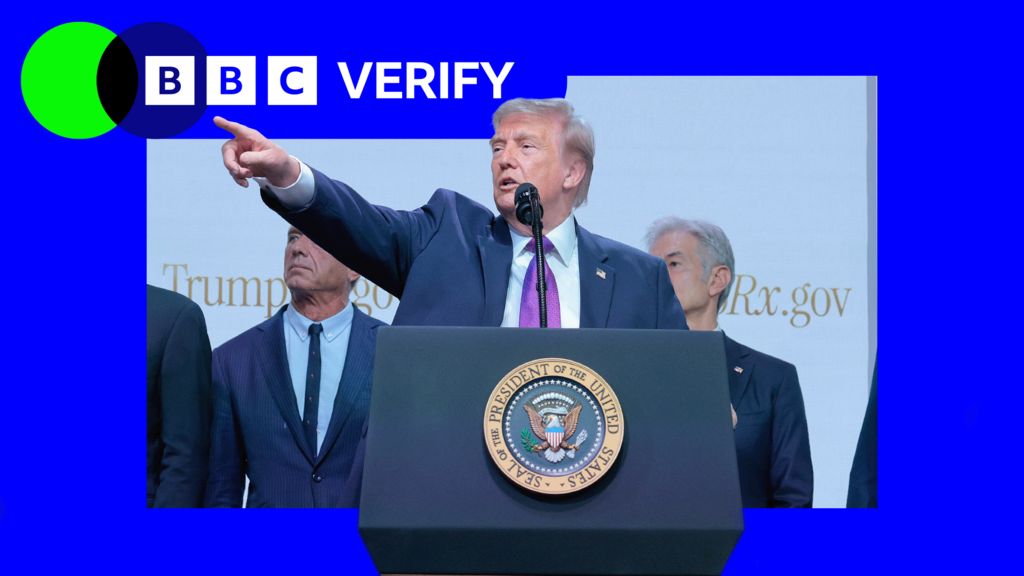
    Trump said RFK Jr could run ‘wild’ with health policy. Instead he’s reined him in

    Twelve months ago, U.S. President Donald Trump made a public promise to then-nominee Robert F. Kennedy Jr.: once tapped to lead the Department of Health and Human Services (HHS), Kennedy would be given free rein to pursue his controversial policy priorities. What began as a politically strategic alliance forged during the 2024 presidential campaign, however, has increasingly fractured amid conflicting policy priorities, congressional scrutiny, and growing frustration from Kennedy’s core base of supporters.

    The partnership between Trump and Kennedy was built around the “Make America Healthy Again” (MAHA) movement, a spin on Trump’s iconic “Make America Great Again” campaign slogan. Kennedy, a longstanding critic of mainstream public health policy, drew a diverse cross-section of American voters to the Trump ticket: anti-vaccine activists, health-focused parents, environmental advocates, and nutrition enthusiasts who united around shared concerns about vaccine safety, environmental chemical exposure, processed food, and rising rates of chronic disease. For a year, however, cracks in the alliance have widened, with the most visible public tension playing out during days of bipartisan grilling on Capitol Hill earlier this month.

    The most heated exchange of the congressional hearings centered on Kennedy’s public support for a Trump executive order expanding domestic production of glyphosate, a widely used herbicide that Kennedy’s base has spent decades fighting over proven links to non-Hodgkin’s lymphoma and other chronic illnesses. Democratic Senator Brian Schatz of Hawaii pressed Kennedy directly, noting that many of his own Hawaii-based supporters who backed the MAHA agenda felt “hurt, shocked, confused” by his endorsement of the order. Kennedy countered that he had made his personal opposition to the order clear to Trump, but that the president framed the policy as a matter of critical national economic security for the U.S. agricultural sector.

    That tense exchange laid bare a growing pattern: a year into his tenure as HHS Secretary, many of Kennedy’s closest allies and core supporters say he has never received the unfettered access to policy change that Trump initially promised. Early, high-profile changes to national vaccine policy have stalled amid legal pushback and direct White House pressure, and even his work on less controversial health priorities has been hampered by friction with the Trump administration.

    “Kennedy only has so much authority at HHS,” explained Jeff Hutt, former national field director for the MAHA Institute, in an interview with the BBC. “At the end of the day, he’s more of a spokesperson than a change agent, so progress is going to come much slower than anyone expected.”

    In response to queries about growing frustration among MAHA voters, an HHS spokesperson emphasized that Kennedy’s team remains fully focused on the priorities that consistently rank highest for American voters: chronic disease prevention, improved childhood nutrition, higher food quality standards, and expanded access to affordable health care.

    Kennedy’s most significant early policy moves focused on overhauling decades of evidence-based U.S. vaccine policy, a core campaign promise to his vaccine-hesitant base. Shortly after taking office, he dismissed the entire membership of the federal vaccine advisory committee, replacing it with a slate of prominent vaccine skeptics. The reconfigured committee quickly voted to withdraw universal hepatitis B vaccine recommendations for newborns, and the Centers for Disease Control and Prevention (CDC) subsequently cut nearly half of the recommended childhood immunization schedule.

    When CDC director Susan Monarez refused to automatically approve the committee’s new recommendations, Kennedy removed her from her post, leaving the nation’s leading public health agency without a permanent leader for more than six months. The policy shifts unfolded as the United States grappled with the worst measles outbreak in 70 years, with more than 4,000 confirmed cases recorded across 2025 and early 2026, including two child deaths in Texas.

    For many in the MAHA base, the vaccine changes represented a long-sought victory, framed as a win for individual patient choice and informed consent. “This just gives families more space and time to make their own decisions about what’s right for their kids,” said Jacqueline Capriotti, a former Kennedy campaign social media strategist who administers a large Facebook group for MAHA moms. “Having open conversations about informed consent, about understanding what you put in your body, is a healthy thing for our country.”

    But that early momentum quickly collapsed. In March, a federal judge blocked nearly all of Kennedy’s vaccine policy overhauls, ruling that the new advisory committee members lacked the required scientific credentials for their roles. HHS has publicly stated it plans to appeal the ruling, but no filing has been made to date.

    Shortly after the ruling, Kennedy allies confirmed to the BBC that the Trump administration ordered him to shift his focus away from vaccine policy entirely ahead of November’s midterm elections. Longtime Republican pollster Whit Ayres noted that the White House came to the conclusion that vocal vaccine skepticism was “political poison,” given that a large majority of American voters continue to support evidence-based vaccination programs.

    Republican campaign advisor Abby McCloskey argued that the court ruling actually worked to the White House’s advantage. “It almost takes it off of RFK Jr’s plate and gives him a valid reason to not talk about it ahead of the election,” she explained. The shift in messaging was obvious during Kennedy’s April congressional testimony, where he surprised many observers by stating that every child should be vaccinated against measles.

    With his vaccine agenda stalled, Kennedy has reoriented his work toward the other core issues of the MAHA movement: chronic disease prevention, food system reform, and environmental safety. He has overseen a complete redesign of the iconic U.S. food pyramid, a change that has drawn mixed reviews from public health experts, and launched a campaign to persuade major food corporations to voluntarily phase out synthetic food dyes.

    Even on these issues, however, friction with Trump has persisted. Beyond the glyphosate executive order that enraged MAHA supporters, Trump’s longstanding support for the fast food industry has clashed with Kennedy’s push for stricter nutrition standards. After pressure from the White House, Kennedy ultimately released a public statement supporting the glyphosate order, citing the agricultural sector’s longstanding reliance on the herbicide.

    Hutt, who remains aligned with the MAHA movement, called the endorsement a necessary compromise rather than a choice Kennedy wanted to make. “I wish he had not done it, and I think that’s how most of our supporters felt,” he said. Zen Honeycutt, founder of the MAHA-aligned advocacy group Moms Across America, said many member moms were “outraged” by the decision, arguing that the order was directly written to benefit large chemical corporations. Even so, Honeycutt said she does not doubt Kennedy’s commitment to protecting children’s health, noting that he faces constant pressure from pharmaceutical, chemical, and food industry lobbying groups that limit his ability to act.

    Polling from Politico suggests that the discontent is widespread: 47% of voters who identify as MAHA supporters believe Trump and Kennedy have not delivered on enough of their campaign promises, compared to just 44% who say they have made sufficient progress. An anonymous HHS official countered to the BBC that blocking glyphosate access would have had “severe” negative economic impacts on American agriculture, adding that the department’s new dietary guidelines prioritize whole fruits and vegetables as a step toward reducing long-term reliance on chemically intensive farming practices.

    Despite repeated policy conflicts, Republican strategists say Trump still views Kennedy as a valuable political messenger ahead of the midterms. Politico reports that Kennedy is expected to campaign as a Trump surrogate in key swing states this fall, and he recently launched a new podcast focused on “fearless conversations with critical thinkers, including independent doctors.” He has also announced two new policy initiatives: a major national research project on the health impacts of microplastic exposure, and a renewed administration-wide focus on reducing rates of chronic disease.

    Even with this new rebranding effort, political analysts remain skeptical that the shift will help the Trump administration win over broader support for the MAHA agenda. “Kennedy is so widely associated with anti-vaccine advocacy that it’s going to be difficult for him to redefine himself in any other way,” Ayres said. McCloskey added that the Trump administration is squandering a unique opportunity to connect with the large, diverse MAHA base of parent voters who care far more about nutrition and children’s health than vaccine policy. “What’s really missing is a clear set of next concrete policy steps that people can rally around,” she said.

    For his core supporters, however, even with all the setbacks, Kennedy has already delivered one major win: he has pushed MAHA’s set of health concerns into the national mainstream, and most long-time backers understand the constraints he faces. “People who supported Bobby [Kennedy] understand that his ability to be a change agent is really limited by how much rope the president gives him,” Hutt said. Even so, he added, Kennedy and his team still do not recognize how much political power their movement already has to shift the national conversation around American health.

  • ‘Eat some Gelato’ – Americans on what the Royals should do during US visit

    ‘Eat some Gelato’ – Americans on what the Royals should do during US visit

    As the United Kingdom’s King Charles III and Queen Camilla prepare for a high-profile four-day state visit to the United States, one item has been repeatedly floated by American members of the public as a must-add to their itinerary: stop for a serving of creamy, homemade Italian-American gelato.

    The royal visit, which marks a key moment of diplomatic exchange between the two longstanding allies, is already set to include one of the most anticipated meetings on the schedule: a formal sit-down with U.S. President Donald Trump. Beyond the planned diplomatic engagements that are designed to strengthen bilateral cooperation on shared global priorities, everyday Americans have been sharing their own informal suggestions for how the royal couple can make the most of their time on American soil, with the suggestion to try a local gelato emerging as a fan favorite.

    Diplomatic state visits between the UK and US have long served as cornerstones for nurturing the special relationship between the two nations, and this upcoming trip comes as both countries work to align on a range of policy areas from trade to global security. While official agendas are typically packed with formal receptions, policy discussions, and ceremonial events, public input on what the royals should prioritize adds a lighthearted, accessible layer to the high-stakes diplomatic event, connecting everyday citizens to the visit beyond what is shared in official press releases.

  • Trump cancels US envoys’ trip to Pakistan for talks on Iran war

    Trump cancels US envoys’ trip to Pakistan for talks on Iran war

    On Saturday, in a sudden reversal of planned diplomatic negotiations, former President Donald Trump called off a scheduled trip by senior U.S. officials to Pakistan aimed at de-escalating ongoing conflict with Iran — a move that came just hours after an Iranian diplomatic delegation wrapped up its visit to the mediation hub of Islamabad.

    Trump justified the last-minute cancellation by arguing that special envoy Steve Witkoff and his son-in-law and senior advisor Jared Kushner would be wasting valuable time on the mission. “If Iran wants to talk, all they have to do is call,” Trump stated publicly.

    Hours before the cancellation, Iranian Foreign Minister Abbas Araqchi concluded talks with Pakistani mediators, confirming that he had laid out Tehran’s formal position on ending the conflict, but noting that Iran had not yet received clear evidence that Washington was genuinely committed to diplomatic resolution. The diplomatic impasse has persisted even after Trump extended a ceasefire that was originally set to expire on April 22, a move designed to create space for negotiations to move forward.

    The current standoff between the U.S. and Iran stems from two core flashpoints: control of the Strait of Hormuz, the world’s most critical chokepoint for global oil trade, and long-running international disputes over Iran’s nuclear program. After the U.S. and Israel launched joint strikes against Iranian targets in February, Iran restricted commercial passage through the strait, through which approximately 20% of the world’s total oil supply transits daily. In response, Washington has bolstered its naval presence in the region and implemented strict measures to block Iranian oil exports.

    When the U.S. trip was first announced on Friday, White House officials claimed that Iran was eager to engage in talks — a characterization Tehran immediately rejected, stating it had no plans for a direct meeting with U.S. negotiators. Despite the collapse of plans for a new round of face-to-face talks, Trump confirmed that the existing ceasefire would remain in place on Saturday. When asked by Axios whether the cancellation meant active combat would resume, Trump replied, “No, it doesn’t mean that. We haven’t thought about it yet.”

    In a series of posts on his Truth Social platform Saturday, Trump doubled down on his criticism of the Iranian leadership, claiming there was “tremendous infighting and confusion” within Tehran’s ruling circles and that “nobody knows who is in charge, including them.” He added, “Also, we have all the cards, they have none! If they want to talk, all they have to do is call!!!”

    Prior to the cancellation, the White House had noted that U.S. Vice President JD Vance, who led the American delegation during the first round of talks in Islamabad earlier this month, was on standby to join the negotiations if a breakthrough appeared likely. His exclusion from the original planned delegation had already signaled that Washington did not expect major progress from the meeting.

    Iranian President Masoud Pezeshkian has repeatedly stated that Tehran remains open to good-faith negotiations, but has pointed to U.S. breaches of prior commitments, economic blockades, and military threats as core obstacles to genuine diplomatic progress.

    Pakistan has served as the primary neutral mediator between Washington and Tehran in recent weeks, hosting the first round of U.S.-Iran talks on April 11 that ended without any formal agreement. Araqchi, who is also scheduled to visit Oman and Russia as part of his regional diplomatic tour, described his talks in Islamabad as “fruitful” in a post on X. He reiterated that he had shared Iran’s proposed framework for a permanent end to the conflict, but still awaited proof of U.S. commitment to diplomacy. Pakistani Prime Minister Shehbaz Sharif confirmed that the meeting featured a “most warm, cordial exchange of views on the current regional situation,” and Iranian state media reports indicate Araqchi will return to Islamabad after completing his visit to Oman.

    The broader regional conflict remains volatile, with new clashes erupting over the weekend between Israel and Hezbollah, the Iran-backed militant group based in Lebanon. On Saturday, at least four civilians were killed in Israeli air strikes on southern Lebanon, according to Lebanon’s state news agency. The Israeli military said the strikes came in response to rocket fire from Hezbollah into northern Israel. Despite a nominal ceasefire between Israel and Hezbollah, both sides have continued exchanging fire on a near-daily basis in recent weeks, with each side accusing the other of violating the truce. On Saturday, Israeli Prime Minister Benjamin Netanyahu’s office confirmed that the Israel Defense Forces had been ordered to “vigorously attack Hezbollah targets in Lebanon.”

    The core dispute over Iran’s nuclear program, which underpins the current U.S.-Iran conflict, remains unresolved: Washington and its allies suspect Iran is actively pursuing a nuclear weapons capability, while Tehran has consistently denied this claim, arguing its program is solely for civilian energy production and medical research, even though it has enriched uranium to near weapons-grade purity.

  • Palestinians head to the polls for first time since Gaza war

    Palestinians head to the polls for first time since Gaza war

    On Saturday, Palestinian voters across the occupied West Bank and the central Gaza city of Deir al-Balah took to polling stations to cast ballots in municipal elections, marking the first popular electoral exercise carried out in Palestinian territories since Israel launched its full-scale military campaign on Gaza in October 2023.

    According to official data released by the Ramallah-headquartered Central Elections Commission, roughly 1.5 million eligible voters are registered in the West Bank, while an additional 70,000 registered voters reside in the Deir al-Balah region of central Gaza, the only part of the enclave where voting is being held. Unlike typical local electoral cycles, this vote features a sharply restricted pool of candidates: most contenders are either affiliated with the secular nationalist Fatah Party, the dominant political faction leading the Palestinian Authority (PA), or run as independent contenders.

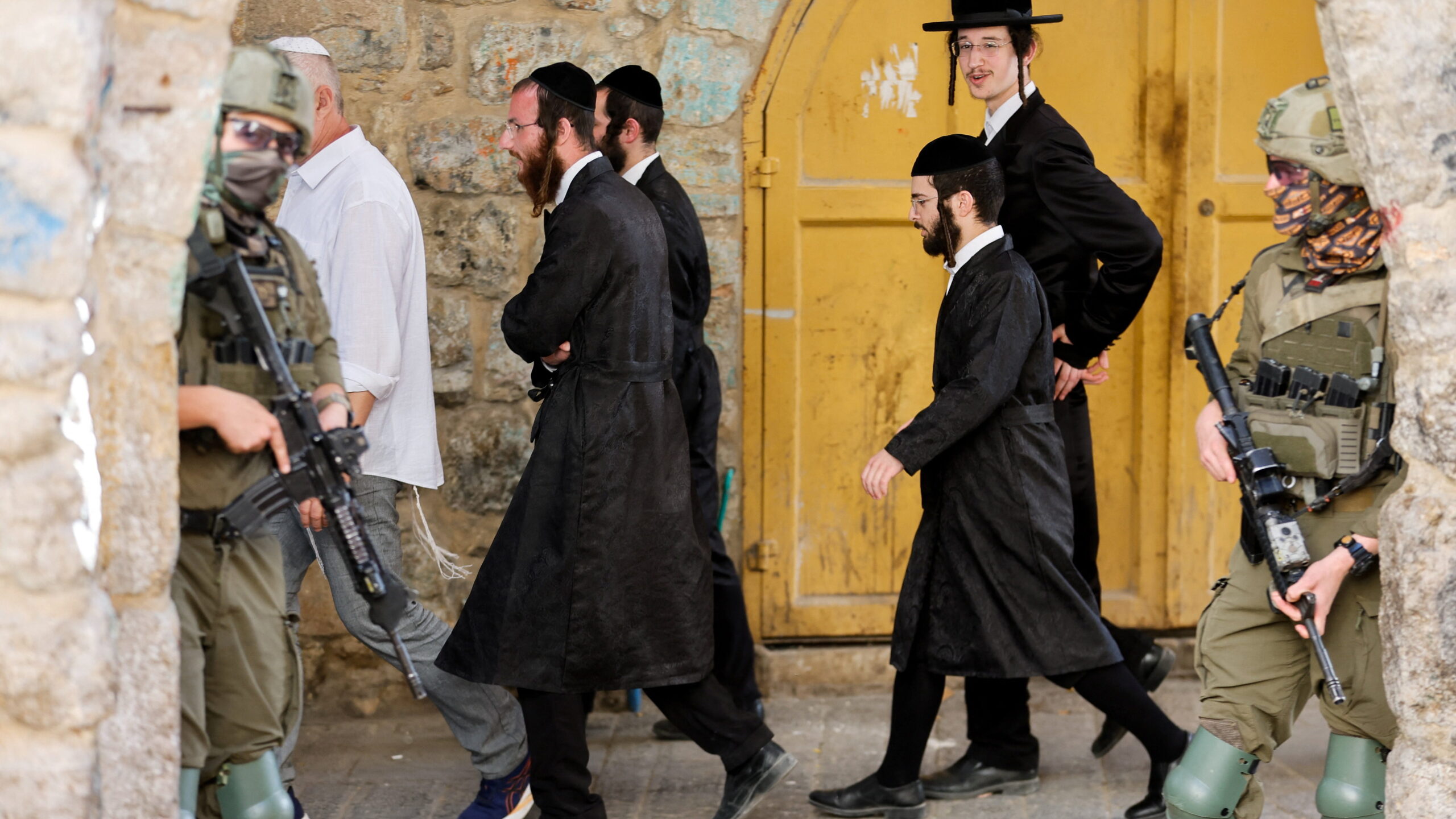
    Notably, no electoral lists linked to Hamas — the militant and political group that controlled half of Gaza before the current war — are permitted to participate in the election. Currently, half of the besieged Gaza Strip remains under active Israeli military occupation, while widespread displacement has emptied most other regions of their resident populations.

    Across most West Bank municipalities, the election contests pit Fatah-aligned candidates against independent lists tied to the leftist Popular Front for the Liberation of Palestine, with few other political blocs represented. Even with this limited field, multiple candidates have alleged systematic barriers to their participation. Mohammed Dweikat, a candidate from the West Bank city of Nablus, told Agence France-Presse that the PA has detained a number of opposition candidates throughout the registration period, barring them from formalizing their candidacies before the vote.

    Municipal councils in Palestinian territories hold responsibility for delivering core local public services, including potable water distribution, sanitation infrastructure, and neighborhood development projects, but lack authority to pass national legislation. For years, the PA has faced widespread accusations of institutional corruption, political stagnation, and eroding public legitimacy across Palestinian territories. In response, Western and regional international donors have increasingly conditioned their financial and diplomatic support for the PA on tangible progress toward governance reform, particularly at the local level.

    The European Union framed the vote as a positive step forward, releasing a statement describing the election as “an important step towards broader democratisation and strengthened local governance… in line with the ongoing reforms process.”

    As of 2025, more than 15 months of ongoing Israeli military operations in Gaza have left most of the densely populated enclave in ruins. Official data from Gaza’s Palestinian Ministry of Health puts the total death toll from the conflict at more than 72,000 Palestinians, the vast majority of them civilians. Nearly all public infrastructure, including sanitation networks, hospitals, and utility systems, has been destroyed or severely damaged in Israeli airstrikes and ground operations, leaving remaining basic services on the brink of total collapse.

    This vote marks the first Palestinian electoral contest held in Gaza since the 2006 legislative elections, which Hamas won in a surprise victory that led to its takeover of the enclave the following year. Political scientist Jamal al-Fadi, based at Cairo’s Al-Azhar University, told AFP that the PA’s decision to restrict Gaza voting exclusively to Deir al-Balah is a deliberate strategic choice to gauge public sentiment at a time when no post-war opinion polling exists in the enclave. Deir al-Balah was selected for the pilot vote, Fadi explained, because it remains one of the only regions in Gaza that has not experienced mass forced displacement of its resident population, allowing a functional electoral process to proceed.

  • Orbán steps down from Hungarian parliament after landslide defeat

    Orbán steps down from Hungarian parliament after landslide defeat

    After 16 years at the helm of Hungarian politics, former long-serving Prime Minister Viktor Orbán has announced he will relinquish his newly won seat in Hungary’s national parliament, capping a historic electoral upset that swept his nationalist administration from power. The 62-year-old leader made the announcement in a pre-recorded video address shared on social media Saturday evening, confirming his choice to exit the legislative body to focus on restructuring his right-wing Fidesz party after its stunning defeat in the April 12 general election.

    Orbán’s Fidesz, which dominated Hungarian governance for nearly two decades, suffered a catastrophic collapse at the polls: the party saw its parliamentary representation plummet from 135 seats to just 52, falling to opposition after a decisive victory by the Tisza party, led by former Fidesz insider Péter Magyar. Even amid the party’s broad losses, Orbán secured a parliamentary seat via Fidesz’s proportional representation list — a position he now says he will return to the party.

    “The mandate I obtained as the lead candidate of the Fidesz-KDNP list is, in fact, a parliamentary mandate of Fidesz. For this reason, I have decided to return it,” Orbán said in his statement. He added that his skills are currently better suited to rebuilding Fidesz’s conservative patriotic movement rather than serving as a sitting legislator. Starting Monday, Fidesz’s parliamentary caucus will be led by Gergely Gulyás, who most recently served as minister in charge of the prime minister’s office, Orbán confirmed following a closed-door meeting of senior Fidesz officials.

    Orbán’s political career in Hungary’s parliament stretches back to 1990, when he first won a seat shortly after the fall of communism. He has led Fidesz continuously since that year, and claimed the prime minister’s office in 2010, building an unrivaled grip on Hungarian political life over the next 14 years. But in this year’s election, voters abandoned the incumbent in droves, driven by widespread anger over persistent corruption allegations, stagnant living standards, and the deeply unpopular patronage network known as the NER, which critics say enriched Fidesz loyalists at the expense of public resources.

    Magyar’s Tisza party secured a historic two-thirds majority in the 199-seat parliament, a mandate that clears the way for sweeping changes to both Hungary’s domestic agenda and its foreign policy alignment. During the campaign, Tisza supporters frequently chanted “Russians go home,” a sharp rebuke to Orbán’s longstanding close alignment with Russian President Vladimir Putin and his warm ties to former U.S. President Donald Trump that often put Budapest at odds with European Union partners. In contrast, Magyar has pledged to reset Hungary’s relationships with the EU and Ukraine, ending Orbán’s pattern of blocking EU policy initiatives and aid to Kyiv.

    Domestically, Hungary’s incoming prime minister has vowed to roll back Orbán-era overhauls to the country’s education and healthcare systems, root out systemic corruption, restore judicial independence, and dismantle the NER patronage system that remains widely unpopular among Hungarian voters. Magyar has pushed for a rapid transition of power, with Hungary’s new parliament scheduled to convene for its inaugural session on May 9.

    While Orbán is stepping back from parliament, he has made clear he intends to remain a central figure in Hungarian nationalist politics. The question of whether he will retain his role as Fidesz party leader will be settled at a special party conference scheduled for June, he confirmed, as he commits to reorganizing the movement he has led for more than three decades.

  • What levers can Turkey use against Israel if their war of words escalates?

    What levers can Turkey use against Israel if their war of words escalates?

    Over recent weeks, a sharp war of words between two major Middle Eastern powers, Turkey and Israel, has escalated dramatically, laying bare a rapidly deepening rift that has been simmering for months. The latest cycle of tensions was triggered when the Istanbul Chief Public Prosecutor’s office formally filed criminal charges against 35 individuals, headlined by Israeli Prime Minister Benjamin Netanyahu, linked to the 2024 attack on the Global Sumud Flotilla carried out in international waters. Prosecutors are seeking lengthy prison sentences for the accused, a move that Netanyahu immediately framed as a deliberate escalation against his government.

    With Israel gearing up for a national election, Netanyahu faces growing domestic headwinds, particularly after the recent ceasefire agreement brokered between the United States and Iran eroded his standing with hardline voters. To shore up his public image and court undecided constituencies, Netanyahu responded with a provocative public post on social platform X, accusing Turkish President Recep Tayyip Erdogan of orchestrating mass violence against Kurdish citizens within Turkey’s borders.

    The dispute quickly drew in other senior Israeli political figures, with former prime minister Naftali Bennett wading into the conflict to launch his own string of inflammatory attacks against Ankara. Bennett went so far as to label Turkey the “new Iran” and previously hinted that Israel could take active measures against the country, warning that “after Iran, we will not stay idle.”

    Beyond heated rhetoric, the rapid deterioration of exchanges has sparked widespread regional concern that the two nations could be sliding toward an open confrontation. Long-standing frictions already frame the bilateral relationship: the two states have been deeply divided over Israel’s military campaign in Gaza, the new governing administration in Syria, competing regional influence, and Israel’s increasingly close security and economic ties with Turkey’s neighbors Greece and Cyprus.

    Observers have actively debated what tangible measures Turkey could take if it chooses to escalate beyond rhetoric, with energy access emerging as Ankara’s most commonly cited point of leverage. Many analysts note that Turkey could disrupt the flow of Azerbaijani crude oil through the Baku–Tbilisi–Ceyhan pipeline, a route that currently meets roughly 40% to 50% of Israel’s total oil demand. Since Ankara imposed a formal trade embargo on Israel in May 2024, oil shipments through the pipeline have continued via complex workarounds, including the use of unregistered shadow tankers to obscure trade routes. If Turkey ultimately moves to shut down the pipeline, it would trigger immediate short-term supply disruptions for Israel, though the duration of such a disruption remains uncertain. Since no broad international energy sanctions are currently in place against Israel, the country would still be able to purchase crude on the global open market. Additionally, Israeli officials have long emphasized that Azerbaijani oil imports serve as a pillar of their strategic partnership with Baku, and Azerbaijani leaders have repeatedly signaled their commitment to upholding that agreement.

    A second widely discussed punitive option is Ankara closing its sovereign airspace to all civilian Israeli flights. Such a move would force airlines to take longer alternate routes, driving up fuel costs, extending crew working hours, and disrupting global flight schedules. These added costs would almost certainly translate to higher ticket prices for Israeli passengers and lower profit margins for airlines. While travel to key destinations such as Russia and Azerbaijan would become far more logistically complex, those disruptions could be partially offset by rerouting flights over the Black Sea. More broadly, the gradual opening of Saudi and other regional airspaces to Israeli flights in recent years has provided Israel with alternative air corridors, significantly blunting the strategic impact of any Turkish airspace ban.

    Other areas of potential economic pressure have proven limited in scope. Bilateral trade between Turkey and Israel has already dropped sharply since the May 2024 embargo, with remaining Turkish exports reaching Israeli markets via third-country intermediaries. Even before the embargo, Israeli tourist arrivals in Turkey never reached a volume large enough to create severe economic harm for Ankara if Turkey were to ban Israeli travelers, even after arrivals rebounded to tens of thousands in 2025.

    Analysts broadly agree that Ankara’s limited ability to impose meaningful harm on Israel stems from the lack of deep economic interdependence between the two states. While bilateral trade was once highly lucrative for Turkey, much of that commercial activity has already been halted in protest of Israel’s military campaign in Gaza. The long-planned EastMed natural gas pipeline, which would have transported Israeli and Palestinian gas to Turkey for export to European markets, once represented a major point of mutual economic leverage, but the project has effectively been scrapped in the wake of the Gaza war.

    Beyond expanding its military capabilities, upgrading its domestic defense industry, and strengthening its deterrence posture, Ankara has pursued a diplomatic strategy to pressure Israel by deepening its alignment with key NATO allies and recalibrating its partnerships with major regional powers including Pakistan, Saudi Arabia, and Egypt. Turkish leadership appears confident that its complex strategic relationship with the European Union, its central role in European security architecture, its unique balanced ties with both Russia and Ukraine amid the ongoing war, and its expanding diplomatic and economic engagement with Africa and Asia will create enough diplomatic buffer to prevent any major military escalation between the two states. Only time will reveal whether this assessment holds, as the rhetorical clash continues to roil regional stability.

  • Mexico says US agents killed in crash weren’t permitted to operate there

    Mexico says US agents killed in crash weren’t permitted to operate there

    A deadly car crash that killed two American agents and two Mexican law enforcement officials has ignited a new diplomatic row between Mexico and the United States, shining a harsh light on long-running frictions over counter-narcotics cooperation and national sovereignty.

    The April 19 crash occurred as the American agents were part of a convoy returning from a mission to destroy suspected illegal methamphetamine laboratories in the remote mountain terrain of Mexico’s northern state of Chihuahua. After their vehicle skidded off the winding mountain road, it plunged into a deep ravine and exploded. Along with the two U.S. citizens, two investigators from the Chihuahua State Investigation Agency also lost their lives in the incident.

    Following a full investigation ordered by Mexican President Claudia Sheinbaum, Mexico’s security ministry has formally confirmed that neither of the two U.S. agents, who U.S. media reports link to the Central Intelligence Agency (CIA), held the required formal accreditation to conduct operational activities on Mexican soil. Mexican authorities were never notified of their presence or the mission they were carrying out, the ministry said in an official statement released Saturday.

    Immigration records show the two agents entered Mexico through separate channels: one arrived on a standard visitor visa, while the other traveled using a diplomatic passport. Per Mexican federal law, no foreign security personnel may conduct active operational work within the country’s borders without explicit prior approval from national authorities, a regulation the agents violated in this case. Chihuahua’s state attorney general César Jáuregui initially described the pair as “instructor officers” from the U.S. embassy conducting routine training as part of standard law enforcement exchange programs, a characterization that contradicted the findings of the federal investigation.

    President Sheinbaum has repeatedly pushed back against unapproved foreign activity on Mexican territory, reaffirming this stance in the wake of the crash. She made clear that while ongoing intelligence-sharing with the U.S. continues, “there are no joint operations on land or in the air” between the two nations. Her government has been firm that any foreign presence on Mexican soil requires explicit federal clearance, and that the country’s national sovereignty cannot be breached.

    The incident comes at a moment of already strained bilateral relations, with counter-narcotics and border security emerging as two of the most contentious points of disagreement. U.S. President Donald Trump has ramped up pressure on Sheinbaum’s administration to escalate its crackdown on drug trafficking across the U.S.-Mexico border, while also repeatedly criticizing Mexico over undocumented migration. Sheinbaum has declined repeated offers of U.S.-led counter-narcotics operations on Mexican territory, even as her government has launched aggressive anti-drug initiatives in recent months to ease tensions with Washington.

    This is not the first revelation of covert CIA activity in Mexico. A September 2024 Reuters investigation exposed that the CIA has run secret operations in Mexico for years, focused on tracking down high-profile drug kingpins. The investigation found that with limited informal approval from previous Mexican administrations, the agency has provided specialized training, equipment and funding for select Mexican security units, including covering operational travel costs. Sheinbaum has consistently maintained her administration will collaborate with Washington on shared security goals, while drawing a firm line against any unauthorized deployment of U.S. personnel on Mexican soil.

  • Rights groups critical as Venezuela prisoner release scheme ‘coming to an end’

    Rights groups critical as Venezuela prisoner release scheme ‘coming to an end’

    Just nine weeks after Venezuela’s amnesty program for political prisoners launched, interim President Delcy Rodríguez announced the scheme was reaching its conclusion – a decision that has sparked fierce condemnation from human rights and prisoner advocacy organizations across the country.\n\nThe amnesty law, first introduced by the National Assembly, was designed to grant release to thousands of people detained on political charges during the administration of former President Nicolás Maduro. According to prominent Venezuelan prisoner rights group Foro Penal, roughly 473 political prisoners have been freed so far, but the organization estimates more than 500 remain behind bars. The president of the National Assembly – Jorge Rodríguez, Delcy Rodríguez’s brother – previously stated that over 1,500 political prisoners had submitted amnesty applications, and the legislation was ultimately expected to cover as many as 11,000 qualifying individuals.\n\nDelcy Rodríguez pushed back against these figures during a Friday meeting of justice officials in Caracas, claiming that 8,616 people had already benefited from the program, which she described as “very successful in terms of its scope and the number of beneficiaries”. For unresolved cases not covered by the existing law, she added, alternative legal pathways would be available to address outstanding claims.\n\nHuman rights groups have universally rejected the interim president’s move, arguing she lacks legal authority to end a program approved by the National Assembly that carries no formal expiration date. Gonzalo Himiob, vice president of Foro Penal, noted that only a new legislative act or national referendum could legally revoke the amnesty law. He further criticized Venezuela’s existing justice institutions, saying “the bodies of the administration of justice, which are part of the same repressive system that made an amnesty necessary, never truly had either the willingness or the capacity to apply the amnesty law while respecting its purpose or principles.”\n\nLeading rights watchdog Provea echoed these concerns, labeling the decision to end releases “arbitrary and unconstitutional”. In a statement, the organization emphasized that ending the program early “does not contribute to the process of co-existence and peace that has been announced”, adding that “despite its limitations, the Amnesty Law is a first step toward dismantling the repressive framework that has gripped the rights of the Venezuelan population in recent years.” Another advocacy group, Justice, Encounter and Pardon, called the announcement “a grave assault on the rule of law”, noting that the development confirmed fears the law would amount to nothing more than empty political rhetoric rather than a tangible tool to free detained dissidents.\n\nThe current political context of Venezuela frames this controversy: Delcy Rodríguez, a former top ally of Maduro who served as his vice president, received the backing of former U.S. President Donald Trump after U.S. forces detained Maduro in January on drug trafficking charges, which Maduro faces trial for in New York. Trump’s decision to support Rodríguez over prominent opposition leader María Corina Machado surprised many political observers, who have characterized the move as a U.S. choice to prioritize short-term stability over rapid democratic transition. The release of political prisoners, including several of Machado’s allies, was a key concession the interim administration made to Washington to secure U.S. backing. Earlier this month, the U.S. lifted sanctions on Rodríguez, citing progress on “promote stability, support economic recovery and advance political reconciliation”.\n\nU.S. Secretary of State Marco Rubio has described Venezuela’s current status as a “transition phase” ahead of planned “free and fair” elections, and Machado has stated she will step forward to lead the country when the time is right. But critics of the interim administration have raised alarms that there has been little public progress or discussion of organizing democratic elections in the months since Maduro was removed from power. For advocates of political freedom in Venezuela, the early end to the amnesty program has deepened concerns that the new administration is not committed to breaking from the repressive policies of its predecessor.

  • Princess of Wales pays tribute to Anzac war dead

    Princess of Wales pays tribute to Anzac war dead

    Each year on Anzac Day, nations around the world pause to honor the courage and sacrifice of the Australian and New Zealand Army Corps, whose legacy stretches back to the disastrous 1915 Gallipoli campaign of World War I. This year, senior members of the British Royal Family led official commemorations across London, honoring more than 100,000 troops who lost their lives in the campaign that shaped ANZAC identity forever.

    The day’s formal events began in the pre-dawn darkness, when Princess Anne joined hundreds of attendees for a moving memorial service at London’s Wellington Arch. Organized in partnership by the high commissions of Australia and New Zealand, the service saw the Princess Royal lay a ceremonial wreath at the arch’s memorial. The gathering heard a recital of John McCrae’s iconic war poem *In Flanders Fields*, and the ceremony concluded with performances of the national anthems of the United Kingdom, New Zealand, and Australia, uniting attendees from three nations in remembrance.

    As the day progressed, the Princess of Wales Catherine took forward the tradition of remembrance at Whitehall’s Cenotaph. There, she placed a handcrafted wreath of red remembrance poppies interwoven with white flowers, a subtle design echoing the feather motif of the Prince of Wales’ official crest. Attached to the wreath was a personal note signed jointly by Catherine and Prince William, which paid solemn tribute to “soldiers who made the ultimate sacrifice for our freedom.”

    Following the wreath-laying at Whitehall, the service proceeded with deep ceremonial tradition: Reverend Dr Lyndon Drake recited verses from Laurence Binyon’s *For The Fallen*, the iconic poem that has anchored remembrance services for a century. A trumpeter from the Royal Marines Portsmouth Road Band performed the haunting notes of The Last Post, after which the entire gathering fell silent for a full minute to honor the dead. Hamish Cooper, New Zealand’s High Commissioner to the UK, and Jay Weatherill, Australia’s High Commissioner, walked side-by-side to lay their own official wreaths at the memorial, marking the shared bond of the two ANZAC nations. Catherine joined attendees in singing the hymn *O God Our Help in Ages Past* before uniformed service personnel marched from Whitehall to a subsequent service of commemoration and thanksgiving at nearby Westminster Abbey.

    After the conclusion of the Westminster Abbey service, Catherine took time to speak with dozens of military families in attendance, many of whom still carry the legacy of ANZAC losses across generations.

    To place the day in historical context, the 1915 Gallipoli campaign was launched as a British-led offensive against the Ottoman Empire, with the strategic goal of opening a secure naval route through the Dardanelles strait from the Mediterranean to Constantinople, modern-day Istanbul. The offensive stalled into a brutal months-long campaign that dragged into 1916, ending in an Allied withdrawal with the catastrophic loss of more than 100,000 troops from both Allied and Ottoman forces. Today, Anzac Day honors not just the dead of Gallipoli, but all ANZAC service members who have fallen in wars, conflicts, and peacekeeping missions across the globe.

    Commemorative events were not limited to London. Services were held simultaneously across Australia, New Zealand, and on the Gallipoli peninsula itself, where thousands gather each year to mark the anniversary. In the French Somme region village of Villers-Bretonneux, which was successfully defended by Australian troops during World War I, local and international events also marked the day of remembrance. The British Royal Family marked the occasion officially on social media platform X, reaffirming the UK’s shared bond of remembrance with Australia and New Zealand.