分类: health

  • ‘We’re still behind’ in Congo’s Ebola outbreak even as testing improves, WHO says

    ‘We’re still behind’ in Congo’s Ebola outbreak even as testing improves, WHO says

    The ongoing Ebola outbreak in eastern Democratic Republic of the Congo (DRC) continues to pose a severe public health challenge, with global health authorities acknowledging they are playing catch-up after the virus gained an unchallenged head start in the vulnerable region. World Health Organization (WHO) Director-General Tedros Adhanom Ghebreyesus told reporters Wednesday that while incremental progress has been made through improved diagnostic testing, response efforts still lag behind the spread of the disease.

    The outbreak, caused by the rare Bundibugyo strain of Ebola for which no licensed vaccine or targeted treatment exists, was first formally announced in mid-May. As of the latest official data from Congolese health authorities, 344 confirmed cases and 60 confirmed deaths have been recorded across three eastern provinces: Ituri, North Kivu, and South Kivu. The number of pending suspected cases has dropped sharply from 906 to 116, a shift that reflects expanded testing capacity rather than a sudden decline in transmission. The outbreak has already spilled across the border into neighboring Uganda, where the country’s ministry of health confirmed 15 cases and one fatality as of Tuesday.

    Long before the outbreak was officially confirmed, the virus circulated undetected for weeks in a region already crippled by years of armed conflict and systemic instability. Medical resources including personal protective equipment for frontline workers have been urgently deployed to the affected zone, but multiple structural barriers continue to hinder an effective response. One small bright spot has emerged: at least five patients have already recovered from infection, offering rare encouragement to response teams.

    Even as diagnostic capabilities improve, one of the most critical tools for stopping Ebola—contact tracing to identify and isolate new potential cases early—remains far below the threshold needed to contain transmission. Tedros noted that only around 45% of known contacts of confirmed cases are currently being actively monitored. To stop chains of transmission, public health experts agree that contact tracing coverage needs to exceed 90%. Persistent insecurity, mass population displacement, and the highly mobile nature of communities in the border region have made systematic contact tracing extraordinarily difficult.

    Eastern DRC has long been plagued by active armed insurgencies, including the Rwanda-backed M23 rebel group that captured major urban centers Goma and Bukavu more than a year ago, and the Allied Democratic Forces, an Islamist insurgent group aligned with the Islamic State that operates across the DRC-Uganda border. Decades of ongoing violence have left millions of displaced people living in overcrowded, under-resourced settlements that create ideal conditions for infectious disease to spread. Beyond security challenges, response teams also face community resistance: misinformation that claims Ebola is not a real threat has kept some residents from seeking urgent medical care, and angry community members have attacked health facilities in disputes over access to the bodies of loved ones who died from the virus.

    Doctors Without Borders (MSF) warned Monday that the true scale of the outbreak remains unclear, urging caution when interpreting official case counts due to extremely limited testing access and inability to safely reach many affected areas. The road to bringing a safe, effective vaccine to the region could take months, according to public health experts. Congolese epidemiologist Dr. Aruna Abedi, who has led responses to previous Ebola outbreaks in the country, told the Associated Press that developing and deploying a vaccine that meets rigorous scientific safety and efficacy standards cannot be rushed.

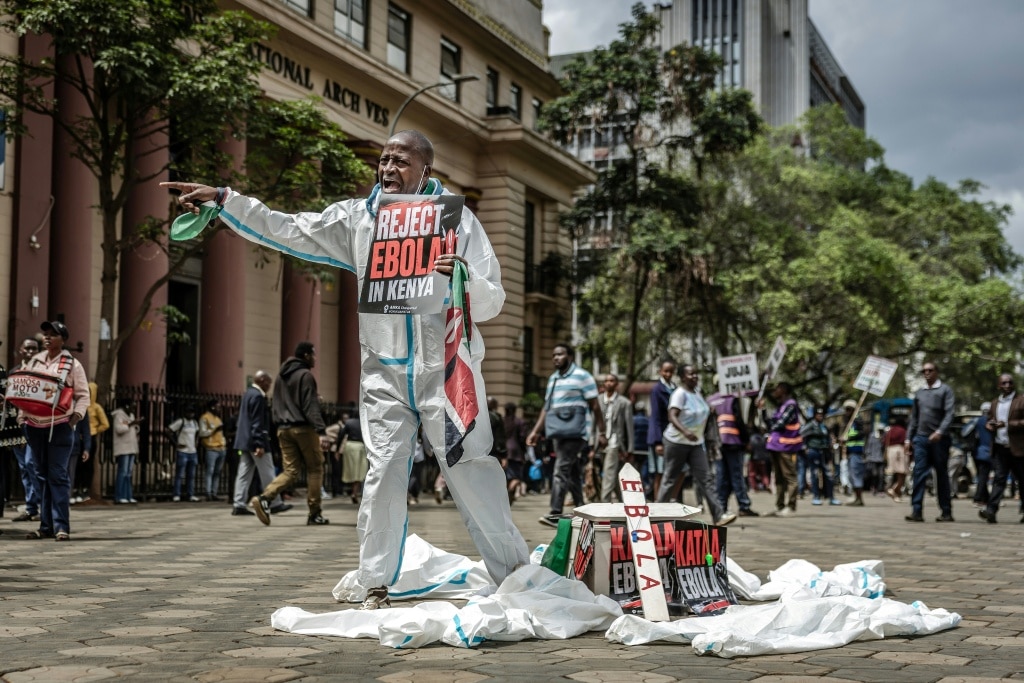
    When asked about the controversial U.S.-operated Ebola quarantine facility in Kenya that has sparked widespread public protests, Tedros declined to criticize the operation, noting that “based on their risk assessment … they can do whatever they think is right for them.” The facility, which is reserved exclusively for U.S. citizens exposed to Ebola in the DRC outbreak, has drawn pushback from Kenyan activists and community leaders who argue it represents unnecessary risk and unequal treatment.
  • DR Congo airport reopens in Ebola-hit area as suspected cases drop

    DR Congo airport reopens in Ebola-hit area as suspected cases drop

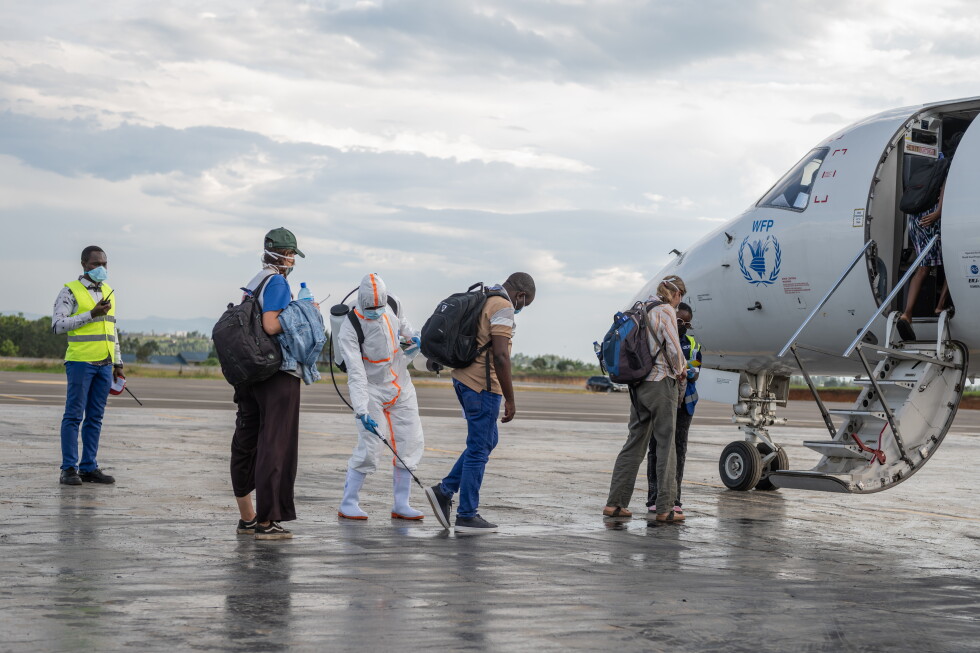
    Nearly two weeks after flight restrictions were imposed to slow the spread of an ongoing Ebola outbreak in eastern Democratic Republic of the Congo, the key airport serving the epidemic’s epicentre has resumed regular commercial operations, as health officials confirm a sharp drop in the number of pending suspected cases. This outbreak, caused by the rare Bundibugyo strain of the Ebola virus, was formally declared a major public health emergency by the DRC government on May 15, just days after the first cases were detected in the conflict-affected Ituri province. Within 48 hours of the declaration, the World Health Organization elevated the event to an international public health alert, triggering a coordinated global response to contain the virus before it could spread more broadly beyond national borders.

  • As Congo grapples with Ebola, volunteers cook up meals to support patients and health workers

    As Congo grapples with Ebola, volunteers cook up meals to support patients and health workers

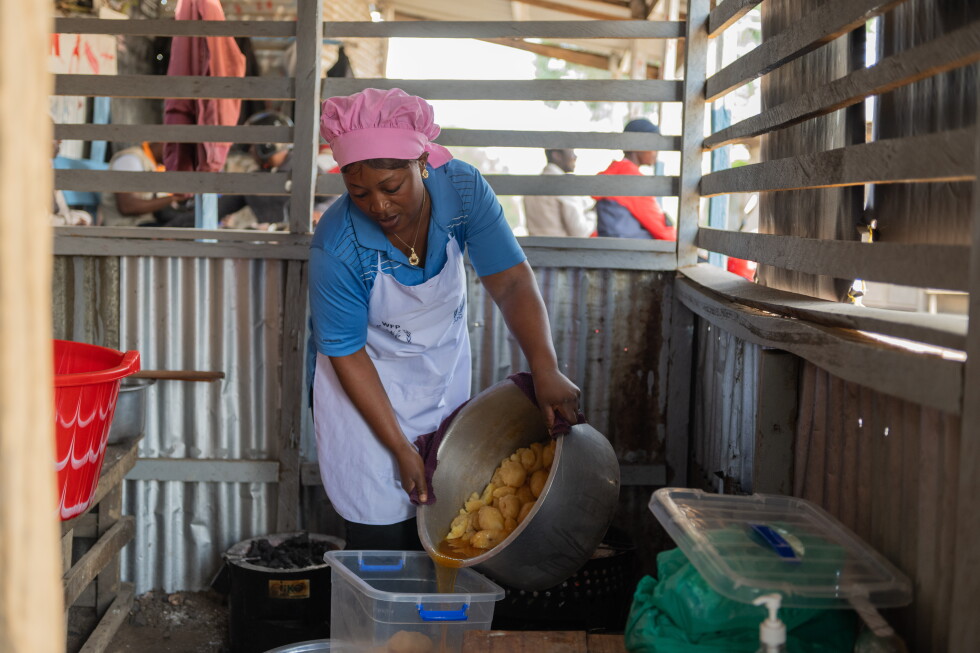
    In the sweltering heat of Bunia, the epicenter of the Democratic Republic of Congo’s latest Ebola outbreak, one quiet act of service forms an unexpected backbone of the regional response effort. Arlette Basekawike, a volunteer with the United Nations World Food Programme (WFP), spends nearly every waking hour in a cramped open-air shed outside a local health facility, stirring large pots of food and planning menus for patients on the frontline of this public health crisis.

    Clad in a protective pink bonnet covering her hair, Basekawike starts each day early, preparing porridge, fluffy omelets, and fresh bread for patients admitted to the Evangelical Medical Center. For afternoon and evening meals, she serves up seasoned fresh fish paired with fufu — the region’s beloved starchy staple made from mashed plantains — followed by ripe seasonal fruit. On a recent Monday, as she diced vegetables, potatoes and goat meat for a large batch of stew, she explained the quiet purpose that drives her work.

    “Even though patients carry this terrible disease, a warm, good meal still lifts their spirits and helps them feel stronger,” Basekawike told the Associated Press. “And for the doctors and nurses working endless shifts, this food gives them the energy they need to treat patients and administer care. I’m here for them like a parent would be — I just want to make them feel as comfortable as possible through this.”

    On paper, Basekawike’s work may look like a simple, unremarkable task. But public health officials say her contributions, and the work of the entire WFP nutrition team here, have emerged as critical support for a region grappling with the fast-moving spread of Bundibugyo virus — the rare Ebola species confirmed in eastern Congo back in May.

    As of this week, the World Health Organization (WHO) has confirmed 321 total cases of Ebola disease across three eastern Congolese provinces: Ituri, North Kivu, and South Kivu, with 48 recorded deaths. Neighboring Uganda has detected nine cases and one fatality, prompting authorities to close the entire shared border between the two countries to slow transmission.

    Long before this outbreak was declared, this already beleaguered region was grappling with one of the world’s most severe food insecurity crises. Years of ongoing armed conflict between government forces and rebel groups have displaced millions of people, leaving vast communities without reliable access to consistent, nutritious food. The emergence of Ebola has layered a new, deadly crisis on top of pre-existing fragility, creating a devastating cascade that the United Nations warns complicates every effort to contain the outbreak among a population already deeply strained by hardship.

    “We operate in a region where huge portions of the population already face acute food insecurity tied directly to war and displacement,” explained Olivier Nkakudulu, head of WFP’s Ituri province operations. “These needs already existed — Ebola is just an additional crisis stacked on top of a crisis.”

    Compounding these challenges, the already resource-strapped WFP now faces severe operational disruptions driven by major aid cuts from the United States and other key global donor partners. With global partners pulling back or reducing their funding pledges, the overall effort to contain the outbreak — which WHO has already classified as a Public Health Emergency of International Concern — has been severely hampered by the funding shortfall.

    On top of funding gaps, responders also face persistent threats: attacks on health care workers by local residents suspicious of the outbreak response, and constant delays to aid delivery caused by ongoing fighting in the region have both worked together to slow efforts to curb transmission.

    Even against these stacked obstacles, WFP and local health teams confirm they have managed to meet the basic nutritional needs of Ebola patients and frontline workers so far. Still, as case counts climb, that balance is becoming harder to maintain.

    “Today we need to increase the volume of food we provide, because the number of patients has gone up,” said Esther Bao, a nurse and volunteer on the response team. She added that many patients, weakened by the progression of Ebola, require specialized, tailored meals that cannot follow a one-size-fits-all menu.

    Unlike some more common Ebola species, the Bundibugyo virus has no approved vaccine or targeted treatment currently available. Care teams can only treat symptoms as they appear, but even that supportive care has yielded small victories: five patients have successfully recovered from the virus to date.

    The scope of the outbreak continues to expand at an alarming rate. According to Congo’s Ministry of Health, what began with transmission limited to just three initial health zones has now spread to 22 affected zones as of last weekend.

    To date, WFP has served 120 meals across four treatment facilities in a single recent Sunday, bringing the total number of meals provided since the nutrition program launched on May 28 to 404, according to Nkakudulu. But he stressed that the financial situation remains extremely precarious.

    “Without additional emergency funding, we won’t be able to prioritize every suspected case for nutritional support,” Nkakudulu said. “We might be forced to only provide for some patients, and leave others with no food to help them through their treatment.”

    This report was compiled by AP correspondents, with additional contribution from Adetayo reporting from Lagos, Nigeria.

  • ‘I gave birth in the street’: Conflict makes childbirth risky in parts of Africa

    ‘I gave birth in the street’: Conflict makes childbirth risky in parts of Africa

    Near the Sudan-Central African Republic border, in the sweltering, dust-choked Birao refugee camp, Maude Ahmad Fadala’s story of childbirth encapsulates a growing public health catastrophe unfolding across conflict-stricken sub-Saharan Africa. Weakened by typhoid after fleeing Sudan’s ongoing civil war, Fadala went into labor at the camp that offered no obstetric care, and she had no money to pay for transport to the nearest medical facility. Staggering along rough dirt roads, stopping every few steps to ride out crippling contractions, she eventually could go no further. “I gave birth in the street,” she recalled. “There was no doctor, no midwife, and no one holding my hand.”

    Fadala’s experience is far from an isolated tragedy. It is one of hundreds of thousands of preventable maternal deaths recorded every year across sub-Saharan Africa, a region home to the world’s fastest-growing population and 70% of all global pregnancy-related maternal deaths – roughly 182,000 fatalities annually. Data from the World Health Organization confirms that nearly two-thirds of all maternal deaths worldwide occur in nations grappling with armed conflict or systemic fragility. For women like Fadala, who cross borders to escape war, the danger of dying in childbirth does not end when they reach safety; displacement itself amplifies risk at every turn.

    Displacement strips pregnant women of access to routine prenatal care, forces dangerous multi-mile journeys to access even basic health services, and strains already depleted health systems in host regions. The United Nations estimates that women in the Central African Republic, one of the world’s poorest nations, face a maternal mortality rate of 829 deaths per 100,000 births – 40 times higher than the rate recorded in the United States. Years of internal conflict have gutted the country’s health infrastructure, leaving critical care concentrated almost exclusively in major urban centers. Despite the Central African Republic’s extensive gold reserves, one in three residents survive on less than $2 per day, and health services remain nonexistent for many communities in remote border regions.

    In 2024, the Central African government acknowledged the depth of its maternal mortality crisis and announced a plan to increase funding for skilled birth attendants and reproductive care, but officials have not responded to requests for updates on the initiative’s implementation. What has worsened the crisis dramatically in recent years is sweeping cuts to humanitarian aid from the world’s top donors, led by the United States. In Birao, the border camp where Fadala now lives, all four local midwives who had received support from the United Nations Population Fund (UNFPA) lost their jobs last year, after the Trump administration cut all U.S. funding for the UN’s sexual and reproductive health agency.

    Before the funding cuts, UNFPA operated four “safe birthing spaces” across Birao that served nearly 50,000 women, providing emergency transport for pregnant people to the local district hospital. All of those facilities have closed, along with two additional U.S.-backed health clinics. Across the entire country, UNFPA’s operating budget has been cut in half over the past two years, falling to just $6.5 million. Before the cuts, the agency was the sole provider of reproductive health supplies across Birao. “The risk of maternal death is going to increase if there is no solution,” said Victor Rakoto, UNFPA’s country director for the Central African Republic. U.N. data underscores this warning: conflict-affected settings like Birao account for six in 10 maternal deaths globally.

    A visit to Birao’s understaffed district hospital – the facility Fadala was never able to reach – reveals the full scale of the crisis. On a recent workday, dozens of pregnant women waited shoulder-to-shoulder on hard wooden benches in sweltering, unventilated waiting areas, many having walked for hours or risked complications by riding motorbikes over rutted dirt roads to reach care. Birthing assistant Delphine Zanabe moves between patients nonstop, saying most refugee women only arrive when labor is already well underway, skipping the eight prenatal checkups recommended by the World Health Organization.

    For displaced women, survival mode in unfamiliar territory compounds the existing barriers of generational poverty and limited education, all of which increase the risk of life-threatening complications during pregnancy and childbirth. The hospital’s maternity ward houses eight beds crammed into a room so small the mattresses almost touch, and the ward serves 70,000 local residents plus 22,000 Sudanese refugees. Twelve hospital staff members – most from the maternity department – have already lost their jobs due to aid cuts.

    That staffing shortage has already had fatal consequences. Amna Adam Hessen arrived at the hospital the day before her labor, burning with malaria fever. Her unborn child was in a breech position, a complication discovered far too late because she had been unable to attend prenatal appointments. Rushed to the hospital by motorbike from the camp, Hessen suffered severe hemorrhaging during labor and lost her baby. As her mother fanned her in the suffocating heat the next day, Hessen writhed on a bare foam mattress crying out in pain. “Giving birth here is exhausting,” her mother said.

    Clara Abessendé, one of the four unemployed Birao midwives, described the guilt of leaving her post as demand for care surged after Sudan’s war broke out in early 2023. After the conflict began, the number of pregnant women arriving at the hospital tripled, and staff quickly ran out of critical supplies including antibiotics and malaria treatments. “As a result, there were more cases of infant and maternal deaths,” she said. “The children born in my hands … I abandoned them like that.”

    For women waiting to give birth, the uncertainty is crippling. Katidje Idrisse Tahire, a nine-month pregnant refugee who fled Sudan on foot four months ago, lost all her belongings to armed robbers at the border and has not seen her husband since they fled Darfur. Carrying one child on her back while leading two more to fetch water in the camp, Tahire said she constantly aches, feels exhausted and unwell, and has no way to pay for care when she goes into labor. “I don’t know if anyone will be there to help me,” she said. Currently, more than 40% of all births in the Central African Republic happen outside of medical facilities, a statistic that experts warn will only rise as more aid cuts take hold, turning avoidable complications into fatal outcomes for thousands of women.

  • How health workers in DR Congo are treating Ebola and staying safe

    How health workers in DR Congo are treating Ebola and staying safe

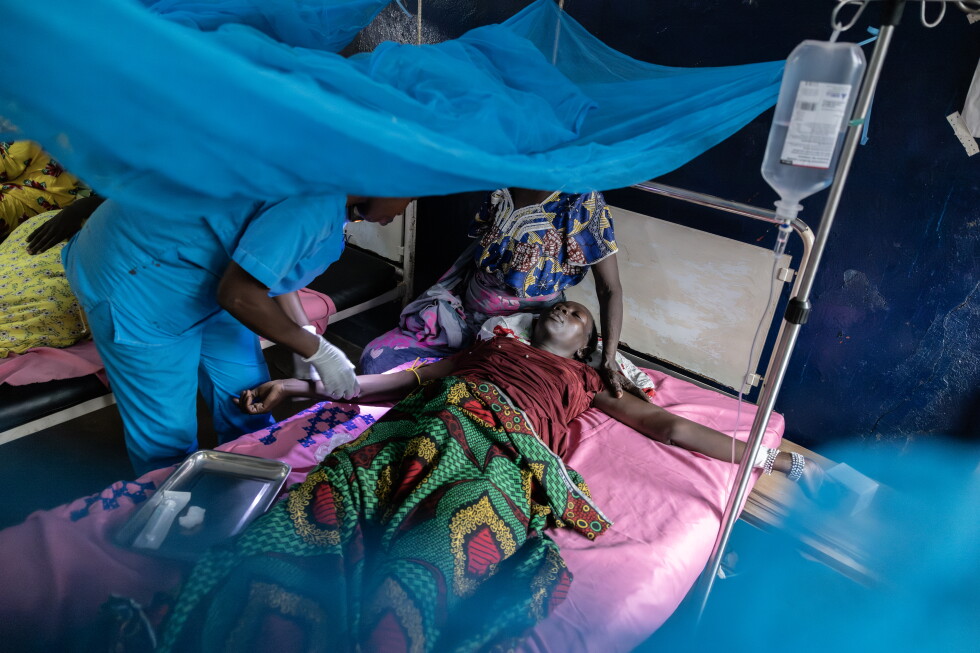
    As a rising tide of Ebola cases spreads across eastern Democratic Republic of the Congo (DRC), frontline health workers are locked in a desperate race against time to contain the outbreak, treat infected patients, and protect themselves from a pathogen with no targeted approved treatment. This current outbreak, caused by the rare Bundibugyo Ebola species, has already crossed provincial borders from its epicenter in Ituri to North and South Kivu, and even reached neighboring Uganda, fueled by early delays in case detection.

  • Two possible Ebola cases in Brazil ruled out as patients test negative

    Two possible Ebola cases in Brazil ruled out as patients test negative

    Brazilian local health authorities have officially announced that two people who were once under monitoring as suspected Ebola cases have now cleared their tests, with both returning negative results for the deadly virus.

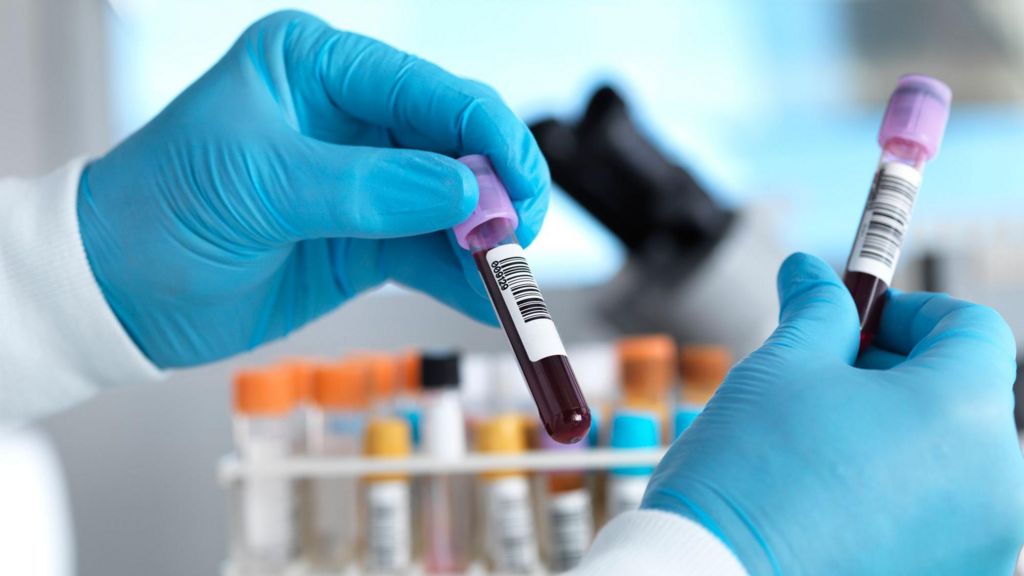
    The two suspected patients, who developed Ebola-compatible symptoms after returning from trip to African nations, were placed under observation and testing in Brazil’s two largest urban centers, São Paulo and Rio de Janeiro, immediately after they showed symptoms. According to an official announcement from São Paulo’s health department, the 37-year-old male patient, who had traveled to the Democratic Republic of the Congo (DRC) – the epicenter of the ongoing Ebola outbreak – did not contract Ebola. Subsequent tests revealed he was actually infected with meningitis, and had only presented fever, a common overlapping symptom for both diseases.

    In the separate case in Rio de Janeiro, the patient – a Belgian national who recently returned from Uganda – also tested negative for Ebola. He had been flagged for suspicion after showing viral symptoms including cough, body chills and diarrhea, but test results confirmed he was suffering from malaria instead.

    Health officials noted that if either of these two cases had returned positive Ebola results, they would have marked the first confirmed Ebola infections detected outside of Africa since the current outbreak took hold in the DRC.

    As of current reports, the outbreak situation in Africa remains serious. The DRC has recorded more than 1,000 suspected Ebola cases, with at least 246 confirmed deaths linked to the virus. Most infections are concentrated in three eastern provinces of the country: Ituri, North Kivu and South Kivu. Neighboring Uganda has also confirmed nine Ebola cases and one fatality from the disease.

    The ongoing outbreak is driven by the Bundibugyo strain, a rare Ebola variant for which no licensed, proven effective vaccine currently exists. This strain has an average mortality rate of roughly 30 percent among those who contract it. At present, three new candidate vaccines targeting the Bundibugyo strain are under active development, led by research teams including the International AIDS Vaccine Initiative (IAVI), the University of Oxford, and biopharmaceutical company Moderna.

    For background, Ebola viruses are primarily zoonotic pathogens that naturally circulate in wild animal populations, most commonly fruit bats. Human outbreaks typically originate when an individual comes into contact with or consumes an infected animal. Once an initial human infection occurs, the virus spreads rapidly through direct contact with an infected person’s bodily fluids – which includes sweat, saliva, blood, semen, feces, urine and vomit.

  • Three Ebola vaccines in development amid growing outbreak fears

    Three Ebola vaccines in development amid growing outbreak fears

    A rapidly spreading outbreak of a rare, lethal strain of Ebola, the Bundibugyo species, has sparked an urgent global push to develop targeted vaccines, with three leading research and industry groups racing to deliver viable candidates to stem a crisis that has already claimed nearly 250 lives. Public health experts warn this outbreak, which emerged undetected in a conflict-stricken region of the Democratic Republic of Congo (DRC) with severely limited healthcare infrastructure, could become the most devastating Ebola event on record, rivaling the 2014–2016 West African crisis that killed more than 11,000 people.

    As of the latest update, more than 1,000 suspected Bundibugyo Ebola cases have been recorded in the DRC, with nine confirmed cases already detected in neighboring Uganda, raising fears of cross-border spread. Unlike the more common Zaire Ebola strain, for which an approved vaccine already exists, Bundibugyo is one of six known Ebola species that has only caused two documented outbreaks in history, and no licensed countermeasures currently exist for it.

    The Coalition for Epidemic Preparedness Innovations (CEPI) is providing funding to all three ongoing vaccine development projects, with CEPI CEO Dr Richard Hatchett emphasizing that “every day counts” in the race to contain the virus. Each project leverages different cutting-edge vaccine technologies, many refined and proven during the global COVID-19 pandemic, to target the unique glycoprotein structure on the surface of the Bundibugyo virus.

    The International Aids Vaccine Initiative (IAVI) is leading one effort, adapting the existing approved Zaire Ebola vaccine to target the new strain. Preclinical testing in non-human primates has already shown promising results: the modified candidate rapidly primes the immune system and delivered nearly 100% protection against Bundibugyo. IAVI president and CEO Dr Mark Feinberg noted that while early data leaves his team optimistic about the vaccine’s potential, the candidate currently remains seven to nine months away from entering human clinical trials, though researchers are working aggressively to shorten that timeline. Feinberg echoed widespread public health warnings, saying the outbreak “is clearly threatening to be as severe an outbreak as [the 2014–2016 West African event], if not even worse”, making vaccine development an urgent global priority. That assessment aligns with warnings from medical charity Médecins Sans Frontières, which has described the situation as “deeply alarming”, noting the outbreak has already produced more confirmed cases in its early stages than any previous Bundibugyo event.

    A second candidate is being developed by US pharmaceutical giant Moderna, which is drawing on its mRNA technology that enabled rapid vaccine development during the COVID-19 pandemic. Moderna CEO Stéphane Bancel said the company would “move with urgency and scientific rigor to support the response and help bring a potential vaccine closer to the communities that need it most”.

    The third candidate is being developed by the University of Oxford, which also adapted its established viral vector vaccine platform – first used at scale for COVID-19 – to create a new targeted Ebola vaccine. The Oxford team projects their candidate will be ready for human clinical trials in just two to three months, a significantly faster timeline than the IAVI project.

    While all three candidates are designed to train the human immune system to recognize the Bundibugyo glycoprotein, they use distinct technological approaches: IAVI’s candidate uses a live, harmless engineered virus that displays the Ebola glycoprotein to teach the immune system to recognize the threat, while both Moderna’s mRNA vaccine and Oxford’s viral vector vaccine deliver a small fragment of genetic code that instructs the body’s own cells to produce the glycoprotein, triggering an immune response. Differences in how these technologies activate the immune system may impact the level of protection they provide or the number of doses required, so all candidates will require rigorous testing in human clinical trials to confirm safety and efficacy. The outbreak has already drawn widespread concern from global health bodies, with World Health Organization director general Dr Tedros Adhanom Ghebreyesus noting that a safe, effective Bundibugyo vaccine would not only help control the current crisis but also strengthen global preparedness for future outbreaks of this rare but deadly pathogen.

  • Confirmed Ebola cases in Congo reach 282 as survivors describe their recoveries

    Confirmed Ebola cases in Congo reach 282 as survivors describe their recoveries

    BUNIA, Democratic Republic of Congo – In an update released Sunday evening, Congolese health authorities confirmed that the ongoing Ebola outbreak in the country’s eastern region has reached 282 confirmed cases, as survivors of the virus share stories of unexpected recovery that have offered a glimmer of hope amid widespread response challenges.

    The vast majority of infections – 264 of the total confirmed cases – are concentrated in Ituri province, the epicenter of the current outbreak. Nationwide, more than 1,000 additional suspected cases are being investigated, with the pathogen identified as the Bundibugyo strain of Ebola, a rare variant for which no universally approved vaccine or targeted treatment currently exists.

    Congolese health officials outlined the core barriers halting effective containment of the virus. Key challenges include timely detection of new infections and rapid isolation of positive cases, thorough contact tracing of exposed individuals, implementation of safe, culturally respectful burials for virus victims, and bolstering infection control protocols at local health facilities. To date, only 45% of required contact tracing has been completed, with 220 suspected cases still undergoing testing and verification.

    Against this difficult backdrop, the five people confirmed to have recovered from the strain – all of whom work in the health sector, including four nurses and one laboratory technician, the group most heavily impacted by the outbreak so far – have opened up about their experiences, describing overwhelming relief at surviving the deadly disease.

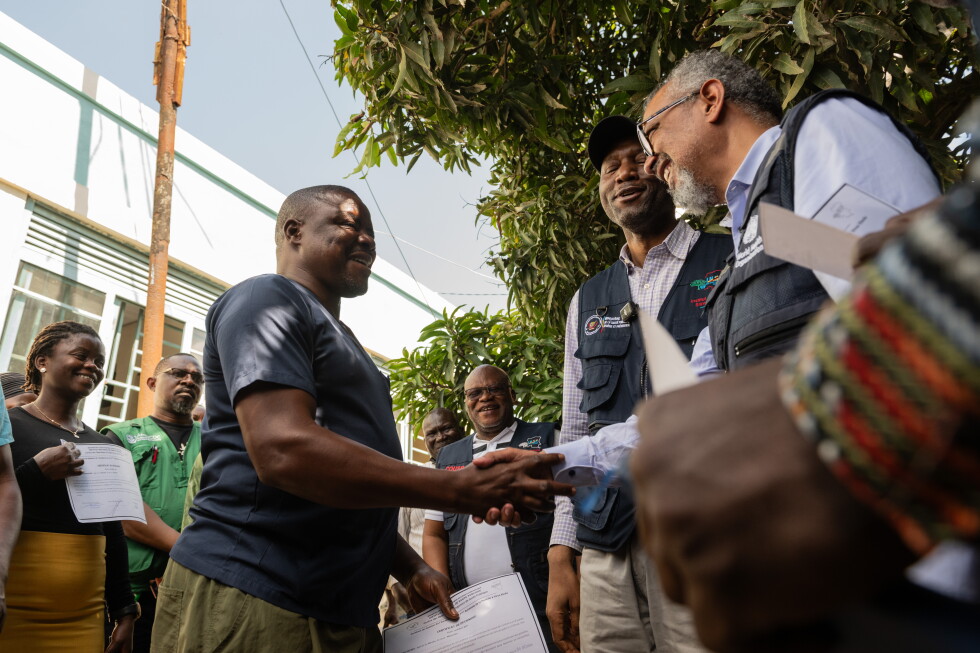
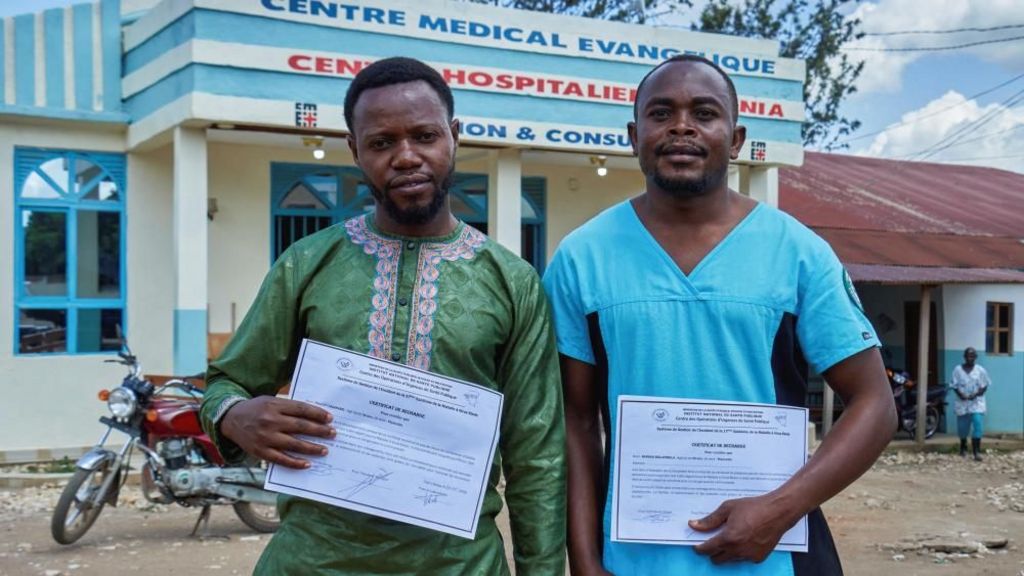
    Baraka Bulambulu, one of the recovered nurses, shared that he felt indescribable joy after his final two consecutive Ebola tests returned negative results. Bulambulu was among the survivors honored with recovery certificates by World Health Organization Director-General Tedros Adhanom Ghebreyesus during the opening ceremony of a new Ebola treatment center in Bunia, Ituri’s provincial capital, on Sunday. “My first test came back positive, but the second and third were negative,” Bulambulu said, smiling as he spoke. “Coming out of this illness alive is a joy that cannot be put into words.”

    Another recovered nurse, Ezo Étienne, recalled how his symptoms first emerged while he was completing routine ward rounds checking on patients at his hospital. “That was how it started,” he said. “I called the response team and told them something was wrong. I checked my blood pressure and saw I had immediate hypotension. I decided to rest for a few minutes, and shortly after I began vomiting.”

    To date, all clinical care for infected patients has focused on managing symptoms, as no targeted antiviral treatment for the Bundibugyo strain is yet approved for widespread use. Speaking to the recovered health workers at the treatment center opening, Tedros emphasized that their survival carries a powerful message for the response effort. “Your courage gives hope, and your living story proves that this outbreak can be stopped,” he told the group.

    Neighboring Uganda has already confirmed nine cases of Ebola linked to the Congolese outbreak, and has closed its shared border with Congo in an effort to slow cross-border transmission.

    While the DRC and Uganda have recorded more than 20 previous Ebola outbreaks across the region, the Bundibugyo strain remains extremely rare. Complicating the current response beyond the lack of approved medical countermeasures are the remote location of outbreak hotspots and ongoing armed violence in the eastern DRC that hinders aid access. Despite these significant hurdles, senior Congolese health leaders say the recoveries mark an important milestone.

    These five recoveries are “a victory worth celebrating,” said Dr. Dieudonne Mwamba Kazadi, director-general of the DRC’s National Institute of Public Health. He added that the outcomes send a clear message: “It is possible to recover from Ebola when you seek care early at a dedicated treatment facility.”

  • DR Congo celebrates recovery of Ebola survivors

    DR Congo celebrates recovery of Ebola survivors

    In a hopeful turning point for the ongoing Ebola outbreak centered in the Democratic Republic of the Congo’s (DRC) eastern Ituri province, five infected patients have officially recovered and been discharged from medical care, drawing praise from global and national health authorities. Four of the newly discharged survivors are frontline nurses, honored at a public ceremony held Sunday in Bunia, Ituri’s provincial capital, while the first recovered patient – a laboratory worker – was released last week.

    Speaking directly to the four nurse survivors during his visit to Bunia, World Health Organization (WHO) Director-General Dr. Tedros Adhanom Ghebreyesus highlighted the profound symbolic power of their recovery. “You are living proof that this outbreak can be stopped,” he told the group, which includes three men and one woman. Acknowledging the heavy toll the outbreak has already taken on frontline medical staff, Dr. Tedros added, “It pains me to see health workers who have already died because of Ebola while serving others… this is the risk which comes with the profession, but your commitment to coming back to serve means a great deal.” Each survivor received a formal certificate recognizing their recovery at the ceremony.

    For the survivors, the experience of infection and isolation was deeply challenging. Nurse Etienne Ezo, one of the discharged nurses, shared his candid reflection with Reuters, saying, “We were really demoralized because we thought at any moment we would die. If you have never been isolated, you cannot understand how hard that experience is.”

    National health officials echoed Dr. Tedros’ optimism, framing the recoveries as a clear validation of existing response strategies. DRC’s Institute of Public Health wrote on social media that this encouraging milestone confirms the effectiveness of core field interventions: early detection of cases, timely clinical care, comprehensive contact tracing, and active community engagement. The institute’s director, Dr. Mwamba Kazadi, called the recoveries a victory worth celebrating, emphasizing that early diagnosis and high-quality care directly improve patient outcomes. Health officials stress this outcome should encourage anyone who suspects they have contracted Ebola to seek medical care immediately.

    The latest outbreak, the 17th recorded Ebola outbreak in DRC history, is caused by the Bundibugyo strain of the virus, for which no widely approved vaccine currently exists – though development of targeted vaccines is ongoing. As of the latest update, more than 1,000 suspected cases have been recorded in DRC, with at least 246 deaths linked to the outbreak. The virus has spread beyond DRC’s borders: neighboring Uganda has confirmed nine cases and one death, including cases in the capital Kampala, and suspected cases have even been identified outside of Africa. On Saturday, Brazilian health authorities announced they were investigating two potential Ebola cases in São Paulo state.

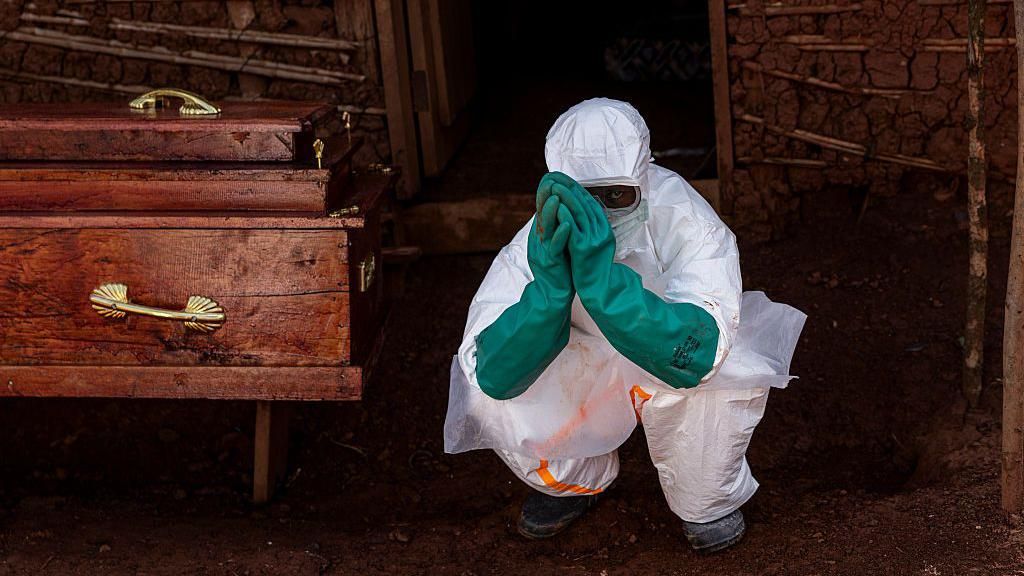
    Despite this small win, major challenges remain for the outbreak response. Dr. Tedros highlighted persistent barriers including gaps in early case detection and isolation, incomplete contact tracing, difficulties implementing safe and dignified burial practices, infection control gaps in health facilities, and low community awareness in some affected areas. Most notably, community resistance has emerged in some regions, sparked by public health rules that ban traditional family handling of Ebola victims’ bodies to prevent transmission – a regulation that directly clashes with long-held local burial customs. This tension has already led to attacks on health centers by local residents.

    Addressing these challenges, Dr. Tedros and the Congolese government released a joint statement Sunday emphasizing that local communities are “at the heart of the solution” to the outbreak, and that successful response depends on earning community trust and active participation. The joint statement calls on all communities to adopt sustained protective behaviors, including regular hand washing, seeking early medical care at approved facilities when symptoms appear, and sharing accurate public health information to counter misinformation.

    Frontline health workers have borne the brunt of the outbreak’s risk, with many contracting the virus while caring for patients. The recovery of five infected patients, four of them health workers, offers a rare moment of optimism amid a crisis that has already claimed hundreds of lives, and serves as a reminder of the importance of rapid access to care for those exposed.

  • Hundreds of youths protest outside Kenya’s Ebola quarantine center for US citizens

    Hundreds of youths protest outside Kenya’s Ebola quarantine center for US citizens

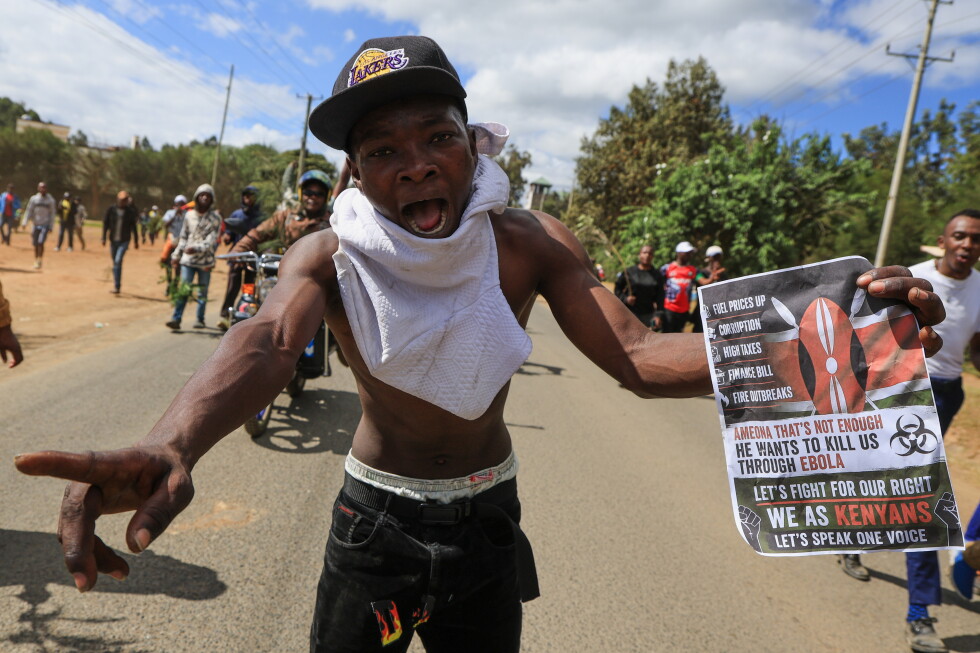
    On Monday, hundreds of young Kenyan demonstrators gathered outside the gates of Laikipia Air Base in the central town of Nanyuki, rallying against a planned Ebola quarantine facility that was set to host American citizens exposed to the virus. The public demonstration comes just two days after Kenya’s High Court ordered an immediate suspension of the facility’s construction and any incoming foreign patients, pending a full judicial hearing into the case. The legal challenge was filed by two prominent Kenyan groups: the Law Society of Kenya and a national constitutional watchdog, which argue that Kenya’s overstretched, fragile public health system cannot safely accommodate the risks of hosting quarantined Ebola-exposed patients from abroad. The controversial plan first emerged last week, when anonymous U.S. administration officials confirmed to reporters that the U.S. intended to transfer Americans who had contracted Ebola exposure while working or traveling overseas to this new Kenyan facility, rather than repatriating them to the United States. According to those officials, the site at Laikipia Air Base was scheduled to be operational by this Friday, with capacity for 50 quarantine patients. The initiative has sparked widespread pushback across multiple levels of Kenyan society even before it could launch. On Sunday, Kenya’s Health Minister Aden Duale attempted to ease public tensions, stating that the facility would be open to “everyone” rather than being reserved exclusively for U.S. nationals. But this clarification has done little to alleviate local concerns. Joshua Irungu, the governor of Laikipia County, has publicly joined the opposition, noting that dozens of local residents work on the air base and would face unavoidable exposure risks if the quarantine center opens. For its part, the U.S. has sought to frame the initiative as a contribution to Kenyan public health: U.S. Secretary of State Marco Rubio announced in an official statement that the U.S. government would allocate $13.5 million to support Kenya’s overall Ebola preparedness efforts as part of the plan. Currently, Kenya itself has not recorded any confirmed cases of Ebola, but the threat is close to home. Neighboring Uganda has already confirmed nine cases and closed its border with the Democratic Republic of Congo, where the current outbreak is centered. The DRC has reported at least 282 confirmed cases of the Bundibugyo strain of Ebola, with more than 1,000 additional suspected cases. Critically, this specific strain of the virus has no approved vaccine or targeted treatment available, amplifying global and local concerns about accidental spread. The ongoing legal challenge, public protest, and conflicting statements from Kenyan and U.S. officials have left the future of the quarantine project hanging in limbo as regional authorities work to contain the spreading outbreak.