分类: health

  • What is Nipah virus? Symptoms, precautions explained

    What is Nipah virus? Symptoms, precautions explained

    The World Health Organization (WHO) has issued a risk assessment following India’s confirmation of two Nipah virus cases, determining the international transmission threat remains low. In an official statement released Friday, the global health body confirmed it does not advise implementing travel restrictions or trade limitations against India despite the recent infections.

    Nipah virus represents a zoonotic pathogen capable of transmission through multiple pathways: direct animal-to-human contact, consumption of contaminated food products, or human-to-human exposure. First identified during a 1998 outbreak among Malaysian pig farmers, the virus subsequently appeared in Singapore (1999) before emerging in India and Bangladesh approximately two years later. The Philippines documented cases in 2014, though Southeast Asia has remained outbreak-free in recent years. Conversely, Bangladesh has experienced near-annual outbreaks since 2001, while India continues reporting periodic cases, particularly in Kerala and West Bengal.

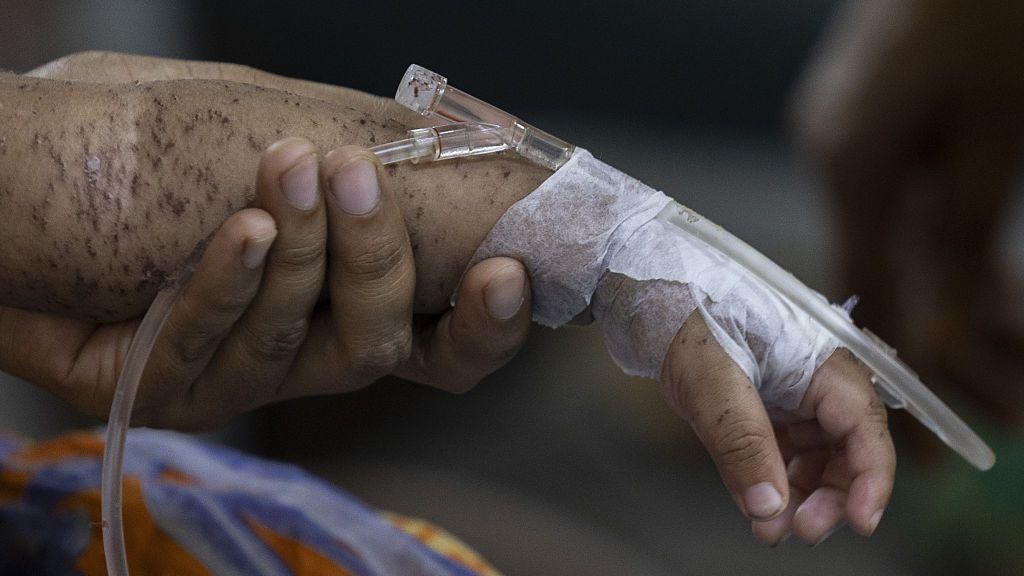
    Fruit bats from the Pteropodidae family serve as the virus’s natural reservoir, exhibiting asymptomatic carriage while contaminating fruits consumed by intermediate hosts including pigs, horses, and domestic animals. Human infection typically presents with non-specific influenza-like symptoms: fever, headache, respiratory distress, and generalized confusion. The disease frequently progresses to severe neurological complications including encephalitis (brain inflammation) and meningitis, with mortality rates ranging from 40-75% according to UK Health Security Agency estimates.

    Survivors often experience lasting neurological sequelae such as persistent seizures and personality alterations. Rare cases demonstrate viral reactivation months or years post-recovery. Currently, no approved vaccines or antiviral treatments exist, though WHO has designated Nipah as a priority pathogen within its Research and Development Blueprint, with several candidate products undergoing development.

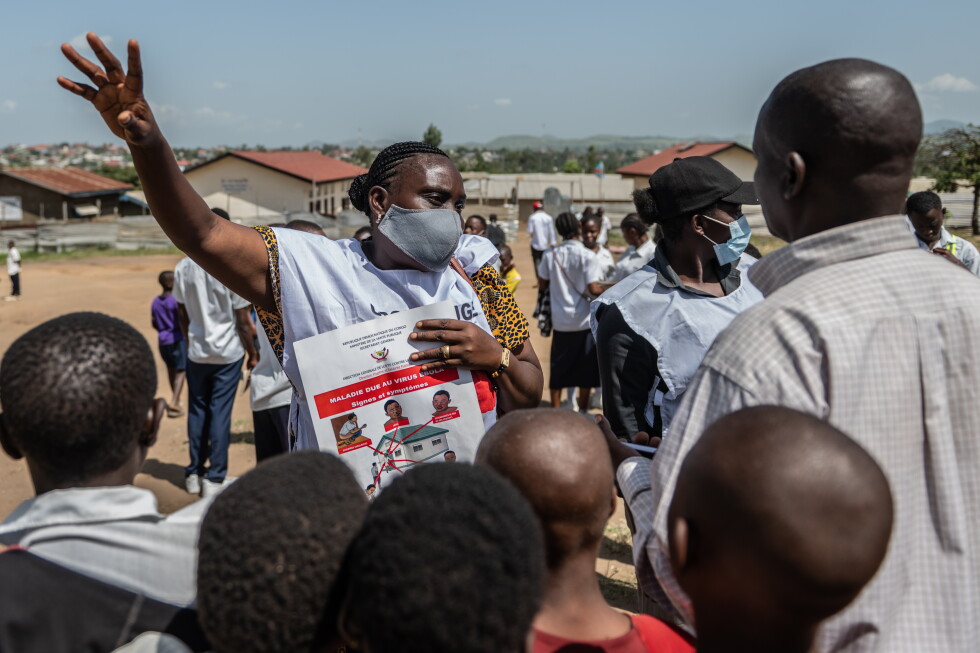
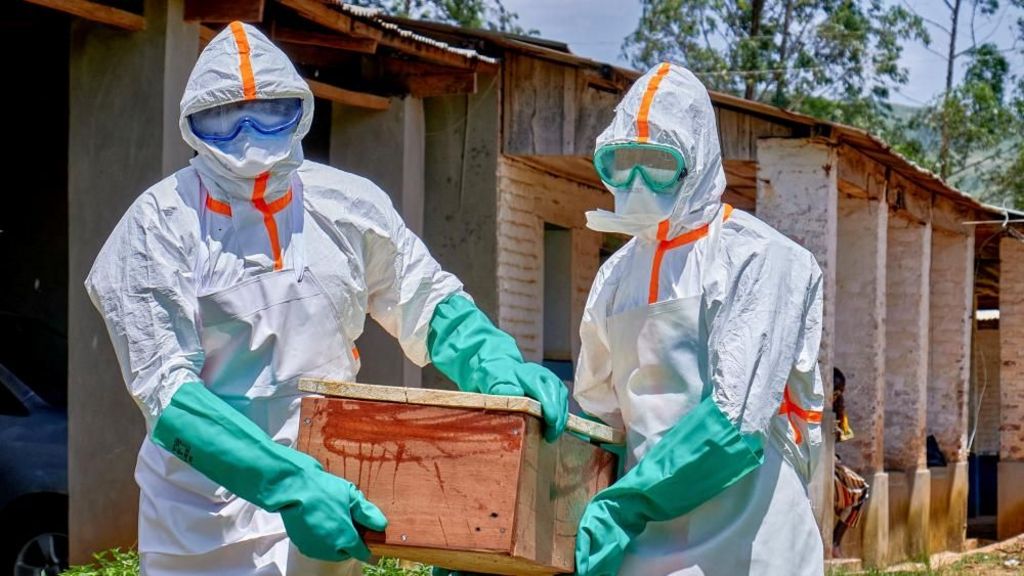
    Healthcare providers must implement enhanced infection control protocols including patient isolation, contact/droplet precautions (medical masks, eye protection, gowns, gloves), and airborne precautions during aerosol-generating procedures. Similar protective measures are advised for animal handlers during slaughtering procedures. Early diagnosis through laboratory testing remains critical for implementing supportive care measures that can reduce mortality.

  • Haleon leads Guinness World Record attempt for ‘most nationalities running on a treadmill’

    Haleon leads Guinness World Record attempt for ‘most nationalities running on a treadmill’

    In an unprecedented fusion of corporate wellness advocacy and global community engagement, healthcare giant Haleon is spearheading an ambitious attempt to secure the Guinness World Record for ‘Most Nationalities Running on a Treadmill.’ The groundbreaking initiative, scheduled for February 1, 2026, during Dubai Marathon weekend, represents a strategic alignment of the company’s Centrum and Voltaren brands toward promoting inclusive health participation.

    The endeavor transcends conventional corporate social responsibility by creating an immersive platform where diverse nationalities converge on treadmill stations, transforming individual exercise into a powerful demonstration of collective wellbeing. This activation deliberately operates outside the marathon’s formal program, establishing itself as an independent movement designed to democratize health engagement across cultural and physical ability spectrums.

    Haleon’s approach addresses a fundamental challenge in global healthcare: the disparity between health knowledge and actionable behavior. Through this multisensory experience, the company aims to materialize abstract wellness concepts into tangible, emotionally resonant activities. The treadmill setup serves as both literal equipment and metaphorical device, representing the universal accessibility of movement as a cornerstone of health.

    Centrum, the world’s leading multivitamin brand, brings scientific rigor to the initiative by emphasizing internal nourishment and nutritional empowerment. Simultaneously, Voltaren contributes its expertise in musculoskeletal health, enabling participants to engage in movement without pain-related limitations. This dual-brand strategy reflects Haleon’s comprehensive vision of supporting the human body through both internal supplementation and external pain management.

    The event architecture welcomes participants across the fitness spectrum—from seasoned runners to first-time exercisers—with inclusive design principles ensuring accessibility for various physical capabilities. Beyond the record attempt itself, the initiative seeks to catalyze lasting behavioral shifts from passive health awareness to active participation, establishing new paradigms for corporate-led health engagement in the Middle East region and globally.

    Regardless of whether the Guinness World Record is formally achieved, the activation already succeeds in creating a transnational dialogue about health inclusivity, demonstrating how corporate entities can facilitate meaningful health conversations through innovative, participatory experiences that celebrate human diversity and shared wellness aspirations.

  • Low risk of Nipah virus spread beyond India, says WHO

    Low risk of Nipah virus spread beyond India, says WHO

    The World Health Organization (WHO) issued a reassuring assessment on Friday, January 30th, 2026, stating that the risk of international spread of the Nipah virus from India remains low. This evaluation comes after the South Asian nation confirmed two isolated cases of the infection.

    In an official statement, the global health body clarified that it does not advise the implementation of any travel restrictions or trade barriers concerning India. This position underscores a confidence in existing containment measures and reflects a data-driven assessment of the outbreak’s scale.

    Nipah virus is a zoonotic pathogen, transmitted initially from animals to humans, often through contaminated food or direct contact. It can lead to severe respiratory illness and encephalitis, with a high fatality rate. Past outbreaks in other parts of Asia have raised significant public health concerns, prompting swift international response.

    The WHO’s calm and measured response aims to balance vigilant monitoring with the avoidance of unnecessary alarm and economic disruption. The organization typically recommends standard precautions for travelers to affected regions, emphasizing hygiene practices and avoiding contact with sick animals or consumption of raw date palm sap, a known transmission route.

  • In this US county, measles starts to feel like next pandemic

    In this US county, measles starts to feel like next pandemic

    A resurgent measles outbreak in South Carolina is challenging the United States’ elimination status for a disease once considered conquered. Pediatrician Stuart Simko, who had previously only encountered measles in historical case studies, has treated six gravely ill children within two months—all presenting with characteristic high fevers and the disease’s signature blotchy red rash.

    The current outbreak has infected 789 people in South Carolina, predominantly unvaccinated children, marking the largest measles surge since the disease was declared eliminated in 2000. This development places the US on the verge of following the United Kingdom and Canada in losing its elimination designation, with two school-aged children having already died in a separate Texas outbreak last year.

    Northwestern South Carolina’s Spartanburg County, home to approximately 370,000 residents, has become the epicenter of the crisis. Despite a county-wide vaccination rate of about 90% for school-aged children, specific schools report rates as low as 20% due to religious exemptions. The situation has drawn comparisons to the COVID-19 pandemic, with infected individuals appearing at multiple schools and requiring 21-day quarantines for exposed, unvaccinated students.

    The medical community emphasizes that two doses of the measles, mumps, and rubella (MMR) vaccine provide 97% protection against the illness. Achieving herd immunity—which protects vulnerable populations and limits spread—requires approximately 95% vaccination coverage.

    State Senator Josh Kimbrell, initially hesitant to engage with the outbreak, changed his stance after learning of a vaccinated elementary school teacher who contracted measles from a student and required intensive care for two weeks. His subsequent public health advocacy balancing personal choice with community protection drew both praise and vitriol from constituents.

    The outbreak has disproportionately affected Russian and Ukrainian immigrant communities, with Slavic churches reporting multiple exposures. Misinformation regarding vaccine contents—including debunked claims about fetal cells and autism—has circulated within these communities, complicating public health efforts.

    Despite mobile vaccination clinics administering 62 vaccines since October, health authorities face an uphill battle against vaccine skepticism amplified by federal policy changes. Health Secretary Robert F Kennedy Jr.’s mixed messaging on vaccine safety and his reduction of recommended childhood vaccinations have created additional challenges, though not specifically regarding the MMR vaccine.

    Medical experts warn that the potential loss of measles elimination status represents a catastrophic public health failure, with preventable diseases like polio, mumps, and rubella potentially following measles’ resurgence pattern through communities with low vaccination rates.

  • Shanghai researchers unveil promising clinical trial results in glioblastoma treatment

    Shanghai researchers unveil promising clinical trial results in glioblastoma treatment

    In a significant medical advancement, researchers from Fudan University and Huashan Hospital in Shanghai have announced groundbreaking clinical trial results for glioblastoma treatment using the domestically developed ‘UltraBrainPad’ device. The innovative ultrasound-based technology has demonstrated remarkable success in temporarily opening the blood-brain barrier—a protective mechanism that typically prevents most medications from reaching brain tissue—thereby dramatically enhancing drug delivery to cancerous cells.

    The breakthrough represents China’s first clinically proven ultrasound diagnostic and therapeutic tool with clear efficacy against glioblastoma, one of the most aggressive and treatment-resistant forms of brain cancer. According to Dr. Shi Zhifeng, a leading researcher from Huashan Hospital, the technique achieves rapid blood-brain barrier opening within just three minutes, resulting in an average eightfold increase in drug concentration compared to untreated brain tissue.

    The UltraBrainPad system employs a semi-invasive approach utilizing a handheld ultrasound probe that provides real-time imaging of the patient’s brain. Physicians can select multiple treatment targets through touch interface, with ultrasound waves simultaneously opening the barrier in all designated areas. Artificial intelligence integration further enhances safety by visually monitoring the degree of barrier opening during the procedure.

    Notably, the blood-brain barrier naturally restores itself approximately six hours after treatment, with reported efficacy and safety parameters surpassing international standards. The research team has established optimized ultrasound parameters through extensive preliminary in vitro and animal experiments before progressing to human trials.

    Looking forward, researchers plan to initiate clinical studies for recurrent glioblastoma patients while exploring the broader potential of ultrasound brain-machine interfaces. This technology may revolutionize treatments for other neurological disorders including Alzheimer’s disease, opening new therapeutic possibilities in neuroregulation and brain-machine integration that could benefit millions worldwide.

  • AI helps doctors spot breast cancer in scans: world-first trial

    AI helps doctors spot breast cancer in scans: world-first trial

    A groundbreaking randomized controlled trial published in The Lancet has demonstrated that artificial intelligence significantly enhances breast cancer detection rates in routine mammography screenings. The Swedish study, conducted throughout 2021-2022 with over 100,000 participants, represents the first gold-standard research validating AI’s role in cancer screening programs.

    The investigation compared two diagnostic approaches: one utilizing AI-supported single radiologist analysis and another employing the conventional European standard of dual-radiologist assessment. Results revealed a striking 9% increase in cancer detection within the AI-assisted group. Furthermore, this cohort exhibited a 12% reduction in interval cancer diagnoses—those occurring between regular screenings—over the subsequent two-year monitoring period.

    Senior author Kristina Lang of Lund University emphasized that implementing AI-supported mammography could substantially alleviate radiologist workload pressures while simultaneously improving early-stage cancer identification. The consistency of improvement across varying patient ages and breast density levels—known risk factors for cancer—underscores the technology’s broad applicability. Both groups maintained comparable false-positive rates, indicating AI integration doesn’t compromise diagnostic specificity.

    Despite these promising results, researchers caution against hasty implementation. French radiology federation head Jean-Philippe Masson noted that AI systems remain prone to overdiagnosis and require radiologist oversight to correct erroneous tissue interpretations. The Transpara AI model, trained on 200,000 historical examinations across 10 nations, nearly halved radiologist scan-reading time in interim 2023 findings.

    With breast cancer affecting 2.3 million women globally and causing 670,000 deaths in 2022 according to WHO data, this technological advancement offers potential relief to overburdened healthcare systems. However, experts stress the necessity for continuous monitoring and further long-term validation before widespread clinical adoption.

  • How AI is redefining care for 1.3 million diabetes patients in the UAE

    How AI is redefining care for 1.3 million diabetes patients in the UAE

    The United Arab Emirates is pioneering a revolutionary approach to diabetes management through artificial intelligence, offering new hope for its 1.3 million affected citizens. This technological breakthrough arrives as diabetes prevalence across the Gulf Cooperation Council reaches among the highest global rates, presenting substantial challenges to healthcare sustainability.

    Roche Diagnostics recently launched Accu-Chek® SmartGuide in Dubai, an AI-enhanced continuous glucose monitoring system that represents a paradigm shift from reactive to predictive healthcare. The innovative platform employs sophisticated algorithms to forecast glucose trends up to seven hours in advance, providing 30-minute hypoglycemia warnings and two-hour glucose predictions that enable proactive intervention.

    Dr. Hussein Al Rand emphasized the UAE’s strategic commitment to preventive healthcare during the launch event, stating: “Our Health Vision 2030 prioritizes innovative solutions that enhance quality of life through evidence-based practices. This technology aligns perfectly with our national objective of building a healthier, more resilient population.”

    The system addresses critical limitations in traditional diabetes management, where brief clinical consultations, inconsistent treatment adherence, and fragmented data utilization have hampered effective large-scale care. Guido Sander, General Manager of Roche Diagnostics Middle East, explained: “Reactive diabetes care has become unsustainable. Our technology reduces uncertainty and restores patients’ sense of control over their condition.”

    Beyond individual patient benefits, the anonymized aggregate data generated by SmartGuide offers healthcare authorities unprecedented insights into population health trends, enabling more efficient resource allocation and policy development. The technology maintains rigorous data governance standards, positioning AI as a clinical decision-support tool rather than a replacement for medical professionals.

    Arthur Mattli, Ambassador of Switzerland to the UAE and Bahrain, highlighted the broader significance: “True innovation is measured by its capacity to restore dignity and certainty to people’s lives. This approach embodies the precision and long-term vision that transforms hope into tangible solutions.”

    The emotional dimension of diabetes management represents another critical aspect addressed by the technology. Patients report significantly reduced anxiety as they transition from constant vigilance to informed anticipation, fundamentally changing their relationship with the chronic condition.

    As diabetes continues to strain healthcare budgets across the region, predictive monitoring technologies like SmartGuide are evolving from luxury innovations to essential components of sustainable healthcare infrastructure, offering a practical solution to one of the Gulf’s most pressing health challenges.

  • Pakistan becomes latest Asian country to introduce checks for deadly Nipah virus

    Pakistan becomes latest Asian country to introduce checks for deadly Nipah virus

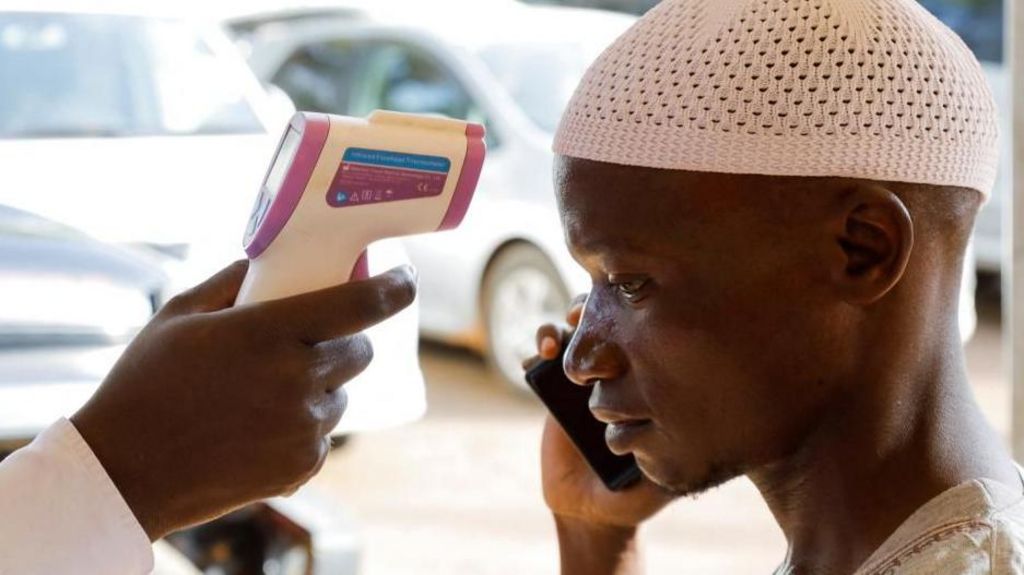
    Pakistan has initiated comprehensive health screening protocols at all entry points following confirmed Nipah virus cases in India, joining multiple Asian nations in implementing enhanced border controls. The Border Health Services department mandated thermal scanning and clinical assessments for all travelers entering through seaports, land borders, and airports, requiring 21-day transit history declarations to identify potential exposure risks.

    The Nipah virus, recognized by the World Health Organization as a priority pathogen, presents significant public health challenges with its high mortality rate ranging from 40% to 75%. The virus primarily transmits from infected fruit bats to humans, causing severe fever and encephalitis, though human-to-human transmission requires prolonged close contact. No vaccine currently exists for the infection.

    This health security measure comes despite limited travel connectivity between Pakistan and India, particularly following recent geopolitical tensions. Vietnam has simultaneously reinforced screening procedures at Noi Bai International Airport in Hanoi, with specific focus on passengers originating from India’s West Bengal region where two healthcare workers tested positive in late December.

    According to global health data, Nipah virus has caused 750 confirmed infections and 415 fatalities worldwide as of December 2025. The virus was first identified during a 1998 outbreak in Malaysia and Singapore among pig farmers, though scientific evidence suggests the pathogen has circulated in fruit bat populations for millennia. India’s Kerala state remains one of the world’s highest-risk regions for Nipah infections, with the country regularly reporting sporadic cases.

  • Beijing on alert as Nipah virus spreads in India

    Beijing on alert as Nipah virus spreads in India

    Chinese health authorities have activated comprehensive monitoring protocols in response to the Nipah virus outbreak detected in India’s West Bengal region, while confirming zero domestic infections to date. The National Disease Control and Prevention Administration reported Tuesday that risk assessment measures have been intensified despite the relatively low probability of cross-border transmission.

    The Nipah virus, identified initially in Malaysia during the 1990s, represents a severe zoonotic pathogen with documented fatality rates ranging from 40% to 75% according to World Health Organization data. Transmission occurs primarily through fruit bats (the natural reservoir), pigs, and direct human-to-human contact. Clinical manifestations include high fever, respiratory distress, neurological complications, and potentially fatal encephalitis. No approved vaccines or specific antiviral treatments currently exist, with medical management limited to supportive care.

    Chinese health officials emphasized the virus’s limited environmental persistence, noting that “the risk of public exposure remains low” due to the pathogen’s vulnerability outside host organisms. Nevertheless, the administration has strengthened border surveillance capabilities, enhanced laboratory testing preparedness, and maintained strategic stockpiles of Nipah-specific nucleic acid detection kits across all provincial-level disease control centers.

    Notably, Chinese researchers have identified a promising therapeutic candidate—a repurposed COVID-19 antiviral demonstrating significant efficacy against Nipah in preliminary studies. This orally administered medication could potentially address the current treatment gap if clinical validation proves successful.

    Neighboring Asian nations have implemented coordinated response measures. Thailand’s Civil Aviation Authority instituted mandatory health screenings for travelers arriving from West Bengal, while Myanmar heightened monitoring protocols due to its substantial fruit bat populations and shared borders with affected regions. Indian health authorities confirmed successful containment of the outbreak, with all 196 identified contacts testing negative following two confirmed cases.

    The global health community continues to monitor the situation, balancing vigilance against unnecessary alarm given the outbreak’s current geographical limitation and contained status.

  • Domestic drugmakers take center stage in development, innovation

    Domestic drugmakers take center stage in development, innovation

    In a remarkable transformation of China’s healthcare landscape, domestic pharmaceutical companies are emerging as powerful innovators, delivering breakthrough treatments to patients at unprecedented affordability. The story of Zhang, a 38-year-old thyroid eye disease patient in Beijing, exemplifies this shift. His access to a novel domestic injection—the first new treatment for his condition in China in over seven decades—comes at a fraction of the cost of foreign equivalents, thanks to its inclusion in the national reimbursement drug list.

    This patient-centric revolution stems from comprehensive regulatory reforms, substantial capital investments, and a strategic focus on research innovation. While drug development remains notoriously challenging—typically requiring a decade and approximately $1 billion per successful medication with a 90% failure rate—Chinese companies are defying these odds through systematic advancements.

    China’s regulatory framework now recognizes two distinct categories of novel drugs: improved formulations of existing treatments (such as Zhang’s injection) and truly innovative drugs containing new molecular entities. This classification system has created a structured pathway for pharmaceutical advancement, encouraging both incremental improvements and groundbreaking discoveries.

    The expansion of Beijing’s national reimbursement drug list for 2026 has been instrumental in making cutting-edge treatments accessible to ordinary citizens. Patients who previously faced financial barriers to innovative therapies now receive coverage for domestically developed medications, creating a virtuous cycle that rewards innovation while improving public health outcomes.

    Industry analysts attribute this biopharmaceutical renaissance to three key factors: streamlined regulatory approval processes that reduce development timelines, increased venture capital flowing into life sciences, and a growing pool of scientific talent returning to China from overseas research institutions. This convergence of factors has positioned Chinese drugmakers not just as local providers, but as emerging global competitors in the high-stakes pharmaceutical industry.