分类: health

  • Emirates Hospitals Group announces strategic collaboration with Nice University Hospital, France

    Emirates Hospitals Group announces strategic collaboration with Nice University Hospital, France

    In a landmark move for Middle Eastern healthcare, Emirates Hospitals Group (EHG) has forged a strategic alliance with France’s prestigious Nice University Hospital (Centre Hospitalier Universitaire de Nice). This collaboration, formalized on February 3, 2026, establishes a comprehensive framework for clinical advancement, medical education, and research innovation across the United Arab Emirates and broader region.

    The partnership strategically combines Nice University Hospital’s internationally acclaimed expertise in specialized tertiary care and medical innovation with EHG’s extensive clinical network and growing healthcare ecosystem in the UAE. The collaboration will focus on multidimensional knowledge exchange, clinical cooperation programs, advanced physician training initiatives, and joint academic partnerships designed to elevate regional healthcare standards.

    Christian Schuhmacher, Executive Chairman of EHG’s Board, emphasized the significance of this European partnership: “This collaboration marks a pivotal milestone in our continuous journey to enhance clinical standards and expand our academic capabilities. Aligning with a leading European academic medical center enables us to accelerate knowledge transfer, advance physician development, and ultimately achieve superior patient outcomes.”

    Prosenjit Bhattacharya, Chief Operating Officer of EHG, further elaborated: “This initiative reflects our unwavering commitment to improving patient care through associations with globally recognized centers of excellence. By bringing international clinical expertise directly to UAE patients, we reinforce our strategic vision to establish EHG as the region’s premier platform for advanced healthcare delivery, medical education, and innovative research.”

    Rodolphe Bourret, Chief Executive Officer of Nice University Hospital, expressed enthusiasm for the transcontinental partnership: “We are delighted to collaborate with Emirates Hospitals Group. This alliance creates substantial opportunities for clinical and academic synergy while strengthening the healthcare bridge between European and Middle Eastern medical institutions.”

    The signing ceremony witnessed high-level diplomatic participation, including Dr. Lateefa Al Sada, Head of Consular Services and National Affairs Section, who highlighted the collaboration’s role in strengthening UAE-France bilateral relations. The event was also attended by Hervé Cael, Municipal Councillor and Vice-Chairman of CHU’s Supervisory Board; Christiane Amiel, Deputy Mayor of Nice for International Relations; and Johanna Lerfel, Health Advisor for the Middle East region based at the French Embassy in Saudi Arabia, alongside senior representatives from CHU’s Faculty of Medicine.

  • Second peak of flu season in UAE? Doctors say never too late to get vaccinated

    Second peak of flu season in UAE? Doctors say never too late to get vaccinated

    The United Arab Emirates is confronting an unexpected extension of its influenza season, with medical professionals reporting consistently elevated case numbers throughout January and February rather than the typical decline. Healthcare facilities across the nation are witnessing increased patient volumes presenting with classic flu symptoms including fever, persistent cough, and profound fatigue, particularly affecting family units, elderly citizens, and young children.

    Medical experts clarify that influenza patterns typically unfold in two distinct phases. Influenza A strains typically dominate the initial winter surge between December and January, while Influenza B variants commonly peak during February through April. This biological pattern means individuals who avoided illness during the earlier winter months remain vulnerable to subsequent infection.

    Dr. Rehab Yousuf Al Saadi, Specialist in Family Medicine and Department Head at Saudi German Hospital, Dubai, confirms this atypical pattern: “We’re observing sustained influenza activity in the UAE and globally heading into late January and February, which traditionally represents peak season. Case numbers are significantly higher than anticipated for this period following an initial surge connected to travel and post-holiday social interactions.”

    Physicians attribute this prolonged season to multiple converging factors: cooler temperatures driving indoor congregation, post-travel social gatherings, and insufficient vaccination coverage within communities. The current epidemiological pattern suggests sustained community transmission rather than isolated outbreaks.

    High-risk demographics include adults over 65, children under five, pregnant women, and individuals with pre-existing conditions such as respiratory disorders, cardiac conditions, renal disease, hepatic impairment, or compromised immune systems. Characteristic symptoms comprise high-grade fever (37.8–40°C), extreme exhaustion, sore throat, non-productive cough, myalgia, and rhinorrhea.

    Health authorities emphasize that influenza vaccination remains effective even at this stage of the season. The current vaccine formulation provides protection against both Influenza A and B strains, substantially reducing hospitalization risk and severe complications even when not preventing infection entirely.

    Preventive recommendations include rigorous hand hygiene, respiratory etiquette through cough covering, voluntary isolation when symptomatic, and maintaining robust immune health through balanced nutrition, adequate rest, and proper hydration. Medical attention should be sought immediately for concerning symptoms including respiratory distress, persistent high fever, disorientation, or chest pain and pressure.

  • American Hospital Dubai signs agreement to bring the region’s first next-generation da Vinci 5 robotic surgery system

    American Hospital Dubai signs agreement to bring the region’s first next-generation da Vinci 5 robotic surgery system

    American Hospital Dubai has solidified its position as a regional leader in surgical innovation through a landmark partnership with Al Naghi Medical, the UAE’s premier medical device provider. This strategic collaboration will introduce the Middle East’s first da Vinci 5 robotic surgical system, representing a quantum leap in surgical technology from Intuitive, the global pioneer in robotic-assisted surgery.

    The agreement builds upon the hospital’s established reputation as the region’s most comprehensive robotic surgery center, which already operates both da Vinci Xi and the Middle East’s exclusive Single Port (SP) robotic systems. The integration of da Vinci 5 establishes an unprecedented surgical platform that positions Dubai at the forefront of medical technology adoption.

    The fifth-generation system introduces revolutionary advancements including groundbreaking Force Feedback technology, enabling surgeons to physically sense tissue pressure during procedures—a first in robotic surgery. This tactile feedback mechanism promises enhanced tissue handling precision and accelerated patient recovery timelines.

    Additional technological marvels include ultra-high-definition 3D visualization with unprecedented clarity, computational power increased by a factor of 10,000 compared to previous models, and completely redesigned ergonomic consoles that optimize surgeon comfort during extended procedures. These collective innovations work synergistically to minimize tissue trauma while maximizing surgical accuracy.

    The expanded robotic portfolio will enable tailored surgical approaches across numerous specialties, particularly enhancing capabilities in complex minimally invasive procedures. The hospital simultaneously reinforces its role as an educational hub for advanced surgical training in the region.

    Roudaina Haddad, Deputy Group CEO and Chief Operating Officer, emphasized the institution’s commitment: ‘Our investment in da Vinci 5 technology reflects our strategic vision to maintain leadership in robotic surgery while expanding our capacity for highly complex procedures with unmatched precision and safety.’

    Mona Qaisi of Al Naghi Medical noted: ‘This partnership embodies our shared mission to advance surgical care standards throughout the Middle East by supporting institutions that embrace transformative medical technologies.’

  • China boosts access to quality healthcare with online initial consultations

    China boosts access to quality healthcare with online initial consultations

    China has launched a groundbreaking healthcare initiative that enables patients nationwide to conduct initial medical consultations online with top-tier specialists in Beijing. This pilot program represents a significant shift from previous internet-based medical services, which were typically limited to follow-up visits for established conditions.

    The innovative service, currently available at two leading medical institutions, covers pediatric specialties including growth and development, nutrition, and dermatology. Patients like Tang Juan from Suzhou have already benefited from the program, avoiding the need to travel over 1,000 kilometers for preliminary assessments. ‘It gives me peace of mind and saves a lot of trouble,’ Tang remarked after consulting with a Beijing-based expert regarding her son’s growth concerns via mobile device.

    Health authorities designed the one-year pilot to include comprehensive virtual care components: online pre-consultation assessments, remote diagnoses, and home delivery of prescribed medications. The program will undergo formal evaluation in December 2026, with potential expansion to additional medical specialties.

    Medical experts emphasize that while online consultations improve accessibility, in-person visits remain essential for severe or complex conditions. Wang Ping, a patient safety education specialist, stressed that both online and offline services must maintain identical quality and safety standards.

    The initiative has been hailed as a catalyst for ‘Internet Plus’ healthcare integration. Gu Hai, director of a health policy research center at Nanjing University, noted that granting online prescription authority marks a crucial step in embedding digital diagnosis and treatment into core medical services. Industry leaders are advocating for enhanced electronic prescription platforms and insurance coverage for qualified virtual consultations.

    According to Zhang Rui of a pharmaceutical innovation alliance, the program is expected to drive medical technology advancement, stimulating demand for high-definition video consultations, intelligent triage systems, shared electronic medical records, AI-assisted diagnostics, and remote monitoring devices. Experts anticipate future expansion into chronic disease management and mental health services, moving closer to the vision of ‘more data flows, less patient travel.’

  • India’s snakebite crisis is killing tens of thousands every year

    India’s snakebite crisis is killing tens of thousands every year

    India faces a devastating public health emergency as snakebite envenoming claims approximately 50,000 lives annually, representing nearly half of global fatalities from such incidents. Recent research indicates the actual toll might be significantly higher, with estimates suggesting up to 1.2 million deaths occurred between 2000 and 2019.

    The Global Snakebite Taskforce (GST) has uncovered critical healthcare system deficiencies through a comprehensive survey of 904 medical professionals across India, Brazil, Indonesia, and Nigeria. The findings reveal that 99% of Indian healthcare workers encounter substantial obstacles when administering life-saving antivenom treatments. These challenges include inadequate medical infrastructure, limited antivenom accessibility, and insufficient professional training.

    Devendra, an Indian farmer, exemplifies the human cost of this crisis. After a snakebite during mulberry harvesting, delayed medical intervention necessitated leg amputation. His experience reflects a broader pattern where treatment delays frequently result in severe complications including amputations, surgical interventions, and permanent mobility impairments.

    The World Health Organization designated snakebite envenoming as a ‘highest priority neglected tropical disease’ in 2017, noting approximately 5.4 million global snakebites annually with over 100,000 fatalities. The burden disproportionately affects impoverished rural communities in low and middle-income nations.

    India’s central and eastern regions report the highest snakebite incidence, particularly among agricultural workers and tribal populations. In response, the government launched the National Action Plan for Prevention and Control of Snakebite Envenoming (NAPSE) in 2024, aiming to reduce fatalities by 50% before 2030 through enhanced surveillance, improved antivenom availability, and public awareness campaigns.

    However, implementation remains inconsistent. Dr. Yogesh Jain of GST notes that snakebites are often perceived as ‘a poor person’s problem,’ resulting in insufficient political attention despite being largely preventable. Rapid treatment is crucial since venom enters the bloodstream within minutes, potentially causing respiratory failure, paralysis, tissue damage, or organ failure.

    Rural healthcare access complications include inadequate transportation infrastructure, distant medical facilities, and limited ambulance services. A tragic case involved a pregnant Gujarat woman who died during transport after family members carried her 5 kilometers in a cloth sling.

    Antivenom administration presents additional challenges. Many healthcare workers lack proper training and fear potential adverse reactions. Current antivenom only neutralizes venom from the ‘big four’ species (spectacled cobra, common krait, Russell’s viper, and saw-scaled viper), leaving numerous other venomous snakes without targeted treatments.

    Recent research by the All India Institute of Medical Sciences in Jodhpur demonstrated that two-thirds of patients receiving standard antivenom for unidentified snake bites responded poorly, highlighting the urgent need for region-specific antivenom development.

    Organizations like The Liana Trust are researching venoms beyond the ‘big four,’ but progress remains slow due to the labor-intensive and time-consuming nature of antivenom development. Experts advocate for making snakebites notifiable diseases to improve reporting and resource allocation, emphasizing that political commitment is essential to resolve this public health crisis.

  • Longevity and mental health: How the real biohack is a calm, resilient mind

    Longevity and mental health: How the real biohack is a calm, resilient mind

    The global wellness industry, projected to reach $610 billion by 2025, has ushered in what experts term the ‘longevity era’—a cultural shift marked by intensive biohacking, optimized nutrition regimens, and sophisticated supplement routines. However, beneath this surface of self-improvement lies a concerning psychological phenomenon: Longevity Fixation Syndrome.

    Clinical specialists at Paracelsus Recovery report increasing cases where well-intentioned health practices evolve into obsessive patterns of bodily surveillance and micromanagement. This condition, analogous to orthorexia in the eating disorder spectrum, emerges not from vanity but typically from untreated anxiety, unresolved stress, or feelings of powerlessness in other life domains.

    The fundamental paradox of this syndrome reveals itself through physiological consequences: the very stress generated by compulsive optimization negates the intended health benefits. Research indicates that depression elevates all-cause mortality risk by 60%, while serious mental illnesses correlate with reduced lifespan of 10-20 years. Similarly, chronic anxiety demonstrates strong associations with cardiovascular disease and increased mortality rates.

    Social connectivity and emotional wellbeing present powerful countermeasures. Individuals with robust social relationships experience 50% higher survival likelihood, while optimism alone correlates with lifespan extension of up to 15%. The world’s longest-lived populations consistently demonstrate strong community bonds and emotional resilience rather than obsessive health practices.

    The article concludes that sustainable longevity arises not from technological biohacking but from psychological wellbeing. True health extension requires addressing emotional distress, building meaningful relationships, and developing stress resolution capabilities—emphasizing that mental tranquility remains the ultimate biohack for physical vitality.

  • Children with disabilities find joy and support through horse therapy in Taiwan

    Children with disabilities find joy and support through horse therapy in Taiwan

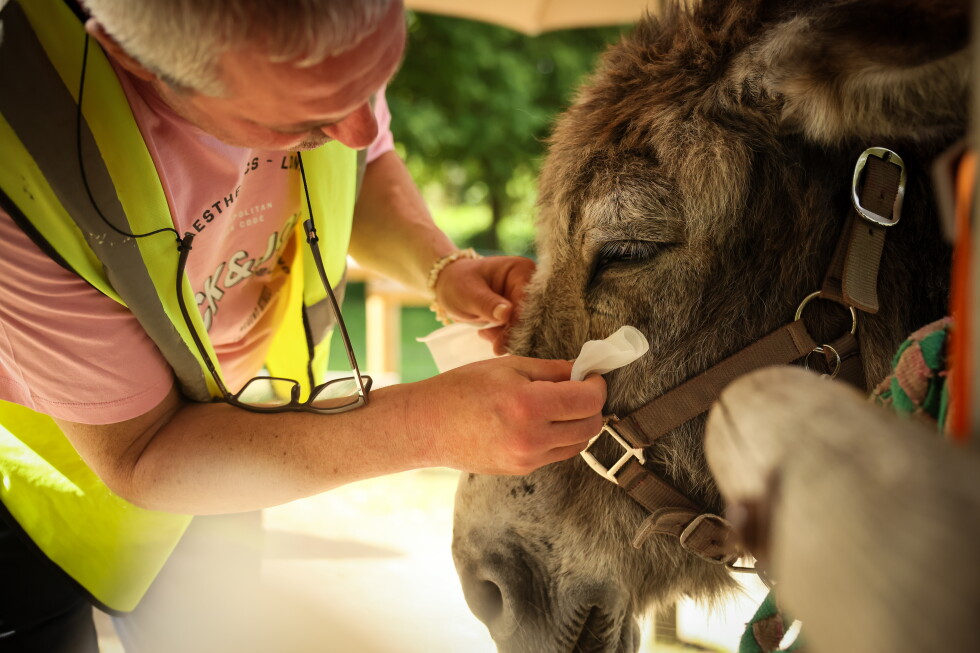
    In Taoyuan, northern Taiwan, a remarkable therapeutic revolution is unfolding at the Therapeutic Riding Center where children with neurological conditions discover profound healing through equine-assisted interventions. The center specializes in providing transformative experiences for youth diagnosed with cerebral palsy, autism spectrum disorder, ADHD, and rare genetic conditions like Angelman Syndrome.

    Eighteen-year-old Chen You-ching, who received a cerebral palsy diagnosis over sixteen years ago, exemplifies the program’s success. Her father, Hector Chen, recounts how equine therapy has become an essential weekly ritual that consistently brings joy and therapeutic benefits. “The first time she mounted a horse, her happiness was undeniable,” he observed, noting the sustained positive impact through her teenage years.

    The science behind animal-assisted therapy continues to gain global recognition, particularly for addressing intellectual disabilities and trauma recovery. At this Taiwanese facility, specially trained horses undergo rigorous conditioning to remain calm during unpredictable movements and multiple simultaneous interactions. These equine partners demonstrate extraordinary patience, often standing motionless for extended periods while children hug them or listen to their heartbeats.

    Abigail Liu reports dramatic developmental breakthroughs in her five-year-old daughter Ayah, who has Angelman Syndrome. “She became noticeably less fearful of unfamiliar experiences and developed willingness to attempt new activities following her equine sessions,” Liu stated.

    Alain Chang, a riding instructor at the Fang Hsing-Chung Social Welfare Foundation, emphasizes the unique bond forming between children and horses. “The horses display no annoyance regardless of repetitive interactions, creating a profoundly safe environment,” Chang explained. “For these children, the opportunity to touch, observe, and embrace these animals constitutes an extraordinary experiential therapy that becomes a weekly highlight they anticipate regardless of weather conditions.”

  • Is vaccine against deadly Nipah virus forthcoming?

    Is vaccine against deadly Nipah virus forthcoming?

    In a landmark development for global pandemic preparedness, the University of Oxford has initiated the world’s first Phase II clinical trial for a Nipah virus vaccine candidate. The trial, launched in Bangladesh—a region plagued by recurrent outbreaks—represents a critical advancement in combating one of the world’s deadliest pathogens, for which no approved vaccines or treatments currently exist.

    The study involves 306 healthy adult participants aged 18-55 and is being conducted through a strategic partnership between Oxford’s Pandemic Sciences Institute, the International Centre for Diarrhoeal Disease Research, Bangladesh (ICDDR,B), and the Coalition for Epidemic Preparedness Innovations (CEPI), which is providing primary funding. The research aims to evaluate both the safety profile and immune response generated by the ChAdOx1 NipahB vaccine.

    Professor Sarah Gilbert, a leading vaccinologist at Oxford, emphasized the trial’s significance: “This initiative in Bangladesh marks a pivotal advancement in our efforts to develop countermeasures against Nipah virus, a formidable health threat that continues to claim lives during periodic outbreaks.”

    Professor Brian Angus, Chief Investigator at the Oxford Vaccine Group, highlighted the importance of conducting trials in affected regions: “Initiating Phase II trials in countries experiencing regular Nipah outbreaks ensures that vaccine development remains both effective and contextually relevant to those most vulnerable.”

    Dr. Kent Kester, CEPI’s Executive Director of Vaccine Research, noted that Oxford’s candidate represents the most progressed vaccine initiative against the highly lethal Nipah virus, calling the trial “the culmination of years of cutting-edge research and international scientific cooperation.”

    The Serum Institute of India, the world’s largest vaccine manufacturer, produced the trial vaccines in collaboration with CEPI. Dr. K Zaman, Senior Scientist at ICDDR,B and Principal Investigator in Bangladesh, emphasized that hosting this trial aligns with their two decades of Nipah surveillance and research, representing a natural progression of their scientific commitment to global health security.

  • Travelling amid Nipah scare? UAE doctors say no need to panic

    Travelling amid Nipah scare? UAE doctors say no need to panic

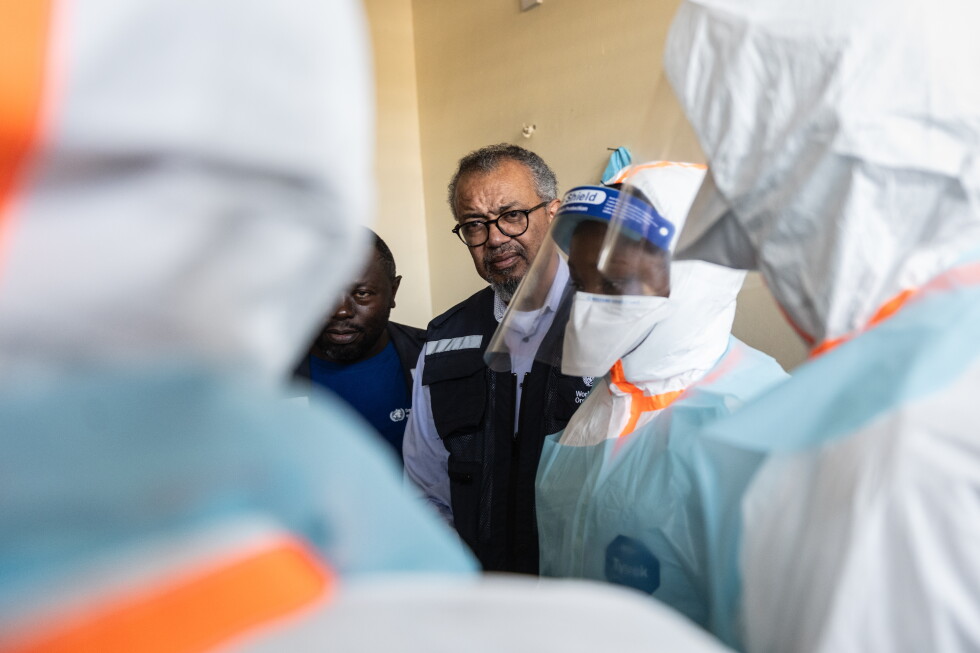
    Medical professionals across the United Arab Emirates are urging residents to maintain perspective regarding recent Nipah virus reports while emphasizing practical preventive measures for travelers. Contrary to widespread anxiety, physicians confirm that cancellation of travel plans remains unnecessary for most individuals.

    Dr. Vinod Tahilramani, specialist at Medcare Medical Centre in Motor City, emphasizes the statistical rarity of Nipah infection: “This remains an exceptionally uncommon condition that the majority of travelers will never encounter. The general public should proceed with their scheduled itineraries without undue concern.”

    Unlike highly contagious pathogens such as COVID-19 or influenza, Nipah virus demonstrates limited transmission capabilities. Infection typically requires direct exposure to bodily fluids of infected individuals or occurs within specific high-risk environments, particularly healthcare facilities during active outbreaks.

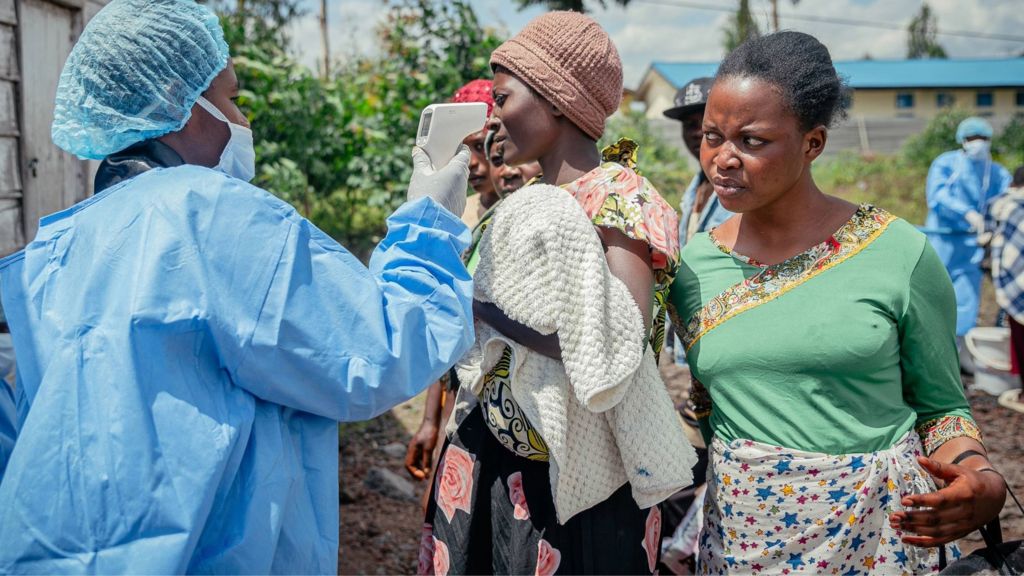
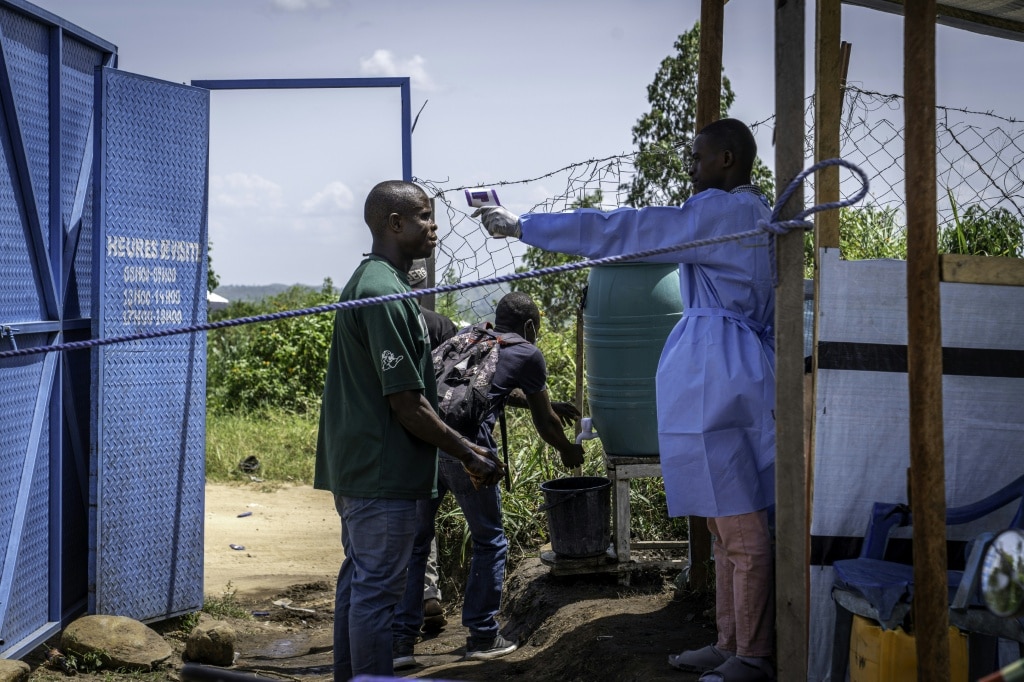
    Regarding airport screening implementations in various countries, medical experts acknowledge these measures provide an additional security layer by identifying visibly ill passengers, particularly those exhibiting fever. However, physicians note the limitations of such screenings since early Nipah symptoms often mimic common viral infections.

    “While screening contributes to safety protocols, it cannot guarantee complete protection,” Dr. Tahilramani notes. “This underscores the critical importance of personal awareness and prompt medical consultation when necessary.”

    Travelers visiting regions with reported cases should implement straightforward precautions:
    – Avoid close contact with symptomatic individuals
    – Maintain rigorous hand hygiene practices
    – Refrain from consuming uncovered street-vendor fruits
    – Avoid raw or improperly regulated food products
    – Limit non-essential hospital visits in outbreak zones
    – Healthcare workers should employ full protective equipment including masks and gloves

    Post-travel vigilance remains equally crucial. Dr. Deepak Dube, internal medicine specialist at International Modern Hospital Dubai, explains: “Initial presentation may resemble ordinary viral fever, but neurological symptoms including confusion, excessive drowsiness, seizures, or behavioral changes require immediate medical attention.”

    Medical professionals advise that fever accompanied by confusion or seizures warrants urgent care. Affected individuals should avoid public gatherings and explicitly inform healthcare providers of recent travel history.

    The consensus among UAE medical experts emphasizes informed preparedness rather than alarm. Through awareness, practical precautions, and timely medical response, travelers can mitigate risks while maintaining normal travel schedules.

  • American Hospital Dubai sets new regional benchmark with da Vinci 5 robotic surgical system

    American Hospital Dubai sets new regional benchmark with da Vinci 5 robotic surgical system

    American Hospital Dubai has achieved a groundbreaking medical milestone by becoming the first healthcare institution in the United Arab Emirates and the broader Middle East region to deploy the revolutionary da Vinci 5 surgical robotic system. This strategic acquisition, implemented on January 30, 2026, establishes a new benchmark for advanced surgical capabilities in regional healthcare.

    The da Vinci 5 represents a quantum leap in robotic-assisted surgery, incorporating over 150 significant technological enhancements. The system introduces the pioneering Force Feedback technology, enabling surgeons to perceive tissue pressure in real-time during procedures. This innovative feature allows medical professionals to apply up to 43% less force during operations, regardless of their experience level, resulting in improved tissue handling and accelerated patient recovery timelines.

    Additional transformative features include ultra-high-definition 3D imaging with unprecedented clarity, computational power increased by 10,000 times compared to previous models, and a completely redesigned surgeon console that optimizes ergonomic efficiency and surgical precision. These advancements collectively minimize tissue trauma while expanding the range of complex minimally invasive procedures across multiple surgical specialties.

    This achievement builds upon the hospital’s existing robotic surgery leadership, which already includes both da Vinci Xi and da Vinci SP (Single Port) systems. The institution previously made history as the first Middle Eastern hospital to implement single-port robotic surgery technology. American Hospital Dubai further distinguishes itself through its Center of Excellence in Robotic Surgery (COERS), recognized as the first private healthcare facility in the region to receive accreditation from the US-based Surgical Review Corporation.

    The integration of da Vinci 5 technology reinforces the hospital’s commitment to clinical innovation and excellence while significantly enhancing surgical training capabilities. This advancement positions American Hospital Dubai at the forefront of technological adoption in healthcare, ultimately aiming to improve patient outcomes and shape the future of advanced surgical care throughout the Middle East.