分类: business

  • Shanghai airport sees Thai visitor surge for Songkran Festival

    Shanghai airport sees Thai visitor surge for Songkran Festival

    As Thailand’s iconic water festival Songkran kicks off, the country’s cultural celebration has delivered a notable boost to cross-border travel between China and Thailand, with official data showing a sharp uptick in Thai visitor arrivals at Shanghai Pudong International Airport this year.

    Figures released by the Shanghai General Station of Immigration Inspection confirm that between April 8 and April 15, the port processed nearly 20,000 incoming Thai passengers. That figure accounts for 13% of all international arrivals entering China through Pudong International Airport over the period, with an average daily arrival volume topping 2,400 people — marking a 30% increase compared to the same seven-day window in March 2026.

    The ongoing travel boom between the two neighboring Southeast and East Asian nations is largely anchored in the mutual visa-free policy that came into force in recent years. Official 2025 full-year data underscores this momentum: the total number of Thai passengers entering China via Pudong International Airport hit 360,000 last year, pushing Thailand to fourth place among all source countries for international arrivals at the port.

    Two-way travel flows are equally robust in the opposite direction. In 2025, roughly 680,000 Chinese mainland residents departed for Thailand through Pudong, with around 300 weekly commercial flights connecting the two countries to support sustained demand.

    To accommodate the unexpected surge in Thai visitors during the Songkran holiday period, local immigration authorities have rolled out a suite of targeted service adjustments to keep passenger processing efficient and smooth. These measures include real-time dynamic monitoring of arrival passenger flows, pre-inflight reminders for visitors to complete digital entry declarations before landing, dedicated on-site guidance for large tour groups, and specialized volunteer services offering Thai-language assistance to reduce language barriers for incoming travelers.

    Industry analysts note that the latest arrival data reflects deepening people-to-people ties between China and Thailand, with cultural festivals acting as a natural catalyst for growth in cross-border tourism, aviation, and related service sectors.

  • Jet fuel supplies are lagging. What does that mean for airlines and travelers?

    Jet fuel supplies are lagging. What does that mean for airlines and travelers?

    As the peak summer travel season rapidly approaches, a looming jet fuel crisis driven by the Iran war and the effective closure of the Strait of Hormuz threatens to upend global air travel within just a matter of weeks, bringing steeply higher ticket prices and widespread flight cancellations if crude oil supplies do not resume quickly. In an exclusive interview with the Associated Press published Thursday, Fatih Birol, executive director of the International Energy Agency (IEA), warned that Europe currently holds only roughly six weeks of usable jet fuel inventories, warning the global economy is barreling toward what he calls the largest energy crisis in modern history.

    Normally, most European nations maintain jet fuel stockpiles sufficient to last multiple months, according to a new IEA report published this week. For global airlines, jet fuel — a kerosene-based refined petroleum product — represents the single largest operating expense, accounting for approximately 30% of total carrier costs, data from the International Air Transport Association shows. Since the outbreak of the war, jet fuel prices have already roughly doubled, and industry analysts warn that physical supply shortages could be the next critical blow to the sector.

    “Every passing day that the Strait of Hormuz remains shut, Europe is edging closer to supply shortages,” explained Amaar Khan, head of European jet fuel pricing at energy market analytics firm Argus Media. Khan noted that the strategic waterway accounts for roughly 40% of Europe’s jet fuel imports, and no shipments have passed through the strait since hostilities began.

    The latest IEA data underscores the severity of the supply crunch: multiple European countries currently hold less than 20 days of jet fuel coverage, a level not seen since 2000 when the agency began standardized tracking. Stockpiles have not dropped below 29 days since the early stages of the COVID-19 pandemic in 2020, and the report warns that if inventories fall below 23 days, physical shortages will begin to emerge at major airports, triggering immediate flight cancellations and forced demand reduction.

    Which regions face the greatest risk? Industry analysts note that Asia-Pacific economies are the most dependent on Middle Eastern crude and jet fuel supplies, followed closely by Europe. While most of Europe’s jet fuel is refined domestically, an estimated 20% to 25% of total regional supply has been taken offline by the conflict, according to Jacques Rousseau, managing director at energy investment firm Clearview Energy Partners.

    To offset near-term gaps, the United States — a major global crude producer with excess jet fuel refining capacity — has drastically ramped up exports to Europe, shipping roughly 150,000 barrels per day in April, around six times the typical monthly volume. For the U.S. domestic market, Rousseau noted that significant supply shortages are unlikely, though consumers will still face higher prices. “I tell my kids … we’re not so much going to run out of supply,” Rousseau said. “It’s just going to cost more here, whereas in different parts of the world you could actually get to a point where there’s just no fuel.”

    Globally, the closure of the Strait of Hormuz has cut off 10 million to 15 million barrels of daily crude oil supplies to global markets, according to Pavel Molchanov, senior investment strategist at Raymond James & Associates. “There are exactly the same refineries in exactly the same places in Asia and Europe, but if there is not enough oil for those refineries to operate, it’s going to lead to physical supply disruption,” Molchanov explained. While the IEA has authorized the release of 400 million barrels of crude from member states’ emergency reserves, Molchanov added that these supplies will not reach the market quickly enough to offset the near-term shortage. “It could take until the end of the year to get all of those barrels onto the market,” he said.

    For consumers planning summer travel, the impacts will extend far beyond higher base airfares, according to Christopher Anderson, a professor of operations, technology and information management at Cornell University. “This is no longer just a fuel-price story. For airlines, it is now a network-planning story,” Anderson said. “Higher fuel costs matter, but so do longer routings, reduced scheduling flexibility and greater uncertainty about what demand will look like even a few weeks out.” If the supply disruption continues into the peak June to August travel season, Anderson added, travelers can expect later booking windows, more frequent schedule changes, and far fewer discounted low-fare tickets.

    Airlines have responded to the crisis with a mix of caution and proactive cost-cutting, with many already passing elevated fuel costs directly to consumers. Multiple major carriers have already announced flight cuts, capacity reductions, and price adjustments to adapt to the new market conditions.

    Dutch flag carrier KLM announced Thursday it will cut 160 flights next month, equal to roughly 1% of its total European route network, citing rising kerosene costs that have rendered a small number of flights no longer financially viable. U.K. budget carrier easyJet reported Thursday that it expects a pretax loss of 540 million to 560 million pounds (approximately $731 million to $758 million) for the first half of fiscal 2026, though CEO Kenton Jarvis noted that overall consumer travel demand remains strong, with Easter 2025 marking the carrier’s busiest ever Easter travel period. Both KLM and easyJet told the AP they are not currently experiencing direct fuel supply shortages, and declined further comment on the IEA’s warning.

    Germany’s Lufthansa announced Thursday that it is accelerating the permanent shutdown of its regional feeder airline CityLine, originally planned for 2026, to immediate implementation, in response to labor unrest and sky-high fuel prices. The move will also remove 27 older, less fuel-efficient aircraft from the Lufthansa group fleet permanently.

    U.S. major carrier Delta Air Lines, which operates dozens of daily flights to European destinations, said Thursday it is monitoring the potential jet fuel supply issue on the continent but does not expect near-term operational disruptions. Delta purchased a Philadelphia refinery in 2012 specifically to hedge against jet fuel price volatility, a move that is helping the carrier absorb current cost increases.

    Beyond capacity cuts, dozens of airlines around the world have already passed higher fuel costs to consumers through a range of fee and fare adjustments. All four of the largest U.S. carriers — Delta, United, American Airlines, and Southwest Airlines — along with JetBlue, have raised checked baggage fees in recent weeks. United CEO Scott Kirby warned in a recent internal memo to staff that sustained elevated fuel prices could add $10 billion in annual costs for the carrier. “For perspective,” Kirby wrote, “in United’s best year ever, we made less than $5B.”

    Overseas carriers have taken similar action: Hong Kong’s Cathay Pacific recently increased fuel surcharges by roughly 34% across all its route network, while Air India added up to $280 in supplementary fees to select long-haul routes earlier this month. Emirates, Lufthansa, and KLM have also implemented incremental fare and fee adjustments to keep pace with ongoing jet fuel price volatility.

  • China-Europe freight train services surge in Q1 2026

    China-Europe freight train services surge in Q1 2026

    Strong double-digit growth marked China-Europe freight train operations in the opening three months of 2026, with official data from China State Railway Group revealing substantial gains in both service volume and cargo capacity.

    Released on April 16, the data shows the service completed 5,460 cross-border train trips and transported 546,000 twenty-foot equivalent unit containers between January and March 2026. This represents a 29 percent year-on-year increase in trips and a 22 percent jump in container volume compared to the same period last year.

    The state-owned railway operator attributes this robust expansion to targeted upgrades in cross-border transport coordination and logistics streamlining, which have collectively boosted the overall efficiency of the entire Eurasian rail network. Today, the China-Europe freight train network connects 235 cities across 26 European countries, extending its reach across nearly the entire Eurasian continent to meet rising demand for reliable cross-border cargo transport.

    To further expand connectivity, transport authorities are actively developing new alternative trade corridors, including a new service route that traverses the Caspian Sea and ongoing trial operations of a Baltic Sea corridor running through Russia. Significant efficiency gains have also been achieved at key border crossing checkpoints: the adoption of digital management systems and simplified customs clearance procedures have cut the minimum clearance time for cross-border trains to less than 30 minutes, drastically reducing wait times that previously slowed transit.

    Rail officials have also launched upgraded, faster scheduled services between major economic hubs in China and Europe. These improved services cut total transit time by more than 30 percent compared to traditional standard freight services, making rail transport far more competitive against slower ocean shipping for time-sensitive cargo. Additionally, multimodal logistics solutions that integrate rail and road transport are being scaled up, offering customers seamless end-to-end delivery under a single service contract to reduce operational complexity.

    Service quality has also been elevated through the adoption of new digital and specialized infrastructure. Electronic cargo seals now enable real-time tracking of freight shipments across the entire journey, while purpose-built containers have expanded the range of cargo that can be transported, including high-value goods such as finished automobiles and lithium batteries for electric vehicles.

    Earlier this month, railway authorities introduced a new high-quality development index specifically designed to track and publish the performance of China-Europe freight train services on an ongoing basis. The index assesses overall service performance across three core metrics: operational scale, network efficiency, and service quality, with a new monthly publication schedule to keep industry stakeholders and the public updated on the service’s evolving development.

  • Cheaper Doritos and Lays helps PepsiCo win back struggling snackers

    Cheaper Doritos and Lays helps PepsiCo win back struggling snackers

    Global food and beverage conglomerate PepsiCo has delivered a robust first-quarter financial performance, driven by strategic price cuts on popular snack lines including Doritos and Lay’s that reversed declining consumer sentiment after years of controversial price hikes. The company announced its results Thursday, reporting that total quarterly sales climbed 8.5% year-over-year to hit $19.4 billion (£14.4 billion), far outpacing many analyst expectations.

    The aggressive pricing moves, which rolled out in advance of this year’s Super Bowl in early February, trimmed prices by as much as 15% on a range of core snack products: along with Doritos and Lay’s (sold under the Walkers brand in the UK), Tostitos and Cheetos also saw price adjustments. For the snack industry, the Super Bowl is one of the highest-revenue annual events, as millions of consumers stock up on snacks for watch parties, making the timing of the cuts particularly strategic.

    This reversal came after PepsiCo faced significant consumer backlash starting in 2022, when the company imposed repeated price increases to offset its own soaring input and production costs. Those hikes pushed many price-conscious shoppers to switch to cheaper store-brand alternatives, cutting into PepsiCo’s market share. In a statement accompanying the earnings release, PepsiCo Chairman and Chief Executive Ramon Laguarta credited the targeted “affordability initiatives” for turning around the company’s performance and winning back lapsed customers.

    Beyond the top-line sales growth, PepsiCo also reported a 25% jump in operating profit, which reached $3.2 billion for the quarter. Markets reacted positively to the strong results, with the company’s share price rising 2% in early morning trading following the announcement.

    Even as the pricing strategy delivers short-term growth, PepsiCo is navigating longer-term shifts in consumer behavior, most notably the rising popularity of appetite-suppressing weight loss jabs that have reduced overall food consumption and shifted demand toward smaller, portion-controlled servings. Many patients who start using these injectable medications report a sharp drop in hunger, leading to significant decreases in their overall grocery and snack spending.

    To adapt to this trend, Laguarta noted that PepsiCo is not only focusing on affordable pricing but also “betting a lot on portion control.” The company has increasingly prioritized multipack offerings of single-serve snacks, which align with changing consumption patterns; currently, more than 70% of PepsiCo’s food products sold in the United States are single-serve portions.

    Looking ahead to the second half of 2026, Laguarta is also counting on the upcoming men’s FIFA World Cup — co-hosted by the United States, Mexico and Canada — to drive further sales growth. The company, a major tournament sponsor, plans to roll out targeted “Fan of the Match” promotions centered on its Lay’s chip brand to capture consumer attention during the global sporting event.

  • Europe has ‘maybe 6 weeks of jet fuel left’, energy boss warns

    Europe has ‘maybe 6 weeks of jet fuel left’, energy boss warns

    A stark warning has emerged from the head of the International Energy Agency (IEA): Europe may only have six weeks of jet fuel reserves remaining if disruptions to Middle Eastern fuel supplies persist. For over six weeks, the Strait of Hormuz, the world’s most critical chokepoint for Gulf region jet fuel exports, has been effectively closed by Iran, a move taken in response to recent attacks from the U.S. and Israel. The closure has sent global jet fuel prices skyrocketing and ignited widespread fears of crippling supply shortages across Europe.

    In its latest monthly oil market report published this week, the IEA, which advises 32 member nations on energy security and supply strategy, outlined the fragile state of global aviation fuel networks. The organization notes that Gulf region exports represent the single largest source of jet fuel for the global market, and even major refining hubs in exporting countries including South Korea, India and China rely heavily on crude oil imports from the same Middle Eastern region. This interconnected dependency means the ongoing closure has severely disrupted the fundamental operations of international jet fuel markets, the report says.

    Historically, Europe has sourced roughly 75% of its total jet fuel imports from the Middle East, leaving the continent uniquely vulnerable to the current supply shock. In response, European nations have launched urgent efforts to source replacement supplies from alternative export markets, with the IA confirming that U.S. jet fuel exports to the region have ramped up dramatically in recent weeks. Even if every available U.S. shipment were redirected to Europe, however, the increased exports would only replace slightly more than half of the lost Middle Eastern supplies, the agency warns.

    The IEA’s scenario analysis paints a grim timeline for potential shortages. If Europe fails to replace more than 50% of its missing Middle Eastern imports, physical stock shortages will hit select airports as early as June, leading to immediate flight cancellations and reduced consumer demand for air travel. Even if the continent manages to replace three-quarters of the lost supplies, shortages and cancellations will still occur, just pushed back to August. To maintain sufficient inventory levels through the peak summer travel season, European energy markets must ramp up efforts to attract additional replacement cargoes from non-Middle Eastern sources, the report concludes.

    The price shock from the supply disruption has already forced airlines across the globe to implement emergency cost-mitigation measures, as jet fuel typically accounts for 20% to 40% of a commercial airline’s total operating costs. At the start of April, the benchmark European jet fuel price hit an all-time record of $1,838 per tonne — more than double the $831 per tonne price recorded before the outbreak of the current conflict.

    European Union officials have attempted to downplay immediate risks, stating earlier this week that there is currently no evidence of widespread jet fuel shortages across the bloc, while acknowledging that supply issues could emerge in the near future. A European Commission spokesperson told reporters that crude oil supplies to EU refineries remain stable for now, with no immediate need to release additional strategic fuel reserves. The Commission’s oil and gas coordination groups are now meeting weekly to address the crisis, and a full package of emergency energy measures is set to be announced by the Commission president next week.

    The warning from the IEA aligns with earlier concerns raised by Europe’s airport industry. Last week, Airports Council International, the leading trade body for European aviation hubs, sent an open letter to the European Commission warning that widespread jet fuel shortages would hit the continent if the Strait of Hormuz remains closed for more than three more weeks. Budget airline EasyJet became one of the first major carriers to publicly disclose the financial impact of the crisis in a trading update released Thursday, reporting an extra £25 million in unexpected fuel costs during March alone. This impact came even though the airline had already hedged more than 75% of its jet fuel needs at fixed prices before the conflict drove up costs. The company noted that the ongoing conflict has created significant short-term uncertainty around both fuel prices and consumer travel demand.

  • Indonesia to supply 250,000 tonnes of urea for Australian farmers

    Indonesia to supply 250,000 tonnes of urea for Australian farmers

    Global fertilizer supply chains already strained by geopolitical tension have faced a fresh shock following the de facto closure of the Strait of Hormuz, a key global trade chokepoint, after the escalation of conflict between Israel, the U.S. and Iran in late February. For Australian agriculture, which relies on consistent access to nitrogen fertilizer to maintain output, the disruption created an urgent supply gap that has now been resolved through a bilateral government-backed deal with regional partner Indonesia.

    The agreement, finalized Thursday between Australia’s largest domestic fertilizer producer, New South Wales-based Incitec Pivot Fertilisers, and Indonesian state-run fertilizer giant PT Pupuk Indonesia, will deliver 250,000 tonnes of urea – the world’s most widely used nitrogen fertilizer – to cover the final 20% of Australian farmers’ total demand for the 2025-2026 growing season running from November 2025 through October 2026. Shipments of the additional fertilizer, which will be sold at prevailing global market prices, are scheduled for delivery between May and December 2025.

    Prime Minister Anthony Albanese framed the deal as a landmark outcome for both Australian agricultural producers and regional food security. “We understand how critical fertilizer is for Australian farmers, for our domestic food production system and the food security of our entire region,” he said. “This deal also demonstrates why maintaining strong, mutually beneficial relationships with our immediate regional partners is so critically important when global supply chains face disruption.”

    The conflict-driven disruption of the Strait of Hormuz has rippled far beyond energy markets, which have borne the brunt of the closure. Around 30% of all global nitrogen and phosphate fertilizer trade transits the strait annually, leaving major importers like Australia scrambling to source alternative supplies to avoid planting season shortages. Albanese emphasized that the interdependence of regional economies makes coordinated action essential to weathering global uncertainty: nearly 60% of Malaysia’s wheat and 75% of its lamb and beef originate from Australian farms, while Indonesia and other regional neighbors supply key inputs that keep Australian agriculture running.

    Australian Agriculture Minister Julie Collins said she had worked around the clock alongside industry stakeholders to lock in alternative supply after the Hormuz disruption, and expressed deep gratitude for Indonesian government cooperation. “This guarantees supply of fertilizer to Australian farmers at this critical time,” Collins said. “It also means Australia can continue to play its important role supporting food security in Indonesia and the broader region at a moment of widespread global uncertainty.”

    The fertilizer deal announcement caps two back-to-back multi-day diplomatic trips by Albanese to Southeast Asia, aimed at deepening regional economic and food security cooperation. Most recently, during a visit to Kuala Lumpur, Albanese and Malaysian Prime Minister Anwar Ibrahim signed agreements to expand collaboration on sustainable food production, including shared expertise in agricultural production techniques and irrigation infrastructure. Anwar noted that these bilateral supply agreements have a far more direct impact on ordinary people than many voters realize. “When supply chains are disrupted and food prices are rising, agreements like this have a direct impact on people’s lives,” he said. “The distance between a signed agreement and a family’s dinner table is shorter than most people imagine.”

    Alongside the fertilizer deal, Australia and Malaysia also agreed to a new partnership focused on red meat processing and trade expansion. For Australian industry, the new urea supply from Indonesia marks a major step forward in shoring up critical inputs for the upcoming growing season, though industry leaders note work remains to fully meet long-term demand. Scott Bowman, president of Incitec Pivot Limited, said the additional volume “is another critical plank in servicing the needs of Australian farmers.” “Whilst there is more work to do to ensure farmers’ requirements can be fully met this upcoming season, this additional volume will go a long way to shoring up critical supplies to Australian growers,” Bowman said.

  • Xiong’an-Shangqiu high-speed rail section enters testing phase

    Xiong’an-Shangqiu high-speed rail section enters testing phase

    China’s expanding national high-speed rail network hit a major milestone this week, as the Xiong’an-Shangqiu section of the strategic Beijing-Hong Kong High-Speed Railway kicked off its official commissioning and testing phase on Wednesday, according to China Railway Beijing Group.

    The 552-kilometer new corridor, engineered to support maximum operating speeds of 350 kilometers per hour, links Xiong’an New Area — a nationally significant development zone in Hebei province — with Shangqiu, a key transport hub in central China’s Henan province. As a core segment of the Beijing-Hong Kong high-speed rail corridor, this line forms a critical part of China’s national “eight vertical and eight horizontal” high-speed rail network blueprint, which is designed to create a cohesive, efficient nationwide transport system.

    Local and national transport authorities note that once operational, the new line will strengthen connectivity across the integrated Beijing-Tianjin-Hebei region, expand and optimize the regional rail network, and provide targeted infrastructure support to drive the ongoing growth and development of Xiong’an New Area.

    Construction work on the Hebei portion of the line first got underway in September 2022. The testing phase officially launched at 2 p.m. Wednesday, when an inspection and test train departed from Xiong’an Railway Station to begin the three-month trial process that will run for 80 days total.

    Throughout the commissioning period, specialized test rolling stock and precision monitoring equipment will conduct comprehensive evaluations of every critical system across the route. This includes assessments of the line’s power supply infrastructure, communication networks, signaling systems, disaster monitoring mechanisms, as well as the structural integrity of tracks, bridges and other civil engineering works. These rigorous tests are designed to verify that all infrastructure meets safety and operational standards ahead of the line’s full commercial opening to passengers.

  • US Big Oil earning $30 million per hour from Iran war

    US Big Oil earning $30 million per hour from Iran war

    A new analysis from climate advocacy group Global Witness, published via The Guardian, has laid bare the massive windfall profits flowing to the world’s largest oil and gas companies following the unauthorized U.S. military engagement in Iran initiated by former President Donald Trump. The report, which draws on market data from energy intelligence firm Rystad Energy, calculates that the 100 biggest fossil fuel producers have collectively added an extra $30 million in profits *every single hour* since military operations began in late February – profits that would not exist without the conflict-driven spike in global crude prices.

    In the first 30 days of hostilities alone, the global oil industry accumulated $23 billion in excess unearned profits. If oil prices hold steady around the $100 per barrel mark through the end of the year, that total will surge to an unprecedented $257 billion in windfall gains, according to the analysis.

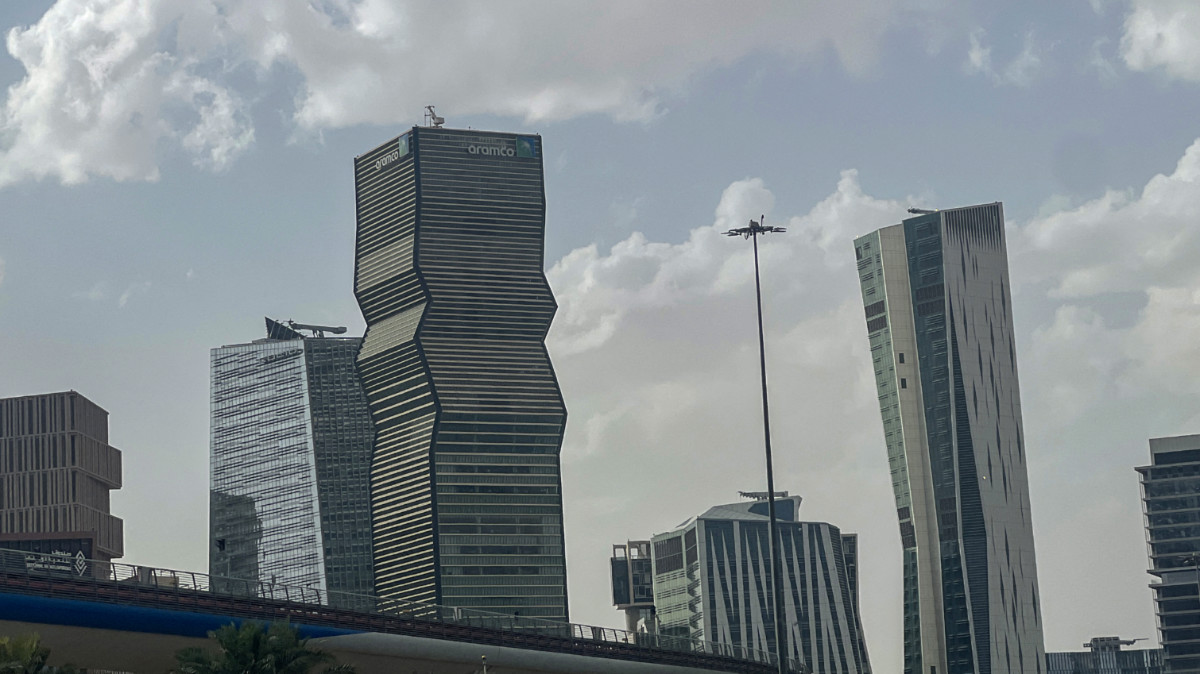
    The largest beneficiaries of the market volatility are some of the world’s most valuable energy firms: Saudi Aramco tops the list with a projected $25.5 billion in extra profits by year’s end, followed by Kuwait Petroleum Corp. at $12.1 billion and U.S. energy giant ExxonMobil at $11 billion.

    These windfalls are not generated through innovation or increased production, the report emphasizes – they are pulled directly from the pockets of everyday households and small businesses. Consumers around the world are already paying steep premiums at the gas pump and for home energy bills, while businesses across all sectors are grappling with spiking operational costs that are often passed on to customers in the form of higher prices for goods and services.

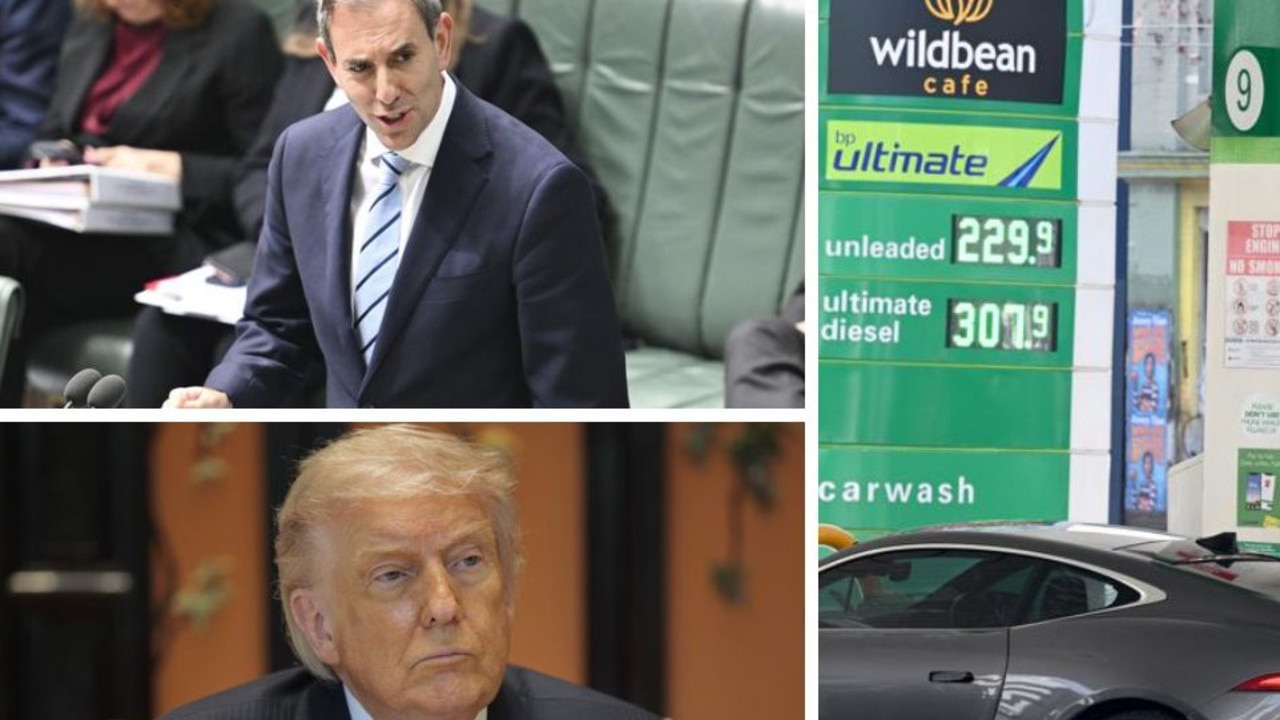
    To soften the blow for their citizens, dozens of governments have been forced to cut fuel taxes, a move that drains public funding earmarked for critical services including healthcare, education, and infrastructure. Nations including Australia, South Africa, Italy, Brazil, and Zambia have all seen public revenue shrink as a result of these emergency tax cuts, the report notes.

    Climate and energy advocates warn the outcome of the Iran conflict is a stark warning about the global economy’s continued dependence on fossil fuels. Patrick Galey, head of news investigations at Global Witness, argued that geopolitical crises repeatedly translate to record gains for major oil producers while ordinary communities absorb all the risk and cost. “Until governments kick their fossil fuel addiction, all of our spending power will be held hostage to the whims of strongmen,” Galey said.

    For months, climate campaigners have pushed for governments to implement a targeted windfall profits tax on major fossil fuel companies to recoup a portion of these excess gains and deliver relief to struggling consumers. Leading climate action group 350.org recently reiterated this call, arguing that revenue from the tax should be directed toward expanding renewable energy infrastructure to build long-term energy security and lower costs for households.

    Beth Walker, an energy policy analyst with climate think tank E3G, echoed this recommendation, noting that taxing excess oil profits offers a pathway to accelerate the global transition away from fossil fuels. “Governments should use taxes on windfall profits to accelerate the transition to green energy, rather than deepen dependence on fossil fuels,” Walker said.

  • Europe has ‘maybe 6 weeks of jet fuel left,’ energy agency head tells AP

    Europe has ‘maybe 6 weeks of jet fuel left,’ energy agency head tells AP

    In a wide-ranging exclusive interview with the Associated Press from his Paris headquarters, where the iconic Eiffel Tower stretches out beyond his office window, International Energy Agency Executive Director Fatih Birol delivered a stark warning about the unfolding global energy emergency triggered by disrupted oil and gas supplies through the Strait of Hormuz amid conflict between Iran and opposing forces. Birol called this crisis the most severe energy disruption the world has ever confronted, and projected that Europe has only approximately six weeks of remaining jet fuel reserves if the supply blockage continues unabated. If the critical waterway is not reopened to unimpeded commercial shipping, Birol said flight cancellations across Europe could begin appearing in the very near future, as limited fuel supplies force airlines to ground services between major destinations.

    The IEA chief painted a sobering outlook for the global economy, drawing a playful but grim nod to the iconic rock band Dire Straits to illustrate the stakes of the current standoff: “In the past there was a group called ‘Dire Straits.’ It’s a dire strait now, and it is going to have major implications for the global economy.” He emphasized that the duration of the blockade is directly tied to the severity of global economic harm, noting that extended disruptions will drive slower economic growth and stickier inflation around every corner of the world. Consumers everywhere will bear the brunt of the crisis through higher energy costs, he added, with gasoline, natural gas, and electricity prices all poised to climb in the coming weeks if supplies remain constrained.

    Birol stressed that the economic pain from the crisis will not be evenly distributed across the globe. In the earliest stages of the crisis, major Asian economies including Japan, South Korea, India, China, Pakistan and Bangladesh are already on the front lines of the disruption. Most importantly, he noted, the countries that will suffer the most severe harm are often the ones with the least global political clout to shape outcomes. Developing and low-income nations across Asia, Africa and Latin America will feel the worst impacts first, before the crisis spreads fully to Europe and the Americas.

    Beyond the immediate supply crunch, Birol pushed back against the so-called “toll booth” system that Iran has implemented for some commercial vessels transiting the Strait of Hormuz, which allows ships to pass in exchange for a fee. He warned that allowing this arrangement to become a permanent norm would set a dangerous global precedent that other actors could exploit in other critical global chokepoints, including the strategically vital Strait of Malacca that carries a huge share of Asia’s trade. “If we change it once, it may be difficult to get it back,” Birol explained. “It will be difficult to have a toll system here, applied here, but not there.” He closed by stating his clear position that global energy supplies must be allowed to flow without arbitrary restrictions or fees, saying, “I would like to see that the oil flows unconditionally from the point A to point B.”

  • Taiwan’s chipmaker TSMC reports 58% jump in profit, warns about Iran war impacts

    Taiwan’s chipmaker TSMC reports 58% jump in profit, warns about Iran war impacts

    The world’s largest contract chipmaker and a critical supply chain partner for major tech firms including Apple and Nvidia, Taiwan Semiconductor Manufacturing Company (TSMC), has delivered blowout first-quarter financial results, with profit surging nearly 60% year-over-year amid an unrelenting global boom in artificial intelligence that has sent demand for advanced semiconductors soaring.

    Reporting its Q1 2025 earnings on Thursday from its Hong Kong-based press update, TSMC announced a record net quarterly profit of 572.5 billion new Taiwan dollars, equal to approximately $18.1 billion. This figure far outpaced the consensus forecasts from industry analysts, marking a 58.3% increase from the 361.6 billion new Taiwan dollars ($11.5 billion) profit the firm posted in the same quarter one year prior. Sequentially, the result also represented a 13.2% gain compared to TSMC’s final quarter 2024 performance. Revenue for the first three months of the year hit $35.9 billion, an increase of 8.4% from the prior quarter. Looking ahead to the ongoing April-June second quarter, the chipmaker projects revenue will grow further, landing in a range between $39 billion and $40.2 billion.

    The explosive profit growth comes as demand for AI-capable semiconductors continues its upward trajectory across the global tech industry. TSMC, which dominates the market for cutting-edge advanced chips, has responded by ramping up expansion of its manufacturing footprint across three regions: Taiwan, the United States, and Japan. The company’s expansion efforts center on ramping up output of 3-nanometer semiconductors, the most advanced commercial chip node currently available that powers everything from high-end smartphones to AI data center accelerators.

    “AI-related demand continues to be extremely robust,” TSMC Chief Executive Officer and Chairman C.C. Wei stated during the company’s post-earnings press conference Thursday. “Our conviction in the multi-year AI megatrend remains high, and we believe the demand for semiconductors will continue to be very fundamental.”

    To meet this sustained projected demand, TSMC has locked in massive expansion commitments, including a $165 billion plan to build new fabrication facilities in Arizona. On Thursday, the company confirmed that its total capital spending over the next three years will be “significantly higher” than spending over the past three years as it scales up capacity. Earlier, the firm already announced it would raise its 2025 capital expenditure budget to a range of $52 billion to $56 billion, up from roughly $40 billion in 2024. Officials now expect 2026 capital spending will land toward the upper end of that annual range.

    Even with the strong results and optimistic outlook for AI demand, TSMC did flag growing risks stemming from the ongoing Iran war, which has roiled global energy and commodity markets. The conflict has pushed up input costs across global supply chains, and disrupted global supplies of critical manufacturing inputs including specialty chemicals and helium, a rare gas that is essential to multiple chipmaking processes.

    Wendell Huang, TSMC’s Chief Financial Officer, noted that while rising costs tied to the Iran conflict could put downward pressure on profit margins in coming quarters, the company has proactively built up safety stock of key materials including helium. Huang added that the firm does not expect any immediate disruption to its manufacturing operations as a result of the ongoing market volatility.