BERLIN – As one of the world’s largest automakers works to reverse slipping operational and financial performance, Volkswagen Group CEO Oliver Blume has firmly signaled that plant shutdowns are not on the table as part of the company’s ongoing restructuring efforts. In comments published Sunday by German newspaper Bild am Sonntag, Blume emphasized that more strategic alternatives exist compared to shuttering domestic facilities, amid growing market pressure and internal cost-reduction targets. Headquartered in Wolfsburg, Germany, Volkswagen currently navigates two major headwinds: mounting internal pressure to slash operational costs at its home base in Germany, and rapidly intensifying competition from local and global rivals in the high-value Chinese electric and internal combustion vehicle market. Just last week, the automaker announced that its three-year long “fundamental realignment” initiative has entered its next critical phase, revealing plans to cut its global model lineup by as much as 50 percent to streamline production and reduce overhead. The company did not release detailed breakdowns of which models would be cut, or what additional cost-cutting measures would be implemented, leaving industry analysts and stakeholders guessing about the future of several of Volkswagen’s German production facilities. “There are more intelligent solutions than closing plants,” Blume told the outlet. The CEO added that ongoing cost-reduction programs at Volkswagen’s German factories have already started delivering tangible results, noting that “we were able to improve our factory costs in Germany by an average 20% last year alone.” Blume characterized that 20 percent reduction as “strong progress” for the company’s restructuring goals. Blume also acknowledged that while consumer demand for Volkswagen’s broad portfolio of vehicles remains robust, the company’s profit margins on those products are far lower than leadership targets. “Volkswagen’s products are very popular, but we just earn too little money with them,” he explained. “So we must continue to reduce our costs. In all kinds of costs.” The comments come as global automakers across the industry face shifting consumer demand, rising raw material costs, and steep investment requirements for the transition to electric vehicles, forcing many legacy manufacturers to implement broad restructuring efforts to remain competitive.
分类: business
-
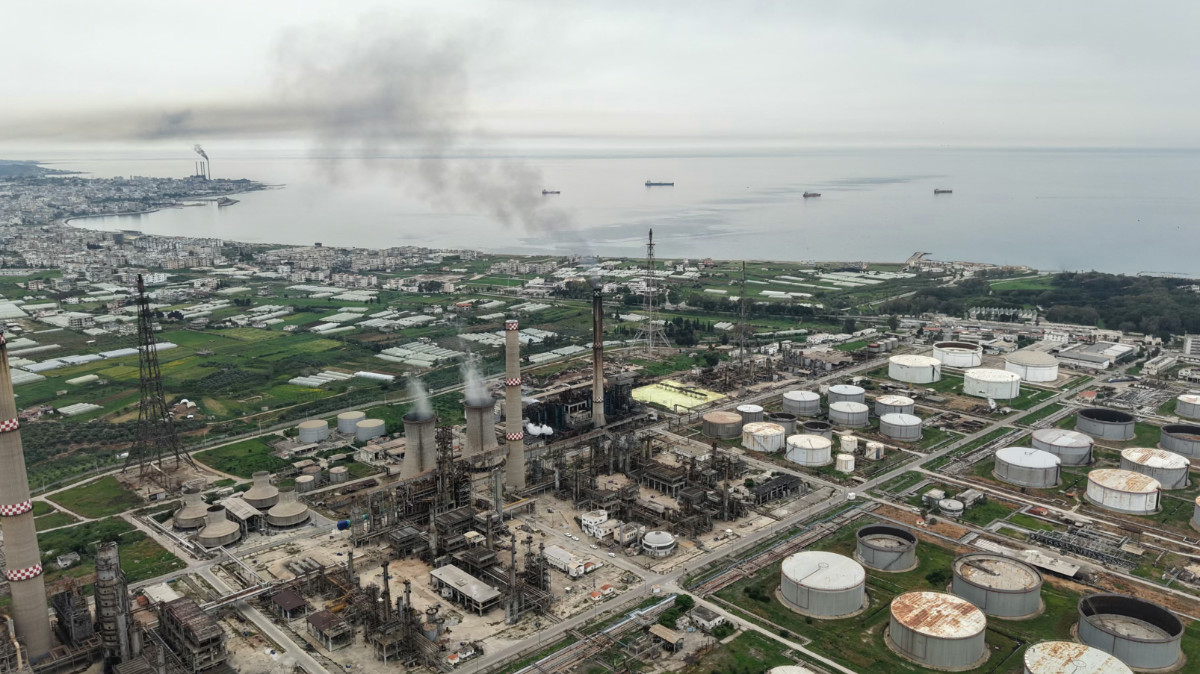
Exclusive: Syria, Iraq and US plan to unveil Mediterranean pipeline deal to bypass Strait of Hormuz
A landmark transnational energy project is set to move forward after senior Iraqi and regional officials confirmed to Middle East Eye that Iraq, Syria and the United States have reached an agreement to reactivate the decades-old Kirkuk-Baniyas oil pipeline, a 500-mile corridor stretching from northern Iraq’s major oil fields to Syria’s Mediterranean coastline. The initiative is framed explicitly as a strategy to reduce Iraq’s overreliance on the Strait of Hormuz, where Iran has tightened control amid escalating regional tensions tied to the US-Israeli war. The formal unveiling of the agreement is scheduled for next week, during Iraqi Prime Minister Ali al-Zaidi’s upcoming visit to the White House for talks with US President Donald Trump, sources confirmed.
Leading the behind-the-scenes negotiations on the US side is Tom Barrack, Trump’s ambassador to Turkey and special envoy for Syria and Iraq, who has spent weeks ironing out project details ahead of Zaidi’s trip, which will also include a stop in Texas, America’s core energy production hub. Senior Iraqi sources tell MEE that Barrack has built a strong working partnership with Zaidi, and frames the pipeline project as a blueprint for future US-aligned commercial development across the Levant that would deliver mutual benefits to Washington and regional host governments.
Originally completed in 1952 by the Iraq Petroleum Company, the pipeline was built to carry up to 300,000 barrels of crude oil per day. It was shut down by Baghdad in the 1980s after Syria aligned with Iran during the Iran-Iraq War, then suffered extensive damage following the 2003 US-led invasion of Iraq, leaving it completely non-functional for decades.
Extensive modernization and reconstruction work will be required to bring the corridor back online, including new storage infrastructure, upgraded pumping stations and replacement electrical systems. One senior regional official told MEE that a full, wholesale replacement of the aging pipeline is the most likely path forward, with a total construction timeline of two to three years. The official added that a consortium of US energy firms has already been assembled to lead the reconstruction effort, a clear signal of the US government’s commitment to advancing the project.
Initial discussions between Baghdad and the new Syrian government to revive the pipeline first emerged in late 2024, shortly after Islamist militias loyal to Syrian President Ahmed al-Sharaa ousted long-time ruler Bashar al-Assad. Those early talks failed to gain sufficient momentum to move forward, until shifting regional dynamics created new urgency for the project.
That urgency stems directly from Iran’s expanding control over the Strait of Hormuz amid the ongoing regional war. In recent months, Iraq has relied on small-scale crude exports via tanker trucks crossing into Syria, but volumes have been far too low to meet Baghdad’s revenue needs.
“Iraq has started to see Syria in a different light,” independent Iraqi analyst Sarhang Hamasaeed told MEE. “Prior to the war, there was deep skepticism. The reality of the war made it clear that Iraq needs Syria as an alternative export route.”
Regional sources confirm that Syrian Foreign Minister Asaad al-Shaibani will travel to the US to attend the official signing ceremony for the pipeline agreement. The project comes amid a sweeping reset in US-Syria relations: after al-Sharaa toppled Assad, he aligned with Washington, and now enjoys strong backing from Turkey and Gulf powers including Qatar and Saudi Arabia. The Trump administration has already rolled back multiple layers of sanctions on Syria, including sanctions on al-Sharaa’s former rebel group Hay’at Tahrir al-Sham (HTS), which evolved from al-Qaeda’s former Syrian affiliate al-Nusra Front.
Last week at a NATO summit in Ankara, Trump issued unusually public praise for al-Sharaa, calling him “fantastic” and “highly respected”. The US also announced last week it would remove Syria from its list of State Sponsors of Terrorism, a designation the country had held since 1979. The delisting clears a major regulatory hurdle for US firms to participate in the pipeline project.
Earlier this month, the Iraqi government already approved a preliminary agreement for US firms Capital TI and Chevron, alongside a Qatari energy company, to explore development of both the original Kirkuk-Baniyas route and a second line from the Iraqi oil hub of Haditha in Anbar Province to Baniyas.
For Iraq, the stakes of the project could not be higher. Roughly 95% of Iraq’s oil exports currently flow through the Strait of Hormuz, leaving the country extremely vulnerable to Iran’s chokehold on the waterway. Data from energy analytics firm Vortexa released last month shows that Iraq’s seaborne oil exports in May fell to just 8% of the 2024 average. With oil sales accounting for 90% of the Iraqi government’s annual budget, the disruption has created a severe fiscal crisis for Baghdad, making an alternative export route a matter of national economic survival.
Baghdad’s ruling coalition is dominated by Shia political parties and militias with close ties to Iran, which have historically been wary of partnering with al-Sharaa, a Sunni leader with a history as a hardline Islamist insurgent. But the acute economic pressure from disrupted Hormuz exports has pushed Baghdad to prioritize the project despite internal opposition.
-
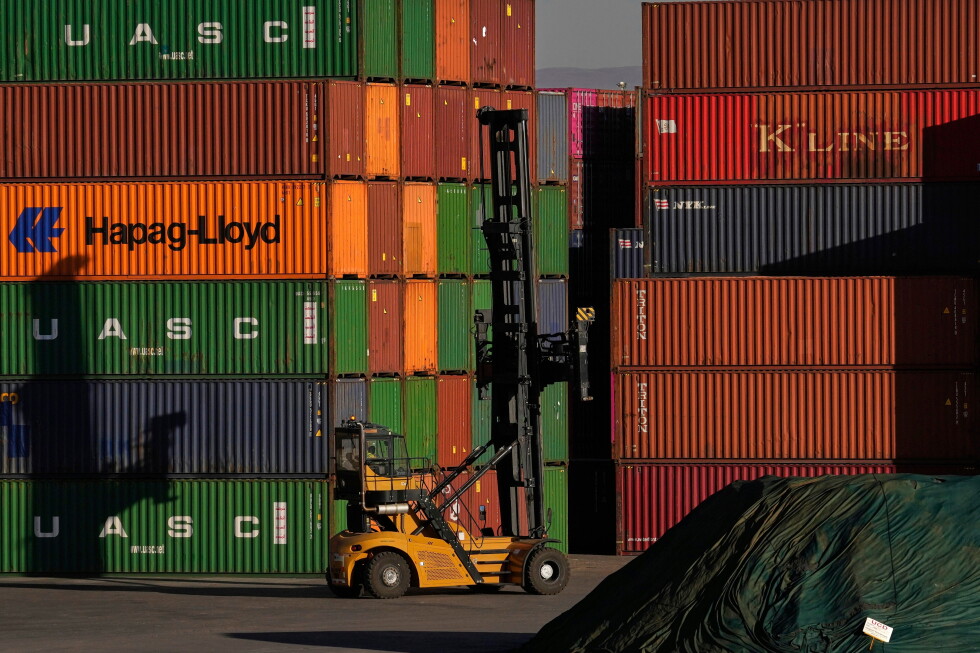
South Africa seeks tariff exemption as US probes forced labor tied to imports
JOHANNESBURG – As tensions between the United States and South Africa continue to simmer over bilateral trade and foreign policy, Pretoria has formally pushed Washington to grant it an exemption from planned punitive tariffs tied to a sweeping U.S. trade probe into forced labor import bans across dozens of nations. South Africa’s core argument rests on its existing, robust legal framework that strictly bans the use of forced labor in domestic production and imports.
This week, a high-level delegation from South Africa’s Department of Trade, Industry and Competition presented Pretoria’s case to the Office of the U.S. Trade Representative (USTR) in Washington D.C. The appearance comes as part of USTR’s ongoing Section 301 investigation, which assesses whether 60 major global economies enforce sufficient restrictions on imports of goods produced with forced labor.
During the hearing, the South African delegation emphasized that the country has ratified all core International Labour Organization (ILO) conventions that prohibit forced labor. It also highlighted that Pretoria has already enacted domestic legislation granting law enforcement authorities the power to seize and block any imports manufactured through forced labor practices. Beyond that, South African law already explicitly bans the production of goods via prison labor, closing a key loophole that investigators often flag in other jurisdictions.
The delegation made a specific push to block USTR’s proposed 12.5 percent tariff on South African exports to the United States, calling for full exemptions for the country’s most critical export sectors. These key goods include platinum group metals, passenger and commercial vehicles, citrus produce, seafood, wine, and tree nuts, with the delegation noting there is no credible evidence linking any of these products to forced labor.
The request comes amid a period of growing friction in trade and diplomatic relations between Washington and Pretoria. Over the past several years, the two partners have faced repeated disagreements over existing tariffs, Pretoria’s domestic economic policies, and clashing stances on global conflicts – most recently the 2023-2024 war in Gaza.
For decades, South Africa has enjoyed duty-free access to the huge U.S. consumer market under the African Growth and Opportunity Act (AGOA), a preferential trade program designed to boost economic development across sub-Saharan Africa. The initiative has supported billions of dollars in annual exports from the region, but its future remains uncertain as it is set to expire imminently without reauthorization from the U.S. Congress.
South African Trade Minister Parks Tau reaffirmed that the United States remains one of South Africa’s most important trading partners, and that Pretoria will maintain constructive, ongoing engagement with Washington both on the Section 301 probe and other outstanding trade disputes. These include longstanding U.S. tariffs on South African steel, aluminum, and automobile exports.
Following this week’s hearing, USTR has opened a window for additional public and official submissions, due by Thursday, before the agency moves to a final decision on the proposed tariffs and exemption requests.
-
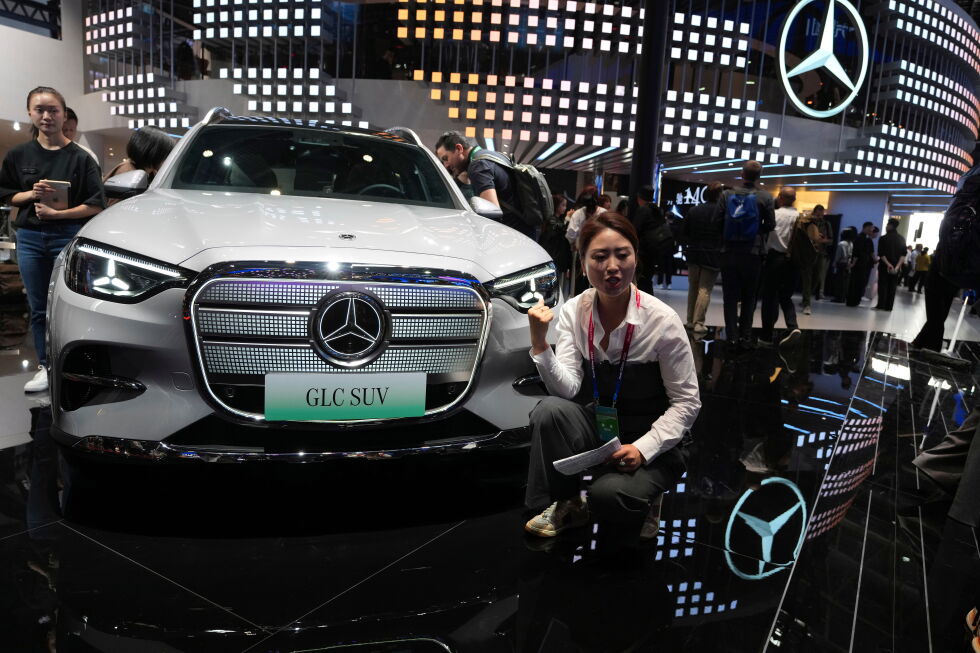
Major German carmakers hit by steep China sales plunge as competition heats up
The world’s largest automotive market, China, has delivered a sharp blow to top German automakers, with the April-June quarter of this year seeing double-digit sales declines that have hit global profit margins and forced strategic overhauls for major brands.
Newly released corporate data from the past week reveals that all four leading German brands — Volkswagen, Mercedes-Benz, BMW, and Porsche — suffered year-on-year sales drops between 30% and 41% in the second quarter alone. For the first half of 2024, the decline extended across all four manufacturers, with each reporting a year-on-year fall of more than 20% in Chinese deliveries. These slumps have squeezed overall corporate profits, in many cases erasing sales and revenue gains secured in other regional markets around the world.
The downturn in China comes at a particularly challenging moment for these legacy European automakers, who now face rising competition from Chinese brands not only in China but also in overseas markets, including their home region of Europe. Chinese EV leader BYD has already made significant inroads into European markets, challenging the historical dominance of German brands in their core segments.
Industry analysts note that the latest quarterly declines are among the most severe recorded by German automakers in modern Chinese market history. For example, Volkswagen Group, which has staked its long-term growth on heavy investment in the Chinese market, reported a 36.6% drop in second-quarter deliveries, totaling 424,300 vehicles. This decline was severe enough to drag the group’s global sales down 8.6% year-on-year, even as Volkswagen recorded delivery growth in both the European and North American markets. In response to the steep drop, Volkswagen has announced plans to cut its existing model lineup by as much as half to streamline operations and cut costs.
Multiple overlapping factors have driven the slump in sales for foreign automakers. China’s ongoing economic slowdown and prolonged downturn in the property sector have weighed heavily on consumer confidence, pushing many households to delay large-ticket purchases like new vehicles. Within the auto market itself, years of aggressive price competition have put established European brands under severe pressure, as cost-conscious consumers increasingly shift to more affordable models from domestic Chinese manufacturers.
Official industry data underscores the scale of the market contraction: the China Association of Automobile Manufacturers reports that total domestic passenger vehicle sales fell 24% year-on-year in the first half of the year, dropping to just under 8.3 million units. Global consultancy AlixPartners projects that full-year 2024 light vehicle sales across China will decline by roughly 10% from 2023 levels.
Beyond weak consumer demand, structural shifts in the Chinese auto market are working against German manufacturers. Unlike domestic Chinese brands, which have prioritized rapid expansion in the fast-growing electric vehicle (EV) segment, German automakers still retain their core strength in conventional internal combustion engine (ICE) vehicles, a segment that is contracting far faster than the overall market in China, where EV sales have outpaced ICE vehicle growth by a wide margin.
Chinese brands also hold an additional operational advantage: they refresh their model lineups far more frequently than foreign legacy manufacturers, allowing them to respond faster to shifting consumer preferences and introduce new technology at a quicker pace.
“Foreign automakers are going to have to fight for every share of the market,” Stephen Dyer, Asia-Pacific leader of the automotive practice at AlixPartners, noted in a recent news briefing. Independent auto analyst Lei Xing echoed this assessment, saying, “The German automakers are bearing most of the brunt” of the current market downturn and competitive shift, a sentiment echoed by brand representatives. Porsche, a Volkswagen Group subsidiary, described China’s current market conditions as “challenging” in an official statement, while Mercedes-Benz acknowledged that China is facing “a significantly weaker overall market and macroeconomic environment.”
-
UAE oil production hits record high after leaving Opec
The United Arab Emirates has reached an unprecedented all-time high in crude oil production just one month after withdrawing from the Saudi-led Opec alliance, new data shows, as the Gulf producer shrugs off geopolitical risks surrounding Iranian control of the Strait of Hormuz to seize full advantage of its new market autonomy.
In a recently published report released Friday, data from the International Atomic Energy Agency confirms the UAE pumped 4.1 million barrels of crude per day in June. This marks a dramatic 600,000 barrel per day increase over the country’s 2025 average production of 3.5 million bpd, and it outstrips the UAE’s prior record output of 4 million bpd set in 2020, a period when the Opec+ alliance was fractured by a brutal price war between Saudi Arabia and Russia.
The sharp production surge aligns with longstanding assessments from energy analysts that Abu Dhabi had long felt constrained by production quotas set under Saudi leadership within Opec. Over recent years, the UAE has poured billions of dollars into expanding its total oil production capacity, but repeatedly raised objections to Saudi Arabia’s coordinated supply cuts, which were designed to prop up global crude prices and blocked the UAE from maximizing its output.
Abu Dhabi formalized its exit from Opec in May, a move that came amid a broader rift with Saudi Arabia that extends beyond energy policy to include sharp disagreements over conflicts in Yemen and Sudan, as well as diplomatic stances toward Israel. The withdrawal has already drawn public approval from the Trump administration, which has prioritized keeping global energy prices stable amid the ongoing US-Israeli military campaign against Iran.
Geopolitical turmoil surrounding the Strait of Hormuz, a critical chokepoint through which roughly 20% of global oil supplies transit, has stirred widespread market volatility since the outbreak of the war in late February. At the peak of tensions earlier this year, when both Iran and the U.S. imposed blockades on the waterway, international benchmark Brent crude climbed above $100 per barrel. Contrary to the worst-case price spikes many analysts predicted, however, crude markets stabilized far faster than forecast.
Analysts attribute the contained price growth to two key factors: a historic release of strategic petroleum reserves from Western nations, and a 30% cut to China’s crude import volumes, which reduced overall global demand. This combination of expanded supply and softened demand has acted as a critical buffer for the fragile global economy, though the market has not been entirely unscathed: prices for key refined products including liquefied petroleum gas, diesel, and jet fuel have rallied significantly. Additionally, Asian energy buyers, who rely heavily on Gulf oil exports, have faced far steeper price hikes than customers in the United States and Western Europe.
The IAEA’s report also notes that while crude volumes are returning to global markets from the Gulf, refined product exports from the region remain less than 50% of pre-war levels. Despite this, the UAE’s ability to maintain consistent oil exports underscores its success in mitigating risks from Iranian control of the Strait of Hormuz.
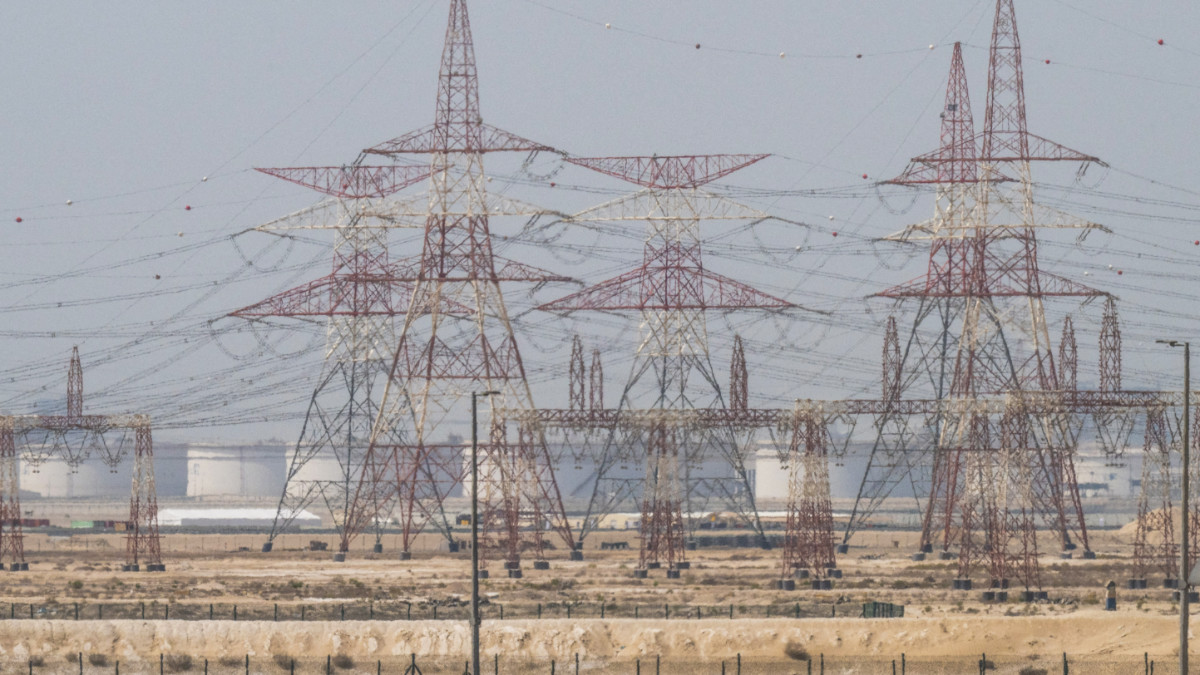
The UAE operates a crude oil pipeline that bypasses the Strait of Hormuz entirely, delivering oil to the export terminal at Fujairah Port on the country’s east coast. The route is not entirely risk-free, however, as it remains vulnerable to potential Iranian drone attacks. In a June report, Reuters revealed the UAE paid billions of dollars to Iran in exchange for a halt to cross-border attacks, a major policy reversal for the country, which had joined the U.S. and Israel in launching dozens of strikes on Iranian targets since the outbreak of the war.
Maritime intelligence sources add that the UAE has also moved oil through the Strait of Hormuz using so-called “dark vessels” that operate with their automatic identification transponders turned off to hide their movements. The country has built its own dedicated fleet of oil tankers for these operations, and has also secured capacity from independent shipowners willing to accept the risk of Iranian strikes in exchange for far higher shipping rates.
-
Global oil demand is dropping, but US drivers keep buying more gas
NEW YORK – The International Energy Agency (IEA) has projected that global oil demand will experience an annual decline in 2026, marking the first such drop since the peak of the COVID-19 pandemic in 2020. The projected contraction, estimated at 1 million barrels per day for the full year, stems from elevated energy prices and unevenly distributed supply disruptions rooted in the ongoing conflict between the United States and Iran.
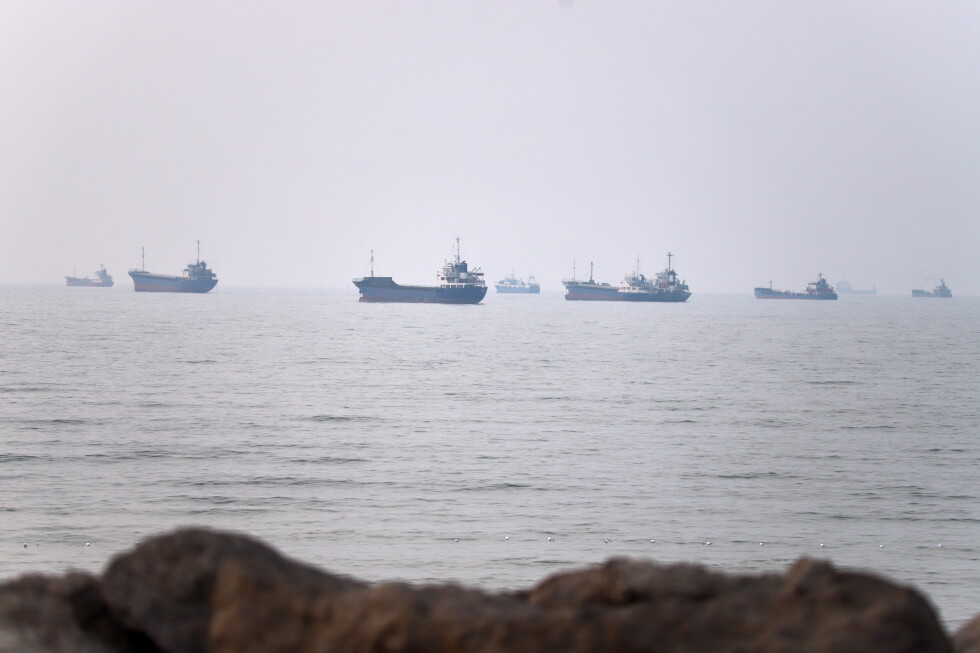
The core of the supply disruption centers on the Strait of Hormuz, the world’s most critical chokepoint for global oil and gas shipments. For more than three months, dozens of crude-laden tankers have remained stranded in the Persian Gulf, unable to traverse the waterway safely amid heightened hostilities between the two nations. Today, the strategic passage faces greater uncertainty than at the outbreak of the conflict, according to Jim Burkhard, vice president and head of crude oil research at S&P Global Energy. He noted that while Iran continues efforts to assert full control over the strait, the U.S. has failed to reestablish pre-war shipping norms, making a full return to baseline operations increasingly unlikely.
Recent demand data underscores the severity of the slowdown. Global average oil demand hit 97.9 million barrels per day in May 2026, a 5.3 million barrel per day drop from the same period one year prior. The steepest declines have been concentrated in Asia, a region heavily dependent on Middle Eastern energy imports. China alone accounts for a 1.5 million barrel per day reduction in demand – a 9% year-over-year drop, the largest of any major global economy.
China’s demand cutback stems from a deliberate policy decision to draw down its large strategic reserves rather than purchase crude at inflated market prices during the spring crisis, Burkhard explained. The country cut its crude import volumes by roughly 50 percent, temporarily halting additions to its strategic petroleum reserve that had previously averaged nearly 1 million barrels per day, according to Daniel Sternoff, senior fellow at the Center on Global Energy Policy at Columbia University. The conflict has also accelerated existing demand trends tied to China’s rapid electric vehicle adoption, which is cutting into gasoline and diesel consumption. Sternoff projects that China could see a permanent reduction of between 500,000 and 600,000 barrels per day in road fuel demand from this transition alone.
Counter to the global trend, the United States has seen unexpected growth in gasoline consumption during the second quarter of 2026, even as average pump prices rose 50% above pre-war levels to top $4.50 per gallon of regular gasoline in May, AAA data shows. Analysts point to two key factors for this anomaly: the share of U.S. household income devoted to gasoline has trended downward for decades, meaning even large price increases have a muted impact on driving behavior for most consumers. Additionally, the ongoing shift from remote work back to in-office office commutes has increased overall travel demand, offsetting any pullback from price sensitivity. “Even though it’s a really political price that people pay a lot of attention to, if you are in the higher quintiles of income in the U.S., you might grumble about it, but you’re not really driving less just because of that increase in prices,” Sternoff said.
The conflict has also created a paradoxical dynamic in global oil pricing that has prevented the sharp price spikes many market observers initially predicted. A fragile ceasefire reached in June allowed stranded tankers to exit the Strait of Hormuz, flooding the market with additional crude and pushing prices lower. Even when tensions escalated again earlier this month, prices failed to spike, as the conflict has settled into a predictable “gray zone” that no longer shocks markets, according to Burkhard. Reduced overall global demand, led by China’s cutbacks, has also kept upward price pressure in check. Additional supply-side constraints have hit downstream markets: multiple Russian refineries have been knocked offline by Ukrainian drone strikes, and Middle Eastern refining capacity remains damaged from the wider regional conflict, leaving refined product prices for gasoline and diesel far more inflated than crude prices. “There’s this gush of supply of crude oil being made available to the market, and there’s simply less demand for that crude oil,” Burkhard summed up.
-

Volkswagen sales plunge as German automaker lays out plan to slash number of brands
BERLIN — Global automotive giant Volkswagen has disclosed steep second-quarter sales declines, headlined by a dramatic 30%-plus drop in its largest single market, China, just one day after announcing sweeping restructuring plans that could cut its model lineup by nearly half to counter slumping demand. Headquartered in Wolfsburg, Germany, the company reported Friday that total group deliveries fell 8.6% year-over-year in the three months ending June, reaching just under 2.1 million vehicles. Most of its major premium and mass-market brands recorded double-digit or notable single-digit declines: the core Volkswagen brand saw deliveries drop 14% to just over 1 million units, Audi slipped 8%, and Porsche fell 18%. Outliers included its supercar brand Lamborghini, Czech automaker Skoda, and its commercial trucks division, which all posted modest delivery gains. Regionally, sales also grew across the Americas and Europe, but these gains were not enough to offset the collapse in Chinese demand.
The restructuring announcement came Thursday following a meeting of Volkswagen’s board of directors, marking the next stage of a three-year company-wide “fundamental realignment” designed to adapt to a rapidly shifting global auto market. CEO Oliver Blume outlined that the overhaul will focus on cutting operational complexity, concentrating investment on core automotive technologies, aligning product strategies more closely to regional market needs, and trimming excess production capacity. Blume framed the changes as a necessary response to what he called an “increasingly demanding environment” for global automakers.
Volkswagen specifically called out a series of interconnected industry pressures that have built up over the past 12 months: escalating geopolitical tensions, rising input and operational costs driven largely by new tariffs, stricter emissions and regulatory requirements around the world, and intensifying competition from both established and new market players. As recently as last December, the company was making large, high-stakes investments in China to grow its market share, but local electric vehicle manufacturers have rapidly captured growing market share, leaving Volkswagen scrambling to catch up amid cutthroat competition.
Industry analysts have reacted with skepticism to the company’s restructuring claims. Research firm BernsteinSG noted in a client note published after Thursday’s announcement that Volkswagen’s claim to be extending its technology leadership is likely to draw doubt, given the far faster pace of innovation from the Chinese EV manufacturers that are displacing it in its once-secure Chinese market.
The restructuring plans have also sparked pushback from Volkswagen’s workforce. Hundreds of employees gathered outside the company’s EV-only plant in Zwickau on Thursday to protest the proposed changes, demanding formal job protections and opposing rumored plans to shut down the facility.
-
EasyJet agrees to rival £5.7bn takeover bid
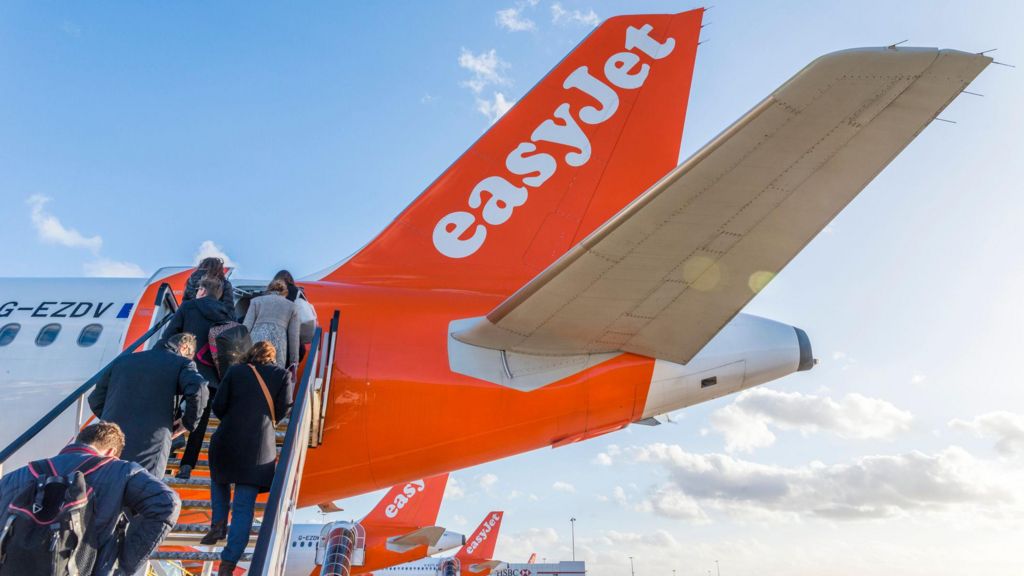
One of Europe’s largest budget carriers, Luton-headquartered EasyJet, has announced a major shift in its takeover stance, confirming it has backed a preliminary £5.7 billion acquisition proposal from U.S.-based alternative investment firm Apollo Management. The decision comes just days after the airline agreed in principle to a lower bid from competing U.S. investment group Castlelake.
In an official statement released this week, EasyJet’s board noted that Apollo’s offer of £7.15 per share delivers a far better result for shareholders compared to Castlelake’s previous proposal of £6.90 per share, which valued the carrier at roughly £5.2 billion. The board added it is now “no longer minded” to move forward with the Castlelake offer, ending days of back-and-forth bidding for the leading no-frills airline.
Founded and based in the United Kingdom, EasyJet operates more than 1,200 routes across 35 European countries, employs over 19,000 workers, and remains a cornerstone of European short-haul air travel. The latest development does not mean a final acquisition deal is locked in, however. Under UK takeover rules, Apollo has been given until 5:00 PM GMT on August 7 to submit a formal binding bid or withdraw from the process entirely, while Castlelake’s deadline for a firm offer is set for August 3.
The bidding war traces back to multiple initial approaches from Castlelake, all of which were rejected outright by EasyJet’s board. The airline previously accused the U.S. firm of attempting to acquire the company “on the cheap,” arguing that Castlelake’s bids were “highly opportunistic” and took advantage of a temporarily depressed share price. EasyJet noted that its stock had dropped to £3.94 per share by May 28 — the last trading day before takeover speculation became public — partially driven by travel sector volatility tied to geopolitical tensions over the Iran conflict. Apollo’s current offer represents an 81% premium over that May 28 share price.
A key regulatory hurdle remains for any potential takeover of EasyJet: European Union rules mandate that the airline must be majority-controlled by EU citizens to retain its operating rights across the bloc. To address this requirement, Castlelake had already arranged a partnership with two EU-based businessmen, former Ryanair and EasyJet executive Peter Bellew and industry veteran Mark Breen. The pair would hold majority control of the airline through an EU-registered holding company under Castlelake’s original proposal. It remains unclear how Apollo plans to structure its bid to comply with the same ownership rules, as the firm has not yet released details of its regulatory compliance strategy.
Market analysts note that the competing bids for EasyJet highlight growing investor interest in European travel infrastructure as the sector continues to recover from the aftermath of the COVID-19 pandemic, with low-cost carriers emerging as particularly attractive targets for global investment firms seeking stable long-term returns.
-

Administrators appointed for Logan Paul and KSI’s Prime drinks brand’s Australian company
The Australian subsidiary of global beverage firm Congo Brands, best known for distributing the viral influencer-backed Prime sports drink co-created by YouTube stars Logan Paul and KSI, has entered voluntary administration, marking a dramatic collapse for a brand that once took the country’s youth market by storm.
Alice Fay Ruhe from Australia’s The Ruhe Group was appointed this week to take over oversight of Congo Brands Australia, with the first meeting of the company’s creditors scheduled to take place next Friday. Beyond Prime, the local entity also manages Lunchly, a snack brand co-founded by another top social media creator, MrBeast.
First launched in Australia in 2022, Prime quickly exploded in popularity, fueled by massive social media hype from its high-profile co-founders. The caffeinated beverage and sports drink line developed a cult following among Australian schoolchildren, with reports of empty shelves and resold bottles marked up far beyond their retail price in the brand’s early months.
But newly released financial filings tell a story of rapid decline. In its last financial report lodged with the Australian Securities and Investments Commission (ASIC) in September 2024, Congo Brands Australia revealed that annual sales had plummeted by 50% year-over-year, dropping from $31 million in the prior fiscal year to just $14.5 million. The Melbourne-based business posted a net loss of $1.42 million for the 2024 financial year, with total liabilities reaching $7.92 million against a mere $84,855 in available cash holdings.
The company’s inventory also shrank drastically between 2023 and 2024, falling from $28.9 million to just $1.7 million, including a $4.57 million write-down of unsold stock that reflected collapsing consumer demand.
Congo Brands Australia is currently led by Max Clemons, the US-based founder of the parent Congo Brands, and local director Peter Davison. The 2024 financial filing notes that the Australian arm has historically relied on financial backing from the company’s global holding group, headquartered in Kentucky, to meet its payment obligations, and that the parent company had issued a public commitment to support the local subsidiary “for the foreseeable future.”
The move to appoint administrators comes after major Australian packaging firm Orora Group launched a Federal Court lawsuit in June to force Congo Brands Australia into liquidation over unpaid outstanding debts. While full details of the legal dispute remain private, wind-up applications are almost always filed by creditors seeking to recover unpaid funds when a borrower fails to meet its financial obligations. A court hearing for the case is scheduled for July 31.
-

Two more interest rate hikes to hit households in 2026, leading economist warns
Australian households with home mortgages are bracing for fresh financial strain, as a top leading economist has predicted the Reserve Bank of Australia (RBA) will implement two additional interest rate increases in the coming months as it fights persistent above-target inflation.
Luci Ellis, Westpac Banking Corporation’s chief economist and a former three-decade veteran of the RBA, says incoming inflation data will likely clear the way for rate hikes in both August and September 2026. Her forecast for an August move hinges entirely on the June quarter Consumer Price Index (CPI) data, scheduled for public release on July 29.
Ellis noted that the RBA’s recent public communications from senior officials, including remarks from RBA chief economist Sarah Hunter delivered earlier this month, strongly signal that the central bank’s next policy move will be upward. “Recent messaging from RBA staff through the June meeting minutes and public speeches has made clear that policymakers lean hawkish on inflation risks, and prefer to front-load aggressive policy responses rather than delay action,” Ellis explained. “The near-term trajectory for the official cash rate remains firmly tilted toward increases, and our confidence in an August hike has grown significantly, pending confirmation from the upcoming CPI print.”
Even with a rate increase in August, Ellis warns that one move will likely not be enough to bring inflation under the RBA’s control, leaving a second hike in September on the table as her base case scenario. While she acknowledges there are plausible scenarios where the second increase is delayed or canceled entirely, she added that the RBA’s Monetary Policy Board is likely to remain focused on taming inflation even if economic activity slows in the middle of the year as forecast.
Australia’s inflation has stayed stubbornly above the RBA’s target range of 2 to 3 percent for years. Latest data from the Australian Bureau of Statistics puts annual headline inflation at 4 percent for the 12 months to May 2026, down slightly from 4.2 percent in April but still well above target. The RBA’s closely watched trimmed mean inflation rate, which excludes volatile price swings for food and energy to show underlying inflation pressure, hit 3.6 percent annualized in May – also far above the central bank’s goal.
The RBA currently projects that inflation will not return to its target range until 2028, a timeline that has kept policymakers pushing for tighter monetary policy. Already in 2026, the central bank has raised interest rates at three out of four of its policy meetings, pushing the official cash rate up from 3.60 percent to the current 4.35 percent. If Ellis’s forecast holds, the cash rate will reach 4.80 percent by the end of September, marking the highest level in more than a decade.
Compounding the pain for borrowers, Ellis says the RBA is also likely to delay any future rate cuts after this round of hikes, drawing on the central bank’s recent negative experience with early rate cuts. In 2025, the RBA cut rates three times to bring the cash rate down to 3.60 percent, only to be forced to reverse course and raise rates again in 2026 when domestic inflation rebounded quickly. “The RBA is now ‘once bitten, twice shy’ after the 2025 experience, when inflation bounced back almost immediately after it started cutting rates,” Ellis said. “It will not move to cut rates pre-emptively, and will hold borrowing costs higher for longer to avoid repeating that mistake.”
Even with that more hawkish posture, Ellis has shifted her forecast for the first rate cut forward to August 2027, earlier than her prior prediction of early 2028, as she expects inflation will gradually cool over the coming years. For cash-strapped mortgage holders already grappling with years of rising repayment costs, the forecast of two more hikes and delayed cuts means a longer period of financial strain before any relief arrives.