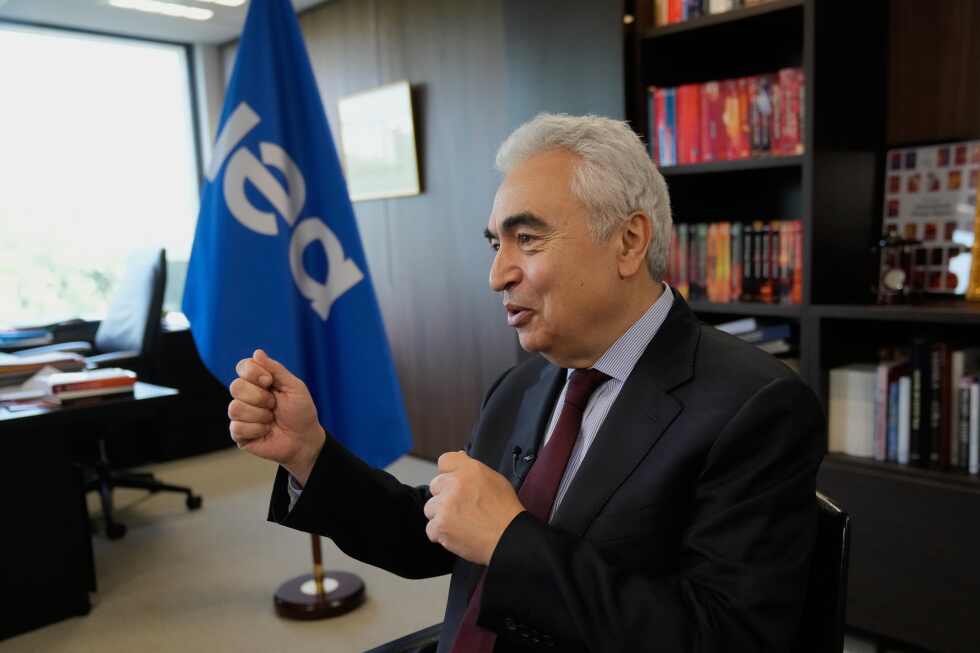
In a wide-ranging exclusive interview with the Associated Press from his Paris headquarters, where the iconic Eiffel Tower stretches out beyond his office window, International Energy Agency Executive Director Fatih Birol delivered a stark warning about the unfolding global energy emergency triggered by disrupted oil and gas supplies through the Strait of Hormuz amid conflict between Iran and opposing forces. Birol called this crisis the most severe energy disruption the world has ever confronted, and projected that Europe has only approximately six weeks of remaining jet fuel reserves if the supply blockage continues unabated. If the critical waterway is not reopened to unimpeded commercial shipping, Birol said flight cancellations across Europe could begin appearing in the very near future, as limited fuel supplies force airlines to ground services between major destinations.
The IEA chief painted a sobering outlook for the global economy, drawing a playful but grim nod to the iconic rock band Dire Straits to illustrate the stakes of the current standoff: “In the past there was a group called ‘Dire Straits.’ It’s a dire strait now, and it is going to have major implications for the global economy.” He emphasized that the duration of the blockade is directly tied to the severity of global economic harm, noting that extended disruptions will drive slower economic growth and stickier inflation around every corner of the world. Consumers everywhere will bear the brunt of the crisis through higher energy costs, he added, with gasoline, natural gas, and electricity prices all poised to climb in the coming weeks if supplies remain constrained.
Birol stressed that the economic pain from the crisis will not be evenly distributed across the globe. In the earliest stages of the crisis, major Asian economies including Japan, South Korea, India, China, Pakistan and Bangladesh are already on the front lines of the disruption. Most importantly, he noted, the countries that will suffer the most severe harm are often the ones with the least global political clout to shape outcomes. Developing and low-income nations across Asia, Africa and Latin America will feel the worst impacts first, before the crisis spreads fully to Europe and the Americas.
Beyond the immediate supply crunch, Birol pushed back against the so-called “toll booth” system that Iran has implemented for some commercial vessels transiting the Strait of Hormuz, which allows ships to pass in exchange for a fee. He warned that allowing this arrangement to become a permanent norm would set a dangerous global precedent that other actors could exploit in other critical global chokepoints, including the strategically vital Strait of Malacca that carries a huge share of Asia’s trade. “If we change it once, it may be difficult to get it back,” Birol explained. “It will be difficult to have a toll system here, applied here, but not there.” He closed by stating his clear position that global energy supplies must be allowed to flow without arbitrary restrictions or fees, saying, “I would like to see that the oil flows unconditionally from the point A to point B.”