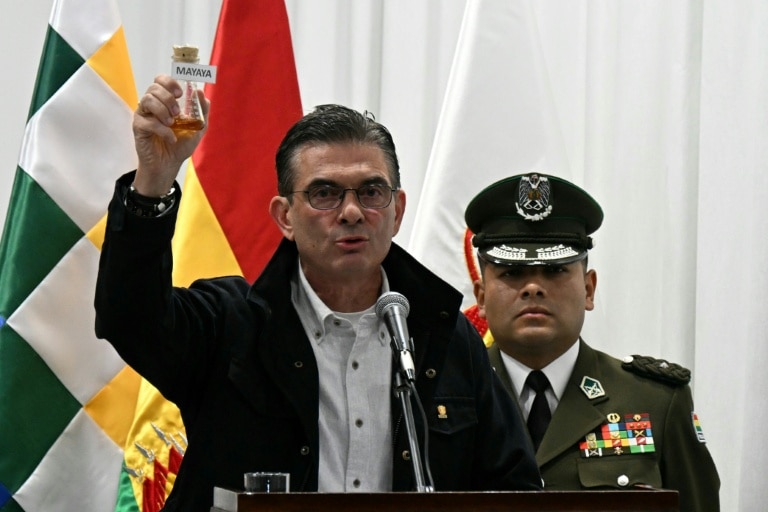
Weeks of mass anti-government demonstrations and widespread road blockades have pushed Bolivia to the brink of a total national standstill, leaving embattled conservative President Rodrigo Paz with dwindling patience and on the cusp of deploying military forces to crush the unrest. The ongoing disruption has sent food and fuel prices soaring, created acute shortages of essential goods across the country, and sparked violent clashes that have left multiple people injured on both sides. Riot police attempts to clear barricades with tear gas have been repelled by gunfire that wounded several officers, while Bolivia’s ombudsman’s office confirms at least 14 civilians have also been hurt in the unrest, during which protesters have thrown stones and burned tires to maintain their blockades. Demonstrators have two core demands: they want Paz’s newly formed administration to address the nation’s deep, ongoing economic crisis, and many are calling for the pro-business US-backed president to resign from office entirely. Speaking at a signing ceremony on Monday for a new emergency powers law, President Luis significantly ramped up his rhetoric against the movement, blaming so-called “narcoterrorists” for fomenting the chaos and warning that the dissidents’ “days are numbered.” The legislation, approved by Bolivia’s legislature on Sunday, clears the legal path for Paz to declare a national state of emergency that would formally authorize military deployment to clear blockades and suppress the protest movement. Paz has long implied that former left-wing president Evo Morales, the leader of Bolivia’s first Indigenous-led government and his political predecessor, alongside Morales’ base of coca-growing supporters, are behind the unrest in a plot to destabilize the country’s first conservative government in 20 years. “Our security is put at risk when narco‑terrorism, and the priorities of certain actors, are not aligned with our democracy, our constitution,” Paz stated during the ceremony. “They put their own interests above those of Bolivian society.” As the crisis drags on, a growing counter-movement has emerged among residents exhausted by the shortages and disruption. On Monday, hundreds of Bolivians marched through central La Paz waving white flags and chanting “Peace for La Paz,” calling for an immediate end to the paralyzing roadblocks. Ninoska Diaz, a market vendor who joined the counter-protest, told AFP that widespread deprivation has become unbearable for ordinary citizens: “We can no longer bear the hunger of the people, whose food baskets are empty.” In a post to social platform X on Sunday, Paz attempted to strike a more optimistic tone, acknowledging that the capital La Paz and the country’s second-largest city El Alto “are still facing difficult times, but concrete progress is also beginning to be made,” including improvements to disrupted fuel distribution networks. Paz, who took office in November on a promise to resolve Bolivia’s worst economic crisis in decades, has seen public anger surge over his unpopular austerity-focused economic reforms and his perceived failure to address urgent social needs. Morales, who has been in hiding to avoid prosecution on charges related to an alleged relationship with a minor that resulted in a child, has been directly accused by Paz’s administration of orchestrating the current unrest. International backing for Paz’s handling of the crisis arrived last Friday, when the new “Shield of the Americas” anti-cartel alliance, launched by former U.S. President Donald Trump and made up of pro-U.S. administrations across Latin America including Argentina, Chile and Bolivia, issued an unambiguous statement of support for the embattled Bolivian president.
作者: admin
-
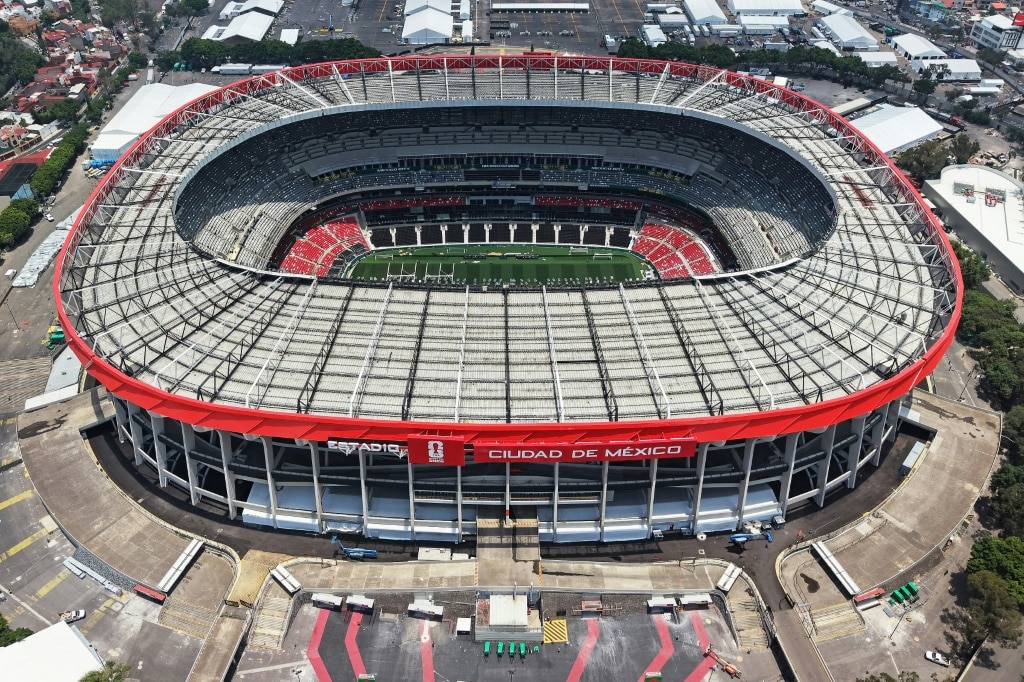
World Cup nears kickoff after pre-tournament turbulence
The world’s most anticipated football spectacle is just hours away from its opening kickoff this Thursday, with FIFA pinning its hopes on the World Cup’s timeless global appeal to overshadow widespread pre-tournament turmoil. From unprecedented anger over staggering ticket costs to political friction in host nation the United States and the lingering shadow of Middle Eastern conflict, the 2026 edition – the first ever co-hosted by three countries, the United States, Canada and Mexico – has faced one of the rockiest build-ups in modern tournament history.
This year’s World Cup breaks new ground as the largest iteration of the tournament ever staged, with an expanded 48-team field set to bring millions of travelling fans across 16 host venues across the three North American nations. The opening match will launch the nearly six-week event on Thursday afternoon local time at Mexico City’s legendary Estadio Azteca, where co-host Mexico will face off against South Africa. The tournament will wrap up on July 19, with the final contested at New Jersey’s 82,500-capacity MetLife Stadium.
For football fans around the globe, the on-pitch action promises a slate of historic storylines. At 38, Lionel Messi has the chance to cement his legacy as the undisputed greatest player of all time by leading Argentina to a second consecutive World Cup title. His long-time rival Cristiano Ronaldo, 41, will look to defy age and deliver Portugal’s first ever World Cup crown. Meanwhile, England captain Harry Kane will lead his side’s bid to end the nation’s 60-year wait for a second major title, following their lone 1966 World Cup win. FIFA president Gianni Infantino has already touted the tournament as “the greatest show that the planet has ever seen,” but his upbeat framing has run into significant pushback in the lead-up to kickoff.
The most fierce backlash has centered on the tournament’s sky-high ticket pricing, which has sparked global outrage that has left FIFA and Infantino scrambling to respond. At the 2022 Qatar World Cup, the most expensive face-value final ticket cost roughly $1,600. This year, the priciest face-value ticket for the 2026 final hits an eye-watering $32,970, a massive markup that has held across all 104 tournament matches. Despite widespread fan demand for the event, thousands of seats remain listed on secondary resale markets, a sign of sticker shock for casual and dedicated fans alike. Even Infantino’s political ally, U.S. President Donald Trump, has publicly pushed back on the costs, admitting to the New York Post he would not pay the $1,000 price tag for tickets to the United States’ opening match against Paraguay in Los Angeles this Friday.
Beyond affordability concerns, critics have warned that the current political climate in the United States, one of the tournament’s three hosts, could overshadow the football. Human Rights Watch has argued that Trump’s administration’s crackdowns on immigration, public demonstrations and press freedom could frame the entire tournament around “exclusion and fear.” Those concerns gained new traction earlier this week when FIFA confirmed it had removed Somali referee Omar Artan from the tournament’s officiating roster after U.S. border authorities denied him entry to the country. Artan was set to become the first Somali match official to work a World Cup finals, but was turned away upon arrival at Miami International Airport Saturday; FIFA said it had no ability to reverse the U.S. government’s decision.
The ongoing fallout from recent U.S.-Israel military strikes on Iran has also cast a shadow over the tournament, where Iran is scheduled to play three group stage matches on U.S. soil, kicking off against New Zealand on June 15. Trump initially suggested Iran should withdraw from the tournament for their own “life and safety,” before walking back the controversial comments. In response, Iran relocated its pre-tournament training base from Tucson, Arizona to Tijuana, Mexico, where the team arrived early Sunday. While Iranian players are permitted to travel in and out of the U.S. for their matches, roughly 15 Iranian administrative and coaching staff have been denied U.S. visas, a move Iranian officials have condemned as deliberate, discriminatory treatment.
On the pitch, the tournament’s most transformative change is the expansion of the field from 32 to 48 teams, a shift that has already sparked debate over whether it will dilute the intensity of the group stage. Under the new format, 72 opening-round matches will only eliminate 12 teams, with 32 sides advancing to the knockout stage – the top two from each of 12 groups, plus the eight best third-place finishers.
A slate of other new innovations are also making their World Cup debut this year. For the first time, every match will include mandatory cooling breaks midway through each half, a policy designed to counter extreme heat and humidity forecast for many host venues. New on-pitch rules will also require teams to complete substitutions within 10 seconds to cut down on intentional time-wasting, while a new crackdown on on-pitch racist abuse will see players risk a red card for covering their mouth during confrontations with opponents. This year’s final will also make history as potentially the longest ever, after organizers decided to add a Super Bowl-style halftime show headlined by Madonna, Shakira and BTS, stretching the break from the traditional 15 minutes to roughly 25 minutes.
-
Australia, Germany condemn Iran as MP warns Aussies ‘frustrated’ by war
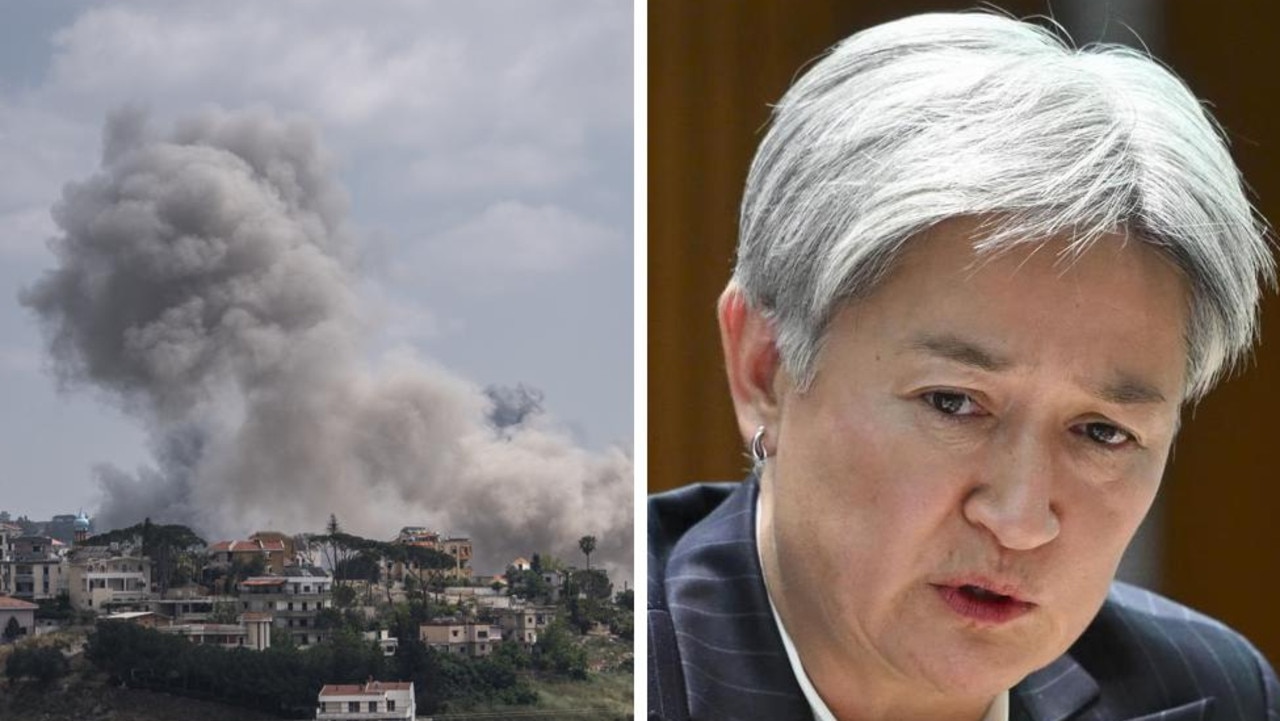
Two months after a ceasefire brokered with the United States paused open hostilities between Israel and Iran, a new wave of tit-for-tat strikes reignited global fears of a full-scale regional war, pushing Australia and Germany to issue a joint condemnation of Iran’s actions and call for urgent de-escalation. While the two sides agreed overnight to halt the recent exchange of attacks, the road to a durable, lasting peace remains deeply uncertain, as Israel continues its military campaign to dislodge the Iran-backed militant group Hezbollah from southern Lebanon.
In a joint statement released during diplomatic talks in Berlin, Australia’s Foreign Minister Penny Wong and Defence Minister Richard Marles joined their German counterparts Johann Wadephul and Boris Pistorius to unequivocally denounce Iran’s recent escalatory moves. The statement specifically called out Iran’s actions in and around the strategic Strait of Hormuz, including targeted attacks on commercial merchant vessels and repeated threats of further hostile action. Against the backdrop of widening conflict and a worsening humanitarian catastrophe across the Middle East, the two nations urged all involved parties to strictly adhere to international law and prioritize the protection of innocent civilian lives.
Ministers also highlighted the severe spillover effects of the ongoing tensions on the global economy and international supply chains, reaffirming their shared commitment to open markets and rules-based trade for energy resources, liquid fuels, and downstream commodities. They called on Iran to immediately and unconditionally reestablish free, safe, and unimpeded passage for all shipping through the Strait of Hormuz, a critical chokepoint that handles nearly a fifth of the world’s oil trade, and reiterated their full support for a negotiated diplomatic resolution to the broader conflict.
The joint diplomatic action comes as Australian officials warn that the current ceasefire between Israel and Iran remains extremely fragile, and that domestic public frustration is growing over the ongoing disruptions caused by the stop-start cycle of conflict. Assistant Immigration Minister Matt Thistlewaite told ABC Radio National that many Australians are increasingly irritated by the persistent closure of large sections of the Strait of Hormuz to commercial shipping, which has driven up fuel prices across Australia’s domestic markets. These higher energy costs have already begun to filter through to everyday household goods including food and groceries, adding additional upward pressure on national inflation that has stretched household budgets thin.
“Australians are becoming increasingly frustrated with the stop-start nature of this conflict… we want to see this conflict brought to an end as quickly as possible. We want this temporary ceasefire to become a permanent,” Thistlewaite said, adding that the Australian government has maintained ongoing dialogue with Israeli ambassador Hillel Newman in the wake of Israel’s recent deep incursion into Lebanon, the deepest such advance in nearly 30 years.
Thistlewaite confirmed that Australian diplomatic discussions have centered on pressing Israel to end its military incursions into southern Lebanon, abide by existing ceasefire terms, and negotiate a long-term settlement for the region. Echoing the Australian government’s longstanding policy, which is backed by United Nations resolutions, he noted that a lasting two-state solution for Israel and Palestine remains the only path to sustainable peace across the Middle East.
“Until we can say that the parties are willing to look to negotiate something like that, it makes it very difficult for this conflict to come to an end,” he added.
On a separate issue, Thistlewaite rejected calls for Australia to follow Italy’s lead in launching an independent investigation into allegations of sexual assault and mistreatment of passengers on an activist flotilla detained en route to Gaza, which included multiple Australian citizens. Israeli authorities have outright denied the allegations.
The current round of hostilities dates back to March 2, when Hezbollah entered the conflict on Iran’s side, prompting massive retaliatory action from Israel. Since that time, more than 3,600 Lebanese people have been killed, and at least one million have been displaced from their homes. Separate negotiations are already underway between Israel and Lebanon to reach a lasting peace, decades after Israeli troops advanced all the way to Beirut during the Lebanese Civil War in an effort to oust the Palestine Liberation Organisation and install a pro-Israel government in Beirut.
Hezbollah, which rose to prominence fighting to end Israel’s 18-year occupation of southern Lebanon, has rejected claims that it is bound by existing agreements between the Lebanese government and Israel, further complicating efforts to reach a lasting regional settlement.
-

Pauline Hanson doubles down on criticism of Premier Jacinta Allan over sexist campaign
A firestorm of political controversy has swept across Australia after a sexist electoral campaign targeting Victorian Premier Jacinta Allan drew widespread condemnation — and sparked an extraordinary rebuke from One Nation leader Pauline Hanson, who has doubled down on her criticism of the embattled state leader. At the center of the outrage is an outdoor billboard bearing the inflammatory slogan “Ditch the Witch,” a phrase already notorious in Australian politics for its use against former prime minister Julia Gillard during the 2011 national carbon tax debate. Friday brought confirmation that the campaign counts partial funding from Franco Puleo, a Melbourne-based brothel owner, which amplified public backlash almost immediately.
In comments delivered to Sky News on Monday night, Senator Hanson rejected widespread labeling of the slogan as misogynistic, and instead told Premier Allan to “suck it up” and accept harsh political criticism. Drawing on her own 30-year career in public office, Hanson argued that strong language is par for the course in Australian politics, adding “if the shoe fits, wear it.” The One Nation leader went on to tie the inflammatory slogan to widespread public discontent with Allan’s leadership, listing rising violent crime, street gang activity, and ongoing conflict over transmission line development in Victoria’s agricultural sector as evidence that Allan’s government had failed the state. “It’s an absolute basket case,” Hanson said of Victoria, adding that if harsh words are enough to derail a sitting premier, they cannot be trusted to manage a state of millions. “I’ve been called so many things over my career, it’s water off a duck’s back now,” Hanson wrote in a follow-up social media post.
But the far-right leader’s comments have been roundly rejected by political figures across the ideological spectrum. Prime Minister Anthony Albanese led national condemnation on Monday, warning that dehumanizing, sexist political rhetoric creates a culture that can lead to violence against elected officials. “What I don’t want to do is to have a press conference in this courtyard after a tragedy,” Albanese said, calling on political actors to “turn the temperature down” on aggressive discourse. The prime minister added that unchecked misogyny in politics discourages women from entering public life, eroding what should be an honourable profession.
Puleo, the campaign’s co-funder, has denied that the slogan is sexist, rejecting widespread criticism of the messaging. For her part, Allan acknowledged that political disagreement is a normal part of democracy, but emphasized the broader harm of the slogan. “I care that this attacks women. And I care about who’s next,” she said, noting that Australian political debate has grown increasingly corrosive over the past decade. Even Victorian Opposition Leader Jess Wilson, who leads the state’s center-right opposition against Allan’s Labor government, called the slogan “not appropriate language,” though she framed the campaign as the work of a small, unrepresentative fringe group.
The most high-profile show of solidarity came from Julia Gillard, the former prime minister who was targeted by the exact same “witch” slur 15 years ago. In a rare public statement on social media, Gillard said she had long held that the treatment of women in Australian politics was slowly improving, with misogyny becoming less common in mainstream political discourse even as social media remains a toxic space. “I am saddened to see that improvement cast aside and this tired old trope resurrected,” Gillard said.
The controversy comes at a precarious moment for Allan, who took over the Victorian premiership from the controversial Daniel Andrews in 2023. The premier is facing a tough state election contest this November, with polling showing declining approval ratings, ongoing public friction over infrastructure projects and rising crime, and a sharp surge in support for Pauline Hanson’s One Nation party in the state. Recent days have even brought open questions about the future of Allan’s leadership of the state Labor party, as internal and external critics increasingly question her ability to hold the line against growing conservative and far-right momentum.
-
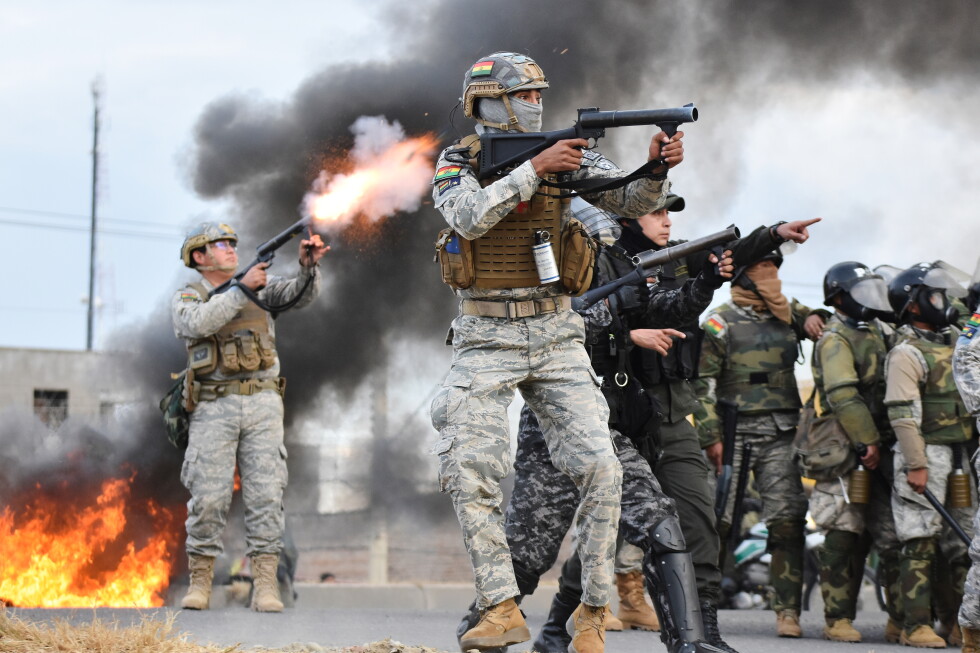
Protesters, police clash in Bolivia after president signs law enabling a harsher crackdown
Five weeks of widespread anti-government unrest has pushed Bolivia, the landlocked Andean nation, into a deepening political and humanitarian crisis, as fresh violent clashes between demonstrators and security forces broke out on Monday following new legislation that opens the door for a potential military crackdown on blockades.
Protesters, who are demanding the immediate resignation of seven-month conservative incumbent President Rodrigo Paz, clashed with security personnel across multiple urban centers. In the central hub of Cochabamba, crowds hurled stones, firecrackers and sticks at police, who responded with tear gas to disperse the crowds. In El Alto, the populous neighboring city of administrative capital La Paz, demonstrators stormed a local public transport union office amid mounting anger over crippling fuel shortages. By the end of the day, local police confirmed that at least 51 people had been arrested across the two hotspots of unrest.
The current wave of demonstrations was first ignited in early May by Paz’s controversial decision to scrap long-standing national fuel subsidies, a move that sent energy prices soaring for working-class and low-income Bolivian households. The anger has since broadened, with protesters pointing to the administration’s failure to address the country’s persistent economic challenges, including sky-high inflation and stagnant low wages that have squeezed livelihoods across the country. Protesters, many of whom cast Paz as a betrayer of the public trust, note that they helped vote him into office just seven months ago, only to be neglected by the new administration.
The movement has drawn broad participation from across Bolivian civil society: the national workers’ union, highland Indigenous communities, and peasant farmer organizations have all joined the mobilization, turning to widespread road blockades as a core protest tactic. So far, demonstrators have established 90 blockades across the country’s key transportation arteries, cutting off supply routes to major urban centers and leaving the administrative seat of government La Paz particularly isolated. The blockades have paralyzed national logistics, leading to acute shortages of critical goods including food, fuel, and essential medical supplies.
A preliminary independent report released over the weekend by Bolivia’s public ombudsman, an autonomous state oversight body, offered the first full accounting of the human cost of the five-week crisis: between May 1 and June 2, the unrest has left 10 people dead, 37 injured, and more than 360 arrested across the country. The Bolivian government has confirmed that seven of the recorded deaths stemmed from delays in emergency medical care caused by blocked transportation routes, and has stated that all violent incidents linked to the unrest are currently under investigation.
Paz’s election victory last year marked a historic political shift for Bolivia, ending nearly two decades of uninterrupted rule by the left-wing Movement Toward Socialism (MAS), the party founded by iconic former President Evo Morales. Since the unrest began, the president has attempted to open dialogue with protest leaders and has so far instructed police to show restraint when responding to demonstrations. However, organizers have refused all calls for negotiation, insisting that their only non-negotiable demand is Paz’s immediate resignation from office.
In recent days, political pressure has grown on Paz from conservative allies to take a far more aggressive approach to clearing the blockades and restoring order. On Monday, he signed into law a new piece of legislation that lowers the legal barriers for the executive branch to declare a national state of emergency. If enacted, the measure would suspend certain constitutional rights and deploy the military to clear road blockades and reassert government control. A separate presidential decree is still required to activate the state of emergency, and it remains unclear whether Paz will move forward with the step. The uncertainty stems from Bolivia’s own political history: past violent military crackdowns on mass popular protests have resulted in the ousting of sitting presidents, creating a major political risk for the incumbent.
Framing the new legislation in a nationally televised address after signing the bill, Paz claimed the measure was necessary to protect the Bolivian majority from what he called “narco-terrorism” instigating the protest movement. “I extend my hand to the social organizations that have legitimate demands and reiterate my willingness to engage in dialogue,” Paz added in his address, even as tensions continued to boil over across the country in the hours after his speech.
-
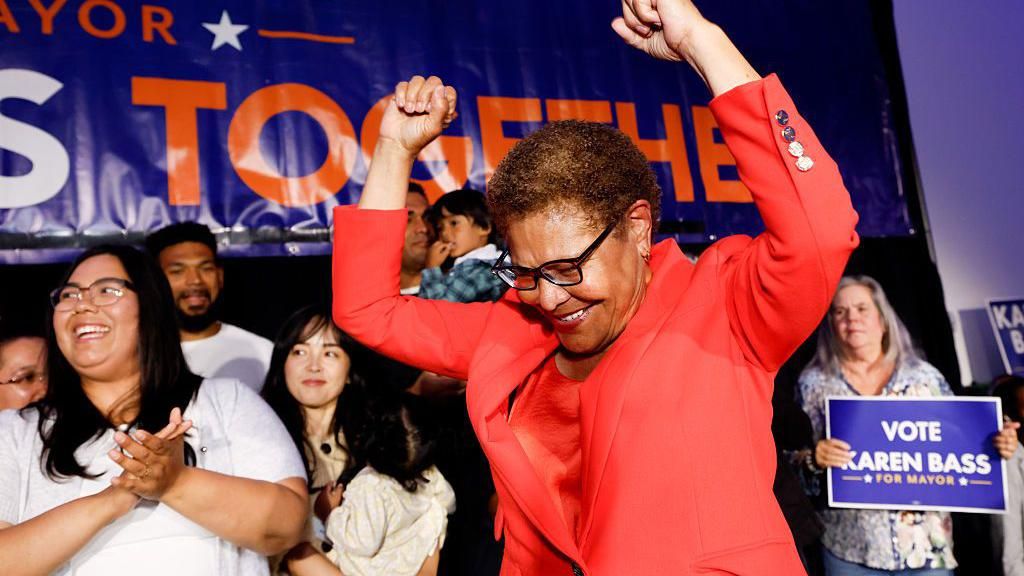
Spencer Pratt out of LA mayor race as left-wing rival Nithya Raman advances
Nearly a week after Los Angeles’ June 2 primary election, official vote counting has finalized the field for November’s general election mayoral race, with progressive city councilor Nithya Raman advancing to challenge incumbent Democratic Mayor Karen Bass. Reality television personality Spencer Pratt, a political outsider and longshot Republican candidate, saw his unconventional bid for city leadership end in elimination.
Incumbent Bass crossed the vote threshold to lock in her general election spot shortly after polls closed on June 2, but slow vote tallying stretched out the race to determine her opponent for the November runoff, as the city works to fill the top executive role for the second most populous urban center in the United States. The winner of the upcoming general election will inherit leadership of a city grappling with two longstanding, pressing crises: widespread unhoused populations and crippling housing affordability that has priced out thousands of working and middle-class residents.
For Bass, a November victory would grant her a second four-year term, which will also be her final one due to city term limits. The 72-year-old Democratic politician boasts a decades-long career rooted in Los Angeles community organizing and public service. Before her first mayoral win, she represented sections of Los Angeles for six terms in the U.S. House of Representatives, where she chaired the Congressional Black Caucus and held a prestigious seat on the House Committee on Foreign Affairs. Ahead of the 2020 presidential election, Bass was widely discussed as a potential vice presidential running mate for then-Democratic presumptive nominee Joe Biden. Bass made history long before her time in Congress, too: during her tenure in the California State Assembly, she became the first Black woman to serve as speaker of a state legislative lower chamber in U.S. history.
Bass’ first mayoral term has been dominated by high-stakes crises, from her administration’s ongoing efforts to reduce homelessness to responses to federal immigration enforcement actions and extreme wildfire events. Most notably, her leadership faced intense public and political scrutiny following the January 2025 Palisades Fire, one of the most destructive wildfires in California’s recorded history. The blaze burned through a wealthy Los Angeles coastal neighborhood, destroyed more than 1,000 homes, killed 12 people, and drew widespread criticism of the city’s emergency response efforts.Raman, a 44-year-old urban planner and self-identified democratic socialist, entered the mayoral race in a last-minute surprise, announcing her candidacy just before the filing deadline – and only weeks after she had already officially endorsed Bass’ re-election. A member of the Democratic Socialists of America, she has been compared to New York City Mayor Zohran Mamdani, a fellow DSA member who won office on a progressive platform. Though Raman has served on the Los Angeles City Council since 2020, she failed to secure endorsements from any of her fellow council members for her mayoral bid. Her campaign has centered on aggressive policy proposals to expand access to affordable housing, drastically reduce the city’s homeless population, and revitalize job growth in Hollywood’s iconic entertainment sector. Raman has centered her criticism of Bass on the claim that the incumbent has not moved fast or aggressively enough to solve the city’s homelessness crisis.
Pratt, the 42-year-old Republican candidate who made his name as a reality TV star on MTV’s hit 2000s series *The Hills*, launched his longshot candidacy in January, positioning himself as a political outsider with no prior experience holding public office. The former publicist rose to fame in 2007 when he joined the cast of *Laguna Beach* spin-off *The Hills* as then-boyfriend (now husband) of co-star Heidi Montag. Pratt became one of Bass’ most high-profile critics after the Palisades Fire destroyed his personal home, turning his personal loss into a central talking point of his campaign.
The week-long delay in finalizing vote totals drew unfounded claims of voter fraud from former U.S. President Donald Trump, who alleged without evidence that California Democrats were attempting to “steal” local elections in the state.
-
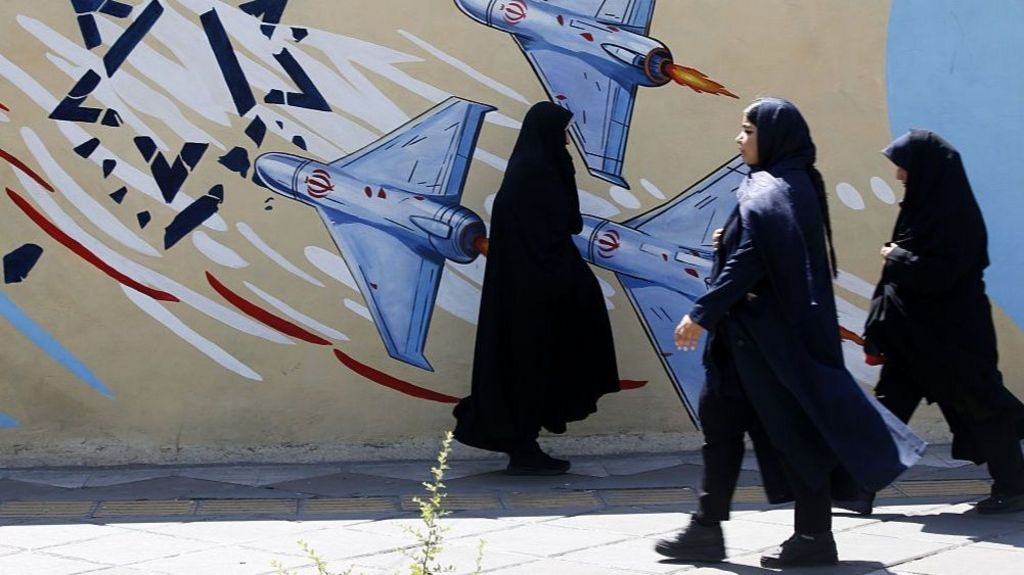
Israel and Iran flare-up tests Trump’s grip and could strengthen Tehran’s negotiating hand
A weekend of tit-for-tat military exchanges between Israel and Iran has reignited fears that the Middle East is sliding toward open direct conflict between Washington and Tehran, putting long-strained alliance dynamics and fragile nuclear diplomacy under the global spotlight.
The latest cycle of violence began when Israel carried out targeted airstrikes on Beirut, the capital of Lebanon, prompting Iran to launch a missile barrage against Israeli territory in retaliation. In response, Israel launched its own airstrikes against Iranian sites – the first such direct attack since a shaky ceasefire between the US, Israel and Iran took hold in April.
More than three months after the US and Israel opened their formal conflict with Iran, the region remains perched on a knife’s edge. The fractured network of temporary ceasefires and competing alliances has created a dangerously unstable landscape, and this latest escalation lays bare three critical truths about the current trajectory of hostilities.
First, US President Donald Trump lacks the ability – or the willingness – to rein in his Israeli ally to the degree he publicly claims, a gap Tehran has been quick to spot and exploit to widen rifts between the two allies. Second, Iran is willing to accept retaliatory strikes on its own territory to tie the US-Iran conflict directly to the ongoing standoff between Israel and Lebanese militant group Hezbollah. Third, the long-awaited nuclear deal Trump has prioritized is far from imminent: Iran has detected that Trump currently has a low appetite for military risk in an election year, and is pushing to extract greater concessions from Washington at the negotiating table.
Hours after Iran’s Sunday missile attack, Trump told reporters he would immediately call Netanyahu and order him to stand down from retaliation, warning that an Israeli counterstrike could derail his delicate diplomatic outreach to Tehran. But just hours later, Israel carried out its strikes anyway. When questioned by the BBC on Monday, Trump pushed back against claims Netanyahu had defied him, arguing that Israeli warplanes were already airborne when the two leaders spoke. “If I tell him to do something, he does it,” Trump told the BBC in a brief phone interview.
On the surface, the incident appears to be another example of Trump failing to control Israeli policy, adding to a growing list of public tensions between the two leaders. Just last week, multiple reports emerged that Trump launched a profanity-laced tirade against Netanyahu, labeling him “crazy” for his push to strike Beirut. Netanyahu has defended the Beirut strikes as a necessary measure to counter persistent Hezbollah threats to northern Israel, while Trump has argued that unprompted Israeli escalation threatens his efforts to strike a deal with Tehran that would reopen the Strait of Hormuz and secure binding guarantees on Iran’s nuclear program. In an interview with the New York Post last week, Trump said he was deeply frustrated by Netanyahu’s “constantly fighting with Lebanon”.
Despite the prevailing narrative that Netanyahu defied Trump’s order, the reality is far more nuanced. Veteran American Middle East negotiator Aaron David Miller noted that Trump gave Netanyahu what amounted to a “blinking yellow light” – a signal of limited, cautious approval for a single, limited strike. Military analysts point out that Israel could never have carried out a direct strike on Iran without at least tacit approval from Washington. The US currently maintains its largest military buildup in the Middle East since the 2003 invasion of Iraq, with hundreds of American personnel embedded with the Israel Defense Forces (IDF) for joint coordination. Any Israeli airstrike on Iran would require detailed coordination with US military commands to avoid accidental clashes with American forces operating in the region. After the strikes, IDF officials told Israeli journalists there had been “full co-ordination” with US Central Command, and confirmed that the US military assisted in shooting down incoming Iranian missiles targeting Israel.
By Monday afternoon Washington time, both Israel and Iran had signaled that the current round of hostilities was over – a status quo aligned perfectly with Trump’s immediate goals. Analysts suggest two plausible explanations for Trump’s pre-strike call for restraint: either the public warning was intended for Tehran, to distance Washington from the upcoming Israeli strike and preserve diplomatic progress, or Trump genuinely intended to halt the attack but was persuaded to back down by Netanyahu.
While Israel viewed retaliation as a necessary deterrent to future Iranian attacks, Iran’s decision to launch missiles against Israel in response to a strike in Lebanon marked a significant strategic shift. For the first time in the current conflict, Iran responded to an Israeli strike against Lebanese targets rather than an attack on Iranian soil, a deliberate choice to tie the separate US-Iran ceasefire to the nominal, largely unenforced ceasefire between Israel and Hezbollah. The strikes also served as a test of Trump’s commitment to Israel: how far would Washington back an Israeli counterstrike, and would the US enter the conflict directly? For Tehran, any public rift that can be opened between Washington and Jerusalem improves its negotiating position.
In the end, Trump opted for public distance from the strikes while continuing his diplomatic outreach. Just hours before the escalation, Trump told NBC News that a nuclear deal with Iran was “very close”. After the exchanges, he struck a dismissive tone toward both sides, saying each had “had their fun” and it was now time to return to negotiations.
Iranian leadership has emerged from the confrontation emboldened. Iranian President Masoud Pezeshkian argued that the country’s military strikes against Israel had strengthened its hand in talks with Washington, describing “diplomacy and defence” as the “two wings of national power”. “We have neither abandoned the field nor the negotiating table,” he wrote on social media.
Iran’s economy is reeling under the weight of crippling US sanctions, a crisis worsened by the ongoing American naval blockade of Iranian ports. Tehran’s top priorities in negotiations with Washington are clear: first, meaningful sanctions relief and the unfreezing of tens of billions of dollars in blocked Iranian oil revenue, and second, a commitment from the US to rein in Israeli escalation against Hezbollah in Lebanon, which Iran views as a key deterrent against future Israeli strikes on its own territory.
With high global oil prices driven by Iran’s closure of the Strait of Hormuz putting pressure on the US economy ahead of midterm elections, Tehran has calculated that Trump has little incentive to open a new round of full-scale conflict. Each incremental escalation tests Trump’s patience, but Iran believes Trump is far more motivated to secure a signature foreign policy win than to return to open war, so it is pushing to front-load its key demands in any final agreement.
When asked Sunday whether he would agree to unfreeze Iranian assets or lift sanctions upfront as part of a deal, Trump gave a clear answer: “No.” That refusal has emerged as a key sticking point blocking progress, and the risk of further regional destabilization remains high – a dynamic that could yet push the US and Iran back into open, direct conflict.
-

Russia’s fuel crisis intensifies as Ukraine steps up strikes on occupied territories
A severe fuel shortage has swept across Russian-occupied Crimea, with strict purchase caps imposed on consumers at most filling stations, after Ukraine’s sustained campaign of drone and long-range strikes shattered Russian supply routes into the peninsula. The crisis, which has hit both civilian populations and Russian military operations, traces its roots to two layers of Ukrainian targeting: months of long-range attacks on Russian oil refineries, and an intensifying recent push to disrupt overland logistics routes connecting Crimea to mainland Russia.
Russia illegally annexed Crimea from Ukraine in 2014, and the peninsula holds outsized strategic importance for Moscow: it serves as a key launchpad for Russian drone and missile strikes against Ukrainian territory, and is a top summer tourist destination for Russian travelers. Today, however, it is grappling with a logistical collapse that has left residents and tourists stranded, with fuel often unavailable even for those willing to pay inflated prices.
The most critical disruption stems from Ukrainian strikes on the main overland artery linking the southern Russian city of Rostov to Crimea via occupied Mariupol. Analysts describe this motorway as the central backbone of Russia’s occupation infrastructure in southern Ukraine. Clément Molin, an analyst with French think tank Atum Mundi, reports that since the start of May, Ukrainian forces have carried out more than 300 drone strikes on supply trucks traveling this route, including 30 fuel tankers, with the pace of attacks accelerating sharply in June. A June 7 strike further damaged a key bridge in northern Crimea’s Chonhar region, a critical crossing for Russian military and civilian traffic along the R-280 motorway, forcing a full suspension of traffic.
The impact of these strikes is immediately visible across Crimea. Videos shared on social media show multi-kilometer queues stretching outside petrol stations, with residents reporting wait times of up to 10 hours to access limited fuel supplies. At most filling stations, local residents are now restricted to a maximum purchase of 20 liters of fuel per person, available only via prepaid vouchers when stocks last. Russian tourists who traveled to Crimea before the crisis erupted are now trapped, unable to secure enough fuel to drive back to mainland Russia. Local occupation authorities have been forced to launch a dedicated emergency hotline to assist stranded visitors, while prices for petrol and diesel have skyrocketed amid tight supplies.
Sergei Aksyonov, the Kremlin-appointed head of Crimea’s occupation administration, acknowledged the severity of the crisis in a June 5 statement, admitting that current supply levels cannot meet civilian demand and confirming that hundreds of public buses have been pulled from service due to lack of fuel. The situation leaves Russia with few viable alternatives to restock the peninsula. The Kerch Strait Bridge, the only direct fixed link between mainland Russia and Crimea, has been restricted after repeated Ukrainian attacks and threats of future strikes. Oil industry expert Craig Kennedy, an associate at Harvard University’s Davis Center, notes that few operators are willing to risk moving fuel-laden trucks across the bridge, given its high-profile status as a target. Sea routes are also unworkable, after Ukrainian strikes took multiple Crimean ferries out of operation. That leaves only the Mariupol overland route – which remains exposed to constant Ukrainian drone attacks along its entire length.
The fuel shortage is not limited to Crimea. Ukrainian drone strikes have also disrupted logistics in other occupied Ukrainian regions, including Luhansk and Kherson. Occupation authorities in Luhansk have already banned all bus traffic on two key motorways leading to Mariupol and Crimea, urging local residents to avoid the routes entirely for “security reasons.”
The crisis is the result of a deliberate shift in Ukraine’s targeting strategy, experts explain. After months of disabling large-scale Russian oil refining capacity – Ukrainian President Volodymyr Zelensky estimates that nearly 40% of Russia’s primary oil refining capacity was put out of action in May alone – Ukraine has now expanded its campaign to target regional distribution and logistics networks. “This is having a more focused or concentrated impact on local populations and the military in certain regions such as Crimea,” Kennedy explained.
Yevhen Karas, commander of the 413th separate “Raid” battalion of Ukraine’s Unmanned Systems Forces, confirmed that disrupting Russian military fuel logistics is a core priority for his unit, which has carried out many of the recent strikes. Karas told the BBC that his drones face minimal effective resistance from Russian air defenses during most missions, allowing his unit to strike targets across occupied territory freely. “The main dish is Russian storage, oil and fuel tanks, buildings and even small bunkers with Russian officers,” he said.
Russia has accused Ukraine of causing civilian casualties in recent strikes, including reported attacks on a passenger bus in Kherson and a commuter train in Crimea that killed one person and injured another in early June. Karas did not directly address these specific incidents, but acknowledged that civilian collateral damage is a risk in the active combat zone. “This is a very busy area, and it is obvious that heavy trucks and large transport vehicles are all at risk of being hit, because the Russians use them,” he said. “Mistakes can happen, but this is not a deliberate targeting of civilian vehicles.”
Pro-Kremlin military analysts admit that the fuel crisis has impacted both civilian and Russian military operations alike. “The strikes that empty fuel stations for civilians also affect supplies to troops in the south,” the popular pro-Russian military analysis Telegram channel Rybar posted recently. “The logistics crisis does not distinguish between military and civilian needs, it hits everything at once.”
Beyond eroding Russia’s military capabilities, the campaign aligns with Ukrainian President Volodymyr Zelensky’s stated goal of “bringing the war home” to Russian-controlled territory, turning the disruption of conflict back onto populations and occupation forces that have operated in relative security on occupied Ukrainian land.
-
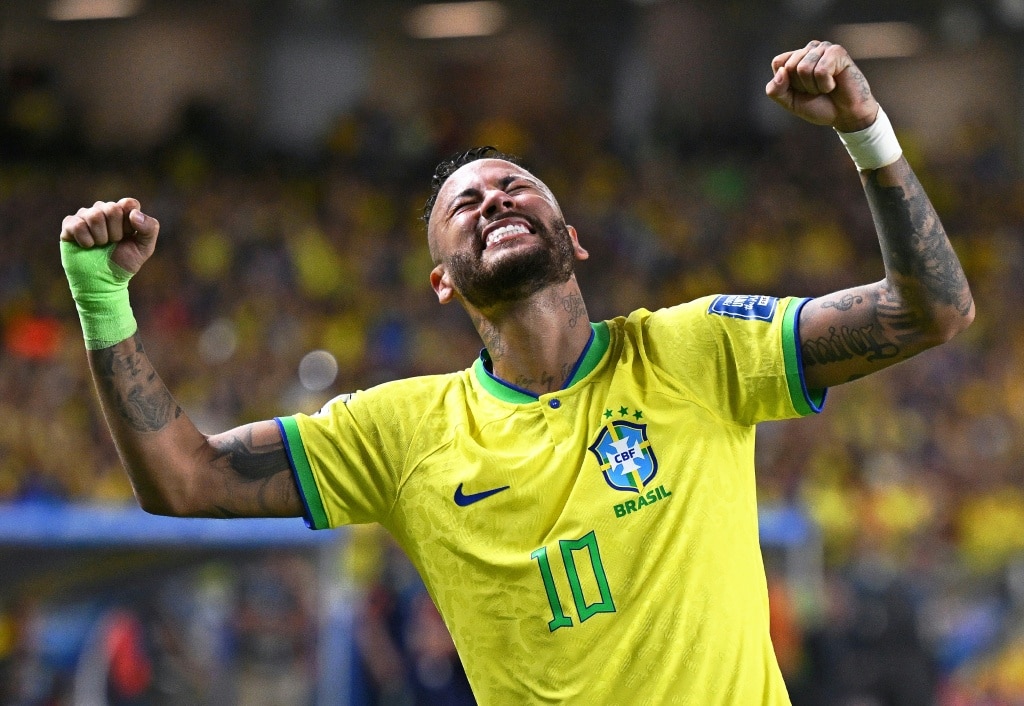
Somali referee is dropped from World Cup after turned back at US border
As the 2026 FIFA World Cup, co-hosted by the United States, Mexico and Canada, enters its final days of preparation ahead of Thursday’s opening kickoff, two high-profile border entry denials have reignited long-simmering criticism of U.S. immigration policy, while Mexican authorities move to head off planned protests that could disrupt the tournament’s opening match.
The most notable disruption came with the removal of Somali referee Omar Artan from the tournament’s official match official roster, after U.S. Customs and Border Protection (CBP) turned him away at Miami International Airport on Saturday over unspecified “vetting concerns.” Artan was set to make history as the first Somali match official to officiate at a men’s World Cup finals, a milestone cut short by U.S. immigration restrictions first implemented under former President Donald Trump’s administration. Somalia remains on the travel ban list rolled out as part of Trump’s sweeping immigration crackdown, a policy that is now directly impacting a major global sporting event hosted on U.S. soil.
FIFA confirmed the development in an official statement to AFP, noting that the governing body of global football has no authority to override entry decisions made by host nations. “FIFA can confirm that match official Omar Abdulkadir Artan will be unable to train and officiate at the FIFA World Cup 2026 after he was denied entry into the United States,” a FIFA spokesperson said, confirming Artan would play no part in the month-long tournament.
Artan’s exclusion is not an isolated incident. The Iranian men’s national team has also been caught in a diplomatic and visa storm amid ongoing military tensions between the U.S. and the Islamic Republic, with U.S. authorities refusing to issue visas to 15 members of the team’s support staff. The team has currently set up its base camp in Tijuana, Mexico, after its arrival was delayed by a full week due to the visa logjam. Iranian head coach Amir Ghalenoei publicly criticized the handling of the visa process Sunday, saying that basic ethical and human considerations were overlooked in the lead-up to the tournament. “Usually in these tournaments, before technical matters, ethical and human considerations must be respected — which I think for us it was not the case,” Ghalenoei said.
South of the border, Mexican authorities are working to secure the opening match between Mexico and South Africa, scheduled to kick off in Mexico City on Thursday. Mexican President Claudia Sheinbaum has vowed to guarantee the tournament runs “in peace and tranquility” after a teachers’ union announced planned demonstrations to demand higher salary raises, raising fears of disruption to the opening game. On June 1, police dispersed protestors near Mexico City’s historic Zocalo square, where authorities have built a massive public viewing screen for the official World Cup fan zone, using tear gas and rubber bullets. Metal barricades now block off all streets surrounding the square, a measure Sheinbaum says is necessary to guard against unapproved provocations.
Amid the off-field turbulence, the 48 participating teams – expanded from 32 in previous World Cup editions – have begun settling into their base camps across the three host nations for the 39-day tournament, which will conclude with the final on July 19. Five-time tournament winners Brazil, one of the pre-tournament favorites aiming to secure a record-extending sixth title, have been finalizing preparations in New Jersey. Star midfielder Bruno Guimaraes pushed back against what he sees as a lack of respect for the Brazilian side, noting that no other nation can match Brazil’s five World Cup titles. “Nobody else has five stars on their chest. We have great players who play for top teams, like Vini (Vinicius Junior) and Raphinha. We need to give our players the respect they deserve,” Guimaraes told reporters.
The Brazilian camp also provided an update on star forward Neymar, the nation’s all-time leading international goalscorer who was recalled to the national side after a two-year absence. The 34-year-old is continuing to recover well from a calf injury, though he remains a doubt for Brazil’s opening group stage match against Morocco this Saturday.
Over in Europe, 2022 runners-up France – another top contender to lift the trophy this year – wrapped up their final pre-tournament warm-up with a confidence-boosting 3-1 win over Northern Ireland in Lille, with Crystal Palace star Michael Olise netting a hat-trick. The result erased any lingering doubts over the side’s form after an unexpected loss to Ivory Coast in their previous warm-up fixture. Head coach Didier Deschamps will lead the side to their U.S. training base near Boston on Wednesday, ahead of their opening group match against Senegal next Tuesday.
-
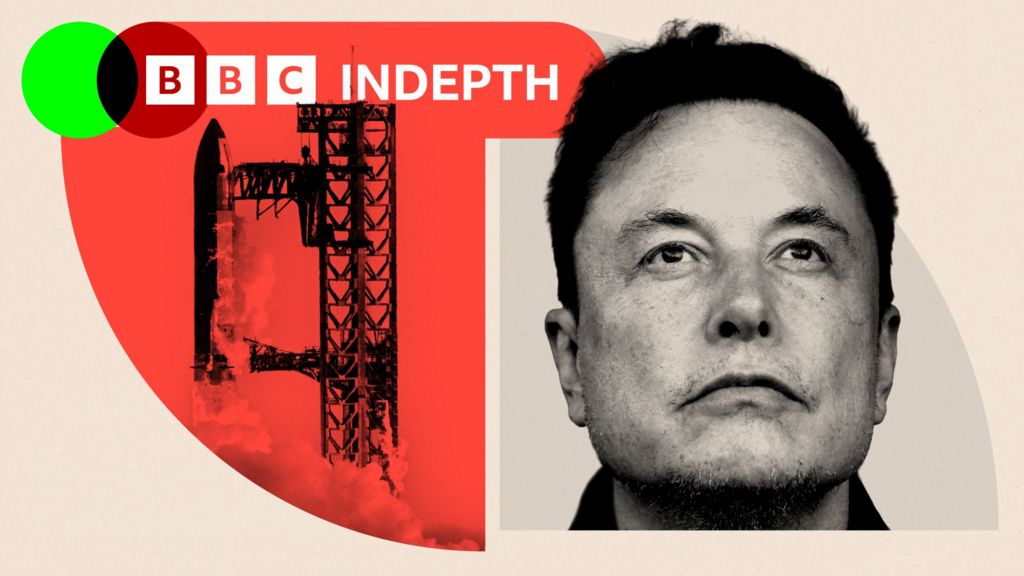
SpaceX’s stock market blast-off could be Musk’s biggest gamble yet
On a crisp October morning in 2024, engineers and executives at SpaceX’s Starbase facility along the U.S.-Mexico border watched as the largest rocket ever constructed lifted off from its launch pad over the Gulf of Mexico. What made this event a landmark for space exploration was not the launch itself, but the unprecedented precision of the booster’s return. Seven minutes after propelling the Starship craft toward orbit, the massive first stage reignited its engines mid-descent, slowed its fall, and locked into the mechanical ‘Mechazilla’ capture arms colloquially called ‘the chopsticks’ — a feat no aerospace operator had ever achieved before. Amid cheers and high-fives in the control room, CEO Elon Musk framed the success as a critical leap toward his decades-long goal of making human life multiplanetary, by delivering a fully reusable rocket system that will drastically cut the cost of accessing orbit, the Moon, and eventually Mars.
This technical breakthrough arrives just months before SpaceX opens its doors to public investors, in what is poised to become one of the most consequential initial public offerings (IPO) in modern stock market history. Starting June 12, a slice of SpaceX shares previously held exclusively by Musk and a small group of elite private investors will begin trading on public markets. UK stockbrokers have already reported a massive surge in retail investor interest, with leading investment platforms projecting the offering could draw a new generation of first-time investors into the market. Around £1.5 billion in shares are expected to be allocated to UK retail buyers alone, and even passive investors with standard pension funds will almost certainly hold a stake in the company through diversified funds, whether they have chosen to invest directly or not.
Underwriters have set a target valuation of $1.75 trillion for SpaceX, a figure that would place the company firmly among the top 10 most valuable public corporations on Earth. That staggering valuation comes despite the firm posting nearly $5 billion in losses last year, leading analysts and critics to question what exactly investors are buying when they purchase SpaceX stock.
SpaceX operates a sprawling portfolio of businesses far beyond its iconic rocket development program. It designs, builds, and launches both its own satellites and those owned by public and private entities around the globe, with launch capabilities that outpace those of any other private company or even sovereign nation. Its Starlink satellite internet network has already become a profitable core business, delivering critical communications infrastructure for Ukrainian defense efforts against Russia’s invasion and generating steady, significant revenue. Even the most bullish independent estimates, however, value Starlink and SpaceX’s core launch operations at only around $300 billion — less than one-fifth of the company’s targeted $1.75 trillion IPO valuation.
The real bet underpinning SpaceX’s public valuation is not rocketry, but artificial intelligence. Included in the public offering is Musk’s standalone AI firm xAI, alongside long-term plans to build solar-powered, space-cooled data centers in orbit that would deliver unprecedented computing capacity, paired with the development of crewed lunar and Mars bases. According to SpaceX’s own IPO prospectus, of the $28.5 trillion total addressable market the company projects for its services, $26.5 trillion comes from AI-related opportunities. For this valuation to hold, investors must believe the global AI industry will grow to match the size of the entire U.S. or European economy combined — a projection that has left many industry observers deeply skeptical.
“Most of the capital expenditure is actually on data centers and an AI company that seems to be more about social media than anything to do with space,” notes Sinead O’Sullivan, an economist and former NASA advisor. O’Sullivan argues that the IPO is less a bet on a coherent business and more a bet on the Musk brand itself: “When you buy a share at this valuation, you’re buying a stake in Elon Musk’s reputation more than any proven space or technology business.” Other critics echo concerns about the concentration of corporate and political power, pointing out that even though Musk holds only 42% of SpaceX’s equity, special voting rights give him effective control of 85% of the company. That level of unaccountable control, says financial journalist Robert Armstrong, means ordinary investors should demand a discount for surrendering all decision-making power: “What does ownership mean if you have no say over how the company is run?” As one large institutional investor put it to the BBC, the “cult of Elon Musk” requires followers to pay a premium for the privilege of having no control — and many are still willing to do so.
Critics also point to Musk’s controversial use of his wealth and power, including his nearly $300 million contribution to Donald Trump’s 2024 presidential campaign, his receipt of billions in U.S. government contracts, and his public interventions in the domestic politics of nations including the United Kingdom, to argue that SpaceX represents a dangerous fusion of private wealth, tech power, and geopolitical influence.
Still, history has shown that betting against Musk has rarely paid off for skeptics. Twenty years after founding Tesla, he upended the global auto industry, growing the electric car maker’s valuation to exceed the combined market capitalization of Toyota, Ford, General Motors, and Volkswagen. Since 2020 alone, SpaceX’s valuation has skyrocketed from $40 billion to $1.75 trillion — a more than 40-fold increase — while Tesla’s stock rose tenfold over the same period, even as vehicle production plateaued. Musk’s track record of defying expectations has created a powerful fear of missing out (FOMO) among investors, who watched early Tesla skeptics miss out on life-changing gains.
Some market watchers warn the SpaceX IPO could signal the start of a 21st-century repeat of the late 1990s dot-com boom and bust, as a wave of unprofitable, high-growth AI companies rush to go public. SpaceX is only selling 5% of its total equity in this first offering, but fellow AI leaders Anthropic and OpenAI are also expected to launch their own IPOs in the near future. Over the coming years, trillions of dollars in new tech stock could flood the market, creating a supply glut that demand may struggle to absorb, potentially dragging down valuations across the sector. Unlike the dot-com era, however, modern automatic index funds that buy all constituents of major market indices may absorb much of this new supply over time, softening any potential correction.
If the IPO succeeds, SpaceX will cement its place alongside other U.S. tech giants as one of the most powerful and influential companies in the world, with outsize influence over both the future of AI and the future of human space exploration. Just as the world watched Starship lift off from the Texas coast last October, all eyes on global financial markets are now fixed on this historic IPO — a test of both investor appetite for AI ambition and the cult of personality around one of the most controversial business leaders in modern history.