The world’s most anticipated football spectacle is just hours away from its opening kickoff this Thursday, with FIFA pinning its hopes on the World Cup’s timeless global appeal to overshadow widespread pre-tournament turmoil. From unprecedented anger over staggering ticket costs to political friction in host nation the United States and the lingering shadow of Middle Eastern conflict, the 2026 edition – the first ever co-hosted by three countries, the United States, Canada and Mexico – has faced one of the rockiest build-ups in modern tournament history.
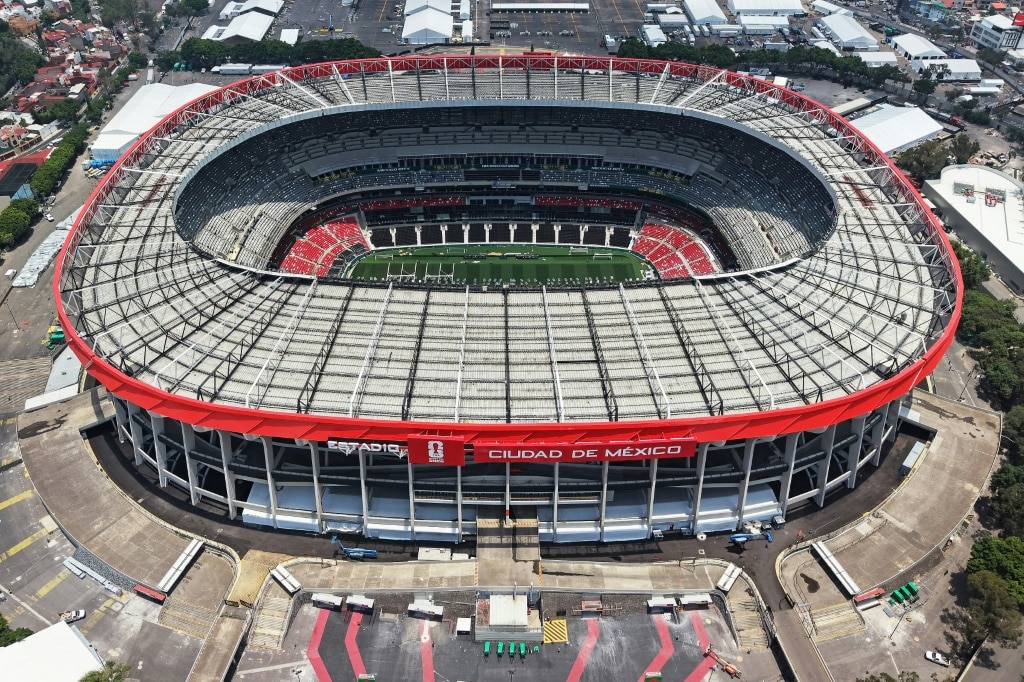
This year’s World Cup breaks new ground as the largest iteration of the tournament ever staged, with an expanded 48-team field set to bring millions of travelling fans across 16 host venues across the three North American nations. The opening match will launch the nearly six-week event on Thursday afternoon local time at Mexico City’s legendary Estadio Azteca, where co-host Mexico will face off against South Africa. The tournament will wrap up on July 19, with the final contested at New Jersey’s 82,500-capacity MetLife Stadium.
For football fans around the globe, the on-pitch action promises a slate of historic storylines. At 38, Lionel Messi has the chance to cement his legacy as the undisputed greatest player of all time by leading Argentina to a second consecutive World Cup title. His long-time rival Cristiano Ronaldo, 41, will look to defy age and deliver Portugal’s first ever World Cup crown. Meanwhile, England captain Harry Kane will lead his side’s bid to end the nation’s 60-year wait for a second major title, following their lone 1966 World Cup win. FIFA president Gianni Infantino has already touted the tournament as “the greatest show that the planet has ever seen,” but his upbeat framing has run into significant pushback in the lead-up to kickoff.
The most fierce backlash has centered on the tournament’s sky-high ticket pricing, which has sparked global outrage that has left FIFA and Infantino scrambling to respond. At the 2022 Qatar World Cup, the most expensive face-value final ticket cost roughly $1,600. This year, the priciest face-value ticket for the 2026 final hits an eye-watering $32,970, a massive markup that has held across all 104 tournament matches. Despite widespread fan demand for the event, thousands of seats remain listed on secondary resale markets, a sign of sticker shock for casual and dedicated fans alike. Even Infantino’s political ally, U.S. President Donald Trump, has publicly pushed back on the costs, admitting to the New York Post he would not pay the $1,000 price tag for tickets to the United States’ opening match against Paraguay in Los Angeles this Friday.
Beyond affordability concerns, critics have warned that the current political climate in the United States, one of the tournament’s three hosts, could overshadow the football. Human Rights Watch has argued that Trump’s administration’s crackdowns on immigration, public demonstrations and press freedom could frame the entire tournament around “exclusion and fear.” Those concerns gained new traction earlier this week when FIFA confirmed it had removed Somali referee Omar Artan from the tournament’s officiating roster after U.S. border authorities denied him entry to the country. Artan was set to become the first Somali match official to work a World Cup finals, but was turned away upon arrival at Miami International Airport Saturday; FIFA said it had no ability to reverse the U.S. government’s decision.
The ongoing fallout from recent U.S.-Israel military strikes on Iran has also cast a shadow over the tournament, where Iran is scheduled to play three group stage matches on U.S. soil, kicking off against New Zealand on June 15. Trump initially suggested Iran should withdraw from the tournament for their own “life and safety,” before walking back the controversial comments. In response, Iran relocated its pre-tournament training base from Tucson, Arizona to Tijuana, Mexico, where the team arrived early Sunday. While Iranian players are permitted to travel in and out of the U.S. for their matches, roughly 15 Iranian administrative and coaching staff have been denied U.S. visas, a move Iranian officials have condemned as deliberate, discriminatory treatment.
On the pitch, the tournament’s most transformative change is the expansion of the field from 32 to 48 teams, a shift that has already sparked debate over whether it will dilute the intensity of the group stage. Under the new format, 72 opening-round matches will only eliminate 12 teams, with 32 sides advancing to the knockout stage – the top two from each of 12 groups, plus the eight best third-place finishers.
A slate of other new innovations are also making their World Cup debut this year. For the first time, every match will include mandatory cooling breaks midway through each half, a policy designed to counter extreme heat and humidity forecast for many host venues. New on-pitch rules will also require teams to complete substitutions within 10 seconds to cut down on intentional time-wasting, while a new crackdown on on-pitch racist abuse will see players risk a red card for covering their mouth during confrontations with opponents. This year’s final will also make history as potentially the longest ever, after organizers decided to add a Super Bowl-style halftime show headlined by Madonna, Shakira and BTS, stretching the break from the traditional 15 minutes to roughly 25 minutes.