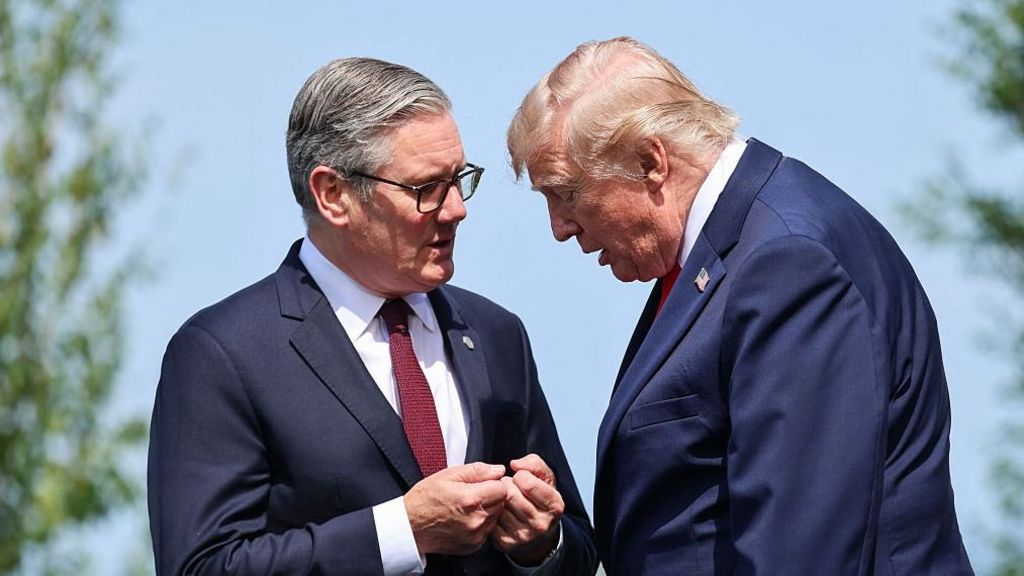
As discussions over the United Kingdom’s next prime minister intensify, a key question has emerged on the international stage: what policy priorities and alignment does former U.S. President Donald Trump seek from Britain’s next leader? What was once an unexpected close rapport between Trump and Keir Starmer, the leader of the UK’s Labour Party, has rapidly deteriorated in the wake of rising conflict in Iran, reshaping the potential transatlantic political landscape. The sudden shift in relations has left political analysts speculating about how Trump’s preferences for 10 Downing Street will evolve amid growing regional tensions in the Middle East. Early signs of a productive working relationship between the two leaders have given way to clear divisions, rooted in competing approaches to the escalating crisis in Iran. This breakdown has altered expectations for how a future UK premiership would interact with Trump, should he return to the White House, and highlights the deep impact that Middle Eastern geopolitics can have on Anglo-American political ties.
作者: admin
-
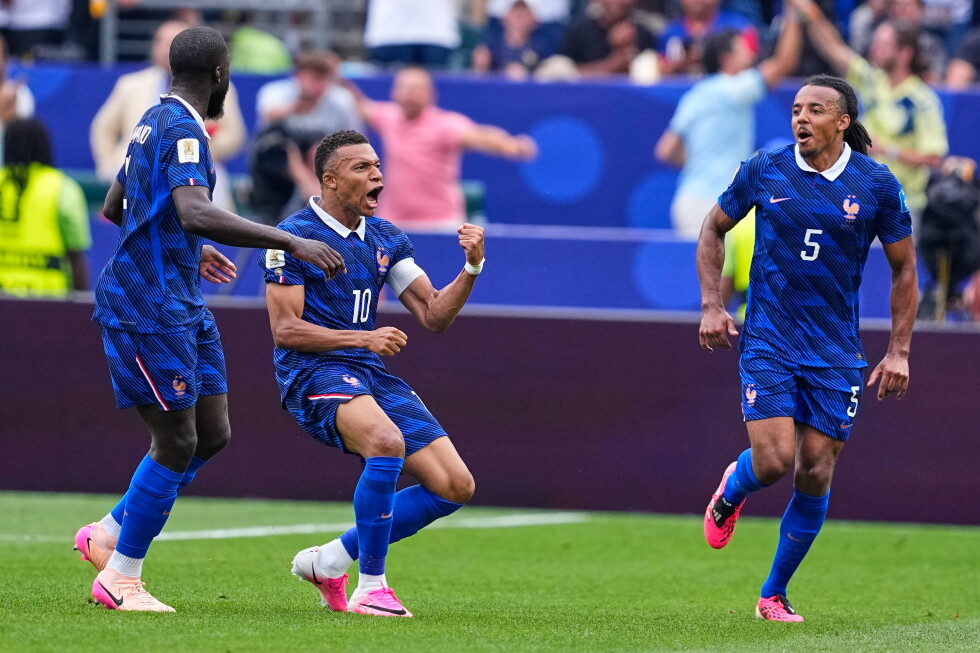
Kylian Mbappé of France scores his 15th World Cup goal, tying for 3rd most in history
PHILADELPHIA – On a milestone Monday at the FIFA World Cup, French superstar Kylian Mbappé continued his chase of all-time World Cup scoring greats — including new record holder Lionel Messi — by notching his 15th career goal in the tournament, tying him for third on the sport’s most prestigious global scoring list.
The strike came in the 14th minute of France’s group stage clash against Iraq, marking Mbappé’s 100th appearance for the French senior national team and putting Les Bleus ahead 1-0 early. Playing in his third consecutive World Cup at 27, the iconic forward matched Brazilian legend Ronaldo’s career tournament goal total, while moving past West Germany’s Gerd Müller in the all-time rankings. Only Germany’s Miroslav Klose, who sits second with 16 World Cup goals, and new record-holder Messi stand ahead of Mbappé at the top of the chart.
Messi himself rewrote the record books earlier the same day, scoring twice for Argentina to push his career World Cup total to 18, the new all-time high. The Argentine captain had already drawn level with Klose the previous week, notching his first career World Cup hat trick in Argentina’s 3-0 victory over Algeria in Kansas City, Missouri.
Mbappé’s 15th goal was a clinical 20-yard left-footed finish that beat Iraq goalkeeper Ahmed Basil, who earned his first start of the tournament after Iraq captain Jalal Hassan conceded four goals in the team’s opening 4-1 defeat to Norway.
A proven winner at the international level, Mbappé was a key part of France’s 2018 World Cup title run and helped the side reach the 2022 final in Qatar, where he claimed the Silver Ball as the tournament’s second-best player. Entering this year’s World Cup, France entered as joint title favorites alongside Spain, with Mbappé leading a dynamic attacking line that also includes breakout young talent Désiré Doué and reigning Ballon d’Or winner Ousmane Dembélé.
Mbappé is already one of just two players in history to score a hat trick in a World Cup final, having notched three against Argentina in the 2022 title match. He entered the clash against Iraq having already scored two goals in France’s opening 3-1 win over Senegal, bringing his 2024 tournament total to three ahead of the group stage’s second match.
The goal against Iraq also pushed Mbappé to the top of France’s all-time international scoring chart. He now has 59 goals for Les Bleus, two clear of former teammate Olivier Giroud, who previously held the French record.
Breaking down his 15 World Cup goals by tournament, Mbappé scored four times during France’s 2018 title run, notched eight to win the 2022 Golden Boot as top scorer, and has added three goals so far in this year’s edition — putting him well on track to challenge even Messi’s new record before the tournament concludes.
-
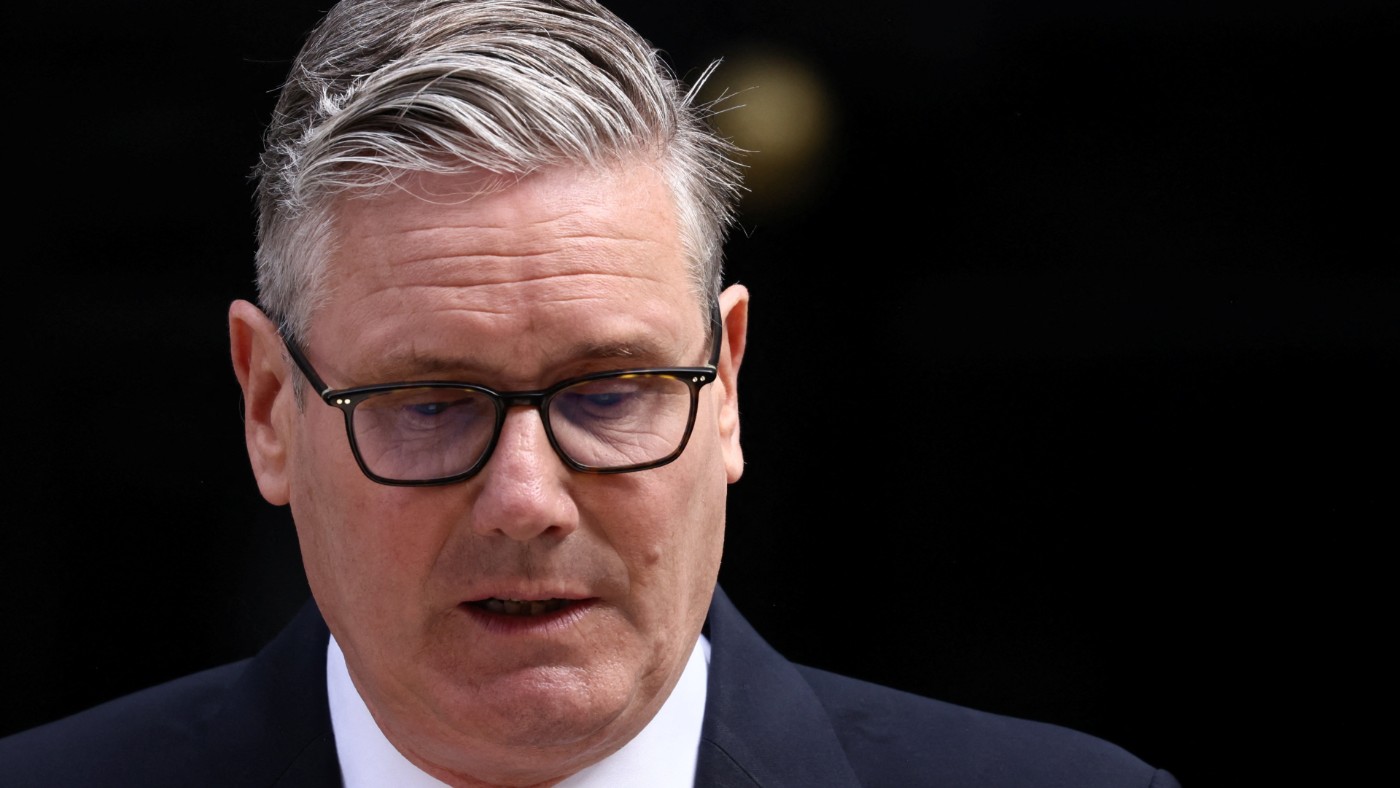
Once Keir Starmer had beaten the left, he had no plan for government
When Keir Starmer first launched his bid for the UK Labour Party leadership, his core pitch to party voters was straightforward: retain the bulk of Jeremy Corbyn’s left-wing policy platform, but package it in the polished, establishment-friendly image of a suited, buttoned-up professional. Long before Labour’s crushing 2019 general election defeat at the hands of Boris Johnson that forced Corbyn out of the leadership, Starmer’s inner campaign circle had already identified him as the perfect candidate to pull off this rebranding.
Backed by a bloc of Labour right-wing figures including Morgan McSweeney, Peter Mandelson and Roger Liddle, Starmer secured the leadership after making 10 explicit left-wing pledges to the Labour members who voted him into office. Within months, every single one of those commitments had been either fully abandoned or quietly watered down. For his entire tenure, first as opposition leader and later as prime minister, Starmer clung to that carefully crafted image of competent, managerial professionalism, while systematically discarding the policies he had promised to carry over from Corbyn — the man he once publicly called a friend. To the party’s left-wing members, who he publicly disparaged as antisemites, he sent a clear message: “The door is open, and you can leave.”
But according to multiple insiders — serving and former civil servants, Starmer’s former legal colleagues, and senior Labour Party sources who spoke on condition of anonymity to Middle East Eye — the now-resigned Starmer, who leaves office as the most unpopular British prime minister in decades, also failed to deliver on his core promise of being a competent, results-focused grown-up in office. This failure, they say, rippled through every area of his governance, most glaringly in the UK’s approach to Israel’s military campaign in Gaza, where long-held international legal norms were cast aside.
People who have interacted with Starmer in personal settings — including regular football teammates near his north London home in Kentish Town — describe him as a man defined almost entirely by raw ambition and ruthless competitiveness. He hates losing, they say, but once he climbed to the highest office in the UK, he had no clear plan for what to do with power. In less than two years, he lost it entirely.
“He was rubbish on all metrics, apart from the fact that he isn’t a liar or a cheat – but really that should be an entry requirement,” one senior civil servant who worked closely with both Starmer and his former chief of staff McSweeney told MEE. “Height, voice, inspiration, achieving anything: he was rubbish on all fronts.”
That same official noted that McSweeney, the veteran Labour strategist widely credited with engineering Starmer’s rise to power and a close ally of Peter Mandelson, had no clear roadmap for governing once he controlled the levers of power. “He was a campaigner,” a second civil servant explained of McSweeney. “And he just stayed in that mode once he was in government. He didn’t look to get things done.”
Labour MP Clive Lewis framed the core failure of Starmer’s leadership in three clear terms. “Leadership at this moment needs three things: vision, a clear sense of where we are taking the country and why,” Lewis told MEE. “It needs empathy, a real grasp of how people are living and what they are up against. And it needs a plan equal to the scale of what we face. Keir had none of these.”
Lewis added: “Even so he would not be the first PM to be guilty of such failings. But these are not normal times. Facing us is the spectre of the far right and such failings become catastrophic as opposed to just electorally problematic. That could not be allowed. Hence his early departure.”
McSweeney’s pro-Starmer group Labour Together, which raised more than £700,000 in undisclosed donations — a portion of which came from prominent pro-Israel business figures such as Trevor Chinn — successfully seized back control of the Labour Party for the right wing, with Starmer serving as its public face. A source who has known McSweeney since his childhood in County Cork, Ireland, told MEE that McSweeney’s political project was driven first and foremost by a visceral hatred of Corbyn and the Labour left, a conflict that dates back to his early days as a grassroots organiser across London.
While McSweeney is often publicly described as economically left-of-centre but socially conservative, the source called him an unapologetic neoliberal. “He joined the Labour Party because he knew he had a chance of doing well there… The contempt he and his wife [Imogen Walker, who became a Labour MP in 2024] have for Corbyn, is visceral,” the source said.
That contempt was front and centre even in Starmer’s final resignation speech. The outgoing prime minister claimed he had inherited a Labour Party “that was politically, financially and morally bankrupt” and that he had rooted out “the poison of antisemitism, restoring trust on the economy, defence, and national security.”
Jeremy Corbyn’s spokesperson hit back with a scathing rebuke: “Keir Starmer ends as he started: with lies. Corbyn turned Labour into the largest party in Europe, built and funded by half a million people who believed in social justice and peace. Starmer swapped political principles for corporate donors – and leaves behind a legacy of broken pledges, grotesque inequality and complicity in genocide. If that isn’t moral bankruptcy, then what is?”
On the same day of Starmer’s resignation, Corbyn announced he would formally reintroduce his private member’s bill calling for an independent public inquiry into the British government’s complicity in Israel’s military actions in Gaza.
Madeleine Rees, a prominent British human rights lawyer who worked closely with Starmer in the 1990s, pointed to his stance on Gaza as his defining moral and political failure. “He capitulated on things he really shouldn’t have. The biggest of these was Gaza,” Rees said. Another former legal colleague from Starmer’s days as a liberal barrister at Doughty Street Chambers noted that very few of his former professional associates would still publicly defend his record as prime minister.
“I didn’t think his reign would be so short. It shows how important principle and optimism are,” Rees told MEE. “He capitulated on things he really shouldn’t have. The biggest of these was Gaza. Abetting a genocide. He could have taken a legal stand and called it a crime. I feel sorry for him because he is a decent man, despite all this, and this will be super hard for him,” she added.
Beyond Gaza, foreign policy observers also painted a picture of directionless, unprincipled governance. Asked about Starmer’s approach to key global regions, an Indian foreign policy adviser and analyst who participated in UK-India Free Trade Agreement negotiations told MEE: “Have you an inkling of what UK policy on Afghanistan, Pakistan, southeast Asia, Hong Kong and India is? I have no clue what the UK stands for anymore.”
The adviser argued that the negotiated UK-India FTA would only “make rich UK wallahs richer. What is the UK but land around the City of London?” He added: “Starmer’s foreign policy was foreign to the UK’s interests. The development aid is gone. The BBC has no support from them. British universities in India are all shops, with no research and development angle.”
Andy Burnham, the popular Labour mayor of Greater Manchester commonly known as the “King of the North,” is now widely expected to replace Starmer as party leader and prime minister. But one left-wing Labour activist warned that Burnham could simply be “Starmer 2.0.”
Josh Simons, who replaced McSweeney as head of Labour Together before winning election as the MP for Makerfield in 2024, recently vacated his seat to clear the path for Burnham’s leadership bid and was a prominent fixture in the by-election campaign. Wes Streeting, the favoured candidate of Labour’s right wing who resigned as health secretary last month, has already thrown his support behind Burnham; if Burnham wins and keeps Streeting in a top cabinet role, Labour’s left wing faces an uphill battle to retain any influence in the new administration.
John McDonnell, who served as shadow chancellor under Corbyn, has called on the party to return to its historic “broad church” model. That model, he said, is one “in which the views of the full range of traditions, left, right and centre, are respected and engaged with.” Asked whether that inclusive model is likely to be re-established after Starmer’s departure, McDonnell told MEE: “We’ll see, but if the broad church is not re-established, any administration will fail.”
-
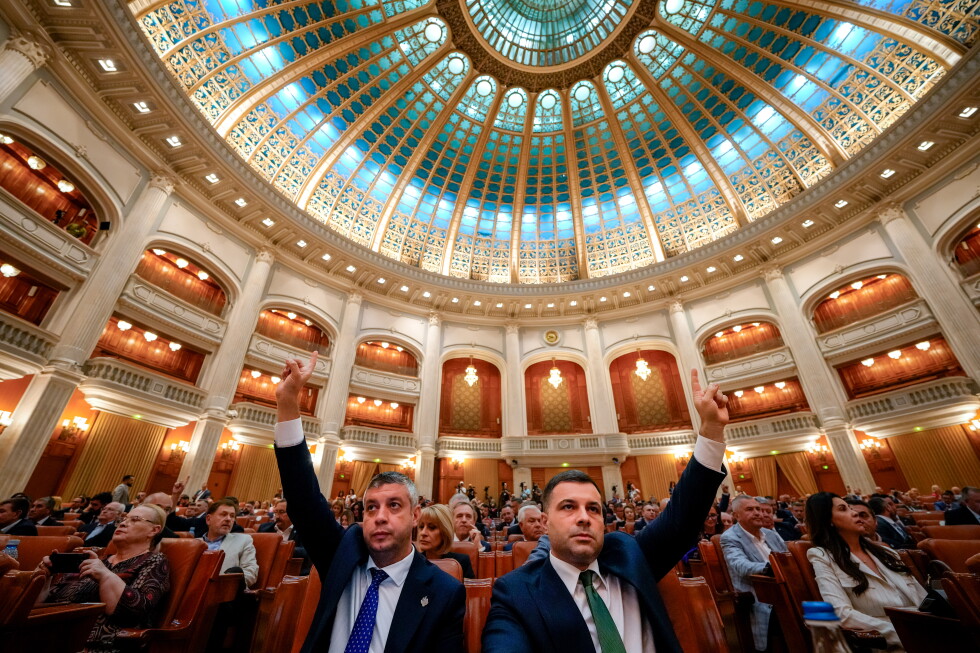
Political crisis deepens as Romanian lawmakers reject new government
BUCHAREST, Romania — In a development that extends Romania’s months of political gridlock, lawmakers voted down the newly proposed government led by Prime Minister-designate Adrian Vestea late Monday, throwing the Eastern European nation into further uncertainty amid mounting economic challenges.
-
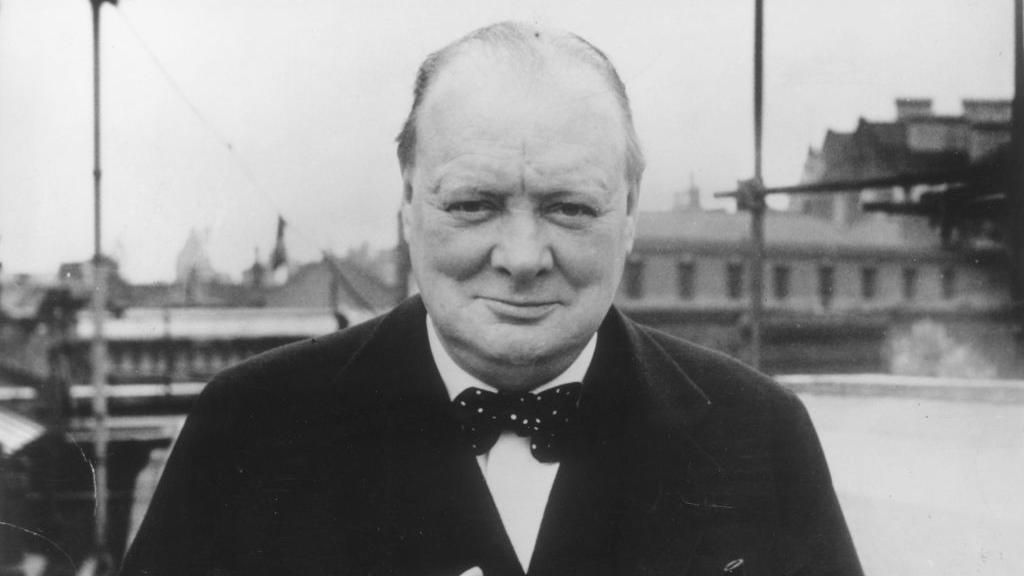
National Portrait Gallery display withdrawn after Churchill row
A heated debate over former British Prime Minister Winston Churchill’s connection to the 1943 Bengal famine has led to the removal of a controversial video installation from London’s National Portrait Gallery, sparking new conversations about artistic freedom, historical interpretation, and institutional accountability.
Created by Turner Prize-winning artist Helen Cammock, the 40-minute work titled *Persistence* was developed in partnership with the gallery beginning in 2023. Part of the temporary exhibition “Artists First: Contemporary Perspectives on Portraiture”, the piece had been on public display for 10 months and was scheduled to run through August. In her self-narrated installation, Cammock drew a parallel between Oliver Cromwell’s 17th-century mass starvation tactics during military campaigns in Ireland and what she described as “the wilful starvation of the Indian population by Winston Churchill” during the devastating 1943 famine.
The artist’s framing quickly drew fierce pushback from prominent historical figures and politicians. Churchill biographer Lord Roberts of Belgravia organized an open letter to the gallery leadership, which gathered signatures from more than 50 members of the House of Lords — including Churchill’s own grandson, Sir Nicholas Soames. The letter argued that Cammock’s characterization of Churchill was factually incorrect, dismissing the claim as an “ideologically motivated rant”. Lord Roberts contended that the famine was primarily triggered by a devastating typhoon, and that Churchill had directed his war cabinet to deploy all available resources to support affected regions, even requesting emergency grain shipments from global allies. While this perspective is shared by some historians, other academics have long argued that wartime policy decisions made by Churchill’s government exacerbated the crisis. An estimated 3 million people died in the famine that struck eastern India, and Churchill’s exact role remains one of the most hotly contested topics in modern colonial history.
Beyond the open letter, the gallery also received direct complaints from members of the public. Initially, the institution defended the work as a legitimate expression of the artist’s personal perspective, but the controversy gained sustained national media attention last week, ultimately leading to the work’s removal on Monday.
In an official statement provided to BBC News, the National Portrait Gallery confirmed that Cammock had made the independent decision to withdraw her piece. “We respect her decision, just as we acknowledge the opinions of those who were offended by what was said in the film,” the gallery said. It emphasized that the exhibition framework was designed to center artists’ personal creative responses to the gallery’s permanent collection, noting “the work was presented as an artistic piece, not a documentary, and the views expressed in the film do not necessarily reflect those of the NPG.” The institution added that it remains committed to balancing respect for the historical legacies of figures in its collection with support for free artistic expression.
Cammock, however, has pushed back against what she describes as overwhelming external pressure to censor challenging historical narratives. In her own statement released Monday, she said: “There is an incredible pressure on artists and arts institutions to bend to external pressure; to be benign at best and silent at worst. I do not accept this pressure. To question, challenge and explore ideas and histories is vital to a healthy society and art is intrinsic to this.”
The artist added that her work was rooted in existing academic research on the famine, and that its core goal was to interrogate how society chooses to honor and memorialize historical figures. “It asks us to think about who is honoured and valorised and who is not; whose stories are told and whose are not,” she said. Echoing activist and artist Nina Simone, Cammock noted: “An artist’s duty, as far as I’m concerned, is to reflect the times, and sometimes this means revisiting, enquiry and challenge.”
-

Tesla crash that killed a woman under US federal investigation
The U.S. National Highway Traffic Safety Administration (NHTSA) has opened a formal special investigation into a fatal June 19 Tesla crash in Texas that left a 76-year-old woman dead after the vehicle plowed into her home, marking the latest high-stakes scrutiny of the electric vehicle maker’s controversial automated driving technology.
According to local law enforcement accounts, the incident unfolded around 8 p.m. local time when the Tesla Model 3 driver failed to navigate a right turn at an intersection, departed the roadway, and struck the residential property at high speed. The driver was taken to a local hospital for treatment of injuries and has remained cooperative with authorities, while the woman inside the home was transported to a medical center where she later succumbed to her trauma.
Local police have confirmed the driver showed no signs of intoxication, but has maintained that the vehicle was operating under Tesla’s full self-driving (FSD) assisted driving system at the time of the collision. Sgt. Alex Turman of the Harris County Sheriff’s Office noted that investigators are still working to pinpoint the exact cause of the crash, with the driver’s claim about automated system engagement a key line of inquiry.
A NHTSA spokesperson confirmed the launch of the agency’s special crash investigation, the most rigorous, data-driven inquiry the regulator conducts, separate from the ongoing local law enforcement probe. Per NHTSA’s official protocols, these deep dives typically focus on emerging vehicle technologies, with the goal of collecting granular crash data that can inform broader automotive safety improvements. While the investigation does not carry immediate punitive action against Tesla, it can ultimately result in formal safety recalls or other regulatory measures.
This latest probe comes amid growing bipartisan and regulatory pressure over Tesla’s FSD technology, which the company has marketed as an advanced automated driving system. Critics have long argued that Tesla’s branding of the product is misleading, overstating the system’s capabilities and leaving drivers underprepared to intervene when the technology fails. Earlier this 2026, NHTSA already expanded an existing investigation into FSD over documented performance issues in wet and inclement weather. Just last week, two top Democratic U.S. senators, Edward Markey and Richard Blumenthal, sent a formal letter to NHTSA demanding a sweeping safety probe of FSD, arguing that Tesla’s claims that the technology is safer than human driving rely on flawed, misleading data analysis that skews results by comparing dissimilar crash outcomes and drawing on incomplete datasets. The pair also called for stricter reporting requirements for all automakers developing and deploying automated driving systems.
Tesla, led by billionaire CEO Elon Musk, has not issued any public statement on the Texas crash or the new NHTSA investigation, and did not respond to requests for comment. This latest incident comes as automated vehicle developers across the industry face growing regulatory scrutiny over safety: just weeks ago, Waymo, the autonomous vehicle unit owned by Google, recalled thousands of its vehicles operating in Texas over a flaw that prevented the system from properly identifying and avoiding flooded roadways.
-
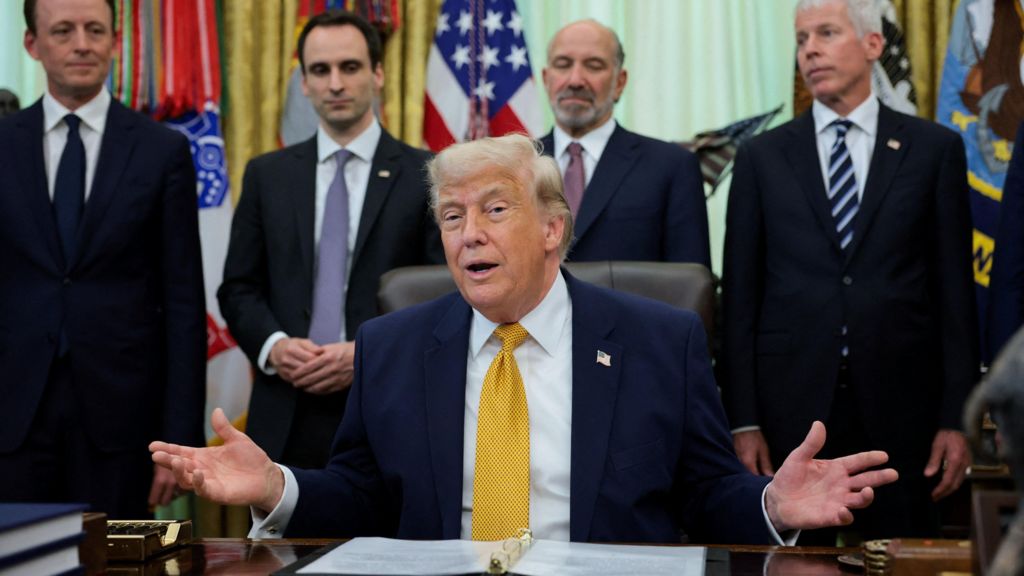
Watch: ‘I wish him well’ – Trump reacts to Starmer’s resignation
In a recent public comment that has drawn cross-Atlantic attention, former United States President Donald Trump has broken his silence on the resignation of UK Prime Minister Keir Starmer, offering a measured well-wish alongside sharp criticism of the British government’s core policy approaches.
While opening his remarks by extending a basic gesture of goodwill, stating clearly “I wish him well”, Trump did not hold back from assessing the political fallout that led to Starmer’s departure from office. The former US commander-in-chief specifically called out the United Kingdom’s policy frameworks on two contentious domestic issues: energy development and immigration control.
In his assessment, Trump argued that the policy choices made by Starmer’s premiership on these two critical files have directly undermined his political standing, ultimately contributing to the circumstances that forced his resignation. The unsolicited commentary from a former (and current presumptive Republican presidential nominee) US leader on UK domestic political upheaval has sparked new discussion about the intersection of trans-Atlantic political perspectives and the ongoing policy debates that are shaping electoral and leadership outcomes across Western nations. Energy costs and immigration have remained deeply divisive issues in UK politics for years, with voters consistently ranking them as top priorities ahead of any national elections, making Trump’s critique a notable intervention into an already fraught political landscape.
-
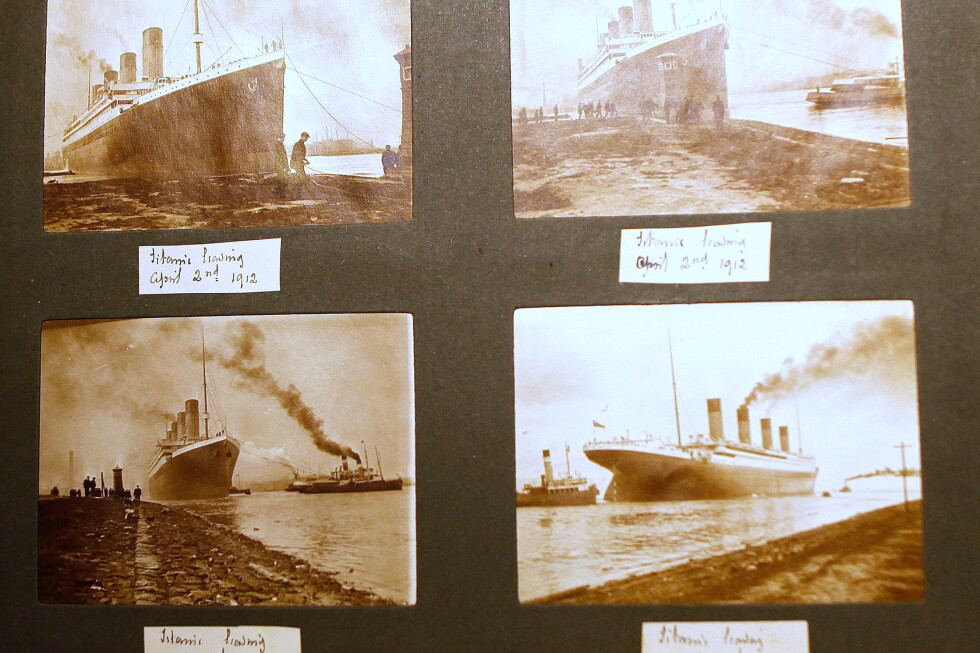
Key dates in the history of the Titanic and the battles over its final resting place
More than 114 years after the world’s most famous maritime disaster sent the RMS Titanic to the bottom of the Atlantic Ocean, the wreck and the artifacts pulled from its site remain at the center of a heated new legal battle, as the United States government moves to block a planned auction of dozens of salvaged items. The long, fraught history of the Titanic has been marked by tragedy, discovery, and decades of debate over how to honor the more than 1,500 lives lost, while balancing commercial and historical interests.
The story of the Titanic began in early 1912, after two years of ambitious construction that billed the vessel as ‘unsinkable.’ On April 10 of that year, the ocean liner departed Southampton, England, making brief stops in France and Ireland before setting out across the Atlantic for New York City, carrying roughly 2,200 passengers and crew aboard. Just four days into the voyage, despite multiple repeated warnings of ice fields in the region, the Titanic struck an iceberg off the coast of Newfoundland, Canada, shortly before midnight on April 14. Within hours, by the early morning of April 15, the once-unsinkable ship had fractured and slipped 3.7 kilometers (2.3 miles) down to the ocean floor, leaving only around 700 survivors and claiming the lives of approximately 1,500 people.
For more than seven decades, the exact location of the Titanic’s wreckage remained a mystery, until a joint team of French and American researchers finally located the vessel’s final resting place on September 1, 1985. Their discovery confirmed long-held speculation that the ship had split into two large pieces before sinking. The following year, in July 1986, a crew of researchers became the first people to directly observe the wreck since its sinking, using a manned submersible to complete 11 dives that captured thousands of photos and hours of video footage of the site, leaving all artifacts undisturbed. Just three months later, the U.S. government passed legislation to set formal guidelines for future expeditions and protect the wreck, but the law lacked the enforcement power to halt private salvage trips or the removal of artifacts from the site.
The first artifacts were pulled from the wreck in 1987, when American firm Titanic Ventures partnered with a French research institute to recover passenger dishes and more than 1,800 total items in the months that followed. At the time, the group made a public promise not to sell the collection and to keep all recovered items intact as a single curated holdings. In May 1993, Titanic Ventures sold its salvage rights to RMS Titanic Inc., which launched a new expedition just one month later that pulled 800 additional artifacts from the wreck, ranging from personal passenger belongings like a pocket watch and leather suitcases to ship fixtures, decorative items, and unexpected finds including a complete set of bagpipes and original sheet music.
Legal battles over control of the wreck and its artifacts began shortly after, when a U.S. federal court granted RMS Titanic Inc. exclusive salvage rights to the site in 1994, though the ruling stopped short of naming the company as the legal owner of the recovered items. Five years later, a federal appeals court further weakened the company’s exclusive claim, ruling it could not block other firms from visiting or photographing the wreck site. In 2000, the largest ever collection of Titanic artifacts opened to the public in Chicago, though the exhibition drew sharp criticism from multiple cultural institutions that argued retrieving artifacts from the wreck amounted to unethical archaeological plundering of a maritime grave site.
A 2011 federal court ruling granted RMS Titanic Inc. formal ownership of more than 1,000 artifacts recovered between 1993 and 2004, with one critical binding condition: the entire collection had to remain intact, and no individual items could be sold separately. In 2017, the U.S. ratified an international treaty protecting the Titanic wreck, requiring any individual or organization under U.S. jurisdiction to secure formal approval from the National Oceanic and Atmospheric Administration (NOAA) before conducting any salvage or research activity that would disturb the site.
The modern chapter of the Titanic’s story opened with a second devastating tragedy in June 2023, when the experimental submersible Titan imploded during a descent to the wreck, killing all five people on board. One of the victims was Paul-Henri Nargeolet, a veteran French underwater explorer who served as director of underwater research for RMS Titanic Inc. Just two months after the implosion, the U.S. government launched legal action to block the company from a planned salvage expedition to retrieve additional historically significant items from the wreck, citing the 1986 federal law and the 2017 international protection treaty.
In July 2024, RMS Titanic Inc. carried out its first expedition to the wreck site since 2010, focused on documenting the deteriorating wreck and surveying remaining artifacts, no salvage work was conducted. By January 2025, the U.S. government dropped its 2023 legal challenge, confirming the company no longer planned dives that would violate federal protections. The peace was short lived: in March 2026, RMS Titanic Inc. revealed in court filings a proposal to auction 100 separate lots of artifacts first pulled from the wreck in 1987, with plans for a global public tour of the items ahead of the sale. Details of the proposed auction remain sealed under a court order, but in June 2026, a judge ordered the documents unsealed, making public the fact that both the U.S. government and NOAA are formally opposing the proposed sale, reigniting a century-long debate over the future of the Titanic’s legacy.
-
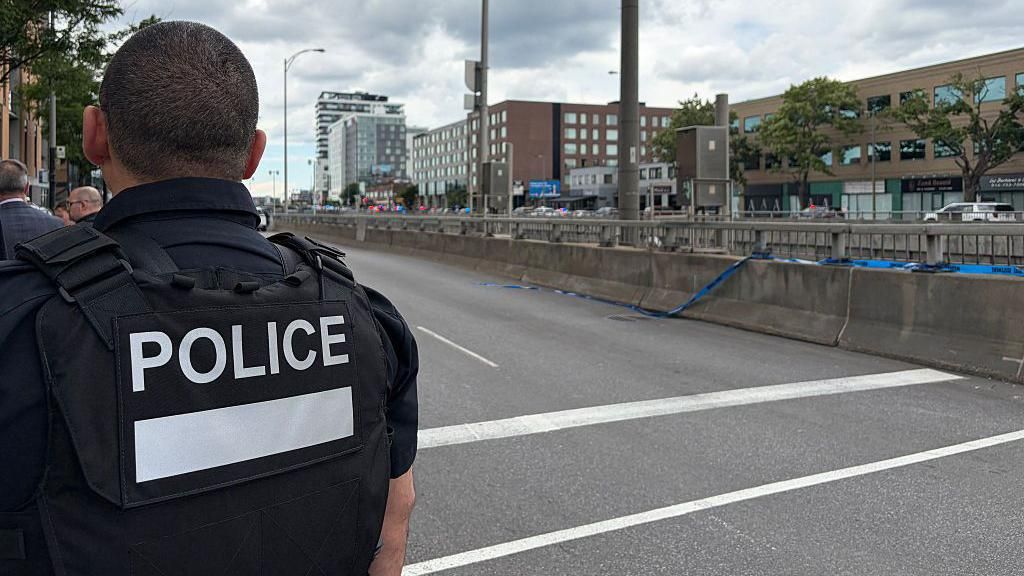
Montreal shooting leaves officer, civilian and suspect dead
A horrific daytime shooting in Montreal’s most populous neighborhood has left two people dead — including a serving police officer — and sent shockwaves through the Canadian city, marking the first on-duty killing of a Montreal police officer in nearly 25 years. The violence, which unfolded shortly after 11:30 a.m. EST on Monday, also left a second officer wounded and triggered a citywide emergency alert that disrupted major transportation links for hours.
Montreal Police Chief Fady Dagher confirmed to reporters that the male suspect, who authorities believe acted alone, was shot and killed immediately by responding officers after the attack. The incident took root in Côte-des-Neiges, a busy central district with a longstanding large Jewish community, when a local witness spotted the barrel of a gun protruding from a residential building window, heard repeated gunfire, and placed an urgent call to emergency services.
Speaking through visible emotion at an official press briefing hours after the shooting, Dagher described the event as an unfathomable tragedy for the force and the city. “It’s a nightmare,” he told assembled reporters, noting that the fallen officer — whose identity has not yet been released to the public — is the first Montreal police member to die in the line of duty since 1999, a 24-year gap that makes the loss even more staggering for the department.
The injured officer was quickly transported to a local hospital for treatment; as of the initial official update, no further details on their condition have been released. In addition to the officer and the suspect, an unidentified civilian also lost their life in the shooting, a detail confirmed by early law enforcement briefs.
Authorities quickly moved to secure the area and warn local residents, shutting down traffic on a nearby busy motorway and suspending service on the local Montreal Metro line to prevent civilian exposure to risk. Just after 12:30 p.m. EST, the provincial government of Quebec issued a public emergency alert, notifying residents across the region that an armed suspect was at large. The alert was formally lifted shortly after 3 p.m. EST, once Dagher confirmed the suspect had been neutralized.
Initial investigative findings indicate the suspect used a long-range firearm in the attack, though Quebec’s Domestic Security Minister Ian Lafrenière confirmed that investigators have not yet established a clear motive for the violence. “For now, we don’t really know what the motive of this individual was,” Lafrenière told reporters.
Local and provincial political leaders have quickly offered condolences to the families of the victims and condemnation of the attack. Montreal Mayor Soraya Martinez Ferrada shared her sympathies in a social media post, writing, “My deepest condolences to the family, friends, and colleagues of the police officer who died in the line of duty.” Quebec Premier Christine Fréchette echoed those condolences, adding in her own social media statement that “such acts have no place here.”
-
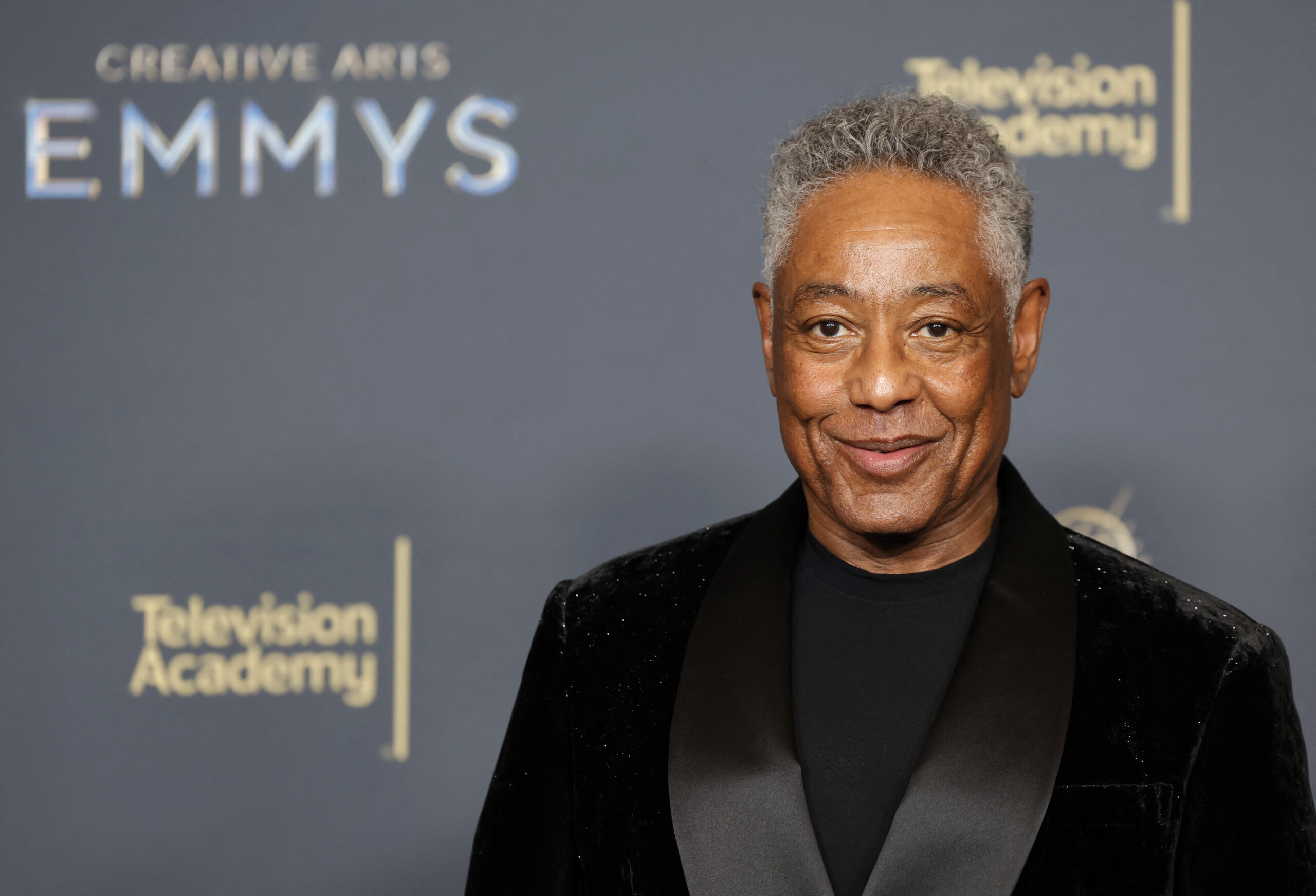
‘Devotion is everything’: Breaking Bad star Giancarlo Esposito converts to Islam
Hollywood star Giancarlo Esposito, best known for his iconic Emmy-nominated turn as calculating drug kingpin Gus Fring in *Breaking Bad*, has become the center of a viral global conversation after unconfirmed reports emerged that he has converted to Islam, sparked by his recent public remarks and on-site activities during a film tour in Morocco.
The 66-year-old multihyphenate — who counts acting, directing and producing among his credits — traveled to the North African kingdom this June to promote *7 Dogs*, a Saudi-backed Arabic-language action thriller in which he portrays Roman, a shadowy antiquities trafficker with deep ties to the elite ranks of the eponymous criminal syndicate.
While walking the red carpet for the film’s premiere, Esposito made striking remarks that quickly drew attention: “In your country, Muhammad is everything. For me, it’s the same.” In a subsequent interview with Radio Abraham, filmed while Esposito held what appeared to be Islamic prayer beads, he expanded on his comments, describing Moroccans as “a mirror” for himself. He praised the community’s open devotion, noting their shared understanding “that there is one God, one Allah,” and added that his time in the country allowed him to “see the truth.”
Days after the premiere, Saudi Arabia’s General Entertainment Authority chairman Turki Alalshikh shared a video on the platform X that pushed the story into viral territory. The footage captures Esposito leading a prayer alongside his *7 Dogs* production colleagues inside Casablanca’s iconic Hassan II Mosque. Alalshikh’s accompanying caption claimed Esposito made the decision to embrace Islam during months of filming *7 Dogs* on location in Saudi Arabia. As of press time, the post has racked up more than 13 million views.
In a pre-video interview with *Lalla Fatema* magazine at the Casablanca premiere, Esposito himself had already confirmed that his first stop after arriving in Morocco was the Hassan II Mosque, where he said he stopped to pray. To date, the acclaimed actor has not issued an official, personal confirmation of the conversion reports. Multiple requests for comment from Middle East Eye went unanswered ahead of publication.
Even without an official statement, the news has exploded across social media, with overwhelmingly positive reactions pouring in, particularly from Arabic-speaking users around the world. Dozens of posts across X and Instagram have welcomed Esposito to the Islamic faith, with many users calling the announcement one of the most pleasant and surprising pieces of entertainment news in recent memory. One user wrote on X: “By God, this is the best news of the day. Esposito converted to Islam and pronounced the testimony of faith, may God make him steadfast.” Another commented: “One of the most shocking and heartwarming news stories at the same time. Uncle Gustavo Fring from *Breaking Bad* and *Better Call Saul* embraces Islam. Praise be to God, that God guides whom He wills.”
Alongside sincere messages of welcome, many social media users have leaned into humor, creating lighthearted memes that tie Esposito’s reported conversion to his most famous on-screen roles. One viral X post edited a classic promotional photo of Esposito standing next to the sign for Gus Fring’s fictional fried chicken restaurant Los Pollos Hermanos, replacing the original logo with that of beloved Saudi fried chicken chain Albaik. On Reddit, users joked: “Los Pollos will now be serving halal chicken.” The playful content has only amplified the story’s reach, turning a celebrity religion story into a global viral conversation.