作者: admin

  • Watch: Horses evacuated as fire approaches riding centre near Paris

    Watch: Horses evacuated as fire approaches riding centre near Paris

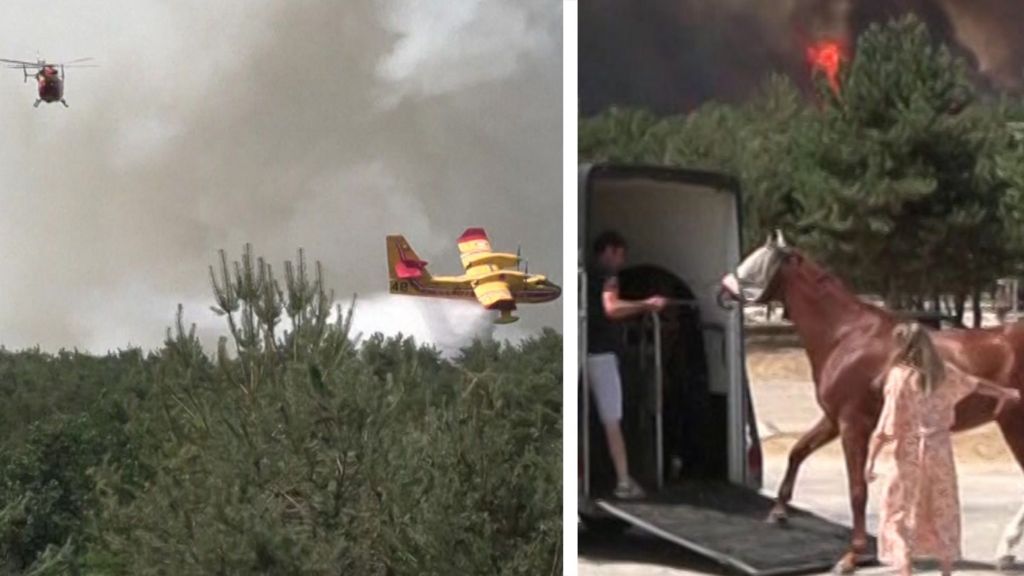
    A massive wildfire of what local officials call ‘exceptional scale’ has burned through Fontainebleau Forest outside Paris for a second consecutive day, forcing emergency responders to evacuate dozens of horses from a nearby equestrian riding centre as advancing flames threaten the facility.

    The iconic Fontainebleau Forest, a popular recreational and ecological site located approximately 50 kilometres southeast of the French capital, has been consumed by the out-of-control blaze, which has already scorched hundreds of hectares of woodland. As of Tuesday local time, fire crews have been working around the clock to contain the spread, but dry conditions and unseasonably warm winds have hampered containment efforts, allowing the fire to expand closer to populated and recreational areas.

    Images and video footage released by emergency services show teams of first responders and equestrian volunteers leading horses away from the at-risk riding centre, moving the animals to safer locations far from the fire line. Local officials have issued warning notices to nearby communities, urging residents to stay alert and follow evacuation orders if issued.

    Officials have stressed that the fire’s size and intensity are unusual for the region at this time of year, linking the extreme fire conditions to ongoing climate change patterns that have increased drought and elevated wildfire risk across much of Western Europe. At the time of this update, no casualties have been reported, but containment efforts are expected to continue for days as crews work to bring the blaze under full control.

  • McCullum says sorry to England fans after being axed as test coach

    McCullum says sorry to England fans after being axed as test coach

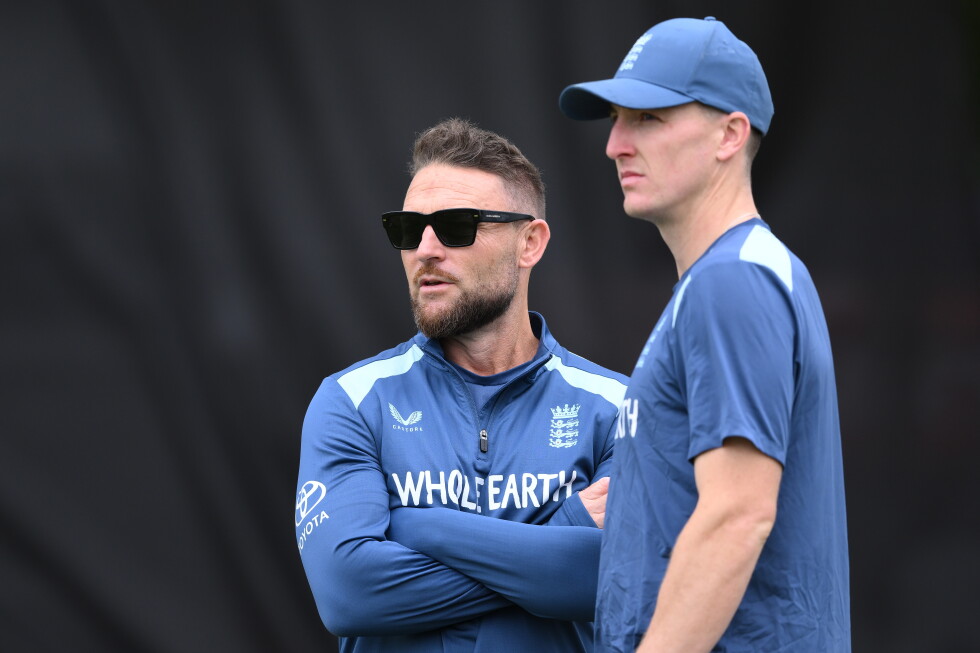
    BIRMINGHAM, England – In a high-profile shakeup to England’s senior men’s cricket setup, former Test team head coach Brendon McCullum has publicly apologized to English cricket supporters after being removed from his red-ball coaching role, while confirming he will retain his position leading the national side’s limited-overs formats.

    The New Zealand-born coach, who revolutionized England’s Test playing style with the high-risk, aggressive approach nicknamed “Bazball” alongside captain Ben Stokes, was relieved of his Test duties on Sunday, just under three years after taking the post in 2022. McCullum pushed back on an earlier statement from the England and Wales Cricket Board (ECB) that implied he stepped down voluntarily, confirming publicly on Monday at Edgbaston that he was dismissed from the role.

    “Yeah, I got a tap on the shoulder,” McCullum told reporters, speaking 24 hours before England was set to kick off a one-day international series against India at the same ground. “I was disappointed but at the same time I fully respect the decision. We’re in a results business and fundamentally our results weren’t good enough. It’s time for someone else to have a go.”

    McCullum’s tenure as Test coach got off to a historic, explosive start: his aggressive batting philosophy re-energized global interest in the five-day format, and England notched 10 wins in his first 11 matches at the helm, bringing immediate acclaim to both McCullum and Stokes. For two years, Bazball was hailed as a game-changing shift that injected new life into stagnant Test cricket.

    However, as key veteran players retired from the international side, results declined sharply over the final stretch of McCullum’s tenure. England dropped seven of its last nine Test matches, including a 2-1 series defeat to New Zealand last month – the result that directly led to Ben Stokes’ surprise retirement from Test cricket. Beyond the late losing streak, McCullum’s side never managed to secure a win in major flagship series against the world’s top two ranked sides, Australia and India: England drew both home series 2-2, and lost on the road against both nations.

    As the figurehead leading the team’s strategy and culture, McCullum said he takes full responsibility for the underwhelming results, and issued a direct apology to fans. “We just weren’t quite able to win those big series, against India and Australia. For that I guess I can only say sorry,” he said. “I was the leader of that group. I was in charge of the team culturally, in charge of the team tactically, in charge of the team results-wise as well. I’ve been around this game for 20-odd years and I know if you aren’t getting the results someone else needs an opportunity. I put my hand up for that and accept it wasn’t good enough.”

    McCullum noted there was a poetic symmetry to the timing of his exit, coming less than two weeks after Stokes’ emotional farewell from Test cricket at Trent Bridge. He shared that he had received warm messages from his former captain, framing their joint departure as a fitting end to their partnership that redefined English Test cricket. “I got some nice messages from Stokesy,” he said. “I guess, in a romantic kind of way there’s something about Stokesy and me going out together. We started it together and we go out together, and I have no problem with that.”

  • Peter Nygard found guilty in Montreal sexual assault case – reports

    Peter Nygard found guilty in Montreal sexual assault case – reports

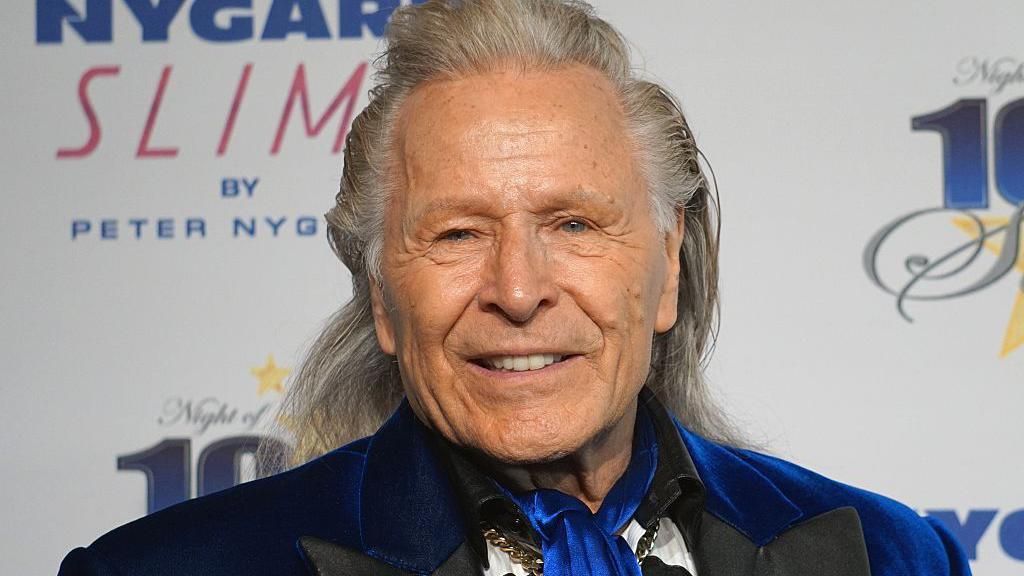
    One of Canada’s most high-profile former fashion industry leaders has received another major guilty verdict in a long-running series of sexual assault cases that have spanned decades and two countries. On Monday, 84-year-old Peter Nygard, once the head of global apparel giant Nygard International, was found guilty of sexual assault and forcible confinement by a Montreal judge, in a case connected to alleged crimes committed in the city during the 1990s, Canadian national media has confirmed.

    The conviction marked an unexpected turn in the proceedings: Nygard’s legal team confirmed he would not present any defensive evidence on the first day of the scheduled 10-day trial. The charges against Nygard in this Quebec case were originally laid by provincial prosecutors back in 2022.

    This is not the first conviction the 84-year-old has faced in recent years. In 2024, he was sentenced to 11 years in federal prison after being found guilty of sexually assaulting four different women in Toronto between the late 1980s and 2005. Earlier this year, Ontario’s appellate court rejected his attempt to overturn that conviction, leaving the original sentence intact.

    Nygard’s legal history also includes other unresolved or dismissed charges: last year, a judge in Winnipeg, Manitoba stayed additional historical sexual assault charges connected to Nygard, ruling that police failures to preserve older investigative records violated his constitutional right to a fair trial. The BBC has reached out to Nygard’s current legal representation for additional comment on the new Montreal conviction, but has not yet received a response.

    The allegations against Nygard stretch back decades, with prosecutors and accusers claiming the former mogul used his substantial wealth, industry influence, and corporate power to carry out a systematic pattern of sexual assault and sex trafficking of women across both Canada and the United States during his tenure leading Nygard International. The corporate empire collapsed in 2020: just weeks after U.S. law enforcement raided the company’s New York headquarters, Nygard stepped down as board chairman, and the firm filed for bankruptcy shortly after.

    Once all current Canadian legal proceedings against Nygard are finalized, U.S. authorities have confirmed they intend to extradite him to face additional charges south of the border. American prosecutors allege Nygard engaged in a 30-year pattern of criminal sexual misconduct that victimized at least 12 people across multiple countries. According to Canadian public broadcaster Radio-Canada, Nygard’s lawyer confirmed Monday that the former fashion executive plans to petition Canada’s justice minister to block the extradition request, citing his advanced age and declining health as core justifications for the request. Nygard has repeatedly denied every allegation brought against him since the investigations first began.

  • Erdogan gifts Trump gold-plated revolver during Nato summit

    Erdogan gifts Trump gold-plated revolver during Nato summit

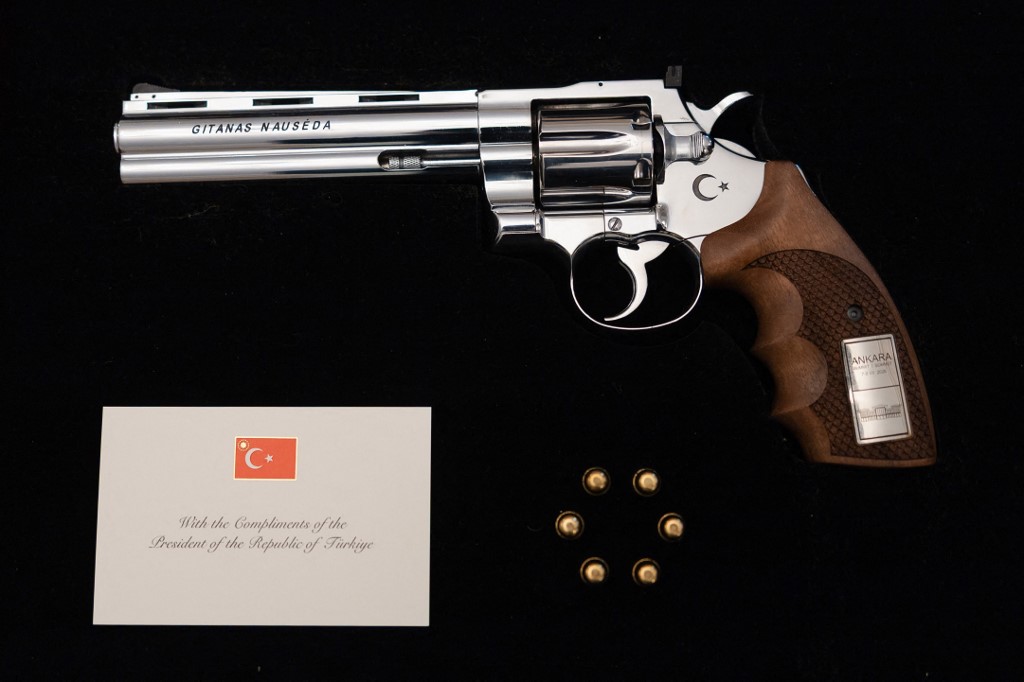
    Multiple sources with direct knowledge of the exchange have confirmed to independent outlet Middle East Eye that Turkish President Recep Tayyip Erdogan presented former U.S. President Donald Trump with a one-of-a-kind gold-plated personalized revolver during Trump’s attendance at last week’s NATO summit held in Ankara.

    While Erdogan extended similar customized Turkish-made revolvers to every NATO head of state in attendance at the gathering, Trump’s firearm is the only one confirmed to feature the special gold finish, the sources add. The weapon matches the specifications of the Gumusay .357 Magnum, the first domestically produced revolver manufactured in Turkey, and arrived housed in a polished wooden case emblazoned with both the Turkish national flag and the official NATO emblem. An inscribed placard inside the case explicitly labels the gun as “the first revolver-type handgun produced in our country.” The only modification made to Trump’s version, insiders note, is the gold plating applied to the revolver’s grip. As of press time, the White House has not issued any comment in response to Middle East Eye’s requests for clarification about the gift.

    This high-profile gift exchange unfolds against a backdrop of steadily warming bilateral ties between the Erdogan administration and Trump’s White House. A senior U.S. official recently characterized the personal dynamic between the two leaders as marked by “special chemistry,” a rapport that has paved the way for deeper cooperation between Washington and Ankara.

    In the coming months, the Trump administration is widely expected to roll back economic sanctions imposed on Turkey under the Countering America’s Adversaries Through Sanctions Act (CAATSA). Those penalties were levied in 2019 after Ankara purchased Russia’s advanced S-400 air defense missile system, a deal that sparked months of friction between the NATO ally and the United States. To resolve the long-running dispute permanently, Trump is also preparing to move forward with an agreement that would see Turkey transfer or sell the S-400 system to a third-party Gulf state, with the United Arab Emirates emerging as the leading candidate for the purchase.

    The diplomatic push aligns with both warming U.S.-Turkey relations and Ankara’s broader strategic goal of expanding Turkish defense exports as a core pillar of its foreign policy. Data from the Geneva-based Small Arms Survey, cited by Reuters, shows that between 2019 and 2024, Turkey ranked as the world’s third-largest exporter of small arms globally, trailing only the United States and Italy, with total exports reaching roughly $3 billion over the five-year period.

    Under existing U.S. federal ethics regulations, any gift from a foreign government valued at more than $525 automatically becomes property of the U.S. federal government, unless the recipient pays the government the full appraised value of the item to retain it. This means Trump will either be required to turn the custom revolver over to federal authorities or cover its assessed cost if he wishes to keep the unique gift in his personal possession.

    The gold-plated revolver has drawn extra public interest due to Trump’s widely documented preference for gold-colored finishes and luxury decor. During his first term in office, Trump oversaw a high-profile renovation of the Oval Office that incorporated multiple gold-toned ornamental and decorative elements. This is also not the first time a foreign leader has gifted Trump a gold-plated firearm: in 2019, then-Czech Prime Minister Andrej Babis presented Trump with a limited-edition gold-plated CZ 75 pistol engraved with the year of Trump’s birth.

  • Roaming charges scrapped and faster airport checks in UK-Switzerland deal

    Roaming charges scrapped and faster airport checks in UK-Switzerland deal

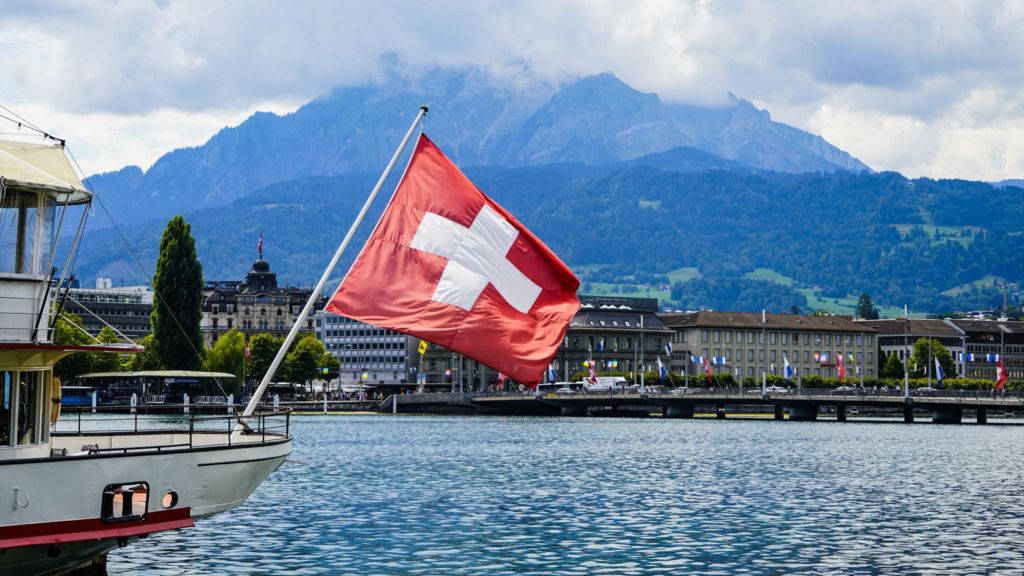
    The United Kingdom has locked in a landmark new bilateral trade agreement with Switzerland that delivers sweeping improvements for British business professionals and leisure travelers, while cementing deeper economic ties between the two nations after Brexit. This deal, labeled by UK Trade Secretary Peter Kyle as the most consequential services trade agreement the country has ever negotiated, brings a series of tangible benefits that touch both everyday travel and long-term commercial growth.

    One of the most immediate changes for UK travelers will be streamlined airport processing: starting as early as the end of 2026, holders of British passports will gain access to automated e-gates at Zurich Airport, with Basel and Geneva airports expected to confirm their own rollout timelines in the near future. Swiss travelers have already been able to use e-gates at UK airports for some time, making this change a reciprocal upgrade that cuts wait times for visitors. In addition to faster border clearance, the deal permanently eliminates mobile roaming charges for tourists and business travelers moving between the two countries, ending unexpected extra costs that plagued cross-border trips in previous years.

    For businesses and professional services providers, the agreement locks in long-term certainty that previous temporary arrangements did not offer. A prior services mobility framework that allowed providers to work for up to 90 days in each country without a work permit was scheduled to expire in 2029, but the new deal makes this arrangement permanent. UK employees transferring to Swiss offices will also be able to work in the country for up to five years without undergoing strict economic needs testing, a regulatory change that is expected to benefit a wide range of professional sectors including law, accounting, and architecture, according to UK government officials.

    On the macroeconomic front, the UK government projects that the new deal will boost annual British exports to Switzerland by £5.2 billion in the long term. Switzerland already stands as the UK’s sixth-largest export market for services, with total bilateral services trade hitting more than £30 billion in 2025. Roughly 800,000 British nationals travel to Switzerland for leisure and business each year, meaning a large share of travelers will directly benefit from the deal’s travel-focused reforms.

    Officials emphasize that the new e-gate arrangement for UK travelers in Switzerland is independent of Switzerland’s alignment with the European Union’s upcoming Entry/Exit System (EES), a separate border reform that will also grant UK citizens access to EU e-gates. In a related development, UK Transport Secretary Heidi Alexander held talks with European Commissioner for Sustainable Transport and Tourism Apostolos Tzitzikostas this week to coordinate on the rollout of the EU’s EES ahead of the busy 2026 summer travel season. The two sides agreed to work closely together to ensure border checks run as smoothly as possible for travelers during the peak period.

    The new Switzerland agreement marks the latest in a series of independent trade deals struck by the UK following its exit from the European Union, joining previously completed agreements with the United States, India, the Gulf Cooperation Council, South Korea, and the EU. The deal comes as outgoing UK Prime Minister Keir Starmer enters his final weeks in office, ahead of the planned transition to incoming Prime Minister Andy Burnham. In a statement on the agreement, Starmer framed the deal as a win for both economic growth and everyday people.

    “Whether you’re growing a business or travelling for work, this agreement is about making life easier and creating more opportunity for people across the UK,” Starmer said. “It means British firms will find it easier to sell their expertise in one of our most important markets in Europe, supporting jobs and investment here at home.”

  • Trump pushes for Lindsey Graham’s sister as replacement after senator’s death from aortic tear

    Trump pushes for Lindsey Graham’s sister as replacement after senator’s death from aortic tear

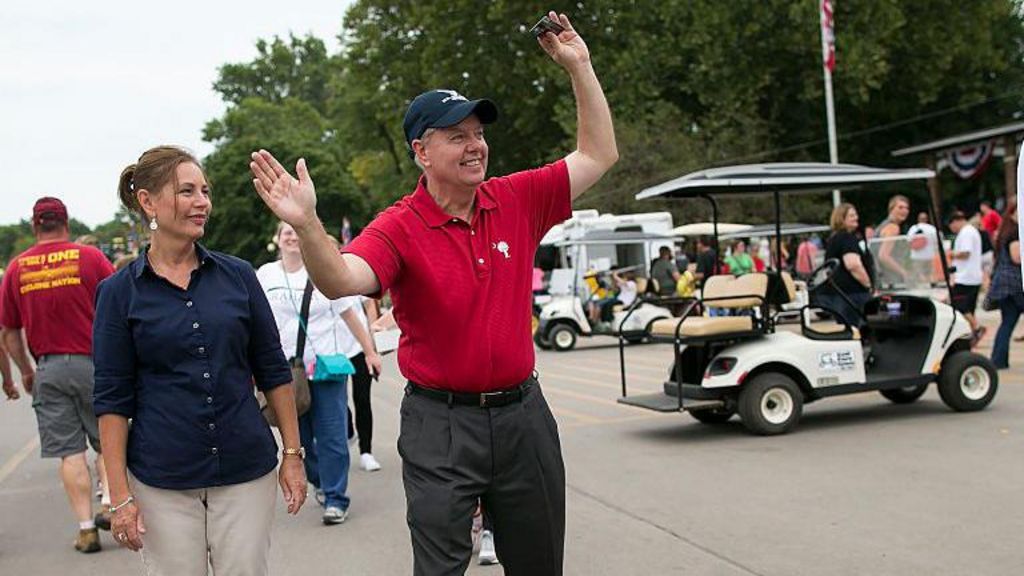
    Long-serving South Carolina Republican Senator Lindsey Graham died Saturday at the age of 71 from a life-threatening aortic tear, leaving a sudden vacancy in the U.S. Senate that has sparked a process to fill the seat ahead of November’s general election. Graham, who had already secured the Republican Party’s nomination to run for another term this fall, built a deeply close lifelong bond with his younger sister, Darline Nordone, shaped by an early family tragedy that tied the two together forever.

    When the siblings were still young, their parents passed away within just 15 months of one another. At the time, Graham was 22 years old, while Nordone was only 13. As he went on to build his career through law school, service in the U.S. Air Force, and decades of public office, he remained her closest guardian, eventually legally adopting her to ensure she could access his military benefits if anything unexpected happened to him. In a 2015 interview with *The New York Times*, Nordone described Graham as “a brother, a father and a mother rolled into one”, reflecting the unique, all-encompassing role he played in her life. A mother of two who currently works to connect people with disabilities to stable employment, Nordone has stood by her brother through every step of his decades-long political career; Graham even once joked that she would serve as his first lady if he had won the presidency.

    Following Graham’s passing, former U.S. President Donald Trump has publicly thrown his support behind Nordone to serve as the interim senator filling the vacancy until the newly elected senator takes office in January. On his social platform Truth Social, Trump released a post Monday stating that he had recommended Nordone to South Carolina Governor Henry McMaster, who holds the constitutional authority to appoint a temporary replacement for the vacant seat. “This would be a fabulous tribute to Lindsey, who loved her dearly,” Trump wrote in his post.

    Trump’s endorsement is not the only one backing Nordone for the temporary role: South Carolina’s other sitting Republican Senator Tim Scott has also publicly expressed his support, telling CBS News that she “would be a wonderful placeholder” for the seat ahead of November’s vote. Multiple other Republican candidates have already publicly announced their intention to run for the full Senate term in the upcoming general election, following Graham’s unexpected passing.

    Governor McMaster has scheduled a formal news conference for 16:00 EDT Monday, where he plans to first reflect on Graham’s life and decades of public service, before officially announcing his appointment to fill the ongoing Senate vacancy. As of Monday afternoon, Nordone has not released any public statement responding to her brother’s death or the proposal to appoint her to the interim Senate seat.

  • EU rallies dozens of nations to pledge $1 billion for recovery fund in Gaza

    EU rallies dozens of nations to pledge $1 billion for recovery fund in Gaza

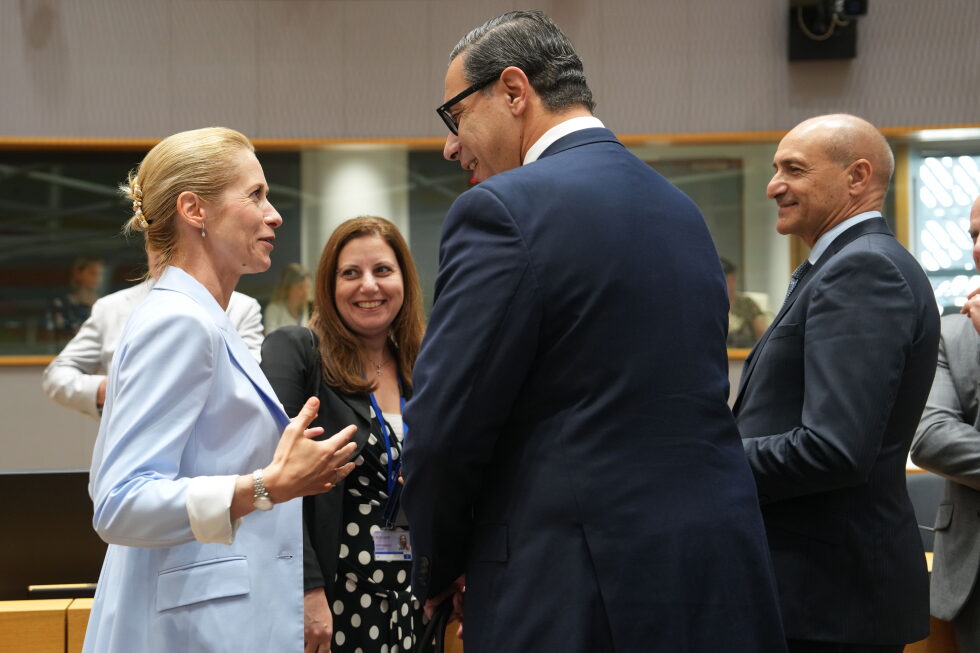
    BRUSSELS – European Union’s top foreign policy leader Kaja Kallas confirmed Monday that the bloc has successfully coordinated a €900 million ($1 billion) humanitarian and recovery aid package for the war-battered Gaza Strip, bringing together 65 participating governments and international organizations to back the effort. Among the key partners contributing to the fundraising initiative are the White House and the United Nations, marking a broad show of global collaboration on addressing Gaza’s deepening humanitarian and developmental crisis.

    The announcement came at the conclusion of a newly scheduled meeting of the Palestine Donors Group, held in the EU’s capital Brussels. The gathering marked the second convening of the bloc’s Team Gaza Initiative, a targeted effort launched to marshal international financial and political backing for critical recovery projects across Gaza. These initiatives focus on rebuilding core public services and livelihood infrastructure, including sanitation systems and agricultural production capacity, for the enclave’s 2 million residents who have endured widespread destruction and protracted conflict.

    Speaking after the meeting, Kallas emphasized the EU’s long-standing commitment to the Palestinian people, positioning the bloc as a leading global actor on Palestinian issues. “The EU is the most credible supporter for the Palestinian people. We are the largest donor and the strongest backer of the two-state solution,” she stated, reinforcing the bloc’s persistent diplomatic stance alongside its financial contributions to Gaza.

  • World Cup 2026: Muslim footballers challenge Europe’s identity debate

    World Cup 2026: Muslim footballers challenge Europe’s identity debate

    For generations, Islam has functioned as a divisive political flashpoint across European politics, weaponized by far-right movements and even mainstream factions to stoke anti-immigrant sentiment. But on the world’s biggest football platform, a new generation of Muslim players is quietly rewriting the narrative: proving that their faith is not a foreign import, but an integral, long-standing thread in the European social fabric.

    With an estimated 2 billion Muslims across the globe, accounting for roughly one-quarter of the world’s total population, open expressions of Islamic faith at this World Cup – which hosted 13 nations with Muslim-majority populations – should have been unremarkable. What has caught global attention, however, is the number of high-profile faith displays coming from athletes representing European nations with majority-Christian populations, pushing back against the false narrative that Islam and European identity are incompatible.

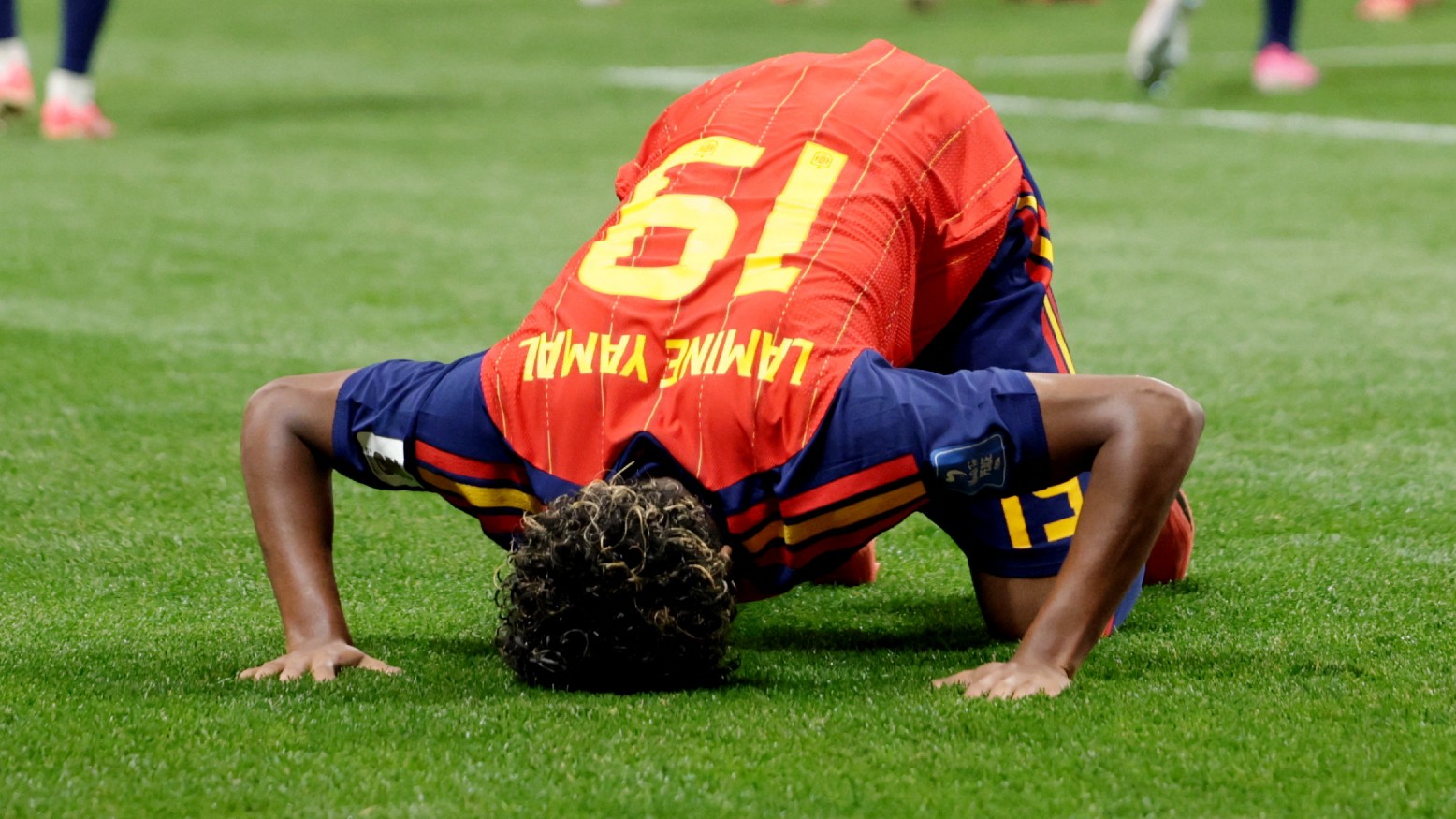
    Take 16-year-old Spanish prodigy Lamine Yamal, the dynamic FC Barcelona forward who became one of the breakout stars of the tournament. After scoring his first-ever World Cup goal against Saudi Arabia, Yamal performed sujood – the Islamic act of prostration in prayer – sending headlines across global sports media. This was not the first time the teenager’s faith had drawn controversy: earlier that year, during a friendly between Spain and Egypt held in his hometown of Barcelona, sections of the crowd launched a xenophobic chant: “Who doesn’t jump is Muslim.”

    Yamal did not stay silent in the face of the provocation. Taking to social media, he wrote: “I am Muslim alhamdulilah… Football exists to entertain and lift people up, not to disrespect others for what they believe.”

    That incident was far from an isolated case. It grew out of a long-running political trend across Europe, where far-right groups – and increasingly, segments of mainstream political parties – have pushed a false binary: framing a “Christian Europe” that must defend itself against the supposed foreign threat of Islam. This narrative overlooks a core historical fact: both Christianity and Islam emerged from the same Arabian Peninsula, with Islam arising just six centuries after the crucifixion of Jesus Christ.

    Yamal is not the only European Muslim footballer who has been forced to push back against othering from political actors and fans. In 2024, Germany center-back Antonio Rüdiger, a practicing Muslim, shared an Instagram post marking the start of Ramadan, in which he raised his index finger in tawhid, the universal Islamic gesture symbolizing the oneness of God. What should have been a harmless, personal expression of faith instead prompted a scathing, false attack from Julian Reichelt, editor-in-chief of German tabloid *Bild Zeitung*, who falsely claimed the gesture was a symbol of support for the Islamic State group.

    Rüdiger responded by filing a defamation lawsuit against Reichelt, accusing him of defamation and incitement to religious hatred, though public prosecutors later dropped the proceedings.

    Just days before Yamal’s goal against Saudi Arabia, another European-based player celebrated a World Cup goal with sujood: Yasin Ayari, who scored the opening goal for Sweden against Tunisia. Ayari, who has Tunisian roots, had long been courted by the Tunisian Football Federation to switch his international allegiance. Out of respect for his father’s home country, he followed his celebration with a quiet gesture asking for forgiveness. Even so, his act of faith and muted celebration sparked fierce backlash, with Jimmie Åkesson, leader of the far-right Sweden Democrats, publicly refusing to recognize Ayari as a Swedish citizen. Social media was flooded with hostile criticism of both the player and his expression of faith.

    In reality, Ayari’s journey tells a far different story than the one pushed by anti-immigrant politicians: it is proof that Islam is already part of modern Europe, and that the overwhelming majority of immigrants and their children integrate fully into their home societies. It was Ayari’s own Tunisian-born father, Azouz, who encouraged him to represent Sweden, telling Swedish outlet *Aftonbladet*: “My children are part of Sweden. They were born here, their friends are here. I’m an immigrant, but Yasin is Swedish with a Tunisian background. He has every right to play for this country. I really want him to play for Sweden. He should feel that he can give back to the nation that took care of him, that gave him schools, opportunities, that raised him. Why would I interfere? I’m so happy for him.”

    While Ayari, Yamal and Rüdiger inherited their faith from their immigrant families, a growing number of European-based footballers have chosen to embrace Islam through conversion, adding another layer to the story of Islam’s place in modern Europe. Some of the biggest names in the sport count themselves among this group: four-time UEFA Champions League winner Clarence Seedorf, a former Netherlands midfielder; French-Malian striker Frédéric Kanouté; and 2018 World Cup-winning French midfielder Paul Pogba.

    More recently, Djed Spence, a left-back who represented England at this World Cup, became the first openly Muslim player to earn a cap for the men’s senior national team, making his debut in World Cup qualifying against Serbia in 2022. “I was surprised because I didn’t know I was the first, so it’s a blessing,” he said after England’s 5-0 win. “It’s good to make history and hopefully inspire young kids around the world that they can make it as well. They can do what I am doing.”

    The reach of European-based Islamic conversion even extends to this World Cup’s most surprising underdog story: Cape Verde, the tiny Atlantic archipelago nation that captured global hearts after pulling off incredible upsets against Spain and Uruguay to advance out of their group, nearly knocking out eventual champions Argentina. The overwhelmingly Roman Catholic nation drew heavily on its diaspora for its squad, with nearly half of its players born outside the country, many of them raised in Europe. Three members of the squad converted to Islam during their time playing professionally in Europe.

    Jamiro Monteiro, the 32-year-old midfielder who first represented Cape Verde in 2016, converted to Islam five years ago while living in his native Rotterdam, Netherlands. French-born teammates Logan Costa and Steven Moreira followed similar spiritual paths, converting during their professional careers. “I was interested in religion from a young age and read about Islam, then later I was living with a fellow player that was Muslim and he encouraged me to start praying with him. That’s when I started to feel something inside me,” 25-year-old defender Logan Costa explained of his journey, which concluded with his formal conversion in 2020.

    Moreira, 31, the 2024 MLS Defender of the Year, shared a similar origin story. “I was in an academy in Rennes and I used to room with one of my friends. We did something wrong and they separated us and they put me with an older player,” he recalled. That older player was Abdoulaye Doucouré, the former Everton midfielder and a practicing Muslim. Watching Doucouré pray five times a day and fast during Ramadan sparked Moreira’s curiosity. Before long, he was asking questions, exploring the faith, and eventually embracing it himself. “I could feel something was moving for me but you’re a bit scared because you weren’t raised with that. You don’t know how your family will react … but when I told them, they said: ‘You’re a better person now.’ Alhamdulillah.”

    The three players celebrated Monteiro’s opening goal at the 2023 Africa Cup of Nations with a joint sujood, and their shared faith has only strengthened the unity of the Cape Verdean squad. “Whether we are Muslim or Christian our strength is that we are together – we are all Cape Verdean,” Costa said ahead of the team’s historic World Cup run. The squad has fully accommodated the three players’ faith, providing halal food throughout training camps and tournaments, and views their different religious identities simply as a natural outcome of their diaspora roots, raised across European communities.

    Against a backdrop of rising anti-Muslim rhetoric across European politics, these players – through their performances, their courage, and their open expressions of faith – are building a new, more inclusive narrative of what it means to be European in the 21st century.
  • Trump says US reinstates Iran blockade, will be ‘paid’ for guarding Hormuz

    Trump says US reinstates Iran blockade, will be ‘paid’ for guarding Hormuz

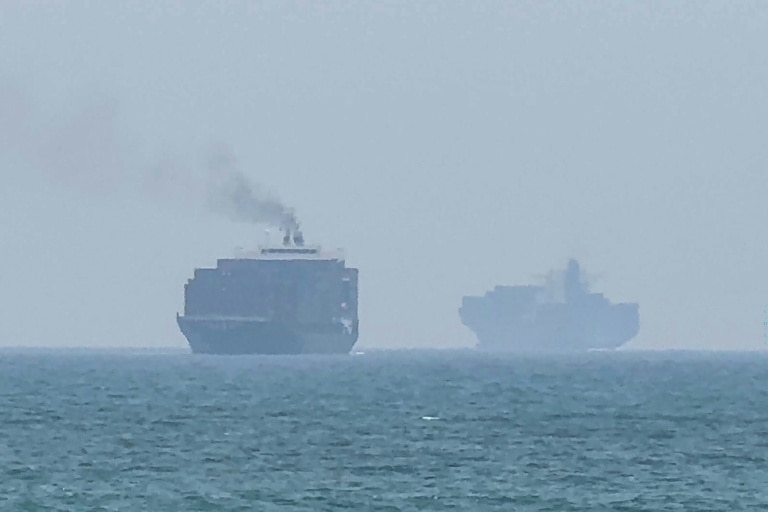
    In a sudden announcement that has reignited tensions across the Middle East, former President Donald Trump revealed Monday that the United States is reimposing a targeted blockade on Iranian maritime traffic and formally claiming control over security operations at the Strait of Hormuz, one of the world’s most critical energy chokepoints. The move comes just days after the region saw the largest-scale exchanges of fire between U.S. and Iranian forces since a fragile April ceasefire, throwing new uncertainty into international efforts to reach a lasting end to the conflict that has already disrupted global energy shipping for months.

    Breaking the news via his Truth Social platform, Trump clarified that the new blockade is targeted exclusively at Iranian vessels and their trading partners, rather than closing the waterway to all global shipping. “The Hormuz Strait is OPEN, and will remain OPEN, with or without Iran. We are reinstating the Iranian Blockade, so named because it is only stopping Iran’s ships or customers from entering or leaving,” he wrote. “All other countries will have fair and open use of the Strait. The U.S.A. will be, from this point forward, known as ‘THE GUARDIAN OF THE HORMUZ STRAIT.”

    Beyond the reinstatement of shipping restrictions on Iran, Trump introduced a dramatic new policy: a 20% fee on all cargo passing through the strait, designed to offset U.S. costs of providing security in the volatile region. “The U.S. will be reimbursed, at the rate of 20% on all cargo shipped, for any and all costs necessary to do the job of providing safety and security to this very volatile section of the World. The process and formation will begin immediately,” he stated.

    Speaking to Fox & Friends earlier that day, Trump justified the new fee structure, noting that the U.S. has long provided security at the strait without any financial compensation, putting American personnel at risk for the benefit of other nations. “We’ve been guarding the strait for ‘nothing,’ but now would be reimbursed by wealthy nations for doing all of this, for putting our people in danger,” he said. He also cited last-minute changes requested by Iranian negotiators to a tentative deal reached during 11 hours of weekend talks as a key trigger for his decision, though he did not detail the specific changes Iran sought.

    The escalation traces back to late February, when Iran first closed the strait to commercial shipping in retaliation for joint U.S.-Israeli strikes on Iranian targets. In response, Washington initially imposed its own ban on all shipping to and from Iranian ports. Those restrictions were relaxed after Washington and Tehran reached a ceasefire-focused memorandum of understanding brokered in June, but the recent resumption of hostilities has undone that progress.

    Iran has quickly pushed back against Trump’s announcement. The country’s military command insisted Monday it will not tolerate U.S. interference in the strategic oil and gas conduit, while also issuing a warning to Gulf Arab states — which have suffered heavy damage from Iranian retaliatory attacks in recent months — against cooperating with Washington. Following U.S. strikes that hit dozens of Iranian targets across the region on Monday, Iran’s Revolutionary Guards launched retaliatory strikes against targets in Bahrain, Jordan, Kuwait and Oman, and reaffirmed its claim that the strait is currently closed to commercial traffic.

    Amid the rapidly escalating situation, Iran’s foreign ministry spokesperson confirmed that Tehran is currently engaged in diplomatic talks with mediators from Qatar, Pakistan and Oman to prevent further escalation of the conflict. The Strait of Hormuz remains one of the most geopolitically significant waterways on Earth, carrying roughly a fifth of the world’s daily oil consumption and a large share of global liquefied natural gas exports, meaning any prolonged disruption or conflict in the area could send global energy prices soaring and impact economies worldwide.

  • Bison rams grandfather in Yellowstone Park, knocking him metres into the air

    Bison rams grandfather in Yellowstone Park, knocking him metres into the air

    On a Friday evening in late sunset at Bridge Bay Campground, nestled along the shores of Yellowstone Lake in Wyoming’s Yellowstone National Park, a routine family photo opportunity turned into a terrifying wildlife attack that has underscored longstanding safety guidance for millions of annual visitors.

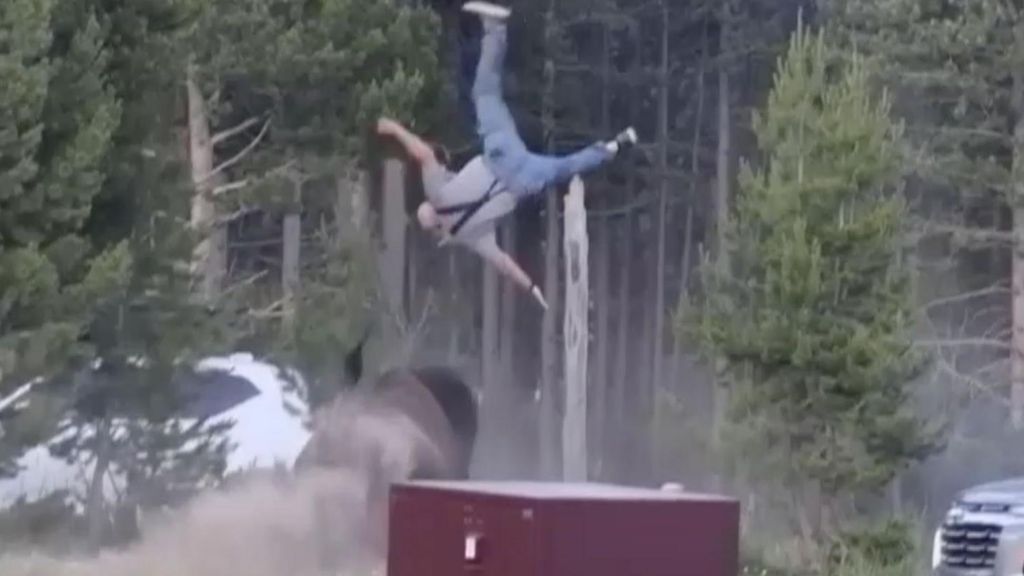
    Viral footage captured by onlooker Mike MacLeod shows 65-year-old Carl Isom-McDaniel and his grandson pausing during a walk to snap pictures of a 2,000-pound (900-kilogram) bull bison resting in the grass. While the pair appeared to keep a moderate distance from the animal at first, the bison soon displayed clear signs of agitation: it flopped repeatedly onto its side before springing to its full, massive size. A white pickup truck that had slowly approached the scene sped off after the bison charged its front end, leaving the massive animal free to continue a thunderous charge toward Isom-McDaniel and his grandson, kicking up a cloud of loose dirt as it ran.

    The two visitors attempted to outrun the bison by cutting through a dense thicket of trees, but the animal quickly closed the gap. According to MacLeod, who spoke to local outlet Cowboy State Daily after recording the incident, the bison hooked Isom-McDaniel’s hip with its left horn and tossed the 65-year-old fully into the air. “He made a perfect flip and landed on his side,” MacLeod described. Though Isom-McDaniel remained conscious throughout the immediate aftermath and even maintained good spirits by joking with witnesses, he sustained severe multiple injuries, particularly to his leg, and reported being in extreme pain. He was later transferred to a local hospital for treatment, the New York Times has confirmed.

    As of press time, the National Park Service (NPS), which manages Yellowstone National Park, has not released an official statement on the attack, and the BBC has confirmed it has requested comment from the agency on the incident. This attack comes as the NPS has long warned visitors about the underappreciated danger bison pose in the park. On its official website, the agency notes that while bison often appear slow and calm to untrained visitors, they have injured more people in Yellowstone than any other native wildlife species. The animals can reach running speeds three times faster than the average human, making escape nearly impossible once a charge begins. To prevent attacks, the NPS requires all visitors to stay a minimum of 25 yards (23 meters) away from bison at all times, and explicitly warns against approaching the animals to take photographs.

    Summer is the peak visitation season for Yellowstone, with NPS data showing nearly 60% of the park’s total annual visitors arrive during June, July and August. As crowds continue to flock to the iconic national park this summer, this incident has drawn renewed attention to the importance of following wildlife safety protocols to avoid dangerous human-wildlife encounters.