作者: admin

  • Yemen’s Houthis say Sanaa airport bombed

    Yemen’s Houthis say Sanaa airport bombed

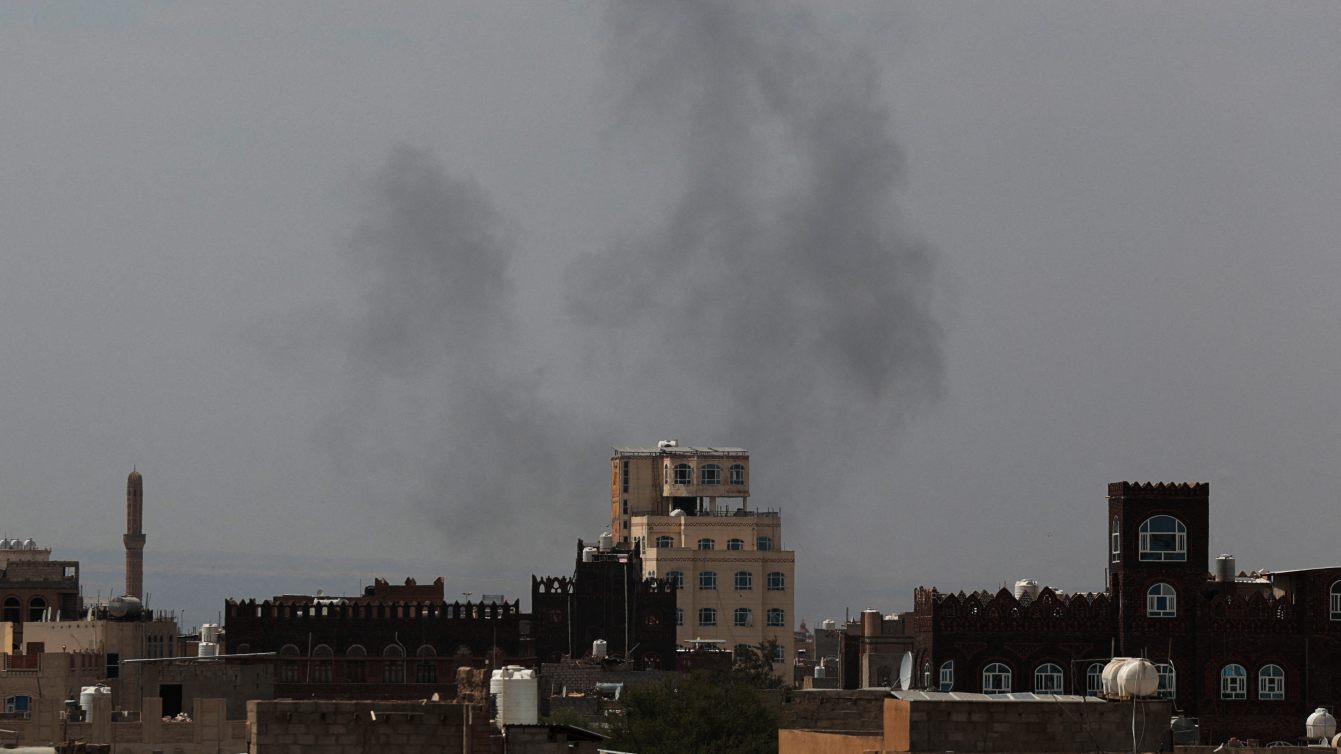
    In a sudden shift that risks unraveling years of tentative calm in Yemen, the Houthi movement announced Sunday it was formally ending its de-escalation agreement with Saudi Arabia, pledging swift retaliation over what it claims was an unprovoked Saudi airstrike on Sanaa International Airport.

    Yahya Saree, the official spokesperson for Houthi-aligned Yemeni armed forces (officially known as Ansar Allah), confirmed that the alleged strike marks the end of all bilateral efforts to maintain a ceasefire between the two warring parties. “The targeting of Sanaa Airport ends the de-escalation phase,” Saree stated in a public address, emphasizing that “the strike will not pass without retribution.”

    As of Sunday evening, Saudi authorities had not issued any immediate public response to the Houthi allegations or confirmation of the reported airstrike. Additional layers of complexity emerged alongside the escalation, with Reuters reporting that Yemen’s internationally recognized Information Minister Moammar al-Eryani has accused Houthi forces of detaining an International Committee of the Red Cross aircraft and its flight crew at Sanaa Airport. The Houthis have not yet commented on this accusation.

    In a formal statement from its foreign ministry, the Houthi movement held Saudi Arabia fully accountable for restarting open hostilities in the country. “Saudi Arabia has announced the start of the war and bears full responsibility for it and for any consequences of this step,” the ministry said. The group added that the alleged airstrike was carried out “without any justification”, characterizing it as both a violation of Yemeni national sovereignty and a clear breach of the 2022 ceasefire agreement that paved the way for de-escalation talks.

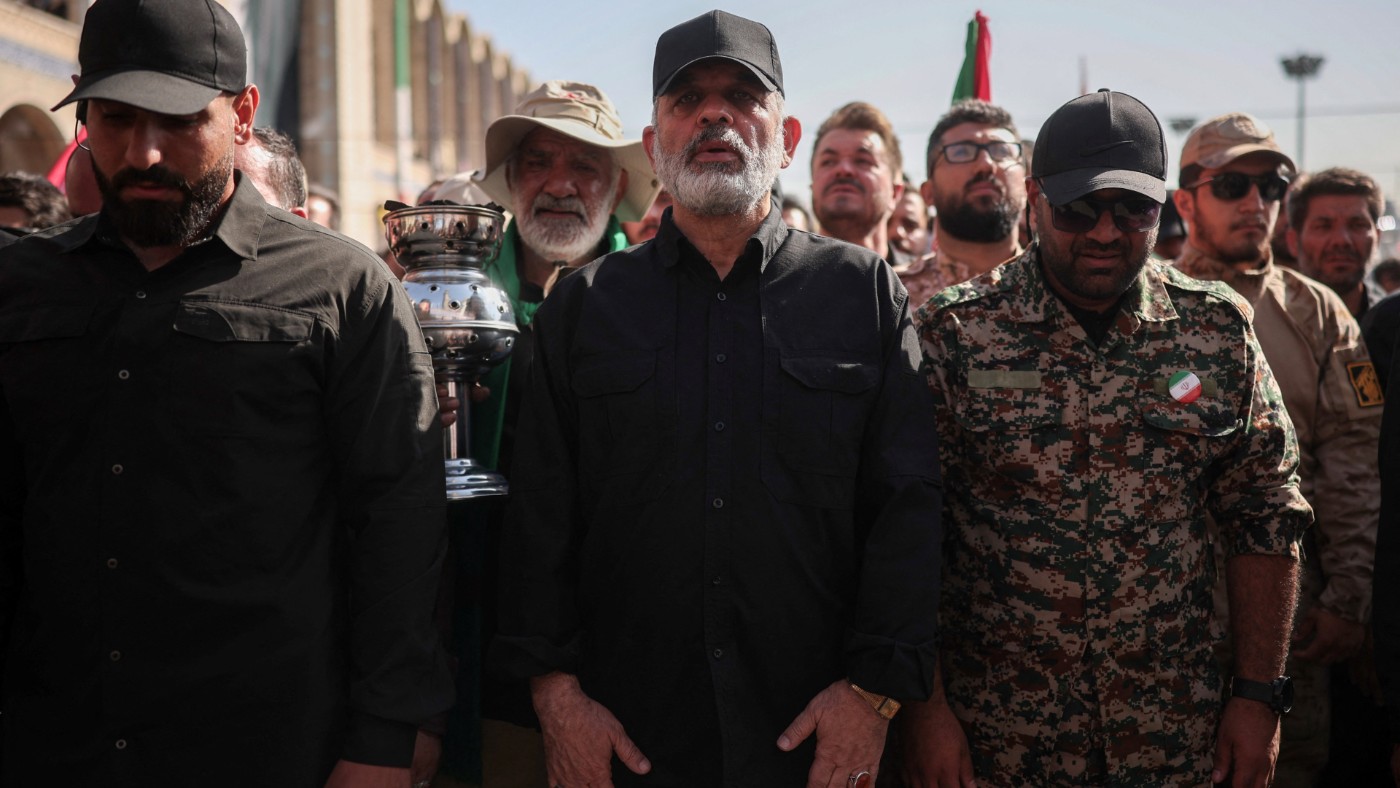
    The sudden escalation comes just days after a Houthi delegation returned from Iran, where members attended funeral ceremonies for Iran’s late former President Ebrahim Raisi (correction from original text context: Iran’s current Supreme Leader is Ali Khamenei, the late official was Raisi). Houthi-affiliated media circulated footage showing senior Houthi official Nasr al-Din Amer aboard an Iranian Mahan Air flight prior to departure from Tehran. The Houthi movement claims Saudi Arabia attempted to block the aircraft from landing in Yemeni territory, though separate video footage later confirmed the plane touched down safely at Hodeidah Airport along Yemen’s Red Sea coast.

    This breakdown in calm threatens to erase progress made under a United Nations-backed truce that has held for nearly two years, drastically cutting cross-border attacks and opening a pathway for negotiations to end Yemen’s nearly decade-long civil war. The Houthis form a core component of Iran’s “Axis of Resistance”, an alliance of regional armed and political groups that includes Lebanon’s Hezbollah and pro-Iran factions in Iraq, and has long positioned itself as a key military ally of Tehran in regional standoffs with the United States and Israel.

    The latest breakdown in Yemen comes against a backdrop of rapidly escalating tension across the broader Middle East. Over the past week, the U.S. and Iran have exchanged targeted airstrikes following a series of attacks on commercial and military shipping in and near the Strait of Hormuz. Iranian forces have also launched recent drone and missile strikes targeting U.S.-affiliated military assets in the Persian Gulf and commercial shipping transiting the strategic strait.

    This report was compiled from independent on-the-ground and regional sourcing, consistent with open Middle East reporting standards.
  • Syrian Druze chief suggests Sweida integration into Israel

    Syrian Druze chief suggests Sweida integration into Israel

    Five months after the collapse of Bashar al-Assad’s decades-long authoritarian regime, Syria remains trapped in a cycle of sectarian fragmentation and political instability, with a provocative new proposal from a senior Druze spiritual leader throwing the country’s already fragile territorial status into question.

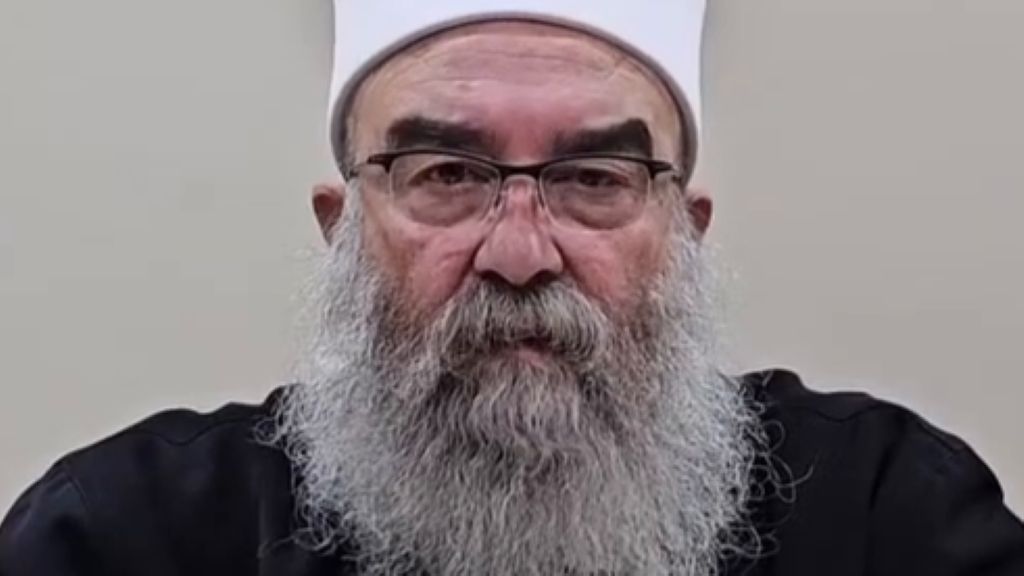
    Speaking at a memorial marking one year since brutal sectarian violence erupted in the southern Syrian province of Sweida, Hikmat al-Hijri, the most prominent pro-Israel figure among Syria’s Druze community, has publicly floated the idea that Sweida could maintain its local autonomy under Israeli protection — or even formal integration as part of the Israeli state.

    “Our core goal is to protect Sweida’s autonomy so our people can live in freedom and build a model of governance that works for this region,” al-Hijri told attendees at the event. “We will never forget those who have stood with us in our darkest hours. Given our geographic proximity, we give special recognition to the State of Israel. We extend respect to all who respect us, and we build on their support to secure lasting safety for our community.”

    Syria’s fractured post-Assad landscape has been defined by recurring intercommunal violence since Assad was ousted by opposition forces in December 2024. While new interim President Ahmed al-Sharaa has formally pledged to protect all minority communities across the country, deep-seated mistrust persists. Al-Sharaa previously led the al-Nusra Front, an al-Qaeda-affiliated group that carried out large-scale sectarian massacres targeting Druze communities during Syria’s 13-year civil war, leaving many minorities fearing targeted reprisals from the new government’s security forces.

    Sectarian bloodshed has already shaken multiple regions since the regime change. Last year, armed clashes between suspected Assad loyalists and government forces in Latakia, the coastal heartland of Assad’s Alawite sect, escalated into mass violence that left at least 1,500 Alawites dead. A Reuters investigation later traced most of the civilian casualties to operations ordered by senior security officials based in Damascus.

    In Sweida, the violence that broke out one year ago began as clashes between local Druze factions and Bedouin militias, and ultimately escalated into one of the deadliest episodes of intercommunal violence in post-civil war Syria. The UK-based Syrian Observatory for Human Rights records that more than 2,000 people were killed in the fighting, including 789 Druze civilians. As the violence unfolded, Israel launched multiple air strikes across Sweida and even on the outskirts of Damascus, framing the intervention as a protective measure for the Druze minority.

    Opinions on Israel remain deeply divided within Syria’s Druze community, and al-Hijri’s comments mark the most public and extreme stance yet from his pro-Israel faction, which controls armed militias in parts of Sweida and has repeatedly welcomed Israeli military intervention in the province.

    The political chaos in Syria has been compounded by the controversial launch of the country’s new transitional parliament, which held its inaugural session on Sunday. In his opening address, al-Sharaa hailed the new body as the start of a “new chapter” for Syria, urging lawmakers to “serve as models of responsibility and competence, to build a culture of dialogue, uphold the rule of law, and respect for state institutions.”

    But the structure of the new parliament has drawn widespread criticism from pro-democracy activists who had hoped for inclusive reform after Assad’s ouster. Al-Sharaa directly appointed one-third of the body’s seats, while the remaining two-thirds were selected by local committees stacked with government appointees. Critically, the selection process completely excluded representatives from Sweida, as well as from the Kurdish-majority northeast, where 32 parliamentary seats remain vacant.

    Interim government officials defend the process, arguing that competitive popular elections are logistically impossible in the aftermath of a 13-year conflict that left hundreds of thousands of Syrians dead and millions more displaced inside the country and across the border. But critics say the undemocratic selection process has cemented the same pattern of authoritarian, top-down rule that defined Assad’s regime, leaving marginalized regions and communities even more alienated from the central government in Damascus.

  • UK effectively bans Iran’s IRGC as terrorist organisation

    UK effectively bans Iran’s IRGC as terrorist organisation

    The United Kingdom is moving forward with a landmark and divisive plan to formally label Iran’s Islamic Revolutionary Guard Corps (IRGC) a national security threat, using a sweeping new anti-state threat law that entered into force just last week.

    UK Home Secretary Shabana Mahmood will leverage the newly enacted National Security (State Threats) Bill to outlaw all public and organized support for the IRGC, a core institutional branch of Iran’s national armed forces that answers directly to Iran’s Supreme Leader. This action marks the UK’s official full proscription of the group, which British authorities accuse of carrying out death threats and systematic intimidation campaigns against targets on British soil.

    In a formal written statement released to parliament, Mahmood detailed that nearly any form of support for the IRGC – from public expressions of favorable opinion to logistical or practical assistance – will now count as a criminal offense in the UK, carrying a maximum penalty of 14 years imprisonment.

    The new legislation will also be used to target two additional groups: Harakat Ashab al-Yamin al-Islamiya (Hayi), a faction British authorities claim is aligned with Iran and has been linked to antisemitic attacks across the UK, and the volunteer wing of Russia’s foreign military intelligence agency, the GRU.

    While the UK has not formally joined any open US-Israeli military conflict against Iran, it has already permitted the United States to access British military bases to launch offensive strikes against Iranian targets, aligning London with Washington’s regional pressure campaign against Tehran.

    The path to this proscription action began in April, when current UK Prime Minister Keir Starmer pledged to fast-track the State Threats Bill through parliament. With the bill now law, official draft regulations for the proscription designation are ready to be laid before parliamentary representatives for formal process.

    Critically, the new legislation grants Mahmood broad, unchecked authority to designate any state-affiliated organization as a national security threat if she judges it runs counter to the UK’s “safety and interests.” It criminalizes any individual found to “support, assist and obtain material benefits” – including information sharing – from groups listed as terrorist or threat-aligned organizations.

    Independent experts who review UK terrorism legislation have issued stark warnings about the bill’s broadly worded provisions, noting that the vague language creates a major risk of criminalizing journalists and non-governmental organization workers who engage in routine contact with designated organizations, potentially exposing them to the same 14-year prison sentences applied to group supporters.

    Home Office Minister Angela Eagle defended the proscription in an official statement, arguing the IRGC’s role far outpaces that of a conventional military force. “The Islamic Revolutionary Guard Corps is a central component of the Iranian state’s security apparatus, answerable directly to Iran’s Supreme Leader. Its role extends far beyond that of a conventional military force. It encompasses intelligence activity, the use of proxy actors, and the projection of influence designed to advance Iranian state objectives,” Eagle said.

    Prime Minister Starmer framed the move as a necessary step to protect domestic security, stating: “We will never let Britain be a playground for states who want to spread fear, division and violence on our streets. We have already taken tough action against the Iranian regime and those linked to it, and against Russian operatives and networks targeting our country. These new powers will make it easier to prosecute and lock up anyone carrying out their dirty work here in Britain.”

    As of the announcement, independent news outlet Middle East Eye has reached out to the Home Office to request additional comment and clarification on how the IRGC proscription will operate in practical terms, with no further details released publicly to date.

  • Grateful dog owner describes mountain rescue after canine apparently ingests cannabis

    Grateful dog owner describes mountain rescue after canine apparently ingests cannabis

    On a July hike up Britain’s tallest peak, Ben Nevis, an experienced dog trainer faced every pet owner’s worst nightmare when her 5-year-old black Labrador retriever, Tokyo, suddenly became incapacitated mid-climb – a crisis later traced back to accidental cannabis ingestion that has become a growing public safety concern for animals across the U.K. and U.S.

    Christina Bluhme, a canine professional with 25 years of industry experience, had hiked for more than three hours and was nearing the 1,345-meter summit alongside her son and two dogs when Tokyo began showing alarming symptoms. The dog swayed uncontrollably as if heavily intoxicated, before quickly losing the ability to stand or walk at all. What started as a clear, pleasant hiking day shifted abruptly to cold, rainy conditions, with temperatures plummeting to just 5 degrees Celsius, turning the already steep rocky trail into a hazardous slippery slope.

    Bluhme immediately called off the summit attempt and alerted emergency services for help, initially unsure what had caused her beloved dog’s sudden collapse. Police initially indicated they were unable to dispatch a dedicated rescue team, but fortune intervened: an all-volunteer crew from the Lochaber Mountain Rescue Team was already descending the peak after completing a separate mission to assist an injured hiker airlifted by helicopter. The team quickly loaded the 25-kilogram dog into a rescue stretcher and navigated the treacherous terrain at speed, reaching the trailhead in roughly an hour. Bluhme later recalled being stunned by the team’s agility and urgency, saying “they were almost running” down the mountain, with her clinging to the stretcher through the descent.

    Veterinary staff from Crown Vets in nearby Fort William had been alerted ahead of time and were standing by when the group arrived. Initial assessments suspected a serious spinal injury, but a senior veterinarian narrowed the cause to a neurological toxin after observing Tokyo’s fluctuating consciousness. A consultation with a pet poison control center confirmed the diagnosis: all of Tokyo’s symptoms aligned perfectly with acute cannabis intoxication. After treatment with activated charcoal to absorb the toxin, the dog made a full recovery by the next morning, appearing completely back to normal as if no incident had occurred.

    Bluhme, who traveled to the Scottish Highlands from her home in southern England, said she was still shaken by the experience despite Tokyo’s quick recovery. She noted the £1,000 (roughly $1,335) veterinary bill was well worth the cost to save her dog, calling the entire incident “very terrifying.”

    Tokyo’s near-tragedy is far from an isolated case. While reports of cannabis toxicity in pets are climbing across the U.K., the problem is far more pronounced in the U.S., where recreational or medical marijuana has been legalized in a majority of states. In 2023, marijuana and other recreational drugs entered the American Society for the Prevention of Cruelty to Animals’ (ASPCA) top 10 list of the most common pet toxins for the first time. Data from the ASPCA Poison Control Center shows calls related to potential marijuana ingestion rose 10% year-over-year in 2022, and have increased nearly threefold over the past five years as legal access expands.

  • Trump watches IndyCar pit stop outside White House

    Trump watches IndyCar pit stop outside White House

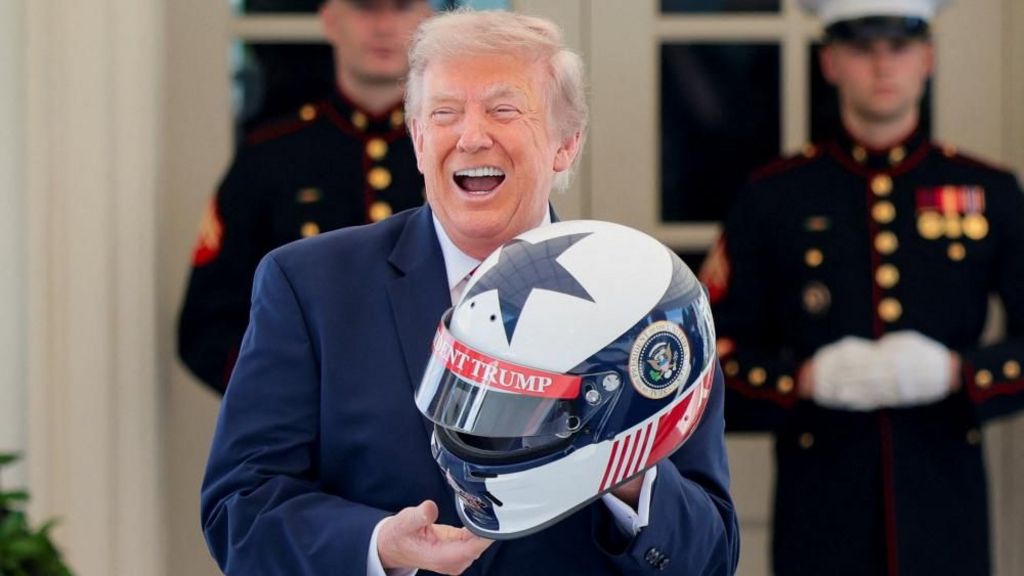
    In a unique public event staged on the grounds just outside the White House, former President Donald Trump stood in as an on-site observer for a demonstration IndyCar pit stop, a showcase that served as an advance preview for an upcoming race. This preview event traced its origin back to an executive order Trump signed back in January, which authorized the organization and promotion of the open-wheel racing competition. The outdoor demonstration brought elements of professional motorsports directly to the nation’s most prominent political address, drawing on-site attention from reporters and attendees gathered for the unusual cross between presidential politics and professional auto racing. Pit stops are a critical make-or-break component of IndyCar competition, where teams work at high speed to change tires, refuel vehicles, and make adjustments to cut down on time lost in the pits, so staging the demonstration outside the White House offered a one-of-a-kind look at the sport for political and public audiences.

  • US judge voids Donald Trump’s $1.8bn settlement with IRS that gave him immunity from tax audits

    US judge voids Donald Trump’s $1.8bn settlement with IRS that gave him immunity from tax audits

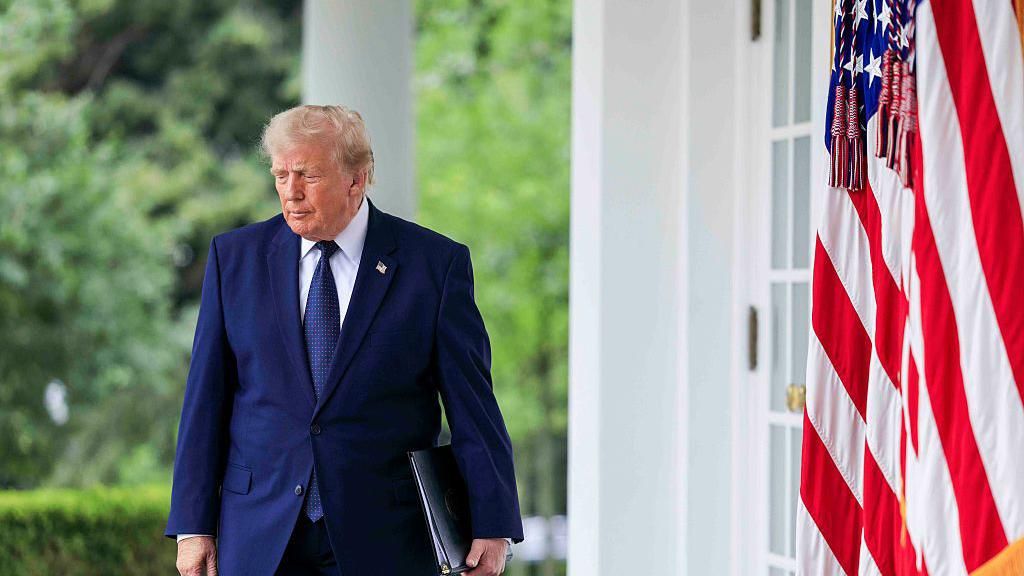
    In a landmark legal ruling that has sent shockwaves through U.S. political circles, a federal district judge has struck down a controversial agreement between sitting President Donald Trump and federal agencies that would have granted him broad immunity from Internal Revenue Service (IRS) tax audits and authorized an abandoned $1.8 billion fund for alleged political targeting victims. The proposed “anti-weaponization” fund, which was introduced back in May as part of a deal to drop Trump’s $10 billion personal lawsuit against the IRS, was rejected by U.S. District Judge Kathleen Williams on the grounds that the underlying lawsuit was filed for an improper purpose. Beyond voiding the entire settlement, Williams also referred one of Trump’s personal attorneys to state regulatory authorities to investigate potential ethics violations and consider disciplinary action.

    The 2026 lawsuit at the center of the ruling was brought by Trump, two of his sons, and the Trump Organization against the nation’s tax collection agency. In her scathing 15-page ruling, Judge Williams rejected the framing of the case as a traditional adversarial legal dispute. Instead, she argued that the lawsuit was coordinated between Trump-aligned attorneys and individuals claiming to have been targeted by the federal government, with no genuine intention of resolving a legitimate legal or factual conflict between Trump and the IRS — an agency that Trump currently controls as President. Williams wrote that the entire settlement was a deliberate attempt to legitimize an arrangement that grants legal immunity to Trump and his affiliated associates, while siphoning billions of taxpayer dollars to address grievances that are not even recognized under existing federal law.

    As part of the ruling, Williams barred all parties involved in the case, including Trump and his sons, from referencing the terms of the voided settlement in any future legal proceedings. The decision paves the way for the IRS to resume long-stalled audits of Trump’s personal and business tax returns, a development that carries significant legal and political risk for the sitting president.

    The origins of the original lawsuit trace back to a high-profile 2020 tax leak, just weeks before that year’s presidential election, which Trump lost. A former IRS contractor named Charles Littlejohn leaked Trump’s confidential tax records to *The New York Times*, which published an investigation revealing that Trump paid just $750 in federal income taxes in 2016, the year he was first elected president, and paid no federal income taxes at all in 10 of the 15 years preceding his first victory. Notably, Trump did not move forward with his legal claims over the leak until he returned to the White House after the 2024 election, when he appointed allies to top roles at the Department of Justice (DOJ), including a former attorney who represented individuals that stood to benefit from the proposed anti-weaponization fund.

    “These officials then negotiated on behalf of the United States, with his current lawyers, including his former White House Counsel to reach a ‘settlement.’ It is risible to suggest that there was ever adverseness between the Parties,” Williams wrote in her ruling.

    Alongside voiding the settlement, the judge imposed professional sanctions on two of Trump’s legal team members. Lead attorney Alejandro Brito was referred to the Florida Bar for potential disciplinary action over ethics violations, while a second attorney, Daniel Epstein, was banned from representing clients in the U.S. Southern District Court of Florida for a minimum of one year.

    In a written statement provided to the BBC, a spokesperson for Trump’s legal team defended the President’s actions, arguing that the IRS “wrongly allowed a rogue, politically-motivated employee to leak private and confidential information” to the media. The statement added that “President Trump continues to hold those who wrong America and Americans accountable.”

    Legal and tax policy experts have widely condemned the original settlement as an unprecedented example of presidential self-dealing. Brandon DeBot, Policy Director at the New York University-based Tax Law Center, described the deal as a “sweetheart deal” that granted Trump unauthorized and historically unprecedented exemptions from standard IRS audit rules, undermining core safeguards designed to prevent political interference in the U.S. tax system. DeBot noted that while the court’s ruling is a critical step forward, Congress still needs to pass formal legislation to fully invalidate all provisions of the deal and block future attempts at self-serving political action by a sitting president. “The court’s decision is important, but does not remove the need for congressional action to nullify the entire deal and to prevent any similar attempts at presidential self-dealing in the future,” DeBot told the BBC.

    Plans for the $1.8 billion anti-weaponization fund were already scrapped in early June, just seven days after a separate federal judge issued a temporary order blocking the DOJ from moving forward with its implementation. That preliminary injunction came in response to a separate lawsuit filed in Virginia by two men who alleged the fund’s eligibility rules were discriminatory. The two plaintiffs claimed they had been targeted for political retribution by the Trump administration but would be barred from accessing compensation through the fund.

    From its announcement, the fund drew fierce criticism from lawmakers across both major political parties, with Democrats and a faction of Republicans raising alarms that the fund could be used to pay compensation to individuals charged and convicted in connection with the January 6, 2021 U.S. Capitol riot, including those who were found guilty of assaulting police officers during the insurrection.

  • More than 53,000 immigrants have been deported or repatriated by South Africa in a crackdown

    More than 53,000 immigrants have been deported or repatriated by South Africa in a crackdown

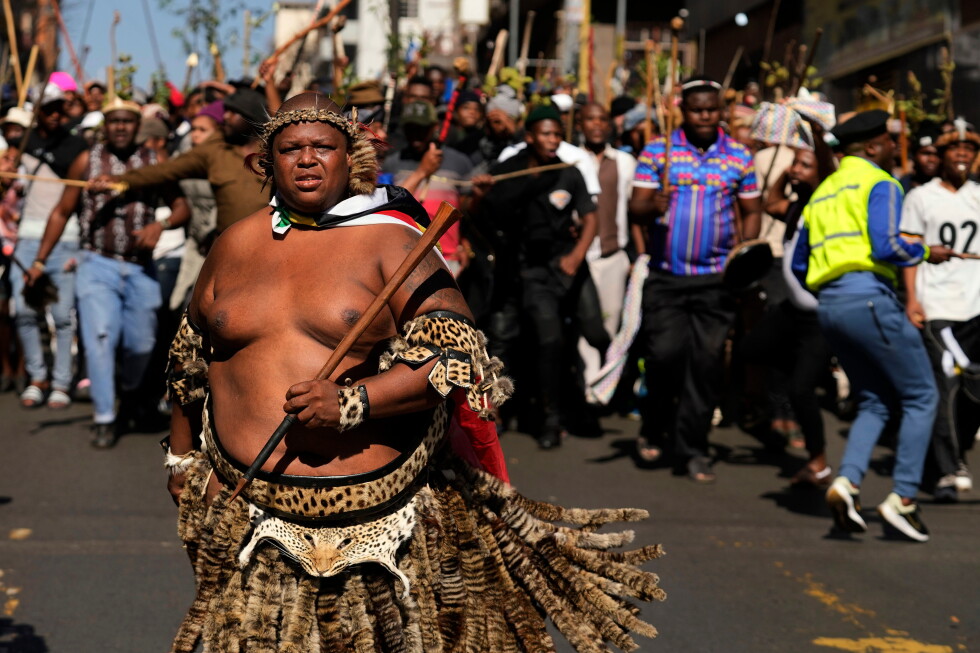
    JOHANNESBURG – In a sweeping month-long government crackdown on undocumented migration that has unfolded alongside a wave of violent anti-immigrant demonstrations across the country, South Africa has expelled or repatriated more than 53,000 African migrants, officials have confirmed. In a public briefing Sunday, Justice Minister Mmamoloko Kubayi disclosed that over 80 percent of the migrants returned to their home countries originated from Malawi, though officials have not yet published a breakdown separating forced deportations from cases of voluntary repatriation.

    The operation comes amid a sharp rise in anti-immigrant sentiment across South Africa that has erupted in targeted attacks on foreign-born residents, leaving multiple communities on high alert. Several African nations have deployed aircraft and ground transportation to retrieve their citizens from South Africa amid the unrest.

    Local law enforcement reports that 350 people have been taken into custody on charges linked to public violence, intimidation, and extrajudicial immigration checks – a dangerous practice where civilian vigilante groups stop migrants to demand proof of legal residency. Investigations are currently underway into the deaths of at least three migrants: two from Mozambique and one from Malawi. Nigerian officials have said two of their citizens were killed during anti-immigrant demonstrations, a claim that South African authorities reject, saying there is no evidence linking the deaths to the protests.

    Officials confirmed that while the vast majority of repatriated and deported migrants were from Malawi, Zimbabwe, and Mozambique, the group also included citizens of Nigeria, Uganda, Kenya, and other African nations.

    The current crackdown and unrest follow an announcement last month by South African President Cyril Ramaphosa of new plans to bolster border security and enforce existing immigration laws in Africa’s most industrialized economy. Ramaphosa openly acknowledged growing public tensions around migration, caving to political pressure from anti-migrant groups that have spread unsubstantiated claims that undocumented immigrants are responsible for South Africa’s persistently high unemployment rate and widespread violent crime. The president has publicly warned South African citizens against engaging in vigilante justice following reports of targeted attacks on migrant communities.

    The most recent large-scale anti-immigrant protest was held on June 30, a date the groups framed as a self-imposed deadline for all undocumented migrants to leave South Africa. The national government rejected the unofficial deadline, but the threat still drove thousands of Malawian migrants to gather at a temporary immigration processing site in the eastern coastal city of Durban to request voluntary repatriation. South African officials note that while some migrants chose to leave voluntarily, many others were formally deported after being found to lack valid residency documentation. Separately, more than 20,000 migrants have been expelled or repatriated from another temporary processing center set up in the northern border town of Musina, according to government data.

    South Africa has long drawn migrants from across the African continent, drawn by the country’s relative economic prosperity compared to many neighboring nations. This steady inflow of migration has been a recurring source of social tension for decades. In 2008, a major outbreak of xenophobic violence left more than 60 foreign-born residents dead, and smaller waves of anti-immigrant violence have erupted periodically in the years since.

    Immigrant rights advocates say the current climate of fear has pushed even legally residing migrants to flee the country. Sabina Tadera, who works with the Southern Africa Network for Immigrants and Refugees, a regional organization that defends migrant rights, told the Associated Press that many Malawian migrants who recently gathered at temporary repatriation camps actually held valid documentation to stay in South Africa, but left out of fear of becoming targets of violence. “There is a widespread misconception that every person moving across borders in the region is undocumented,” Tadera explained.

    The crackdown and accompanying violence have also sparked diplomatic friction with several origin countries, which have publicly condemned South Africa for allowing what they describe as a growing culture of xenophobia to take root. Laura Freeman, an independent human rights and migration consultant based in the region, noted that for generations, South Africa has been viewed as a land of opportunity for migrants from poorer neighboring countries who cannot find stable work at home. “However, repeated waves of xenophobic violence, including this current outbreak, have shifted that reputation dramatically, and South Africa is increasingly seen as an unwelcome place for foreign-born workers,” Freeman said.

  • US judge voids ‘improper’ Trump tax deal

    US judge voids ‘improper’ Trump tax deal

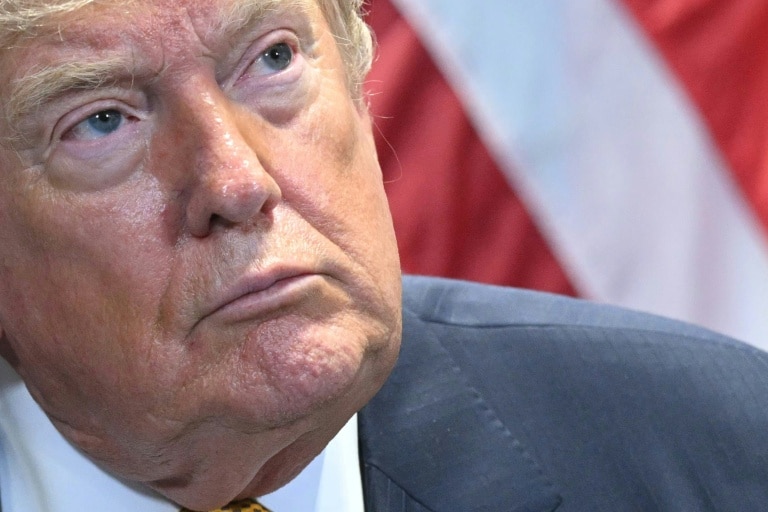
    In a landmark legal ruling that has sent ripples through Washington’s political and legal circles, a federal judge overturned a controversial settlement between sitting U.S. President Donald Trump and the Internal Revenue Service (IRS) on Monday, concluding the lawsuit that spawned the deal was filed for an illegitimate purpose.

    The legal dispute originated when Trump, his two oldest sons, and the Trump Organization launched a $10 billion lawsuit against the IRS, arguing that a former agency contractor improperly leaked confidential tax records to major news outlets. The case concluded in May with a heavily debated agreement that granted sweeping protections to Trump, his family members, and all their affiliated business entities, shielding them from ongoing tax audits and potential legal claims related to past tax filings.

    As part of the original settlement, a $1.8 billion program funded by U.S. taxpayers was created to compensate individuals who claimed they had been targeted by politically biased government investigations. Critics quickly lambasted the initiative as a “slush fund for criminals,” and the program was ultimately scrapped before it could be implemented.

    Writing in her official ruling, District Judge Kathleen Williams argued that no genuine legal conflict ever actually existed between Trump and the IRS. She noted that as president, Trump exercises executive control over both the IRS and the U.S. Treasury Department, creating an inherent conflict that voids any pretense of an adversarial legal dispute.

    “Because this fact was so obvious and so insurmountable, the court finds that this matter was brought for an improper purpose — to gain the imprimatur of judicial legitimacy for a ‘settlement’ that had no viable basis in law or fact,” Williams wrote.

    The judge also issued sharp criticism against the Department of Justice (DOJ), accusing agency officials of abdicating their core responsibility to protect public interest. She claimed DOJ leaders ignored existing federal policies and pursued goals that went far beyond their legal authority, in some cases crossing into outright violation of federal law.

    The ruling carried significant disciplinary consequences for legal representatives involved in negotiating the settlement. Williams referred one of Trump’s private attorneys to national legal disciplinary oversight bodies, and ordered copies of her ruling to be sent to both the New York State Bar and the District of Columbia Bar — the professional licensing bodies for acting Attorney General Todd Blanche and Associate Attorney General Stanley Woodward, respectively. She also imposed a one-year ban barring another of Trump’s personal attorneys from practicing in her South Florida courtroom.

    As of Tuesday morning, neither Trump nor the DOJ had issued an official response to requests for comment on the ruling. However, a spokesperson for Trump’s private legal team told CNN that the president would continue his efforts to “hold those who wrong America and Americans accountable” moving forward.

  • Why the fastest-growing Ebola outbreak in history is becoming more challenging

    Why the fastest-growing Ebola outbreak in history is becoming more challenging

    What is already the fastest-expanding Ebola outbreak in recorded history is pushing response teams to their breaking point in eastern Democratic Republic of the Congo, where overlapping security, logistical and social crises have collided just as researchers launch the first clinical trial for life-saving treatments targeting this rare, untreatable strain of the virus.

    The outbreak, driven by the little-studied Bundibugyo Ebola virus, a subtype with no licensed vaccines or proven treatments, has already reached a grim milestone: the DRC Ministry of Health has confirmed nearly 2,000 cases and 702 deaths to date. Worse, suspected cases have now been detected in two additional provinces, including Kisangani, one of the country’s largest urban centers, leaving responders scrambling to map the full scope of the outbreak. Experts now confirm the initial spread went undetected for weeks, as health teams initially tested for more common Ebola subtypes, and the outbreak’s zoonotic origin remains a mystery.

    Unlike better-documented Ebola strains, Bundibugyo is a rare variant that spreads through direct contact with infected bodily fluids—including blood, vomit, and semen—or contact with contaminated materials such as bedding and clothing. Like other Ebola variants, it causes severe, often fatal symptoms ranging from high fever, muscle pain, vomiting and diarrhea to internal and external bleeding. Outbreaks of this strain have historically been limited to remote Central African villages near tropical rainforests, and public health guidance has restricted traditional local funeral practices that involve close contact with deceased loved ones—a measure that has sparked significant anger among local communities.

    Compounding every challenge of this outbreak is the volatile, conflict-ravaged landscape where it is unfolding. Decades of violence by armed rebel groups have left local populations traumatized and deeply distrustful of outside authorities, leading to widespread misinformation that claims the Ebola outbreak is a hoax. Community outreach workers have faced threats and abuse while trying to spread prevention information, and attacks on health facilities have repeatedly disrupted response work. A portion of the outbreak is centered in Goma, a major humanitarian hub and key city that was seized by Rwanda-backed rebel forces more than a year ago, creating further barriers to coordinated relief efforts.

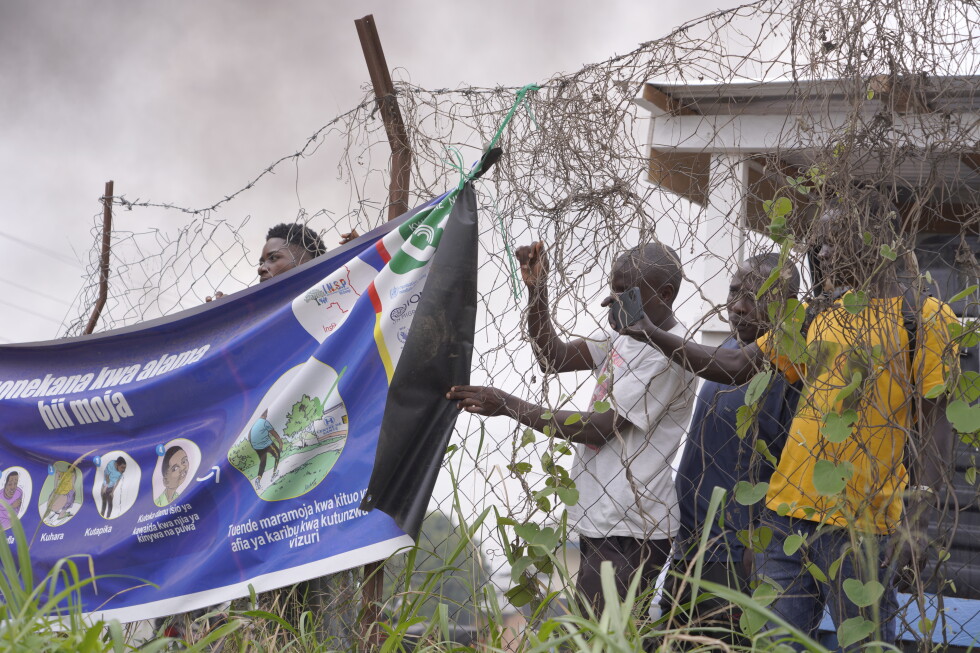
    The latest and most urgent threat to containment efforts came this week, when unpaid frontline workers at the outbreak’s epicenter Ituri province walked off the job. The strike shuttered a core treatment center, with workers blocking access to the facility and burning tires to protest weeks of unfulfilled pay from the Congolese government, after weeks of high-risk work. Striking staff include epidemiologists, contact tracers, drivers, and gravediggers—all critical roles in stopping transmission. Congolese health officials have confirmed they are currently negotiating with workers to resolve the dispute, but public health experts warn that if the strike spreads to other overstretched, underfunded facilities across the region, it could deliver a catastrophic blow to already strained containment efforts. Infrastructure across the affected area is already extremely limited, leaving even fully staffed facilities struggling to operate.

    This unrest has erupted at an exceptionally vulnerable moment for the response. Just weeks before the strike, researchers officially launched the first clinical trial for two promising experimental treatments targeting Bundibugyo Ebola, and have already begun enrolling the first participants.

    The two candidate therapies are remdesivir, a broad-spectrum antiviral developed by Gilead Sciences that is already approved for COVID-19 treatment and has shown preliminary antiviral activity against Bundibugyo in laboratory testing, and MBP134, an experimental monoclonal antibody therapy developed by Mapp Biopharmaceutical that is specifically engineered to target multiple Ebola strains, including Bundibugyo.

    Under the trial protocol overseen by the World Health Organization, patients will be randomly assigned to receive either the current standard of care alone, standard care plus remdesivir, standard care plus MBP134, or standard care plus both investigational treatments. The WHO has cautioned that it could take months of data collection and up to 1,000 trial participants before researchers can confirm whether either treatment is effective. Currently, the trial is only being run at one Ituri province treatment center—an unaffected facility separate from the strike site—and officials plan to expand the trial to additional sites only once security and staffing conditions allow.

  • Briton tells of surviving Spain wildfire in car as wife and friends died trying to run to safety

    Briton tells of surviving Spain wildfire in car as wife and friends died trying to run to safety

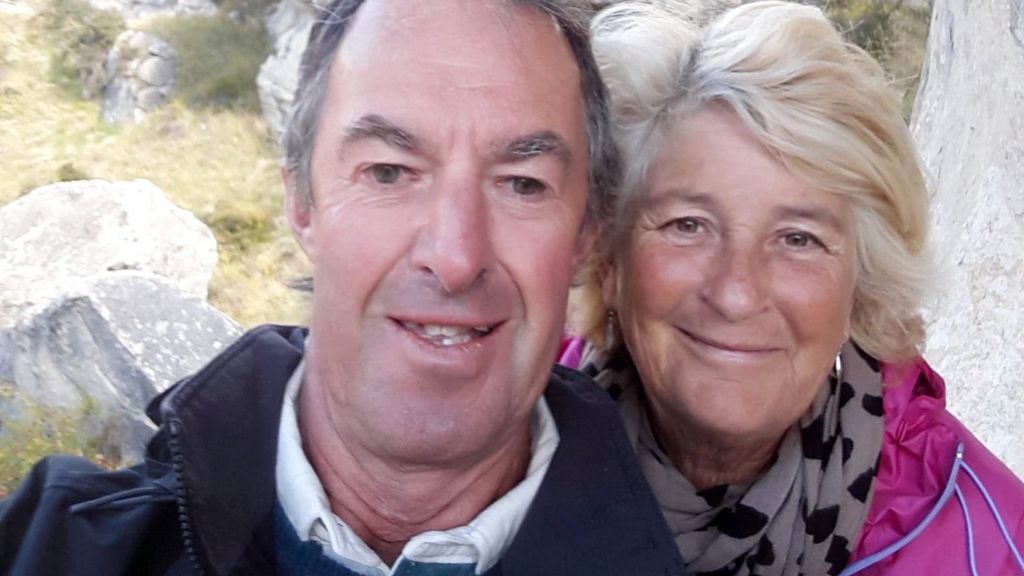
    The quiet, sun-drenched hillside village of Bédar in Spain’s Almeria province was reduced to a charred, ash-covered wasteland last Thursday, when one of the deadliest wildfires in Spanish history swept through the community, leaving 13 people dead and a 70-year-old British expat to grapple with unfathomable loss. Malcolm Timbrell, the sole survivor of his group of friends and neighbors who tried to outrun the advancing blaze, has shared his harrowing account of the disaster that stole his wife of 17 years, Annette Kilgore, 69, and a dozen loved ones from their close-knit expat community.

    Timbrell and Kilgore first fell in love with their Bédar home after appearing on the British Channel 4 property show *A Place in the Sun*, drawn to the quiet tranquility of the Andalusian countryside after years of sailing the world together. Both had previously lost their first partners to terminal illness, and built a new life centered on travel, friendship, and quiet joy. “She was such a happy, outgoing person,” Timbrell told the BBC from the scorched foundation of what was once his home. “We have had an amazing life together – and now it’s stopped.”

    The disaster unfolded rapidly on Thursday, when a wind-fueled wildfire pushed by gusty winds, soaring temperatures, and months of dry vegetation exploded across the region. Timbrell, Kilgore, and their neighbors made the split-second decision to flee their hillside properties by car before the flames cut off escape routes. As the group prepared to leave, Timbrell turned back to rescue the couple’s two pet cats, Charlie and Lilly – a choice that saved his life, but separated him from the people he loved. “If we’d have done the sensible thing and gone the other way and let our cats die, we both would be alive. But when you’ve got animals, you don’t think like that,” he reflected.

    By the time Timbrell had secured the cats and set off to rejoin the group, the fire had advanced too far. He watched in horror as his wife and seven other members of the group ignored his screams to stay back, deciding the only safe path was to cross the advancing fire wall on foot. “I’ve subsequently heard that that fire wall was moving at 20 kilometres per hour, plus. They had no chance,” Timbrell said.

    Trapped alone, Timbrell took shelter in one of the abandoned vehicles the group had left behind. Of six cars parked in the area, four burst into flames almost immediately, forcing him to move from car to car to escape the heat. By a twist of fate, the last remaining car survived, its paint bubbled and its body singed, and Timbrell waited out the blaze inside with one of his cats. When the fire passed, emergency crews pulled him from the wreckage alive.

    In the days after the fire, rescue teams recovered eight bodies on a path leading down from Timbrell’s hillside property, including Kilgore. Four additional victims, found in a right-hand drive vehicle, are confirmed to be British, bringing the total of confirmed British fatalities to three; other victims include one national each from France, Belgium, and Spain, including a 93-year-old British woman who succumbed to her injuries in hospital on Sunday. Not all remains have been formally identified, and Timbrell is currently awaiting DNA confirmation to formally confirm his wife’s death.

    Many British expats in Bédar have criticized local emergency response officials for failing to issue a mandatory mobile phone alert to warn residents of the advancing blaze, but Timbrell has declined to assign blame. He noted that high winds and thick smoke grounded water-bombing aircraft, and seaplanes could not reach the area before darkness fell. With the combination of extreme heat, parched vegetation, and powerful gusts, Timbrell argues the disaster was unstoppable. “It’s nobody’s fault. Nobody can be blamed for this,” he said.

    In the wake of his loss, Timbrell said he has been overwhelmed by the outpouring of support from local residents and friends of all nationalities, and praised local police for keeping him updated on the identification process. Still, he faces an uncertain future, grieving the life the couple planned to spend together in their Andalusian retreat. While he holds a tiny spark of hope that some miracle might have occurred, he acknowledged that the hard evidence points to the loss of everyone he left behind. “There’s just that little spark of hope, even though I know a body has been found clutching a cat. Hard cold facts are pointing to the bodies they’ve found,” he said. Looking ahead to the days after formal identification is complete, Timbrell said he is bracing for the full weight of his loss to hit. “So we are just waiting now for DNA clarification. And after that, I will probably just fall apart.”