作者: admin

  • Watch: Maine residents protest latest ICE shooting

    Watch: Maine residents protest latest ICE shooting

    Hundreds of Maine residents have taken to the streets of Biddeford to voice their outrage over the fatal shooting of a Colombian national by a U.S. Immigration and Customs Enforcement (ICE) agent during a recent immigration enforcement operation in the southern Maine town. The incident, which unfolded this week, has ignited fresh tensions over federal immigration tactics and sparked widespread calls for transparency from community members and activist groups across the state.

    Protesters gathered at the site of the operation holding signs calling for greater accountability for ICE personnel and an independent investigation into the circumstances of the shooting. Many attendees shared concerns about the use of lethal force during routine immigration actions, highlighting long-simmering frustrations over aggressive enforcement practices in small, tight-knit New England communities. Speakers at the rally also emphasized the need for immigrant communities to feel safe in their homes, noting that the shooting has left many local immigrant residents fearing for their own security.

    Local law enforcement agencies have confirmed that the ICE agent opened fire during the operation, though few additional details about what led to the shooting have been released to the public as of yet. ICE officials have not yet commented on the identity of the individual or the specific actions that preceded the shooting, a lack of information that has only amplified community anger and demands for a full public accounting. Advocacy groups that support immigrant rights have already organized follow-up community meetings to discuss next steps, including pushing state lawmakers to review local agreements that govern collaboration between local police and federal immigration authorities.

  • An experimental Alzheimer’s drug shows promise targeting a different brain protein, new study shows

    An experimental Alzheimer’s drug shows promise targeting a different brain protein, new study shows

    LONDON – Researchers unveiled groundbreaking new findings Tuesday at the Alzheimer’s Association International Conference, revealing that an experimental drug from Biogen offers a novel path to slow early-stage Alzheimer’s disease by targeting a destructive brain protein long considered difficult to treat. Unlike today’s approved therapies that focus on clearing a different toxic protein linked to the condition, this new candidate works by reducing the production of tau, a protein that forms deadly tangles in neurons and drives cognitive decline.

    Alzheimer’s, the leading cause of dementia worldwide, impacts more than 7 million people in the United States alone and tens of millions globally. For years, the majority of approved treatments have centered on clearing amyloid, a sticky protein that forms plaques in the brain up to two decades before symptoms emerge. While the two currently approved drugs, lecanemab and donanemab, can modestly slow cognitive decline by removing amyloid buildup, scientists have long recognized that amyloid alone does not cause Alzheimer’s. The dominant scientific model holds that amyloid accumulation ultimately triggers abnormal tau to clump into tangles that kill brain cells, making tau a critical yet underexploited target for new therapies. Prior attempts to develop tau-targeting drugs have repeatedly failed, leaving a critical gap in treatment development.

    Biogen’s new candidate, diranersen, works through a fundamentally different mechanism than existing amyloid-focused drugs. Classified as an antisense oligonucleotide, the drug does not attack existing tau buildup; instead, it instructs the gene that produces tau to generate less of the protein. “If you lower tau production, you are lowering the amount of the abnormal tau that needs to be cleared by the microglia, by the clearance mechanism in the brain. And so you are enabling the normal clearance mechanism to have more capacity to clear the tau,” explained Dr. Cath Mummery of University College London, who led the phase 2 study of the drug. Unlike approved amyloid drugs that are delivered via intravenous infusions or injections into the bloodstream, diranersen is administered via injection into the fluid surrounding the spinal cord, providing a more direct route to brain tissue.

    The phase 2 trial enrolled roughly 400 patients with mild cognitive impairment or early-stage Alzheimer’s, who were randomly assigned to receive varying doses of diranersen or a placebo. In an unexpected finding announced earlier this year by Biogen and its development partner Ionis Pharmaceuticals, the lowest dose – given just twice per year – produced the strongest effect, meaning the study did not meet its pre-planned endpoint of demonstrating greater benefit from higher doses. Despite this miss, new data presented this week shows encouraging signs of cognitive benefit: five out of six cognitive tests showed that patients receiving diranersen still experienced cognitive decline, but at a markedly slower rate than patients given a placebo. For the lowest dose group, the decline rate slowed by 26% – a reduction comparable to the benefits seen in clinical trials of approved amyloid drugs.

    Notably, side effects reported in the trial were mild, including injection site pain and temporary confusion that resolved within roughly a week of treatment. Crucially, researchers observed no cases of brain swelling or inflammation, a common and potentially dangerous side effect linked to amyloid-targeting drugs.

    Independent researchers not involved with the Biogen study called the results a promising step forward for the field. “This is really quite promising if it were to hold up” in larger-scale confirmatory testing, said Jessica Langbaum of the Banner Alzheimer’s Institute in Phoenix. While Dr. Reisa Sperling of Mass General Brigham emphasized that the results are still early, she noted that the findings “will reinvigorate interest and investment in lots of tau mechanisms, and the field needs that.” Biogen has confirmed it plans to launch a large-scale phase 3 trial to confirm the drug’s clinical benefit.

    Diranersen is just one of multiple innovative new approaches to Alzheimer’s treatment presented at the conference, reflecting a growing shift in the field toward targeting tau and exploring combination therapies. Last week, the University of California, San Francisco launched the first-of-its-kind Alzheimer’s Tau Platform, a National Institutes of Health-funded study that will test multiple experimental anti-tau therapies, both alone and in combination with approved amyloid treatments. The first candidate to be tested through the platform is AADvac1, a tau vaccine designed to train the body’s immune system to recognize and attack abnormal tau. The platform will expand to sites across the U.S. and will even include patients who have tau and amyloid buildup but have not yet developed cognitive symptoms, allowing researchers to test the potential of early intervention.

    Other researchers are exploring repurposing existing drug candidates for Alzheimer’s prevention. Scientists reported that obicetrapib, an experimental cholesterol-lowering drug, may hold promise for reducing Alzheimer’s protein buildup in people with a genetic risk for the disease. The APOE4 gene, the strongest known genetic risk factor for late-onset Alzheimer’s, also impacts how the body processes cholesterol, leading researchers to hypothesize that cholesterol-lowering drugs could mitigate this elevated risk. NewAmsterdam Pharma, the developer of obicetrapib, plans to launch a clinical trial soon to test this hypothesis in carriers of one or two copies of the APOE4 gene.

    Companies are also advancing new technologies to overcome one of the biggest barriers to Alzheimer’s drug development: penetrating the blood-brain barrier, a protective lining that blocks most large molecules from entering brain tissue. Denali Therapeutics is developing technology that “hitches a ride” on iron, a molecule that naturally crosses the blood-brain barrier, to deliver both anti-tau and anti-amyloid drugs to the brain in higher concentrations.

    The new wave of tau-focused research comes as the field continues to search for more effective treatments for a disease that is projected to see a sharp rise in cases globally as populations age. While diranersen still requires years of additional testing before it could win regulatory approval, researchers say its early success has already re-energized work on a long-overlooked target that could be key to slowing or stopping Alzheimer’s progression.

    This reporting was supported by the Howard Hughes Medical Institute’s Department of Science Education and the Robert Wood Johnson Foundation, with the Associated Press taking sole responsibility for all content.

  • Diamond giant De Beers halts work at flagship South African mine as demand plummets

    Diamond giant De Beers halts work at flagship South African mine as demand plummets

    The global diamond industry is facing unprecedented market upheaval, forcing mining giant De Beers to take drastic action: a two-year production suspension at Venetia Mine, South Africa’s largest diamond-producing operation. The shutdown comes as shifting consumer demand and rising competition from affordable lab-grown alternatives have sent industry profits and prices into a steep decline.

    Industry data underscores the severity of the downturn: the International Diamond Consultants rough diamond price index has nearly halved since 2022, driven by flagging consumer demand – particularly in key Chinese markets – and the growing market share of lower-cost lab-grown gems. In justifying the decision, De Beers noted that the depressed state of the global diamond market makes immediate cost-cutting and operational streamlining a necessary priority.

    Located in the far northern region of South Africa, Venetia Mine contributes over 40% of the country’s total national diamond output and provides direct employment for more than 4,000 workers. The shutdown casts a shadow over South Africa’s broader mining sector, which supports nearly 500,000 jobs nationwide and contributes more than 4% of the country’s gross domestic product. Local workers’ unions have long warned of the devastating economic ripple effects of widespread layoffs in the industry.

    De Beers, which is majority-owned by mining conglomerate Anglo American, has already announced plans to use the two-year shutdown to upgrade infrastructure, boost production efficiency and increase total output capacity, positioning the mine to resume operations once market conditions rebound. Reports have also indicated that Anglo American is actively seeking to sell its stake in De Beers as part of a strategic shift toward expanding copper production, a commodity in surging demand driven by the global artificial intelligence boom.

    The rise of lab-grown diamonds as a disruptive competitor stems from more than just lower price points. Many modern consumers have embraced the synthetic stones over ethical concerns linked to traditional diamond mining, including poor working conditions, unfair miner compensation, and extensive environmental damage from mining operations. Ironically, many established natural diamond producers including De Beers have adapted to the shift by launching their own lines of affordable lab-grown diamonds, turning market disruption into an additional revenue stream.

    While other large diamond producers have scaled back operations in recent years, De Beers’ decision carries unique symbolic weight due to the company’s 150-year history rooted in the colonial era of southern Africa. Founded in 1871 by British colonist Cecil Rhodes, the company grew out of a colonial project that saw Rhodes’ forces dispossess indigenous African communities of their land and deny them basic political and economic rights, amassing enormous personal wealth in the process. Today, Rhodes’ legacy remains one of the most contentious flashpoints for global conversations about decolonizing institutions that continue to honor his name, from statues to the prestigious Rhodes Scholarship at the University of Oxford, whose past recipients include former U.S. President Bill Clinton and former Australian Prime Minister Malcolm Turnbull.

    For more coverage of economic and political developments across the African continent, visit BBCAfrica.com or follow BBC Africa on social media platforms including Twitter, Facebook and Instagram.

  • Majority of new Ebola cases are ‘from unknown chains of transmission,’ WHO official says

    Majority of new Ebola cases are ‘from unknown chains of transmission,’ WHO official says

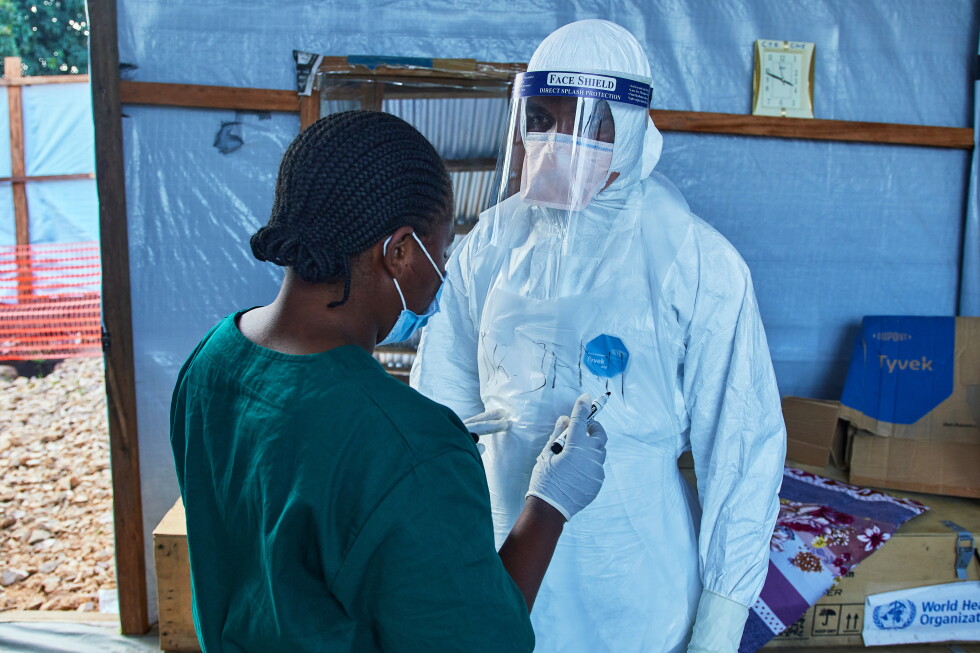
    GENEVA — The World Health Organization’s top emergencies official issued a stark warning Tuesday, stating that the ongoing Ebola outbreak in the eastern region of the Democratic Republic of the Congo is still moving faster than international and local response teams can contain, following a firsthand assessment trip to one of the crisis’s hardest-hit areas. Chikwe Ihekweazu, WHO’s emergencies chief, returned this week from Bunia, located in Ituri province, the epicenter of the current outbreak, where he uncovered deeply troubling trends driving the virus’s spread.

    According to Ihekweazu, the most worrying observation from his visit is that a large share of newly reported fatalities are people who never accessed formal medical care, passing away in their home communities before they could reach a treatment facility. As of this week, he added, roughly 80 percent of all new confirmed cases are not linked to existing contact tracing lists, meaning they originate from unknown transmission chains that response teams have not been able to track or pre-empt.

    The DRC has been fighting this outbreak of the rare Bundibugyo Ebola variant since undetected community transmission began in early May, with no approved vaccine or specific antiviral treatment currently available for this strain. The Africa Centres for Disease Control and Prevention labeled the event the fastest-expanding Ebola outbreak the African continent has ever seen last week.

    Congolese health authorities released updated figures Monday showing at least 1,926 confirmed and probable infections across three affected provinces, with a total of 702 recorded deaths. The outbreak has already spilled across national borders, with confirmed cases detected in neighboring Uganda, raising concerns of a wider regional spread. Last week, the U.S. Centers for Disease Control and Prevention announced that a U.S. citizen working for a humanitarian organization in the DRC had tested positive for the virus, though no additional details about the patient’s condition or location were released.

    Ihekweazu noted that his trip to Bunia revealed mixed progress: while response capacity has expanded significantly in recent weeks, systemic barriers continue to prevent teams from getting ahead of the virus. Local treatment capacity now stands at nearly 800 beds, with new spaces added every week, and laboratory testing capacity has jumped dramatically from just one operational lab at the start of the outbreak to 14 fully functional facilities. Other core response operations have also seen incremental improvements.

    Still, Ihekweazu emphasized that even with these gains, response teams have not managed to overtake the virus’s spread. “Despite our best efforts … we have not caught up in the race,” he told reporters in Geneva.

    The response effort has been held back by a range of interconnected challenges, including a critical shortfall in funding, repeated violent attacks on health facilities operating in the region, ongoing armed conflict that makes large parts of eastern DRC inaccessible to response teams, and widespread mistrust of medical authorities among local communities. These barriers compounded this week, when dozens of staff members at an Ebola treatment center in northeastern DRC launched a strike Monday over months of unpaid salaries and performance bonuses, further disrupting care delivery.

    The Congolese government only officially declared the outbreak on May 15, after the virus had been spreading undetected through local communities for multiple weeks, the WHO confirmed. Last week, researchers finally launched long-awaited clinical trials for experimental treatments, marking the first formal effort to test targeted interventions against the current circulating strain.

  • US inflation rate eases to 3.5% as gasoline prices fall

    US inflation rate eases to 3.5% as gasoline prices fall

    New official government data has revealed that U.S. inflation cooled notably in June, driven by a sharp drop in gasoline prices that has brought the annual rate of price growth down to its lowest level in months. According to the U.S. Bureau of Labor Statistics (BLS), consumer prices rose 3.5% over the 12 months ending in June, marking a meaningful drop from the 4.2% annual increase recorded in May.

    The biggest factor pulling down the overall inflation rate was a steep 9.7% monthly decline in retail gasoline prices in June, even though pump costs remain significantly higher than they were at the same point last year. Recent weekly data from American motorist advocacy group AAA shows that prices at the pump have already started to shift again: as of Tuesday, the national average for a gallon of regular gasoline stood at $3.86, up seven cents from the average recorded just one week prior.

    The unexpected rebound in pump prices comes on the heels of a sharp spike in global crude oil costs, triggered by renewed military conflict in the Middle East that threatens to disrupt global energy supplies. On Tuesday, Brent crude, the global benchmark for oil pricing, climbed to $87 per barrel, a jump of nearly $10 over just 24 hours. This sudden surge follows new U.S. military strikes against Iran carried out earlier this week. In conjunction with the strikes, former President Donald Trump announced a new naval blockade of the Strait of Hormuz, the critical chokepoint through which roughly a fifth of global oil trade passes daily. Trump also imposed a 20% fee on all cargo transported through the key waterway, raising fears of prolonged disruption to global energy markets that could send inflation rising again across the U.S. and other major economies.

    While the latest inflation reading has been welcomed by policymakers and consumers alike, many economic analysts warn that the current period of cooling price growth could be short-lived. If energy prices remain elevated or continue to climb in the coming weeks, the downward trend in inflation could reverse quickly, putting renewed pressure on U.S. household budgets and complicating efforts by the Federal Reserve to stabilize the economy.

  • Anthony Albanese to announce Office of AI, pledges national framework

    Anthony Albanese to announce Office of AI, pledges national framework

    Australian Prime Minister Anthony Albanese is launching a landmark, globally unprecedented coordinated national framework for artificial intelligence governance, headlined by the creation of a dedicated Office of Artificial Intelligence set to become effective Wednesday.

    Amid a global scramble by nations to adapt to the rapid rise of disruptive generative AI, the Prime Minister will address a major media gathering in Sydney to outline the new whole-of-government approach, which centralizes scattered AI policy oversight into a single unit housed within the Department of Prime Minister and Cabinet. Albanese will argue this unified structure makes Australia the first country in the world to bring all AI-related governance issues under one cohesive national framework.

    The new office will collaborate across multiple government portfolios to deliver aligned policy and regulation. Industry Minister Tim Ayres and Assistant Minister Andrew Charlton will lead co-development of new national AI standards. Energy Minister Chris Bowen will coordinate with state and territorial governments and national energy market bodies on AI-related energy infrastructure needs. Attorney-General Michelle Rowland has already begun facilitating cross-stakeholder consultations on copyright protections for creators whose work may be used to train AI models, while Treasurer Jim Chalmers will oversee AI’s integration into national productivity growth agendas. Employment Minister Amanda Rishworth is engaging with employers, workers and trade unions to address AI’s shifting impact on workplaces, and Education Minister Jason Clare is working with education leaders to assess AI’s effects on primary and secondary schooling. This coordinated effort also covers ongoing work ranging from digital duty of care regulations and risks of AI chatbots to child safety, AI’s intersection with skills development and manufacturing, and critical national security and defence applications of AI.

    Albanese is set to compare the coordinated national approach to past government responses to transformative technological shifts, including the rise of civil aviation in the 1920s and the boom in genetic research in the 1990s. He will note that a unified framework will boost Australia’s attractiveness to global investors by delivering clearer, faster approval processes and streamlined compliance verification, while also bringing much-needed accountability and coordination to government action. Prior to this reform, AI governance was handled on an ad-hoc, sector-by-sector basis across disparate ministries, a structure that no longer fits the cross-cutting nature of AI technology.

    Wednesday’s announcement comes six months after the Albanese government released its initial national AI strategy, which set out goals to accelerate safe, responsible AI adoption across the Australian economy while putting critical safeguards in place. The launch arrives at a moment of growing national debate over the safe, fair and sovereign development of AI, as global adoption of generative tools accelerates at an unprecedented pace.

    Earlier this month, a high-level delegation of Australian creative industry groups from music, literature and other creative sectors traveled to Canberra to push for strong copyright safeguards, opposing changes that would allow AI developers to scrape Australian copyrighted intellectual property without permission to train generative models. Current Australian copyright law already requires AI firms to obtain consent to use local creative works for model training, but independent Senator David Pocock recently raised concerns that the government was considering a copyright carve-out for AI companies in exchange for investment in local data center infrastructure – a claim the government has flatly denied. Australia’s news industry has also raised urgent alarms over widespread unauthorized scraping of journalistic content for AI model training. News Corp Australasia Executive Chairman Michael Miller warned last year that Australia risks eroding its national voice and identity if the government does not hold firm on copyright protections for local content.

    Across the political spectrum, calls have grown for Australia to develop sovereign AI capability, including domestic AI models and local data center infrastructure, amid growing concerns over the outsized control that U.S. corporations and the U.S. government hold over the world’s most popular frontier AI models, including OpenAI’s GPT series and Anthropic’s Claude. Liberal frontbencher Andrew Hastie told the Australian Broadcasting Corporation on Monday that the AI revolution is already underway, and Australia must act to seize the benefits of the technology in the national interest rather than ceding control to foreign actors. Hastie argued that while major U.S. AI firms are already leading development of frontier models, Australia must build its own sovereign computing capability to avoid being entirely reliant on the “good grace of the United States” for AI access. He warned that in a scenario of global crisis or conflict, Australia’s AI capability could be cut off entirely due to reliance on undersea cables controlled by foreign powers, leaving the nation without agency over its own AI future.

    Albanese is set to acknowledge these national security concerns, noting that this year’s updated National Defence Strategy identified AI and machine learning as the technologies carrying the most significant potential for disruptive change to global security in the coming years. He will point out that both non-state extremist groups and adversarial state actors already leverage AI to create targeted propaganda aimed at young people and spread disinformation designed to undermine democratic institutions. The Prime Minister will confirm that the Deputy Prime Minister and Home Affairs Minister are working closely with Australian security agencies and the country’s Five Eyes security partners to address these evolving threats.

    Australian Federal Police Commissioner Krissy Barrett warned in a June address that AI is lowering the bar for criminals to target victims online, reducing the level of technical skill required to carry out cybercrimes and exploitation. She emphasized that as AI technology advances at an exponential rate, vulnerable groups including young people face the greatest risk of harm, noting that criminal actors are increasingly using AI chatbots to recruit underage victims and carry out exploitation.

    The new national AI framework marks a major step forward for Australia as it navigates the dual opportunities and risks of one of the most transformative technological shifts of the 21st century, balancing efforts to attract investment and drive innovation with commitments to protect creators, vulnerable communities and national sovereignty.

  • Earthquake aid keeps flowing from Florida to Venezuela, with help from the U.S. State Department

    Earthquake aid keeps flowing from Florida to Venezuela, with help from the U.S. State Department

    Last June, two powerful back-to-back earthquakes measuring 7.2 and 7.5 magnitude struck just 39 seconds apart across central and northern Venezuela, leaving a trail of catastrophic destruction that upended thousands of lives. The disaster killed at least 4,500 people, left thousands more unaccounted for, damaged or destroyed more than 850 buildings, displaced 17,000 residents, and crippled critical infrastructure for power, clean water and public sanitation. Nearly three weeks after the tremors, a massive, community-led relief operation based out of South Florida is still working around the clock to get life-sustaining aid to vulnerable Venezuelan communities, a effort made possible by a dramatic shift in U.S.-Venezuela relations following the January U.S. military raid that led to the capture of former Venezuelan leader Nicolás Maduro.

    The operation is centered at the Doral, Florida headquarters of Global Empowerment Mission (GEM), a non-profit humanitarian organization where half the local population identifies as Venezuelan. For 18-year-old Alessandra Izaguirre, whose grandmother’s Caracas home narrowly escaped destruction in the quakes, volunteering here is personal. Currently based in the U.S., Izaguirre says the shock of seeing her family and so many other Venezuelans displaced pushed her to act, even from thousands of miles away. She has spent the past two weeks preparing meals for the hundreds of volunteers that report to GEM’s warehouses daily.

    Izaguirre is just one of thousands of participants in what has become one of the largest grassroots humanitarian mobilizations for South America in recent history. Every day, hundreds of volunteers sort through donated supplies curated to match the most pressing current needs, pack shipments, and prepare them for daily flights bound for Caracas. The effort draws donations from across the U.S., Canada, Mexico and beyond, and is facilitated through a formal partnership with the U.S. State Department, with logistical support from the U.S. military.

    This new operating model is a stark shift from years past, when Maduro’s government routinely blocked international humanitarian aid, labeling it an act of foreign interference. GEM founder and president Michael Capponi was even denied entry to Venezuela while attempting to deliver aid during Maduro’s tenure. Today, the entire supply chain remains under GEM’s full control: private planes carrying aid are unloaded by U.S. military personnel, transported on GEM-funded trucks, and stored in GEM-controlled warehouses, never passing through the hands of Venezuelan government officials. This independent structure has addressed widespread longstanding concerns among donors about corruption and theft of aid by Venezuelan officials, building trust that has supercharged donations.

    Within hours of the June 24 earthquakes, GEM activated its headquarters as an official donation collection point. After the organization completed its first successful, fully transparent aid delivery, donations poured in faster than Capponi, a veteran of decades of global disaster response, had ever seen. Major national brands including Goya, Walmart and Amazon donated bulk supplies, while professional U.S. sports teams contributed six-figure donations. But the bulk of the aid still comes from small, individual contributions: thousands of everyday people stopping at local supermarkets to buy a few cases of canned goods or packs of diapers, dropping them off at GEM’s warehouses.

    At times, lines of donors dropping off supplies stretched so long that local police were called in to manage traffic. Two brothers drove a fully loaded U-Haul of relief goods all the way from Canada, while other convoys arrived from as far as Nevada, California and Texas. Across GEM’s three Doral-area warehouses, up to 1,000 volunteers pack aid daily, building pallets of bulk essentials and assembling individual care packages that hold enough food, water and hygiene supplies to support two people for five days. Many volunteers tuck handwritten notes of encouragement into the packages, including messages like “Te queremos Venezuela” – “We love you, Venezuela.”

    Many volunteers have personal connections to disaster or to the Venezuelan diaspora. Twenty-five-year-old Mariela Vila, who survived Hurricane Maria’s devastating 2017 strike on her native Puerto Rico, has worked full-day shifts at GEM since the effort launched. “The Latino community gathered together to help Puerto Rico when we needed it, so I felt I had to give that same support to Venezuela,” she explained. Billy Richardson, GEM’s U.S. logistics director, added that volunteer enthusiasm is so high that staff often have to push people out at the end of the workday, with many taking paid vacation from their regular jobs to keep packing shipments.

    GEM’s long-term plan calls for delivering at least 100,000 care packages per month for the next three to six months, while also beginning to plan for longer-term recovery needs such as permanent housing for displaced families. To date, nearly one million pounds of supplies have been shipped from Florida to GEM’s newly leased Caracas warehouses, where the organization partners with trusted local nonprofits and community leaders to distribute aid twice daily in the hardest-hit regions. In a recent high-profile distribution, U.S. Marines landed an amphibious craft on a Venezuelan beach and unloaded hundreds of GEM packages directly to a line of 2,000 waiting residents.

    A State Department spokesperson explained that partnering with GEM and other independent nonprofits allows the U.S. to leverage existing community networks and the deep connections of the Venezuelan diaspora in the U.S. to deliver aid directly to those who need it. Multiple other U.S.-based humanitarian groups have also confirmed they are now able to operate independently in Venezuela without interference from government officials, a change unthinkable just six months ago.

    Still, the new U.S.-led aid framework faces lingering questions over transparency and accountability. Critics note that the U.S. currently controls billions of dollars in seized Venezuelan oil export revenue, and there are unanswered questions about how much of that funding is being directed to earthquake recovery. Laura Cristina Dib, Venezuela program director at the Washington Office on Latin America, noted that “there are a lot of transparency questions that linger on the use of that fund at a moment when Venezuelans desperately need that money for protection and recovery.”

    U.S. officials have pushed back on these concerns. John M. Barrett, the U.S. charge d’affairs for Venezuela, told reporters that the current interim Venezuelan government has been “fully compliant” with all U.S. requests to advance the relief effort, and that oil revenue controlled by the U.S. Treasury is being made available for relief. A State Department spokesperson added that, separate from the oil revenue, the U.S. has committed more than $386 million in direct funding for earthquake response, and is working to support the interim government’s budget operations to improve liquidity for recovery.

    On the ground in the hard-hit coastal city of Maiquetía, recipients of GEM aid say the support is already making a life-changing difference. Last week, Yoniel Reyes sat in a temporary displacement tent unpacking his GEM care package – packed and sealed 1,300 miles away in Doral – which held instant meals, bottled water, canned food, hydration supplements and hygiene kits. “I never imagined I would be receiving aid from the U.S.,” Reyes said. “We Venezuelans are thankful, very thankful.”


  • NASA chief visits Russia’s space launchpad for U.S.-Russian crew launch

    NASA chief visits Russia’s space launchpad for U.S.-Russian crew launch

    In a striking demonstration of sustained orbital collaboration between Washington and Moscow amid years of strained geopolitical relations over the conflict in Ukraine, NASA Administrator Jared Isaacman traveled to Kazakhstan this week to attend the planned launch of a joint U.S.-Russian crew bound for the International Space Station (ISS).

    Isaacman’s visit to the Baikonur Cosmodrome, the launch facility leased by Russia from the Central Asian nation, marks the first time a sitting NASA chief has traveled to the site in eight years, signaling that core space cooperation remains intact even as broader political and economic ties fray.

    During a pre-launch meeting with the three-person crew on Monday, Isaacman extended gratitude to Russia’s state space agency Roscosmos for its meticulous work to prepare the mission. He emphasized that the cross-border collaborative work carried out over the past several months stands as a testament to the unparalleled professionalism and unwavering commitment of every specialist involved in the project.

    Ahead of the scheduled liftoff, the NASA administrator also held formal talks with Roscosmos Director Dmitry Bakanov. The mission, set to carry NASA astronaut Anil Menon and his two Russian crewmates Pyotr Dubrov and Anna Kikina into orbit, will launch aboard Roscosmos’ reliable Soyuz MS-29 spacecraft. Once in orbit, the trio will travel to the ISS, where they are scheduled to live and work for an eight-month research expedition.

    This flight marks the first time Menon has traveled to space, while Dubrov and Kikina will each embark on their second mission to the orbiting outpost. After docking, the new crew will expand the ISS’s expedition team to nine members: they will join current residents Jessica Meir, Jack Hathaway and Chris Williams from NASA, Sophie Adenot from the European Space Agency, and Sergei Kud-Sverchkov, Sergei Mikaev and Andrei Fedyaev from Roscosmos.

    The history of U.S.-Russia space relations traces back to the Cold War, when the two nations were fierce competitors in the global space race that defined much of mid-20th century technological rivalry. Decades later, the two countries pivoted to deep collaboration, with the ISS standing as the flagship example of their shared work in space. That partnership has faced persistent strain since Russia launched its full-scale military incursion into Ukraine in 2022, but core operational cooperation on the ISS has not broken down. To date, U.S. and Russian crews continue to share launch opportunities on each nation’s spacecraft, maintaining the daily operations of the 25-year-old orbital laboratory.

    While core ISS cooperation endures, plans for broader deep-space collaboration between the two nations have collapsed in recent years. Russia had previously been in talks to join NASA’s Artemis program, the ambitious initiative to return humans to the lunar surface for long-term research and exploration, but those plans have been scrapped entirely. Amid sweeping Western sanctions imposed over the Ukraine conflict, Russia has shifted its international partnerships, growing more dependent on China for energy exports and imports of critical high technology. In line with this shift, Roscosmos has now turned its deep space collaborative focus to China, with the two agencies advancing work on a joint prospective lunar exploration mission.

  • 1,000 evacuated from Fontainebleau fires near Paris; Spanish authorities identify some fire victims

    1,000 evacuated from Fontainebleau fires near Paris; Spanish authorities identify some fire victims

    As Europe grapples with unprecedented rapid warming that has pushed continental temperatures twice as high as the global average since 1980, two major wildfire emergencies unfolded across France and Spain this week, displacing thousands of residents and consuming vast swathes of forest and agricultural land.

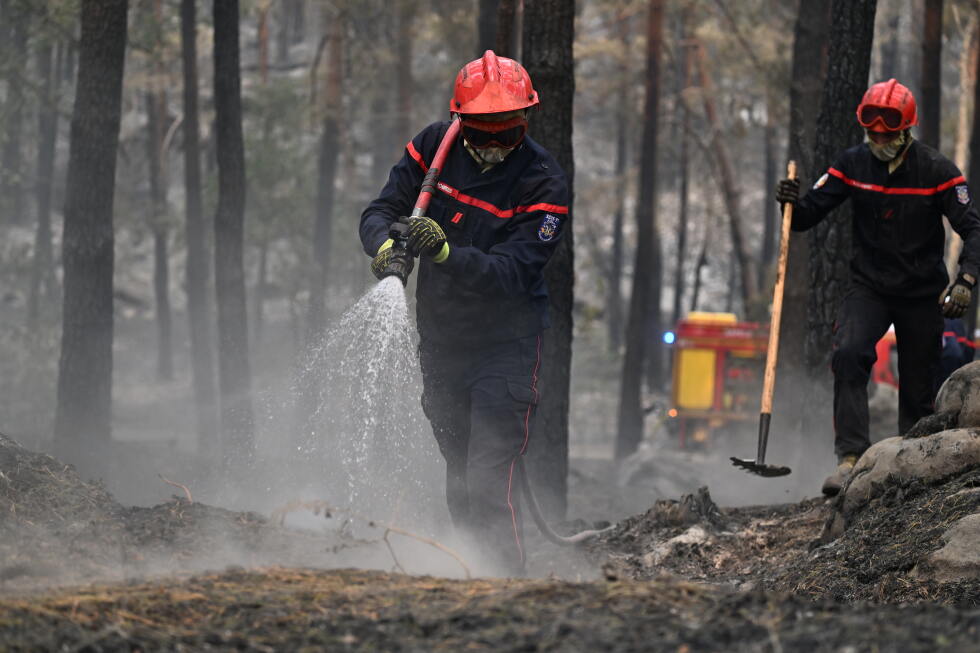
    Near the French capital of Paris, hundreds of firefighters have worked around the clock since Tuesday to contain two separate blazes burning through the iconic Fontainebleau forest, located in the commune of Noisy-sur-École just south of Paris. Local authorities confirmed that the fires have already scorched nearly 2,000 hectares (around 4,900 acres) of forest and triggered mandatory evacuation orders for more than 1,000 nearby residents. What makes this fire particularly unusual compared to larger blazes currently burning across southern France is its proximity to the heavily populated Paris metropolitan area, a rare threat that has forced emergency responders to adopt extraordinary tactics.

    Gregory Allione, the regional fire chief for the Île-de-France region, announced that water-dumping aircraft have been deployed to slow the spread of the flames, marking the first time such heavy aerial firefighting equipment has ever been used to combat a wildfire within the Paris region. On Tuesday, aircraft repeatedly made low passes over the Seine River to scoop up large volumes of water before returning to douse the burning treeline. Smoke from the fire shrouded the forest canopy and hung heavily over the region throughout the day as crews worked to bring the blaze under full control. As of Tuesday, no fatalities or fire-related injuries have been reported. French Interior Minister Laurent Nunez told BFM TV Tuesday that two people have been taken into custody in connection with the Fontainebleau blazes, with two additional suspects arrested for unrelated wildfires breaking out elsewhere across the country. Nunez did not release further details about the suspects or the circumstances of their arrests.

    France’s ongoing extreme heat event, the third major national heat wave recorded in 2024, has begun to cool, and the country’s national weather service announced it will lift all national heat wave red alert warnings starting Wednesday. However, the shift in weather has brought new risks, with thunderstorm warnings now active across multiple French regions.

    Nearly 1,000 kilometers south in southern Spain, authorities are still working to identify victims of another deadly wildfire that tore through a remote expatriate community four days ago. Judicial authorities confirmed Monday evening that they have positively identified 10 of the 13 people killed in the Los Gallardos fire using DNA and biological evidence. All confirmed fatalities are adults, the majority of whom are foreign nationals: five are British citizens (including one woman who died of her injuries in a hospital), three are Belgian citizens, one is a French woman, and one is a Spanish national. Ten additional people remain unaccounted for in the wake of the blaze.

    The Los Gallardos wildfire has burned across roughly 70 square kilometers (27 square miles) of mixed forest and agricultural land, an area larger than the entire borough of Manhattan in New York City. Like France, Spain is currently in the grip of a record-breaking extreme heat event, which combined with sustained high winds and months of below-average rainfall has created perfect tinder conditions that allow small, accidental ignitions to spread into large, uncontrollable blazes.

    The string of major wildfires across Western Europe this heat season aligns with long-term climate data from the European Union’s Copernicus Climate Change Service, which confirms Europe is warming faster than any other continent on Earth. The ongoing climate trend has turned annual extreme heat and large-scale wildfire events into the new normal for the region, forcing emergency management agencies across the continent to adapt to increasingly frequent and severe fire risks.

  • Fanfare and flyovers as France celebrates Bastille Day

    Fanfare and flyovers as France celebrates Bastille Day

    France’s annual Bastille Day celebration unfolded in Paris on Thursday with stirring military fanfare, dramatic aerial flyovers and a historic parade that placed a spotlight on global allied partnerships, including a leading contingent from Ukraine and the so-called ‘Coalition of the Willing’.

    The annual procession along the iconic Champs-Élysées, a centerpiece of France’s commemoration of the 1789 storming of the Bastille prison that launched the French Revolution, took on added geopolitical significance this year. Organizers made the deliberate choice to feature visiting troops from partner nations at the front of the parade, a decision that underscores France’s ongoing commitment to collective security and support for Kyiv amid its ongoing war with Russia.

    Crowds lined the wide avenue, waving French tricolor flags and cheering as marching contingents from Ukraine and the coalition partners stepped past the presidential reviewing stand, where French President Emmanuel Macron and visiting dignitaries gathered to observe the ceremony. Following the ground procession, military aircraft streaked across the Paris sky, painting trails of blue, white and red across the skyline in a traditional display of national pride that drew applause from thousands of spectators gathered in the city center.

    The inclusion of Ukrainian troops in the core of the parade comes as France has ramped up its military and diplomatic support for Ukraine in recent months, reinforcing its position as one of Kyiv’s key European backers. For attendees and observers alike, the 2024 Bastille Day parade served not only as a celebration of French national identity and democratic heritage, but also as a public demonstration of international solidarity with Ukraine and shared commitment to collective defense among allied nations.