In a striking demonstration of sustained orbital collaboration between Washington and Moscow amid years of strained geopolitical relations over the conflict in Ukraine, NASA Administrator Jared Isaacman traveled to Kazakhstan this week to attend the planned launch of a joint U.S.-Russian crew bound for the International Space Station (ISS).
Isaacman’s visit to the Baikonur Cosmodrome, the launch facility leased by Russia from the Central Asian nation, marks the first time a sitting NASA chief has traveled to the site in eight years, signaling that core space cooperation remains intact even as broader political and economic ties fray.
During a pre-launch meeting with the three-person crew on Monday, Isaacman extended gratitude to Russia’s state space agency Roscosmos for its meticulous work to prepare the mission. He emphasized that the cross-border collaborative work carried out over the past several months stands as a testament to the unparalleled professionalism and unwavering commitment of every specialist involved in the project.
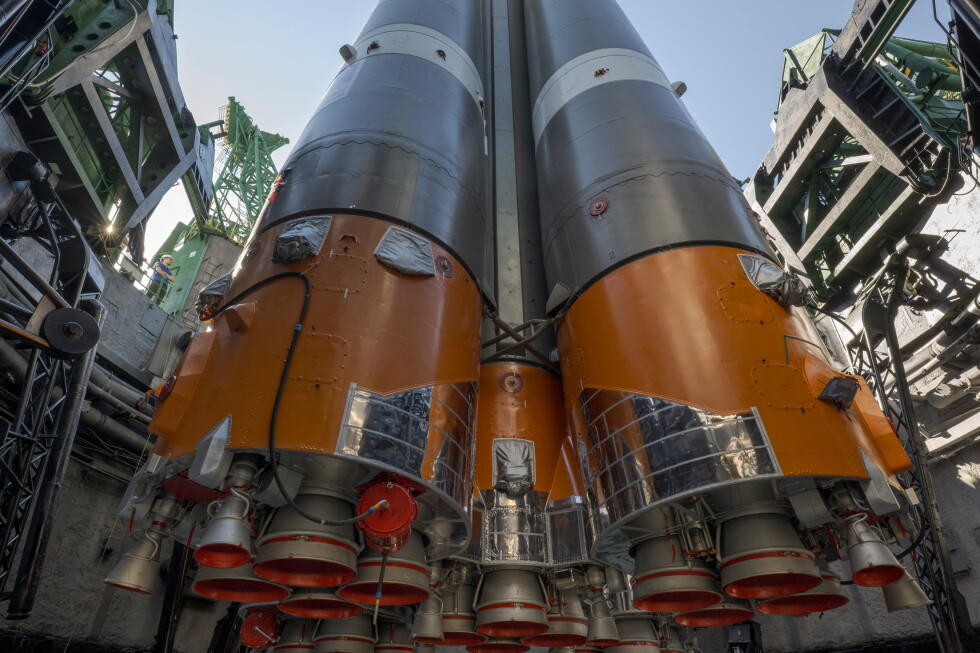
Ahead of the scheduled liftoff, the NASA administrator also held formal talks with Roscosmos Director Dmitry Bakanov. The mission, set to carry NASA astronaut Anil Menon and his two Russian crewmates Pyotr Dubrov and Anna Kikina into orbit, will launch aboard Roscosmos’ reliable Soyuz MS-29 spacecraft. Once in orbit, the trio will travel to the ISS, where they are scheduled to live and work for an eight-month research expedition.
This flight marks the first time Menon has traveled to space, while Dubrov and Kikina will each embark on their second mission to the orbiting outpost. After docking, the new crew will expand the ISS’s expedition team to nine members: they will join current residents Jessica Meir, Jack Hathaway and Chris Williams from NASA, Sophie Adenot from the European Space Agency, and Sergei Kud-Sverchkov, Sergei Mikaev and Andrei Fedyaev from Roscosmos.
The history of U.S.-Russia space relations traces back to the Cold War, when the two nations were fierce competitors in the global space race that defined much of mid-20th century technological rivalry. Decades later, the two countries pivoted to deep collaboration, with the ISS standing as the flagship example of their shared work in space. That partnership has faced persistent strain since Russia launched its full-scale military incursion into Ukraine in 2022, but core operational cooperation on the ISS has not broken down. To date, U.S. and Russian crews continue to share launch opportunities on each nation’s spacecraft, maintaining the daily operations of the 25-year-old orbital laboratory.
While core ISS cooperation endures, plans for broader deep-space collaboration between the two nations have collapsed in recent years. Russia had previously been in talks to join NASA’s Artemis program, the ambitious initiative to return humans to the lunar surface for long-term research and exploration, but those plans have been scrapped entirely. Amid sweeping Western sanctions imposed over the Ukraine conflict, Russia has shifted its international partnerships, growing more dependent on China for energy exports and imports of critical high technology. In line with this shift, Roscosmos has now turned its deep space collaborative focus to China, with the two agencies advancing work on a joint prospective lunar exploration mission.