作者: admin

  • Ukraine downs 5 Russian ballistic missiles as Kyiv looks to harden air defenses

    Ukraine downs 5 Russian ballistic missiles as Kyiv looks to harden air defenses

    Fresh cross-border attacks dominated headlines in the Russia-Ukraine war Tuesday, as Ukraine’s air force announced it had intercepted five Russian ballistic missiles fired in an overnight wave of strikes—the first time Kyiv has claimed such an intercept in nearly two weeks, a milestone amid growing gaps in the country’s air defense capabilities.

    The overnight assault, which included both missiles and drones, still managed to penetrate Ukrainian defenses and strike targets in the capital Kyiv, leaving material damage in its wake. Kyiv Mayor Vitali Klitschko confirmed the attack sparked fires at two city storage facilities and damaged a nearby local school. Unlike slower drones or cruise missiles, ballistic missiles travel at much higher speeds, making them far harder for air defense systems to track and intercept. Ukrainian defense officials indicated that the successful interceptions were almost certainly carried out by the U.S.-manufactured Patriot surface-to-air missile system, the Western-supplied defense platform widely recognized as the most effective tool currently available to counter ballistic missile threats. However, stockpiles of Patriot ammunition have been severely strained recently, compounded by rising global defense demand tied to the ongoing conflict between Israel and Iran.

    In official statements released after the attack, Russia’s Defense Ministry confirmed it carried out the strikes, saying the operation targeted Ukrainian military production sites in Kyiv that manufacture long-range missiles and drones. The attack aligns with a new Russian strategy to disrupt Ukraine’s sustained long-range campaign targeting Russian oil infrastructure deep within Russian territory, a campaign that has caused widespread critical fuel shortages across Russia, stoked public discontent, and slowed Russian military advances along the front line in eastern and southern Ukraine, according to Western military analysts.

    Ukrainian air force officials released a full breakdown of the overnight attack: one additional Russian ballistic missile and 25 Russian attack drones managed to evade interception and hit 17 separate locations across Ukraine, while falling defensive debris from intercepted missiles caused secondary damage in 10 other regions.

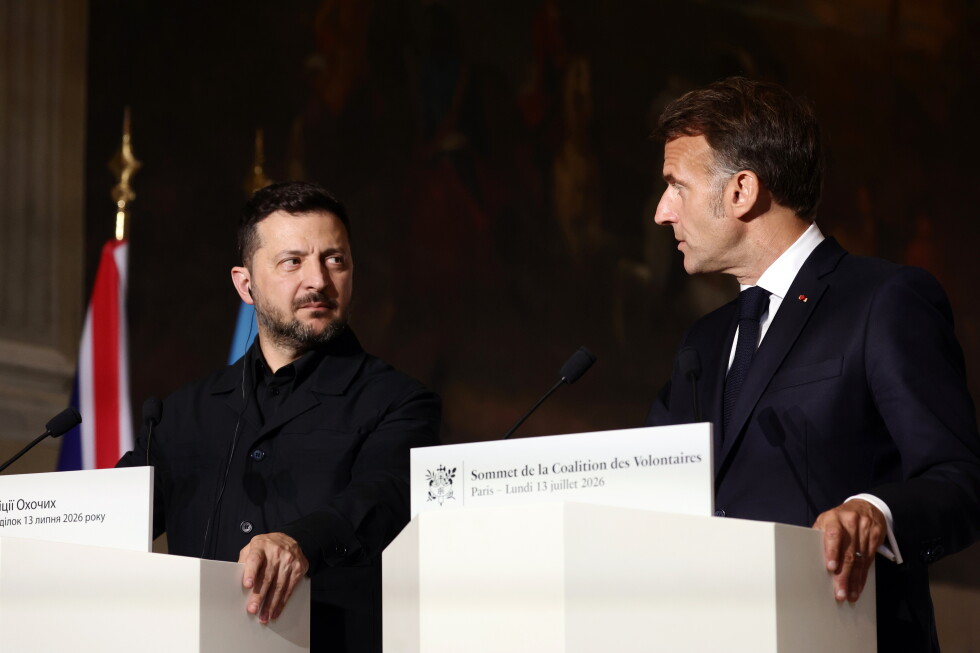
    The exchange of attacks comes as Kyiv moves to shore up its fragmented air defense networks ahead of the approaching winter, a season that has seen Russia launch systematic large-scale strikes on Ukraine’s energy grid in both 2022 and 2023, leaving millions without power or heating for extended periods. On Monday, Kyiv secured a major international boost when nine partner countries joined a new pan-European coalition focused on expanding collective ballistic missile defense capabilities, with Ukraine as a core member. Ukrainian President Volodymyr Zelenskyy, who was in Paris Tuesday attending France’s annual Bastille Day celebrations, told reporters the coalition and Ukraine’s international partners could develop a mass-produced, low-cost anti-ballistic missile system within the next 12 months.

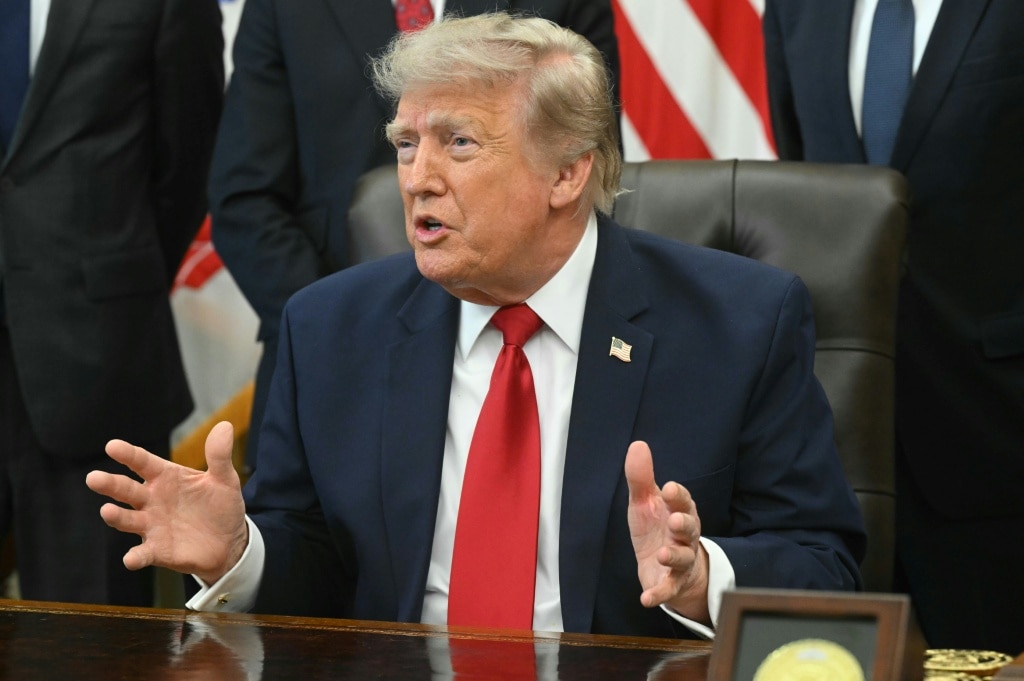
    Last week, during the NATO summit, former U.S. President Donald Trump announced the U.S. would grant Ukraine a manufacturing license to produce Patriot systems domestically. But defense analysts note the Patriot system is a complex, high-cost weapons platform already facing global supply shortages and extended production timelines, meaning any Ukrainian-manufactured Patriots will not be ready for deployment for at least several years.

    For its part, Ukraine continued its long-range strikes on Russian energy infrastructure this week, in parallel to Russia’s attack on Kyiv. Local authorities in Russia’s southern Krasnodar region confirmed a Ukrainian attack sparked a large fire at the Afipsky Oil Refinery, which was eventually contained by emergency response teams. Unconfirmed local media reports also claimed a second oil refinery in Salavat, a city in Russia’s Bashkortostan region located roughly 1,400 kilometers from the Ukrainian border, was also hit in the strike. Radiy Khabirov, the head of Bashkortostan, confirmed an industrial zone in Salavat had come under attack but declined to confirm what targets were struck.

    Russia’s Defense Ministry claimed its own air defense systems intercepted 288 Ukrainian drones launched overnight across multiple Russian regions, as well as over the illegally annexed Crimean Peninsula and the Azov and Black Seas.

  • UN agency investigating reports of 2 boats capsizing with Rohingya refugees

    UN agency investigating reports of 2 boats capsizing with Rohingya refugees

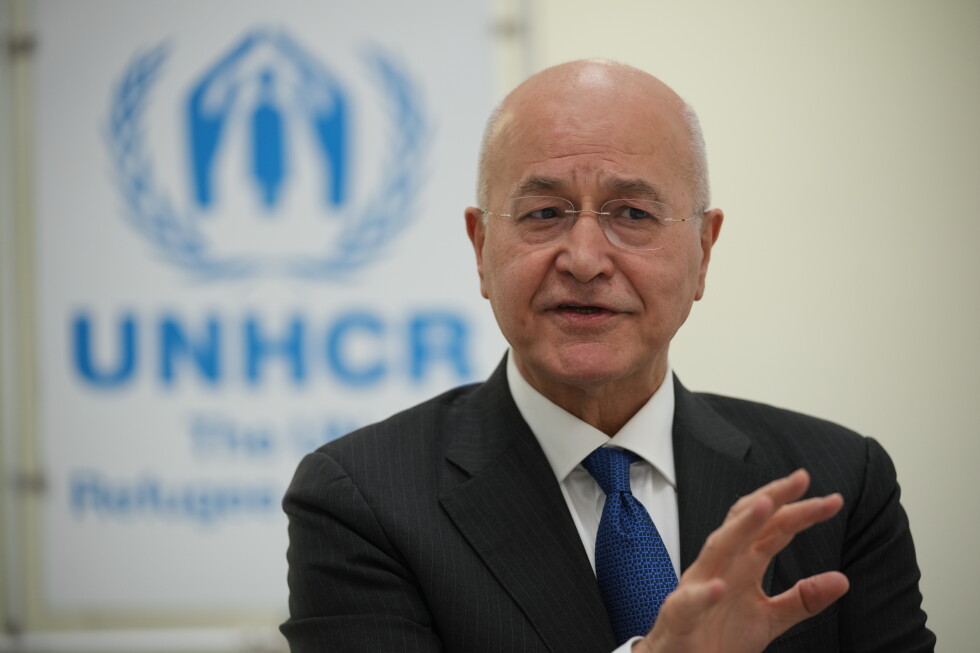
    The United Nations refugee agency has launched an investigation into newly emerged reports that two vessels carrying Rohingya, the long-persecuted ethnic minority from Myanmar, overturned in the Bay of Bengal while attempting a dangerous ocean crossing. In a public statement released Tuesday, the Office of the U.N. High Commissioner for Refugees (UNHCR) confirmed that the two boats are believed to have departed Rakhine State, western Myanmar, in late June before sinking.

  • ‘If we die, we die together’: Wife of man nearly sucked out of Ryanair plane speaks of ordeal

    ‘If we die, we die together’: Wife of man nearly sucked out of Ryanair plane speaks of ordeal

    A terrifying mid-air incident on a European Ryanair flight has left a 61-year-old Serbian passenger seriously injured, after he was nearly pulled head-first out of a dislodged cabin window just minutes after takeoff last Friday. The harrowing experience, which unfolded during a scheduled trip from Thessaloniki, Greece to Memmingen, Germany, highlights extraordinary acts of quick thinking from the man’s wife and other passengers that saved his life.

    Ljubisa Karović and his wife Svetlana Grković were heading home from a vacation in northern Greece when the emergency unfolded, according to Serbian media reports. Grković, who was seated beside her husband, shared her account of the chaos that struck roughly 10 minutes after departure. In comments to Serbian broadcaster Nova, she recalled that by the time she reacted, half of Karović’s body was already outside the aircraft—from the chest up, he hung outside the plane for two full minutes. “I immediately grabbed his legs. I thought, if we die, we die together,” Grković said, describing her split-second decision to hold on.

    Multiple passengers reported hearing a sudden blast just before decompression hit the cabin. Grković said her initial assessment pointed to broken debris from the plane’s right engine smashing the adjacent window. A technical expert consulting for the family has backed this preliminary theory, suggesting an engine failure sent fragments flying to shatter the window, triggering rapid cabin pressure loss. This assessment has not yet been validated by official investigators, however. Crucially, Karović had kept his seatbelt fastened throughout the flight, a small precaution that gave rescuers extra purchase as they fought to pull him back inside. Grković, working alongside two other traveling passengers, managed to haul the unconscious man back into the cabin. Karović lost consciousness three times during the ordeal, his wife said.

    Fellow passenger Christina told Radio Thessaloniki that the cabin erupted into screams the moment pressure dropped. “For a moment I thought someone had accidentally opened the emergency door,” she recalled. Another passenger, Sofia, described extreme difficulty breathing as decompression spread through the aircraft. “We thought the plane was going down,” she said, adding that Karović was bleeding and repeatedly lost consciousness, likely from oxygen deprivation and extreme shock.

    Flight tracking data confirms the aircraft, operated by Ryanair’s subsidiary Malta Air, dropped 9,000 feet (2,700 meters) abruptly after the incident, before turning around to make an emergency landing back at Thessaloniki. In a public statement following the event, Ryanair confirmed that flight returned to the departure airport shortly after takeoff after a passenger window became dislodged. The Irish budget carrier added that the plane landed without further incident, and all passengers returned safely to the terminal, with only Karović requiring on-site medical attention before being transferred to hospital.

    Grković updated the public on her husband’s condition, saying he remains seriously injured, is in severe shock, and has not been able to recount the event. “It’s important to me that he’s alive,” she said, noting that his hand suffered particularly severe damage including burns, and he is currently unable to communicate. Local media reports confirm Karović remains hospitalized as of the latest updates.

    The aircraft involved in the incident was an 18-year-old Boeing 737-800, a widely used workhorse for short-haul European flights. Because the incident occurred over North Macedonian airspace, and the plane is U.S.-built, multiple international agencies have joined the ongoing probe led by Greece’s Hellenic Air and Rail Safety Investigation Authority. Participating bodies include aircraft manufacturer Boeing, the U.S. Federal Aviation Administration, and the European Union Aviation Safety Agency. Thessaloniki airport operator Fraport Greece confirmed the investigation remains active, with no preliminary findings released to date.

    Additional reporting for the original story was contributed by Nikos Papanikolaou.

  • US strikes Iran, vows to reimpose naval blockade

    US strikes Iran, vows to reimpose naval blockade

    Fresh large-scale military tensions have erupted across the Middle East after the United States launched a new wave of airstrikes against Iran this Tuesday, with former President Donald Trump committing to reimpose a full naval blockade on Iran’s ports along the strategic Strait of Hormuz. The escalation has triggered immediate retaliatory strikes from Tehran against US allies and interests in the region, sending oil prices soaring and throwing previously agreed ceasefire negotiations into deep crisis.

    The five-hour US airstrike operation targeted multiple sites across Iran, including key coastal locations in Bushehr and Bandar Abbas. US military officials stated the mission was designed to “degrade Iran’s ability to attack commercial shipping” in the strategically critical waterway, through which roughly 20% of the world’s oil supplies pass daily. An Agence France-Presse tally compiled from Iranian official statements and local media reports confirms that renewed US attacks launched over the past week have killed at least 28 people across Iran.

    In direct response to the US strikes, Iran’s Islamic Revolutionary Guard Corps (IRGC) launched a coordinated barrage of missiles and drones targeting Bahrain, striking a residential building used by US forces alongside other infrastructure sites. Bahrain’s government confirmed it intercepted multiple “treacherous aerial attacks” launched from Iran, and accused Tehran of intentionally targeting civilian sites after explosions and air raid sirens sounded across the capital Manama. Tehran also expanded retaliatory strikes to another key US regional ally, Jordan, whose military announced it successfully shot down four Iranian missiles launched toward its territory. The IRGC noted its attacks specifically targeted US personnel stationed at a Jordanian air base, and issued a call for the Jordanian public to demand the permanent removal of what it described as “occupying American bases” from the country. Iran has long maintained that it only targets US interests across the Gulf region, but a military command spokesman clarified that any collaboration with Washington by Gulf states will be formally classified as “an act of war” moving forward.

    Alongside the airstrikes, Trump formally notified US Congress last week that the US has resumed full-scale military conflict against Iran, a step the White House confirmed to AFP. This notification grants the Pentagon an automatic 60-day extension of military operations in the region without requiring explicit congressional approval. In addition to the Strait of Hormuz blockade, Trump issued an extraordinary new threat against Iran’s nuclear program: he warned the US would destroy Pickaxe Mountain, a deeply buried site near Natanz that Western intelligence agencies suspect hosts an undeclared uranium enrichment facility. In an interview with conservative radio host Hugh Hewitt, Trump stated bluntly: “Tell the Iranians to be ready. Let them know we’re coming (and) there’s not a damn thing they can do about it.”

    Trump’s blockade plan goes beyond cutting off Iranian ports: he announced the US will “take over” administration of the Strait of Hormuz and impose a 20% levy on all commercial cargo transiting the waterway. He wrote on his social platform Truth Social that the US would style itself “THE GUARDIAN OF THE HORMUZ STRAIT”, and claimed that while Iranian ports would be closed to traffic, “all other countries will have fair and open use of the strait”. Iran’s Foreign Minister Abbas Araghchi responded to the proposal with sarcasm on social platform X, noting that Tehran agreed in principle that any entity guaranteeing safe passage should receive compensation, but argued 20% was far too high, quipping that Iran would charge a lower rate.

    The immediate economic impact of rising tensions has already been felt in global energy markets: oil prices jumped more than 9% on Monday as investors priced in the risk of renewed conflict, and climbed a further 1% on Tuesday, extending losses for consumers and adding to global inflation pressures.

    The Strait of Hormuz has been the central flashpoint in US-Iran tensions for months. Iran first imposed its own restrictions on traffic through the strait after joint US-Israel attacks in February, which prompted Washington to impose its initial blockade on Iran’s regional ports. Restrictions on both sides eased after the two parties reached a preliminary ceasefire agreement in June, which laid the groundwork for broader negotiations to end the conflict. However, Iranian Foreign Ministry spokesman Esmaeil Baqaei confirmed earlier this Monday that the June memorandum of understanding that forms the basis of peace talks is now “in crisis”. Baqaei warned that Iran would abandon its obligations under the deal if Washington did the same, but added that Tehran remains engaged in mediation talks with negotiators from Qatar, Pakistan and Oman to prevent further escalation.

    Iran’s parliament has already begun drafting a new bill titled “the management of the Strait of Hormuz”, according to the head of the legislature’s security committee. Washington has long opposed any Iranian attempt to charge tolls for transit through the strait, a move that is generally prohibited under international law.

    Despite the dramatic escalation of military action, Trump maintained Monday that a final deal to end the conflict with Iran remains achievable. Regional analysts warn that the escalation has significantly dimmed prospects for an imminent resolution. Bader Al-Saif, an associate fellow at the London-based think tank Chatham House, explained that the escalating exchanges of attacks will only delay progress toward a permanent peace agreement. “Both sides want to end the impasse on their own terms, and they are increasingly finding it difficult to do so,” he noted.

    Maritime security officials added another layer of concern on Tuesday: the UK Maritime Trade Operations (UKMTO) agency reported a second commercial tanker was struck by a missile while transiting the Strait of Hormuz near the Omani coast, marking the latest attack on commercial shipping in the waterway. The United Arab Emirates confirmed earlier that a recent Iranian strike on two commercial ships in the strait killed one crew member, bringing civilian casualties from the resumption of fighting into focus.

  • Death of Graham puts pressure on Republicans

    Death of Graham puts pressure on Republicans

    The unexpected passing of longtime U.S. Senator Lindsey Graham at age 71 has thrown Senate Republicans into a precarious position, amplifying existing strains on the party’s narrow one-seat majority that is already stretched thin by the extended absence of Senate veteran Mitch McConnell.

    Preliminary results from a Washington D.C. medical examiner point to an aortic dissection as the immediate cause of Graham’s death, with a final official cause pending the completion of toxicology screenings. Graham, who was first elected to represent South Carolina in the U.S. Senate in 2002, leaves behind a political legacy defined by a sharp ideological shift: he began his Senate tenure as an outspoken critic of former President Donald Trump, once labeling Trump the “most flawed nominee in the history of the Republican Party,” but later evolved into one of Trump’s most unwavering Congressional allies.

    With the Senate’s 53-47 Republican majority already down one voting member due to McConnell’s month-long absence, Graham’s death leaves the party without a critical vote for the foreseeable future. Eighty-four-year-old McConnell, the long-serving Republican leader, broke his public silence on Sunday to confirm he had been hospitalized after a fall that caused him to lose consciousness, followed by a mild case of pneumonia that extended his recovery period away from Capitol Hill.

    South Carolina’s governor holds the authority to appoint a temporary replacement to fill Graham’s Senate seat until a permanent successor is elected in the November midterm election. As of Sunday, no name had been announced for the interim appointment, but prospective candidates for the open permanent seat are expected to formally declare their campaigns this week. Multiple Republican names have begun circulating among political circles as potential contenders, per reporting from the Associated Press, with U.S. Representative Ralph Norman emerging as an early popular pick.

    Graham’s empty seat comes at a critical legislative juncture for the Republican caucus. Graham chaired the Senate Budget Committee, which is currently advancing key provisions of Trump’s voter ID legislation. A prominent foreign policy hawk with a long record of pushing for aggressive U.S. intervention overseas, Graham was also a leading supporter of expanded U.S. military action against Iran. His position will be missed as the Senate prepares to consider a new request for additional military funding for the ongoing conflict with Iran.

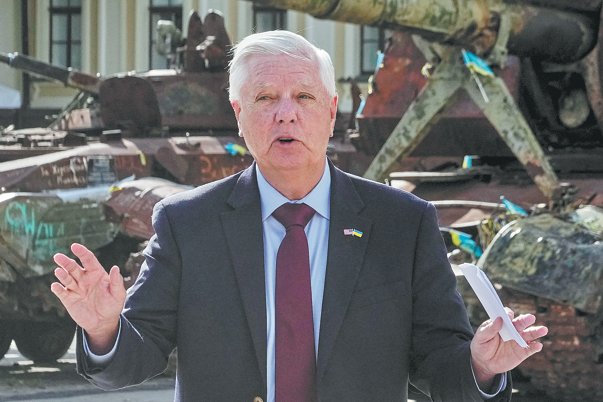
    Just days before his death, Graham completed his tenth official trip to Ukraine, where he has long been a vocal backer of Kyiv in its conflict with Russia, and spoke to reporters alongside destroyed Russian military vehicles on public display in the capital. In May, he made headlines for introducing a bill that would grant Trump authority to impose new tariffs on China over its purchases of Russian oil and gas, and repeatedly made critical public remarks about China and its international relations. He spent much of his career opposing the 2015 nuclear deal with Iran reached under former President Barack Obama, and repeatedly called for preemptive military strikes against the Iranian government.

    Trump issued a public tribute to Graham on social media Sunday, calling him “one of the greatest people and senators I have ever known.”

  • Singapore court orders Bloomberg to pay $356,000 to ministers in defamation case

    Singapore court orders Bloomberg to pay $356,000 to ministers in defamation case

    In a high-profile defamation ruling that has reignited debates over press freedom in Singapore, a local court has mandated Bloomberg News and one of its reporters to pay a total of S$460,000 (equivalent to $356,000) in damages to two senior cabinet ministers over an article linking them to non-transparent luxury property transactions.

    The legal dispute stems from a December 2024 Bloomberg report headlined “Singapore Mansion Deals Are Increasingly Shrouded in Secrecy”, which examined a growing trend among high-net-worth buyers in Singapore to conceal their ownership of Good Class Bungalows—an exclusive tier of multi-million-dollar luxury mansions restricted to the country’s wealthiest residents. The report detailed how many buyers use opaque structures like shell companies and blind trusts to hide their identities, practices that have raised broader concerns around potential money laundering and lack of transparency.

    Included in the article were two sitting ministers: K Shanmugam, Coordinating Minister for National Security and former Law Minister, who sold a Good Class Bungalow for S$88 million to an undisclosed buyer via a trust arrangement, and Tan See Leng, Singapore’s Minister for Manpower, who purchased a similar luxury property for roughly S$27 million through an identity-revealing structure. The piece framed both transactions as examples of the wider trend the report investigated.

    Shortly after the article’s publication, Shanmugam and Tan launched defamation proceedings against Bloomberg and reporter Low De Wei, arguing that the piece unfairly associated their property deals with the secrecy and money laundering concerns raised about other transactions in the report. Shanmugam further claimed the article was deliberately written to target him personally.

    During the April trial, legal representatives for Bloomberg pushed back against the claims, maintaining that the story never implied any misconduct by the two ministers. They emphasized that the ministers were included only as newsworthy examples of recent luxury bungalow transactions, noting that the article went through rigorous fact-checking and that the reporter had repeatedly attempted to seek comment from the pair before publication. The outlet also argued that the ministers had interpreted the piece in an unnecessarily defamatory context that would not align with how an average reader would understand it.

    In delivering the verdict, the judge ruled that when read in full, the article did implicitly suggest wrongdoing by the ministers, due to its linking of their property deals to the broader discussion of secrecy and money laundering. As of this ruling, Bloomberg has not issued any public comment on the court’s decision.

    Beyond the defamation suit, Singaporean authorities previously invoked the country’s 2019 Protection from Online Falsehoods and Manipulation Act (POFMA) to order Bloomberg to attach a correction notice to the original article. The law, introduced to counter online misinformation, requires platforms to tag content that authorities label as false with an official correction, though critics have repeatedly argued it is disproportionately used to suppress government criticism. Bloomberg complied with the order but added a public note stating that it only published the correction to avoid potential sanctions, and continued to stand behind its original reporting. Correction orders were also issued to other local and international outlets that republished the Bloomberg story or published commentary about it.

    This is not an isolated case: Singapore’s political leaders have a long history of winning defamation cases against domestic critics and foreign news organizations. Government officials maintain that these lawsuits are necessary to protect personal and institutional reputations, but detractors argue that they systematically stifle political dissent and narrow the space for open press coverage. Previous high-profile cases include a 2009 ruling that forced the now-defunct *Far Eastern Economic Review* to pay more than S$400,000 in damages for defamation against then-Prime Minister Lee Hsien Loong and his father Lee Kuan Yew, Singapore’s founding prime minister. Other major international outlets including The Economist and The New York Times have also been ordered to pay defamation damages in similar cases against Singaporean leaders in recent decades.

    Shanmugam and Tan also previously won a separate defamation ruling against the editor-in-chief of local independent outlet *The Online Citizen*, over a commentary he published discussing the original Bloomberg article.

  • 2 Spaniards gored as the San Fermin bull run festival concludes

    2 Spaniards gored as the San Fermin bull run festival concludes

    PAMPLONA, Spain — One of Europe’s most iconic and controversial cultural events, the San Fermin festival, has drawn to a close, concluding its annual run of daily bull charges through the narrow streets of northern Pamplona with two serious gorings and multiple minor injuries during Tuesday’s eighth and closing event.

    The first incident unfolded moments into the 875-meter course, when a fighting bull charged into a clustered group of panicked runners at the opening turn. The animal rammed two participants into the city’s historic cobblestone paving before flipping an 18-year-old Pamplona native over its horns, leaving a deep gash in the teen’s thigh. A second serious injury occurred near the end of the route, where the street narrows as it enters the Pamplona bullring—where the bulls are ultimately slaughtered by professional matadors later each day. A 46-year-old man from central Spain was gored in the chest, requiring immediate emergency transport to a local medical facility.

    Beyond the two serious horn injuries, eight additional runners sought outpatient care for less severe harm, ranging from bruising to minor cuts from falls. Notably, one of those treated was an 86-year-old British tourist, highlighting the broad range of participants that flock to the event each year.

    This year’s running of the bulls unfolded against a unique milestone: it marked exactly one century since the publication of Ernest Hemingway’s seminal 1926 novel *The Sun Also Rises*, the work that transformed a regional Spanish religious festival into a globally recognized bucket-list event for adventure seekers and culture lovers. The six fighting bulls that participated in Tuesday’s final run, guided by domestic steers, covered the full course in just two and a half minutes—an average speed that often catches participants off guard, especially when more than 1,000 runners are squeezed into the confined, winding street path.

    While fatalities are rare—the last death during a San Fermin bull run was recorded in 2009—injuries ranging from gorings to broken bones are a consistent annual occurrence. Event organizers and medical officials note the high rate of injury stems in part from the large share of participants who are first-time runners and international tourists, joining small groups of experienced local runners who run alongside the bulls each year. Many of the less severe injuries come from falls caused by crowds of runners panicking as the animals charge through the streets.

  • EU bans gold imports from Sudan to curb money financing conflict

    EU bans gold imports from Sudan to curb money financing conflict

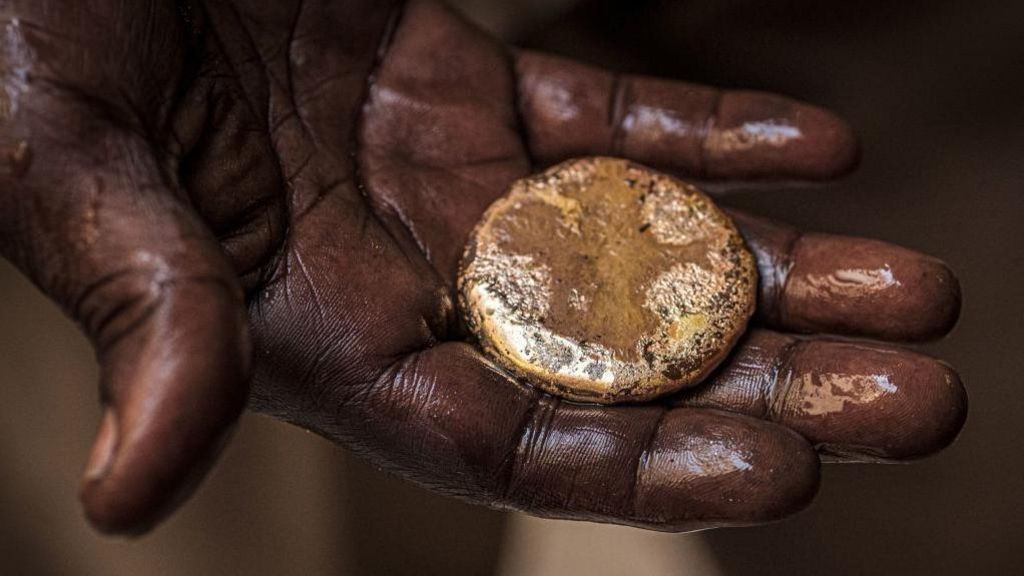
    More than two years after Sudan’s devastating civil war erupted between the country’s regular military and the paramilitary Rapid Support Forces (RSF) in April 2023, the European Union has enacted sweeping new restrictive measures targeting the gold trade that has emerged as a core revenue stream for both warring factions. The new rules, formally approved by EU foreign ministers, ban all EU-based individuals and companies from purchasing, importing, or transferring any gold originating in Sudan, alongside an export prohibition on two chemicals critical to artisanal and industrial gold processing: mercury and cyanide. Exemptions are in place for mercury and cyanide intended strictly for humanitarian and public health uses, the bloc clarified.

    As one of Africa’s top gold producing nations, Sudan’s extensive untapped gold reserves have become a lifeline for financing military operations on both sides of the conflict, according to global human rights and monitoring groups. Territorial control of the country’s gold resources is split along front lines: the RSF holds sway over most major goldfields in the western Darfur region and central Kordofan, while the Sudanese Armed Forces manages production in northern and eastern parts of the country. UN analysts and independent experts estimate that between 50% and 70% of Sudan’s annual gold output is smuggled out of the country illegally, with most trafficked through neighboring states including Egypt, Chad and Libya before reaching the United Arab Emirates’ Dubai, one of the world’s largest centers for gold refining and global trade.

    In an official statement following the approval of the sanctions, the EU Council emphasized that gold has become a foundational source of funding that allows the conflict to continue. “The measures are designed to curb sources of financing for the conflict and further increase pressure on those fuelling the war,” the council said, noting that the new restrictions expand an existing EU sanctions regime that already targets dozens of individuals and entities accused of prolonging violence across Sudan.

    The war in Sudan has already spawned one of the worst global humanitarian catastrophes of the 21st century. To date, the conflict has forced more than 14 million Sudanese people to flee their homes, and aid organizations estimate that more than 28 million people across the country now face acute food insecurity. International pressure has been mounting on external backers of both warring parties to cut support for the conflict, but independent sanctions experts warn that the EU’s new measures alone will not be enough to halt the illicit gold trade. For the ban to have a meaningful impact, major global gold trading hubs and regional transit countries must also strengthen enforcement efforts to block entry for smuggled Sudanese gold, experts say.

  • US-Iran strikes: latest developments

    US-Iran strikes: latest developments

    A rapidly escalating confrontation between the United States and Iran entered its third consecutive night of military strikes this week, triggering ripple effects across the Middle East that have disrupted global energy markets and spurred urgent international calls for restraint. The sharp escalation follows a fresh outbreak of hostilities that ended a brief month-long ceasefire between the two powers, bringing the strategic Strait of Hormuz — through which roughly 20% of global oil supplies pass daily — to the center of a growing global crisis.

    In the latest round of cross-regional attacks, Jordan’s military confirmed Tuesday that it intercepted and destroyed four Iranian missiles that entered its airspace, as Iran launched retaliatory strikes against US regional allies in response to American bombardments. Meanwhile, loud explosions rocked the Bahraini capital Manama early Tuesday, according to an Agence France-Presse reporter on the ground, marking the third set of blasts since dawn after air raid sirens sounded across the city.

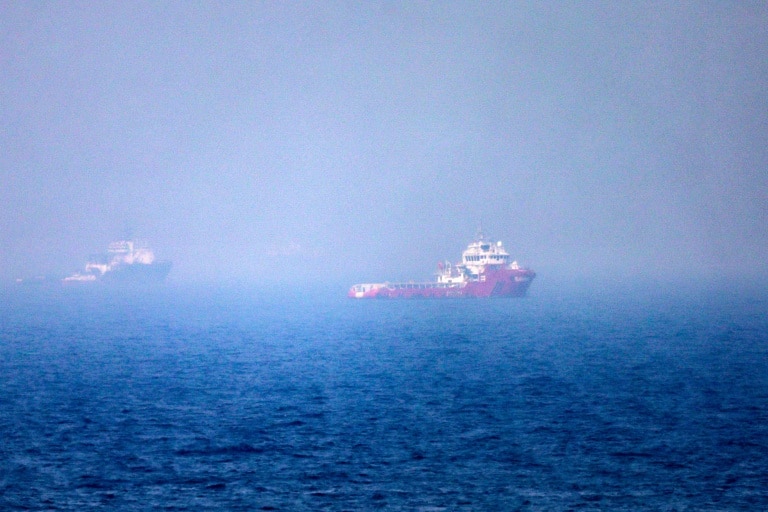
    The United Arab Emirates, a key US ally in the Persian Gulf, accused Iran of launching missile attacks on two commercial vessels transiting the Strait of Hormuz Tuesday, leaving one crew member dead and eight others injured. The attack marks the latest in a string of strikes on commercial shipping linked to Iran that have raised alarms about global maritime security. Separately, the UK Maritime Trade Operations agency reported a separate missile strike on an outbound tanker near the Omani fishing port of Limah, with authorities launching an investigation into the incident.

    The escalating conflict has already roiled global energy markets, with benchmark crude prices jumping sharply Tuesday following the announcement of new US strikes. West Texas Intermediate crude, the key US benchmark, rose 2.5% to settle at $80.15 per barrel, while Brent North Sea Crude — the global benchmark — climbed to $85.37 a barrel, matching the same percentage gain. The price surge underscores the market’s sensitivity to disruptions in the Strait of Hormuz, one of the world’s most critical chokepoints for global energy trade.

    As tensions mount, the international community has moved quickly to push for de-escalation. China issued a formal statement Tuesday calling on both Washington and Tehran to immediately take steps to restore safe and unimpeded passage through the strait. “Restoring normal and safe passage through the strait as soon as possible is a shared aspiration of the international community,” Chinese foreign ministry spokesperson Lin Jian told reporters, adding that Beijing would continue “unremitting efforts” to bring the crisis under control and lower tensions.

    On the US side, President Donald Trump has ordered a sharp escalation of economic pressure, with US Central Command confirming it would reimpose a full naval blockade of all Iranian ports starting at 20:00 GMT Tuesday. The blockade was previously eased after Washington and Tehran reached an interim ceasefire agreement in June, but Trump pledged to reimpose the full restrictions after the latest outbreak of fighting. In a post to his Truth Social platform Monday, Trump announced the US would “take over” security operations for the Strait of Hormuz, and require all transiting ships to pay a fee equal to 20% of the value of their cargo to cover US operational costs. “The United States will be reimbursed… for any and all costs necessary to do the job of providing safety and security” through the waterway, he wrote.

    Iran has rejected Trump’s plan outright, with its top military command warning that it will not tolerate any US interference in the management of the strait. In a published video statement Monday, a spokesperson for Iran’s Khatam Al-Anbiya military command said Tehran “under no circumstances will allow… the United States to interfere in the management” of the strategic waterway. The spokesperson also issued a stark warning to neighboring Gulf states, saying any cooperation with the US plan would be considered “an act of war” against Iran.

    On the ground, US strikes on Monday left two people dead in Iran’s southwestern Khuzestan province, an oil-rich region bordering Kuwait and Iraq, according to Iranian state news agencies Fars and Tasnim. The reports cited a local provincial official confirming two fatalities and three additional injuries. Iran’s Mehr news agency also reported widespread explosions near the key port city of Bandar Abbas and the nearby island of Qeshm, a major Iranian naval and commercial hub. US Central Command later confirmed it had deployed one-way attack sea drones for the first time to carry out the strike on the Iranian port, marking a new phase in US military tactics against Iranian targets.

  • China expels Politburo member Ma Xingrui in Xi’s anti-corruption campaign

    China expels Politburo member Ma Xingrui in Xi’s anti-corruption campaign

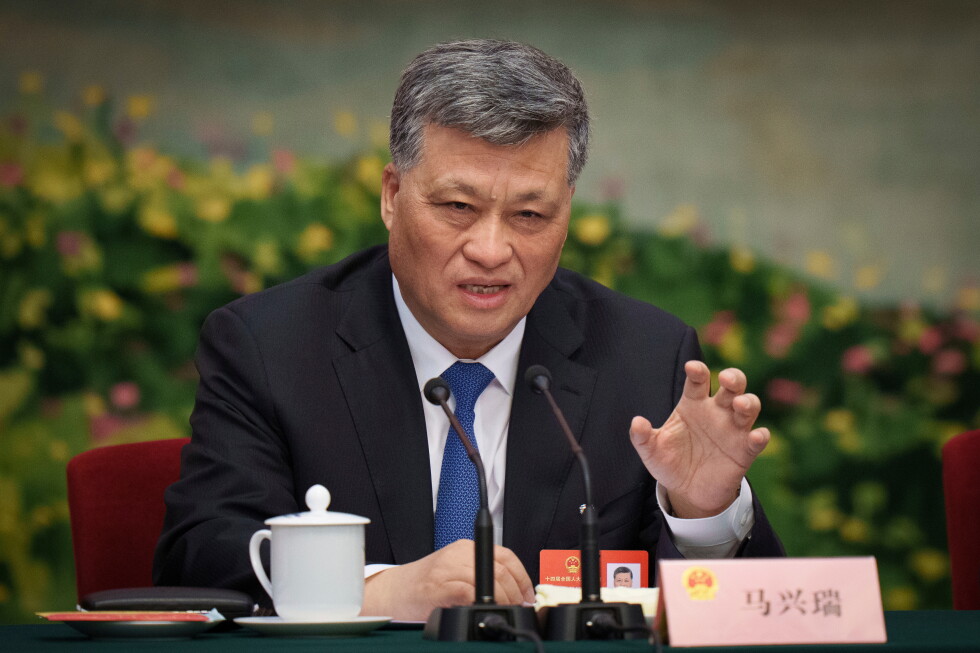
    BEIJING – In the latest high-profile fallout from Chinese President Xi Jinping’s years-long anti-corruption drive, a former top-ranking member of the Chinese Communist Party (CCP) has been formally expelled from the ruling party, state media confirmed Tuesday.

    Ma Xingrui, 66, once served as a member of the Politburo, the 25-person core decision-making body that sits at the peak of China’s political power. Recent official reports now refer to Ma as a former Politburo member, confirming his removal from the elite group whose current term runs from 2022 to 2027. Ma is the third sitting-term Politburo member to be removed from the body during the ongoing anti-corruption campaign, following two senior military generals who were previously purged.

    Political analysts have long characterized Xi’s sweeping anti-corruption initiative as a dual-purpose mechanism: it targets systemic graft within the party while also consolidating political loyalty to Xi among ruling ranks. Ma’s political downfall first came to light in April, when authorities announced he was under investigation for serious violations of party discipline and Chinese national law, but no specific details of the accusations were released at that time.

    Tuesday’s official announcements from party investigatory bodies laid out a lengthy list of confirmed violations against Ma. These include improper acceptance of cash and gifts, engagement in both sex-for-power and money-for-power quid pro quo arrangements, and abusing his official position to secure lucrative private contracts and undeserved job promotions for connected associates. Investigators also found that Ma deliberately overlooked violations and alleged criminal activity carried out by close members of his own staff.

    Before his ouster, Ma held some of the most powerful regional positions in China’s political system. A trained aerospace engineer who cut his professional teeth in the aerospace industry before transitioning to government service, Ma most recently served as the CCP party chief for the Xinjiang Uyghur Autonomous Region, a post he held until 2025. Prior to his appointment in Xinjiang, Ma was the top governor of Guangdong Province, China’s southern manufacturing powerhouse that borders Hong Kong and sits at the core of the country’s export-led economy. In China’s hierarchical political system, regional CCP party chiefs outrank appointed provincial governors, making Ma’s past posts among the most influential regional leadership roles in the country.

    In a separate development announced alongside Ma’s expulsion Tuesday, the CCP’s central anti-corruption commission confirmed it has launched an investigation into the head of Shanxi Province’s mine safety regulatory body. The probe comes in the wake of a deadly coal mine explosion in the northern coal-producing province that killed multiple people in May.