作者: admin

  • AI or real? BBC analyses viral China disaster videos

    AI or real? BBC analyses viral China disaster videos

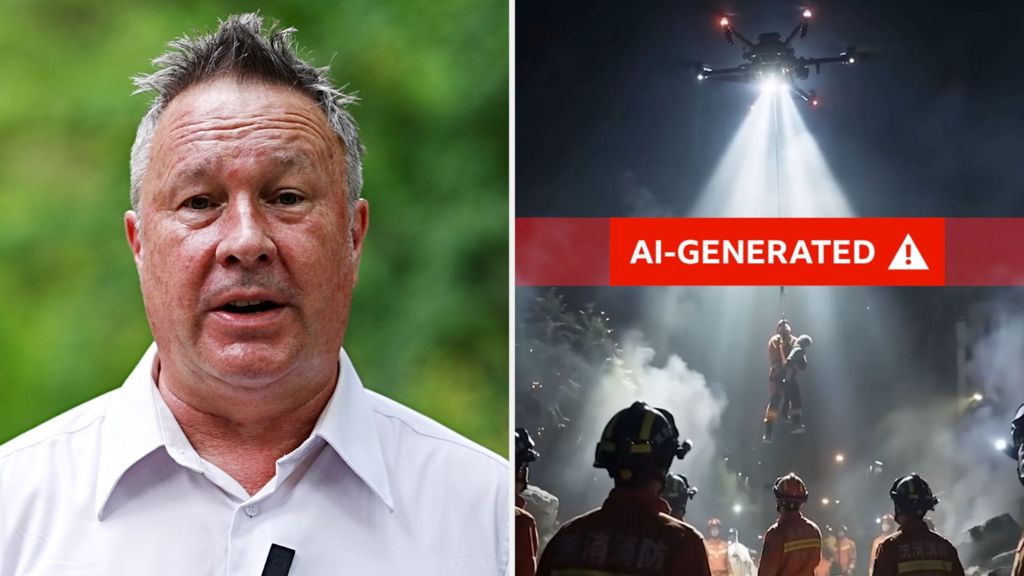
    Against a backdrop of increasingly frequent and severe extreme weather events globally, a new digital threat has emerged: artificially generated fake disaster footage that is spreading at alarming speed across online platforms in China, triggering tangible real-world disruptions, a new BBC analysis has found.

    As climate change drives more intense and frequent natural disasters across East Asia, bad actors have seized on generative artificial intelligence tools to fabricate seemingly authentic footage of catastrophic events including floods, wildfires and landslides. These manipulated or fully AI-generated clips quickly go viral on Chinese social media platforms, where users hungry for real-time updates on developing disaster situations share them widely before fact-checking can take place.

    The BBC’s analysis of multiple viral clips that circulated during recent extreme weather events in China highlights how easy it has become for bad actors to create convincing fake disaster content using off-the-shelf generative AI tools. Unlike traditional edited video fakes, modern AI-generated footage can mimic camera shake, on-the-ground reporter audio, and the chaotic visual texture of real breaking disaster coverage, making it extremely difficult for ordinary users to distinguish from authentic footage.

    The rapid spread of these fake videos carries significant real-world consequences. In some cases, false footage has sparked unnecessary public panic, leading to runs on grocery stores in unaffected regions and overwhelming emergency response phone lines with false reports of danger. Local disaster management officials have been forced to divert time and resources away from actual response efforts to debunk viral fake content, creating additional strains during already challenging emergency situations.

    This trend also reflects a broader global challenge: as extreme weather events become more common, the spread of AI-fabricated disaster misinformation has become a growing risk to public safety and emergency management worldwide. Experts quoted in the BBC analysis note that platform providers and regulators across the globe are still playing catch-up to develop effective systems to detect and remove AI-generated fake disaster content before it can spread widely and cause harm.

  • Marmots facing money troubles turn to OnlyFans

    Marmots facing money troubles turn to OnlyFans

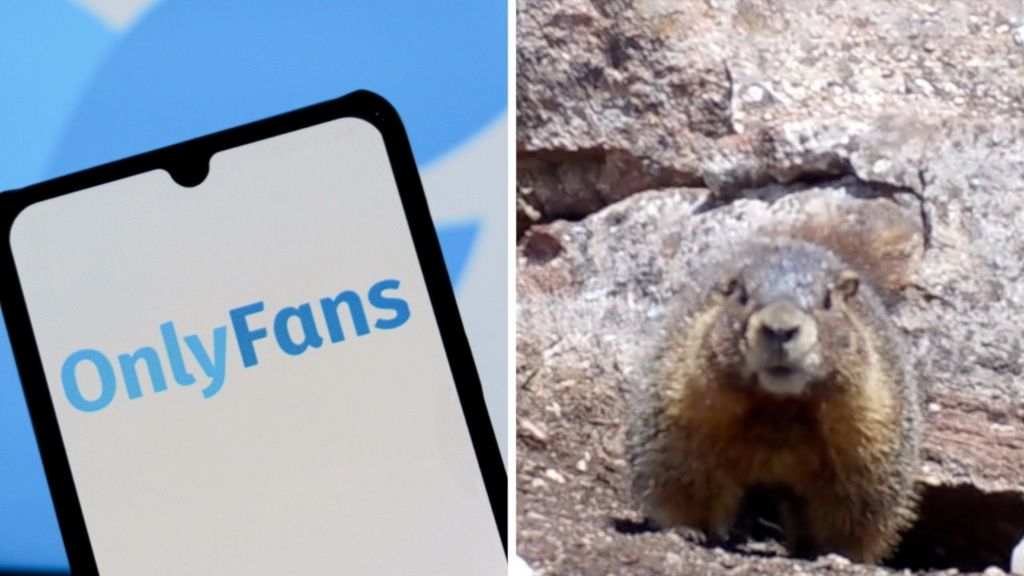
    When federal funding for university research dried up, one Colorado-based biologist turned to an unexpected platform to keep his decades-long wildlife study alive: OnlyFans. What happened next turned a colony of yellow-bellied marmots into unexpected internet celebrities, all in the name of conservation science.

    Dr. Daniel Blumstein, leader of the long-running Marmot Project based at UCLA’s Rocky Mountain Biological Laboratory, launched the playful OnlyFans account dubbed “OnlyMarms” in a last-ditch bid to raise funds for his research program. Launched in 2024 following cuts to federal academic research grants, the project already holds a prestigious place in global scientific history: it is the second-longest continuous study of individually identified wild mammals on Earth, trailing only Jane Goodall’s legendary chimpanzee research in Tanzania.

    For more than 60 years, Blumstein and his team have studied yellow-bellied marmots, a common, non-endangered species of ground-dwelling squirrel found across North America. Unlike many high-profile conservation projects focused on at-risk animals, this long-term research fills a critical gap in ecological knowledge: tracking how population dynamics shift over time in a stable species, offering key insights into how environmental changes impact wildlife populations broadly. Despite the project’s well-documented scientific value, Blumstein confirmed to the BBC that securing ongoing federal funding had become impossible, leaving the program’s future in jeopardy.

    The unusual OnlyFans idea struck Blumstein unexpectedly while he waited in an alpine meadow for marmots to emerge from their burrows. Fresh off watching the popular TV series *Margot’s Got Money Troubles* — where Elle Fanning’s titular character launches an OnlyFans to support herself as a single parent — Blumstein had a sudden epiphany: “Marmots’ got money troubles. Maybe we should do something a little risqué.”

    He floated the idea to his research students, who embraced the concept wholeheartedly, helping him craft the playful brand OnlyMarms and set up the account. The project hit a small early snag during platform verification: OnlyFans moderators flagged the account, after Blumstein submitted his driver’s license for ID check, which did not match the account’s profile photo of a marmot. A quick explanatory email cleared up the confusion, and the team was able to start posting content.

    Contrary to OnlyFans’ reputation as a platform dominated by sexually explicit adult content, all content posted on OnlyMarms is completely family-friendly. The feed features candid, unedited videos and photos of the wild marmots going about their daily lives in the Rocky Mountains: scurrying across alpine meadows, emerging from underground burrows, interacting with one another, and basking in the mountain sun. Blumstein notes that yellow-bellied marmots are less social than their alpine marmot relatives, and female marmots actually grow more territorial and irritable as they age — a quirk that has produced some viral-worthy content, including one clip of a female marmot chasing an intruding male out of her burrow.

    Rather than naming the research subjects with human names — a practice that could introduce observational bias into the study — the team marks individual marmots with non-toxic dye and gives them quirky, informal identifiers: popular subjects include “dans_hat”, “open_kite”, and “Citroën”.

    So far, the unorthodox fundraising campaign has exceeded early expectations, raising more than $5,000 total. After OnlyFans takes its platform commission, the Rocky Mountain Biological Laboratory will net roughly $4,000 to put toward research costs. While Blumstein acknowledges that OnlyFans revenue will not be enough to fully offset federal spending cuts and secure the project’s long-term future on its own, he stresses that the campaign has already delivered significant value by raising public awareness of the research and its importance.

    Building on the viral attention from the OnlyMarms account, the team has also launched a new public engagement event: Fat Marmot Week, modeled after the wildly popular Fat Bear Week hosted by Alaska’s Katmai National Park. Scheduled for the end of August, the bracket-style tournament will let the general public vote for their favorite chunky marmot. As hibernating animals, marmots build up large fat reserves ahead of the long winter, so the public competition is more than just fun: “It’s fun to root for the chunkiest marmot, but behind the fun and games is a deathly serious competition against nature to pile on fat to survive the long, cold winter,” Blumstein explained in a press release announcing the event.

    The unusual campaign highlights a growing crisis in academic research: long-term ecological studies, which produce some of the most valuable data on climate and population change, are increasingly struggling to secure consistent government funding, pushing scientists to explore creative, unconventional alternatives to keep their work going.

  • Palestinian-Israeli movement calls for multinational force in occupied West Bank

    Palestinian-Israeli movement calls for multinational force in occupied West Bank

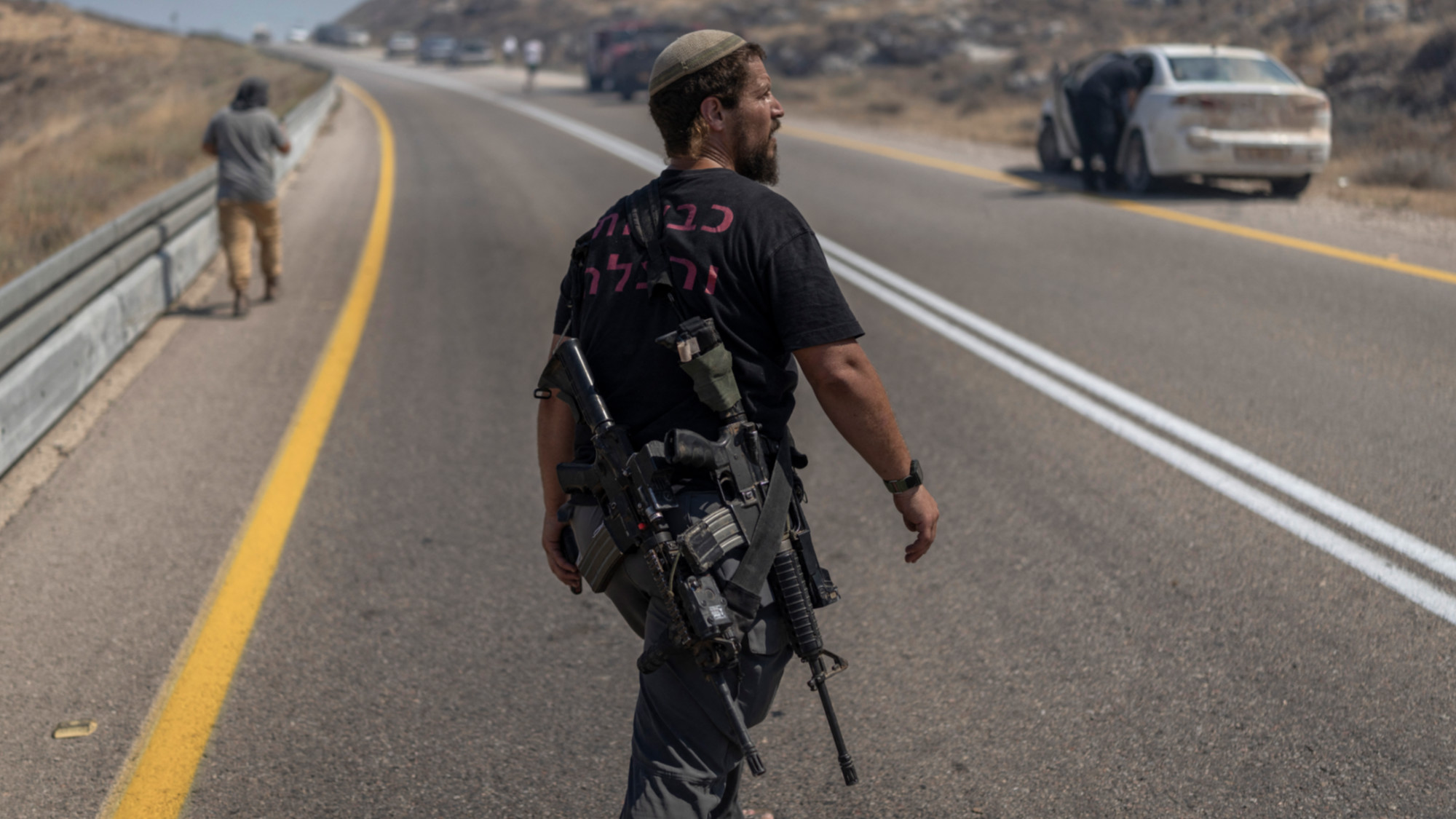
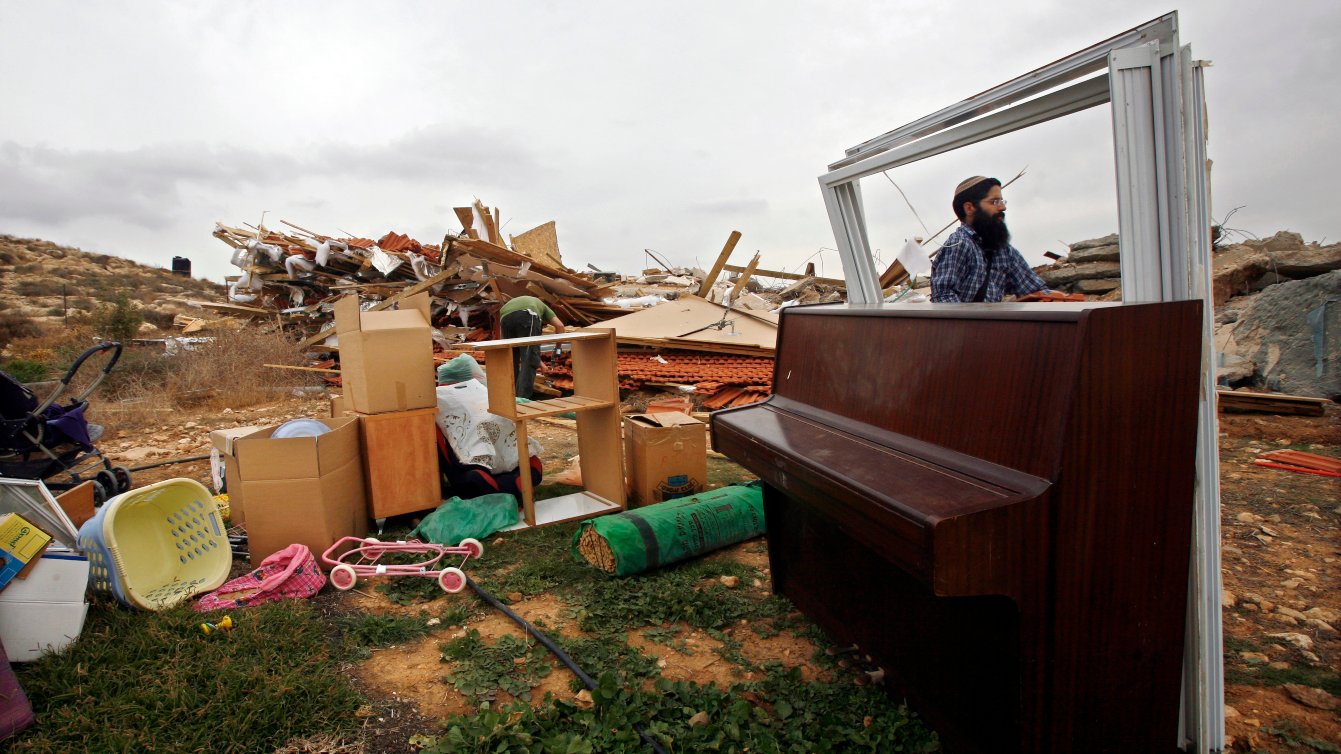
    On Tuesday, a cross-community Palestinian-Israeli grassroots political movement unveiled a urgent new campaign pushing for the deployment of a multinational civilian protection force in the occupied West Bank, as violent attacks by Israeli settlers against Palestinian communities continue to escalate unchecked.

    The group behind the push, A Land for All – Two States, One Homeland, argues that rising settler aggression, paired with the Israeli government’s consistent failure to safeguard Palestinian civilians living under occupation, has made direct international intervention an unavoidable and time-sensitive priority. The formal appeal was launched during a public press conference hosted in Kafr Malik, a Palestinian village located east of Ramallah, where local residents have documented months of persistent settler attacks, limited access to their agricultural lands, and growing anxiety over forced displacement.

    Movement leaders emphasize that a deployed international protection force would not act as a replacement for a long-term political resolution or the future establishment of an independent Palestinian state. Instead, it would serve as an immediate emergency mechanism to shield vulnerable civilian populations and preserve the fragile possibility of a negotiated political settlement down the line. Branded under the slogan “Multinational Force in the West Bank — Now”, the campaign holds that verbal international condemnation of settler violence is no longer sufficient to address the crisis, and calls for a formally mandated force with authority to protect civilians and catalog human rights violations on the ground.

    Rula Hardal, Palestinian co-director of A Land for All, confirmed that the movement circulated an official statement last week to global diplomatic bodies and foreign missions operating in both Israel and Palestine, urging formal backing for the protection force deployment following the recent sharp escalation in settler attacks. Kafr Malik was selected as the press conference venue, Hardal explained, because of its central location in the West Bank, its direct experience of ongoing settler violence, and its relative accessibility and safety for both Palestinian and Israeli Jewish members of the movement compared to other at-risk Palestinian communities.

    “We are a joint Palestinian-Israeli political movement that advocates for a confederative two-state solution along the 1967 internationally agreed borders,” Hardal told reporters during the event. “But we cannot continue clinging to the outdated traditional model of a two-state solution, because the on-the-ground reality has shifted dramatically over the past three decades.” The movement’s work centers on updating and refining the two-state framework to address long-standing core issues including existing Israeli settlements, the right of return for Palestinian refugees, the status of Jerusalem, and cross-community security arrangements, all of which are detailed in the movement’s formal political platform.

    Meron Rapoport, an Israeli co-founding president of the movement, warned that security conditions in the occupied West Bank have deteriorated drastically over the past 12 months. He went as far as accusing the current Israeli government and military of advancing “a clear plan of ethnic cleansing” in the occupied territory. “We hear open plans to target Palestinian refugee camps. The writing is on the wall. The era of waiting, asking, and begging Israel to protect Palestinian lives is over,” Rapoport stated during the press conference.

    Other Israeli members of the movement echoed Rapoport’s assessment, agreeing that they no longer have confidence that Israeli authorities are either willing or able to protect Palestinian civilians living under occupation. Professor Yael Berda, co-chair of the movement’s joint board, noted that Kafr Malik specifically faces consistent, systematic threats of violence from organized settler militias. She added that the press conference was organized to demonstrate cross-community solidarity, amplify the call for international intervention, and remind the global community of its legal and moral responsibility to protect civilians at risk of mass atrocities.

    “These mass atrocities include ethnic cleansing, and we are currently seeing imminent ethnic cleansing unfolding. Abstract international pressure is no longer enough,” Berda said. “We see an Israeli government that gives full backing to settler militias, and we see a military that either lacks the capacity or the political will to rein in settler violence.”

    For residents of Kafr Malik, the event was less a forum for abstract political debate and more an opportunity to highlight the daily crisis they navigate. Local villagers shared accounts of repeated settler invasions of their lands, blocked access roads, and steadily tightening restrictions on their ability to reach and work their agricultural plots. Abdel Fattah Hamayel, a long-time resident of Kafr Malik, welcomed the solidarity visit from the joint movement.

    “We appreciate this step, and we hope it will be the foundation for broader action to help the Palestinian people confront this settler-colonial aggression,” Hamayel said. He noted that a single gathering cannot capture the full scope of suffering experienced by Kafr Malik residents, or by Palestinian rural communities across the West Bank more broadly. “This issue is no longer hidden from anyone. The current Israeli government, through its leading fascist figures, states its goals openly and clearly. Our situation is not easy, because we face two core challenges,” he explained.

    The first challenge, Hamayel said, is the lack of a coordinated official Palestinian strategy or functional institutions with the capacity to counter the violence and support Palestinian farmers whose livelihoods are under threat. The second is that all attacks are carried out with the explicit backing of Israel’s far-right government, which has emboldened settlers to abandon all restraints and moral standards, according to Hamayel.

  • Fifa admits mistakes but Infantino remains president

    Fifa admits mistakes but Infantino remains president

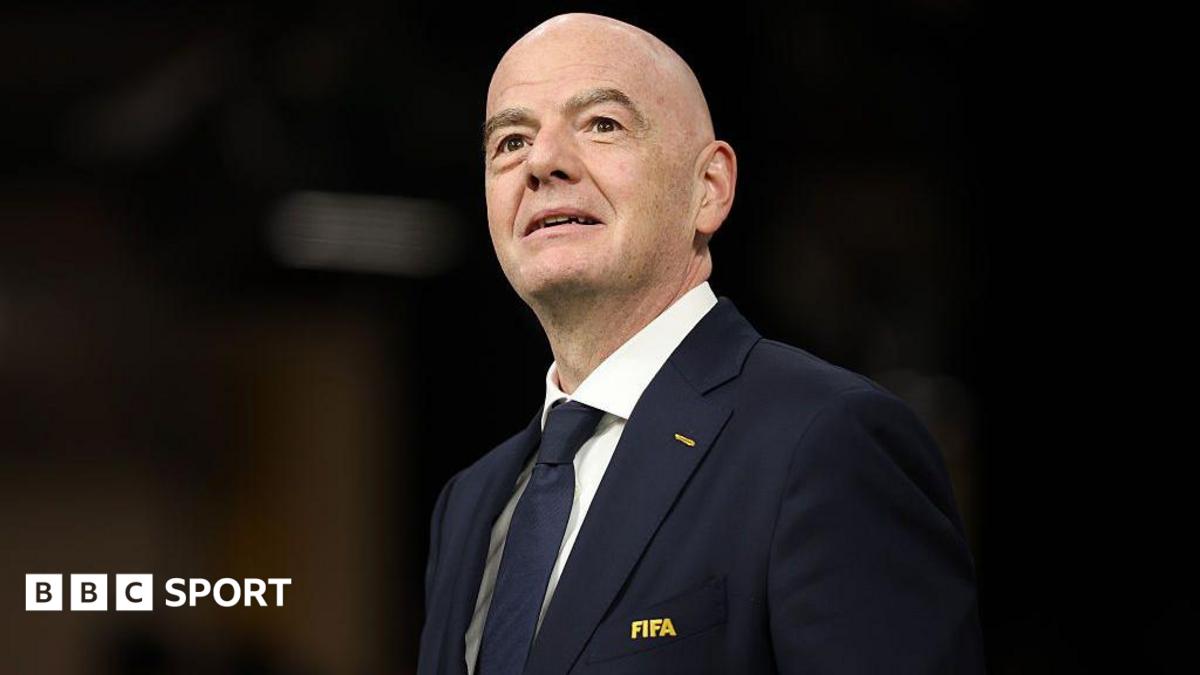
    Gianni Infantino has secured continued tenure as FIFA president after earning a formal vote of confidence from the organization’s senior management board during an emergency meeting held in Rabat, Morocco. The gathering was convened by Infantino himself this Wednesday, in direct response to cascading criticism over his scrapped plan to sell private stakes in top FIFA competitions, including the men’s and women’s World Cups, via a newly created subsidiary called FIFA Forward Enterprise (FFE). Four hours after discussions concluded, FIFA released an official statement confirming the board’s unified support for its leader.

    The controversy erupted after The Times broke news of the FFE proposal on July 28, triggering immediate backlash from across global football. European football’s governing body UEFA led the charge over the weekend, issuing a formal declaration that it had lost all confidence in Infantino, dismissing the FFE initiative as a “shabby, back room, opaque deal.” Criticism even extended to the highest ranks within FIFA: Secretary General Mattias Grafström, who attended the Rabat meeting, had described the entire situation as “a sad and reproachable series of events” in an internal memo circulated to FIFA staff just one day earlier. Yet in a striking reversal following Wednesday’s closed-door talks, Grafström joined the full management board in “reaffirming their full support” for Infantino’s leadership.

    As part of the meeting’s outcomes, FIFA openly acknowledged that missteps were made throughout the FFE process. The organization admitted it was never its intention to leave the FIFA Council and member associations feeling sidelined, conceding that the initiative “should have been handled differently.” Additional errors were acknowledged in how FIFA responded after the proposal was leaked to the press. FIFA has since issued formal apologies to the council and all member associations for these missteps, pledged to prevent similar missteps in the future, and announced it will launch a full internal review of the process.

    FIFA also pushed back firmly against a separate unsubstantiated report from The Times claiming Infantino had promised Morocco the right to host the 2030 World Cup final in exchange for its political backing. The organization dismissed the allegation as “false and misleading,” noting that any final decision on the 2030 final host location—co-hosted by Morocco, Spain and Portugal—will be made at a later appropriate date. The statement also added a firm warning, saying FIFA “will no longer tolerate any attacks on its integrity, good governance and due process and will take all necessary measures to protect and safeguard its name and reputation,” while also asserting that “everything that was done was done in full compliance with the FIFA regulatory framework.”

    Despite the management board’s backing, opposition to Infantino remains widespread and vocal. Canadian Prime Minister Mark Carney, whose country co-hosted the 2026 men’s World Cup alongside the United States and Mexico, has publicly stated he no longer has confidence in the FIFA president. Former Portuguese football star Luis Figo, who withdrew from the 2015 FIFA presidential race against former president Sepp Blatter, has called on Infantino to step down immediately. “Infantino has debased the office that he promised to elevate,” Figo said. “It is too late to save his dignity but it is not too late to save football.”

    The 56-year-old Swiss executive has made clear he intends to stand for re-election to a fourth term, with the vote scheduled to take place at the FIFA Congress in Morocco in March 2027. Prospective challengers have until mid-November this year to nominate themselves, and any winning candidate needs to secure 106 votes from FIFA’s 211 total member associations to claim victory.

    UEFA has maintained its hardline opposition, having already threatened legal action against FIFA over the controversy. A growing number of European member associations have already withdrawn their support for Infantino’s re-election, including Wales, with England expected to formally join that camp imminently. At the height of the backlash, all 55 UEFA member associations threatened to boycott FIFA competitions if the FFE plan moved forward. However, UEFA faces a major strategic barrier to ousting Infantino: it lacks enough global support to challenge his existing power base. To date, only the Confederation of North, Central America and Caribbean Association Football (Concacaf) has joined UEFA in criticizing the president, though it has not issued a formal no-confidence vote. While the Asian Football Confederation rejected the original FFE investment plan, it has not issued a broader public rejection of Infantino’s leadership.

    Outside of Europe, only Jordan has publicly called for Infantino to step down. By contrast, a long list of nations across Asia and Africa—Infantino’s core support base—have reaffirmed their backing in recent days, including Egypt, Morocco, Niger, Mauritania, DR Congo and the Philippines. Many of these nations have benefited from substantial funding through the original FIFA Forward development programme, the precursor to FFE, receiving up to $8 million per three-year funding cycle to support domestic football growth. For UEFA to successfully unseat Infantino, it will need to convince these countries that alternative candidates can deliver equivalent financial support while implementing greater transparency and governance reform—a challenge that Infantino’s existing loyalty among these member associations makes far more difficult. For now, despite the ongoing controversy that marks the largest threat to his decade-long tenure, Infantino appears to have survived the immediate challenge to his leadership.

  • Why haven’t we seen images of SpaceX Moon crash yet?

    Why haven’t we seen images of SpaceX Moon crash yet?

    In early 2022, a discarded SpaceX rocket booster that had been drifting through uncontrolled orbital space for years made an inevitable impact with the Moon’s far side, leaving what astronomers predict is a fresh, uneven crater scattered with debris across the lunar surface. But more than a year after the collision, no official clear images of this new impact site have been made public, leaving space enthusiasts and researchers curious about the long delay.

    The most straightforward explanation for the wait lies in orbital scheduling and observation logistics. The key Lunar reconnaissance assets that can capture high-resolution images of the surface, including NASA’s Lunar Reconnaissance Orbiter (LRO) and India’s Chandrayaan-2, operate on fixed, pre-planned orbital paths. They can only image a given point on the Moon when their orbit brings the target site within their camera’s field of view, a window that does not open on demand.

    Complicating this timeline further is the exact challenge of locating the crater. While astronomers have produced rough estimates of where the booster impacted, these calculations come with a margin of error measured in multiple kilometers. Before any dedicated imaging can take place, orbiters must conduct incremental search passes to narrow down the impact site’s location, a process that takes time and prioritization against other active research missions.

    Another factor that has slowed public release is the priority of mission objectives. LRO and other active lunar orbiters are committed to long-term research goals, from mapping polar water ice deposits to preparing for future human Artemis missions. Shifting resources away from these pre-approved projects to search for a newly formed crater requires coordination and approval, pushing the search further down mission waiting lists in many cases.

    Even so, experts note that the wait will not last forever. As orbiters complete their scheduled tasks and gradually pass over the impact region, the new crater will be located, imaged, and eventually released to the public. When the images do arrive, they will give planetary scientists valuable real-world data on how large objects impact the lunar surface, helping refine models of crater formation that improve understanding of solar system geology.

  • Watch: ‘Marmots have money troubles’ – Scientists turn to OnlyFans to raise funds

    Watch: ‘Marmots have money troubles’ – Scientists turn to OnlyFans to raise funds

    A team of wildlife scientists studying alpine marmots has turned to the unconventional social platform OnlyFans to plug critical funding gaps that have slowed their long-term research work, launching a cheeky account billed as featuring “uncensored marmot content” that has already pulled in more than $5,000 in fan tips since its launch.

    The research group, which has spent years tracking marmot behavior, population dynamics, and the impacts of climate change on these high-altitude burrowing rodents, found traditional grant funding increasingly hard to secure in recent years. Facing mounting costs for field equipment, GPS tracking collars, and on-site research expeditions, the team decided to think outside the box to keep their project alive, leaning into viral internet humor to attract public support.

    Their OnlyFans page, which leans into a playful pun on the word “marmot” rather than explicit adult content (the platform’s most well-known use), shares exclusive behind-the-scenes footage of marmot daily life: close-up shots of the animals foraging, playing in alpine meadows, and emerging from their winter burrows, alongside candid photos from the researchers’ field work. The lighthearted, unexpected concept quickly caught on with social media users, who have shared the campaign widely across Twitter, Instagram, and TikTok, driving a steady stream of tips and new subscribers.

    As of the latest update, the account has generated over $5,000 in donations through platform tips, a sum that will cover nearly a full season of field research costs. The team says they are stunned by the outpouring of support, noting that the campaign not only solved their immediate money troubles but also helped raise public awareness of marmot conservation and the broader challenges wildlife researchers face when securing funding for critical ecological work.

    The unusual fundraising strategy has sparked a wider conversation about the growing pressure on academic researchers to find alternative funding sources as traditional government and non-profit grants become more competitive. For this marmot research team, however, the gamble has paid off, turning a quirky idea into a lifeblood for their work and proving that unconventional approaches can sometimes solve even the most unexpected financial hurdles in scientific research.

  • Exclusive: Cambridge University backtracks on divesting from arms companies

    Exclusive: Cambridge University backtracks on divesting from arms companies

    Exclusive reporting from Middle East Eye has uncovered that the University of Cambridge has reversed a planned policy that would have paved the way for full divestment from weapons manufacturers, a step that came in direct response to widespread student and faculty campaigning over the institution’s investments linked to Israeli human rights violations.

    Internal documents reviewed by MEE show that on April 16, Cambridge’s top governing body, the University Council, signed off on a new monitoring framework for endowment investments in conventional weapons producers. The framework was developed by the Cambridge University Endowment Trustee Body (CUETB), the body tasked with overseeing the university’s £4.2 billion ($5.74 billion) endowment fund, which is managed day-to-day by University of Cambridge Investment Management Limited (UCIM).

    Under the original policy, the framework was designed to track the endowment’s total exposure to firms that primarily manufacture conventional weapons. If that exposure crossed a pre-set threshold as a share of total fund assets, mandatory discussions would be launched with UCIM to outline a timeline for reducing those holdings. In July 2026, CUETB went a step further, setting the threshold for arms investments at zero percent — a historic decision that would have required divestment talks for any level of investment in weapons companies, effectively committing the institution to full divestment.

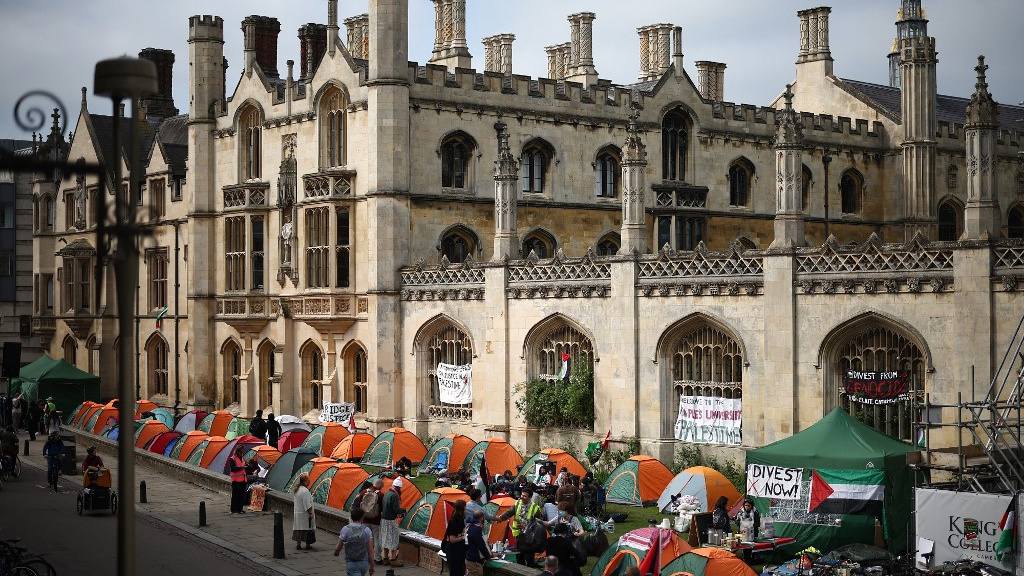
    This policy was developed by a 2024 university working group convened after student activists with Cambridge for Palestine set up on-campus encampments to demand the university cut financial ties with firms enabling Israeli occupation and human rights abuses in Gaza and the West Bank. The policy reaffirmed commitments the university made to academic staff just one month ago, when the Council publicly stated it would move to reduce arms investments that crossed the established threshold.

    However, multiple anonymous sources with direct knowledge of the internal decision-making process told MEE that CUETB has quietly scrapped the original plan, replacing it with a new policy that removes any requirement to reduce holdings even if the zero percent threshold is breached. While the zero percent threshold remains on paper, the revised policy no longer mandates action to cut exposure to weapons manufacturers.

    Critically, the non-public policy change was made by CUETB without bringing the decision to a vote before the full University Council, and multiple sitting Council members confirmed to MEE they were never notified of the revision. It remains unclear when the reversal was approved, and the University of Cambridge has not responded to multiple repeated requests for comment from MEE on the policy shift.

    This is not the first time Cambridge has faced scrutiny over its endowment investments. In February 2025, MEE revealed that UCIM had allocated more than £140 million ($189 million) to an S&P 500 fund that holds stakes in multiple companies linked to Israeli human rights violations, including Palantir Technologies, Caterpillar, and GE Aerospace. The university has repeatedly refused to disclose the full list of firms in its endowment portfolio, citing legal confidentiality requirements. Earlier this year, dozens of senior Cambridge academics accused the institution of “maximal obfuscation” over its investments, arguing that the lack of transparency prevents faculty from conducting proper oversight of the endowment’s ties to arms manufacturers.

    A spokesperson for Cambridge for Palestine told MEE that the activist group was “shocked, but not surprised” by the university’s reversal of its public commitments. “The notice in April issued by the University Council made clear that if arms investments were to exceed a yet-to-be-decided threshold of overall investments, then exposure to such investments would be reduced as part of a new monitoring scheme,” the spokesperson said. “Now that this threshold has been set at zero percent, we are hearing that the university has chosen to ignore and sideline its own statements and commitments by removing any process of investment exposure reduction.”

    The spokesperson added that the decision is particularly problematic because it was made unilaterally by the trustee body, rather than going through the university’s formal governance processes. The original divestment motion that launched the working group process has still not been put to a vote before Regent House, Cambridge’s democratic governing body made up of faculty and staff. “The University can backtrack all it likes, and obfuscate language to avoid scrutiny and accountability,” the spokesperson said. “But Cambridge for Palestine re-emphasises that students, staff and local activists will never stop campaigning until the University’s money is used for education as it should be, not for funding war and occupation.”

  • Cambridge professor at centre of plagiarism furore quits

    Cambridge professor at centre of plagiarism furore quits

    A high-profile University of Cambridge academic, who entered the spotlight two years ago as the institution’s youngest Black professor, has stepped down from his posts with immediate effect, bringing a dramatic new turn to a rapidly escalating plagiarism and academic misconduct controversy. Jason Arday, who held a chair in the sociology of education and was a fellow at Jesus College, announced his resignation Wednesday, mere hours after Cambridge University confirmed it had launched a formal investigation into fresh allegations concerning his academic credentials and honorary appointments.

    The scandal first gained public traction when U.S.-based academic Nathan Cofnas, whose research affiliation with Cambridge ended in 2024 following accusations of racism, levied claims that multiple sections of Arday’s doctoral dissertation were copied from other scholars’ work. Beyond the plagiarism allegations, scrutiny has also spread to several personal and professional achievements Arday has cited publicly, including claims that he completed 30 marathons in 35 days and raised millions of dollars for charity, claims that have since been disputed.

    In an open resignation letter posted online, Arday framed his departure as the only viable path forward after an extended period of intense public and institutional pressure. “Quitting is the only way to end a difficult period,” he wrote, adding that his decision should not “be mistaken for an acceptance of the narratives that have surrounded me.” He noted that he had reached the breaking point of what any person could reasonably be expected to endure, while vowing that his departure would be temporary: “This is not the end of my work. I need time to heal… and be myself again. I will return.”

    Arday has long maintained that much of the scrutiny targeting him is rooted in anti-Black racism, a claim he repeated in a recent interview with The Times. During that interview, he acknowledged making unintentional academic “mistakes” but pushed back against efforts to paint him as “a liar, a fantasist and an academic fraud.”

    Cambridge’s decision to open a new investigation marks a notable shift from its position in June, when university officials forcefully defended Arday, describing the criticism against him as a “vile campaign to undermine his credibility.” At that time, the institution stated that prior allegations of plagiarism in Arday’s thesis and journal publications had already been investigated and dismissed by relevant academic bodies and publishing journals. On Wednesday, the university did not elaborate on what new information had prompted the fresh probe, and Jesus College separately confirmed it would launch its own independent inquiry into the matter.

    The controversy has quickly become a polarizing cultural flash point in the United Kingdom, with right-wing media and commentators seizing on the scandal to criticize higher education diversity, equality and inclusion (DEI) policies, framing Arday as a prominent example of what they argue are compromised academic standards stemming from DEI initiatives. On the other side of the debate, an open letter in support of Arday, which accuses critics of orchestrating a coordinated attempt to undermine Black academics in positions of influence, has collected more than 15,000 signatures from prominent Black academics, senior Cambridge leaders and other supporters across the higher education sector.

    Arday’s remarkable personal backstory, which he details in an upcoming memoir set for publication this month by U.K. imprint Simon & Schuster UK, has been a core part of his public profile. Diagnosed with autism, Arday has said he remained non-verbal until age 11 and did not learn to read and write until he was 18, rising through academia to become a full professor at Cambridge by 37. Simon & Schuster reaffirmed its support for Arday this week, stating it remains “proud to publish” his story, and noted that no plagiarism allegations have been made against the memoir itself.

  • WHO chief urges stronger Ebola response in DR Congo visit

    WHO chief urges stronger Ebola response in DR Congo visit

    The World Health Organization’s top leader has issued a urgent call for accelerated action to curb a fast-expanding Ebola outbreak in the Democratic Republic of the Congo (DRC), stressing the critical need to shield frontline medical workers during an official visit to the African nation this week.

    The DRC first declared its 17th documented Ebola outbreak on May 15, and the crisis has since escalated at an alarming rate. Updated WHO data puts the total number of confirmed cases at 3,874, with the death toll already reaching 1,751.

    WHO Director-General Tedros Adhanom Ghebreyesus began his trip in the DRC’s capital Kinshasa on Tuesday, with scheduled talks planned with Congolese President Felix Tshisekedi, a spokesperson confirmed to news agency AFP on Wednesday. Following meetings with local and international response organizations, Tedros shared updates on the outbreak’s trajectory via social media platform X, warning that the virus is outpacing current containment efforts.

    “In some of the worst-hit hotspots, new cases have doubled over just the past week. The outbreak is spreading faster than our scale-up of the response,” Tedros wrote. “We must urgently and massively scale up all our efforts.”

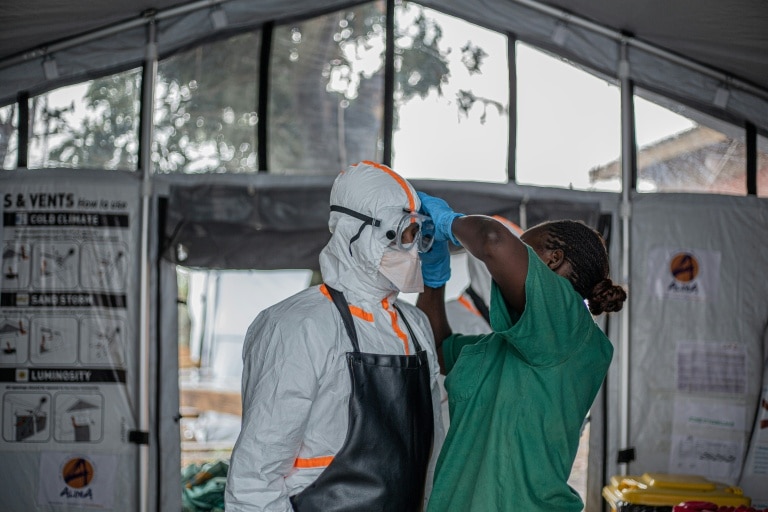
    He outlined the core priorities for the expanded response: reaching every at-risk and affected community despite widespread instability and mass population displacement, strengthening inter-agency coordination, guaranteeing frontline health workers access to adequate protective gear, specialized training and ongoing support, and speeding up expansion of patient care, disease surveillance and safe, culturally appropriate burials for fatal cases.

    International support for the response picked up steam Wednesday, as the United States announced it would allocate more than $242 million in new emergency funding to fight the worsening outbreak. The State Department noted that this additional injection brings total direct U.S. financial support for the response to over $500 million, retaining the country’s position as the single largest financial contributor to global Ebola containment efforts in the DRC.

    This is Tedros’ second visit to the DRC since the outbreak began; he previously traveled to the northeastern province of Ituri in late May, a region that accounts for nearly 90 percent of all confirmed Ebola cases across the country. The five eastern DRC provinces affected by the outbreak are plagued by longstanding weak state governance and a near-total lack of robust healthcare infrastructure, creating major barriers to effective containment.

    The depth of the challenge facing response teams was highlighted this week in Mongbwalu, a mining town in Ituri, where staff at a local Ebola treatment center held protests over unpaid government stipends. Hospital sources report police fired warning shots to disperse the demonstrators.

    In a small step toward expanding care capacity, the United Nations Office for the Coordination of Humanitarian Affairs (OCHA) announced that a new 100-bed Ebola treatment center opened Tuesday in Bunia, the capital of Ituri province.

    Ebola, a viral hemorrhagic fever transmitted through direct contact with bodily fluids, has claimed more than 15,000 lives across Africa over the past 50 years. The current DRC outbreak is driven by the Bundibugyo strain of the virus, for which no officially approved vaccine or targeted treatment exists as of yet. But global scientific and pharmaceutical efforts are advancing rapidly to close this gap.

    Canada gave regulatory approval Tuesday for U.S. biotech giant Moderna to launch clinical trials for an experimental Bundibugyo candidate vaccine. At the end of July, the first volunteer received a dose of a separate experimental vaccine developed by Britain’s University of Oxford, built using the same platform that powered the AstraZeneca COVID-19 vaccine. A third candidate, developed by Singapore-based Hilleman Laboratories, is also moving toward human trials. The WHO has identified the Hilleman candidate as the “most promising” of the three, as it uses the same rVSV technology platform as Ervebo, the only currently licensed Ebola vaccine, which targets the separate Zaire strain of the virus.

    In addition to vaccine development, two experimental treatments are already being tested on confirmed Ebola patients in Ituri: the monoclonal antibody MBP134 and the antiviral drug remdesivir, being trialed both alone and in combination. A third trial is also underway in Ituri for the oral antiviral obeldesivir, administered to people who have had confirmed exposure to Bundibugyo cases.

  • UK charity regulator to investigate donations to illegal Israeli settlements

    UK charity regulator to investigate donations to illegal Israeli settlements

    The United Kingdom’s independent charity oversight body has launched a formal investigation into multiple domestic charities accused of directing financial support to illegal Israeli settlements built on occupied Palestinian territory, a significant escalation of the regulator’s ongoing scrutiny of UK charitable activity tied to the Israeli-Palestinian conflict.

    The Charity Commission for England and Wales confirmed that the inquiry will examine three core areas: how donations transferred to the settlements were ultimately used, the stated and unstated purpose of the funds, and whether the activity aligns with legally defined charitable objectives under UK law. Stephen Roake, the commission’s assistant director for high-risk compliance, confirmed the probe targets eight unnamed UK charities in a public statement announcing the opening of the investigation.

    “Serious allegations have been raised regarding UK charities operating in connection with illegal Israeli settlements in Palestine. Our immediate priority is to gather and verify all relevant facts to understand what has occurred,” Roake stated. “Once this fact-finding process is complete, we will assess whether regulatory intervention is necessary based on the evidence we uncover. This work will also inform future regulatory guidance for UK charities operating in the region, which is critical to upholding public trust in the charitable sector as a whole.”

    The investigation follows a series of recent developments that have pushed the issue into UK regulatory focus. Last month, independent regional outlet Middle East Eye exposed details of an event hosted by a London synagogue that openly marketed property in illegal Israeli settlements located in the occupied West Bank and occupied East Jerusalem. Brochures and promotional materials from the event, obtained exclusively by Middle East Eye, confirmed the event’s focus on advertising settlement properties. Following this expose, the International Centre of Justice for Palestinians—a UK-based legal advocacy organization focused on Palestinian rights—submitted a formal complaint to the Charity Commission urging an official inquiry.

    This new probe is the latest in a string of regulatory actions tied to the Israel-Gaza war from the Charity Commission. Late last year, the regulator explicitly ruled it unlawful for UK charities to raise or transfer funds to active Israeli soldiers. Since the outbreak of the 2023 Gaza war in October, the commission has opened more than 200 separate regulatory cases linked to the conflict, covering charities across the full spectrum of positions on the war, from pro-Israel to pro-Palestinian groups.

    Over the course of the conflict, multiple leading international human rights bodies, including Amnesty International, Human Rights Watch, and the Office of the UN High Commissioner for Human Rights, have formally accused Israeli forces of committing war crimes and acts of genocide in their military campaign in Gaza. The regulator has already been conducting active probes into other UK charities tied to Israeli military activity: earlier in 2024, it confirmed it was assessing a complaint against AAC, a Jewish fundraising organization accused of facilitating donations to an Israeli charity that supplies military equipment to soldiers deployed in Gaza. It is also investigating the Hendon-based Boys Clubhouse, a UK charity, after the group hosted a welcome event for a British national who returned to the UK after fighting with the Israeli army in Gaza.