作者: admin

  • Colombian baby hippo of Escobar stock dies after rescue

    Colombian baby hippo of Escobar stock dies after rescue

    A 15-day-old hippopotamus, part of the notorious invasive colony descended from animals once owned by the late Colombian drug kingpin Pablo Escobar, has died shortly after wildlife teams pulled the malnourished calf to safety in northwestern Colombia, an environmental agency confirmed to Agence France-Presse on Wednesday.

    Today, Colombia is home to roughly 200 wild hippos, all traced back to four specimens that Escobar imported from Africa in the 1980s to stock a private zoo on his luxurious Hacienda Napoles estate. This population makes up the largest wild hippo colony found outside of the African continent, a fact that has put Colombian environmental authorities in a years-long battle to manage the destructive invasive species.

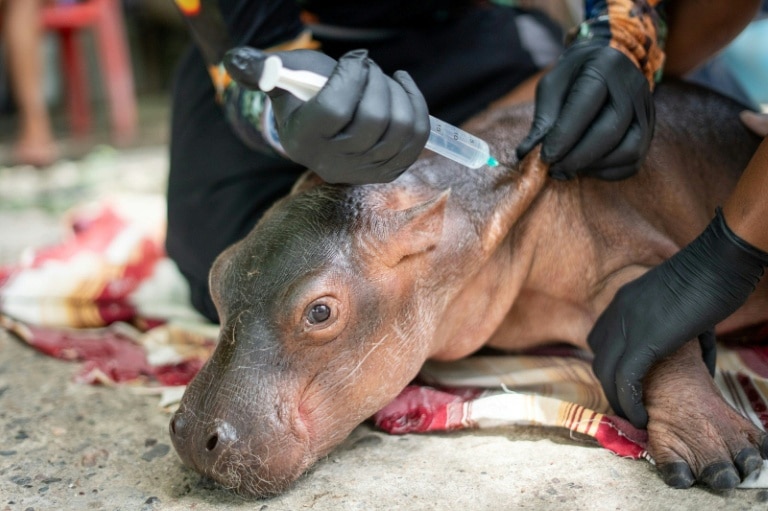
    The infant hippo at the center of this latest incident was found by local fishermen along a riverbank, separated from its mother and already suffering from severe health complications. Wildlife crews launched an emergency rescue mission earlier on Wednesday to retrieve the vulnerable young animal, which was immediately moved to a dedicated hippo sanctuary located on the grounds of the former Escobar estate – a property that now operates as a public theme park.

    Veterinary staff with the regional environmental authority Cornare detailed the calf’s critical condition upon arrival. In a statement to AFP, the attending vet explained that the young hippo was admitted with long-term signs of dehydration, severe malnutrition, and an acute gastrointestinal infection that exacerbated its already fragile health. Despite aggressive intervention including targeted rehydration therapy and emergency clinical care, the animal never showed positive improvement, and ultimately did not survive the treatment.

    The fate of this young hippo underscores the broader, ongoing crisis surrounding Escobar’s hippo colony. After Escobar was killed by police in 1993 during an escape attempt, the abandoned zoo animals escaped captivity and established wild populations along the banks of the Magdalena River, Colombia’s most important river system. Since then, the large, aggressive herbivores have thrown the local ecosystem drastically off balance: they outcompete native species for food and habitat, alter river ecosystems, and have even been recorded attacking local residents in the region.

    Classified as a destructive invasive species by Colombian environmental officials, the hippo population has grown far faster than management efforts could contain. For years, authorities tried to slow population growth through sterilization programs, but those initiatives failed to curb the colony’s expansion. Earlier this year, the national government approved a controversial management plan that will allow the culling of approximately 80 hippos to reduce the population and protect native ecosystems.

  • Labor MP Ed Husic on leave after ‘serious’ car crash

    Labor MP Ed Husic on leave after ‘serious’ car crash

    A senior Australian Labor Party backbench MP has stepped away from parliamentary duties to recover after being involved in a serious high-speed multi-vehicle collision on one of Sydney’s busiest motorways late this week. Ed Husic, a federal Labor legislator, was traveling west along the M7 motorway heading home on Tuesday evening when a B-double heavy haulage truck struck the rear-right section of his sedan, his official spokesperson confirmed to NewsWire in a Thursday statement.

    New South Wales Police have verified that a third vehicle, a utility truck (ute), was also involved in the pile-up near the motorway’s Richmond Road interchange. None of the other two operators involved in the crash suffered any injuries, and local law enforcement has launched a formal investigation into the circumstances of the incident to determine any contributing factors and official fault.

    According to documentation from first responding paramedics, the collision took place while Husic was traveling at roughly 80 kilometers per hour, when the truck collided into the back and driver’s side right quarter of his vehicle. First responders transported the MP to Westmead Hospital for urgent evaluation and treatment, and he was released from care on Wednesday. Hospital staff discharged him with diagnoses including minor cuts and abrasions, small fractures, and a mild concussion.

    Images released publicly by Husic’s office illustrate the extensive damage the legislator’s Tesla sustained in the impact: the rear-right body panel is crumpled, the vehicle’s back window is completely shattered, and all onboard airbags deployed during the crash to reduce injury severity.

    Husic’s spokesperson confirmed the MP was not at fault for the collision, and he has been cooperating fully with police investigators by providing an official statement. Following guidance from his treating medical team, Husic has taken a short period of medical leave from all his parliamentary responsibilities to focus on recovering from his injuries.

    In a statement shared via his office, Husic expressed profound gratitude to the clinical and emergency response teams that cared for him after the crash, noting that he was incredibly fortunate to walk away from the incident with only relatively minor injuries, avoiding far more severe harm that is common in high-speed heavy vehicle collisions.

  • Banned from football at home, Afghan women’s team reunite 8,000 miles away

    Banned from football at home, Afghan women’s team reunite 8,000 miles away

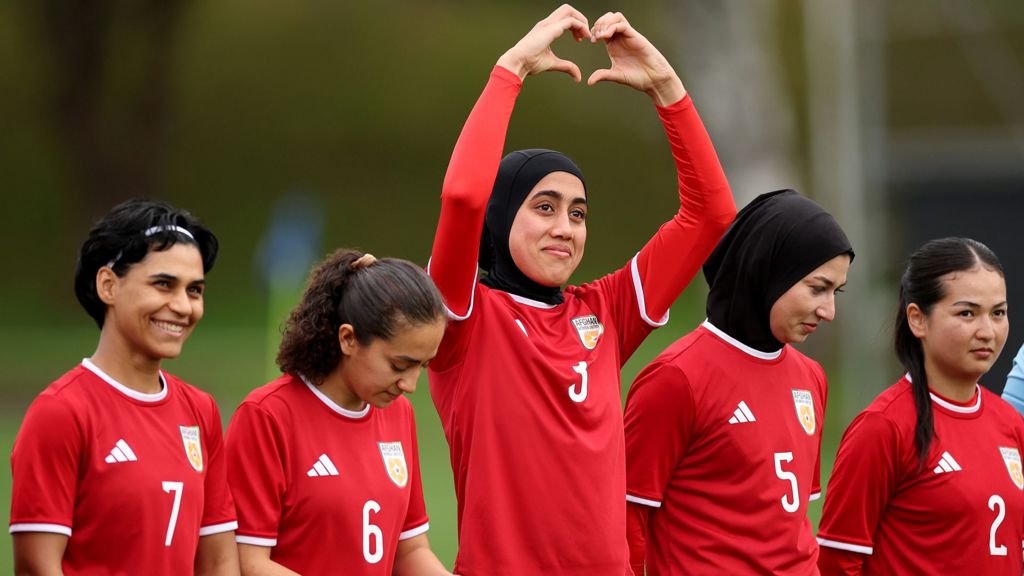
    In a bustling changing room in Auckland, New Zealand, 23 displaced Afghan women footballers go through their pre-match rituals. Some stretch tired muscles and lace up worn boots, while old teammates, separated by years of exile and uncertainty, embrace tightly. Midfielder Fatima Haidari turns to her squad, her voice steady and firm: “Be strong as always, because we do not just play for a team—we play for every Afghan woman denied the right to be here.” Applause fills the small room, where a tattered Afghan flag hangs on the wall and a soft patriotic hum drifts from a portable speaker. As the women join in the song, many blink back tears, their hands resting on the fabric of their matching kits. After a final huddle and a round of encouragement from their coach, they step out onto the pitch—ground that for decades, forces in their home country have insisted women do not belong.

    This gathering marks a historic milestone: it is the first time the full squad of Afghan Women United has assembled in person since FIFA’s landmark April ruling that cleared the way for the team to represent Afghanistan in future official international matches. Compiled entirely from Afghan women players who fled the Taliban takeover in 2021 and now resettled across the globe, the team traveled to New Zealand to hold a week-long training camp and compete in two unofficial friendly fixtures against the Cook Islands.

    For years, this moment seemed impossible. After the Taliban seized control of Afghanistan in August 2021, the regime imposed sweeping, harsh restrictions on women and girls, barring them from secondary education, university, most professional careers, and all organized sport. The original Afghan women’s national team, founded in 2007, was immediately disbanded, and its players were forced to evacuate the country, scattering across Australia, the United Kingdom, Portugal, and other nations. Years of relentless advocacy from the players and their supporters eventually led to the formation of a refugee collective, which became Afghan Women United. With FIFA’s historic ruling, the team can now pursue qualification for major international tournaments, including the FIFA Women’s World Cup and the Olympic Games.

    For many of the players, just being able to train and compete together as a full squad is a victory years in the making. As asylum seekers and refugees spread across 10 different countries, securing coordinated travel documents and meeting in person has been an uphill battle over the past five years. For 23-year-old Manozh Noori, who now calls Australia home, the road to this gathering started as a secret on the streets of Kabul. Growing up, Noori played football with neighborhood boys, hiding her passion from her family after she secretly joined a local club at 16. Fearing her older brother, who was the family’s primary breadwinner, would disapprove, she played for six years wearing a face covering to conceal her identity, climbing the ranks to win multiple league titles, national championships, and individual awards.

    In 2018, her teammates convinced her to remove the covering for a national television interview. When the segment aired, her secret was out. “I was so scared,” Noori recalled, her voice thick with emotion as she spoke from her Auckland hotel ahead of the matches. “I turned off the electricity to try to stop my family from watching the news, but word still got to my brother. He was furious. He threatened to cut off all support for the family if I didn’t quit immediately. My mother was crying—she didn’t know how we would survive without his help.”

    Noori stepped away from the game for a short time, but eventually returned, supported by another brother living in Germany who funded her training. When the Taliban took over in 2021, she fled Afghanistan, but not before burying all her medals and trophies in her family’s garden. They remain there today. “One day I will go back and dig them out,” she says, a small smile crossing her face. Football has already given her more than trophies: two years after resettling in Australia, she was able to bring her mother and sister out of Afghanistan, allowing her sister to resume her education. “I hope my brother now realizes I am not a bad person,” she says.

    For many players on the squad, football was not just a passion—it was their lifeline through the chaos of the Taliban takeover. “If I wasn’t a footballer, I would still be in Afghanistan, one of millions of girls who are not allowed to study, speak up or choose their own future,” says 24-year-old Mursal Sadat, who also lives in Australia. Evacuated from Kabul at 19, Sadat now works as a youth football coach, a facilitator, and an advocate for refugee and women’s rights. In Afghanistan, she faced constant harassment and judgment for playing football, with people telling her no one would ever marry a female athlete. Today, she is engaged to a man still living in Afghanistan, whose entire family supports her work with the team. “They tell me, ‘You are the pride of our family. We are so lucky to have you,’” she says.

    When the team stepped onto the pitch in Auckland, steady rain poured down, but the players refused to be deterred. They have faced far harsher conditions back home. Defender Najma Arefi, 22, who now lives in Doncaster, England, remembers training in her home city of Herat when girls were only allocated the worst, hottest time slots, forcing her to practice in temperatures that exceeded 45 degrees Celsius. She persisted, and eventually helped her Herat-based team win a national championship— a victory that shifted local attitudes toward women’s football. “There were billboards of us across Herat,” she recalls. “People were proud. More families started letting their daughters play football.”

    Today, Arefi studies criminal justice at college in the UK, makes her own choices about her life, and plays football regularly. “Having that freedom is incredible,” she says. But she carries a heavy weight: guilt and grief for the millions of women and girls still trapped in Afghanistan, denied the same opportunities. “Sometimes I put too much pressure on myself, because I have to make the most of every chance I get,” she says, tears rolling down her cheeks. She credits former team founder Khalida Popal with pushing FIFA to recognize the exiled squad, calling the ruling a historic achievement that she will always be proud of.

    When approached for comment by the BBC, Taliban sports director Ahmadullah Wasiq declined to address FIFA’s recognition of the women’s team. He did extend an invitation for FIFA to visit Afghanistan and resume general football support in the country—support the global governing body largely withdrew after the Taliban takeover, and has stated will not resume until women are allowed to play.

    On the pitch, the results of the two friendlies did not go the way of the Afghan side: the Cook Islands won the first match 1-0, and claimed a second 3-0 victory three days later. But for the women of Afghan Women United, the scoreboard does not define what these matches mean. After years of exile, displacement, and being told they could not play, this gathering was their answer: they have not disappeared, and they will not be silenced. Their dream of competing on the world stage for Afghan women is just beginning.

  • What’s causing record high US beef prices?

    What’s causing record high US beef prices?

    American consumers are currently facing sticker shock at the meat counter, with nationwide retail beef prices surging 12% year-over-year – more than triple the general rate of inflation. But while this dramatic price spike has pushed costs to all-time highs, a deep dive into the U.S. beef supply chain by the BBC World Service’s *Follow the Money* investigative series reveals a surprising reality: no player along the chain is walking away with extra profit.

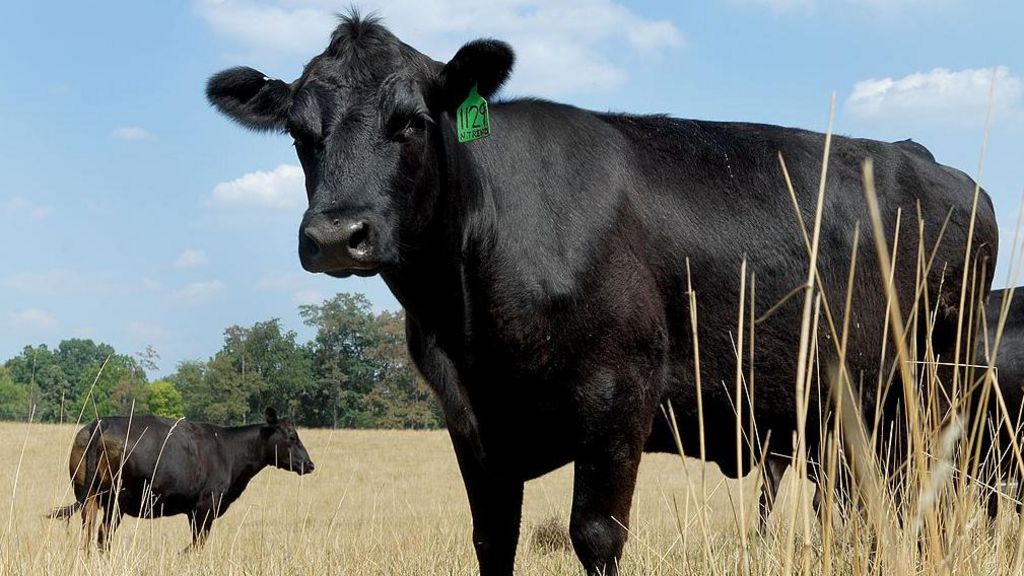
    South Dakota-based cattle rancher Eric Gropper embodies this paradox. Operating roughly 350 breeding cows across 8,000 acres of leased grassland on the Pine Ridge Indian Reservation, Gropper sells his young calves at annual livestock auctions, where he is currently seeing the highest bids in his decades of farming: a 600-pound calf now sells for around $2,500, up from $2,000 just two years ago. This pricing boom stems from a historic nationwide cattle shortage: driven by widespread drought across major cattle-producing states and persistent disease pressures, the total U.S. cattle population at the start of 2026 dropped to its lowest level since 1951, with more than 60% of all grazing land impacted by severe dry conditions.

    For Gropper, that record sale price has been entirely erased by skyrocketing operating costs. Thirteen natural wells that once supplied groundwater for his herd have run dry amid the ongoing drought, forcing him to pay for regular water tanker deliveries. The post-pandemic inflation surge has pushed up the cost of every essential input: a new pickup truck that once retailed for $40,000 now costs $100,000; a single wooden fence post has jumped from $6 to $19; and a quarter-mile roll of barbed wire has more than doubled from $60 to $130. With parched pastures producing too little grass to feed his cattle, he also must purchase costly supplemental hay and silage.

    “I’m able to pay my bills, but my input costs are so drastically high that if we didn’t have these record prices we’d all be broke,” Gropper explained. “When I sit down to do my taxes, it looks like I made a lot of money on paper. But when all is said and done, I really haven’t made any more than I usually do.”

    After Gropper sells his six-month-old calves, they move to the next link in the supply chain: commercial feedlots, where 95% of U.S. cattle are fattened on grain for three to six months before slaughter, with the largest facilities housing more than 100,000 cattle at a time. Agricultural economics professor Brenda Boetel of the University of Wisconsin–River Falls, who closely tracks the feedlot sector, notes that the same paradox applies here: while feedlots sell finished cattle at record prices, they are also forced to purchase young calves at all-time market highs, leaving no room for expanded profits.

    The next step in the chain is meat processing, a sector dominated by extreme market concentration: just four multinational firms – Tyson, JBS, Cargill, and National Beef – control roughly 85% of U.S. beef processing, a level of consolidation that has drawn widespread accusations of price-fixing, even from former President Donald Trump. Given this market power, many consumers assume the big packers are reaping massive windfalls from high retail beef prices – but current data tells a very different story.

    Tyson Foods, the largest U.S. meat processor, reported a more than $500 million loss in its beef division in the first half of its 2026 fiscal year. For small independent processors like Jamie Crumley, owner of Harpley’s Meatpacking in central North Carolina, the squeeze is even more acute. Crumley says the cost of live cattle has jumped as much as 60% over the past three years, and while processors can raise wholesale prices, there is a hard ceiling on how high they can go: consumers will simply switch to cheaper protein alternatives like chicken or imported beef if prices get too steep.

    Compounding the issue, the national cattle shortage has forced processing plants to operate well below full capacity. Harpley’s is built to process 425 to 450 cattle per day, but currently only handles 350 head daily due to limited supply. Fixed costs for facilities, equipment, and staff remain the same regardless of output, meaning those costs are spread across far fewer animals. Crumley says she can lose anywhere from $100 to $400 per head of cattle on any given day, a dynamic that directly explains the major meatpacking giants’ large losses.

    At the final end of the supply chain are restaurants and retailers, who also face the same profit squeeze. Paul Urban, co-owner of Block 16, a popular burger restaurant in Omaha, Nebraska that serves 2,800 burgers monthly, says the menu price of a burger has risen from $8.95 when the restaurant opened in 2010 to $11.95 today – but even with that increase, sky-high ground beef costs have kept profits flat. If the pair raised prices enough to actually grow their margin, a burger would cost $13, a price point they say customers will not accept.

    “We don’t make the profit that we’d like, but you’re still getting people through the door, and it’s not always about the money,” Urban said.

    Across the entire supply chain, the dynamic is consistent: every player is processing more revenue than before, but none are retaining the extra margin. Industry observers agree this situation will not reverse until the U.S. cattle population grows enough to ease the current shortage. But as Gropper points out, expanding cattle supply is not a quick fix: a young heifer requires two years to reach breeding age and produce her first calf, and that calf needs another year to reach slaughter weight, meaning it will take roughly three years for additional supply to reach the market.

  • FIFA back Infantino, apologise for World Cup privatisation plan

    FIFA back Infantino, apologise for World Cup privatisation plan

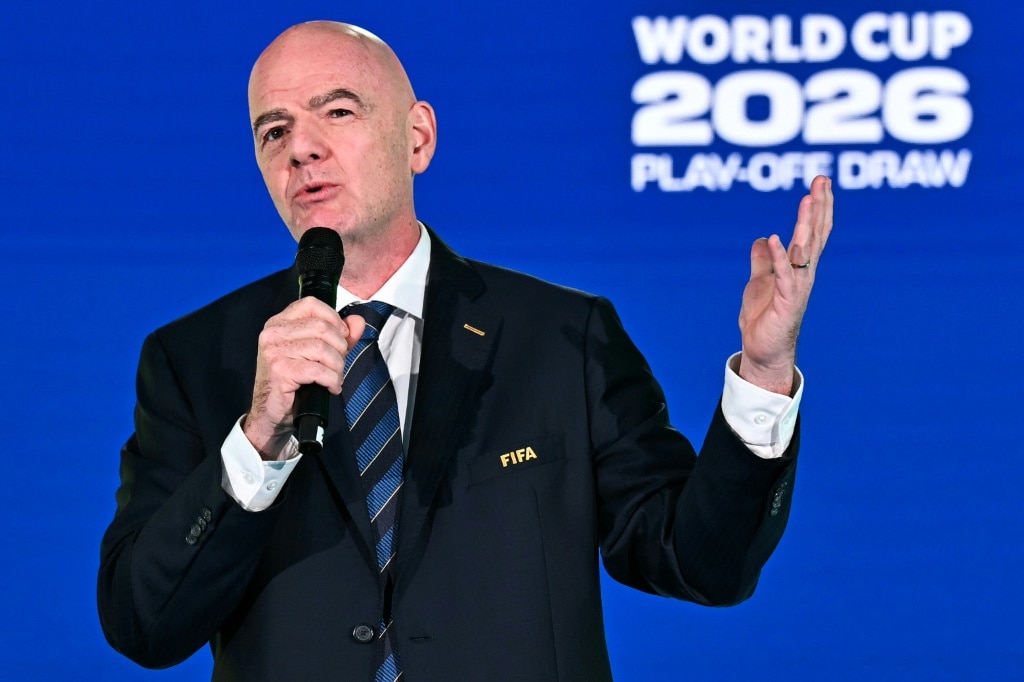
    A major crisis has rocked global football’s governing body FIFA after a controversial proposal to open the men’s World Cup to private investment sparked widespread backlash, ultimately forcing the initiative’s withdrawal and leaving FIFA President Gianni Infantino fighting to keep his grip on power. In a rare show of solidarity held during a crisis meeting in Rabat, Morocco this Wednesday, top FIFA directors have formally reaffirmed their “full support” for the under-fire president, even as the organization issued a public apology for the missteps that sparked the uproar.

    The now-shelved plan, centered on a new commercial entity called FIFA Forward Enterprise (FFE), would have handed operational control of flagship events including the World Cup and Club World Cup to the private-backed subsidiary. FIFA projected that the initiative could generate up to $4.2 billion in revenue based on a $20 billion valuation of FFE. If approved by member associations, the windfall would have delivered a one-off $20 million payment to each of FIFA’s 211 national member bodies by early 2027, and increased annual funding allocations for the 2027-2030 cycle from $8 million to $20 million per association.

    Far from winning over stakeholders, the proposal triggered an unprecedented wave of opposition across the global football community. European football’s governing body UEFA threatened the ultimate sanction: a full boycott of the World Cup, football’s most profitable and watched global event. Facing mounting pressure, Infantino formally withdrew the proposal just six days after it was first leaked to the public, a move that did little to quell growing calls within the football community for his resignation.

    In the official statement released following Wednesday’s closed-door meeting, FIFA’s leadership acknowledged multiple missteps throughout the process. “It was agreed that it was not the intention for the FIFA Council and FIFA Member Associations to feel excluded from the process and that the process should have been handled differently,” the statement read. The leadership also admitted that additional errors were made in the organization’s response after the plan was leaked to media outlets. In a separate communication sent to all FIFA Council members and national association leaders, FIFA issued a formal apology for the mismanagement and pledged to implement reforms to prevent similar missteps in the future.

    Confirming what the organization had already signaled over the weekend, the statement added that the FFE proposal is permanently “off the table” and will not be revisited. A full internal review of the controversy will now be conducted, with a final report set to be presented to the FIFA Council at its next scheduled gathering.

    The crisis comes as a sudden collapse of what had appeared to be a smooth path for Infantino to secure a fourth and final term as FIFA president. Just weeks ago, the 56-year-old Swiss lawyer was riding high off the planning success of the expanded 48-team 2026 World Cup, co-hosted by Canada, Mexico and the United States, with no challengers having stepped forward to contest his re-election, scheduled for next March in Rabat. That political momentum has evaporated entirely in the wake of the privatization plan scandal.

    Criticism has poured in from every corner of the global football governance structure. UEFA dismissed the plan as a “shabby, back room, opaque deal” hatched by Infantino, saying the current leadership had lost the confidence of both UEFA and many other members of the global football family. CONCACAF, the governing body for North and Central American football, went even further, calling for “a comprehensive reckoning with this presidency” and slammed Infantino over what it called “poor governance and leadership.” The political backlash extended beyond football governance this week, as Canadian Prime Minister Mark Carney — whose country is a co-host of the 2026 World Cup — publicly stated he no longer has confidence in Infantino’s ability to lead FIFA.

    Even within FIFA’s own senior ranks, opposition has emerged. An internal critical memo from FIFA Secretary-General Mattias Grafstrom, leaked to media earlier this week, laid out senior internal pushback against the plan. Only a small handful of high-profile football leaders have continued to stand by Infantino, most notably Moroccan Football Federation chief Fouzi Lekjaa. Morocco, which will co-host the 2030 World Cup alongside Spain and Portugal, has emerged as a key base of support for the FIFA president, with Lekjaa reiterating his backing Wednesday for Infantino’s 10-year record of initiatives aimed at growing global football, calling his decision to withdraw the plan a “wise” move made to protect the unity of the global football community.

    Hours after Wednesday’s crisis meeting concluded, Infantino made a public appearance in Rabat, attending a group stage match of the Women’s Africa Cup of Nations between Zambia and Malawi at Al Medina Stadium. An AFP photographer on site spotted the FIFA president alongside Lekjaa at the stadium entrance, marking his first public appearance since the scandal escalated earlier this week.

  • ‘Too good to refuse’: Bears roster continues to build with English star Morgan Smithies locked in long term

    ‘Too good to refuse’: Bears roster continues to build with English star Morgan Smithies locked in long term

    Australia’s newest National Rugby League franchise, the Perth Bears, has continued its aggressive roster build ahead of its debut season, locking in experienced English international forward Morgan Smithies on a three-year contract that includes an option to extend for two additional seasons. The 25-year-old becomes the fourth English player to sign with the expansion club, as the franchise continues its self-described “Blitz of Britain” recruiting strategy that has already brought fellow internationals Harry Newman, James McDonnell and Mikolaj Oledzki into the inaugural squad.

    Smithies brings nearly a decade of top-flight rugby experience to Western Australia, having spent five seasons competing in the UK’s Super League before making the move to the NRL’s Canberra Raiders in 2022. Over the past three seasons with the Raiders, he has cemented himself as a reliable rotational contributor to the club’s forward pack, amassing almost 200 first-grade appearances across both competitions by the age of 25. He is set to join the Bears at the conclusion of the 2025 NRL season.

    Speaking after the signing was confirmed, Smithies said the chance to become a foundational member of a new NRL franchise was an opportunity he could not turn down. “The opportunity to make history and be a part of the Perth Bears was too good to refuse,” the forward said. “It will be great to reconnect with a few of the lads from back home in Perth. Mal and his staff have assembled a very strong roster and it’s an honour to be a part of it. This is a new chapter for my family as well. We are committed to the Perth Bears and it’s an exciting opportunity to build our life in Western Australia.”

    Bears head coach Mal Meninga, one of the most respected figures in Australian rugby league, expressed enthusiasm about adding Smithies to the club’s long-term plans, highlighting his proven track record and team-first mindset. “Morgan is a fantastic person who has succeeded at just about every level of the game,” Meninga said. “He’s only 25 years old and has played nearly 200 games across Super League and the NRL. He brings big-game experience, a fantastic work ethic and, most important of all, is a selfless teammate. I’m delighted Morgan and his family believe in what we are creating in Perth and I have no doubt he will be a big part of this club for many years to come.”

    The signing comes just one day ahead of a major scheduled announcement from the franchise, which is set to unveil its inaugural home jersey on Friday. The reveal will take place ahead of an NRL match at Perth’s major stadium this weekend, when the Melbourne Storm face off against the Manly Sea Eagles.

  • Q&A: Ms. Lauryn Hill on the Diaspora Calling! festival in the UK, the Fugees’ legacy and D’Angelo

    Q&A: Ms. Lauryn Hill on the Diaspora Calling! festival in the UK, the Fugees’ legacy and D’Angelo

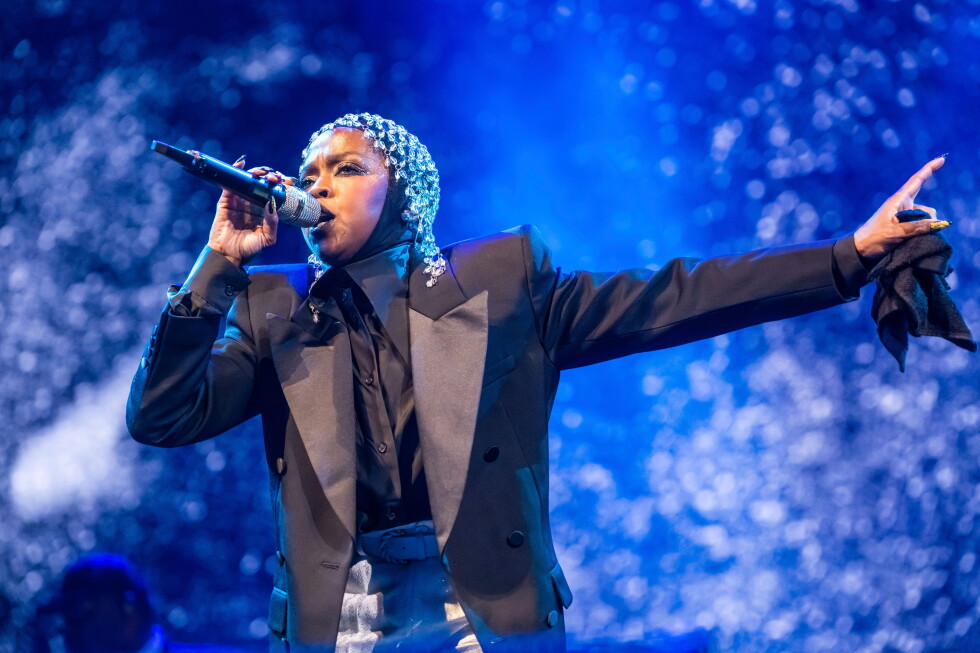
    Just moments before iconic musician Lauryn Hill joined an interview with The Associated Press, she and Fugees bandmate Wyclef Jean found themselves surrounded by fans in the heart of London’s Piccadilly Circus. Hanging above the crowd on the giant bright LED display of the Piccadilly Lights was a vivid, animated short film: a vibrant collage celebrating the heroes and cultural symbols of the global African diaspora, curated by Hill and created by Los Angeles-based artist Lauren Halsey.

    The core message of the public art installation was unmissable: it is a joyful tribute to shared community, interconnected culture, and the intersecting worlds of music and visual art. “The crowd was captivated,” Hill shared during the interview. Jean interjected, describing the moment as surreal. “The love was felt. It was amazing,” he said.

    This surprise public showcase served as a teaser for a far larger milestone: this week marks the first time Hill’s beloved Diaspora Calling! festival will land in the United Kingdom, 10 years after the event made its debut in Brooklyn, New York.

    Hosted by acclaimed comedian Dave Chappelle and featuring a stacked lineup of performers including Grammy-winning R&B icon Erykah Badu, rapper Giggs, Afrobeats star Fireboy DML, and reggae artists YG Marley and Zion Marley, the festival will take place at Milton Keynes’ iconic National Bowl venue. At the heart of the weekend’s programming, Hill and Jean — two-thirds of the legendary hip-hop trio Fugees — will perform their game-changing 1996 landmark album *The Score* in its entirety, to mark the record’s 30th anniversary.

    In an edited interview with the AP, Hill and Jean opened up about the festival’s origins, the enduring legacy of *The Score*, and how they hope to honor the late, influential musician D’Angelo nearly one year after his passing.

    When asked what drew the pair to bring Diaspora Calling! to the UK for the first time, Hill explained that the opportunity came organically through long-time industry partners. “We were given an opportunity by the promoters — the same promoters that do Reggae Land. He gave me the venue. And I said, ‘This is what I want to do.’ We’re basically blessed to have the opportunity. And, you know, ‘tis the season to bring people together in the name of growth, healing and pushing forward,” she said.

    Hill also confirmed that the UK stop will not be the only international edition of the festival, with more global stops firmly on the table for the future: “Absolutely, absolutely, absolutely,” she said when asked about expanding the event beyond the US and UK.

    Reflecting on how the festival’s core concept has evolved since its first Brooklyn gathering in 2016, Hill traced its origins back to a life-changing trip to Ghana early in her career. The connection she built on that trip planted the seed for a cross-continental gathering of the global African diaspora. Over decades of building community both together and separately, even when the Fugees were not actively performing or recording as a group, Hill and Jean built deep connections across diaspora communities worldwide — making now the perfect time to bring those communities together in one space, she explained.

    When it comes to curating the festival’s dynamic, cross-genre lineup, Hill says the process has been driven by respect and mutual excitement. “We put a call out to the people that we know, love and respect. And I’ve gotten so much positivity — an abundance of responses, in terms of the creative community out here wanting to participate. So that’s huge,” she said.

    The festival’s centerpiece performance, a full play-through of *The Score* for its 30th anniversary, finds the two musicians engaging with the album in a whole new way decades after its release. Both agree the record has lost none of its power or cultural resonance over 30 years, earning its place among other iconic timeless albums that shaped music globally.

    “Absolutely. That’s a timeless piece of work for us as well. Timeless. How do you feel about it, Wyclef?” Hill asked, prompting Jean to draw a parallel between *The Score* and other legendary albums that have stood the test of time, from Bob Marley’s *Exodus* to Pink Floyd’s *The Wall* and Bob Dylan’s early studio records. “That’s forever,” Jean said.

    Hill added that every performance of the decades-old record brings new energy and new meaning. “I think what is powerful about the album was that, you know, I’m a big fan of what Wyclef does. And I think he’s appreciative of what I do. So, we engage with each other’s art. And every time we perform it, even though (it’s) singing older lyrics, there’s a new energy, a new spirit. There’s a timelessness. I almost feel like we’re reclaiming timelines, healing timelines, so to speak, every time we’re performing,” she explained. Jean echoed that sentiment, noting that even after 30 years, performing the album still feels as fresh and exciting as it did the first time. “It doesn’t feel old,” Hill added.

    For Hill, performing the record at Diaspora Calling! is the perfect alignment of the album’s core ethos and the festival’s mission. “It’s kind of the pinnacle of what the Fugees were all about. Our makeup is diaspora calls. I think we were a call to a particular unity, a particular kind of reflection and a particular kind of resistance to certain ideas that we knew better than. And we wanted to channel that outside and have other people feel what we were certain about, which is that there was being and resourcefulness and incredible brilliance throughout diaspora. And that division was not really an option,” she said.

    Towards the end of the conversation, Hill reflected on the upcoming one-year anniversary of D’Angelo’s passing, after she paid tribute to the late artist alongside Roberta Flack earlier this year at the Grammys. Remembering D’Angelo as another timeless, irreplaceable creative soul, Hill said she hopes the world continues to lift up his extraordinary musical legacy, while protecting the privacy of his family. “He was good — without question,” she said.

  • After Michigan upset, Aipac looks to back Republican candidate against Abdul El-Sayed

    After Michigan upset, Aipac looks to back Republican candidate against Abdul El-Sayed

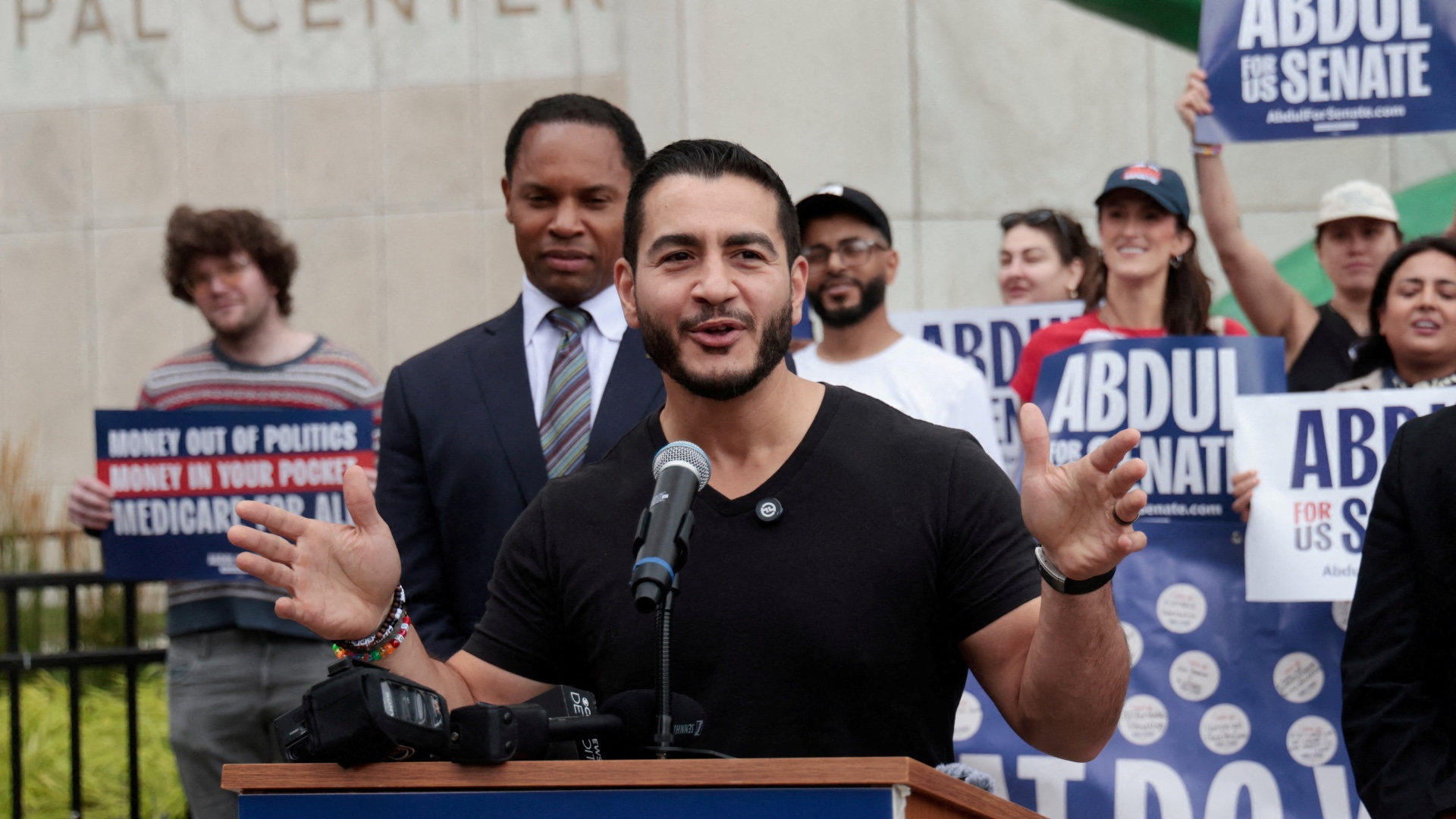
    A political earthquake shook Michigan’s Democratic Senate primary on Wednesday, as progressive challenger Abdul El-Sayed pulled off a stunning one-point victory over pro-Israel incumbent Congresswoman Haley Stevens — in a race that became the most expensive Democratic primary contest in U.S. history, fueled by more than $60 million in total outside spending, $30 million of which came from leading pro-Israel lobbying group the American Israel Public Affairs Committee (AIPAC).

    The upset marks a major defeat for AIPAC, which has built a reputation for ousting candidates it views as critical of Israel across both major U.S. parties. In 2022, the group spent heavily to unseat veteran Democratic lawmaker Andy Levin in Michigan over his support for sanctions on violent Israeli settlers in the occupied West Bank; on Wednesday, Levin celebrated El-Sayed’s win, writing on Instagram, “Out with all the big money, dark money and corporate and special interest control of our politics. We the people hunger for authenticity.” Earlier this year, AIPac poured more than $4 million into defeating Republican Thomas Massie in Kentucky’s primary, after Massie voted against U.S. foreign aid to Israel, as part of a $9 million coalition effort against the incumbent.

    Now, following its $30 million investment in Stevens that ended in defeat, AIPAC has confirmed it will shift its support to the Republican candidate in the November general election. The group’s statement underscored its longstanding approach to U.S. politics: prioritizing its pro-Israel policy agenda over partisan ideological loyalty. “Our members remain determined to ensure that voters reject Dr El-Sayed and his radical anti-Israel agenda,” the statement read. “Our community is proud to support pro-Israel Democrats and Republicans who stand for our values.”

    El-Sayed, an Egyptian-American Muslim and former Detroit public health official who has never held elected office, ran a grassroots campaign defined by small-dollar donations and opposition to corporate and special interest influence in politics. According to campaign finance data from OpenSecrets, El-Sayed out-raised Stevens in small-dollar contributions in the final quarter before the primary. His campaign calculated that outside groups spent an average of $95 per vote against El-Sayed, more than 10 times the $9 per vote average of his own campaign spending.

    Critics of unlimited outside spending note that this lopsided spending is the result of U.S. campaign finance law, which allows unlimited independent expenditures by groups that do not coordinate directly with candidate campaigns. “In 95 percent of U.S. electoral races, whoever spends the most, wins,” explained Craig Holman, government affairs lobbyist for non-profit consumer advocacy group Public Citizen. “Yes, money buys elections. It’s very effective, and that’s why these candidates work overtime continually raising money.”

    El-Sayed’s campaign gained momentum not just from his stance on Israel, but from his focus on kitchen-table issues impacting Michigan voters. He has publicly described Israel’s nearly three-year military campaign in Gaza as genocide, a framing that aligns with statements from leading human rights organizations, genocide scholars, and the United Nations, but rejected by Israel and most sitting U.S. lawmakers. This position resonated deeply with Michigan’s large Arab-American community, which played a pivotal role in driving protest votes against former President Joe Biden in the 2024 presidential election over his unwavering support for Israel amid mounting Palestinian civilian casualties that have killed tens of thousands of people. In that election, even as Wayne County backed Kamala Harris by 62 percent, heavily Arab-American suburbs of Detroit swung overwhelmingly to Donald Trump, helping Trump carry Michigan by just over one percentage point.

    Sally Howell, an Arab American Studies expert at the University of Michigan-Dearborn, noted that El-Sayed’s support rose when he shifted his messaging from critiquing AIPAC’s spending to a broader platform of getting big money out of politics and addressing local concerns. “He started talking about not getting money from DTE, the energy company here in Michigan… and this issue of the AI data centres, and how they would drive up our water bills,” Howell said. “These are issues that really matter to Michiganders across the political spectrum.”

    State Representative Alabas Farhat, who endorsed El-Sayed, said the candidate’s appeal stemmed from voter frustration with the status quo. “People in Michigan, they’re looking for leaders that are going to call out bold solutions and that are going to try and speak out against the status quo because the status quo hasn’t been working,” Farhat said. “The status quo has led to our state being 49th in unemployment. It’s led to us being 47th in third grade literacy. It’s led to our middle class having less wealth than they did in previous years. Trump came along, and he sold a false bag of goods, but he was at least willing to say things were wrong. Now comes Abdul El-Sayed, somebody who has made truth and justice two central pillars to his campaign.”

    Support for El-Sayed also came from groups advocating for Palestinian rights: the IMEU Policy Project, a three-year-old advocacy organization, contributed $400,000 to his campaign. Turnout for the primary hit historic highs, with half a million more Democratic voters turning out than in previous low-turnout primaries, according to Michigan Democratic Party Chair Curtis Hertel.

    In his victory speech, El-Sayed announced he had spoken with Stevens and secured her commitment to endorse him in the general election, where he will face former Republican Congressman Mike Rogers. Hertel emphasized that the party is now united to defeat Trump-backed candidates in November, a race that will decide control of the U.S. Senate. If El-Sayed wins in November, he will become the first Muslim ever elected to the U.S. Senate, and could tip the chamber’s majority to Democrats for the final two years of Trump’s second term.

    Former President Trump reacted to El-Sayed’s primary win on his social platform Truth Social, calling the challenger “a Communist loser who hates Jews and Israel,” while also framing the result as “great news for the Republican party,” claiming El-Sayed will be an easy general election opponent. Howell predicts the general election will bring a sharp, divisive campaign focused on identity rather than policy. “I think that it’s going to go a lot darker than the negative campaigning we’ve seen, and it’s going to be very anti-Arab and a lot more Islamophobic,” she said.

    For his part, El-Sayed pushed back against expected identity-based attacks in a post-win address to supporters. “It’s like, wow, he’s different,” he said, describing the likely Republican line of attack. “That’s the best you got? You can’t actually talk about what you want to do? My name is not raising your gas prices. My name is not taking us to war. My name is not the reason you can’t afford your groceries.”

    El-Sayed’s win follows a growing pattern of upsets for establishment-backed candidates by progressive Democrats across the country, from New York to New Jersey, Pennsylvania and Colorado, signaling a growing grassroots movement challenging special interest influence in U.S. elections.

  • Israel’s army to set up polling stations in occupied Gaza, Lebanon and Syria

    Israel’s army to set up polling stations in occupied Gaza, Lebanon and Syria

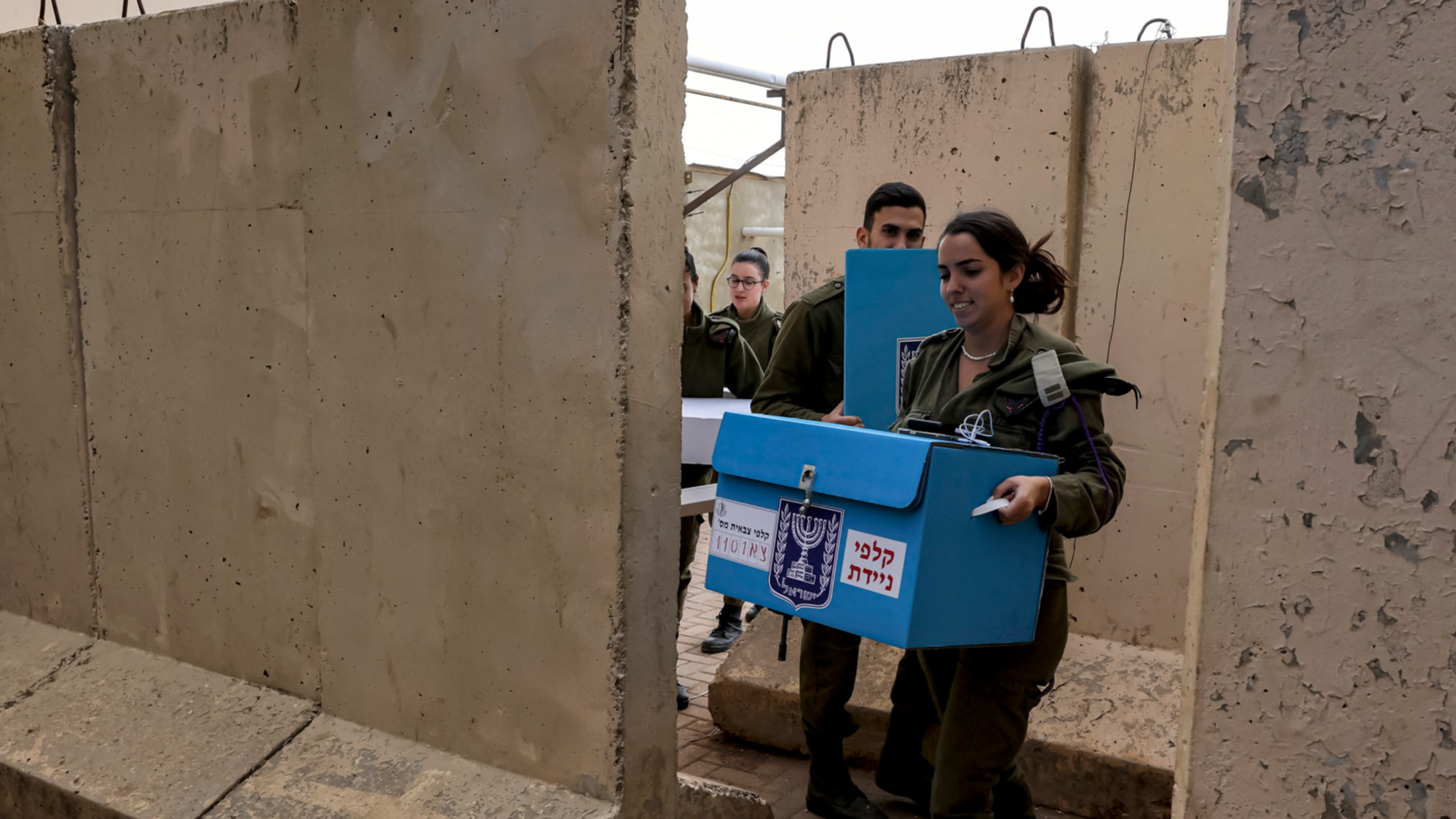
    As Israel gears up for its upcoming general election on October 27, the Israel Defense Forces (IDF) has launched preparations for a historically unusual voting arrangement: placing dedicated polling stations directly in active, occupied territories across the Gaza Strip, Lebanon, and Syria, military broadcaster Army Radio confirmed in a report published Wednesday. The plan, which military chief Eyal Zamir has formally ordered military leadership to implement, is designed to guarantee that frontline combat troops deployed beyond Israel’s internationally recognized borders can exercise their right to vote from their active posts.

    Army Radio framed the initiative as a step unseen in Israeli electoral politics for decades, a framing that omits the longstanding practice of Israeli soldiers casting ballots at permanent military bases located in the occupied West Bank. The groundwork for this plan was laid just last week, when Israel’s Central Elections Committee signed off on a new slate of electoral regulations that explicitly permit active-duty troops to vote from their deployed positions in Gaza, Lebanon and Syria.

    Israeli online news outlet Ynet has outlined the practical adjustments for in-theater voting: since service rules prohibit soldiers from carrying personal identification documents into these three regions, voters will be verified through their military service number and a confirmation check by a fellow service member.

    The expansion of special out-of-district polling stations reflects a growing trend in Israeli elections. Over the past several years, the share of eligible voters casting ballots outside their assigned local precincts has climbed steadily, with active-duty soldiers and other security personnel making up the vast majority of voters using these special stations. Data from the Israel Democracy Institute (IDI), an independent Jerusalem-based research center, shows that roughly 425,000 Israelis voted at special polling locations during the 2021 March general election. That total includes not only security service members, but also diplomats, hospitalized patients, and incarcerated citizens.

    While definitive voting pattern data for special precincts remains hard to compile, the IDI notes that the overwhelming majority of special station voters are young Israelis serving in active military roles. Political analysts widely assess that right-wing Israeli political parties draw the most support from this demographic, meaning the expanded in-theater voting option could deliver a tangible advantage to conservative blocs in the upcoming vote.

    Per official figures from the Central Elections Committee, approximately 7.3 million Israelis are eligible to participate in the October 27 contest. That pool includes nearly 550,000 first-time voters who have reached voting age since the previous national election held in late 2022. While the committee has publicly released details for special polling stations in hospitals, prisons, and Israeli diplomatic missions around the world, it has declined to disclose how many polling stations will ultimately be set up in Gaza, Lebanon, and Syria.

    Beyond the logistics of in-theater voting, Army Radio also shared details of a new directive from Zamir aimed at preserving the IDF’s longstanding mandate of political neutrality. Zamir has ordered all commanding officers to block active-duty soldiers and officers from engaging in partisan political campaigning on behalf of any party during the election cycle. He has additionally mandated that commanders review all correspondence distributed to troops to screen out any unauthorized partisan political messaging.

    “There is a need to uphold current regulations, orders and instructions on the issue,” Zamir stated during a meeting with senior military leadership. He added that all IDF personnel must “avoid innovations that could bring about the undermining of public trust in the IDF.”

    Zamir’s directive comes in direct response to public controversy that emerged earlier this week, when the IDF drew widespread criticism after dismissing a reserve soldier who had repeatedly posted public videos expressing personal support for the current Israeli government. The dismissal was ultimately reversed after Israeli Defence Minister Israel Katz personally intervened to reinstate the service member.

  • The Iran off-ramp Trump keeps driving past

    The Iran off-ramp Trump keeps driving past

    Five months after the outbreak of the 2026 Iran conflict, the United States finds itself trapped in a familiar strategic quagmire that has plagued its past major military engagements in Vietnam, Iraq and Afghanistan. Washington is too deeply entrenched to withdraw without significant political fallout, yet it lacks the leverage and military progress necessary to declare a definitive victory.

    This impasse has been amplified by the chaotic, inconsistent approach of US President Donald Trump to the conflict. Trump has flip-flopped repeatedly between issuing fiery threats of what he describes as “the biggest attack since World War II” and suddenly announcing that peace talks are “imminent” — only for Tehran to immediately deny any negotiations are underway at all. This back-and-forth is not a calculated negotiating strategy; it is public evidence of a superpower learning the hard way that overwhelming air power can reduce a nation’s infrastructure to ruin, but it cannot guarantee the political settlement that military intervention was supposed to secure.

    Long before the full-scale buildup to this conflict, foreign policy realists warned of this exact outcome: the persistent gap between what military force can destroy and what political outcomes it can deliver. Working alongside Israel, the US has successfully degraded Iran’s core military infrastructure, damaged facilities linked to Iran’s nuclear program, and eliminated multiple top Iranian military commanders. But these tactical gains have not translated into the strategic outcome Washington seeks: an Iranian government willing to surrender on terms the US can brand as victory, nor a stable regional order that does not require the US Navy to maintain a permanent, force-backed presence to keep the Strait of Hormuz open for global shipping. Already, commercial oil tankers have begun rerouting their journeys around the Cape of Good Hope in southern Africa to avoid the conflict zone — a shift that alone makes clear how far the conflict is from being contained, despite official Washington rhetoric.

    Trump’s instinct to seek an exit ramp from the conflict is not misdirected. Unlike many of his predecessors and foreign policy advisers, he has repeatedly pulled back from carrying out the all-out maximalist strike he often threatens, in large part due to appeals from Gulf Arab states. These nations understand far better than most Washington policymakers that a wider regional war only benefits Iran’s hardline factions and the defense contractors profiting from increased arms shipments.

    The critical flaw in Trump’s approach is his persistent reliance on empty threat-based leverage. When threats are never followed through, they quickly lose their credibility. The current public disconnect — the White House insisting talks will begin Monday, while Iran’s foreign ministry flatly denies any negotiations are scheduled — is a clear sign that Trump’s repeated threats have been so overused that Tehran no longer feels pressured to back down.

    To achieve a genuine exit from this stalemate, Washington must abandon three long-held flawed assumptions that have shaped not just this war, but nearly every US military venture in the Middle East over the past three decades.

    First, the assumption that eliminating a regime’s military capabilities will create strategic clarity, rather than strategic drift. History from Iraq to Libya shows this logic is almost always wrong. Destroying infrastructure and military assets is the easy part of military intervention; the longer bombing campaigns continue, the harder it becomes to reach a negotiated settlement. This is because hardline factions on both sides gain political and tactical power from prolonging the conflict, eroding the influence of moderates who favor a diplomatic resolution.

    Second, the assumption that regional US allies are willing to bear the costs of an American-guaranteed regional security order. Saudi Arabia’s public call by Crown Prince Mohammed bin Salman for Trump to prioritize dialogue is a clear warning sign. The Gulf states that once quietly supported pressure on Tehran are now the ones pushing to de-escalate, because they border the Strait of Hormuz and cannot retreat across an Atlantic Ocean when the waterway closes to commercial traffic.

    Third, and the assumption Washington is most resistant to abandon, is that “no deal” is a neutral default position while the war grinds on. In reality, every week that passes without a diplomatic settlement embeds the 2026 Iran war as the permanent baseline condition of the Middle East, rather than an emergency that demands resolution. Conflicts without clearly defined endpoints almost always expand and extend themselves, becoming self-sustaining policy commitments that are harder to exit over time.

    A viable path to exit was already visible back in May and June, when Gulf states first talked Trump down from launching massive new strikes and a tentative negotiating framework nearly held. That path remains open today through the tentative Oman-brokered talks focused on securing freedom of navigation through the Strait of Hormuz.

    What is missing is not opportunity, but political discipline: the willingness to accept a narrow, verifiable agreement focused on the Strait of Hormuz as a sufficient achievable objective, rather than treating it as just a stepping stone to the larger goal of total Iranian capitulation. Facing intense internal political pressure, Iran’s government will never accept total surrender at the point of a bombing threat.

    Trump built much of his political brand around criticizing the endless wars his predecessors failed to end. Escaping this conflict with a better outcome than permanent stalemate will require him to embrace the harder political work of accepting a modest, workable deal now, instead of holding out for the politically satisfying but unattainable fantasy of total Iranian surrender later. Throughout history, empires that keep waiting for that one decisive blow that will force their enemy to fold almost always find themselves still waiting, years later, mired in the stalemate they could not bring themselves to exit.