作者: admin

  • Moment first rare tiger in 70 years released in Kazakhstan

    Moment first rare tiger in 70 years released in Kazakhstan

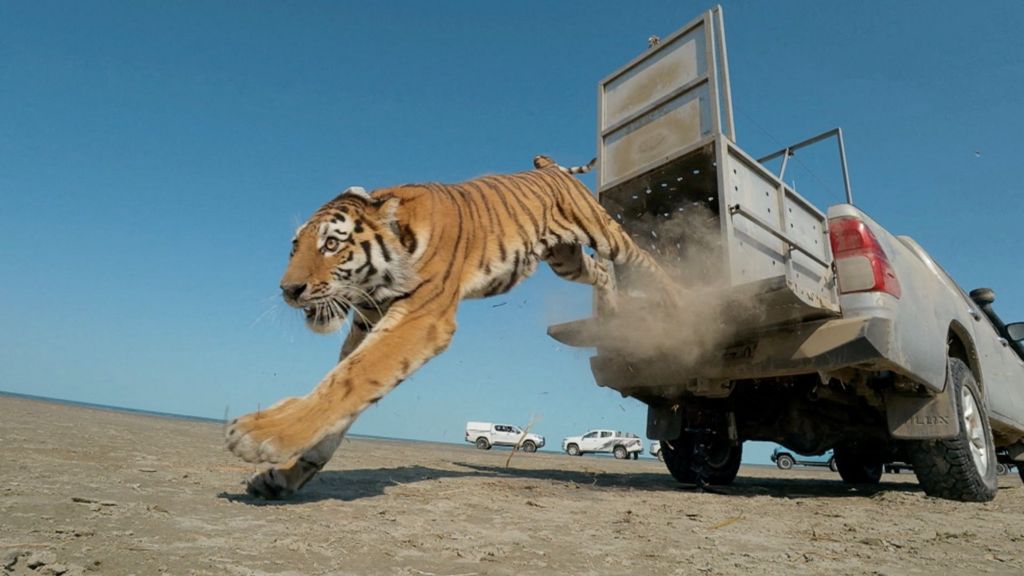
    In a landmark moment for global conservation efforts, Kazakhstan has welcomed back a rare big cat to its natural landscapes after seven decades of absence. Umit, a two-year-old female Amur tiger, was recently set free into the wild as the cornerstone of an ambitious long-term initiative to reverse the extinction of tiger populations in Central Asia.

    Tigers once roamed the vast steppes and forested regions of Central Asia freely, but widespread habitat loss, unregulated hunting, and human encroachment wiped out the region’s wild tiger population completely more than 100 years ago. For generations, no wild tigers have lived in the Central Asian wild, making this release a turning point for one of the world’s most iconic endangered species.

    The restoration program, a collaboration between Kazakh environmental authorities, international conservation organizations, and wildlife scientists, has been years in the making. Teams spent decades preparing protected habitats, restoring prey populations, and carefully selecting and training captive-bred tigers to adapt to life in the wild before release. Umit, who was raised in a semi-wild sanctuary that prepared her for independent hunting and territory navigation, was chosen as the first tiger to be released into the wild, marking the start of what conservationists hope will be a growing, self-sustaining tiger population in the region.

    This milestone comes amid growing global concern about declining big cat populations worldwide, with Amur tigers listed as an endangered species by the International Union for Conservation of Nature. Conservation leaders call the project a model for cross-border collaborative species restoration, demonstrating that with intentional planning and long-term investment, it is possible to bring back species that have been lost from their historic ranges.

  • ‘We are not going to stand for it’: Eels threaten legal action over “false” claims made against Dylan Walker

    ‘We are not going to stand for it’: Eels threaten legal action over “false” claims made against Dylan Walker

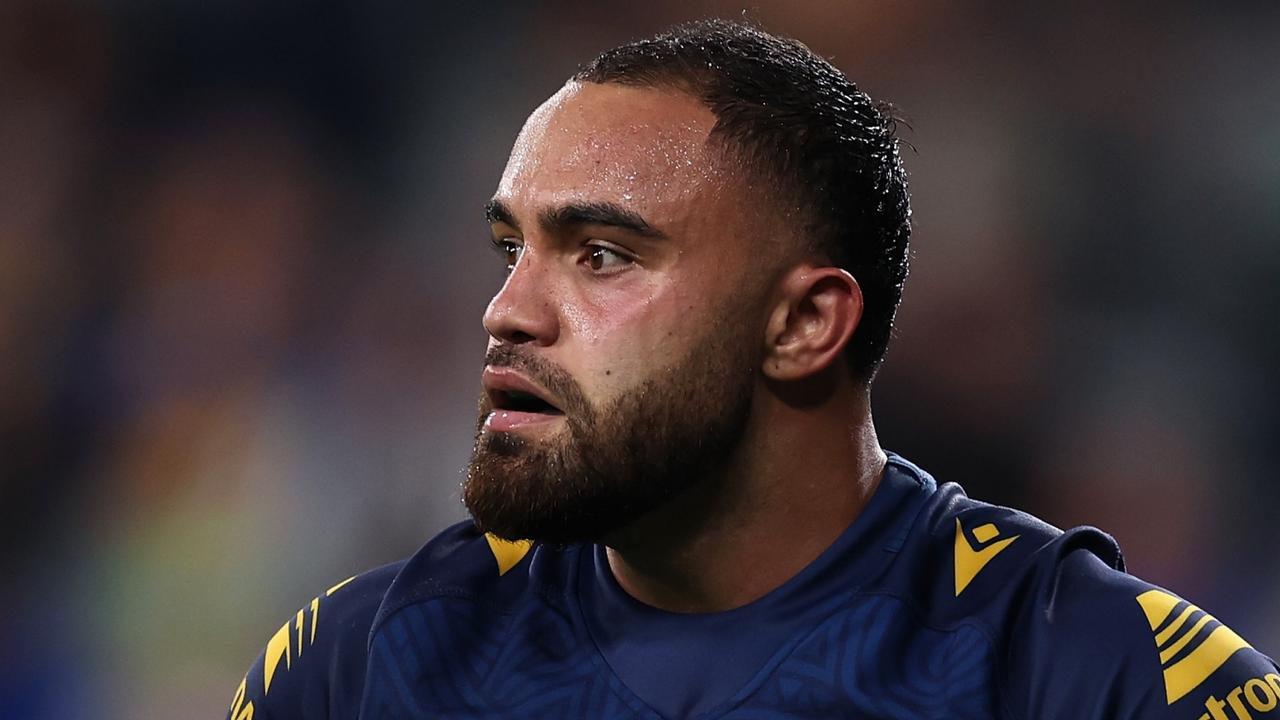
    The National Rugby League (NRL) side Parramatta Eels has taken a firm public stance against unsubstantiated social media speculation targeting one of its veteran players, Dylan Walker, announcing it will pursue legal options against individuals spreading false claims about the athlete.

    The controversy erupted after Walker, 31, who is set to join England’s Super League club Leeds Rhinos at the conclusion of the current NRL season, was officially listed as rested for this weekend’s highly anticipated matchup against the South Sydney Rabbitohs. Rather than accepting the club’s official announcement, multiple anonymous social media accounts began circulating baseless rumors claiming Walker’s absence from the lineup was not due to rest, but instead stemmed from an unreported off-field incident that had forced the club to stand him down. The unconfirmed innuendo spread rapidly across major social platforms, drawing unwanted scrutiny to the player and his family.

    In an official statement posted to the Parramatta Eels’ official website, club chief executive Jim Sarantinos directly refuted the false claims and made clear the organization would not tolerate the harmful spread of misinformation. “The Parramatta Eels are aware of false rumours and innuendo circulating on social media about one of our players, Dylan Walker,” Sarantinos wrote. “The claims are completely false and unfair on Dylan and his family.”

    Sarantinos emphasized that no athlete should ever be forced to defend their reputation against groundless online gossip, noting that this kind of reckless behavior carries tangible, harmful consequences for players and their loved ones. “Everyone needs to understand how reckless and irresponsible this conduct is, and the real impact it has on people. We are not going to stand for it,” he added.

    The Eels CEO drew a clear distinction between genuine fan passion and harmful defamation, stressing that enthusiastic support for the club and the sport is always welcome—but the deliberate spread of lies, harassment, and defamatory content crosses an unforgivable line. “The people spreading this material are not supporters or responsible journalists. Passion for the club and the game is welcome. Defamation, abuse and the deliberate spread of falsehoods are not,” Sarantinos said.

    Full backing has been extended to Walker and his family from the top levels of the organization, with the CEO confirming that the player has the complete support of club leadership, his coaching staff, and all his teammates. The club has formally called on media outlets and members of the public to cease discussion of the false rumors and allow the matter to be laid to rest. Moving forward, Sarantinos confirmed the club will conduct a full review of all available legal avenues to hold accountable those responsible for creating and sharing the false claims targeting Walker.

  • Israel reports troop deaths as Lebanon talks underway in Rome

    Israel reports troop deaths as Lebanon talks underway in Rome

    Diplomatic efforts to de-escalate months of cross-border conflict between Israel and Hezbollah hit a fresh point of tension this week, as Israeli military operations in southern Lebanon left two reservist soldiers dead even as US-mediated negotiations to end hostilities got underway in Rome.

    The Israeli Defense Forces (IDF) confirmed Thursday that the two service members, killed in combat operations Wednesday in southern Lebanon, were 34-year-old Major Harel Birenstock and 33-year-old Sergeant Major Tamir Vaknin, both assigned to the 2855th Battalion of the 55th Brigade. The fatalities mark the first reported Israeli military deaths in southern Lebanon in more than six weeks, since a June 28 incident that broke a brief period of relative calm.

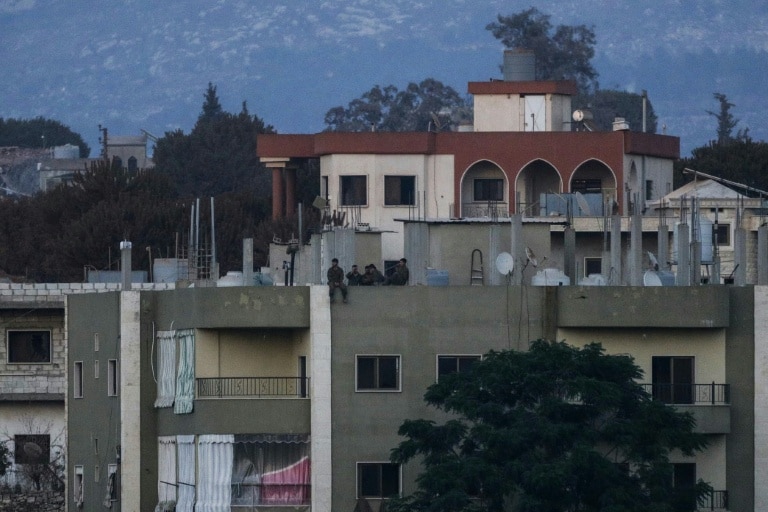
    The deaths came hours after the IDF launched new targeted strikes across southern Lebanon, issuing an evacuation order for residents of the border town of Mansouri — the first such public evacuation warning the military has issued since late June. In an official statement, the IDF framed the strikes as a direct response to what it called “blatant ceasefire violations” by the Lebanese militant group Hezbollah, which has been engaged in intermittent cross-border conflict with Israel since March.

    “In light of Hezbollah’s violations of the ceasefire agreement, the Israel Defense Forces are compelled to act against it with force,” IDF Arabic spokeswoman Ella Waweya posted on the social platform X Wednesday, urging all Mansouri residents to evacuate their homes immediately and relocate north for their safety.

    Lebanese state media reported that a separate Israeli strike in the area left one civilian dead and 11 others wounded, adding to the mounting civilian death toll that Lebanon’s government has tracked since the conflict began.

    Even as strikes resumed across the border, diplomatic delegations from Israel and Lebanon gathered in Rome for the seventh round of US-brokered talks aimed at reaching a permanent ceasefire and border security deal. Just ahead of the strikes, Italian Foreign Minister Antonio Tajani — whose country is hosting the negotiations — spoke with his Iranian counterpart and called on Iran, Hezbollah’s primary financial and military backer, to pressure the group to halt its cross-border operations. Tajani also voiced public optimism that the talks would yield tangible progress toward peace.

    A last-minute disruption hit the talks Wednesday, however, when Israeli negotiators requested to end the day’s session three hours ahead of schedule. A source close to the negotiations told Agence France-Presse that Israeli delegation head Yechiel Leiter blamed the early adjournment on what he called “misleading leaks” from the Lebanese negotiating team. Despite the interruption, talks are set to resume Thursday for what is scheduled to be the final day of this round of negotiations.

    The current framework for a potential deal was first agreed during US-sponsored talks in June. Under the draft terms, Hezbollah would complete full disarmament in southern Lebanon, Israeli forces would carry out a gradual withdrawal from occupied border territory, and the regular Lebanese army would deploy to the border region, starting with small test areas dubbed “pilot zones.” Beirut has pushed publicly for a full, phased Israeli withdrawal from all southern Lebanese territory as a core condition of any final agreement.

    Hezbollah has repeatedly rejected the framework of direct negotiations, with group leader Naim Qassem saying earlier this week that the talks would bring Lebanon “nothing but shame, humiliation” and forced concessions. The militant group also refuses to give up its arsenal, a key sticking point in the negotiations.

    Located just six miles south of the Lebanese city of Tyre and 10 miles north of the Israeli border, Mansouri has been the site of repeated Israeli strikes and artillery shelling in recent weeks, even after the June ceasefire went into effect. The town’s municipal government allowed residents to return to most of the area in late June, but advised them to avoid the section of town that falls within Israel’s self-declared 10-kilometer-deep “security zone” along the Lebanese border, where Israeli forces continue to operate.

    The resumption of active fighting comes just after the United Nations’ top humanitarian agency announced that more than 800,000 people displaced by earlier rounds of violence had begun returning to their homes in southern Lebanon during the recent lull in hostilities. More than 360,000 people remain displaced, the UN added, as the uncertainty over the conflict’s trajectory continues to uproot civilian communities.

    Since Hezbollah opened its front against Israel in March in support of Iran, the conflict has killed more than 4,300 people in Lebanon, according to the Lebanese government. On the Israeli side, 38 soldiers and one civilian contractor have been killed since the border war began, with the two latest deaths bringing that count up to date. While overall violence has dropped significantly since the June preliminary ceasefire and a separate preliminary agreement between the US and Iran on Middle East de-escalation, both sides continue to report intermittent strikes, shelling, and explosive operations in southern Lebanese villages.
  • Nigerian security forces rescue more than 300 abductees

    Nigerian security forces rescue more than 300 abductees

    Nigeria’s federal presidency has announced a landmark success for the country’s joint security forces: the rescue of more than 300 people kidnapped in separate attacks across two north-central states, marking what officials call the largest single-day hostage rescue operation in the nation’s modern history.

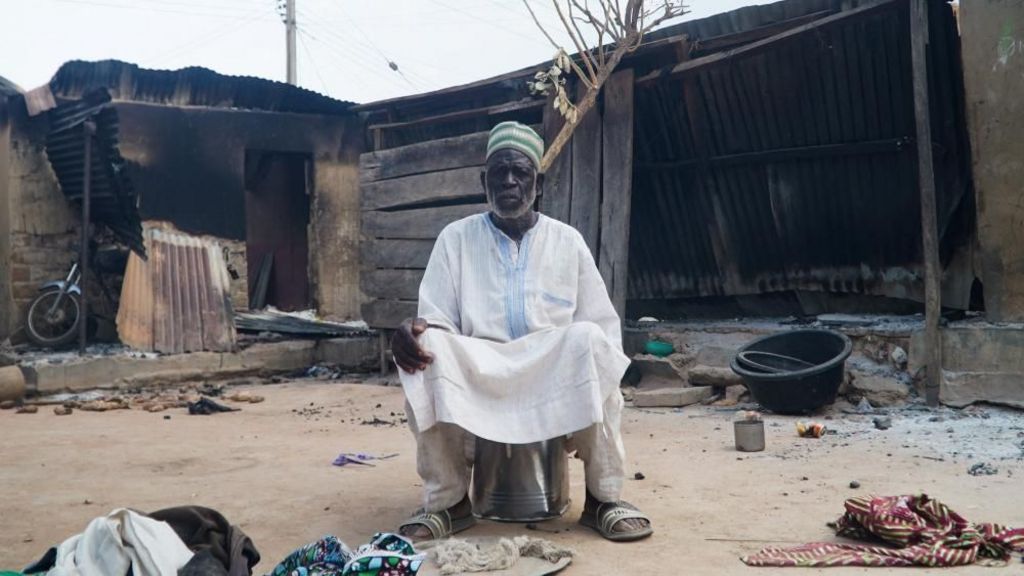
    All 308 freed captives were pulled from hiding sites within Kainji Lake National Park, located in Niger State, during a coordinated mission that brought together personnel from the Nigerian military, national police, domestic intelligence units, and the National Counter-Terrorism Centre. Among those rescued were 163 residents of the Woro community in neighboring Kwara State, who were abducted during a brutal jihadist attack on the village in February that left dozens of residents dead. An additional 145 hostages kidnapped in separate incidents across Niger State were also freed in the same operation.

    As of the presidency’s announcement, no information has been released confirming whether any suspect kidnapping perpetrators were detained during the mission. All rescued captives are currently receiving on-site medical assessments and care at a military facility, and are expected to be reunited with their family members in the coming days after completing necessary health screenings.

    “President Bola Ahmed Tinubu warmly welcomes the successful rescue of 308 Nigerian citizens who were abducted in different attacks in Niger and Kwara states,” presidential spokesman Bayo Onanuga confirmed in an official statement. Onanuga emphasized that the operation is unprecedented, noting it is “the largest rescue operation ever carried out” in a single day in Nigeria.

    Tinubu framed the successful mission as clear evidence of improving inter-agency coordination between Nigeria’s multiple security bodies, a key policy priority of his administration as it works to address widespread insecurity across the country.

    The February attack on the Woro community that left dozens dead and more than 160 abducted was one of the most high-profile mass kidnappings in Nigeria this year. Investigations and witness accounts show that the armed jihadist attackers demanded Woro residents renounce the Nigerian government and national constitution, and instead adhere to the group’s extreme ideological teachings. The assault was an explicit attempt to impose a parallel, extremist-led system of governance over the local area.

    Post-attack forensic investigations compiled by Amnesty International documented gruesome details of the violence: many of the slain Woro residents were found with their hands and feet bound, with some killed by slit throats and others shot execution-style. The Nigerian government has officially blamed Boko Haram, the long-active extremist jihadist group based in the country’s northeast, for the February attack, though the group has not released any public statement claiming or denying responsibility for the assault to date.

    This latest successful rescue comes just weeks after a separate month-long security operation ended with the release of 44 abducted pupils and teachers from a school in Oyo State, who had spent more than 50 days in captivity.

    The string of mass abduction attacks across north-central and parts of southern Nigeria in recent months has sparked growing concern among analysts and residents that insecurity is spreading beyond the country’s traditional conflict zones in the northeast, where Boko Haram and related extremist groups have waged an insurgency for more than 15 years.

  • ‘Right man for the job’: Ivan Cleary talks up Matt King after Origin rumours

    ‘Right man for the job’: Ivan Cleary talks up Matt King after Origin rumours

    For weeks, rugby league circles have buzzed with speculation linking four-time premiership-winning coach Ivan Cleary to the vacant New South Wales Blues State of Origin head coaching role, with many tipping him to take over the position once his current contract with the Penrith Panthers expires at the end of 2027. That widespread speculation has officially been put to rest this week, after the New South Wales Rugby League (NSWRL) announced Matt King would succeed outgoing coach Laurie Daley on a two-year deal, with a performance-based extension option for 2029 that locks King into the role for the immediate future and clears any talk of an early handover to Cleary.

    Speaking to local media ahead of Penrith’s top-of-the-table clash with the New Zealand Warriors at Auckland’s Go Media Stadium this Friday, Cleary publicly thrown his full support behind King’s appointment, dismissing rumors that he was gunning for the Origin job in the near term. “Not really because I’ve still got a job,” Cleary said when asked if the Blues role appealed to him right now. “All I did was get asked a question ‘would I be interested?’ and I said I probably would be if it came up down the line. I think the Blues have made a really good decision. I think Matt King is a great bloke and a great coach-in-waiting, and I think he is definitely the right man for the job.”

    Beyond the Origin coaching drama, Cleary is preparing for one of the most unique days of his decades-long coaching career: on Friday, both of his sons will take the field at Go Media Stadium, playing for opposite sides. Jett Cleary, Ivan’s younger son, will start at halfback for the Warriors in the NSW Cup curtain-raiser, just hours before older brother Nathan Cleary – the star playmaker for Penrith – leads the Panthers out against the Warriors in the main NRL fixture.

    The match carries extra personal meaning for Cleary, who previously held the head coaching job for the Warriors early in his career. Adding to the family dynamic, Cleary’s wife will also be in attendance, making the trip across the Tasman Sea to watch both of her sons compete for different teams in the same venue. “It’s an interesting day tomorrow. It’s good that their game is before ours so I get to have a bit of a look,” Cleary said. “My wife is coming over, so she’s going to have an interesting day watching her two sons play for different teams, so it’s unique.”

    Jett is still in the early stages of his professional rugby league career, and Cleary noted that the young halfback has impressed in his recent opportunities with the Warriors. On the topic of older son Nathan, who has been the subject of recent transfer speculation linking him to a 2028 move to the Warriors, Ivan shared that he is proud of Nathan’s decision to rule out an immediate move to Auckland, a choice Nathan made to avoid blocking Jett’s path to a starting NRL position.

    “I wasn’t born in Auckland, but I grew up a fair bit there and I will admit I was a Warriors fan growing up,” Nathan said last month when addressing the transfer rumors. “But at the end of the day, even if that was an option, I’d be blocking my little brother’s pathway. I’m not too sure about that. I want to put a bit more thought into it. The last few weeks there has been a bit of a comedown from Origin, and I’ve been trying to get back into routine with the boys, and get back into consistent training.”

    For the Panthers, Friday’s clash is a critical one in the 2024 NRL season ladder race. Penrith currently sits atop the premiership standings, while the Warriors trail just two wins behind in third place, making the match a key test of both sides’ premiership credentials ahead of the upcoming finals series.

  • Iran says close to Hormuz plan with Oman, but reopening depends on US

    Iran says close to Hormuz plan with Oman, but reopening depends on US

    Fresh regional tensions have underscored ongoing risks to global energy shipping, as Iran announced Wednesday it has reached a core agreement with Oman on a new transit route through the strategic Strait of Hormuz, with final arrangements for joint management of the waterway now in their last stages. Even as progress on the bilateral framework moves forward, Iranian officials have stressed that any full reopening of the critical chokepoint remains conditional on the United States lifting its naval blockade of Iranian ports.

    Since the U.S. and Israel launched military operations against Iran on February 28, Tehran has held de facto control over the strait and has issued warnings that any vessels using transit routes it has not authorized will face threats. U.S. President Donald Trump has repeatedly claimed Iran is eager to negotiate a direct deal with Washington to reopen Hormuz, but Iranian officials have rejected this assertion, instead moving forward to finalize arrangements with Oman, its neighbor that borders the opposite side of the strait.

    Iranian Foreign Ministry spokesman Esmaeil Baqaei told reporters, per state news agency IRNA, that the two nations have already settled on the exact geographic coordinates for the agreed transit route. If no external parties interfere with the process, a joint formal statement outlining all key terms and consensus points is already in the final review and drafting stage, Baqaei added.

    However, Baqaei clarified that even after a full bilateral understanding is reached, this will not automatically make the strait safe for all transiting vessels. “The factors making the Strait of Hormuz insecure still exist on the part of the United States, particularly the naval blockade and other aggressive and threatening actions against Iran and its interests,” he said.

    The ongoing volatility in the region was highlighted Wednesday when the United Kingdom’s maritime security body UKMTA confirmed that the captain of an oil tanker reported two explosions near the vessel while transiting 9 nautical miles southeast of Kumzar, Oman. No injuries or damage to the crew or ship were reported.

    In a separate development, Yemen’s Houthi movement announced it had attacked two Saudi oil tankers, marking the eighth and ninth such strikes since the group launched its own blockade of Saudi Arabia last month. Houthi military spokesman Yahya Saree stated that missiles hit the tanker Wafa near the Saudi port of Yanbu in the northern Red Sea, and the tanker Daisy in the Gulf of Aden. Saudi officials have not yet issued a public response to the attacks.

    Before the outbreak of current hostilities, the Strait of Hormuz carried roughly one-fifth of all global oil and liquefied natural gas exports. Global energy prices have spiked repeatedly since the dispute over the waterway began, building significant economic and political pressure on the U.S. government.

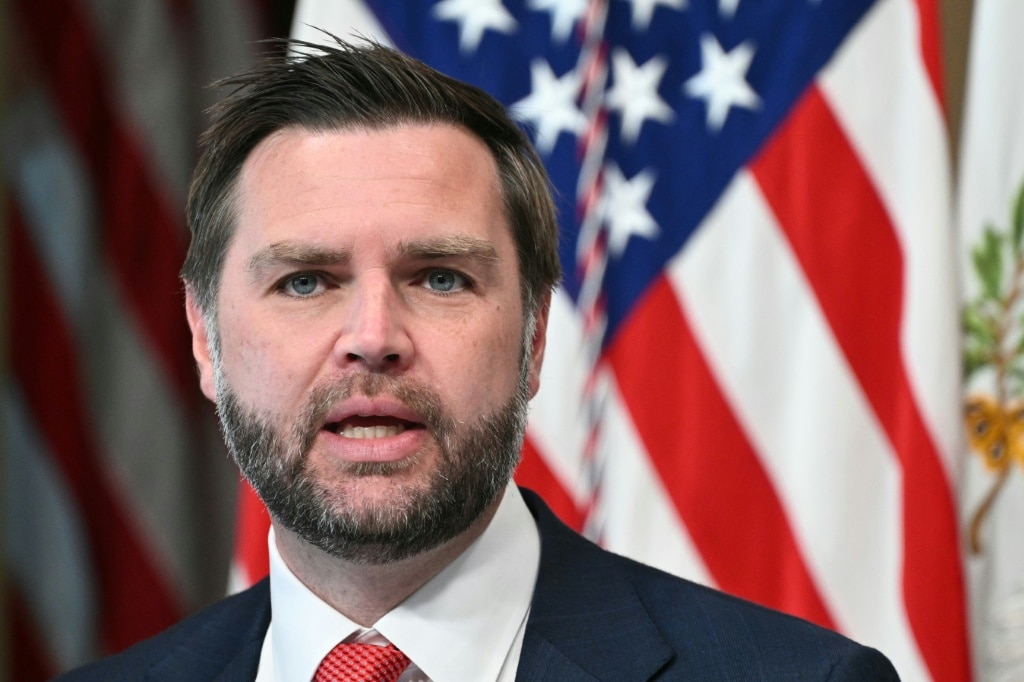
    U.S. Vice President JD Vance recently acknowledged Washington’s frustration with the slow pace of diplomatic progress with Iran, telling Fox News in a Wednesday interview that negotiations will likely take extended time due to internal divisions within Iran’s leadership. “It’s going to be messy and it’s going to take some time to get there,” Vance said. “The reality… is that number one, the Iranians are extraordinarily difficult people. Number two, they have a fractured system.”

    Since imposing its effective de facto blockade of most existing transit routes, Iran has required all ships to use a narrow route along the Iranian coastline. However, a large number of commercial vessels have instead opted for a southern route near Omani waters, and several of these ships have come under attack in recent weeks.

    Tehran is also seeking formal authority to control the strait and collect transit tolls, a set of powers it did not exercise before the current war, a shift that the U.S. has already stated it will strongly oppose.

    In a pattern that has become familiar in recent weeks, Trump last week issued a sharp threat to strike Iran “very hard”, even suggesting attacks on civilian infrastructure, only to back away from the threat days later and hint that a deal with Tehran was close. But Iran’s foreign ministry has repeatedly denied that any direct negotiations are ongoing between Iran and the U.S.

  • Leader of Myanmar’s military-backed government arrives in Thailand seeking political legitimacy

    Leader of Myanmar’s military-backed government arrives in Thailand seeking political legitimacy

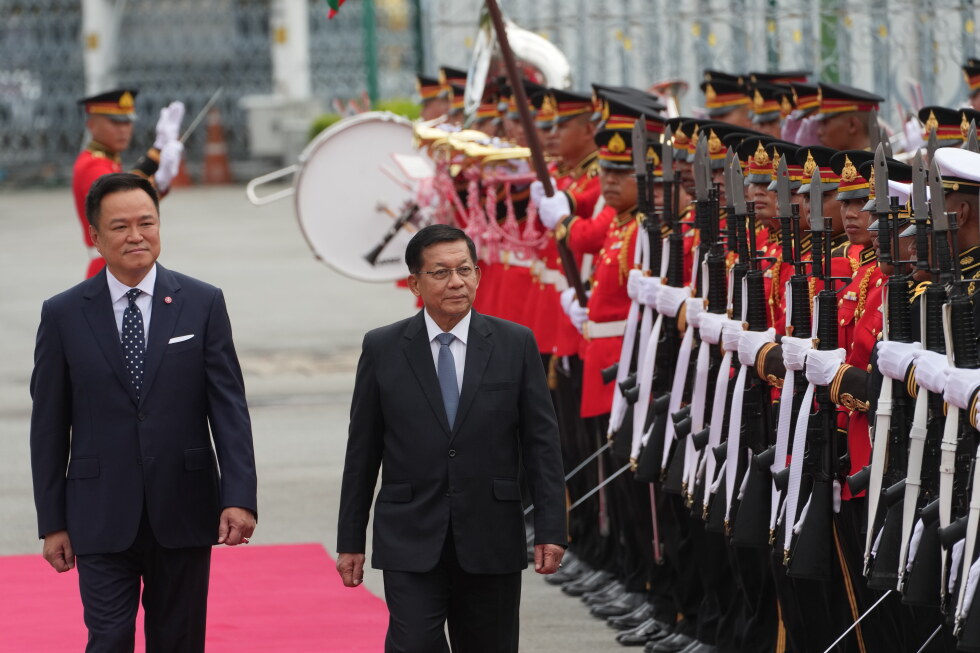
    BANGKOK – More than five years after Myanmar’s military seized power from the country’s democratically elected civilian government, the head of the junta-backed administration has arrived in Thailand for a high-stakes official visit that marks one of his most prominent diplomatic pushes to secure international legitimacy for his regime.

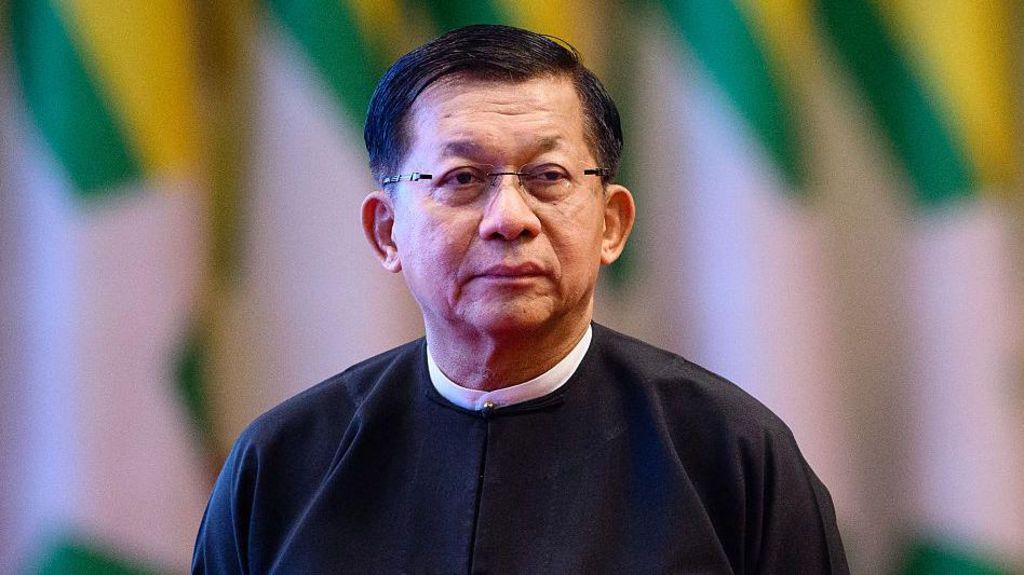
    Min Aung Hlaing, who was sworn in as Myanmar’s president in April following a staggered election held late last year and early this year that was widely dismissed as a fraudulent exercise to cement military control, is scheduled for a two-day itinerary of top-level talks. His agenda includes formal meetings with Thai Prime Minister Anutin Charnvirakul and other senior government officials at Bangkok’s Government House, where multiple bilateral memorandums of understanding are expected to be signed. After the closed-door discussions, the two leaders will also headline a joint Thailand-Myanmar Business Forum focused on deepening cross-border commercial ties.

    This trip is the latest in a string of regional diplomatic engagements by Min Aung Hlaing since he took the presidency, part of a coordinated campaign to reverse years of international isolation that followed the February 2021 coup that ousted the elected government of Aung San Suu Kyi, when Min Aung Hlaing was still serving as Myanmar’s army chief. He has previously traveled to neighboring states including China, India and Laos, and maintains close strategic ties with Russia, but the junta leadership remains largely shunned by the global community, particularly Western powers that have imposed sweeping sanctions on Min Aung Hlaing and his inner circle over the coup and subsequent human rights abuses.

    In the wake of the 2021 takeover, the junta launched a brutal lethal crackdown on mass pro-democracy protests, triggering a nationwide armed resistance movement that has devolved into an ongoing bloody civil war spanning large swathes of Myanmar. As of this week, an independent human rights monitoring group, the Assistance Association for Political Prisoners, which tracks war-related casualties and detentions, reports that more than 8,200 civilians have been killed by Myanmar’s security forces, with another 31,645 arrested since the coup.

    Human rights advocates have roundly condemned Min Aung Hlaing’s visit to Thailand, arguing that it grants unwarranted credibility to a regime that continues to violence against its own people. Yanghee Lee, a senior spokesperson for activist group Justice For Myanmar, emphasized that the trip constructs a false narrative of legitimacy for Min Aung Hlaing and the ruling military clique. Chit Seng, a senior human rights specialist at regional watchdog Fortify Rights, noted last month that swapping a military uniform for a presidential robe after a rigged election does nothing to change the core nature of the junta, describing the administration as a brutal regime that targets its own population and should not receive international recognition.

    In a parallel development framed by the junta as a conciliatory gesture to quiet global criticism, the regime this week allowed a representative from the International Committee of the Red Cross (ICRC) to visit detained former leader Aung San Suu Kyi. The visit marks the first confirmed contact between Suu Kyi, 81, and an independent international humanitarian organization since she was detained after the 2021 coup. The ICRC confirmed the meeting took place but declined to release any details on Suu Kyi’s health or the discussion held during the visit.

    Suu Kyi was initially sentenced to 33 years in prison in late 2022 on charges that her supporters and independent rights groups universally denounce as politically motivated fabrications designed to bar her from returning to politics. In late April, the junta moved her from a prison facility to house arrest and commuted her sentence to 18 years, leaving her with more than 13 years of detention remaining. The United Nations, Western governments, and major international human rights organizations have repeatedly called for her immediate and unconditional release.

    Min Aung Hlaing’s regional outreach campaign is centered on rebuilding his government’s standing within the Association of Southeast Asian Nations (ASEAN). Following the 2021 coup, the junta was barred from participating in top-level ASEAN summits after failing to implement a 2021 peace agreement designed to de-escalate conflict in Myanmar. Thailand, which has maintained consistent close relations with Myanmar’s military leadership, has emerged as the most prominent advocate within ASEAN for reengaging the junta.

    Prime Minister Anutin defended Thailand’s approach during a recent visit to Indonesia this week, stating that a peaceful and stable Myanmar is an essential pillar of ASEAN unity and broader regional security. He explained that Thailand has pushed for a calibrated re-engagement strategy that keeps channels of dialogue open and accounts for on-the-ground realities in Myanmar, and argued that the recent ICRC access to Suu Kyi vindicates this approach of gradual engagement.

    Thanida Piyachot, another human rights specialist at Fortify Rights, pushed back strongly against this framing. She argued that recognizing Min Aung Hlaing as a legitimate head of state, and what she described as shaking the bloodied hands of a war criminal, sends a dangerous message to the millions of Myanmar civilians suffering under the illegitimate military dictatorship. Thanida called on Thailand and the broader ASEAN bloc to abandon their reliance on the principle of non-interference as a shield for inaction, and take meaningful proactive steps to advance human rights and democratic rule in Myanmar.

  • India youth protests highlight mistrust in ‘lapdog’ media

    India youth protests highlight mistrust in ‘lapdog’ media

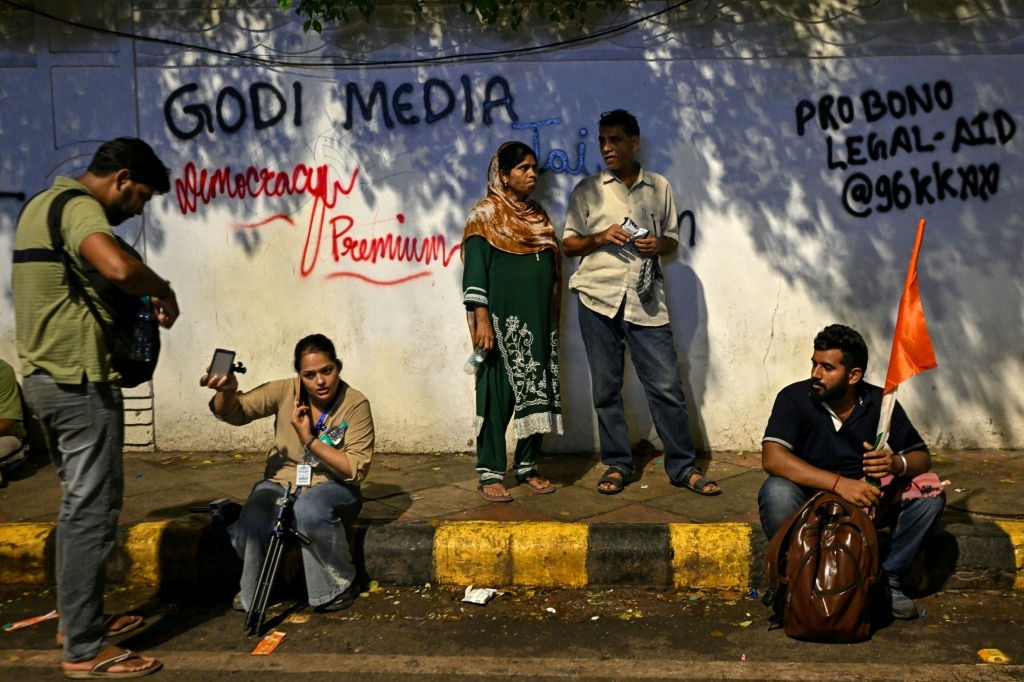
    Widespread youth-led protests across India have thrown a long-simmering crisis of trust in mainstream traditional media into sharp relief, with young demonstrators directing public anger and even physical hostility at journalists they accuse of acting as mouthpieces for Prime Minister Narendra Modi’s ruling administration. The wave of protests, organized online under the banner of the Cockroach Janta Party movement, has seen protesters carry signs labeling major national TV channels as “India’s worst enemies”, and popularize the pejorative term “Godi media” — Hindi for “lap media” — to condemn what they call pro-government “lapdog” outlets that have abandoned their core journalistic role as government watchdogs. For many young Indian participants, the anger at mainstream media is not a spontaneous outburst, but the culmination of years of growing distrust rooted in perceived one-sided coverage that favors the ruling Bharatiya Janata Party (BJP). At New Delhi’s iconic Jantar Mantar protest ground, the hub of national demonstrations, many student and young professional participants told reporters they no longer turn to major broadcast networks for news, relying instead on independent digital platforms and social media for unfiltered information about the protests. “They brand every protest anti-national,” said 28-year-old software professional Sukhjeet Narula, summing up a common grievance among demonstrators. This widespread public resentment has translated into direct targeting of on-the-ground journalists covering the rallies. In one high-profile incident captured on video that spread rapidly across social media, 36-year-old Dev Kotak, a reporter for leading English-language network Times Now, was attacked by a crowd in New Delhi. What began as protesters throwing water quickly escalated to slaps and kicks, leaving Kotak running for safety behind security personnel as he feared for his life. Three of Kotak’s colleagues also faced harassment at the protest. Similar incidents have been recorded across the country: AFP verified footage shows a Zee TV reporter being heckled during a live broadcast from a Mumbai protest, while another clip captures a journalist being chased by crowds in the eastern city of Patna. In response to the attacks, The Times Network defended its coverage, insisting it had reported on the protests in an “entirely neutral manner” while condemning the assaults on its staff as “the most reprehensible manner”. “We may differ in views, but we cannot take the law into our own hands,” the network said in a formal statement. Media analysts and veteran journalists argue the public anger reflects a decades-long erosion of credibility for major broadcast outlets that has accelerated since the BJP took power in 2014. “Godi media are considered anti-people and anti-opposition,” award-winning Indian journalist Ravish Kumar told AFP. “They have destroyed their own credibility. Genuine public demands are being termed as conspiracies in order to demonise them.” Human rights and press freedom watchdogs have raised persistent alarms over the state of press freedom in India since Modi’s administration took office, noting a pattern of harassment and retribution against journalists who criticize the government. In Reporters Without Borders’ 2024 World Press Freedom Index, India ranks 157th out of 180 countries, a drop of 17 places from its 2013 ranking, just before the BJP won national elections. Journalists critical of the government have faced baseless criminal charges, arbitrary arrests, and coordinated online harassment from ruling party supporters, while opposition politicians have long accused mainstream broadcast networks of peddling the BJP’s political agenda, including through dangerously polarizing coverage of the country’s Muslim minority community. The intensity of youth hostility has become so pronounced that many TV journalists have begun hiding their organization’s name and logo from their equipment to avoid targeting. “They stopped coming with logos on their mics because the youth were targeting them,” said 30-year-old private sector employee Shailendra Singh at the New Delhi protest. “The mainstream media has completely sold out to the government.” Atul Chaurasia, managing editor of independent digital platform Newslaundry, traced the root of the crisis to a structurally flawed financial model that leaves mainstream media heavily dependent on government advertising revenue. “The government weaponises advertising, effectively destroying the environment that allows media organisations to operate freely,” Chaurasia explained. Kumar, the veteran journalist, stressed that it is critical to distinguish between large pro-government broadcast networks and small independent outlets and freelance journalists, who actually face far more severe repression from the Modi administration. “It is the alternative media and independent journalists who face hostility from the government,” he said. “They are subjected to raids, branded anti-national, or even imprisoned.” Even so, Kumar argued that the recent wave of youth anger reflects a growing consensus that aligned mainstream networks have become a threat to India’s democratic institutions. What is more, he noted, these so-called lapdog outlets may have become a political liability even for Prime Minister Modi himself, as public distrust spills over into broader discontent with the status quo. The crisis also highlights a rapidly shifting news landscape in India, where a growing ecosystem of independent digital outlets has emerged to fill the gap left by legacy media, with a large and growing segment of young Indians turning away from traditional broadcasters entirely for their news.

  • Myanmar’s Min Aung Hlaing arrives in Thailand on first trip as civilian leader

    Myanmar’s Min Aung Hlaing arrives in Thailand on first trip as civilian leader

    Four years after seizing power in a 2021 coup that ousted Myanmar’s democratically elected government led by Aung San Suu Kyi, the country’s top military leader Min Aung Hlaing has stepped onto the international stage for his first official foreign trip, landing in neighboring Thailand for a multi-day state visit. The 2021 takeover triggered a widespread civil conflict that has claimed the lives of thousands of civilians and reduced Myanmar’s once-stable economy to ruin, deepening a humanitarian crisis that has rippled across Southeast Asia.

    Long isolated by the global community, Min Aung Hlaing has carried international sanctions and condemnation for years, stemming first from his role in the 2017 mass expulsion of the Rohingya Muslim minority, a campaign that international courts have labeled crimes against humanity. Banned from entering nearly all Western nations, he has existed as a pariah in most global diplomatic circles for years. His international standing has not improved since he was sworn in as Myanmar’s president in April, following a widely discredited election that was boycotted by major opposition parties, excluded voting in large swathes of opposition-held territory, and was universally rejected as neither free nor fair by the international community. The rigged vote left Myanmar’s military-aligned party with full control of the country’s new parliament.

    For three years, the Association of Southeast Asian Nations (ASEAN) has barred Min Aung Hlaing from its official summits, a punitive measure imposed after he refused to uphold a 2021 five-point peace consensus agreed to by all ASEAN member states. The deal required Myanmar’s military to end hostilities and open inclusive negotiations with opposition groups, a commitment the junta has never honored. Many key ASEAN members, including Indonesia, Malaysia, the Philippines, and Singapore, have maintained that full diplomatic engagement with the junta should only resume after it makes tangible concessions to ease the humanitarian crisis and end the civil war.

    Thailand, however, has broken ranks with the regional bloc’s cautious approach, adopting a policy it calls “calibrated re-engagement” with Min Aung Hlaing’s regime. Citing its 2,400-kilometer shared border with Myanmar, Thai officials argue that high-level dialogue is essential to addressing cross-border challenges ranging from human trafficking to insurgent spillover. This week, that approach has translated into full ceremonial welcome: Min Aung Hlaing has received a red-carpet reception from Thai Prime Minister Anutin Charnvirakul, is scheduled to attend an official state dinner, meet with leaders of Thailand’s upper and lower parliamentary houses, and co-lead a bilateral Thai-Myanmar business forum designed to expand economic ties between the two nations.

    Thailand’s move follows a similar path taken by Myanmar’s two largest neighbors, China and India. Both countries formally recognized Min Aung Hlaing’s new government immediately after his swearing-in and extended invitations for official visits shortly after he took office. China’s ongoing support has been particularly critical for the embattled junta, with military and economic assistance helping the regime reverse earlier battlefield losses and retake significant territory from anti-junta armed groups.

    Unlike China and India, however, Thailand is a founding ASEAN member and a self-identified democracy, making its high-profile reception of Min Aung Hlaing a source of sharp international criticism. Campaigning group Justice for Myanmar has condemned the visit, arguing that Thailand’s ongoing diplomatic outreach grants unwarranted legitimacy to the unelected junta. The organization added that the policy of calibrated re-engagement is a failed strategy that will only extend the suffering of the millions of Myanmar people affected by the ongoing civil conflict.

  • Police raid South Korea FA in probe into World Cup coach appointment

    Police raid South Korea FA in probe into World Cup coach appointment

    South Korean law enforcement has launched a direct probe into one of the country’s most high-profile sporting controversies, executing search and seizure operations Thursday at the headquarters of the Korea Football Association (KFA) as part of an investigation into improper practices surrounding the hiring of former men’s national team head coach Hong Myung-bo.

    The raid comes on the heels of widespread public outrage and political scrutiny following South Korea’s devastating early exit from the 2026 FIFA World Cup, a tournament where the squad was widely billed as a “golden generation” with elite talent plying their trade at top European clubs, including Tottenham Hotspur icon Son Heung-min, Bayern Munich star defender Kim Min-jae and former Paris Saint-Germain playmaker Lee Kang-in.

    A police spokesperson confirmed to Agence France-Presse that financial crime investigators are focusing on allegations of obstruction of business tied to Hong’s 2024 appointment. Local Korean media reports indicate authorities are examining claims that senior KFA leaders violated internal association rules by improperly interfering in the hiring process to secure Hong’s selection.

    Hong, 57, stepped down from his post in June shortly after South Korea crashed out of the group stage of the expanded 48-team World Cup co-hosted by the United States, Mexico and Canada. The team’s elimination was sealed by a shocking 1-0 defeat to South Korea in their final group match, a result that left fans furious. Hong’s controversial choice to bench Son Heung-min for the entire first half of the do-or-die match drew particular condemnation from supporters, who jeered the coach and chanted “Hong out!” when the squad returned to Seoul’s airport.

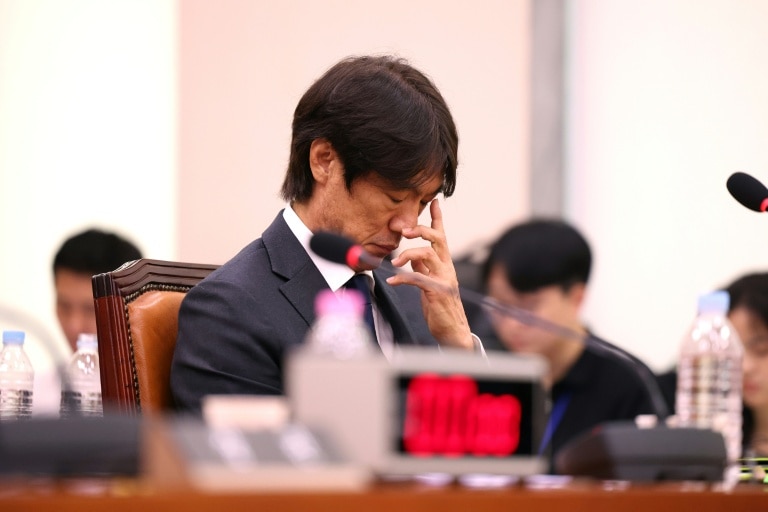
    Scrutiny over the hiring process had lingered since Hong was first appointed in 2024, but pressure for a formal investigation exploded after the team’s failure to advance to the tournament’s knockout round of 32. In late July, Hong was summoned to testify before a parliamentary committee, where he accepted full responsibility for the underwhelming performance but declined to confirm reports that his annual salary reached 3.8 billion won (approximately $2.6 million), a figure that would place him among the highest-paid national team coaches globally. Hong called the reported salary figure incorrect but refused to release the actual amount.

    South Korean President Lee Jae Myung has publicly tied the World Cup failure to systemic problems in KFA leadership, blaming poor results on “incompetent people” elevated to senior roles and alluding to nepotism, factionalism and loyalty-based hiring that has corrupted governance at the top of South Korean football. To date, the KFA has declined to issue any formal comment on the investigation or the allegations when contacted by AFP.