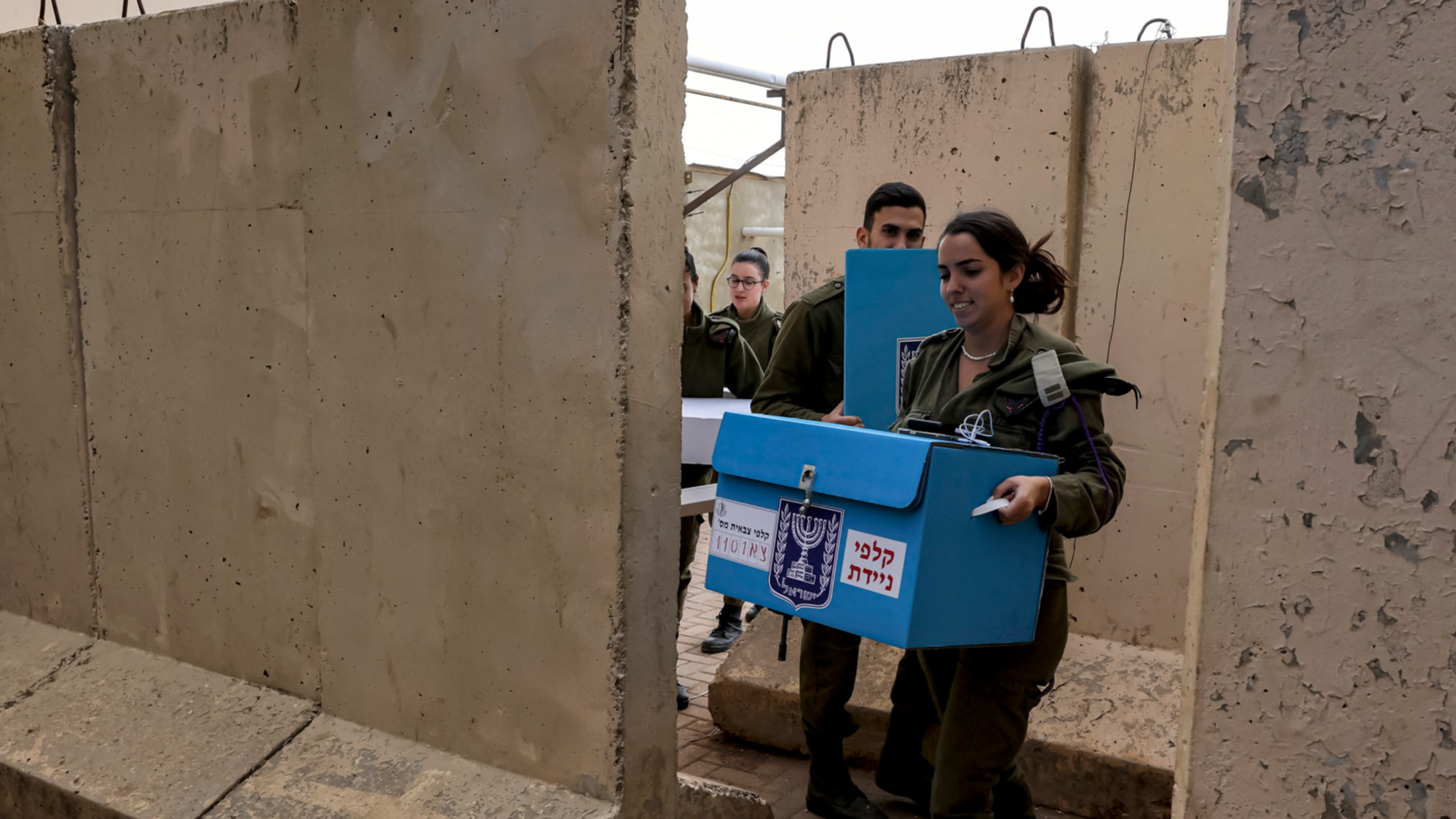
As Israel gears up for its upcoming general election on October 27, the Israel Defense Forces (IDF) has launched preparations for a historically unusual voting arrangement: placing dedicated polling stations directly in active, occupied territories across the Gaza Strip, Lebanon, and Syria, military broadcaster Army Radio confirmed in a report published Wednesday. The plan, which military chief Eyal Zamir has formally ordered military leadership to implement, is designed to guarantee that frontline combat troops deployed beyond Israel’s internationally recognized borders can exercise their right to vote from their active posts.
Army Radio framed the initiative as a step unseen in Israeli electoral politics for decades, a framing that omits the longstanding practice of Israeli soldiers casting ballots at permanent military bases located in the occupied West Bank. The groundwork for this plan was laid just last week, when Israel’s Central Elections Committee signed off on a new slate of electoral regulations that explicitly permit active-duty troops to vote from their deployed positions in Gaza, Lebanon and Syria.
Israeli online news outlet Ynet has outlined the practical adjustments for in-theater voting: since service rules prohibit soldiers from carrying personal identification documents into these three regions, voters will be verified through their military service number and a confirmation check by a fellow service member.
The expansion of special out-of-district polling stations reflects a growing trend in Israeli elections. Over the past several years, the share of eligible voters casting ballots outside their assigned local precincts has climbed steadily, with active-duty soldiers and other security personnel making up the vast majority of voters using these special stations. Data from the Israel Democracy Institute (IDI), an independent Jerusalem-based research center, shows that roughly 425,000 Israelis voted at special polling locations during the 2021 March general election. That total includes not only security service members, but also diplomats, hospitalized patients, and incarcerated citizens.
While definitive voting pattern data for special precincts remains hard to compile, the IDI notes that the overwhelming majority of special station voters are young Israelis serving in active military roles. Political analysts widely assess that right-wing Israeli political parties draw the most support from this demographic, meaning the expanded in-theater voting option could deliver a tangible advantage to conservative blocs in the upcoming vote.
Per official figures from the Central Elections Committee, approximately 7.3 million Israelis are eligible to participate in the October 27 contest. That pool includes nearly 550,000 first-time voters who have reached voting age since the previous national election held in late 2022. While the committee has publicly released details for special polling stations in hospitals, prisons, and Israeli diplomatic missions around the world, it has declined to disclose how many polling stations will ultimately be set up in Gaza, Lebanon, and Syria.
Beyond the logistics of in-theater voting, Army Radio also shared details of a new directive from Zamir aimed at preserving the IDF’s longstanding mandate of political neutrality. Zamir has ordered all commanding officers to block active-duty soldiers and officers from engaging in partisan political campaigning on behalf of any party during the election cycle. He has additionally mandated that commanders review all correspondence distributed to troops to screen out any unauthorized partisan political messaging.
“There is a need to uphold current regulations, orders and instructions on the issue,” Zamir stated during a meeting with senior military leadership. He added that all IDF personnel must “avoid innovations that could bring about the undermining of public trust in the IDF.”
Zamir’s directive comes in direct response to public controversy that emerged earlier this week, when the IDF drew widespread criticism after dismissing a reserve soldier who had repeatedly posted public videos expressing personal support for the current Israeli government. The dismissal was ultimately reversed after Israeli Defence Minister Israel Katz personally intervened to reinstate the service member.