作者: admin

  • Note to Iran War planners: air campaigns often make matters worse

    Note to Iran War planners: air campaigns often make matters worse

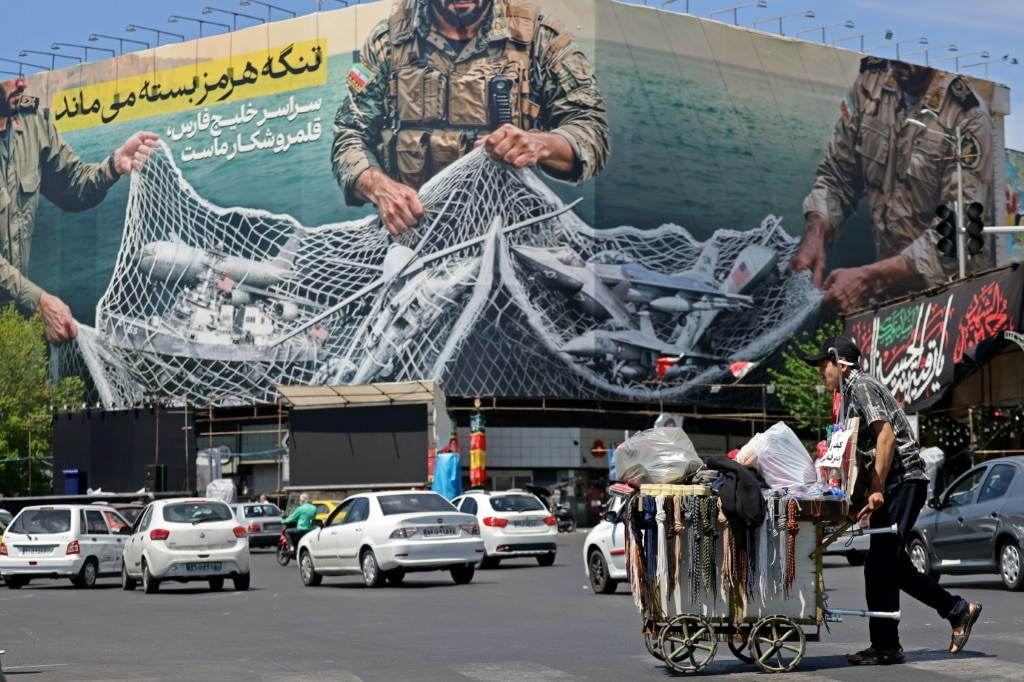
    A coordinated military offensive by the United States and Israel has targeted Iran’s missile infrastructure, naval capabilities, and nuclear development facilities in recent operations. The campaign, which also aimed at eliminating key Iranian leadership figures, has been accompanied by explicit calls from former President Donald Trump for citizens to overthrow their government.

    In his February 28th operational announcement, Trump declared: “When we are finished, take over your government. It will be yours to take. This will be probably your only chance for generations.” This statement reveals a strategic objective of using aerial superiority to weaken Tehran’s regime sufficiently for internal opposition to complete the power transition.

    The military approach has drawn international criticism, with British Prime Minister Keir Starmer stating on March 2nd that his government “does not believe in regime change from the skies.” Historical analysis supports skepticism about aerial campaigns achieving successful political transitions, despite the tactical advantages of air power including operational flexibility, reduced troop exposure, and expanded target selection.

    Military analysts note significant limitations to air-dominated strategies. Unlike ground forces, air power cannot physically occupy or secure territory, a critical factor in establishing stable control post-conflict. The 2011 NATO intervention in Libya demonstrates these constraints—while airstrikes successfully supported Gaddafi’s overthrow, the subsequent power vacuum resulted in a decade of civil conflict between competing governments and militia networks.

    The Iranian context presents particular complexities. The opposition remains fragmented, with exiled Reza Pahlavi (son of the last Shah) positioning as a potential leader despite uncertain domestic support. Surveys by the Gamaan group indicate approximately one-third of Iranians strongly support Pahlavi while another third strongly oppose him.

    Without a unified opposition capable of forming a provisional government, regime collapse could create a dangerous power vacuum potentially leading to civil war. Previous protest movements have met with brutal suppression, including an estimated tens of thousands killed during crackdowns in January 2025.

    The Iranian Revolutionary Guard Corps (IRGC), with approximately 190,000 troops and 600,000 paramilitary Basij volunteers, remains dedicated to regime protection. Trump’s threats toward these forces have limited practical effect, as surrender to aircraft is operationally impossible.

    While many internationally desire regime change in Tehran, experts caution that aerial campaigns alone may not achieve this outcome, and what follows could potentially create greater regional instability than the current situation, mirroring Libya’s troubled transition.

  • These women fought in Ethiopia’s last civil war and warn against another one

    These women fought in Ethiopia’s last civil war and warn against another one

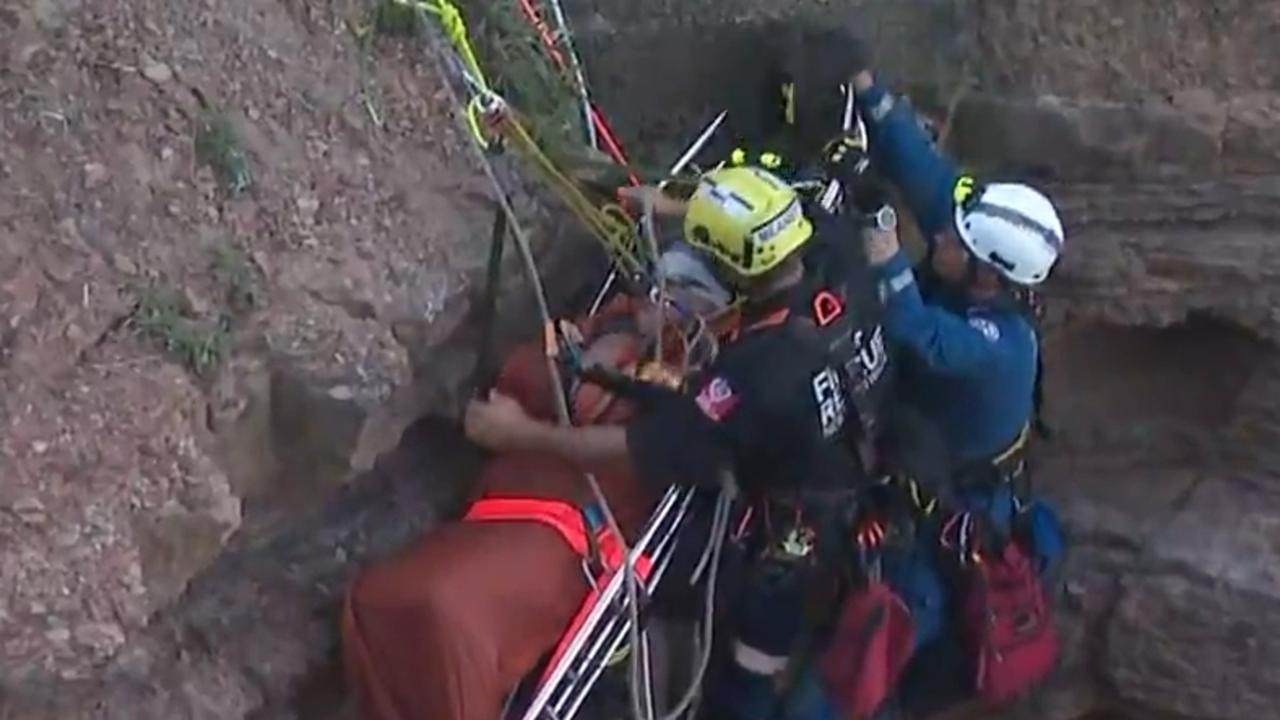
    In the aftermath of Ethiopia’s devastating two-year civil war, female veterans from the Tigray region continue grappling with profound psychological wounds while facing the terrifying prospect of renewed hostilities. Their stories reveal the hidden human cost of conflict that extends far beyond battlefield casualties.

    Abeba Amdu, once a promising 22-year-old football star studying IT in Mekelle, saw her athletic career and academic ambitions shattered by the conflict. The talented striker who challenged traditional gender norms in sports now bears both physical and emotional scars from her military service. “I lost everything,” she confesses, describing how the trauma has left her isolated and unable to reclaim her former athletic prowess.

    Her decision to join the Tigray Defence Forces stemmed from both familial legacy—her parents were veterans of the 1991 revolution—and the terrifying reports of systematic sexual violence against Tigrayan women. “It was the whole situation that forced me to fight,” she explains, noting that basic necessities like sanitary pads became luxury items during combat.

    The war officially concluded with an African Union-brokered peace agreement in 2022, but peace remains elusive for these veterans. Selam Hailu, a 30-year-old lawyer and mother of two, joined the conflict after her retired parents returned from frontline service physically broken and bearing accounts of “sexual violence and mass killings.”

    As an educated professional, Selam confronted institutional sexism within military leadership, challenging the “unprincipled relationships” between officers and young female combatants. Her advocacy resulted in overnight detention—a punishment that highlighted the systemic challenges women faced even within their own forces.

    Dr. Rahwa Gebremedhin, a university lecturer, approached the conflict from an academic perspective, her military knowledge derived solely from war films. The transition back to civilian life has proven nearly impossible, with she and many others displaying “all the symptoms of PTSD.” She states bluntly: “I’m just trying to survive.”

    These women’s struggles are compounded by recent military developments. January witnessed brief clashes between federal troops and Tigrayan fighters, accompanied by drone strikes and suspended flights. Both sides exchange accusations: the federal government alleges Eritrean interference while the TPLF claims troop buildups along regional borders.

    Abeba articulates the collective anxiety: “Right now, I see fear everywhere—the fear of another conflict.” Their hard-won perspective suggests diplomatic solutions rather than renewed combat: “We have seen that in the end, it is negotiation—not combat—that provides the solution.”

    Despite attempts at rebuilding—Abeba briefly established a women’s football mentoring program called “Wegahta”—financial constraints and psychological burdens have hampered recovery efforts. These initiatives represent not just career moves but desperate searches for sanctuary from memories that continue to haunt Ethiopia’s female veterans.

  • ‘Not this week’: Craig Fitzgibbon won’t reach out to Josh Hannay ahead of Cronulla reunion but predicts great things from the new Titans boss

    ‘Not this week’: Craig Fitzgibbon won’t reach out to Josh Hannay ahead of Cronulla reunion but predicts great things from the new Titans boss

    The long-standing friendship between coaches Craig Fitzgibbon and Josh Hannay will be temporarily set aside as their teams face off in Saturday’s NRL season opener at PointsBet Stadium. The professional rivalry takes center stage despite their close personal relationship developed during Hannay’s tenure on Fitzgibbon’s coaching staff at the Cronulla-Sutherland Sharks.

    Fitzgibbon confirmed the customary coaching protocol of avoiding contact with opposing coaches during game week, though he anticipates a post-match reunion with his Gold Coast Titans counterpart. “General coaching rule, we don’t talk to the opposing coach on game week,” Fitzgibbon stated. “Had a couple of chats weeks ago and then thought it’d be good to catch up after the game.”

    The Sharks coach expressed confidence in Hannay’s capabilities, referencing his interim coaching performance during the challenging COVID-affected 2021 season. “I thought he handled that really well,” Fitzgibbon noted. “That’s a sample size there that showed you he sort of knew how to handle things. He’s very measured, very controlled, he’s clear about what he wants.”

    Cronulla enters the season with remarkable roster consistency, retaining most of their squad from last year’s campaign that fell agonizingly short of a grand final appearance. While dealing with significant knee injuries to Cameron McInnes and Ronaldo Mulitalo, the team benefits from winger Sione Katoa’s recovery and strategic resting of forward Teig Wilton.

    Fitzgibbon addressed contract uncertainties surrounding several high-profile players, including Siosifa Talakai’s signing with the Bears, viewing the situation as a potential strength rather than distraction. “It’s been discussed internally,” he explained. “All the boys that are off contract or may leave, they’re all Sharks this year. They’re a tight group, they’ve been together for a long time now, and we’d like to think we can use that to our advantage.”

  • ‘Schooner of reality’: Fresh blow for the Eels as match review committee comes down hard on key forward

    ‘Schooner of reality’: Fresh blow for the Eels as match review committee comes down hard on key forward

    The Parramatta Eels’ disastrous commencement to the NRL season has descended into further crisis following their historic 52-4 demolition by the Melbourne Storm. The monumental defeat, one of the most lopsided in recent opening-round history, was compounded by a significant disciplinary setback involving key forward J’maine Hopgood.

    Hopgood has been formally charged with a Grade 2 careless high tackle by the NRL Match Review Committee for a first-minute incident that concussed Storm forward Alec MacDonald. The collision, which initially appeared to be a head clash, was confirmed via video replay to have involved Hopgood’s shoulder making direct contact with MacDonald’s head. The play resulted in Hopgood being sin-binned and MacDonald being ruled out for the remainder of the contest.

    In a twist of fate, the Eels managed to score their sole try of the evening while reduced to 12 men, a momentary rally that was quickly extinguished by Melbourne’s overwhelming dominance. Eels coach Jason Ryles expressed a degree of bewilderment at the incident in post-match comments, stating, ‘I’m not too sure what else he could have done there. We’ll have to review it and see where that lands.’

    The judicial outcome presents a critical dilemma for the club. Hopgood can accept a one-match suspension with an early guilty plea, or risk a two-game ban if he challenges the charge and is unsuccessful. His potential absence deals a severe blow to a squad already reeling from a humiliating performance, particularly in their defensive middle which was systematically dismantled by Melbourne skipper Harry Grant.

    The timing is especially inopportune as Parramatta prepares to face the reigning premiers in Brisbane next week. This crushing loss is a stark regression for a team that had demonstrated considerable improvement under Ryles throughout the previous season and had enjoyed a dominant pre-season. The coach acknowledged the profound disappointment, conceding the team must ‘have a big schooner of reality and move on,’ drawing parallels to a similar round-one thrashing they suffered at the same venue last year.

  • Israelis celebrate Purim with biblical comparisons as Iran war spirals

    Israelis celebrate Purim with biblical comparisons as Iran war spirals

    Amid escalating regional hostilities involving Israeli and US military actions against Iran, this year’s Purim celebrations in Jerusalem took on profound contemporary significance. Thousands of Israeli citizens defied official restrictions on public gatherings to participate in traditional costume festivities, while political figures and media outlets drew explicit parallels between current conflicts and the ancient Purim narrative of Jewish deliverance from Persian persecution.

    The celebrations unfolded against a backdrop of concerning incidents, including an alleged attempted lynching of a Palestinian bus driver by young Jewish men—an event documented by socialist labor union Koach LaOvdim as part of a pattern of holiday-related violence. The left-wing Hadash party circulated video evidence of the attack, highlighting ongoing ethnic tensions within the city.

    Political symbolism dominated public discourse, with Jerusalem Post commentators drawing direct comparisons between US President Donald Trump and the Persian king Achashverosh from the Purim story. Simultaneously, Environmental Protection Minister Idit Silman characterized Prime Minister Benjamin Netanyahu as the modern embodiment of Mordechai, the biblical figure who saved Persian Jews from destruction.

    The political theater extended to media representations, with Channel 12 News host Avri Gilad conducting his broadcast in Israeli Air Force pilot attire, while far-right parliamentarian Limor Son Har-Melech posed with executioner props symbolizing her party’s proposed death penalty legislation for Palestinian militants. These demonstrations occurred despite reported concerns within Netanyahu’s administration about potential international backlash and legal challenges to such measures.

    The convergence of ancient tradition with contemporary geopolitics created a complex tapestry of celebration, political messaging, and social tension, reflecting the multifaceted nature of Israeli society during periods of heightened regional conflict.

  • AFL 2026: St Kilda forward Max King remains in rehab for pre-season calf concern

    AFL 2026: St Kilda forward Max King remains in rehab for pre-season calf concern

    St Kilda Football Club remains shrouded in uncertainty regarding the playing future of key forward Max King, with coach Ross Lyon deliberately avoiding concrete timelines for the injury-plagued athlete’s return. The developing situation casts a shadow over the team’s preparations for the upcoming AFL season.

    King’s persistent fitness struggles have become a recurring narrative, with the latest chapter featuring a calf complication that emerged during pre-season training. This new setback disrupted initial plans for his participation in the Opening Round clash against Collingwood, extending what was originally anticipated as a brief recovery period.

    Club administration further clouded the situation this week by erroneously listing knee concerns alongside King’s confirmed calf issues on official injury reports. Lyon promptly clarified this as an administrative oversight while maintaining his characteristically guarded stance on specific return dates. “I have no idea to be honest when he’ll be back,” Lyon stated, acknowledging the “significant period of time” already invested in King’s rehabilitation.

    The coach described the current situation as a minor flare-up that would typically set recovery back approximately one week, though he emphasized King remains fully engaged in structured rehabilitation programs. This measured approach contrasts with growing external anticipation surrounding St Kilda’s 2026 prospects, fueled by recent acquisitions including Tom De Koning, Jack Silvagni, Sam Flanders and Liam Ryan.

    Despite visible roster improvements and a strong trade period, Lyon deliberately tempered expectations by distancing himself from media speculation. The veteran coach revealed he has intentionally disengaged from external commentary to focus exclusively on match preparation, having personally scouted Collingwood’s recent performances to better understand opening round challenges.

  • ‘What is the game plan?’: The Iran war is unsettling China and its ambitions

    ‘What is the game plan?’: The Iran war is unsettling China and its ambitions

    While China remains insulated from immediate wartime disruptions, Beijing faces mounting strategic concerns as Middle East hostilities threaten to undermine its economic stability and global aspirations. Current oil reserves provide several months of buffer, with Russia standing as a potential emergency supplier. However, prolonged conflict could severely impact China’s critical shipping routes through the Strait of Hormuz and destabilize its substantial energy imports from the region.

    The timing coincides with delicate economic planning in Beijing, where Communist Party delegates are convening to address persistent challenges including weak consumption, property sector crises, and substantial local debt. For the first time since 1991, the government has officially tempered growth expectations despite advancements in high-tech and renewable sectors.

    China’s complex relationship with Iran represents a particular strategic vulnerability. Despite a 25-year strategic partnership signed in 2021 that promised $400 billion in Chinese investment for guaranteed oil flows, analysts indicate only fractional amounts have materialized. Nevertheless, China imported approximately 1.38 million barrels of Iranian crude daily in 2025—roughly 12% of total imports—with much allegedly relabeled as Malaysian origin to circumvent sanctions.

    Beyond energy concerns, China faces accusations of supporting Iran’s military capabilities through technology sharing and component supplies, though Beijing denies providing anti-ship missiles. The relationship, characterized by experts as transactional rather than ideological, remains fragile despite surface appearances of solidarity.

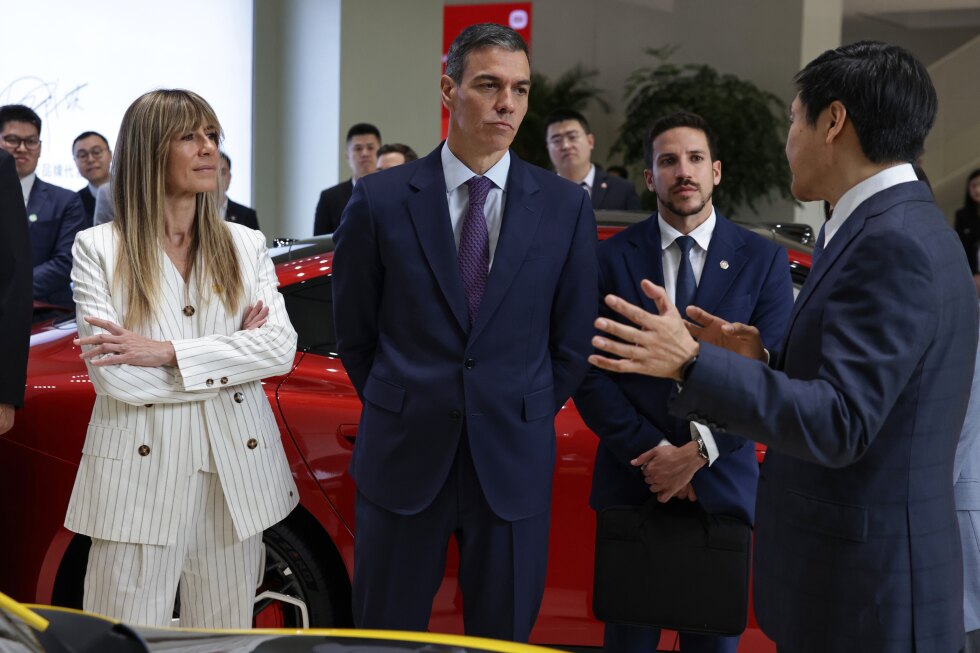
    Beijing’s response to recent escalations has been characteristically measured, issuing standard condemnations while calling for ceasefires. Foreign Minister Wang Yi criticized U.S. and Israeli actions as “unacceptable” but carefully avoided direct criticism of President Trump ahead of his anticipated visit to China later this month.

    Analysts suggest the conflict highlights the limitations of China’s global influence. Despite its economic stature, China lacks comparable military projection capabilities to protect partners or force outcomes internationally. The crisis simultaneously presents opportunities to position China as a responsible counterbalance to U.S. actions while exposing vulnerabilities in its alliance network.

    As disruptions threaten global supply chains and energy markets, China faces complex calculations regarding its Middle East investments, broader global interests, and navigating relations with an unpredictable U.S. administration while avoiding direct entanglement in regional conflicts.

  • Finland plans to lift decades-old ban on hosting nuclear weapons

    Finland plans to lift decades-old ban on hosting nuclear weapons

    In a landmark security policy reversal, Finland’s government has proposed legislation to overturn its 37-year prohibition on nuclear weapons within its territory. The initiative represents the most significant military policy shift since the Nordic nation abandoned decades of neutrality to join NATO in April 2023.

    Defence Minister Antti Häkkänen presented the proposal on Thursday, stating that Russia’s full-scale invasion of Ukraine in 2022 had ‘fundamentally and significantly changed’ Finland’s security environment. The amendment would modify both the 1987 Nuclear Energy Act and criminal code to permit the ‘transport, delivery, or possession’ of nuclear weapons when connected to Finland’s military defense.

    The legislative change would enable Finland to fully integrate with NATO’s nuclear deterrence strategy, which operates under the alliance’s foundational principle of collective defense. This doctrine treats any attack on a member state as an attack against all alliance members, with several nuclear-capable NATO nations potentially responding with nuclear force if necessary.

    Finland’s strategic position is particularly significant as it shares the longest border with Russia among EU and NATO members—stretching 1,340 kilometers (832 miles). The country’s NATO accession was widely viewed as a strategic setback for Russian President Vladimir Putin, who had repeatedly criticized the alliance’s eastern expansion.

    The proposal emerges amid heightened European defense cooperation following Russia’s invasion of Ukraine. Recent incidents of suspected hybrid warfare, including drone sightings that disrupted air traffic across several NATO states, have prompted renewed discussions about collective defense capabilities.

    This development coincides with broader European nuclear deterrence initiatives, including Monday’s announcement of deepened Franco-German cooperation and Sweden’s reconsideration of its stance on foreign troops and nuclear weapons. The Finnish government’s proposal will undergo consultation until April 2 before formal parliamentary consideration by the right-wing coalition that holds a legislative majority.

  • US and Venezuela agree to reestablish diplomatic relations in major shift after Maduro’s ouster

    US and Venezuela agree to reestablish diplomatic relations in major shift after Maduro’s ouster

    In a landmark geopolitical development, the United States and Venezuela have agreed to restore diplomatic relations, marking a significant thaw in their historically adversarial relationship. The State Department confirmed on Thursday that both nations are embarking on a phased process aimed at facilitating a peaceful transition to democratically elected governance in Venezuela.

    This diplomatic breakthrough follows multiple high-level visits by Trump administration officials to the South American nation after the U.S.-backed military operation that ousted former President Nicolás Maduro in January. The administration has subsequently intensified pressure on Maduro loyalists currently holding power to align with Washington’s vision for the oil-rich nation.

    The reconciliation announcement came at the conclusion of U.S. Secretary of the Interior Doug Burgum’s two-day diplomatic mission to Caracas, which primarily focused on providing security assurances to international mining companies considering investments in Venezuela’s mineral-rich territories, historically controlled by criminal organizations.

    Acting President Delcy Rodríguez, previously Maduro’s vice president, expressed optimism about the developments, stating on state television that these measures “will strengthen relations between our two countries.”

    In parallel developments, Venezuela’s government has approved an amnesty law that could lead to the release of numerous political prisoners, including politicians, activists, and lawyers—a move effectively acknowledging the incarceration of hundreds for political reasons. Meanwhile, opposition leader María Corina Machado, recipient of the 2025 Nobel Peace Prize, has announced her imminent return to Venezuela and confirmed that elections will be conducted in the coming weeks.

    These dramatic shifts represent a remarkable transformation for Venezuela, where the dominant Chavismo political movement has historically withstood numerous challenges including U.S. sanctions and severe economic crises.

  • Regragui departs as Morocco appoint Ouahbi as new coach

    Regragui departs as Morocco appoint Ouahbi as new coach

    In a dramatic shift just months before the 2026 World Cup, Morocco’s national football team has severed ties with head coach Walid Regragui. The decision comes despite Regragui’s historic achievement of guiding the Atlas Lions to become the first African semifinalists in World Cup history during the 2022 tournament in Qatar.

    The Royal Moroccan Football Federation has appointed 49-year-old Mohamed Ouahbi as Regragui’s successor, promoting him from the under-23 squad. This strategic move mirrors Regragui’s own appointment in August 2022, just three months before the previous World Cup.

    Official statements characterized the change as part of a “structured roadmap” for Moroccan football’s continuous development rather than a simple coaching swap. The federation’s decision follows Morocco’s recent Africa Cup of Nations final appearance on home soil, where they suffered a heartbreaking 1-0 extra-time defeat to Senegal in a match marred by controversy when Senegal briefly refused to play after a late penalty award.

    Regragui, who also led Wydad Casablanca to the African Champions League title before taking the national team job, acknowledged the need for fresh leadership. “The team needs a new lease of life before the World Cup, a new vision to continue progressing,” stated the departing coach, who had faced mounting pressure to deliver Morocco’s first continental title since 1976.

    Team captain Achraf Hakimi paid tribute to Regragui’s “unforgettable mark on Moroccan football history” as the team prepares for a challenging World Cup campaign. Morocco will open against five-time champions Brazil on June 13th before facing Scotland and Haiti in Group C. The North African side will test their new leadership in upcoming friendlies against Ecuador and Paraguay during the next international window.