作者: admin

  • Former US soldiers argue Israeli policy is now guiding US interests

    Former US soldiers argue Israeli policy is now guiding US interests

    A coalition of retired U.S. military personnel has issued a stark warning about extensive Israeli influence shaping American military strategy, particularly concerning the ongoing conflict with Iran that has already claimed American lives. The veterans allege this foreign guidance has directly compromised national security and resulted in unnecessary casualties.

    Thirteen U.S. service members have been officially recognized as killed since operations commenced on February 28, though veterans suggest the actual toll may be significantly higher. They point to overwhelmed military hospitals in Germany as indication of unacknowledged casualties. President Trump’s acknowledgment of inevitable wartime losses has been met with criticism, particularly after his administration restricted media access to ceremonies honoring returning casualties.

    The veterans identify a devastating strike on an elementary school in Minab, Iran, as emblematic of problematic intelligence sharing. The attack, which resulted in 165 fatalities predominantly among children, was reportedly conducted based on Israeli intelligence. Former Green Beret Anthony Aguilar confirmed the intelligence origin during a National Press Club address, noting the building had served as a school since 2016.

    Retired Air Force Chief Master Sergeant Dennis Fritz articulated a broader perspective: “We have always been part of the master plan in the taking over of the Middle East on behalf of Israel, starting with Iraq. Our personnel believed they were fighting for America, but were ultimately betrayed into serving another nation’s interests.”

    Analysts suggest dual motivations drive U.S. policy. While Washington maintains independent strategic interests in neutralizing Iranian military capabilities, it operates in close coordination with Israeli objectives. This alliance remains officially prioritized, with Congress consistently recognizing Israel as America’s paramount regional partner.

    The influence of political financing mechanisms, particularly through organizations like AIPAC, has created substantial pressure on policymakers to maintain unwavering support for Israeli interests. This dynamic persists despite growing questioning among conservative factions regarding the special relationship’s strategic value.

    Military culture itself has been shaped by this alliance, with war strategy expert Michael Vlahos noting: “Israeli forces have cultivated a mythic reputation among American officers through cross-training programs that have fundamentally influenced U.S. tactical approaches and institutional attitudes.”

    The veterans concluded that perpetual instability serves strategic objectives, enabling continuous military engagement. As former Marine special operations officer Ivan Ingraham stated: “We require instability to project the power we espouse. This endless cycle ultimately uses our military personnel as pawns in illegal conflicts.”

  • Ex-AFL player Ryan Crowley has denied assaulting his former girlfriend MAFS star Lauren Dunn

    Ex-AFL player Ryan Crowley has denied assaulting his former girlfriend MAFS star Lauren Dunn

    Former Australian Football League (AFL) athlete Ryan Crowley has entered a formal plea of not guilty to multiple domestic violence allegations involving his former partner, Lauren Dunn, a television personality from the reality series Married At First Sight. The 41-year-old ex-professional footballer faces thirteen charges connected to incidents allegedly occurring between 2019 and 2025.

    Perth Magistrates Court proceedings revealed that Crowley stands accused of physical assault, choking, and issuing threats against Dunn throughout their relationship. The case took a significant procedural turn on Friday when prosecutors amended several charges and dropped three counts entirely. Additionally, Crowley faces a new weapons charge for allegedly brandishing a kitchen knife during a 2023 altercation in the suburb of Cottesloe.

    The judicial timeline establishes separate hearings for the complex case. Seven charges will proceed to a trial allocation hearing on April 14, while the remaining counts will be addressed in Perth District Court on June 19. Crowley’s bail conditions were extended throughout the ongoing legal process.

    Beyond the courtroom, both parties maintain notable public profiles. Crowley enjoyed a substantial AFL career, playing 188 games for Fremantle Dockers and earning Life Member status before a one-year suspension for banned substance use in 2015. His subsequent single season with Essendon Bombers preceded retirement. Dunn gained recognition through her participation in the eleventh season of Married At First Sight in 2024.

  • Belarus leader gifts rifle to North Korea’s Kim as they sign friendship treaty

    Belarus leader gifts rifle to North Korea’s Kim as they sign friendship treaty

    In a significant diplomatic engagement between two of Russia’s closest allies, Belarusian President Alexander Lukashenko and North Korean leader Kim Jong Un have formalized their strategic partnership through a comprehensive friendship treaty signed during Lukashenko’s inaugural visit to Pyongyang.

    The ceremonial exchange of symbolic gifts underscored the deepening ties between the internationally isolated nations. Lukashenko presented Kim with an automatic rifle, quipping that it was offered ‘just in case enemies appear’ during a moment captured by Belarusian state media. In reciprocal gesture, Kim presented the Belarusian leader with an ornamental sword and a custom vase featuring Lukashenko’s portrait.

    Lukashenko expressed profound admiration for North Korea’s future prospects, stating: ‘I can attest as both a friend and experienced observer: your nation possesses tremendous potential with its exceptionally disciplined and hardworking population.’ Both leaders emphasized the critical importance of bilateral cooperation in safeguarding national sovereignty against external pressures, particularly referencing what they characterized as Western disregard for international norms.

    Beyond symbolic gestures, the treaty establishes concrete frameworks for expanded collaboration across multiple sectors including agricultural development, information technology, and public health initiatives. The agreement, described by both parties as ‘fundamental’ to their relationship, promises to ensure stable development of bilateral relations amid increasing geopolitical tensions.

    The summit occurs against the backdrop of severe international sanctions imposed on both nations. North Korea faces restrictions for its nuclear weapons program and alleged human rights violations, while Belarus confronts sanctions for its support of Russia’s military operations in Ukraine. Intelligence reports indicate North Korea has provided substantial military personnel to Russian forces, with Western officials estimating significant casualties among North Korean troops deployed in Ukraine.

    Kim recently reinforced his commitment to Moscow, declaring that ‘Pyongyang will always be with Moscow’ in a message to Russian President Vladimir Putin. Meanwhile, Ukraine continues to allege Belarus provides strategic military bases for Russian operations against Ukrainian targets.

  • How Pakistan positioned itself at the centre of global crisis management

    How Pakistan positioned itself at the centre of global crisis management

    In a dramatic shift from its traditional role as a regional security concern, nuclear-armed Pakistan has positioned itself as a potential diplomatic bridge between the United States and Iran amid escalating Middle Eastern tensions. The proposal for Islamabad to host direct negotiations between the Trump administration and Iranian leadership represents a strategic reinvention for a nation typically viewed through the prism of economic fragility and political instability.

    This diplomatic initiative emerges from Pakistan’s urgent economic and security imperatives rather than grand geopolitical ambition. The country faces severe economic vulnerabilities under International Monetary Fund conditions, with potential liquefied natural gas shortages threatening its recovery. Regional conflict has already triggered oil price spikes that disproportionately affect Pakistan’s fragile economy.

    Geographic and demographic factors intensify Pakistan’s stake in regional stability. The 900-kilometer border with Iran has historically served as a conduit for militancy and smuggling, while Pakistan’s substantial Shia population (estimated at 15-20% of its 240 million people) creates domestic sensitivity to Iranian developments. Recent protests following the killing of Iranian officials demonstrated how quickly Middle Eastern crises reverberate within Pakistani society.

    Pakistan’s military establishment, particularly Army Chief Field Marshal Syed Asim Munir, has taken a central role in this diplomatic outreach. Munir’s reported close relationship with President Trump and institutional channels with Iran’s Revolutionary Guard Corps provide unique mediation capabilities. Meanwhile, Pakistan’s defense cooperation with Saudi Arabia bolsters its credibility with Western allies while its historical role managing Iranian interests in the US since 1979 maintains baseline trust with Tehran.

    Despite growing media speculation, no formal confirmation of talks has emerged from Washington, Tehran, or Islamabad. Reports suggest discussions have involved potential sanctions relief, nuclear program rollbacks, and guarantees for Strait of Hormuz shipping lanes. Iranian authorities have articulated their own conditions, including war reparations and recognition of sovereign authority over Hormuz.

    Even if this diplomatic initiative fails to produce comprehensive settlement, it marks a significant transformation in Pakistan’s international standing—from perceived security liability to potential architect of de-escalation in one of the world’s most dangerous conflicts.

  • Tropical Cyclone Narelle shuts down Chevron gas plants in latest blow to global energy supply

    Tropical Cyclone Narelle shuts down Chevron gas plants in latest blow to global energy supply

    Tropical Cyclone Narelle has triggered significant disruptions to Western Australia’s liquefied natural gas (LNG) sector, forcing the evacuation of offshore workers and halting production at major facilities. The storm, tracking southward along the state’s northwest coastline, prompted Chevron to shut down its Gorgon plant and Wheatstone LNG operations on Thursday as a precautionary measure.

    WA Energy Minister Amber-Jade Sanderson confirmed that while export operations were suspended, domestic gas supplies remained unaffected. “LNG operators are well accustomed to managing cyclonic conditions in this region,” she stated during a Friday briefing in Perth. “They maintain robust preparedness protocols, and we’ve received no damage reports to date.”

    The Wheatstone offshore platform, located approximately 225km off the Pilbara coast, has been remotely operated from Perth since Tuesday following staff evacuations. Simultaneously, Santos’ Darwin LNG facility underwent planned maintenance, compounding production challenges.

    This Australian supply interruption coincides with critical global LNG shortages. Qatar’s exports remain paralyzed due to Iran’s effective closure of the Strait of Hormuz following missile strikes on QatarEnergy’s Ras Laffan facility—which represents 17% of the nation’s output. The United Arab Emirates, the world’s second-largest LNG exporter, has also faced severe disruptions at its Das Island facility, though partial production resumed Tuesday after recent attacks.

    With the cyclone expected to make landfall south of Coral Bay, approximately 1000km north of Perth, maritime traffic continues rerouting to avoid the storm’s path. Industry analysts warn these cumulative disruptions could further strain already tight global energy markets.

  • Essential Services Commission refuses $4m in Victorian energy certificates for fraud

    Essential Services Commission refuses $4m in Victorian energy certificates for fraud

    Two Victorian energy companies have been subjected to severe regulatory sanctions after engaging in systematic fraud within a government energy efficiency program. The Essential Services Commission has imposed penalties exceeding $4.2 million following investigations that revealed widespread misconduct including document falsification, staged photographic evidence, and prohibited sales practices.

    Energy Efficient Upgrades (formerly operating as Shantey) has faced the most stringent penalties, with its accreditation within the Victorian Energy Upgrades (VEU) program permanently revoked. The company received a five-year ban from reapplying to the scheme after investigators discovered it had submitted fabricated project information and violated multiple consumer protection protocols. The commission documented instances where the company transported water heater units to properties that never had existing heaters, staged installation photos, and employed banned direct marketing approaches including doorknocking and telemarketing.

    Additionally, the company circumvented program requirements by failing to obtain mandatory consumer co-payments, with evidence showing cash payments were made to customers to cover or refund these amounts. As a result, 2,586 certificates issued to Energy Efficient Upgrades have been invalidated, representing approximately $200,000 in value.

    Ecosaver Australia faced comparable enforcement action, with the commission refusing registration of 48,550 certificates worth approximately $4 million. The company was found to have submitted falsified photographic evidence, claimed non-compliant upgrades, and similarly engaged in prohibited sales tactics.

    Both companies had promoted their participation in the VEU program on their websites, positioning themselves as legitimate providers of energy-efficient solutions for households and businesses seeking to reduce energy consumption and costs.

    The regulatory decisions were upheld on March 26, 2026, following review proceedings. Commission chairman Gerard Brody emphasized that these actions demonstrate the commission’s commitment to eliminating “unacceptable behaviour” within the VEU program. “Accredited businesses must ensure people doing work on their behalf follow the rules. If they don’t, it’s their reputation and profits at stake,” Mr. Brody stated, adding that robust compliance enforcement ensures a level playing field for ethical businesses and maintains consumer confidence in the program.

    The VEU program remains operational, continuing to support Victorian households and businesses in reducing energy costs through legitimate efficiency upgrades including water heaters and lighting systems. Accredited businesses generate revenue through the creation and sale of energy efficiency certificates within the established regulatory framework.

  • The war in Iran sparks a global fertilizer shortage and threatens food prices

    The war in Iran sparks a global fertilizer shortage and threatens food prices

    The ongoing conflict involving Iran has triggered severe disruptions to global fertilizer supplies, creating a cascading crisis that threatens agricultural productivity and food security worldwide. Tehran’s strategic restrictions on maritime traffic through the Strait of Hormuz—a vital passageway handling approximately one-fifth of global oil shipments and nearly a third of fertilizer trade—have precipitated sharp increases in gas prices and critical shortages of agricultural nutrients.

    This supply chain crisis arrives at the most inopportune moment for farmers across hemispheres, coinciding with crucial planting seasons. Nitrogen-based fertilizers, particularly urea, face the most severe constraints due to shipping delays and skyrocketing liquefied natural gas prices. According to CRU Group analysis, approximately 30% of global urea trade has been restricted, with phosphate supplies—essential for root development—also experiencing significant pressure.

    The timing couldn’t be more disastrous, as agricultural expert Raj Patel emphasizes: “The planting season is now. The fertilizer isn’t there.” This shortage hits developing nations with particular severity. Ethiopia, which sources over 90% of its nitrogen fertilizer from the Gulf via Djibouti, faces critical shortages that could devastate harvests.

    Even developed agricultural systems are feeling the strain. In Europe and the United States, where main planting activities are underway, farmers report urgent needs for nitrogen applications to ensure proper crop development. Agricultural engineer Dirk Peters notes that immediate nitrogen application is crucial for crops “to get off to a good start, helping them establish themselves and build up reserves for harvest.”

    The economic implications are profound. While current fertilizer prices remain below peaks seen during the Ukraine conflict, lower grain prices today mean farmers face tighter margins. Many may switch to less fertilizer-intensive crops or reduce application rates, inevitably decreasing yields and potentially driving consumer food prices higher.

    Long-term solutions remain elusive. Major producers like China prioritize domestic supply, while Russian facilities operate near maximum capacity. Even after conflict resolution, analysts predict persistent challenges including heightened insurance costs and security concerns that may deter swift resumption of normal shipping through the Strait.

    This crisis highlights the fragile interdependence of global food systems. As Hanna Opsahl-Ben Ammar of Yara International observes, stable fertilizer supply chains are essential for farmers to produce the food the world relies upon. The current situation may serve as a catalyst for reevaluating agricultural practices, with experts advocating for reduced dependency on imported fertilizers through organic alternatives and agroecological approaches to build more resilient food systems.

  • Quagmire fears surge as Trump weighs ‘final blow’ Iran options

    Quagmire fears surge as Trump weighs ‘final blow’ Iran options

    The Trump administration is actively evaluating unprecedented military escalation strategies against Iran, including potential ground invasions and naval blockades, according to insider reports. These considerations have raised alarms about plunging U.S. forces into a protracted conflict without clear objectives, legal authorization, or withdrawal plans.

    Axios reveals that Pentagon strategists are contemplating operations to invade Kharg Island—Iran’s primary oil export terminal—and deploying special forces deep into Iranian territory to seize enriched uranium stockpiles. These extreme measures are reportedly viewed within administration circles as potential ‘final blow’ options, contradicting President Trump’s public assertions of having already secured decisive victory.

    This development follows the recent deployment of 2,000 soldiers from the Army’s 82nd Airborne Division to the Middle East, with additional reports indicating Naval Special Warfare teams and elite operators receiving deployment orders. Current estimates show over 50,000 American troops already engaged in operations against Iran.

    The potential escalation faces mounting opposition from both sides of the political aisle. Representative Nancy Mace (R-SC), who previously supported military action, publicly declared she ‘will not support troops on the ground in Iran’ following classified briefings. Representative Mike Rogers (R-Ala.) expressed concerns about the administration’s Friday night escalation patterns, noting ‘we want to know more about what’s going on, what the options are, and why they’re being considered.’

    Experts warn that a full-scale invasion would constitute the largest U.S. military undertaking since World War II. Brandan Buck of the Cato Institute projects such an operation would require approximately 1.6 million troops, rivaling or exceeding the scale of Vietnam or the 1991 Gulf War.

    House Democratic leaders face criticism for delaying votes on war powers resolutions until mid-April, despite the administration’s apparent momentum toward ground operations. This timeline creates a dangerous window for potential escalation during congressional recess, particularly given the administration’s history of Friday night military announcements.

    The White House maintains that the president is ‘keeping options available,’ while Iranian officials deny ongoing negotiations despite Trump’s claims of diplomatic progress. The situation presents a critical juncture in U.S.-Iran relations, with potential consequences extending throughout the global political and economic landscape.

  • Bolivia beats Suriname and Jamaica edges New Caledonia to reach World Cup playoff finals

    Bolivia beats Suriname and Jamaica edges New Caledonia to reach World Cup playoff finals

    In a stunning display of resilience, Bolivia mounted a spectacular second-half comeback to defeat Suriname 2-1 in their World Cup qualifying playoff match in Monterrey, Mexico on Thursday. After falling behind to Liam Van Gelderen’s 48th-minute opener, the Bolivians demonstrated remarkable fortitude with Moises Paniagua equalizing in the 72nd minute before Miguel Terceros converted a decisive 79th-minute penalty. The dramatic turnaround secured Bolivia’s place in the final playoff against Iraq next Tuesday, keeping alive their hopes of qualifying for only their second World Cup appearance in history.

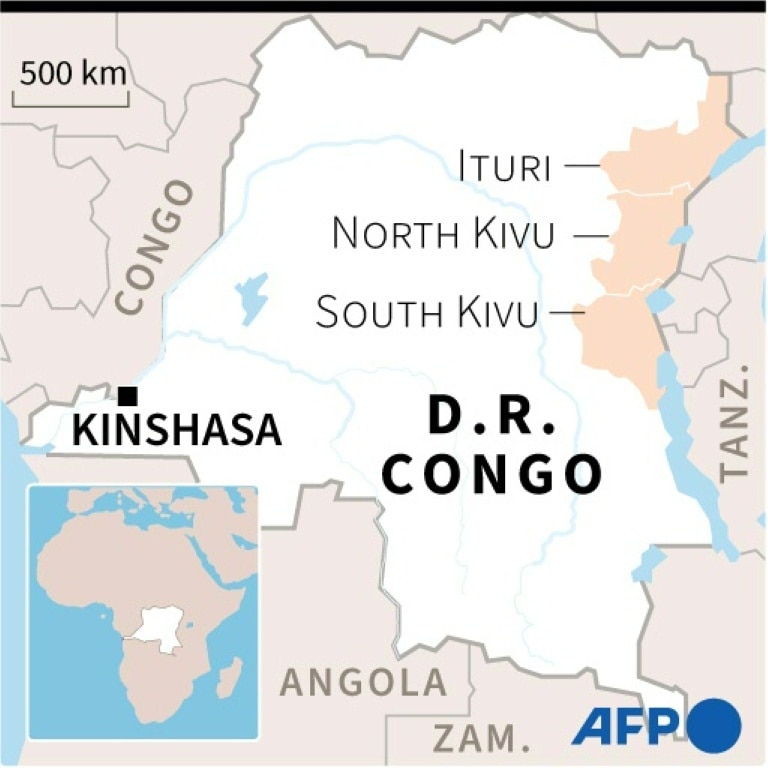
    Meanwhile, in simultaneous action, Jamaica secured a hard-fought 1-0 victory over New Caledonia courtesy of Wrexham striker Bailey Cadamarteri’s first-half strike in the 18th minute. The narrow triumph earned the Reggae Boyz a coveted spot in the international playoff final against Congo, scheduled for next Tuesday at Akron Stadium in Guadalajara.

    Bolivian coach Oscar Villegas praised his team’s character, emphasizing their refusal to surrender despite the deficit. The winning penalty emerged from substitute Juan Godoy’s impactful contribution, drawing a foul from Leo Abena that Terceros clinically converted past goalkeeper Etienne Vaessen. The 21-year-old goalscorer acknowledged the collective effort behind his match-winning contribution.

    The significance of these victories extends beyond the immediate results, with both nations now positioned one step away from World Cup qualification. Bolivia seeks to return to the global stage for the first time since 1994, while Jamaica aims to replicate their sole appearance from 1998. The eventual winners will join challenging groups in the tournament proper, with Bolivia’s potential opponent facing France, Norway and Senegal in Group I, while Jamaica’s victor would enter Group K alongside Colombia, Portugal and Uzbekistan.

    Adding prestige to the occasion, FIFA President Gianni Infantino attended both playoff matches, underscoring the global significance of these qualification battles. His presence in Mexico continues with scheduled visits to the renovated Azteca stadium for upcoming international fixtures.

  • Trump orders airport security paid as travellers face hours-long queues

    Trump orders airport security paid as travellers face hours-long queues

    Amid the longest airport security queues in U.S. aviation history, President Donald Trump has announced an unprecedented executive intervention to pay Transportation Security Administration (TSA) agents who have been working without salaries during a partial government shutdown.

    The crisis stems from a congressional deadlock over Department of Homeland Security (DHS) funding that began in February, creating a domino effect that has paralyzed air travel nationwide. With approximately 50,000 TSA agents classified as essential personnel required to work without pay, hundreds have resigned, creating critical staffing shortages at security checkpoints.

    The situation reached a breaking point this week as wait times exceeded four hours at major hubs including Houston’s George Bush Intercontinental Airport, where nearly 40% of security staff failed to report for duty. Similar disruptions were reported at airports in New York, New Jersey, and Illinois, with security lines extending into parking areas and across multiple terminal levels.

    President Trump announced via Truth Social on Thursday that he would invoke executive authority to instruct newly-confirmed Homeland Security Secretary Markwayne Mullin to “immediately pay our TSA Agents in order to address this Emergency Situation.” The president acknowledged the legal complexity of such action, stating “It is not an easy thing to do, but I am going to do it!”

    Legal experts immediately questioned the move’s validity. Georgetown University law professor Josh Chafetz told the BBC that the proposal “seems to me pretty clearly a violation of the Antideficiency Act, which prohibits spending money that has not been appropriated by Congress.”

    The political standoff centers on Democratic demands for immigration enforcement reforms as a condition for DHS funding, while the Trump administration has blamed opposition parties for the impasse. As a temporary measure, hundreds of Immigration and Customs Enforcement (ICE) agents—whose funding remains intact under separate legislation—have been deployed to 14 airports to alleviate security bottlenecks.

    White House spokesperson Karoline Leavitt emphasized that “the best and easiest way to pay TSA Agents is to fund DHS,” indicating that the executive order represents an emergency measure rather than a permanent solution. President Trump has additionally floated the possibility of deploying National Guard troops to airports if the crisis persists.