作者: admin

  • Pope Leo XIV makes a rare 1-day visit to glitzy Monaco

    Pope Leo XIV makes a rare 1-day visit to glitzy Monaco

    VATICAN CITY — Pope Leo XIV embarked on a landmark diplomatic journey to Monaco on Saturday, marking the first papal visit to the Mediterranean principality in nearly five centuries. The highly symbolic trip underscores how miniature sovereign states can exert substantial influence on worldwide affairs despite their modest size.

    Vatican spokesperson Matteo Bruni emphasized the significance of small nations in global diplomacy, noting that “in biblical tradition, it is precisely the small entities that frequently play pivotal roles.” The visit provides Pope Leo, the American-born pontiff, with his inaugural opportunity to address broader European audiences through this diplomatic channel.

    Monaco represents one of Europe’s rare constitutional Catholic monarchies where Catholicism remains the official state religion. Prince Albert recently reinforced this religious identity by rejecting legislation to legalize abortion, aligning with Catholic doctrine despite abortion being constitutionally protected in surrounding France. This decision echoes similar stands taken by European Catholic royals, including Belgium’s late King Baudouin, whom Pope Francis previously placed on the path to potential sainthood for his anti-abortion stance.

    Bruni confirmed that “defense of life” would constitute a central theme of Leo’s nine-hour visit, though clarified this would encompass broader contexts including conflict resolution and peace advocacy alongside traditional pro-life positions.

    The itinerary included private meetings with Prince Albert and Princess Charlene at the royal palace, gatherings with Monaco’s Catholic community at the cathedral, and a Mass celebration at the principality’s sports stadium.

    While Monaco is globally recognized for its luxury lifestyle, tax incentives, and Formula Grand Prix, the visit highlighted its substantive diplomatic contributions. The principality actively supports Middle Eastern Christian communities through organizations like the Aliph Foundation, which restores conflict-damaged religious sites, and maintains longstanding partnerships with French-based l’Œuvre d’Orient supporting ecclesiastical projects across 23 nations.

    Environmental cooperation emerged as another key agenda item, with Prince Albert being an established ecological advocate and Monaco hosting regular international environmental conferences. Pope Leo has continued Francis’s legacy of ecological stewardship, making climate discussions a natural component of the bilateral dialogue.

    François Mabille of the French Institute for International and Strategic Affairs observed that Monaco’s voting membership in international organizations complements the Vatican’s observer status, creating synergistic potential for small-state diplomacy on issues ranging from environmental protection to peace mediation.

    The visit, though brief, symbolized the convergence of the world’s two smallest sovereign states addressing humanity’s most pressing challenges, demonstrating how miniature nations can serve as laboratories for peace, social friendship, and responsible governance.

  • Daniel Devlin found guilty of manslaughter for attack that killed Ali Chaaban in Melbourne

    Daniel Devlin found guilty of manslaughter for attack that killed Ali Chaaban in Melbourne

    A verdict of manslaughter delivered in Victoria’s Supreme Court triggered an emotional outburst from the gallery as Daniel Devlin was held criminally responsible for the death of Ali Chaaban. The conviction concludes a week-long trial centered on a violent confrontation that occurred in Heidelberg West on June 15, 2024.

    Prosecutor Jim Shaw presented the Crown’s case, detailing how Devlin arrived at Mr. Chaaban’s residence—an acquaintance, but not a friend—and was explicitly told he was not welcome. The interaction rapidly escalated into a physical altercation outside the home. Evidence presented to the jury described Devlin removing his shirt before the two men engaged in a fight, which culminated in Mr. Chaaban being knocked to the ground.

    The prosecution argued that Devlin placed Mr. Chaaban in a prolonged headlock, a action characterized as “clearly dangerous.” This claim was supported by footage from police body-worn cameras, which allegedly captured Devlin continuing to assault the critically injured man even as officers arrived on scene and attempted to intervene. Mr. Chaaban succumbed to his injuries in Austin Hospital the following morning, with the official cause of death determined to be blunt force trauma to the neck.

    The defense, led by barrister Justin Hannebery KC, posited an alternative explanation for the death. He suggested that the presence of methamphetamine in Mr. Chaaban’s system introduced reasonable doubt, arguing that the autopsy could not definitively pinpoint the duration or precise mechanism of the fatal injury. Hannebery further contended that the headlock could be interpreted as an “innately defensive” maneuver rather than an aggressive act, and noted a lack of clear evidence regarding which party initiated the physical conflict.

    Despite these arguments, the jury returned a guilty verdict. The Chaaban family, present in court, expressed profound relief and a sense of justice following the decision. Devlin is scheduled to return for a pre-sentence hearing on March 31, where sentencing will be determined.

  • Cyclone triggers outages at major Australian LNG plants

    Cyclone triggers outages at major Australian LNG plants

    A severe tropical cyclone has forced the shutdown of major liquefied natural gas (LNG) facilities along Western Australia’s coast, creating additional strain on global energy markets already grappling with supply disruptions from Middle East conflicts. The simultaneous outages at Chevron’s Gorgon and Wheatstone plants, along with Woodside Energy’s North West Shelf operations, have removed significant LNG capacity from world markets at a critical time.

    Cyclone Narelle, packing winds reaching 200 kilometers per hour, prompted safety shutdowns across Australia’s northwest gas processing region on Friday. Chevron confirmed both its Gorgon (15 million metric tonne annual capacity) and Wheatstone (9 million metric tonne capacity) facilities experienced production interruptions, collectively representing over 5% of global LNG supply. Woodside Energy similarly reported offline status at its Karratha gas plant, which serves one of the world’s largest offshore gas operations.

    The timing exacerbates existing market tensions caused by the Iran-Israel conflict, which has disrupted shipments through the critical Strait of Hormuz shipping channel. Energy analyst Josh Runciman of the Institute for Energy Economics and Financial Analysis noted the cyclone arrived at the ‘worst possible time,’ warning that even minor production setbacks could trigger significant price fluctuations in global markets.

    Asian markets face particular vulnerability, as Australia supplies approximately 40% of Japan’s LNG requirements according to the Asia Natural Gas and Energy Association. LNG spot prices in some Asian regions have already doubled since February 28th when U.S.-Israel military actions against Iran commenced.

    International Energy Agency Executive Director Fatih Birol, visiting Canberra this week, emphasized Australia’s increasingly vital role in global energy security while cautioning that ‘Australia alone will not be able to offset the entire lack of LNG coming from the Middle East.’

    With companies monitoring Cyclone Narelle’s progression, Chevron and Woodside have committed to restoring production once weather conditions permit safe operations. The supply interruption comes as Australia considers implementing a windfall tax on LNG exporters benefiting from elevated prices driven by geopolitical tensions.

  • Nepal’s youngest prime minister takes the oath of office

    Nepal’s youngest prime minister takes the oath of office

    KATHMANDU, Nepal — In a historic political transition, 35-year-old Balendra Shah assumed office as Nepal’s youngest prime minister on Friday following his party’s decisive electoral triumph. The swearing-in ceremony, rich with cultural symbolism, occurred at precisely 12:34 p.m.—a time deemed astrologically auspicious by Hindu priests that also aligned with the numerological pattern “1-2-3-4.”

    Shah’s Rastriya Swatantra Party secured nearly two-thirds of the seats in the House of Representatives during the March 5 elections, prompting President Ram Chandra Paudel to formally appoint the political outsider to lead the government. The victory represents a dramatic shift in Nepal’s political landscape, coming months after youth-led protests toppled the previous administration in September.

    The elaborate inauguration incorporated both Hindu and Buddhist traditions, featuring ceremonial conch blowing (shankhnaad) and religious chanting by priests and lamas. The timing coincided with Ram Navami celebrations across the Himalayan nation, with Shah scheduled to enter his official office at 14:15 p.m.—another numerically significant time considered favorable.

    Shah’s ascent marks a significant departure from Nepal’s established political order. As a structural engineer and former rap artist who gained prominence as Kathmandu’s mayor, he now faces the formidable challenge of addressing widespread public dissatisfaction with traditional parties accused of corruption and chronic instability. His party’s overwhelming mandate—securing approximately two-thirds of the 275 seats in parliament’s lower house—reflects a dramatic public repudiation of the political status quo.

    Though not directly participating in the September uprising that resulted in dozens of casualties, Shah emerged as a vocal supporter of the predominantly Generation Z demonstrators. His administration now bears the responsibility of channeling this youth-driven momentum into tangible governance reforms in the nation of 30 million people, where religious and astrological traditions continue to profoundly influence public and political life.

  • Trump extends pause on striking Iranian energy plants by 10 days

    Trump extends pause on striking Iranian energy plants by 10 days

    In a significant diplomatic development, the United States has prolonged its temporary suspension of military actions against Iranian energy infrastructure by an additional ten days. President Donald Trump announced the extension via his Truth Social platform, setting a new deadline of April 6, 2026, at 8 PM Eastern Time for potential strikes.

    The decision comes amid ongoing indirect communications between the two nations, with Pakistan serving as the primary intermediary channel. Pakistani Deputy Prime Minister and Foreign Minister Mohammad Ishaq Dar confirmed his government’s role in facilitating these backchannel discussions.

    This extension follows an initial five-day pause announced earlier this week, which Trump characterized as resulting from ‘productive’ engagements with Iranian officials. However, Tehran has consistently denied any direct contact with Washington since the commencement of joint U.S.-Israel military operations against Iranian targets on February 28.

    Iranian Foreign Minister Seyed Abbas Araghchi acknowledged that messages have been exchanged through intermediaries in recent days but emphasized that no formal negotiations have occurred. The situation remains tense, with Tehran previously warning of regional retaliation should the United States follow through with its threats against Iranian energy facilities.

    The current standoff originated with President Trump’s 48-hour ultimatum demanding Iran fully reopen the strategic Strait of Hormuz, a critical global oil transit route. The extended pause suggests both sides may be seeking a diplomatic resolution to avoid further military escalation in the already volatile region.

  • PM seeks to reassure Australians over fuel supply amid panic buying

    PM seeks to reassure Australians over fuel supply amid panic buying

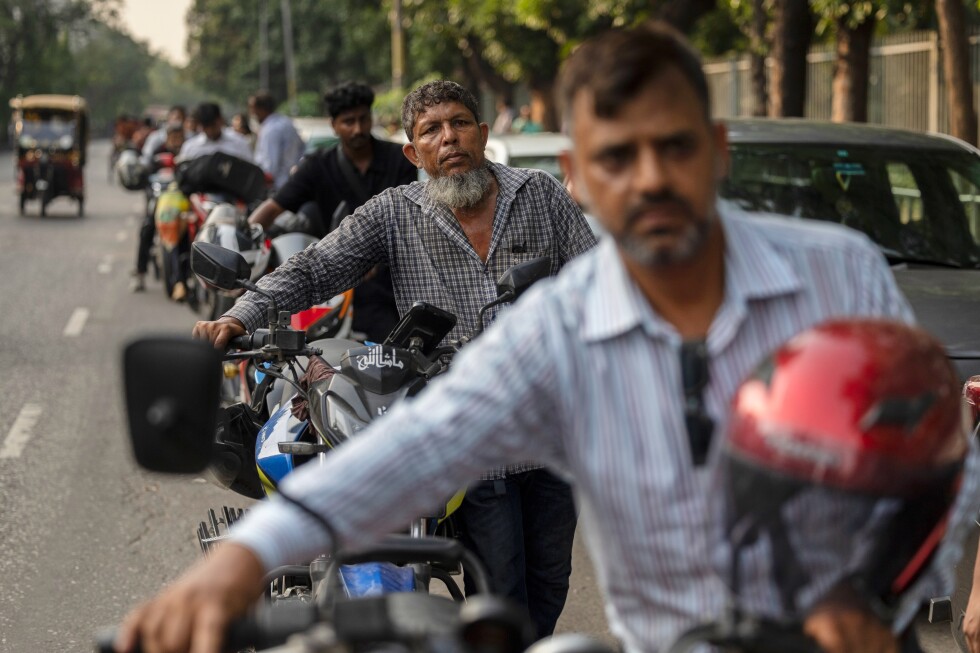
    A severe fuel supply disruption is unfolding across Australia, with hundreds of service stations reporting shortages of at least one type of fuel this week. The crisis has been triggered by a perfect storm of international conflict and domestic panic buying, creating widespread logistical challenges and record-high prices.

    The situation escalated following the closure of the Strait of Hormuz after the outbreak of war between the US, Israel, and Iran. This critical chokepoint for global oil shipments being blocked caused an immediate spike in international oil prices. In response, Australian motorists have engaged in widespread panic purchasing, with many filling jerry cans and storing fuel in garages, further straining distribution networks.

    Prime Minister Anthony Albanese addressed the nation on Friday, seeking to reassure citizens about the country’s fuel security while acknowledging the significant challenges. “The longer this war goes on, the greater the impact will be. But we continue to act to prepare and shield Australians from the worst of it,” he stated during a press conference.

    Energy Minister Chris Bowen, appearing alongside the Prime Minister, emphasized that the core issue is one of distribution and demand rather than actual supply volume. “For the next few weeks, Australia’s supply of petrol and diesel and oil will be the same, if not higher, than it normally would be,” Bowen asserted, indicating that physical fuel availability remains consistent with pre-war levels.

    Price data reveals the dramatic impact on consumers. The Australian Institute of Petroleum reported the average retail petrol price reached 238 Australian cents per liter as of Sunday, a sharp increase from 171 cents just four weeks earlier. Diesel prices have hit unprecedented levels, with the National Roads and Motorists’ Association recording prices of 314.5 cents per liter in Sydney as of Thursday.

    NRMA spokesperson Peter Khoury explained the behavioral factors exacerbating the situation: “People are filling up jerry cans of fuel and storing it in their garages. We’re hearing increasingly of transport companies telling their drivers that if you’re half full and you see diesel, buy it.”

    The crisis has particularly impacted independent petrol stations, which lack the long-term supply contracts that major retailers benefit from. These contracts are being prioritized by oil companies, leaving smaller operators struggling to secure inventory.

    Adding to the complexity, a cyclone in Western Australia has triggered outages at two of the world’s largest LNG plants—Gorgon and Wheatstone—which collectively supply approximately 5% of the global market according to operator Chevron. This development has placed additional pressure on energy markets worldwide.

    The government has responded with several measures, including releasing oil from the national stockpile and temporarily lowering fuel standards to increase available supply. While ruling out rationing thus far, Prime Minister Albanese is convening an emergency national cabinet meeting on Monday to develop a comprehensive response strategy to manage the escalating crisis.

  • War on Iran could be ‘catalyst’ for erosion of US petrodollar, Deutsche Bank says

    War on Iran could be ‘catalyst’ for erosion of US petrodollar, Deutsche Bank says

    A new Deutsche Bank analysis suggests escalating military tensions between the US-Israel alliance and Iran could fundamentally undermine the petrodollar system—a cornerstone of American financial global dominance for nearly five decades. Research analyst Mallika Sachdeva’s special report indicates the current Middle East conflict may expose critical vulnerabilities in the dollar’s reserve currency status.

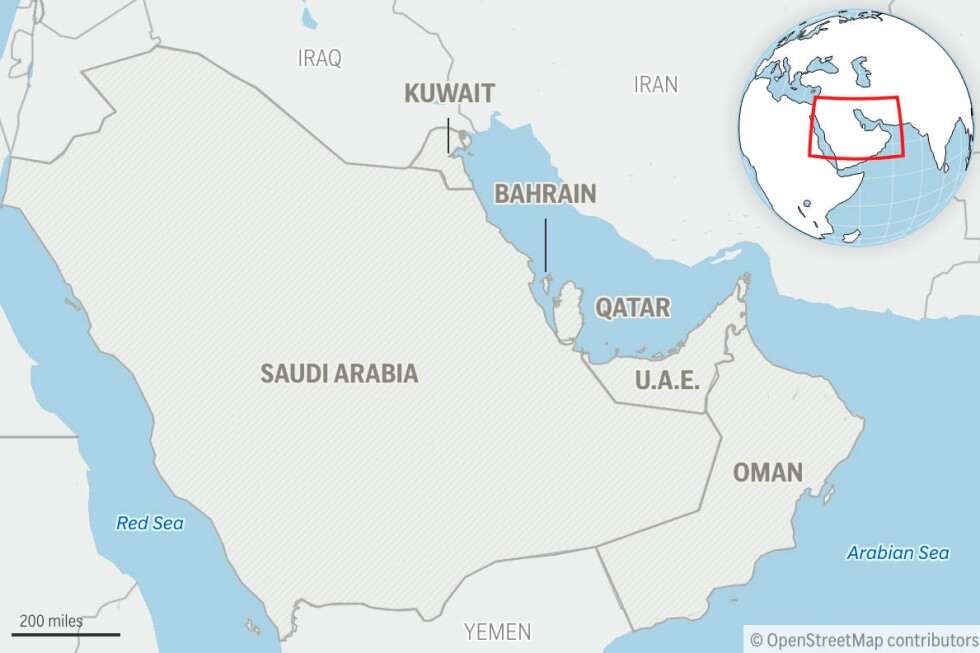
    The petrodollar system originated from a 1974 agreement whereby Gulf nations—including Saudi Arabia, the UAE, Kuwait, Qatar, and Bahrain—price their oil exports exclusively in US dollars. These petrodollar revenues are subsequently reinvested in US Treasury bonds, creating a symbiotic financial relationship that supports lower borrowing costs for American consumers and the federal government while providing Gulf states with security guarantees.

    Sachdeva’s analysis identifies maritime security concerns as particularly damaging to this arrangement. Iran’s effective control over the Strait of Hormuz—through which approximately 21 million barrels of oil pass daily—challenges America’s role as primary security guarantor for global oil trade routes. This development raises fundamental questions about the reliability of US protection for Gulf infrastructure.

    The report notes that regional doubts about American security commitments could trigger significant financial consequences. Gulf Cooperation Council (GCC) nations collectively maintain approximately $250 billion in US Treasury holdings while pegging their currencies to the dollar. Any substantial withdrawal of these assets could destabilize both the dollar’s value and America’s borrowing capacity.

    Geopolitical shifts are already creating alternative financial structures. Following Western sanctions against Russia, China has emerged as a major energy purchaser using yuan and ruble transactions. Notably, China currently receives 90% of Iran’s oil exports and remains the primary customer for Saudi crude.

    While predictions of the petrodollar’s demise have circulated for years, Deutsche Bank suggests the current conflict may accelerate this process, potentially establishing the ‘petroyuan’ as an alternative benchmark. The analysis concludes that the Middle East’s strategic importance to dollar hegemony cannot be overstated, and that ongoing regional instability may ultimately catalyze a fundamental reshaping of global financial architecture.

  • Cameron Ciraldo calls out GIO Stadium officials after no one called to check on his injured hand

    Cameron Ciraldo calls out GIO Stadium officials after no one called to check on his injured hand

    Canterbury-Bankstown Bulldogs head coach Cameron Ciraldo has expressed significant disappointment with GIO Stadium management for their failure to conduct a welfare check following a serious hand injury he sustained in their coaches’ box last weekend. The incident occurred during the final minutes of the Bulldogs’ clash with Canberra when a window Ciraldo attempted to open suddenly shattered, severely lacerating his right hand and necessitating immediate medical treatment involving five stitches.

    Speaking at a Friday press conference, Ciraldo revealed his surprise that no stadium representative had contacted him regarding the accident. “I would have appreciated someone ringing to inquire about what occurred and verify my condition,” Ciraldo stated. “However, if proper stadium maintenance isn’t your priority, perhaps such considerations don’t cross your mind either.” Despite the injury, Ciraldo confirmed his availability for this weekend’s match against Newcastle Knights at Accor Stadium.

    The coaching setback comes as the Bulldogs continue preparations for their upcoming fixture without key recruit Leo Thompson, who remains sidelined with a calf injury delaying his club debut. Ciraldo provided an update on Thompson’s rehabilitation progress, noting the prop forward’s active involvement in team meetings and defensive strategy sessions despite his physical limitations.

    Assistant coach Adam O’Brien’s insider knowledge of Newcastle’s playing roster is expected to provide tactical advantages, particularly concerning the containment of dynamic five-eighth Fletcher Sharpe. Ciraldo identified Sharpe’s exceptional speed and unpredictable positioning as primary defensive concerns that dominated his strategic planning throughout the week.

    Meanwhile, center Bronson Xerri will complete another NSW Cup appearance following his recent demotion from first-grade selection. Ciraldo praised Xerri’s professional response to the setback, noting his improved training intensity and positive attitude since the roster decision was announced publicly.

  • Rubio will try to sell Iran war to skeptical G7 diplomats after Trump insults allies

    Rubio will try to sell Iran war to skeptical G7 diplomats after Trump insults allies

    U.S. Secretary of State Marco Rubio encountered a challenging diplomatic landscape Friday as he convened with Group of Seven counterparts in France, following President Donald Trump’s sharp criticisms of NATO allies regarding the Iran conflict. The gathering near Versailles occurred amidst heightened transatlantic tensions, with multiple European nations expressing deep reservations about American military strategy in the Middle East.

    President Trump’s Thursday cabinet meeting remarks questioning NATO’s value and expressing disappointment in alliance members’ reluctance to support U.S. operations in Iran created additional complications for Rubio’s diplomatic mission. Of the G7 member nations, only Japan stands outside the NATO framework, while Britain, Canada, France, Germany and Italy all belong to the transatlantic military alliance.

    The Secretary of State’s mission to build consensus faces multiple obstacles beyond the Iran situation. European partners remain concerned about earlier U.S. demands regarding Greenland’s transfer from Denmark and seek reassurance about continued American support for Ukraine against Russian aggression. These existing tensions are now compounded by differences over Middle Eastern strategy.

    Trump specifically criticized NATO countries for not assisting with securing the Strait of Hormuz, where Iranian actions have disrupted oil shipments and driven energy prices upward. The president asserted that the U.S. protects NATO members from Russia without reciprocal protection, adding that he never believed the alliance was necessary and had previously been ‘doing a test.’

    Despite these challenges, Rubio struck an optimistic tone before departing Washington, expressing anticipation for ‘great meetings’ with world leaders. He later emphasized on social media that the discussions would address shared global security concerns, particularly regarding the Middle East and Russia-Ukraine conflict.

    NATO Secretary-General Mark Rutte had earlier noted increased defense spending by member states, acknowledging European and Canadian overreliance on U.S. military capability while highlighting a developing ‘shift in mindset.’ Rutte confirmed NATO’s recognition of Iran’s threatening missile programs and nuclear ambitions, characterizing U.S. actions as degrading those capabilities.

    French military leadership expressed particular concern about the lack of consultation before American military engagements. General Fabien Mandon, chief of the French defense staff, noted that allies were surprised by U.S. decisions to intervene without notification, affecting European security interests. Nevertheless, France has organized multilateral talks involving 35 nations to address reopening the Strait of Hormuz once hostilities diminish.

    German Foreign Minister Johann Wadephul echoed the need for stability, emphasizing that support for Ukraine must not waver during the Iran conflict. He advocated for developing a joint position that would ensure sustainable conflict resolution, Hormuz security, and continued restraint of Iranian regional influence.

  • General Forest Tree Surgeon fined $70,000 after worker suffers brain injury from falling tree trunk

    General Forest Tree Surgeon fined $70,000 after worker suffers brain injury from falling tree trunk

    A Sydney-based tree service company has been ordered to pay a substantial penalty following a workplace incident that left an employee with severe brain trauma. General Forest Tree Surgeon Pty Ltd faced conviction in the NSW Industrial Court and received a $70,000 fine for safety violations that resulted in a November 2022 accident.

    The incident occurred at a residential construction site in Elderslie where company personnel were engaged in tree removal operations. Workers were tasked with pruning and removing several trees, including a 10-meter Celtis Australis specimen. Despite multiple toolbox meetings and verbal instructions to avoid designated exclusion zones during cutting operations, critical safety measures were absent from the worksite.

    Justice Ingmar Taylor’s investigation revealed that while witches’ hats demarcated the drop zone perimeter, the area lacked physical barriers, warning signage, or a dedicated spotter to monitor the most hazardous phases of the operation. The court heard that an experienced arborist was performing ‘step cutting’ procedures—a technique involving manual breaking and dropping of trunk sections—when the incident occurred.

    The injured worker, Guven Simsek, who had been employed with the family-run business for less than four months and possessed no formal arboriculture qualifications, entered the restricted area without authorization or work-related purpose. Although the arborist had previously noticed Simsek without proper head protection and instructed him to wear his helmet, the worker was struck in the head by a falling trunk section while looking downward within the drop zone.

    The impact resulted in significant head trauma subsequently diagnosed as a frontal lobe brain contusion. Justice Taylor emphasized that the risk of workers being struck by falling debris was both foreseeable and preventable through straightforward, cost-effective safety implementations. The judgment notably stated that verbal warnings represent the ‘lowest order of control’ and cannot substitute for physical safeguards, particularly when workers demonstrate inattention or disregard protocols.

    The court recognized the company’s immediate guilty plea, demonstrated remorse, and substantial post-incident safety enhancements as mitigating factors. These improvements included hiring safety specialists to overhaul protocols, implementing mandatory physical barriers and signage, requiring site supervisors to act as spotters, introducing rope-assisted branch lowering systems, and establishing annual external safety audits. The company reported no subsequent incidents since implementing these measures.

    In addition to the financial penalty, the court ordered payment of SafeWork NSW’s legal costs and directed that fifty percent of the fine be allocated to the regulatory authority.